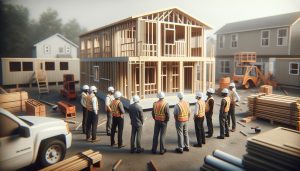
Understanding the value of your mobile home is essential for making informed financial decisions, whether you’re considering selling, refinancing, or simply assessing your investment. Many homeowners are surprised to learn that numerous factors, from location and condition to market trends, can significantly affect their home’s worth. This guide offers free valuation methods to help you determine your mobile home’s market price confidently. By grasping how to evaluate your property accurately, you can ensure that you aren’t leaving money on the table and can navigate the mobile home market more effectively. Let’s explore the best practices for valuing your manufactured home and equip you with the knowledge you need to succeed in this unique housing landscape.
How to Determine the Market Value of Your Mobile Home
Determining the market value of your mobile home is crucial, whether you’re looking to sell, refinance, or simply evaluate your investment. A clear understanding of how to gauge your home’s worth can empower you to make informed decisions. To effectively assess your mobile home’s value, you should consider several factors, including its age, location, size, and condition. Additionally, keep an eye on market trends in your area, as they can significantly influence your home’s value.
One practical approach is to start with comprehensive online valuation tools. Many platforms allow you to input your home’s details and will generate an estimated value based on comparable sales in your area. These tools often utilize algorithms based on recent market data and can provide a good starting point for understanding your home’s worth. However, it’s essential to remember that these online tools should serve as a guide, not an absolute figure.
Comparing your home against similar homes in your neighborhood-often referred to as “comps”-is another effective way to determine value. Look for homes that resemble yours in terms of age, size, and condition. Local real estate websites and MLS listings can offer insight into recent sales prices and help you gauge what buyers are willing to pay. It may also be beneficial to consult with a local real estate agent who specializes in mobile homes; their firsthand knowledge of the area and trends can provide invaluable context for your valuation process.
Ultimately, it’s about balancing your findings from online tools, sales comparisons, and expert opinions to arrive at a realistic figure for your mobile home. By taking the time to thoroughly analyze these elements, you can cultivate a more accurate understanding of your property’s market value.
Free Online Valuation Tools for Mobile Homes
When it comes to gauging the value of your mobile home, free online valuation tools are invaluable resources. These platforms allow homeowners, prospective buyers, and investors alike to obtain an estimated worth without incurring costs. By simply entering specific details about your mobile home-such as its size, age, location, and condition-you can receive comparable market data that may help you understand your home’s financial standing in current real estate conditions.
Many websites offer intuitive interfaces designed for ease of use. These tools often analyze recent sales data and trends within your neighborhood, providing a rough estimate of value based on comparable properties. For instance, platforms like the Used Mobile Home Value Calculator are tailored specifically for mobile homes and can be an excellent starting point for your valuation journey. They aggregate information from numerous transactions, allowing you to see how similar homes have fared in the market, which can guide pricing decisions whether you’re selling or refinancing ([[1]]).
While online tools offer a solid foundation, it’s important to understand their limitations. These estimations are generated algorithmically and may not account for unique features or nuances of your property. Therefore, supplementing these online findings with local market insights can enhance your understanding of value. Consider checking multiple platforms, as each may use different data sets and methodologies, ensuring a well-rounded view of your mobile home’s worth.
In addition to evaluating the home itself, many tools also help contextualize comprehensive market trends, enabling users to grasp the broader implications of their data. Keeping an eye on regional growth, housing demands, and even the specific amenities nearby can greatly impact your home’s appraisal. As with any valuation method, combine insights from these online calculators with traditional approaches-like consulting real estate listings or speaking to your local agent-to strive for the most accurate assessment of your mobile home’s value.
Factors Affecting Mobile Home Valuation
Determining the market value of a mobile home involves navigating a variety of factors that can significantly influence its worth. Unlike traditional homes, mobile homes face unique challenges and benefits that need careful consideration. For instance, the age and model of the home play a crucial role; newer models from reputable manufacturers generally have a higher resale value due to modern features and better construction standards. Additionally, location can make a substantial difference-homes in desirable communities, near amenities, or in areas with growing real estate markets tend to fetch higher prices.
Another essential factor is the condition of the mobile home. A well-maintained home that has been regularly upgraded or renovated will often outperform similar homes in disrepair. Considerations include the state of major systems like plumbing, electrical, and HVAC, as well as aesthetic elements such as paint, flooring, and landscaping. Keeping your mobile home in excellent condition not only enhances its market appeal but can also assist in securing better financing options for potential buyers.
Market Trends
Market trends are another crucial element affecting valuation. The overall demand for mobile homes can fluctuate substantially based on economic conditions, interest rates, and the availability of traditional housing. For example, if housing prices rise, more buyers might turn to mobile homes as a cost-effective alternative, thereby increasing their value. Understanding these trends requires diligent research; following local real estate news and analyzing comparable home sales can provide insight into whether it’s a buyer’s or seller’s market.
Site and Setup Considerations
The site where the mobile home is placed can also impact its valuation. Factors such as the size of the lot, utilities access (water, sewage, electricity), and zoning regulations can provide significant advantages or disadvantages. For example, a mobile home on a spacious, well-situated lot equipped with necessary utilities may be valued higher than one that lacks these critical features.
Incorporating these factors into your valuation process allows for a more comprehensive approach, enabling you to make educated decisions whether you’re assessing for potential sale or simply wanting to gauge your investment’s current worth. Paying close attention to these elements will not only enhance your understanding of mobile home valuations but empower you to maximize your investment in manufactured housing.
Comparing Mobile Home Values: Market Trends
Understanding market trends is essential for anyone looking to assess the value of a mobile home. In recent years, the landscape for mobile homes has shifted dramatically, influenced by various external factors such as the economy, interest rates, and regional real estate dynamics. The increased popularity of mobile homes as an affordable housing solution means that those well-versed in market conditions can make informed decisions regarding their investment.
To effectively compare mobile home values, begin by monitoring local real estate trends. Keeping an eye on housing prices in your area can provide insights into potential valuation fluctuations. For instance, if traditional housing prices are climbing, it often leads to an uptick in mobile home sales as buyers seek more affordable alternatives. Local real estate websites and apps can help track sales data for comparable mobile homes, allowing you to draw parallels and assess the market position of your own home.
Another crucial aspect is understanding the demographics of mobile home buyers, which can influence market trends significantly. The demand for specific features, like energy-efficient appliances or modern designs, can play a pivotal role in driving value. For example, homes located near urban centers with good access to public transportation or community amenities may see higher demand, further impacting valuation positively.
Overall, leveraging resources like community forums, real estate agents specializing in manufactured housing, and online valuation tools can help you stay abreast of changing market conditions. Being proactive in this manner not only sharpens your valuation acumen but empowers you to navigate the mobile home market with confidence, ensuring you make strategic choices for your mobile home investment.
Understanding Mobile Home Appraisals
Understanding the value of your mobile home begins with a thorough appraisal process, which serves as a cornerstone for informed decision-making in the real estate market. An appraisal is an objective assessment typically conducted by a certified appraiser who evaluates various aspects of your mobile home and compares it against similar properties in the area. This evaluation is crucial whether you’re planning to sell, refinance, or simply want to understand the worth of your investment.
Appraisers consider several factors when determining the value of a mobile home, including its age, size, condition, and the quality of materials used in its construction. They will also analyze the home’s location and proximity to amenities, which can greatly influence marketability and price. For instance, a mobile home situated in a desirable neighborhood with access to good schools and parks can command a higher value than one in a less favorable location.
Another important aspect of mobile home appraisals is the understanding of depreciation. Unlike traditional homes, mobile homes can depreciate in value, particularly if they are not permanently affixed to a foundation or if they are situated in a less favorable park or area. Appraisers will also look for upgrades or renovations that may increase the value of the home, such as modern appliances, energy-efficient windows, or a well-maintained exterior.
In a practical sense, homeowners can prepare for an appraisal by conducting their own observations-documenting the state of their property, taking note of recent renovations, and gathering relevant paperwork such as title deeds or purchase records. Engaging in the appraisal process not only provides clarity on market value but also empowers homeowners with information that can be used for negotiations during sales or when discussing financing with lenders.
Ultimately, understanding the nuances of mobile home appraisals gives homeowners and potential buyers valuable insights into one of the most significant investments in their lives, ensuring that they can make informed choices in this specialized market.
DIY Mobile Home Valuation Techniques
Determining the market value of your mobile home doesn’t have to rely solely on professional appraisals; there are numerous DIY techniques that can offer valuable insights into your home’s worth. Armed with the right tools and knowledge, you can perform a thorough valuation from the comfort of your own living room. This approach not only enhances your understanding of the housing market but also empowers you to make informed decisions whether you’re selling, refinancing, or simply interested in your investment’s status.
To begin with, an effective method is to gather comparable sales data, often referred to as “comps.” This involves looking at recent sales of mobile homes in similar conditions and locations. Websites like Zillow, Craigslist, or local real estate listings can provide insights into current market trends. Pay attention to various factors, such as the sale price, size, and amenities of the comparables to paint an accurate picture of your home’s value. Create a simple spreadsheet or table to compare these variables, helping you identify where your home stands in the market.
Another fundamental aspect to consider is the condition and age of your mobile home. Factors such as the overall upkeep of the property, any necessary repairs, and the age can drastically affect its value. Make a list of recent upgrades or renovations, such as new roofing, siding, or HVAC systems, since these can positively influence appraisal outcomes. It also helps to visually document these changes with photographs, allowing potential buyers (or yourself) to easily grasp the improvements made.
Lastly, do not underestimate the value of local market trends. Understanding whether the market is trending upward or downward can provide additional context for your valuation. Check for indicators such as rising or falling inventory levels, which can significantly impact the value of your mobile home. Engaging with local community Facebook groups or forums related to mobile home ownership can provide anecdotal insights on current selling prices and buyer behaviors.
By combining these DIY valuation techniques-analyzing comps, assessing your home’s condition, and understanding local market trends-you can create a more comprehensive picture of your mobile home’s worth, equipping you for negotiations and informed decisions down the line.
Common Mistakes in Valuing Your Mobile Home
Valuing a mobile home can be tricky, and many homeowners make common mistakes that could lead to undervaluing or overvaluing their property. One frequent pitfall is neglecting to consider the current market conditions. Mobile home prices fluctuate based on demand, inventory levels, and regional trends. For instance, a mobile home in a popular area may command a higher price due to limited availability, while in a saturated market, prices can drop significantly. Ignoring these dynamics can skew expectations and impact selling strategies.
Another crucial error is failing to adequately assess the home’s condition. Prospective sellers often overlook important factors such as necessary repairs, age of major systems (like the roof or HVAC), and overall aesthetics. A clean, well-maintained home with recent upgrades can significantly increase value, whereas a home needing major repairs can deter potential buyers. It’s essential to conduct a thorough inspection and address any issues before attempting to set a price. Documenting upgrades with receipts and photographs can also bolster value during negotiations.
Homeowners also make the mistake of relying solely on online valuation tools without cross-referencing with real-world data. While these tools can provide a ballpark figure, they lack the nuances that come from local knowledge and specific property details. Gathering comparable sales data, or “comps,” from local listings can provide a more accurate picture of your home’s worth. Engaging with real estate professionals or community groups can also help gather relevant insights and experiences from fellow homeowners who have recently sold similar properties.
Lastly, emotional attachment to a home can cloud judgment on its value. Many owners overestimate the worth due to personal memories or investments in upgrades. It’s important to approach the valuation process with a clear mind, focusing on objective factors rather than sentimental ones. By acknowledging these common mistakes, mobile homeowners can better position themselves for a successful sale and ensure they are adequately compensated for their investment.
The Role of Professional Appraisers in Valuation
Understanding the intricacies of mobile home valuation can be daunting, and that’s where professional appraisers come into play. These trained experts offer invaluable insights that go beyond basic estimations, ensuring a well-informed pricing strategy for the sale or purchase of a mobile home. A professional appraiser not only assesses the physical condition and age of the mobile home but also considers the location, market trends, and comparable sales data to arrive at an accurate valuation.
Why You Should Consider a Professional Appraisal
For many mobile homeowners, seeking the help of a certified appraiser can serve as a critical step in the valuation process. The appraiser’s expertise can help you avoid the pitfalls of superficial estimations or reliance on online tools, which may not fully represent the unique attributes of your property. Professional appraisers are trained to identify factors that significantly affect value, such as:
- Site Characteristics: The location, surroundings, and conditions of the lot can greatly influence marketability.
- Home Condition: An appraiser will assess the structural integrity, necessary repairs, and overall upkeep of the home.
- Market Analysis: They will leverage data from similar recent sales to provide a thorough analysis of current market conditions.
The report generated by a professional appraisal can serve multiple purposes, making it a wise investment. Whether you are buying, selling, or refinancing a mobile home, an official appraisal can lend credibility to your asking price or offer. Furthermore, in the event of disputes, insurance claims, or estate settlements, having a professional assessment can streamline the process and support your case.
Choosing the Right Appraiser
When selecting an appraiser, it’s essential to seek someone with specific experience in manufactured housing. Not all appraisers have equal exposure to mobile home markets, so consider asking for recommendations from local real estate professionals or online reviews to find an appraiser qualified in valuing such properties. Ensure they have appropriate certifications and a solid grasp of local market trends to give you a comprehensive evaluation.
Investing in a professional appraisal is more than just a preliminary step-it’s a strategic move toward realizing your mobile home’s true worth. By leveraging their expertise, you can confidently engage in the market, be it for buying or selling, armed with the knowledge that you’re making well-founded decisions.
Mobile Home Improvements That Boost Value
Improving the value of a mobile home can significantly enhance your investment and overall living experience. Many homeowners may not realize that certain upgrades and renovations can yield substantial returns when it’s time to sell or refinance. Focusing on both aesthetics and functionality can help your home stand out in a competitive market.
One of the simplest ways to boost value is by focusing on curb appeal. Enhancing the exterior with a fresh coat of paint, new siding, or landscaping can make a powerful first impression. Consider updating windows and doors, as energy-efficient models not only improve the look but can also lower utility bills, making your home more attractive to prospective buyers. Additionally, investing in a sturdy deck or patio can expand your living space and provide an inviting area for outdoor activities.
The interior is equally important. Updating kitchens and bathrooms is often where you’ll see the most substantial returns on your investment. Modernizing fixtures, appliances, and cabinetry can appeal to buyers who are looking for convenience and style. Consider open floor plans and updated flooring options, such as laminate or tile, which can make spaces feel larger and more inviting. Moreover, adding energy-efficient features like insulation or LED lighting not only reduces costs but is increasingly sought after by environmentally-conscious buyers.
In terms of functionality, ensuring that your mobile home is well-maintained can prevent costly repairs down the line. Regular maintenance such as plumbing updates, roof repairs, or pest control can uphold your home’s value. For those living in areas prone to severe weather, investing in storm tie-downs or a solid foundation helps assure buyers of the home’s structural integrity, further increasing its appeal and market price.
Ultimately, making strategic improvements tailored to your mobile home can greatly enhance its market value. By blending aesthetics with practicality, you create a home that resonates with potential buyers, making it more attractive and competitive in the real estate market.
Navigating Insurance and Its Impact on Value
Navigating the complexities of insurance is a crucial part of mobile home ownership that can significantly affect your property’s market value. Did you know that many potential buyers gauge a home’s worth by the coverage options available for it? This perception underlines the importance of understanding the nuances of mobile home insurance.
Understanding Coverage Types
Most mobile home insurance policies differ from traditional homeowners’ insurance. Standard coverage typically includes protection against damage from fire, theft, and certain natural disasters, but it may not encompass all risks associated with manufactured homes. Buyers may seek homes with policies that not only cover the structure but also provide liability protection and additional living expenses in case of displacement following a disaster. Enhanced coverage options, such as those that protect against flood or earthquake damage, can further bolster a home’s appeal to potential buyers.
Impact of Local Regulations
Local regulations and zoning laws can also play a significant role in determining insurance rates and availability. In areas prone to severe weather conditions, such as hurricanes or tornadoes, insurers may require specific safety features (like hurricane tie-downs or reinforced structures) to qualify for comprehensive coverage. Properties that meet these standards often enjoy lower premiums, increasing their market value because buyers recognize reduced future risks. It’s essential to understand these local guidelines and how they impact your mobile home’s insurability and value.
Maintaining Insurance to Enhance Value
Consistently maintaining your mobile home and its insurance coverage not only helps preserve its value but also creates a favorable impression when selling. An up-to-date inspection report, coupled with a robust insurance policy, demonstrates responsible ownership to prospective buyers. It’s wise to review your policy annually to adapt to any changes in your home or surrounding community, ensuring you have adequate coverage for new upgrades or renovations. Furthermore, documenting your home’s insurance history can provide potential buyers with peace of mind, knowing that the home has been well cared for and protected.
In conclusion, smart insurance choices can bolster your mobile home’s market value significantly. By ensuring you have comprehensive coverage and complying with local regulations, you can protect your investment while making it more attractive to potential buyers. Navigating the insurance landscape effectively empowers mobile homeowners, helping them realize the full potential of their properties in the market.
Financing Options and Their Effect on Valuation
Navigating the world of financing options is crucial for mobile home buyers and owners, as it can significantly impact the valuation of their properties. Unlike traditional homes, financing a mobile home comes with its own unique set of challenges and opportunities. For instance, mobile homes can be financed as personal property or real estate, depending on certain conditions like how they are affixed to land. Financing options not only affect monthly payments but also influence the overall market value of the home.
The type of financing utilized for purchasing a mobile home can dictate its valuation. Conventional mortgages typically provide lower interest rates and better long-term value, but they require the mobile home to be classified as real estate. This means the home must be permanently affixed to land and comply with local building codes. In contrast, personal loans or chattel loans are often easier to obtain, but they come with higher interest rates and shorter terms, which might affect the perceived stability and value of the home. Buyers should consider their long-term goals and the impact of their financing choice on the home’s equity.
Understanding Loan Types
There are key financing options available for mobile home buyers:
- Chattel Loans: These are personal loans used specifically for mobile homes not permanently affixed to land. They generally require higher down payments and have shorter repayment terms.
- FHA Title I Loans: Insured by the Federal Housing Administration, these loans are available for buying mobile homes and upgrading them, even if they’re not real estate.
- VA Loans: For eligible veterans, these loans can be an excellent option for purchasing mobile homes that are considered real estate.
- Conventional Mortgages: Though more difficult to qualify for, these offer better interest rates and terms for those who can meet the stringent requirements.
Choosing the right financing not only affects immediate financial obligations but also has lasting implications on selling potential and overall market value. Homes financed with clearer title and better loan structures often attract more buyers, demonstrating financial stability and reduced risk. Thus, taking the time to explore and select the most appropriate financing option can lead to substantial enhancements in property valuation over time.
In conclusion, buyers should weigh their financing options carefully, as each choice carries implications for both current affordability and future marketability. By understanding the nuances of mobile home financing, homeowners can position themselves better in the market, ultimately enhancing their home’s value and financial security.
Legal Aspects of Mobile Home Ownership and Value
When considering the value of your mobile home, it’s essential to understand the legal landscape that surrounds ownership and how it impacts valuation. Unlike traditional homes, mobile homes can have differing classifications based on how they are affixed to land, which can affect everything from financing options to the ability to sell or move the home. It’s critical to be aware of local laws and zoning regulations, which can vary widely between jurisdictions. These regulations can determine whether your mobile home is considered personal property or real estate, influencing its market value and resale potential.
Ownership documentation is also a vital aspect of mobile home valuation. To sell a mobile home, you typically need to possess an acceptable title, similar to a vehicle. Missing or incomplete documentation can impede the selling process and diminish the home’s value. Understanding the distinction between a manufactured home title and a vehicle title is crucial, especially for those looking to move their homes. Moreover, title transfers must be conducted in accordance with state regulations, which often require that all financial obligations, including outstanding loans, be settled before a sale can proceed.
Understanding Local Regulations
Having a comprehensive grasp of the local regulations governing mobile homes is essential for both current owners and prospective buyers. Here are some key considerations:
- Zoning Laws: Verify that your mobile home complies with local zoning ordinances which can affect where you can place your mobile home and how you can use it.
- Building Codes: Depending on your area, there may be specific building codes that your mobile home must meet to be considered livable and legal.
- Community Rules: If your mobile home is located in a park or community, familiarize yourself with their rules and regulations, as these can impact your property’s use and value.
Furthermore, staying informed about any upcoming changes to local laws or regulations can help you anticipate how they might impact your mobile home’s value in the future. Keeping in touch with local housing agencies or homeowner associations can be an excellent way to stay ahead.
In summary, the legal factors surrounding mobile home ownership substantially affect valuation. Ensuring that you have proper documentation, understanding your legal standing regarding land classification, and being aware of local regulations can optimize the value of your mobile home. This diligence not only aids in accurate valuation but also supports a smoother transaction process, whether you are buying, selling, or refinancing.
Frequently Asked Questions
Q: What is the best way to estimate my mobile home’s value for free?
A: The best way to estimate your mobile home’s value for free is to use online valuation tools like the NADA Manufactured Housing Appraisal Guide. Additionally, checking recent sales of similar homes in your area can provide valuable insight into your home’s market value.
Q: How do I use the NADA Mobile Home Blue Book for valuation?
A: To use the NADA Mobile Home Blue Book, locate the model and make of your home, and review the listings to find your home’s estimated value based on condition and features. This resource provides a reliable benchmark for pricing your mobile home accurately [1].
Q: What factors should I consider when valuing my mobile home?
A: Key factors to consider when valuing your mobile home include its age, condition, location, size, and any upgrades or renovations made. Understanding the local real estate market trends is also crucial for an accurate assessment [1].
Q: Can I get a professional appraisal for my mobile home?
A: Yes, hiring a professional appraiser is an option if you want a precise valuation. They will assess your home based on various factors, including market conditions and comparable sales, providing a detailed report that can support negotiations or financing [3].
Q: How do comparable sales impact my mobile home’s value?
A: Comparable sales, or “comps,” significantly impact your mobile home’s value by establishing a price point based on similar homes in the area that have recently sold. Analyzing these sales can help you set a competitive price when selling or refinancing.
Q: What common mistakes should I avoid when valuing my mobile home?
A: Common mistakes in valuing your mobile home include ignoring local market trends, failing to account for property condition, and overestimating the value based on emotional attachments. Conduct thorough research and consider expert advice to avoid these pitfalls [3].
Q: How can home improvements affect my mobile home’s valuation?
A: Home improvements can significantly boost your mobile home’s valuation. Upgrades like new roofing, modern appliances, or improved landscaping enhance appeal and marketability, directly impacting potential selling prices [3].
Q: Are there free tools available for mobile home valuations?
A: Yes, there are various free online tools, including value calculators and local real estate websites that allow you to gauge your mobile home’s worth. Combining these resources with local market knowledge can provide more accurate results [2].
Future Outlook
Now that you have a clearer understanding of how to assess the value of your mobile home, it’s time to take the next step. Whether you’re considering selling, refinancing, or simply wanting to gauge your investment, accessing the right tools is essential. For additional insights, check out our resource on the NADA Mobile Home Blue Book for a comprehensive valuation guide, or use our free mobile home value calculator to see what you could potentially earn when selling your home [[1]](https://247calculator.com/used-mobile-home-value-calculator/)[[[2]](https://mhomebuyers.com/mobile-home-blue-book/).
Don’t let uncertainty hold you back-explore these tools today and harness the true potential of your mobile home investment. Have questions or need personalized guidance? Our experts are here to help! Engage with us in the comments or sign up for our newsletter to stay informed on the latest trends and maintenance tips for mobile home ownership. Together, we can help you navigate your journey confidently and successfully.