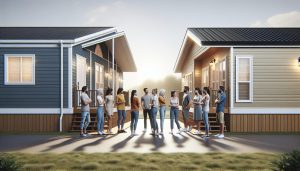
When considering modular homes, understanding the right foundation type is crucial for structural integrity and long-term value. Did you know that the choice of foundation can significantly impact your home’s durability and resilience to natural elements? Whether you’re a prospective buyer, current owner, or property investor, it’s essential to grasp how different foundation options-such as pier, slab, and crawl space-affect your modular home. This guide will walk you through each option, helping you make an informed decision tailored to your unique needs and location. By exploring these foundation types, you’ll equip yourself with the knowledge to enhance your living experience and ensure your investment stands the test of time. Let’s dive into the various foundation solutions available to maximize the potential of your modular home!
Understanding Modular Home Foundations
Understanding the foundation of a modular home is crucial to ensuring its stability, energy efficiency, and long-term performance. Unlike traditional homes, modular homes are prefabricated and require specific foundations that can accommodate their unique structural characteristics. The foundation acts as the interface between the building and the earth, playing a vital role in safeguarding against environmental factors such as moisture, frost heave, and seismic activity. When selecting a foundation type, it’s essential to consider the home’s design, local building codes, and the geographic conditions of the site.
There are several foundation options available for modular homes, each with distinct advantages. Common types include crawl spaces, basements, and slab-on-grade foundations. Crawl spaces can provide access to plumbing and electrical systems while allowing for ventilation, which can prevent moisture build-up. Basements offer additional living space, storage, and increased insulation against temperature fluctuations. Slab-on-grade foundations are the most economical and provide a solid base, but they lack the accessibility features of crawl spaces and basements. Each of these options comes with its own construction requirements and cost implications, making it important to evaluate them in the context of long-term living plans and regional climate.
When discussing foundations, understanding local climate conditions is vital. For instance, areas prone to flooding might require elevated foundations or additional waterproofing measures. Conversely, regions with extreme cold may benefit from insulated foundations to prevent frost heave. Regulatory considerations also play a significant role, as building codes can dictate which types of materials and construction techniques are permissible. It’s advisable to consult with professionals familiar with local regulations to ensure compliance and to optimize the foundation choice for durability and efficiency.
In addition to the fundamental performance, maintaining your modular home’s foundation is critical for its longevity. Regular inspections for signs of settlement, cracking, or moisture intrusion can help catch issues early. Homeowners should be proactive in landscaping and drainage to divert water away from the foundation. Ultimately, investing time and resources into selecting the right foundation and maintaining it can significantly enhance the resilience and comfort of a modular home.
Types of Foundations for Modular Homes
A well-chosen foundation is critical for the long-term durability and stability of modular homes, making it essential for homeowners to understand the various types available. Each foundation type caters to different needs, climates, and home designs, providing unique advantages and considerations.
Crawl Space Foundations
Crawl space foundations elevate modular homes off the ground, typically 18 inches to 4 feet. This design not only allows for ventilation, which helps in preventing moisture accumulation but also provides easy access to plumbing and electrical systems. Homeowners can benefit from the added flexibility of working on utilities and inspecting for potential issues. However, in areas with extreme weather, additional insulation may be necessary to protect against the cold.
Basement Foundations
Basement foundations offer more than just a solid base; they provide additional living space or storage and can enhance energy efficiency. By being below ground level, basements maintain a more consistent temperature, which can result in energy savings. In regions where flooding is a concern, basements may require careful waterproofing to avoid moisture-related issues, making proper construction and drainage systems critical.
Slab-on-Grade Foundations
Known for their cost-effectiveness, slab-on-grade foundations consist of a single concrete pad that is poured directly on the ground. This type of foundation is simple to construct and highly durable, making it popular in warmer climates where frost heave is less of an issue. Nevertheless, it does not allow for access to under-floor utilities, which could limit future adjustments to plumbing or electrical systems. Proper grading and drainage are crucial to prevent water pooling around the slab.
Considerations for Choosing a Foundation
When deciding on the right foundation for a modular home, several factors should be considered, including local climate, soil conditions, and potential future modifications. Regions that experience heavy snowfall or high winds might benefit from deeper foundations that can withstand these environmental stresses. Additionally, it’s wise to evaluate the total costs associated with each foundation type, from construction to maintenance, as these can greatly influence the overall affordability and practicality of the home.
Understanding these foundational options will empower homeowners to make informed decisions, ensuring their modular homes remain safe, comfortable, and built to last.
Factors to Consider When Choosing a Foundation
When selecting a foundation for a modular home, several critical factors come into play that can significantly impact its performance, durability, and ultimately, your satisfaction as a homeowner. Understanding these considerations not only helps ensure the integrity of your home but also aligns your foundation choice with your long-term living experience.
Firstly, it’s vital to assess local climate conditions and site-specific factors. For example, regions prone to heavy rainfall or flooding require foundations with excellent drainage systems or even elevated designs, such as crawl spaces or piers, to prevent water from compromising the integrity of the home. In contrast, areas experiencing extreme winds or snow loads might necessitate deeper or reinforced foundations to ensure stability and safety during harsh weather. Engaging with local building codes and guidelines will also clarify any mandatory requirements that could affect your foundation choice.
Soil composition is another crucial element; the type of soil will dictate the foundation’s design and installation needs. Sandy or loamy soils generally provide better drainage, while clay-heavy soils may retain moisture, warranting a more robust foundation solution. Homeowners should consider hiring a geotechnical engineer to conduct soil tests, ensuring that the selected foundation can support the home while mitigating potential issues related to shifting or settling.
Additionally, potential future modifications to your modular home should influence your foundation choice. If you plan to expand your living space or install features like a basement or garage later on, select a foundation that facilitates these enhancements. For instance, a crawl space foundation offers flexibility for utility access, which can be advantageous when planning minor renovations or upgrades. Assess the total cost of each foundation option, including installation, long-term maintenance, and any required reinforcement, ensuring that your choice aligns with your budgetary expectations while fulfilling your lifestyle needs.
By weighing these factors thoughtfully, you’ll empower yourself to choose a foundation that not only supports your modular home effectively but also enriches your living experience in the long run.
Comparing Cost and Benefits of Foundation Options
When selecting the right foundation for a modular home, understanding the cost and benefits of various options can significantly impact both immediate and long-term satisfaction. Each type of foundation comes with its own unique advantages and challenges, making it essential to align your selection with personal preferences, budget constraints, and the specific conditions of your site.
One of the most straightforward options is the slab foundation. Typically the most cost-effective choice, slabs consist of a single concrete pour that provides a solid base for modular homes. This foundation type is ideal for warmer climates, as it eliminates concerns about frost and freezing. However, it lacks a basement or crawl space, which can limit accessibility for utilities and future modifications.
On the other hand, crawl space foundations add additional height to the home, allowing for better ventilation and access to utilities. They often come with a moderate price increase compared to slabs but can be a worthwhile investment for homeowners seeking future flexibility. Crawl spaces are especially advantageous in areas prone to flooding, as they help elevate the structure above potential water levels.
In regions where soil conditions can be precarious, pier and beam foundations provide a robust solution by distributing the home’s weight across a series of piers. While the initial installation cost may be higher, this type of foundation can effectively tackle soil movement issues and provide a level of reassurance against settling and shifting. For homeowners considering future expansions, this option also allows easier alterations and renovations.
Ultimately, when analyzing the cost versus the benefits of these foundation types, consider the following factors:
- Initial Costs: Compare the installation costs of each foundation type, factoring in local labor rates and material costs.
- Long-Term Maintenance: Evaluate the prospective maintenance needs based on your regional climate and soil conditions.
- Access and Modifications: Assess future plans for renovation or upgrades that hinge on the type of foundation selected.
- Climate Resilience: Choose a foundation type that offers protection against local environmental risks, such as flooding or ground freeze.
By carefully weighing these factors, homeowners can make informed decisions that not only meet their immediate financial expectations but also enhance the resilience and functionality of their modular homes for years to come.
Permanent vs. Temporary Foundations: What to Know
Choosing between permanent and temporary foundations for modular homes is crucial for ensuring structural integrity and long-term satisfaction. Permanent foundations, including concrete slabs, crawl spaces, and basements, are designed for longevity. They provide a stable base, enhance energy efficiency, and can protect against weather-related challenges. For instance, homes on crawl spaces are better equipped to handle flooding, as the design elevates the living space above potential water levels.
In contrast, temporary foundations-such as those made from piers or a simple footing-are often less expensive and quicker to install. These options can be suitable for seasonal or vacation modular homes, where the goal is to provide a stable, yet removable platform. However, while they offer flexibility, they may come with risks like instability in adverse weather or shifting soil conditions, demanding regular maintenance and monitoring.
When deciding on the type of foundation best suited for your modular home, consider the following factors:
- Location: Permanent foundations may be necessary in areas prone to severe weather conditions, whereas temporary foundations can suffice in more moderate climates.
- Intended Use: If the modular home is intended for year-round living, a permanent foundation is usually the better choice for stability and longevity.
- Investment: While temporary foundations can cut initial costs, the long-term implications could lead to more frequent repairs or replacements, balancing initial savings against future expenses.
In summary, weighing the pros and cons of each foundation type based on your unique needs will lead to a better investment and ultimately enhance the enjoyment and functionality of your modular home.
How to Ensure Proper Foundation Installation
Ensuring a solid foundation installation is vital for the longevity and stability of your modular home. A well-constructed foundation not only supports the house but also impacts energy efficiency and resistance to the elements. Here are key steps and considerations to help you achieve a successful installation.
To start, hire qualified professionals with experience in modular home foundations. Working with certified contractors guarantees that they understand both local regulations and best practices. They should also be familiar with the specific needs of modular homes, which differ from traditional housing due to their unique construction methods.
Next, perform a comprehensive site assessment. This involves evaluating the soil type and drainage patterns to determine how they may affect your foundation. Soil testing can reveal important information, such as load-bearing capacity and the potential for shifts or erosion. You want to ensure that the site is appropriately graded and that water drainage is directed away from your foundation, reducing the risk of flooding or water damage.
Follow Proper Installation Techniques
Once the groundwork is laid, adhere to recommended installation techniques for the type of foundation you choose:
- Concrete Slabs: Ensure that the slab is thick enough to support the weight of the home and that reinforcement bars (rebar) are used for added strength. Control joints should be placed properly to minimize cracking.
- Crawl Spaces: Ventilation is crucial to prevent moisture buildup, which can lead to mold and structural issues. Ensure that vents are placed around the crawl space and consider installing a vapor barrier.
- Basements: Waterproofing the walls is essential to prevent water infiltration. Utilize drainage systems to direct water away from the foundation.
Regular inspections during construction are critical. Monitor the leveling of your foundation throughout the process to ensure that it remains even and stable. After installation, incorporate anchoring systems appropriate for your foundation type, especially in areas susceptible to severe weather or high winds, to further secure your home.
In conclusion, a proper foundation installation for your modular home requires meticulous planning, skilled labor, and ongoing maintenance considerations. By prioritizing these aspects, you can enjoy the durability and comfort of your modular home for years to come.
Foundation Requirements for Different Regions
When choosing a foundation for a modular home, understanding the specific requirements for different regions is crucial. Each area has unique soil types, climate conditions, and local building codes that impact the choice of foundation type. For example, homes in areas prone to flooding or high moisture, like coastal regions, often benefit from elevated pier foundations or crawl spaces to keep living spaces dry. Conversely, regions with a stable climate and suitable soil conditions might rely on concrete slabs for ease and cost-effectiveness.
In areas with seismic activity, such as parts of California, it’s imperative to consider the foundation’s ability to withstand earthquakes. This might mean opting for reinforced concrete piers or a full basement with proper anchoring systems. For homes located in snowy regions, where frost depth is a concern, deep foundations that extend below the frost line are critical to avoid heaving, which can compromise structural integrity. Choosing a robust foundation that complies with local codes not only ensures safety but can help reduce insurance costs and improve energy efficiency.
Key Considerations by Region
- Coastal Areas: Elevated foundations such as pilings or piers help prevent flooding and moisture damage.
- Flood Zones: Reinforced, elevated systems are essential to mitigate flood risks.
- Seismic Zones: Foundations must be engineered to resist earthquakes, using bracing and reinforcement.
- Cold Climates: Foundations should extend below the frost line to prevent heaving during freeze-thaw cycles.
- Hot Climates: Concrete slab foundations are popular as they minimize termite risks and allow efficient cooling.
It’s advisable to engage local experts when determining the best foundation for a modular home. They can provide insights on local regulations, suggest the most effective foundation types for your specific location, and ensure that your home meets the required standards for safety and stability. Investing time in understanding regional foundation requirements can not only enhance the durability of your modular home but also provide peace of mind for years to come.
Adapting Foundations for Climate Conditions
Adapting foundations for modular homes to suit specific climate conditions is essential for ensuring the longevity and safety of the structure. In many regions, failing to consider environmental factors can lead to costly damages and complicated repairs. For instance, in coastal areas where heavy rainfall and storm surges are common, elevated foundations such as pilings or piers are critical. These foundations elevate the home’s living area above potential flooding scenarios, thereby protecting it from water damage and mold growth.
In contrast, homes situated in colder climates must contend with challenges posed by frost and freeze-thaw cycles. Here, it’s vital to select deep foundations that reach below the frost line. This prevents heaving, which occurs when water within the soil freezes and expands, potentially lifting and damaging the structure. Insulating the foundation can also provide additional protection against such thermal fluctuations, ensuring stability year-round.
Furthermore, properties in seismic zones require specialized approaches. Foundations in these areas are often reinforced with bracing and anchoring systems to withstand ground vibrations during an earthquake. This reinforcement not only helps to maintain the integrity of the home but also complies with local building codes designed to enhance safety. Adapting foundations to these conditions showcases best practices in modular home construction and allows owners to enjoy their homes with greater confidence and peace of mind.
In regions prone to extreme weather conditions, such as hurricanes or heavy snowfalls, robust anchoring systems and wind-resistant designs must be integrated into the foundation plan. Homeowners should also consider the long-term impacts of climate change on their local environment, which may require reevaluation of their foundation choices over time. Emphasizing appropriate foundation types per regional climatic challenges not only enhances the durability of modular homes but also provides a sustainable living solution tailored to unique environmental needs.
Regulatory and Zoning Considerations for Foundations
Navigating the regulatory and zoning landscape is crucial for anyone looking to establish a modular home. Every locality has specific building codes and zoning regulations that dictate what types of foundations are permissible for modular homes. These regulations are not just bureaucratic red tape; they are designed to ensure safety, structural integrity, and conformity to community standards. Failing to adhere to these regulations can result in significant delays, financial penalties, or even the inability to secure financing for your modular home.
Before laying the groundwork for your modular home, it’s essential to consult with local planning departments or municipal offices. These entities can provide the necessary guidelines regarding foundation types, including whether a permanent or temporary foundation is acceptable, as well as any special provisions for frost lines, flood zones, or other environmental concerns. Additionally, understanding the zoning classifications in your area will inform you about land use permits, setback requirements, and height restrictions, which can greatly influence your foundation and overall building plan.
Key Zoning Considerations
Zoning regulations can vary significantly from one area to another, and it’s important to consider factors such as:
- Block size and dimensions: Determine the minimum lot size and dimensions required for modular homes.
- Setbacks: Learn the required distance between your home and property lines to ensure compliance.
- Home Height: Check for height restrictions that may affect the design or elevation of your modular home.
Moreover, keep in mind that some communities may have restrictions on the aesthetics of manufactured homes, limiting the type of exterior finishes or foundation visibility. These rules are often put in place to maintain a consistent neighborhood character.
Finally, always seek the expertise of professionals such as builders who specialize in modular homes or attorneys familiar with local real estate law if you run into any uncertainties. Aligning your foundation choice with regulatory requirements not only enables a smoother installation process but also protects your investment in the long run. By being proactive in understanding these regulatory frameworks, you empower yourself to make informed decisions that align with your housing goals.
Maintenance Tips for Modular Home Foundations
Maintaining the foundation of your modular home is crucial for ensuring structural integrity and longevity. Just as regular health check-ups can prevent major health issues, consistent maintenance can avert costly repairs down the road. With a focus on proactive care, you can preserve the stability of your foundation and, by extension, the entire home.
One of the first steps in maintaining your modular home’s foundation is to conduct regular inspections. Check for signs of sagging, cracks, or any irregularities in the foundation surface. If you have a crawl space, make sure it’s clear of debris and that there’s adequate ventilation. Look for any evidence of water intrusion or moisture accumulation, which can lead to mold growth and compromise the structural components. In areas prone to flooding or heavy rain, ensure that your drainage systems are functioning correctly to redirect water away from your foundation.
Additionally, managing the landscaping around your home plays a pivotal role in foundation maintenance. Avoid planting trees or large shrubs too close to your home, as their roots can undermine the stability of the foundation. Ensure that gutters and downspouts direct water at least six feet away from the foundation. This helps to prevent erosion and minimizes the risk of water pooling, which could weaken the foundation over time.
Lastly, always stay vigilant about seasonal changes that might affect your foundation. For instance, freezing and thawing cycles can cause soil expansion and contraction, impacting stability. In colder climates, adding insulation around the base or installing frost-protected foundations can be a game changer. By staying proactive and attentive to these maintenance tips, you ensure that your modular home remains safe, sound, and a cherished space for years to come.
Innovative Foundation Solutions for Modular Homes
Innovative foundation solutions are reshaping the landscape of modular homes, offering homeowners enhanced durability, adaptability, and aesthetics. As the industry progresses, new technologies and methods are emerging, aiming to meet varied consumer needs while addressing environmental challenges. With the right foundation, modular homes can provide stability and performance in diverse conditions, ensuring long-term satisfaction for homeowners.
One such solution is the use of high-performance concrete foundations. These foundations not only provide robust support but can also be designed with thermal mass properties, helping regulate indoor temperatures. This innovative approach reduces energy costs and improves overall comfort, making it a popular choice for energy-conscious builders and homeowners. Additionally, some companies employ floating foundations that are adaptable to changing water levels, ideal for properties in flood-prone areas. This system allows the home to rise with rising water, minimizing potential damage and making it a sustainable option for at-risk regions.
Another exciting development is the adoption of prefabricated foundation systems that streamline installation. These systems often consist of modular components pre-manufactured and assembled on-site, significantly reducing construction time. For instance, advanced foundation pads can be delivered to the site, ready for quick installation, saving labor costs and time. These efficient solutions are particularly appealing for builders and investors looking to maximize profit margins while minimizing delays.
Integrating technology into foundation systems also paves the way for the future. Innovations such as geoengineering and the use of smart materials allow for the creation of foundations that respond to environmental stresses. For instance, foundations can incorporate moisture-monitoring sensors to detect potential flooding risks or settle issues, alerting homeowners before problems arise. This proactive approach ensures the integrity of the structure, providing peace of mind.
As the need for sustainable living continues to grow, modular home foundations are evolving to meet both consumer expectations and ecological demands. By embracing these innovative solutions, homeowners can enjoy not just a house but a resilient home equipped to face future challenges while supporting a responsible lifestyle.
Future Trends in Modular Home Foundations
As the landscape of modular housing evolves, so too does the approach to foundations, which are pivotal for ensuring stability and longevity. Emerging trends in the industry focus on enhancing durability, sustainability, and ease of installation. Homeowners today are not just seeking structures that are quick to deploy; they are increasingly interested in solutions that provide energy efficiency and adaptability to climate challenges.
Eco-Friendly and Sustainable Solutions
One notable trend is the shift towards eco-friendly foundation materials. Innovations in high-performance concrete and recycled materials are gaining traction, contributing to lower environmental impacts. For example, some modular homes now utilize foundations that incorporate green technologies such as permeable paving or green roofs, helping to manage stormwater runoff and improve local ecosystems. These sustainable foundations not only meet regulatory requirements but also appeal to environmentally conscious homeowners.
Smart and Adaptive Foundations
Technology is making its way into foundation systems, enabling features like moisture-monitoring sensors and adjustable supports. These smart foundations can automatically respond to changing environmental conditions, such as increased moisture levels due to heavy rainfall, thus mitigating damage and ensuring structural integrity. Such advancements are particularly beneficial in regions prone to flooding, where floating or buoyant foundation designs allow homes to rise with changing water levels, ultimately safeguarding the property.
Modular and Prefabricated Foundation Systems
Another trend is the growing popularity of modular and prefabricated foundation systems, which can drastically reduce construction time and labor costs. Using pre-manufactured components, these systems enable faster assembly and consistent quality control, making them an attractive option for builders and investors alike. Additionally, modular foundation options often allow for easier expansions or modifications in the future, offering homeowners flexibility as their needs change.
Tailoring Foundations to Climate and Local Conditions
As climate variability becomes increasingly pronounced, there’s a greater emphasis on customizing foundation designs to meet local environmental conditions. For instance, regions prone to earthquakes may leverage reinforced foundations with enhanced anchoring systems for stability, while areas often affected by high winds might incorporate breakaway walls for added safety. Understanding these regional requirements is crucial in choosing the right foundation for modular homes, ensuring resilience against nature’s challenges.
By embracing these future trends, modular homeowners and builders can not only create resilient structures but also contribute positively to their communities and the environment. The evolution of foundation technology presents an exciting opportunity for current and prospective homeowners, allowing them to invest in homes that are not only beautiful but also built to withstand the test of time and elements.
Frequently Asked Questions
Q: What are the best foundation types for modular homes?
A: The best foundation types for modular homes include full basements, crawl spaces, and pier foundations. Each type has unique benefits; for instance, full basements provide storage, crawl spaces allow for accessing utilities, and pier foundations elevate homes in flood-prone areas. Choosing the right type depends on your location and personal needs.
Q: How do climate conditions affect the choice of foundation for modular homes?
A: Climate conditions significantly impact foundation choice for modular homes. In flood-prone areas, elevated pier foundations are ideal, while regions with freezing temperatures require frost-protected designs. Always consider local weather patterns to ensure structural integrity and longevity. Check the section on adapting foundations for climate conditions for more details.
Q: How do I determine the right foundation depth for my modular home?
A: The right foundation depth for a modular home depends on local soil conditions and climate. Generally, a minimum depth of 36 inches is recommended for frost protection in colder climates. Conduct a soil test and consult local regulations to ensure compliance and proper support.
Q: Are there zoning regulations impacting the foundation for modular homes?
A: Yes, zoning regulations can affect the foundation type for modular homes. Local codes may dictate minimum foundation requirements, setback lines, and the types of materials used. It is crucial to check with local authorities before construction to ensure compliance with all regulations.
Q: What maintenance is required for modular home foundations?
A: Regular maintenance for modular home foundations includes inspecting for cracks, ensuring proper drainage, and addressing any signs of settling. Keep gutters clear to prevent water pooling and periodically assess drainage systems. Refer to maintenance tips for modular home foundations for a comprehensive guide.
Q: Can I convert my modular home foundation type later?
A: Yes, it’s possible to convert your modular home foundation type later, but it requires professional assessment and significant work. Transitioning from a crawl space to a full basement may involve excavation and structural adjustments. Consulting experts can provide insights on feasibility and costs.
Q: What factors should I consider when choosing a foundation for a modular home?
A: When choosing a foundation for a modular home, consider factors such as soil type, climate, local building codes, costs, and long-term maintenance needs. Additionally, evaluate your lifestyle preferences and how the foundation supports utilities. The section discussing factors to consider when choosing a foundation offers in-depth insights.
Q: How can innovative foundation solutions improve my modular home?
A: Innovative foundation solutions, such as adjustable pier foundations and helical piles, can enhance modular home stability and adaptability. These options allow for easier adjustments if ground shifting occurs and offer better performance in diverse terrains. Explore the section on innovative foundation solutions for more ideas on modern approaches.
In Conclusion
Understanding the different foundation types for modular homes is crucial to ensuring stability, longevity, and compliance with local regulations. Whether you’re interested in a crawl space, basement, or concrete slab, make informed choices that suit your needs and environment. As you plan your ideal home, consider exploring our comprehensive guides on financing options and mobile home maintenance to further enhance your journey.
Don’t miss out-subscribe to our newsletter for expert tips and industry insights delivered directly to your inbox! If you’re ready to take the next step, our team is here to guide you through custom modular designs or provide consultations. Join the growing community embracing the benefits of modular living and transform your dream home into reality today!