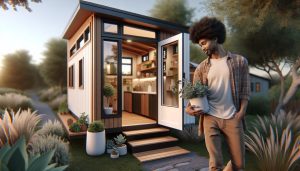
As the demand for affordable housing grows, understanding how many trailer homes can fit on an acre becomes crucial for prospective buyers, investors, and local planners. This topic not only influences land use decisions but also addresses housing shortages and community planning. By exploring this key aspect of mobile home placement, readers can gain valuable insights into maximizing space and ensuring compliant, efficient layouts. Join us as we delve into the factors that determine accommodation capacity and discover the benefits of well-planned mobile home communities. Your journey towards informed decisions in manufactured housing begins here, with practical tips and essential knowledge for anyone interested in this burgeoning market.
Understanding Acreage and Housing Density Limits
Understanding how many trailer homes can fit on an acre is essential for anyone considering mobile home living, especially in terms of compliance with local zoning laws and maximizing land usage. Typically, the number of mobile homes permissible on an acre of land can vary significantly based on local regulations, which often dictate the minimum lot size per home. For instance, many zoning laws may allow anywhere from 8 to 16 units per acre if the land is designated for high-density developments. However, this number could be lower in rural or residential zones where larger spaces are required between homes to ensure privacy and neighborhood aesthetics.
Several factors influence density limits beyond mere acreage. The availability of utility connections plays a crucial role; if the property does not have efficient access to water, sewage, and electricity, you may find fewer homes can be placed on a single lot. Additionally, local planning commissions often consider the community’s character, environmental impacts, and the intended use of the land when setting these regulations. Therefore, before proceeding with your plans, it’s vital to consult your local zoning office to ensure compliance and understand the specific requirements related to your desired land use.
Moreover, environmental considerations such as flood zones may also affect how many mobile homes you can situate on a plot. Proper research and potentially engaging with a real estate attorney can assist in navigating this landscape effectively, ensuring that all legal requirements are satisfied. Achieving a balance between maximizing space and adhering to regulations will not only help in legal positioning but also in maintaining a harmonious living environment.
Why Trailer Homes: Advantages and Considerations

Choosing to live in a trailer home comes with a multitude of advantages that cater to diverse lifestyles and needs. One key benefit is affordability. Trailer homes often cost significantly less than traditional houses, allowing for a greater entry point into homeownership. This cost-effectiveness extends to lower utility bills and maintenance expenses, making them an attractive option for those seeking budget-friendly living arrangements. Additionally, trailer homes are available in various designs and sizes, offering something for everyone-from individual owners to families.
Mobility is another compelling reason why many choose trailer homes. The ability to relocate your residence can be particularly appealing for individuals with jobs that require travel or for those who desire to experience life in different environments. This flexibility allows homeowners to adapt their living situation to their changing lifestyle needs, whether it’s moving closer to work, family, or simply seeking a change of scenery.
However, there are important considerations to keep in mind. Zoning laws can restrict where trailer homes can be placed, which can vary significantly from one jurisdiction to another. In many areas, zoning regulations may limit the number of trailer homes permitted on a specific parcel of land, or mandate that they be situated only in designated manufactured housing communities. Before purchasing, it’s essential to research local zoning ordinances to ensure compliance and avoid potential legal issues.
Maximizing Benefits While Navigating Considerations
To take full advantage of all that trailer home living has to offer, potential homeowners should consider several practical steps:
- Research Local Regulations: Understand zoning laws, land use regulations, and any community restrictions that may affect where you can place your trailer home.
- Assess Utility Connections: Ensure that adequate utility connections are available or can be installed to support your trailer home, including water, sewage, and electricity.
- Consider Community Amenities: If considering a manufactured home community, evaluate the amenities offered, such as recreational facilities, security, and social opportunities.
- Investigate Financing Options: Explore various financing avenues that may be available specifically for trailer homes, such as personal loans, manufactured home loans, or other specialized financial programs.
Embracing trailer home living can provide a unique blend of affordability, mobility, and a sense of community. By understanding the landscape of regulations and advantages, future homeowners can make informed decisions that align with their personal and financial goals.
Calculating the Footprint of Trailer Homes

Determining how many trailer homes can fit on an acre involves several key factors, including the dimensions of the homes themselves, local zoning regulations, and community planning standards. A standard single-wide trailer typically measures 14 feet wide by 70 feet long, while double-wide models can exceed 28 feet in width. To accurately calculate placement on an acre-which is 43,560 square feet-one must take into consideration not just the size of the trailers but also the required spacing between units due to safety, privacy, and local building codes.
For example, if a single-wide home occupies approximately 980 square feet (14 ft x 70 ft), a rough estimate would allow for about 44 single-wide trailers to fit, assuming no space is necessary between them and that the land is completely usable. However, practical applications require adhering to setback requirements, driveways, and communal areas, which might reduce this number significantly. Typically, five to ten feet of spacing is recommended between each unit, plus additional space around the perimeter of the property to meet zoning regulations and local ordinances.
Understanding Zoning Requirements
Local zoning laws can dictate how many trailer homes can be established per acre. Some areas may impose density limits that restrict the total number of dwelling units. For example:
- Rural Zoning: Generally offers more lenient rules, which can allow for more trailer homes per acre.
- Urban Zoning: Often more stringent due to space constraints, necessitating careful planning to maximize the number while ensuring compliance.
It’s crucial to consult local zoning ordinances to understand any density restrictions or community standards that apply. Many jurisdictions have established minimum lot sizes or required setbacks from property lines, which further influence how many trailer homes might be accommodated.
Practical Layout Considerations
When planning the layout for trailer homes, consider additional elements:
- Access Roads: Adequate pathways for vehicles and emergency access must be maintained.
- Utility Connections: All units need to be accounted for regarding water, sewage, and electric connections, which require designated space.
- Common Areas: Space for community amenities and landscaping contributes to the livability and appeal of the area.
In conclusion, while a theoretical calculation can provide a number of how many trailer homes might fit on an acre, the reality of land planning is more complex. Each development requires careful consideration of zoning regulations, spacing for utilities, and common area needs to ensure a functional and compliant arrangement. Engaging with land planners or local zoning boards can provide valuable guidance during the process.
Land Planning: Zoning and Regulations Explained

Understanding the nuances of zoning and regulatory requirements is essential for anyone considering the placement of trailer homes on an acre of land. Local zoning laws play a pivotal role in determining how many units can be fitted within a given space. For instance, rural areas typically have more relaxed zoning regulations compared to urban regions, allowing for potentially higher densities of trailer homes. Urban zoning often necessitates stringent adherence to setback requirements, which can significantly influence the overall arrangement of homes.
One crucial aspect to remember is that zoning laws may impose limitations on both the number of units and the minimum lot size. Many jurisdictions also require sufficient spacing between homes to maintain privacy and safety, which must be carefully factored into any design or layout plans. Generally, a recommended spacing of five to ten feet is suggested between units, along with additional perimeter space that must be preserved to comply with regulations. Thus, it’s vital to consult with local zoning ordinances and community planning boards to outline a practical layout that aligns with regulations while maximizing the potential of the land.
In addition to zoning considerations, planning for trailer homes should also encompass practical layout elements such as access roads, common areas, and utility connections. Access pathways must be wide enough to accommodate emergency vehicles, while each home will require designated space for connections to water, sewage, and electricity. Common areas contribute significantly to the livable appeal of the community, providing residents with shared amenities and recreational spaces. Effective land planning not only meets regulatory requirements but also enhances the quality of life for residents, ensuring a thriving environment where trailer homes can flourish.
Adhering to zoning regulations might seem challenging, but with thoughtful planning and engagement with local authorities, it is possible to create a harmonious living space that accommodates trailer homes while allowing community development to thrive. Ultimately, informed decisions and compliance with local laws can transform land planning from a complex issue into a successful venture that supports diverse living options, including mobile homes.
Maximizing Space: Layout Tips for Trailer Homes

To make the most of the limited space available in a trailer home park or community, thoughtful layout planning is crucial. Maximizing space while ensuring comfort and functionality can transform a compact area into a livable environment that feels open and inviting. By considering various design strategies and using innovative space-saving solutions, homeowners can create an enjoyable atmosphere that embraces the essence of mobile living.
- Vertical Space Utilization: One of the most effective strategies is to take advantage of vertical space. Utilizing wall-mounted shelves, tall bookshelves, and overhead cabinets can keep floors clear and reduce clutter. This not only offers more storage but also draws the eye upward, making the space feel larger.
- Multi-Functional Furniture: Invest in furniture that has multiple uses. For example, a sofa bed can serve as both a couch during the day and a sleeping area at night. Dining tables with drop-leaves allow for a cozy meal space that can expand when entertaining, making every piece count in terms of functionality.
- Open Floor Plans: Wherever possible, design an open floor plan that promotes a seamless flow between living, kitchen, and dining areas. This design choice not only fosters a feeling of spaciousness but also enhances ease of communication and accessibility.
- Defined Spaces with Rugs: Use area rugs to delineate different sections of your home, such as the living area and dining space. This visual separation helps create distinct areas while maintaining an open feel, allowing for more efficient layouts.
- Outdoor Extensions: Consider expanding usable space by incorporating outdoor living areas. Decks, patios, or porches can greatly enhance the overall living experience and provide additional room for relaxation or entertaining.
Planning must also account for zoning and spacing regulations that impact layout options. For many communities, maintaining adequate distances between homes promotes privacy and safety, requiring smart planning. As such, it’s advisable to engage with local zoning ordinances to ensure compliance while discovering possible opportunities for maximizing both communal and private spaces. These considerations not only enhance the appeal of the home but also contribute to community well-being and livability, reinforcing the value of mobile home living as a modern housing choice.
Utility Connections: Essential Setup Procedures
Setting up utilities for a mobile home can feel overwhelming, but understanding the essential procedures can streamline the process and ensure a smooth transition to your new living space. The first step is to determine the types of utilities required, which typically include water, sewage, electricity, and possibly gas. Each of these services has its own setup requirements, and by following structured procedures, homeowners can avoid common pitfalls.
To start, contact local utility companies to establish accounts for electricity, water, and any gas services prior to arrival. It’s essential to provide them with your mobile home’s specifications, including site location and size, as this information may affect service availability and setup time. Schedule a site visit with each provider if needed; they can often provide insights on needed infrastructure and give estimates on installation timelines.
Once utility providers are contacted, prepare the site for connections. This involves ensuring that the mobile home is leveled correctly using leveling blocks or piers, as proper leveling is crucial for the safe and efficient operation of plumbing and electrical systems. After leveling, positioning the home for utility connection points can simplify future access for maintenance.
After the home is set, the electric service will typically need to be installed first. This includes a meter base and an electrical panel with sufficient capacity to handle the home’s load. An electrician may be required for this work, especially to ensure compliance with local codes. Once electrical work is completed, the next steps involve sewage and water connections, which usually require plumbing work to connect to main lines and setup septic systems if applicable. Be sure to check local regulations regarding the installation or connection to public sewage systems, as these can vary significantly based on local zoning laws.
Finally, review local building codes to confirm that all installations adhere to safety regulations-this is not only for your safety but also to protect against potential legal issues down the line. With proper planning and execution, connecting utilities can enhance your mobile home’s longevity and functionality, paving the way for comfortable living on your chosen parcel of land.
Financing Options for Land and Trailer Purchase
Financing your land and trailer purchase is a crucial step in realizing your dream of mobile home living, especially when considering how many trailer homes can fit on a given acre. Navigating this specialized market can seem daunting, but with the right knowledge and options, it becomes manageable and rewarding.
One of the primary financing options available is through specialized loans designed for manufactured homes. These loans can cover both the cost of the land and the trailer itself. The Federal Housing Administration (FHA) offers Title I Manufactured Home Loans, which are particularly beneficial for borrowers with less-than-perfect credit or those who want to keep their down payments affordable. These loans allow for financing options that can cover up to 90% of the home’s value, making it accessible for many buyers looking to secure both land and a mobile home.
When considering your financing options, it’s essential to explore local financial institutions and credit unions as well. Many of these organizations have specific programs aimed at supporting mobile home ownership, providing competitive rates and terms. For instance, some lenders may offer land-home packages, where you can finance the land purchase and home purchase in a single loan. This route often means less paperwork and potentially lower fees compared to securing separate loans.
Additionally, don’t overlook the importance of government assistance programs that may be available in your area. These can include grants, tax credits, or special financing rates for first-time buyers or low-income families. Researching these options can yield significant savings and help improve the affordability of your investment.
Ultimately, careful planning and research into financing options can pave the way for you to join the growing community of mobile home owners, allowing you to enjoy the unique lifestyle that comes with owning a manufactured home on your own parcel of land.
Insurance Needs for Trailer Homeowners
Insurance is a critical aspect of mobile home ownership that many prospective buyers and current residents may overlook. Unlike traditional homes, mobile homes come with unique insurance needs due to their construction and placement. Understanding these needs is vital not just for protecting your investment but also for ensuring peace of mind in the face of potential disasters, like storms, which can be particularly impactful in certain areas.
When choosing insurance for a trailer home, it’s essential to find a policy that covers both the physical structure and your personal belongings. Mobile home insurance typically provides coverage for the following:
- Property Damage: This includes protection from hazards such as fire, theft, and certain weather-related damages.
- Liability Coverage: This protects you in case someone is injured on your property or if you cause damage to someone else’s property.
- Additional Living Expenses: Should your home become uninhabitable due to a covered event, this coverage can help pay for temporary housing.
It’s crucial to shop around for the best policy that suits your needs and budget. While some companies, like Allstate, State Farm, and Progressive, offer tailored mobile home insurance policies, make sure to compare what is covered and the premium costs. Also, inquire about additional coverages such as replacement cost coverage, which helps ensure you can fully rebuild your home in case of a total loss.
In areas prone to severe weather, consider additional coverage for natural disasters like hurricanes or floods. While standard policies might cover some storm damage, specific endorsements or separate flood insurance may be necessary to cover all potential risks. Ensure that your policy includes provisions for anchoring and stabilization, which are particularly important for mobile homes in regions vulnerable to high winds.
Ultimately, being proactive about securing comprehensive mobile home insurance not only protects your financial investment but also provides security in knowing that you’re prepared for unforeseen circumstances. By investing the time and effort into selecting the right insurance, you can enjoy the unique qualities of mobile home living without the constant worry of what might happen if things go wrong.
Maintenance Strategies for Long-Term Living
Long-term maintenance of trailer homes is essential not only for retaining their value but also for ensuring a safe and comfortable living environment. Regular upkeep can prevent the need for costly repairs and can significantly enhance your quality of life. Understanding practical maintenance strategies can empower homeowners with the confidence to address common issues themselves or know when to call for professional help.
Regular Inspections
Conducting thorough inspections of your trailer home at least twice a year can help identify potential problems before they escalate. Focus on critical areas, including:
- Roof and Gutters: Inspect for missing shingles or leaks, and ensure gutters are clear to avoid water damage.
- Foundation and Underbelly: Check for any signs of shifting or cracking and ensure that the skirting is in good condition.
- Plumbing and Electrical Systems: Look for leaks or signs of wear in pipes and connections. Regularly test smoke detectors and carbon monoxide detectors.
Seasonal Preparation
Preparing for seasonal changes is crucial, especially in areas prone to extreme weather. In preparation for winter, insulate exposed pipes to prevent them from freezing. During the summer, ensure your air conditioning is serviced and consider shading your home with awnings or trees to keep it cool.
Exterior Maintenance
The exterior of your trailer home significantly impacts both curb appeal and comfort. Regularly clean the siding to prevent mold and mildew buildup. If your home has a porch or deck, inspect it for rotting wood and ensure railings are secure. Consider repainting every few years to protect surfaces from the elements.
Landscaping and Environment
A well-maintained lot not only enhances the aesthetic appeal but also prevents erosion and other environmental issues. Regularly trim shrubs that may obstruct windows or air conditioning units. Establishing a drainage plan can help manage runoff and prevent water pooling around the foundation, which can lead to structural damage.
By incorporating these maintenance strategies into your routine, homeowners can create a welcoming, secure, and efficient living environment that enhances the unique aspects of trailer home ownership. With a proactive approach, the longevity and enjoyment of your home can be significantly improved, allowing you to fully embrace the benefits of this versatile housing option.
Hurricane Preparedness for Trailer Homes
When it comes to living in a trailer home, especially in areas prone to hurricanes, understanding how to prepare is not just beneficial-it’s crucial. With winds capable of exceeding 100 mph and the threat of flooding, mobile home residents must take proactive steps to safeguard their homes and families. Implementing sound hurricane preparedness strategies can make the difference between staying safe and facing devastating losses.
One of the most important measures is securing the structure itself. Ensuring that your trailer home is properly anchored is essential. This involves installing adequate tie-downs or anchors that adhere to local building codes designed for hurricane resistance. These systems help stabilize your home against high winds, reducing the risk of it being lifted or overturned. Regularly inspect these anchors to ensure they are in good condition, particularly before hurricane season.
Additionally, having a well-thought-out evacuation plan is vital. Residents should familiarize themselves with local evacuation routes and stay informed through weather alerts. In the event of an approaching hurricane, leave early to avoid heavy traffic and last-minute chaos. Pack an emergency kit that includes essentials such as water, non-perishable food, medication, important documents, and a flashlight with extra batteries.
Moreover, assessing your lot’s landscaping can help mitigate potential hazards during a storm. Remove any overhanging branches or debris that could become projectiles in high winds. Establishing effective drainage can also prevent water from pooling around your home, reducing flood risk. Understanding both your home’s weaknesses and the local environment can significantly enhance your preparedness.
Incorporating these strategies into your planning not only provides peace of mind but also reinforces the integrity of your living environment. By being proactive and well-informed, you can ensure that your mobile home stands resilient in the face of hurricanes, allowing you to enjoy this unique and flexible housing option with confidence.
Exploring Property Valuation for Mobile Homes
Valuing mobile homes involves understanding a unique blend of factors that distinguish them from traditional real estate. Unlike standard homes, mobile homes require a specialized valuation approach due to their classification either as personal property (chattel) or real estate, depending on whether the land is owned or leased. A mobile home situated on a rented lot typically depreciates like a vehicle, while one placed on a permanent foundation often appreciates in value over time, mirroring the dynamics of conventional property.
To accurately assess the value of a mobile home, several crucial elements must be taken into account:
- Location: The neighborhood’s desirability, access to amenities, and proximity to services significantly influence value.
- Condition: The overall maintenance and upgrades within the home play a vital role in its marketability and valuation.
- Upgrades and Features: Modern appliances, energy-efficient systems, and renovations can enhance a mobile home’s appeal, thus impacting its value positively.
- Market Trends: Keeping abreast of local real estate trends and the demand for mobile homes can provide insights into current market value.
In land planning, knowing how many trailer homes can fit on an acre requires considering local zoning laws, lot sizes, and density regulations. Each jurisdiction may have specific rules governing the minimum size, spacing, and structure type allowed on a property. Moreover, understanding the property valuation impacts not just the potential return on investment but also the long-term sustainability of operating a mobile home community or developing individual lots.
For those looking to invest in mobile homes, connecting with valuation experts and utilizing resources from established platforms can provide a robust overview of the market. Websites like J.D. Power offer comprehensive insights into manufactured home values, while resources from specialized industry guides educate sellers on pricing practices and valuation methodologies [[1](https://www.jdpower.com/Manufactured-Homes/)][[2](https://resources.mhvillage.com/sellers/pricing/mobile-home-value-guide)]. Understanding these details not only informs potential buyers and investors but also empowers existing homeowners to make informed decisions regarding upgrades, sales, or even future purchases within the mobile home market.
Renovation Techniques to Enhance Mobile Homes
Renovating a mobile home can transform it into a comfortable, stylish, and efficient living space. The process doesn’t just enhance the aesthetics; it can significantly improve functionality and value, especially when considering how many trailer homes fit on an acre and how to maximize that space effectively.
One of the most impactful renovation techniques is upgrading the insulation. Older mobile homes often have insufficient insulation, making them less energy-efficient. By replacing or adding insulation in the walls, floors, and ceilings, homeowners can drastically reduce heating and cooling costs, creating a more comfortable environment. Improved insulation also enhances soundproofing, which is particularly beneficial in densely populated areas or mobile home communities where homes are situated close together.
Another renovation focus is the kitchen and bathroom, as these are high-traffic areas that can greatly influence a home’s appeal and market value. Consider replacing outdated fixtures, installing modern cabinets, or adding a fresh backsplash to the kitchen. For bathrooms, updating vanities and faucets can significantly improve the look and functionality. Furthermore, adding storage solutions such as built-in shelving or multi-functional furniture can maximize space, catering to the needs of families living in tighter quarters.
Exterior upgrades can also play a substantial role in enhancing a mobile home’s overall image. Simple cosmetic changes, like a new coat of paint or improved landscaping, can dramatically increase curb appeal and potentially the home’s market valuation. For practical reasons, consider enhancing structural safety by checking the roof and ensuring it’s in good condition, as well as reinforcing ties and skirting to withstand severe weather conditions.
Lastly, embracing innovative technology can further enhance the livability of a mobile home. Smart home devices can increase convenience and efficiency, from programmable thermostats to smart lighting. These tech upgrades not only cater to the modern homeowner’s lifestyle but can also set the home apart in a competitive market, especially when multiple homes are vying for the same limited space on an acre.
By employing these renovation techniques, owners can ensure their mobile homes not only meet their immediate needs but also contribute to a thriving mobile home community poised for value and sustainability.
Faq
Q: How many trailer homes can fit on one acre of land?
A: The number of trailer homes that can fit on an acre depends on individual home sizes and local zoning regulations. On average, 4 to 8 trailer homes can occupy an acre if following standard exceptions for spacing and access. Check local guidelines for accurate density limits.
Q: What factors affect the number of trailer homes allowed on an acre?
A: Factors include local zoning laws, the footprint of each trailer home, required set-backs, green space regulations, and access for utilities. Understanding these variables is crucial when planning the layout of trailer homes on a property.
Q: Can I build multiple mobile homes on my property?
A: Yes, but you must comply with local zoning laws, which often dictate how many mobile homes can be placed on a single lot. Review local guidelines to ensure that you meet density and spacing requirements for compliant home placement.
Q: What are typical zoning requirements for trailer homes?
A: Typical zoning requirements may include minimum lot size, set-back distances from property lines, and restrictions on the number of domiciles per acre. Consult local zoning boards or planning departments to understand specific regulations applicable to your area.
Q: How can I maximize trailer home placements on my land?
A: To maximize trailer home placements, consider using efficient layouts like clustering homes, optimizing road and utility access, and adhering to zoning regulations. Utilitarian designs can increase capacity while maintaining legal compliance.
Q: What is the average size of a trailer home?
A: The average trailer home ranges from 600 to 1,200 square feet. Knowing the dimensions of the specific models you’re considering is essential for precise planning regarding how many can fit on an acre while conforming to regulations.
Q: Are there any special permits needed to place multiple trailer homes?
A: Yes, placing multiple trailer homes usually requires special permits. These may include zoning permits, building permits, and utility installations. Check with local governing bodies to ensure all necessary approvals are obtained before placement.
Q: How do utility connections affect the number of trailer homes on an acre?
A: Utility connections can limit the number of trailer homes because each home requires access to water, electricity, and sewage. Planning must accommodate these utilities, ensuring they are sufficient for the number of homes intended for the lot.
Insights and Conclusions
Understanding how many trailer homes can fit on an acre is just the beginning of your land planning journey. To maximize your investment and create a thriving community or personal haven, consider diving deeper into related topics like financing options for manufactured homes or effective site layout strategies. Don’t miss out on valuable insights; check out our detailed guides on setting up utilities and leveling your mobile home for optimal comfort.
We encourage you to take the next step-whether that’s subscribing to our newsletter for the latest tips and resources or exploring our comprehensive articles on long-term mobile home maintenance and renovation techniques. Your journey toward successful mobile home ownership starts here, so engage with our content, share your thoughts in the comments, and help build a community around manufactured housing expertise. Explore your options today and discover the fulfilling lifestyle that mobile home living offers!