In recent years, flat-pack modular homes have emerged as a revolutionary solution for affordable and efficient housing. These innovative structures come pre-manufactured in sections, allowing for easy transport and quick assembly, appealing to those seeking flexibility and cost-effectiveness. As housing prices soar and the market becomes increasingly competitive, many are exploring alternatives that not only save money but also prioritize sustainability. By opting for flat-pack modular homes, you can take control of your living space and tailor it to fit your lifestyle, all while reducing your environmental footprint. Dive deeper into this DIY assembly revolution to discover how these homes can meet your needs, from construction to customization, ultimately transforming the way you think about homeownership.
What Are Flat-Pack Modular Homes?
Flat-pack modular homes are an innovative and increasingly popular housing solution that combines modern design efficiency with the practicality of DIY assembly. These structures come in pre-manufactured, compact sections that can be transported easily and assembled on-site, empowering homeowners to take charge of their construction process. By opting for flat-pack designs, buyers often gain the flexibility to customize their living spaces while keeping construction timelines and costs manageable.
A standout feature of flat-pack modular homes is their ability to be tailored to a variety of environments and lifestyles. From cozy compact units ideal for urban settings to larger models suited for family living in suburban areas, the versatility of these homes caters to a wide range of needs. Most of these homes are designed with sustainability in mind, utilizing eco-friendly materials and energy-efficient systems, which not only lower the environmental impact but can also reduce energy costs long-term.
Moreover, the DIY aspect of flat-pack modular homes allows homeowners to engage directly in the building process, fostering a sense of empowerment and connection to their space. Many manufacturers provide detailed assembly instructions and necessary materials, ensuring that even those with minimal construction experience can successfully complete their homes. This accessibility opens doors for individuals and families seeking affordable housing options without sacrificing quality or design.
Overall, flat-pack modular homes represent a significant shift in how we approach residential construction, blending innovation with practicality to offer a legitimate housing alternative for today’s modern living.
Benefits of Flat-Pack Modular Homes
The allure of flat-pack modular homes lies in their combination of modern architecture, affordability, and the excitement of DIY assembly. These homes present a pioneering approach to housing, allowing owners to create their living spaces with flexibility and control, all while enjoying numerous benefits that traditional builds often lack.
One of the most significant advantages of flat-pack modular homes is the cost-effectiveness. By minimizing the labor costs associated with traditional construction, buyers can allocate their budgets towards customization and quality finishes. The assembly process is designed to be straightforward, often requiring fewer professional contractors, which further reduces expenses. This affordability is especially appealing in today’s housing market, where many are searching for viable alternatives amid rising prices.
Speed of Construction is another prominent benefit. The components of flat-pack homes are pre-manufactured in factories, allowing for rapid assembly once delivered to the site. This can drastically reduce the time it takes to move from planning to living in a new home, sometimes allowing families to settle in just weeks rather than months. For those who need housing solutions quickly-such as in response to natural disasters or sudden life changes-this speed is invaluable.
Additionally, flat-pack modular homes offer remarkable design versatility. Homeowners can select from a wide array of layouts, sizes, and styles to fit personal tastes and specific land requirements. Whether you prefer a cozy cabin aesthetic or a modern minimalist design, there’s likely a flat-pack option that suits your vision. This customizability also empowers owners to make their homes more functional according to their lifestyles, enhancing overall satisfaction with their living environment.
Lastly, many flat-pack modular homes are built with sustainability in mind. Eco-friendly materials and energy-efficient designs are commonplace, promoting reduced energy consumption and a lower carbon footprint. Features such as excellent insulation, energy-efficient windows, and options for solar power installations all contribute to a greener living space, helping residents save on utility bills while being kinder to the planet.
In summary, the extend beyond budget-friendly options. With decreased construction times, customizable designs, and a commitment to sustainability, these homes represent a trend towards practical and innovative living solutions well-suited for contemporary needs.
Understanding DIY Assembly Process
Embarking on the journey of assembling your own flat-pack modular home can be both thrilling and daunting. With the right preparation and mindset, DIY assembly transforms from a mere construction task into a rewarding experience that allows you to personalize your living space to fit your unique lifestyle. Engaging in this process offers not only a sense of accomplishment but also significant savings compared to traditional construction methods where labor costs can escalate rapidly.
The essence of the DIY assembly process lies in its systematic approach. Each flat-pack home typically arrives with pre-manufactured components that are designed for easy assembly. Following the clear instructions provided by the manufacturer is crucial, as they outline each step and include detailed diagrams that simplify the process. Here’s a brief rundown of what to expect during your assembly:
Preparation is Key
Before beginning assembly, ensure that you have a designated area clear of debris and obstructions. Check the manufacturer’s guidelines for specific site preparation requirements, such as leveling the ground and achieving proper drainage. Gathering essential tools, which can range from basic hand tools to power drills, will enhance your efficiency.
- Tools Required: A level, screwdrivers, wrenches, hammers, and a drill are fundamental.
- Safety Gear: Invest in gloves, goggles, and sturdy footwear to protect yourself during assembly.
Step-By-Step Assembly Process
Once you have prepared your site and gathered the necessary tools, follow the manufacturer’s step-by-step guide. Here are key stages in the assembly process:
- Foundation Installation: Start by creating a solid foundation which could be a slab or piers, depending on your model. This is crucial for ensuring your home is stable and compliant with local building codes.
- Wall Assembly: Assemble the wall panels according to the provided instructions. Dry fit each panel to ensure a correct fit before fastening them together.
- Roof and Insulation: After the walls are erected, move on to the roof. Proper insulation during this stage helps in maintaining energy efficiency as well as comfort throughout the year.
- Utilities and Fixtures: Install essential utilities such as plumbing and electrical systems. Depending on local regulations, it might be necessary to hire licensed professionals for this part.
- Finishing Touches: Once everything is in place, it’s time to add flooring, interior walls, and any custom finishes that reflect your personal style.
By actively participating in the assembly of your flat-pack modular home, you’re not just building a structure; you’re crafting a space that embodies your vision and preferences. It can be an opportunity to learn new skills, bond with family or friends, and express creativity in a hands-on manner.
Empowering yourself with knowledge about the assembly process transforms flat-pack modular homes into a practical solution for many eager homeowners and investors. With careful planning and execution, the DIY assembly process can result in a beautiful, functional space that feels entirely your own.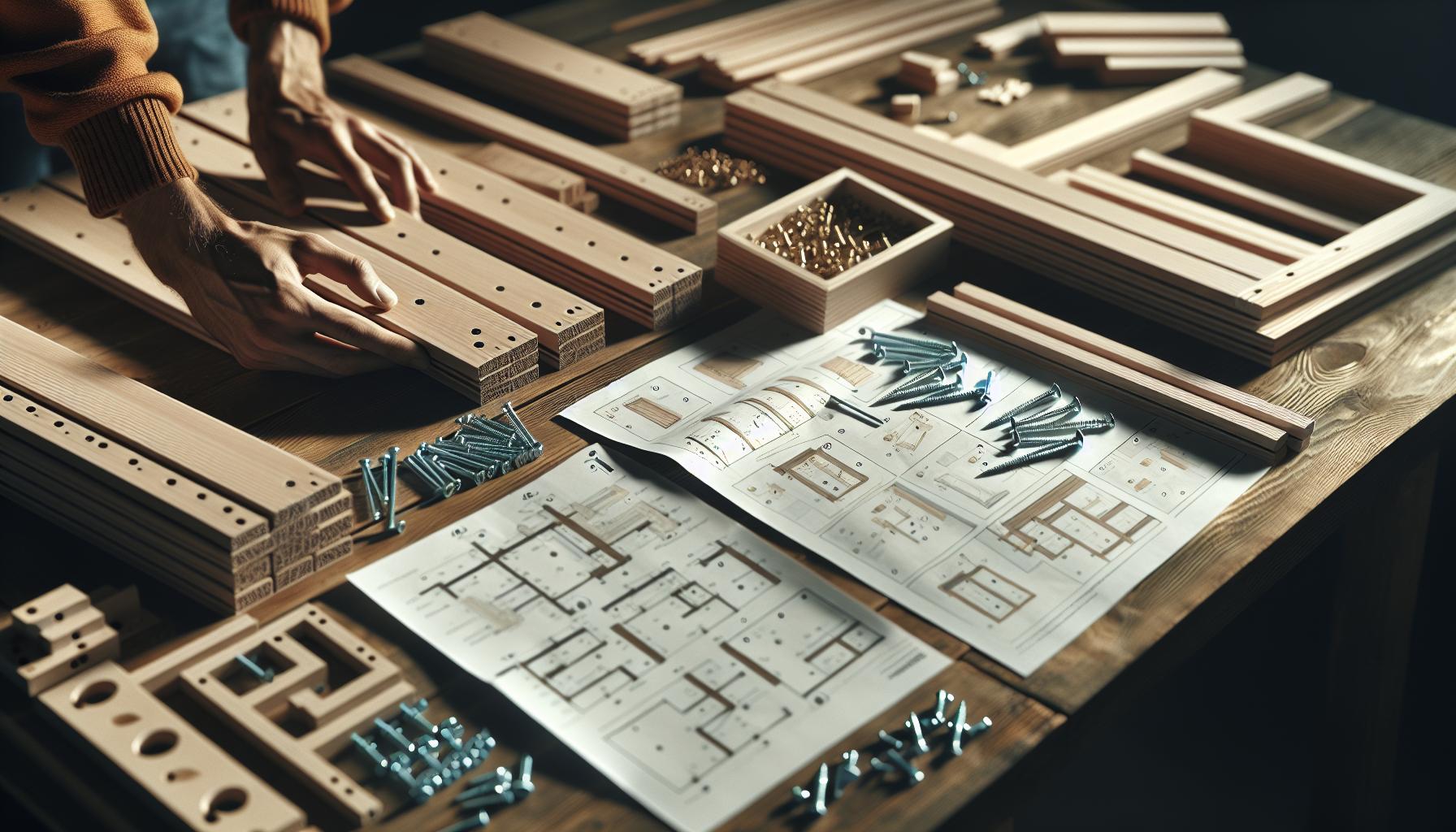
Materials Used in Flat-Pack Construction
Various materials are utilized in the construction of flat-pack modular homes, making them not only efficient but also customized to meet diverse needs and aesthetic preferences. These homes are designed to maximize sustainability and energy efficiency while ensuring durability and ease of assembly for homeowners embarking on the DIY journey.
One of the primary materials employed is engineered wood, which includes products like plywood and oriented strand board (OSB). These materials are favored for their strength and resistance to warping, making them ideal for structural components such as walls and roofs. Additionally, metal framing options are becoming increasingly popular due to their longevity and fire resistance. Steel framing can offer a robust alternative that is particularly suitable for regions prone to extreme weather conditions, contributing to the home’s overall stability.
Insulation and Energy Efficiency
Effective insulation materials are crucial in flat-pack construction to ensure energy efficiency and comfort. Spray foam, fiberglass, and rigid foam boards are commonly used, each offering varying degrees of thermal performance. For instance, spray foam insulation not only provides excellent R-values but also acts as an air barrier, reducing energy costs significantly.
In terms of exterior finishes, choices like cement board siding, vinyl, or wood provide both aesthetic appeal and functionality. Cement board is often chosen for its resistance to moisture and pests, particularly in humid climates, while vinyl siding is favored for its low maintenance requirements and variety of styles. Each material’s selection not only reflects the homeowner’s personal taste but also anticipates specific environmental factors.
Interior Materials
The interior of flat-pack modular homes can be adorned with various materials that enhance their beauty and functionality. Options for flooring may include laminate, vinyl planking, or hardwood, all of which present different benefits, such as easy maintenance or warmth and aesthetic value. When selecting kitchen and bathroom fixtures, durable materials like stainless steel and ceramic tiles are ideal due to their resistance to wear and water damage, which is essential for these high-traffic areas.
Furthermore, many manufacturers prioritize sustainable materials and energy-efficient appliances to minimize the carbon footprint of flat-pack homes. This includes the use of recycled materials and eco-friendly finishes that contribute to the health of the indoor environment.
By understanding the materials used in flat-pack modular construction, potential homeowners can make informed decisions that align with their values and lifestyle. Whether it’s prioritizing sustainability, enhancing energy efficiency, or ensuring durability, the variety of materials available allows for a personalized approach to building a dream home that is both practical and unique.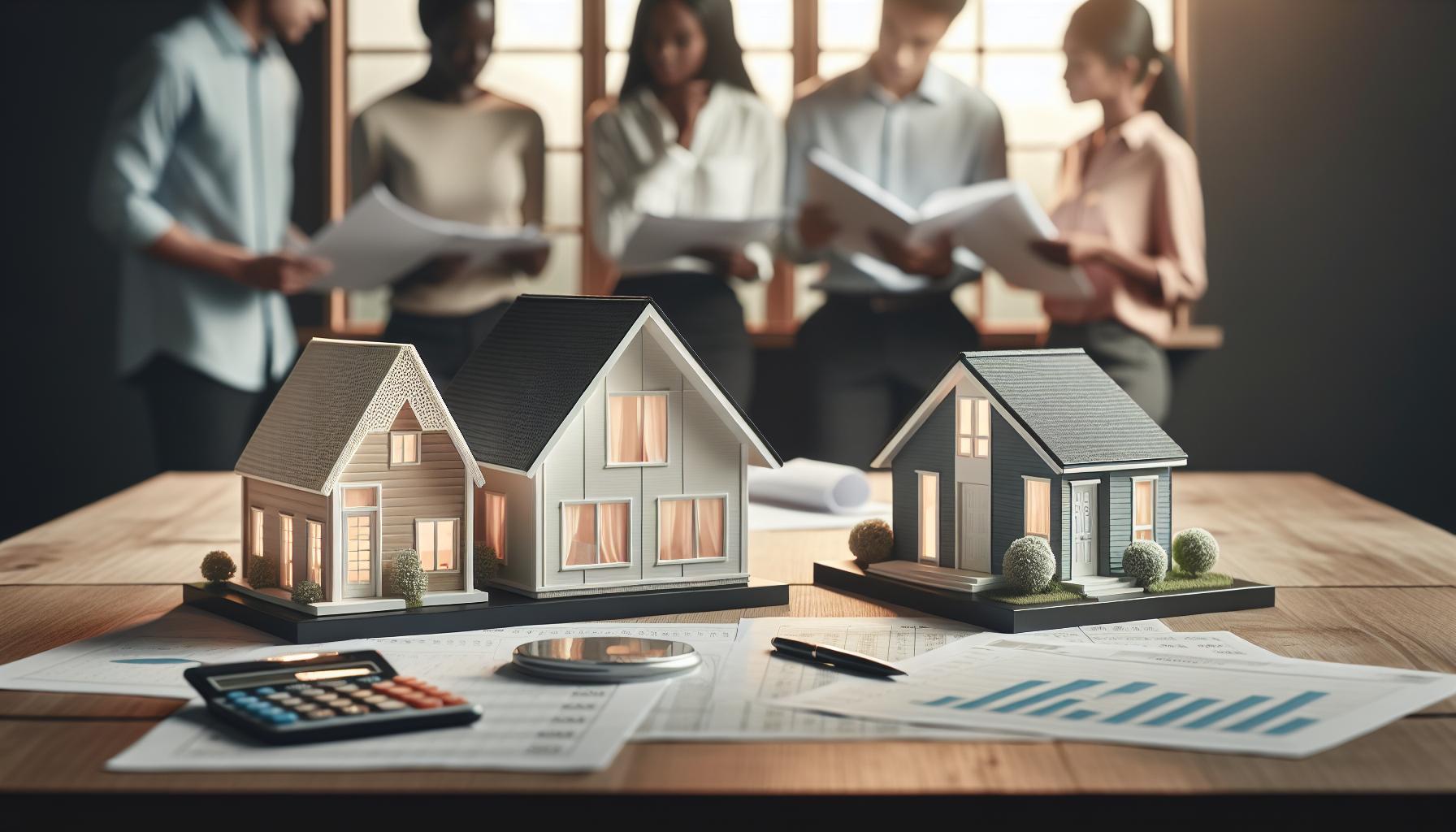
Cost Comparison: Modular vs. Traditional Homes
The decision to choose a modular home over a traditional one can significantly impact both your budget and lifestyle. Modular homes often emerge as a more affordable option due to their efficient design and the assembly processes that minimize waste. According to various industry analyses, flat-pack modular homes can be priced anywhere from 10% to 30% less than traditional on-site constructions. This cost advantage stems from the streamlined manufacturing process, reductions in labor cost, and improved material utilization inherent in factory-built structures.
Comparative Cost Breakdown
When evaluating costs, consider several key factors:
- Construction Time: Modular homes can typically be built in a fraction of the time required for traditional homes. What might take several months of labor-intensive work can often be completed in weeks, reducing overall labor costs and expediting your move-in date.
- Materials: The bulk purchasing of materials and standardized construction techniques used in factories often lead to lower costs for modular homes. Manufacturers can negotiate better prices, which can translate to savings for homeowners.
- Land Preparation: While both types of homes require land preparation, modular homes usually require less extensive groundwork because they are engineered for rapid deployment and often come with built-in considerations for utility connections.
- Insurance and Financing: Generally, insurance rates for modular homes are comparable to traditional homes; however, some lenders may offer better terms for modular homes due to their factory-built nature and reduced risk of construction delays.
Maintenance and Resale Value
Long-term costs also deserve attention. Modular homes boast durability and often require less maintenance in the first few years compared to traditionally built homes. The materials used tend to be more resilient due to controlled building environments. Additionally, as interest in sustainable living grows, many buyers are recognizing the value of modular construction, potentially enhancing resale values.
In summary, the financial edge of modular homes cannot be overlooked, providing potential homeowners with a unique opportunity to enjoy a beautiful, customizable living space without the hefty price tag typically associated with traditional homebuilding methods. By weighing the initial costs and long-term savings, buyers can make informed decisions that align with their budgets and lifestyle aspirations.
Finding the Right Flat-Pack Home for You
When exploring the world of flat-pack modular homes, finding the right design can feel both thrilling and daunting. It’s not just about picking out a structure; it’s about selecting a foundation for your life. Consider your lifestyle needs, personal aesthetic, and long-term goals as you embark on this journey. The right flat-pack home should not only accommodate your current living arrangements but also grow with you through various life changes.
Start by assessing your space requirements. Are you looking for a cozy retreat, a larger family habitat, or a versatile space that can serve dual purposes? Flat-pack homes come in a wide range of designs, from compact units perfect for solo living to expansive configurations suited for families. Understanding your future needs, such as additional bedrooms or work-from-home space, can guide your choice effectively.
Next, research the numerous manufacturers offering flat-pack homes. Each company may have different materials, styles, and customization options. Some focus on sustainability, utilizing eco-friendly materials and energy-efficient designs. Others may offer cutting-edge modern aesthetics or traditional cottage looks. Collect brochures, read reviews, and understand the warranty options to ensure a sound investment.
Cost is another critical factor. Establish a clear budget that includes not only the initial purchase but also potential assembly costs, land preparation, site utilities, and any necessary permits. Many manufacturers provide cost estimates, but it’s wise to add a contingency for unexpected expenses. Explore financing options specifically tailored for modular homes, as many banks and credit unions now recognize these structures as valid living choices.
Lastly, envision how the layout interacts with your environment. Your ideal flat-pack home should not only fit your lifestyle internally but should also harmonize with its surroundings, whether it’s blending into a wooded lot or making a bold statement in an urban setting. Evaluating the landscape can help you leverage natural light, views, and outdoor spaces, ultimately enhancing your living experience.
In short, finding the right flat-pack home is about more than just the structure; it’s creating a tailored living environment that aligns with your personal and financial aspirations. Ensure to take the time needed to research and reflect on your choices, setting the stage for a fulfilling and enjoyable living experience.
Essential Tools and Supplies for Assembly
Assembling a flat-pack modular home can be an exhilarating project, granting you the freedom to customize your living space and contribute to its creation. However, having the right tools and supplies at your disposal is crucial for ensuring a smooth and effective assembly process. Here’s a breakdown of what you will need to make this DIY endeavor successful.
First and foremost, a collection of basic hand tools is essential. This typically includes a level, a measuring tape, and a screwdriver set (both Phillips and flat-head). Additionally, a hammer, utility knife, and a pencil for marking will help you perform accurate cuts and measurements, while ensuring that each component fits perfectly. For more complex assembly, consider having power tools like an electric drill and a circular saw, which can significantly expedite the process, especially when handling larger components.
Specialized Equipment
In addition to hand tools, some projects may require specialized equipment. If your modular home includes larger panels or sections, a lift or pulley system may be necessary to maneuver heavy materials into place. A saw horses can also provide a stable surface to work on when cutting and measuring materials. Don’t forget to include safety gear such as gloves, safety goggles, and a dust mask to protect yourself from debris and dust during assembly.
Fasteners and Supplies
You’ll also need a variety of fasteners and supplies tailored to your specific modular home design. Common items include screws, nails, bolts, and brackets. Familiarize yourself with the assembly instructions provided by the manufacturer, which will often specify the exact types and sizes of fasteners needed. Having wood glue on hand can be a helpful addition, especially for ensuring strong joints in wooden components.
Organizing Your Workspace
Finally, organization is key to a successful assembly. Use a toolbox or tool belt to keep your hand tools accessible. Consider setting up a dedicated workstation where all your materials can be laid out in an orderly fashion, separating them by type or section of the home. This practice not only streamlines the process but also helps prevent any losing crucial parts during assembly.
By gathering these essential tools and supplies, you’ll position yourself for a successful flat-pack modular home assembly experience. Embrace the process as a rewarding step towards creating a personalized living space that reflects your vision and meets your lifestyle needs.
Step-by-Step Guide to Assembly
As you embark on the journey of assembling your flat-pack modular home, it’s essential to approach each step with patience and diligence. The assembly process, while straightforward, does require a methodical approach to ensure everything fits together seamlessly and that you achieve the home you envision. Here’s a structured guide to help you navigate through the assembly process effectively.
Start by preparing your site. Choose a stable, level area for your foundation, which can be a slab or wooden beams, depending on your specific home model. Ensure that the area is free from debris and that utilities such as water, electricity, and sewage are accessible or accounted for. Once your site is ready, you can begin by laying out the materials according to the assembly instructions provided by the manufacturer.
Next, focus on assembling the framework. This typically involves connecting floor panels, which serve as the base for your home. Make sure to use the level to check that everything is even. Once the base is secure, follow the blueprint to attach wall panels. Most designs will include pre-drilled holes or brackets that simplify this step. Remember to periodically check for plumb vertically and level horizontally as you go to maintain structural integrity.
Once the walls are in place, you can begin to install the roof structure. Depending on your design, this might include securing roof panels, adding insulation, and installing supporting beams. Pay attention to any weatherproofing instructions, as proper sealing will protect your home from moisture and air leaks.
Finally, conclude with interior finishing touches. This may include installing doors, windows, drywall, and flooring. Each of these elements can vastly change the feel of your home, so take the time to ensure everything fits and functions as intended.
Throughout the assembly process, refer to the specific manufacturer’s guidelines for detailed instructions tailored to your model. If you encounter challenges, don’t hesitate to reach out to the community forums or customer service for support. Engaging with others who have gone through the process can provide valuable insights and solutions. By following this structured approach, you will not only streamline your assembly but also set the foundation for a successful home that you can take pride in.
Permitting and Legal Considerations
Navigating the permitting and legal landscape is a critical step in the journey of building a flat-pack modular home. Understanding the regulations in your area can prevent future hassles and ensure a smooth assembly process. It’s essential to start by checking local zoning laws, which dictate what types of structures are permissible on your property. This can vary significantly from one location to another, so it’s advisable to contact your local planning or zoning department for specific guidelines.
Another vital step is obtaining the necessary building permits. Most municipalities require a permit for any new construction, including modular homes, to ensure compliance with safety standards and building codes. This process usually involves submitting detailed plans of your proposed home, including dimensions, materials, and intended use. Be prepared to pay a fee and potentially wait several weeks for approval. Additionally, consider hiring a local contractor or consultant who is familiar with the permitting process; their expertise can streamline the experience and help navigate any complex requirements.
After securing the appropriate permits, consider utility hook-ups. Confirm that you have the right to connect to essential services such as water, electricity, and sewage. In some cases, you may need to file additional applications or meet specific codes-particularly for septic systems or wells, which can involve lengthy approval processes.
Legal Considerations for Modular Homes
While the excitement of assembling your new home is palpable, be aware of the legal documentation needed to fully own your property. For example, ensure that your property deed reflects the construction of your modular home and that it meets all local building codes before occupancy. Neglecting this crucial step can lead to disputes or challenges in selling your home down the line. Moreover, homeowners’ association (HOA) regulations may impose specific criteria for exterior aesthetics or color schemes, so be sure to review those guidelines if applicable.
Finally, consider the implications of home insurance. It’s essential to check with insurance providers about coverage options for modular homes, as some policies may directly impact how your home is valued or included in a total loss scenario. Obtaining the right insurance before moving in will give you peace of mind, ensuring that your investment is protected against unforeseen events.
By proactively addressing these , you empower yourself to build not just a house, but a secure and lawful home. This foundational understanding enables you to embark on the assembly journey with greater confidence, knowing that you are adhering to the legal standards that uphold the integrity of your new living space.
Financing Options for Modular Homes
Navigating the financing landscape for modular homes can be a rewarding yet complex endeavor. With the growing popularity of flat-pack modular homes, prospective buyers can find a plethora of financing options tailored specifically for this unique housing style. Understanding these options equips you with the knowledge needed to make informed decisions that align with your financial goals and lifestyle.
Types of Financing Options
There are several pathways to finance a flat-pack modular home, each with its nuances:
- Conventional Loans: These are standard mortgages offered by banks or credit unions. Lenders may require a higher credit score and a larger down payment for modular homes, particularly those on permanent foundations.
- FHA Loans: The Federal Housing Administration (FHA) insures loans that can help buyers with lower credit scores or smaller down payments. FHA loans can cover both the cost of the home and the land, making them a flexible option.
- VA Loans: For qualified veterans and active military personnel, VA loans offer favorable terms, including no down payment and no private mortgage insurance (PMI). These loans can also be used for modular homes that are classified as real property.
- Chattel Loans: These loans are specifically designed for personal property and can be suitable if your modular home is not permanently affixed to land. However, terms may be stricter, and interest rates can be higher.
- Personal Loans: For those who prefer quick access to funds, personal loans can be an option. However, they typically come with higher interest rates and shorter repayment periods.
Factors to Consider
When selecting a financing option, it’s crucial to consider several factors that can impact your overall investment:
- Credit Score: Check your credit report before applying for any loan. Higher credit scores generally qualify for better interest rates and terms.
- Down Payment: Consider how much you can afford for a down payment. This will significantly influence your monthly payments and overall financial plan.
- Loan Terms: Analyze the length of the loan and the total interest you will pay over time. Some buyers might prefer a shorter loan to save on interest, while others might need lower monthly payments.
- Property Location: The location of your modular home can affect financing options, as some lenders have different requirements based on local zoning laws and property assessments.
Conclusion
With carefully researched financing options, purchasing a flat-pack modular home can be an accessible and practical reality. Whether you opt for an FHA loan or decide on a personal loan, aligning your choice with your financial situation and long-term goals is essential. As the modular home market continues to grow, so do the financing solutions tailored specifically for it, making homeownership more achievable for many. Investing in a modular home not only provides a place to live but also opens the door to creative financial opportunities.
Sustainability and Energy Efficiency of Modular Homes
The growing emphasis on sustainability has made modular homes, particularly flat-pack versions, an appealing choice for environmentally conscious buyers. These homes prioritize energy efficiency throughout their lifecycle, from production to installation and day-to-day living. Flat-pack modular homes are typically manufactured in controlled factory environments, which minimizes waste and allows for precise engineering that can enhance energy performance. Using advanced building techniques, these homes can better insulate against temperature fluctuations, significantly reducing heating and cooling demands compared to traditional construction.
One of the key benefits of flat-pack modular homes lies in their potential for incorporating sustainable materials and innovative energy-saving technologies. Many manufacturers offer options such as recycled materials, environmentally friendly insulation, and energy-efficient windows. Additionally, these homes can be equipped with renewable energy systems, such as solar panels, which can further decrease reliance on fossil fuels while lowering utility bills. Smart home technology can also be integrated, allowing homeowners to monitor and optimize energy use effectively.
Practical Tips for Enhancing Sustainability
There are several straightforward strategies you can employ to maximize the sustainability of a flat-pack modular home:
- Choose Sustainable Materials: Opt for construction materials that have a lower environmental impact, such as sustainably sourced wood, low-VOC paints, and recycled products.
- Invest in Energy-Efficient Appliances: Select Energy Star-rated appliances, which consume less energy, water, and overall resources.
- Implement Rainwater Harvesting: Install systems to collect and reuse rainwater for irrigation or even household use, reducing reliance on municipal water sources.
- Enhance Insulation: Ensure your modular home is well-insulated with eco-friendly materials to maintain comfortable interior temperatures year-round without excessive energy consumption.
- Consider Landscaping Wisely: Use native plants that require minimal irrigation and maintenance, complementing your home’s sustainability efforts.
By understanding the benefits and opportunities associated with flat-pack modular homes, you can make informed decisions that contribute to a more sustainable future while enjoying the advantages of modern living. Investing in this kind of home not only aligns with a commitment to environmental stewardship but potentially saves on utility costs, making it a practical choice for savvy homeowners.
Transforming Flat-Pack Homes: Renovation Ideas
Transforming a flat-pack modular home offers an exciting opportunity to tailor the living space to your personal style while enhancing functionality. These homes, designed for efficient assembly, serve as a blank canvas that you can customize to reflect your taste and meet your needs, making renovations both a practical and enjoyable endeavor.
Consider starting with functional improvements. Upgrading insulation and installing energy-efficient windows not only enhance comfort but also lead to significant savings on utility bills. Creating an open floor plan by removing non-load-bearing walls can maximize space and light. Incorporating built-in storage solutions can help eliminate clutter and make the most of limited square footage.
Aesthetic upgrades are equally important. Painting walls with bold colors or fun designs can transform the atmosphere of a room. Installing new flooring, whether it’s hardwood, tile, or eco-friendly options like bamboo, dramatically changes the look and feel of your home. Don’t overlook outdoor spaces; adding a deck or patio can enhance your living area, inviting relaxation and social gatherings.
Smart Technology Integration
Integrating smart technology is another way to modernize your flat-pack home. From smart thermostats to automated lighting systems, these enhancements increase convenience and energy efficiency. For example, a smart irrigation system can conserve water usage in your garden, while smart security devices can provide peace of mind.
Outdoor Enhancements
When it comes to outdoor spaces, consider strategies for enhancing curb appeal and functionality. Landscaping with native plants can promote biodiversity and lower maintenance needs. Additionally, consider installing a rainwater collection system to support your gardening efforts sustainably. If space allows, creating an outdoor living area with furniture and shade structures can provide wonderful spaces for family and friends to enjoy.
By implementing these renovation ideas, you can create a flat-pack modular home that combines personal style with increased functionality, environmental awareness, and modern convenience. Whether you’re looking to make minor changes or undertake significant renovations, the versatility of flat-pack homes allows for a wide array of possibilities tailored to your lifestyle.
Frequently asked questions
Q: What are the advantages of choosing flat-pack modular homes?
A: Flat-pack modular homes offer several advantages, including cost-effectiveness, faster assembly times, and environmental sustainability. They also provide flexibility in design and can be customized to fit various budgets and preferences, making them an appealing option for many homeowners.
Q: How do flat-pack modular homes compare to traditional home construction?
A: Flat-pack modular homes generally have lower costs and reduced construction times compared to traditional homes. They are also often more energy-efficient and environmentally friendly, as they produce less waste during the building process and utilize sustainable materials. Refer to the ‘Cost Comparison: Modular vs. Traditional Homes’ section for details.
Q: Can I assemble a flat-pack modular home by myself?
A: Yes, many flat-pack modular homes are designed for DIY assembly. However, it’s important to have basic construction skills and the necessary tools. Comprehensive guides, like the ‘Step-by-Step Guide to Assembly,’ can help you through the process.
Q: What materials are typically used in flat-pack modular home construction?
A: Flat-pack modular homes are often constructed from sustainable materials such as engineered wood, steel, and eco-friendly insulation. These materials not only add strength but also enhance energy efficiency. More details are available in the ‘Materials Used in Flat-Pack Construction’ section.
Q: What legal considerations should I be aware of when building a flat-pack home?
A: Before assembling a flat-pack home, check local building codes and zoning regulations. Permitting requirements vary by location, so ensure compliance to avoid future legal issues. The ‘Permitting and Legal Considerations’ section provides more insights.
Q: Are flat-pack modular homes energy-efficient?
A: Yes, flat-pack modular homes are designed to be energy-efficient, often featuring high-quality insulation, energy-efficient windows, and appliances. This results in lower utility bills and a reduced carbon footprint, as highlighted in the ‘Sustainability and Energy Efficiency of Modular Homes’ section.
Q: What tools do I need for assembling a flat-pack modular home?
A: Essential tools for assembling a flat-pack modular home typically include a power drill, level, tape measure, and various hand tools. For a full list, refer to the ‘Essential Tools and Supplies for Assembly’ section.
Q: What financing options are available for flat-pack modular homes?
A: Financing options for flat-pack modular homes can include traditional mortgages, personal loans, and specialized construction loans. Researching and comparing different options will help you find the best fit for your financial situation, as elaborated in the ‘Financing Options for Modular Homes’ section.
Closing Remarks
As we explore the innovative world of flat-pack modular homes, it’s clear that this DIY assembly revolution offers a practical solution for modern living. Whether you’re drawn to the convenience, cost-effectiveness, or the flexibility of these homes, now is the perfect time to take the next step. Have questions about the assembly process, financing options, or finding the right model for you? We have resources ready to guide you through setup and maintenance, ensuring you feel confident in your decision.
Don’t forget to check out our articles on mobile home maintenance tips and the best financing strategies to keep your journey on track. Share your thoughts in the comments below-your experiences and insights could help others in the community! Ready to dive deeper? Subscribe to our newsletter for the latest updates, tips, and exclusive resources tailored just for you. Embrace the future of home living with flat-pack modular homes and join a growing movement that prioritizes sustainability and smart design!