With the increasing popularity of modular homes, prospective buyers are often left wondering which manufacturers stand out in terms of quality, affordability, and customer satisfaction. Modular homes not only offer a more efficient building process but also provide diverse design options to fit various lifestyles and budgets. Exploring the best modular home manufacturers can be crucial for ensuring you make a well-informed investment that meets your needs and expectations. As you delve into this guide, you’ll uncover key insights that will help you navigate the multitude of options available, highlighting top-rated builders and what sets them apart in this competitive market. Whether you’re a first-time buyer or looking to expand your property portfolio, understanding the strengths of leading manufacturers is the first step in securing a home that perfectly aligns with your vision. Let’s explore the finest modular home builders and discover how they can help turn your dream home into reality.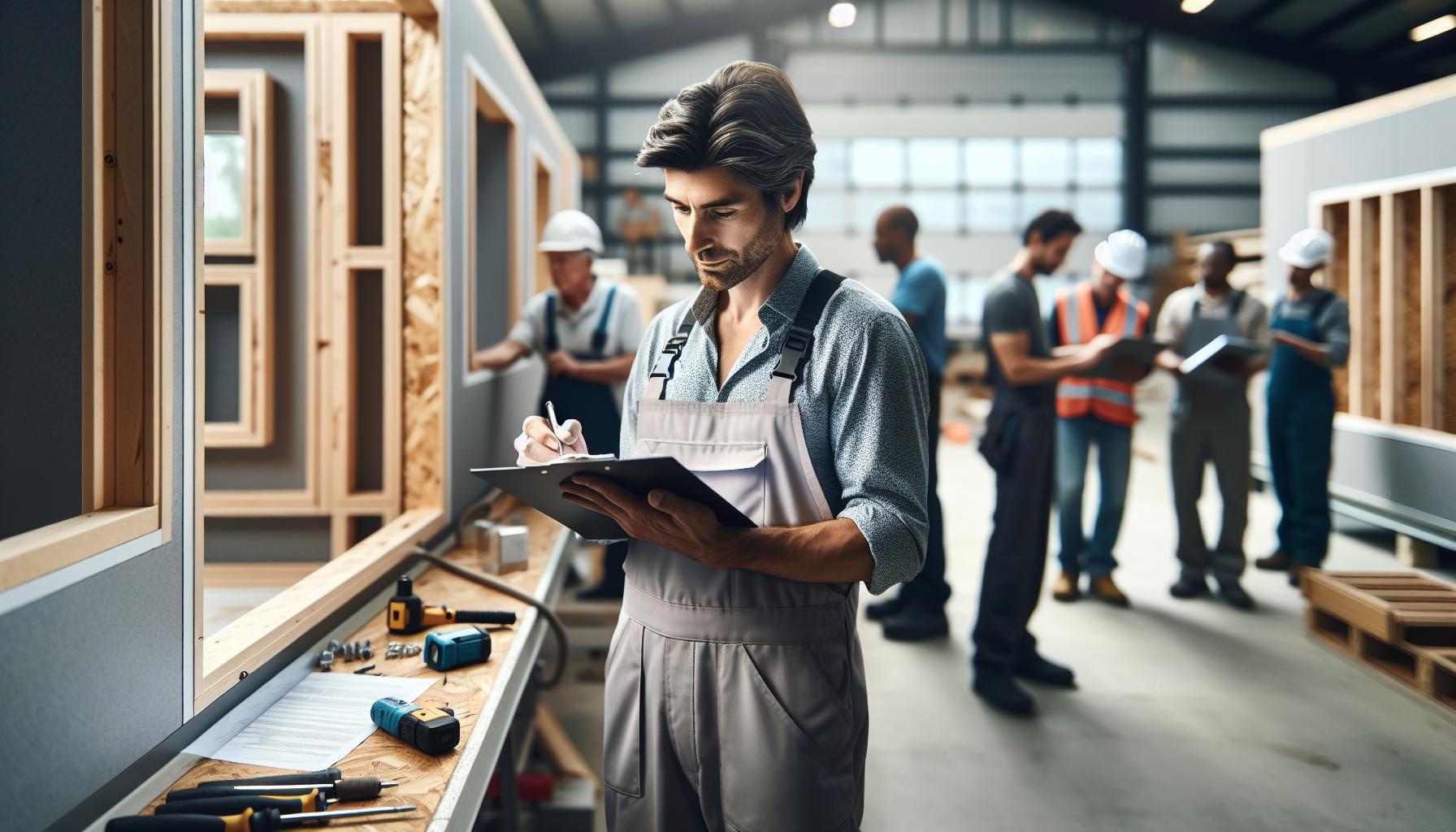
What Makes a Great Modular Home Manufacturer?
When it comes to selecting a modular home manufacturer, consumers often overlook crucial attributes that can significantly impact their purchasing decision. A great modular home manufacturer not only delivers a well-constructed product but also provides a comprehensive experience that encompasses design flexibility, customer service, and adherence to quality standards. One key factor is a manufacturer’s reputation; reputable builders often have a history of positive reviews and successful project completions. Prospective buyers should actively seek feedback and testimonials from current homeowners to glean insights into the manufacturer’s reliability and after-sales service.
Moreover, customization options play a significant role in defining a manufacturer’s greatness. A leading company should offer a diverse array of floor plans and design elements, allowing buyers to tailor their homes to fit their needs and preferences. This flexibility indicates a commitment to customer satisfaction and a depth of experience in the industry. Additionally, manufacturers should prioritize energy efficiency and sustainability, implementing construction practices that minimize environmental impact while ensuring long-term savings for homeowners.
Finally, the support provided throughout the purchasing process can set exceptional manufacturers apart from the competition. Comprehensive guidance on financing, legal requirements, and site preparation can empower buyers and ensure a smooth transition into their new home. Therefore, when considering modular home builders, it is essential to evaluate their overall service, quality, and commitment to customer-oriented practices to ensure a fulfilling modular home experience.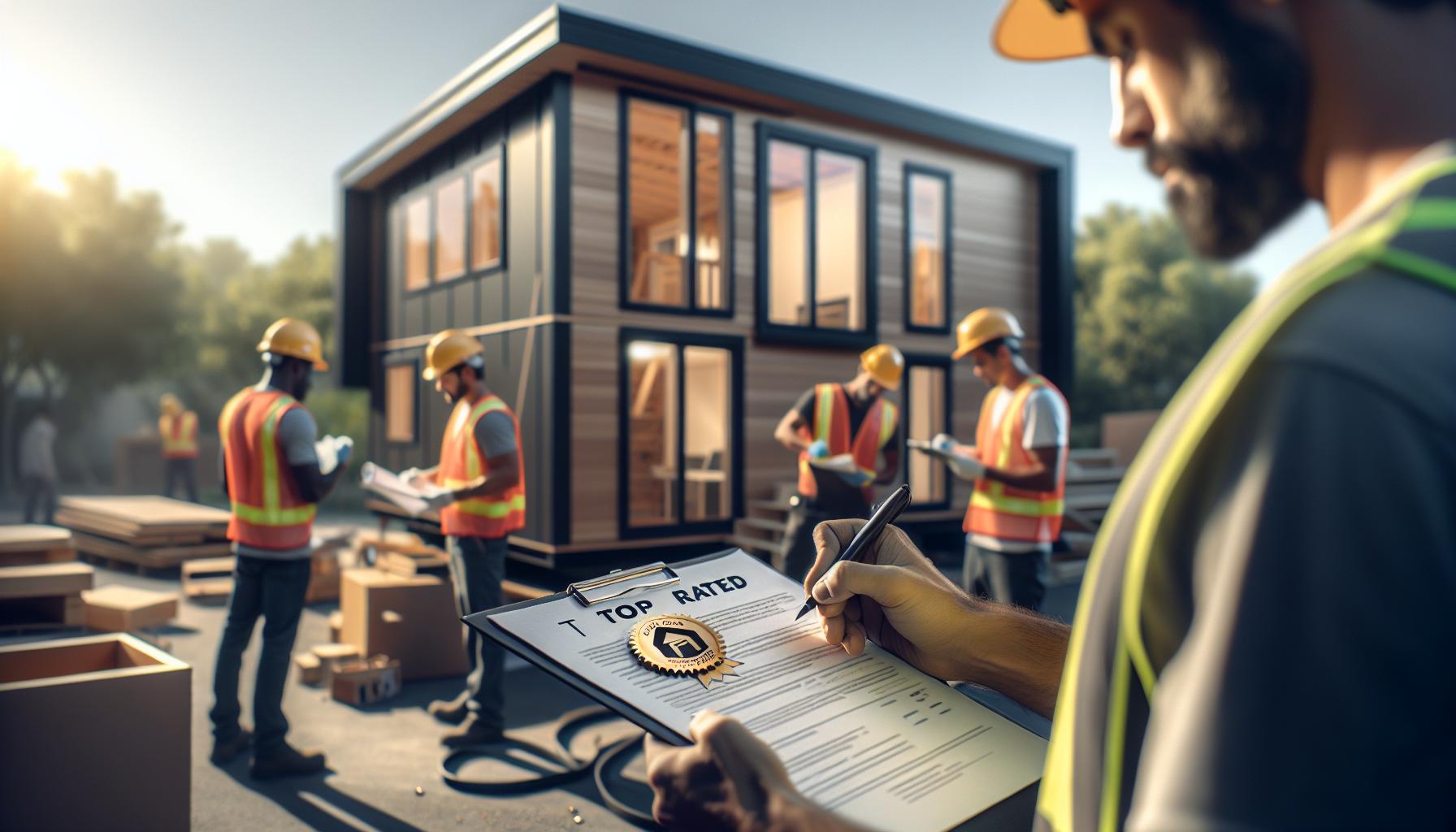
Top Rated Modular Home Manufacturers You Should Know
When considering modular home manufacturers, a few names stand out for their track records, innovative designs, and exceptional customer service. Top-rated builders have achieved recognition not only for their quality of construction but also for how they integrate modern technology, sustainability practices, and customer-focused approaches into their offerings.
1. Clayton Homes
Clayton Homes is a frontrunner in the modular home industry, known for its extensive variety of customizable floor plans. They emphasize energy efficiency through well-insulated designs and offer modern features like smart home technology. Their reputation for solid customer service includes assistance throughout the buying process, ensuring that first-time homeowners feel supported from start to finish.
2. Karsten Homes
Karsten Homes specializes in high-quality modular and manufactured homes tailored for various climates, making them a popular choice for both urban and rural settings. Their focus on craftsmanship and energy efficiency is commendable, featuring homes equipped with modern appliances and sustainable materials. They also offer personalized design consultations that help buyers to make informed decisions based on their lifestyle needs.
3. Modular Lifestyles
Modular Lifestyles has made a name for itself with innovative designs that prioritize sustainable living. They utilize environmentally friendly building processes and materials, meeting the growing demand for eco-conscious housing options. Their homes incorporate energy-efficient windows and insulation, ensuring that energy bills remain manageable while also reducing the ecological footprint.
4. Champion Home Builders
Champion Home Builders is another reputable name in the modular market, recognized for their flexibility and wide range of design choices. They focus on creating spaces that reflect individual tastes, offering everything from classic styles to contemporary designs. Champion also provides options for customization, allowing customers to add personal touches that meet their functional and aesthetic needs.
When evaluating these top manufacturers, consider the diversity of features and support services they provide. Each company fosters a commitment to building durable homes while encouraging sustainable living practices, making them worthy options for anyone looking to invest in a modular home.
Comparing Modular Home Builders: Key Factors to Consider
When selecting a modular home builder, there are several critical factors to consider to ensure that you make the right investment for your future. Understanding these elements helps streamline the selection process and can lead to higher satisfaction with your new home.
One fundamental aspect is quality of construction. Researching the materials used, the builder’s construction methods, and their reputation for building durable homes is essential. Look for manufacturers who offer warranties and have a history of minimal construction defects. A builder that prioritizes quality is more likely to provide a home that meets or exceeds industry standards.
Customization options are another vital consideration. Each homeowner has unique needs and tastes, leading to a demand for flexibility in design. Evaluate how much customization a builder allows in terms of floor plans, finishes, and features. Many top-rated manufacturers, like Clayton Homes and Karsten Homes, offer extensive customization choices that enable you to personalize your space.
It’s also crucial to examine customer service and support throughout the buying process. The journey from selection to installation can often be daunting for first-time buyers. A builder that invests time in customer education and provides detailed guidance during financing and construction can make a significant difference. Customer reviews and testimonials offer insights into the experiences of previous clients and help gauge the overall satisfaction level.
Lastly, consider the energy efficiency and sustainability practices of the builder. Homes built with energy-efficient materials and technologies can significantly reduce ongoing utility costs and demonstrate a commitment to environmental considerations. Companies like Modular Lifestyles specialize in sustainable living, using eco-friendly materials that resonate with today’s conscientious consumers.
By paying attention to these factors-quality of construction, customization options, customer service, and energy efficiency-you can navigate the modular home marketplace more effectively, ensuring that you choose a builder who aligns with your needs and values.
Customer Reviews: Real Experiences with Modular Builders
Understanding customer experiences and reviews from those who have chosen modular homes is invaluable when selecting a manufacturer. These testimonials not only provide insight into the quality of construction but also highlight real-life challenges and rewards associated with modular living. Many potential buyers often turn to user reviews to gauge everything from build quality to customer service and post-purchase support.
Satisfied homeowners frequently note their appreciation for the construction speed of modular homes, which can often be significantly quicker compared to traditional builds. Buyers have reported moving into their homes in a matter of months, allowing families to settle into their new environments promptly. For example, one user highlighted how their modular home was livable in just six weeks, praising both the efficiency of the builder and the minimal disruption to their daily lives.
However, it’s not all smooth sailing; some reviews discuss common concerns such as settling issues post-installation. Homeowners recommend having a reliable contractor available for any necessary adjustments that may arise after the home is set on its foundation. This underscores the importance of choosing builders known for their robust after-sales service. Feedback on customer service can vary widely, with some builders gaining accolades for their responsive and attentive support, while others may receive criticism for a lack of follow-up once the sale is completed.
Beyond the construction process, customers often express satisfaction with the energy efficiency and design flexibility offered by leading builders. Reviews have praised brands that provide customizable features, allowing residents to tailor designs to their preferences-an essential factor for many buyers. Additionally, many customers appreciate how these homes can yield lower energy bills, a significant financial advantage.
Overall, consumer reviews serve as a critical resource in choosing a modular home builder. They offer the chance to hear authentic voices from current owners, helping prospective buyers make informed decisions rooted in genuine experiences and outcomes. When reviewing these testimonials, it’s crucial to look for patterns: consistent praise or complaints can provide a clearer picture of what to expect from a potential modular home manufacturer.
Cost Analysis: Budgeting for Your Modular Home
When considering a modular home, budgeting effectively from the outset can make the difference between a smooth experience and unexpected financial stress. While modular homes often come with lower initial costs compared to traditional houses, it’s essential to account for the full scope of expenses involved in both purchasing and setting up your new home.
Key cost factors include the price of the home itself, which can vary significantly depending on the size, design, and custom features you choose. According to industry norms, modular homes typically range from $50 to $120 per square foot, excluding land and site preparation costs. More luxurious or custom designs may exceed this range. Financing options play a pivotal role; working with lenders familiar with modular homes is crucial for obtaining the best interest rates and terms.
It’s also vital to factor in the additional costs associated with preparation and installation, which can encompass:
- Land Costs: Whether buying or leasing, land will be a primary expense. If you already own land, ensure it’s suitable for a modular home.
- Site Preparation: This includes grading the land, necessary excavations, and potentially laying a foundation-whether it’s a crawl space, basement, or pier and beam.
- Utilities Connections: Costs to connect water, sewer, electricity, and gas lines vary based on distance from existing infrastructure and regional availability.
- Delivery and Installation Fees: Home delivery and setup fees can vary widely, typically ranging from $5,000 to $15,000, depending on the distance and complexity of the installation.
- Taxes and Insurance: Don’t overlook property taxes, which will be assessed based on the home’s value, and homeowners’ insurance, which may differ from traditional housing.
Ultimately, a comprehensive budget should include contingencies-around 10-15% of the total project cost-allowing for any unexpected expenses during the building process. Taking the time to outline all potential costs will enable you to make informed decisions that can significantly impact your financial well-being long after your new home is assembled and moved in.
Innovative Features of Leading Modular Homes
In the realm of modern housing, modular homes have emerged as a stylish and practical solution, offering innovative features that cater to diverse lifestyles and preferences. A standout aspect of leading modular home manufacturers is their emphasis on customization, allowing buyers to tailor layouts and design elements to fit their unique needs. This customization can range from selecting energy-efficient appliances to choosing sustainable materials that align with eco-friendly values.
Another remarkable feature is the integration of advanced technology in modular home construction. Many of today’s top builders incorporate smart home systems, equipping residences with digital thermostats, lighting controls, and security systems that can be managed remotely. This not only enhances convenience but also promotes energy efficiency, leading to significant savings in energy costs over time.
Durability and Design
The use of high-quality building materials is also a hallmark of leading modular manufacturers. Homes are often built to withstand extreme weather conditions, thanks to improved insulation techniques and resilient structural designs. For instance, certain builders offer homes with hurricane-resistant features, such as reinforced ties and impact-resistant windows, ideal for those living in storm-prone areas.
Moreover, modular homes often feature open-concept designs, making them feel more spacious and inviting. Manufacturers prioritize aesthetics by offering a variety of finishes and layouts, from contemporary designs with sleek lines to more traditional styles that blend seamlessly into natural surroundings. Buyers can expect innovative storage solutions, smart layouts, and unique architectural elements that maximize space and enhance functionality within their homes.
The commitment to sustainability is another defining characteristic of top modular manufacturers. Many companies prioritize eco-friendly practices, such as using recycled materials in construction and implementing energy-efficient designs that minimize environmental impact. By choosing modular homes that focus on these innovative features, buyers can enjoy a modern living experience aligned with their values while contributing positively to the environment.
Sustainability Practices in Modular Home Construction
Sustainable construction is becoming an essential consideration in the modular home industry, as builders seek to reduce their environmental footprint while providing comfortable, modern living spaces. Many top-rated modular home manufacturers are rising to this challenge by incorporating various eco-friendly practices into their design and building processes. One significant trend is the use of recycled and sustainable materials, which not only minimizes waste but also ensures that homes are built to last while being mindful of resource consumption.
Another critical aspect of sustainability in modular homes is energy efficiency. Manufacturers are increasingly incorporating advanced insulation techniques that help maintain comfortable temperatures, reducing the need for excessive heating or cooling. Here are a few other noteworthy practices:
- Energy-Efficient Appliances: Many builders offer homes equipped with ENERGY STAR-rated appliances that consume less energy and water.
- Solar Energy Integration: Several manufacturers provide options for solar panel installations, allowing homeowners to reduce reliance on grid electricity and take advantage of renewable energy sources.
- Water Conservation Features: Low-flow plumbing fixtures, rainwater harvesting systems, and drought-resistant landscaping are becoming standard in eco-conscious designs.
Additionally, the modular construction process itself is often more sustainable than traditional homebuilding. As homes are built in a factory setting, this allows for better control over materials, reducing waste and enabling more efficient use of resources. Builders can also implement lean manufacturing principles that further minimize excess material and energy consumption during construction.
The focus on sustainability goes hand in hand with buyer preferences, as more individuals seek homes that reflect their values and commitments to the environment. This trend indicates that leading modular home manufacturers not only provide stylish and functional living spaces but also actively contribute to a more sustainable future. By choosing a modular home from a manufacturer that prioritizes these practices, buyers can enjoy a home that is both environmentally friendly and economically viable in the long run.
Financing Your Modular Home: Options and Considerations
Deciding to purchase a modular home is an exciting journey, but understanding the financing options available can make this process smoother and more informed. Modular homes often come with unique financial considerations compared to traditional site-built homes, due to their construction methods and the often lower upfront costs associated with them. Fortunately, there are several financing avenues that prospective buyers can explore to make their dream of owning a modular home a reality.
One of the most common methods for financing a modular home is through a traditional mortgage. While many lenders offer mortgage options for modular homes, it’s essential to confirm whether the specific model you are considering meets their criteria. Typically, lenders treat modular homes like traditional homes, especially if they are permanently affixed to a foundation. Buyers should be prepared to provide the same documentation and undergo similar processes as with conventional homes, including credit checks and income verification. However, it’s important to work with a lender experienced in modular home financing to ensure they understand the nuances of the industry.
Another option for financing is a construction loan, which covers the cost of building your new home. This type of loan is typically interest-only during the construction period and converts to a mortgage once the home is complete. Many modular homes can be built quickly, allowing buyers to minimize the duration of the construction loan and its associated costs. When opting for a construction loan, potential buyers should verify that the manufacturer or builder is reputable and capable of completing the project within the timeline.
Moreover, there are government-backed financing options such as the FHA’s Title I Loan, which helps with the purchase of mobile and modular homes without requiring a down payment. This option is especially beneficial for first-time homebuyers or those with lower credit scores, as it opens the door to homeownership without the hefty financial burden often associated with other loan types.
In addition to these financing options, many modular home manufacturers offer in-house financing or partner with local lenders to streamline the purchasing process. This can be an attractive choice for buyers as it simplifies the financial aspect and provides tailored loan products suited specifically for their modular home model.
Intentional budgeting is also crucial when considering financing options for a modular home. Besides the cost of the home itself, buyers should account for land purchase, site preparation, utilities, and potential maintenance costs. Understanding all expenses involved can prevent financial strain down the road and help buyers choose the financing route that fits best within their overall budget.
Navigating the financial landscape for a modular home may seem complex, but with the right guidance and an understanding of available options, potential homeowners can make informed choices to achieve their dream of modular living.
Choosing the Right Design: Modular Floor Plans and Options
Selecting the right design for a modular home plays a pivotal role in ensuring that it meets your lifestyle and functional needs, while also reflecting your personal aesthetic. One of the most appealing aspects of modular homes is the extensive variety of floor plans and customization options available. From compact models ideal for small plots to expansive designs that accommodate growing families, there is a modular configuration that can fulfill almost any desire. This flexibility allows buyers to create a living space that not only maximizes comfort but also aligns with their future plans, whether that includes hosting family gatherings or incorporating a home office.
When diving into floor plan options, it helps to consider a few key factors. First, assess your lifestyle needs: Do you require open spaces for entertaining, or do you prefer distinct rooms for privacy? Take note of essential features like the number of bedrooms and bathrooms, as well as spaces dedicated to hobbies or work. Many top-rated manufacturers offer numerous layouts that can serve as a foundation for your customization. Common design considerations include:
- Single-Story vs. Multi-Story: Depending on your land size and family needs, single-story options provide ease of access, while multi-story homes can optimize small lots.
- Open vs. Closed Floor Plans: Open layouts encourage interaction and flow, while isolated rooms can offer quiet retreats.
- Outdoor Spaces: Many modular designs incorporate decks and porches, allowing for seamless indoor-outdoor living, essential for those who enjoy nature.
As you explore different designs, be mindful of the manufacturer’s reputation for quality and sustainability. Some builders prioritize energy-efficient features, such as improved insulation and renewable energy options, which can not only lower utilities but also enhance the overall comfort of your home. Moreover, engaging with customer reviews and testimonials can provide deeper insight into the experiences of other homeowners and help you gauge the quality of materials and craftsmanship used by various manufacturers.
Ultimately, the right modular home design should cater to your unique lifestyle while leveraging the strengths of modular construction. With thoughtful planning and a clear understanding of your needs, you can create a living space that is both functional and reflective of your personal style, setting the foundation for many years of happy living.
Legal Requirements for Modular Home Purchases
When considering the purchase of a modular home, navigating the legal landscape can feel daunting. Understanding the legal requirements is crucial not only to ensure a smooth buying process but also to protect your investment. Each state may have specific regulations regarding modular homes, so it is essential to research local laws and ordinances. Modular homes must comply with the same building codes and zoning regulations as traditional homes, meaning you should confirm that the model you choose meets local standards regarding safety, construction, and land use.
Before making a purchase, prospective buyers should obtain a few key documents. Firstly, verify that the home builder or manufacturer is licensed and insured. This protects you from potential liabilities and ensures the company adheres to industry standards. Additionally, a valid warranty is essential, as it covers defects in materials and workmanship for the specified period, providing peace of mind. Many states also require a Certificate of Occupancy, issued by local authorities, affirming that the home meets all building codes and is safe to occupy.
Financing and Title Considerations
Financing a modular home can involve unique legal considerations compared to traditional homes. Some companies offer financing options specifically for modular homes, while others may require buyers to secure personal loans or mortgages through conventional lenders. Be aware of the differences in how these loans may be structured and the potential need for additional documentation, like the approval of the land where the home will be sited.
As modular homes are often treated as personal property, transferring title can involve different procedures compared to real estate transactions. It’s crucial to understand how the classification of your home affects its valuation and financing options. You may need to register your modular home with your state’s Department of Motor Vehicles if it’s categorized as a vehicle, thus impacting insurance requirements and tax obligations.
Permits and Site Preparation
Finally, before the installation of your modular home, you’ll need to secure the appropriate permits and prepare the site according to local regulations. This includes grading, utilities setup, and ensuring proper anchoring to meet state and local wind and seismic codes, which is vital for safety and compliance. Failing to obtain the right permits can lead to significant fines or delays, underscoring the importance of thorough compliance with legal requirements.
By being proactive and informed about these legal aspects, you can navigate the modular home purchasing process with confidence, ensuring that your dream home is built on a solid, compliant foundation.
Manufactured vs. Modular Homes: Understanding the Difference
Navigating the world of factory-built homes can often lead to confusion between manufactured homes and modular homes. Understanding the distinctions between these two housing options is crucial for prospective buyers, as each has its own set of features, benefits, and regulatory standards that can affect ownership and living experience.
Manufactured homes are built entirely in a factory and transported to the site. They are often constructed to the federal “HUD Code,” which establishes specific safety, livability, and energy efficiency standards. Due to this classification, manufactured homes can experience depreciation in value akin to vehicles, which can be a consideration when planning for long-term investment. These homes can also be easier to finance with personal loans, but it’s essential to understand that they may be viewed as personal property rather than real estate, impacting resale and insurance options.
In contrast, modular homes are constructed in sections (modules) in a factory before being transported to the homeowner’s site. They are built to the same local building codes and standards that conventional homes must meet, often resulting in stronger structures and better long-term value retention. This compliance to residential building codes means modular homes typically appreciate in value like traditional homes, making them a sound investment. Additionally, modular homes tend to offer more customization options, allowing buyers to choose their layouts and finishes according to personal taste and preferences.
When deciding between the two types, consider these factors:
- Regulatory Compliance: Modular homes are required to meet local building codes, while manufactured homes adhere to a national code.
- Financing: Modular homes often qualify for conventional mortgages, whereas manufactured homes may require alternative financing routes.
- Depreciation vs. Appreciation: Modular homes typically appreciate in value, while manufactured homes may depreciate.
- Customization: Modular homes provide more opportunities for customization and design flexibility.
By clearly understanding the differences, potential homeowners can make informed decisions that align with their lifestyle, financial goals, and housing needs. Whether opting for a manufactured or modular home, both present valuable options in the affordable housing market, catering to various preferences and circumstances while ensuring comfort and quality living.
Future Trends in Modular Home Construction and Design
The landscape of modular home construction is undergoing an exciting transformation, marked by advances in technology, sustainability, and design flexibility. As these homes gain popularity, both manufacturers and buyers are increasingly focused on creating living spaces that are not only functional but also reflect contemporary lifestyles and environmental considerations.
One of the most significant trends is the integration of smart home technology. Homebuyers are increasingly seeking systems that enhance convenience and energy efficiency, such as smart thermostats, security systems, and automated lighting. This shift toward technology has led builders to incorporate smart systems directly into the modular design, allowing for seamless integration and ease of use. For instance, modern modular homes may come equipped with pre-installed infrastructure that supports high-speed internet and IoT devices, setting the foundation for a fully connected living experience.
Sustainability is also becoming a core component of modular home design. Leading manufacturers are prioritizing eco-friendly materials and energy-efficient practices, aiming to minimize the environmental impact of home construction. Innovations such as solar panels, energy-efficient appliances, and sustainable building materials are increasingly standard in new models. Additionally, many builders are adopting practices like waste reduction in manufacturing, implementing robust recycling programs, and utilizing sustainable sourcing to align with the growing demand for green building solutions. This commitment to sustainability resonates with environmentally conscious consumers who are looking for homes that support a more sustainable lifestyle.
Moreover, the flexibility in modular designs has dramatically increased, allowing for greater customization. Homebuyers are now presented with extensive options for layouts, materials, and finishes, enabling them to create unique spaces that cater specifically to their lifestyle needs. Manufacturers often offer virtual design tools that let customers visualize their homes and adjust features in real time, making the home-building process more interactive and satisfying.
As the industry evolves, it’s essential to keep an eye on emerging trends, such as 3D printing and prefabrication techniques, which promise to reduce construction times further and lower costs. These innovations can lead to exciting developments in modular home aesthetics and affordability, appealing to a broader market.
Overall, the future of modular home construction is bright, driven by technology, sustainability, and personalization. Consumers are poised to benefit from these advancements as top-rated builders adapt to meet their expectations, ensuring that modular homes are not just a practical housing solution but a desirable choice for modern living.
Faq
Q: What should I look for in a modular home manufacturer?
A: When choosing a modular home manufacturer, prioritize quality of construction, customization options, customer service, and energy efficiency. Research their warranty policies and check reviews for insights on their reputation. Also, consider their experience in the industry and any certifications they may hold for further assurance.
Q: How do I compare different modular home builders?
A: To compare modular home builders, assess their price ranges, available designs, and customization options. Evaluate customer service, warranty packages, and delivery timelines. Additionally, look into customer reviews for real-life experiences, and consider visiting model homes to gauge quality firsthand.
Q: Are there specific modular home brands known for high quality?
A: Yes, well-regarded brands like Blu Homes, Clayton Homes, and Karsten Homes have earned reputations for quality and reliability. Researching customer feedback and examining the range of models can help determine which brand aligns best with your preferences and needs.
Q: How do modular homes perform in cold climates?
A: Modular homes can be highly efficient in cold climates by incorporating enhanced insulation and energy-efficient windows. Working with builders familiar with cold-weather construction ensures that homes are designed to withstand extreme temperatures, keeping energy costs lower while providing comfort.
Q: What is the average cost of modular homes?
A: The average cost of modular homes varies widely, ranging from $100,000 to $300,000 depending on size, style, and location. Additional costs for land, permits, and site preparation should also be factored into the total budget. Always obtain detailed estimates from multiple manufacturers to ensure a comprehensive understanding of expenses.
Q: What financing options are available for modular homes?
A: Financing options include traditional home loans, FHA loans for manufactured homes, and personal loans. It’s advisable to compare terms with various lenders, and some manufacturers may offer financing directly. Consider getting pre-approved to understand your budget better.
Q: Can I customize a modular home?
A: Yes, many modular home manufacturers provide extensive customization options, allowing you to choose layouts, finishes, and features. Discuss your specific needs with potential builders to explore the full range of customization available for your dream home.
Q: What are the advantages of choosing a modular home over a traditional home?
A: Modular homes offer several advantages, including quicker construction times, often lower costs, and fewer on-site disruptions. They are typically energy-efficient and built to high standards, making them a durable and sustainable housing option.
Key Takeaways
As you explore the world of modular homes, understanding the best manufacturers is crucial for finding a builder that aligns with your vision. Remember, investing in a reputable company ensures you’re not just getting a house, but a home that meets your needs and exceeds your expectations. Don’t let uncertainty hold you back-take the first step in your modular home journey today and contact your top-rated builders for consultation.
For more insights on the modular home buying process, check out our guide on financing options and essential legal considerations. If you’re wondering about maintenance or renovation tips to keep your home in top shape, our resources on mobile home care are invaluable. Join our community by signing up for our newsletter to stay updated on the latest trends and tips in modular living. Your dream home is just a decision away!