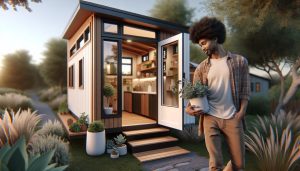
As the tiny living movement gains momentum, many are turning to modular homes as a practical solution for downsized lifestyles. These efficiently designed living spaces not only offer a smaller footprint but also deliver the benefits of affordability, sustainability, and innovative design. For those exploring options or seeking to simplify their lives, understanding the smallest modular homes available-often referred to as micro living solutions-can pave the way for a more manageable, yet fulfilling lifestyle. In this article, we will delve into the unique features and advantages of these compact dwellings, illustrating how they can meet diverse needs ranging from budget constraints to environmental consciousness. Discover how embracing micro living could redefine your concept of home!
What Defines a Modular Home vs. Traditional Housing?
When considering housing options, many prospective buyers may wonder how modular homes differ from traditional housing. Modular homes are prefabricated constructions, built in sections (modules) in a controlled factory environment, and then transported to the site for assembly. This method can greatly reduce construction time and improve quality control. In contrast, traditional homes are typically built entirely on-site, which can lead to variations affected by weather, supply chain delays, and labor availability.
One of the key distinguishing factors is the speed of construction. Modular homes can be erected in a matter of weeks, while traditional homes may take several months to complete. Furthermore, modular homes are often constructed to stricter building codes and standards, ensuring durability and efficiency. The design flexibility is another advantage; modular homes can be customized extensively to meet the specific needs and desires of buyers, similar to traditional homes but usually at a lower cost.
Additionally, the financing options for modular homes are typically just as robust as those for traditional homes. Many buyers may be surprised to learn that they can secure loans for modular homes comparable to those offered for traditional constructions, provided the home meets specific criteria, like being permanently affixed to a foundation. As a result, many financing institutions treat modular homes as similar investments to traditional houses.
Investors and homeowners should also recognize the eco-friendly advantages of modular homes. The factory-based construction process often results in less waste and reduced energy consumption during building compared to traditional methods. By choosing a modular home, buyers can enjoy the benefits of modern construction technology while supporting sustainable living practices. Overall, modular homes offer a compelling alternative to traditional housing, combining efficiency, sustainability, and customization potential.
Understanding Micro Living: Benefits and Challenges
Micro living has gained significant traction in recent years, particularly as urban populations swell and housing prices continue to soar. This shift towards smaller, more efficient living spaces brings forth a unique set of benefits and challenges that individuals considering the smallest modular homes should carefully evaluate. For many, micro living embodies a lifestyle choice that prioritizes sustainability, financial freedom, and minimalism, yet it also requires thoughtful planning and adjustment to a different way of life.
One of the most compelling advantages of micro living is the reduced environmental footprint. Smaller homes consume less energy for heating and cooling, typically resulting in lower utility bills and a smaller carbon footprint. For instance, innovative designs often incorporate energy-efficient appliances and sustainable materials, making the homes not only eco-friendly but also cost-effective in the long run. Furthermore, the minimalist lifestyle that accompanies micro living encourages residents to declutter, promoting a sense of clarity and focus that larger, more complicated spaces can hinder.
However, adapting to a micro living environment comes with its challenges. The most significant hurdle is the limited space, which can demand a complete reevaluation of one’s lifestyle and belongings. Transitioning to a smaller home often means a drastic reduction in possessions, which can be an emotional and practical challenge. To navigate this, it’s essential to embrace multifunctional furniture and smart storage solutions that maximize every inch of available space. For example, using under-bed storage or convertible furniture can help create a more fluid and adaptable living environment.
In addition, micro living often requires inhabitants to prioritize the essentials over the superfluous. This can lead to an increased sense of community, as many micro living communities cultivate shared spaces for social interaction, gardening, or recreational activities. However, urban dwellers or those accustomed to larger environments may initially find this communal aspect daunting.
Overall, the transition to micro living inside the realm of modular homes is not merely about downsizing; it’s an opportunity to redefine what home means, fostering sustainable practices and more meaningful experiences. Embracing these benefits while addressing the unique challenges head-on allows individuals and families to thrive in their compact living situations, paving the way for a rewarding, simplified lifestyle.
Top Features of the Smallest Modular Homes
Compact living spaces have taken the housing market by storm, showing that size does not dictate style or functionality. The smallest modular homes are optimized for efficiency and comfort, packing an impressive array of features into their limited square footage. These innovative designs not only cater to the needs of those seeking a more sustainable lifestyle but also provide practical solutions for navigating space constraints without sacrificing quality of life.
One of the standout features of the smallest modular homes is their use of multifunctional spaces. These homes often incorporate flexible areas that serve multiple purposes, such as living rooms that transform into guest bedrooms or kitchens with island counters that double as dining areas. This design philosophy allows homeowners to maximize utility, creating adaptable environments that meet varying needs throughout the day. Additionally, built-in cabinetry and furniture are designed to provide ample storage without consuming valuable floor space, fostering a tidy and organized atmosphere.
Another key aspect is energy efficiency. Many micro modular homes are constructed with sustainable materials and equipped with energy-efficient appliances. These homes often include features such as solar panels, high-performance insulation, and smart thermostats, which significantly reduce energy consumption and lower utility bills. By integrating these technologies, homeowners can enjoy a reduced carbon footprint, aligning their living situation with environmentally responsible practices.
Moreover, the focus on natural light and ventilation enhances the livability of these compact homes. Large windows, skylights, and open floor plans are commonly employed to create an airy, spacious feel, effectively making small areas seem larger and more inviting. Ventilation systems are often designed to maximize airflow, contributing to a comfortable indoor climate year-round.
In essence, the smallest modular homes demonstrate that quality, efficiency, and style can coexist in even the tightest of spaces. By embracing clever design and sustainable practices, these homes offer not just a place to live but a lifestyle that values simplicity, community, and eco-friendliness. Whether you’re a prospective buyer or simply exploring micro living options, understanding these features will empower you to make informed choices and create a home that truly reflects your values.
Innovative Small Modular Home Designs for 2023
In 2023, the landscape of small modular homes has been transformed by innovative designs that prioritize efficiency, functionality, and aesthetic appeal. As more individuals and families embrace compact living as a sustainable choice, manufacturers are responding with creative solutions that maximize every inch of space without sacrificing style.
A standout trend in this year’s small modular homes is the integration of biophilic design, which seeks to connect residents with nature. Large, strategically placed windows and sliding glass doors not only flood interiors with natural light but also blur the lines between indoor and outdoor living. Many designs feature expansive decks or patios, encouraging residents to engage with their surroundings and enjoy the benefits of outdoor spaces. This connection to nature enhances mental well-being and complements the eco-friendly ethos that many micro homes strive for.
Another prominent feature is the adoption of modular furniture that adapts to changing needs. For instance, sofas that convert into beds, foldable dining tables, or Murphy beds allow homeowners to repurpose spaces easily. Systems that include built-in storage solutions streamline organization, making it easier to maintain a clutter-free environment in smaller homes. These multipurpose elements not only support functional living but also contribute to a more aesthetic and spacious feel within compact designs.
Technological Integration
The 2023 models are increasingly incorporating advanced technologies, such as smart home systems that enhance functionality and energy savings. Homeowners can control lighting, heating, and even security systems through mobile apps, ensuring convenience at their fingertips. Additionally, many micro modular homes are designed with sustainable building materials and energy-efficient systems, like solar panels and high-quality insulation, promoting eco-conscious living and lowering utility costs.
Emerging designs also emphasize open floor plans that create a sense of spaciousness despite limited square footage. By eliminating unnecessary walls and incorporating high ceilings, these homes feel larger and more inviting. The transition from one space to another is seamless, often enhanced by cohesive color schemes and materials, which visually expands the area and invites a calming atmosphere.
As you consider the possibilities of micro living, these innovative designs illustrate that small does not mean compromised. With thoughtful planning and creativity, 2023’s modular homes offer a viable and appealing alternative to traditional housing, captivating the hearts of those pursuing a more minimalist, sustainable lifestyle.
Financing Options for Micro Modular Homes
Navigating the financial landscape for purchasing a micro modular home can seem daunting, but understanding your options makes it much more manageable. Micro modular homes, with their often lower price points and reduced utility costs, present an attractive solution for buyers seeking affordability without sacrificing quality. Being informed about various financing avenues can empower you to make the best choice for your unique situation.
One key option is traditional mortgage financing, which can be used if the micro modular home is placed on a permanent foundation. Lenders often treat these types of homes similarly to site-built homes, allowing you to secure a conventional loan with favorable terms. However, if your modular home is considered personal property (such as if it’s on leased land), you might need to look at chattel loans typically used for mobile homes. These loans have different qualifications and may come with higher interest rates, so it’s important to shop around for lenders familiar with modular home financing.
Another avenue worth exploring is manufactured home financing programs, which are specifically geared towards modular or manufactured homes. Many local and state programs offer assistance with down payments, grants, or specialized loans for first-time buyers. Additionally, some credit unions and community banks may provide tailored financing for micro modular homes, emphasizing their sustainability and modern design.
It can also be beneficial to consider government-backed loans, such as those from the Federal Housing Administration (FHA) or the U.S. Department of Agriculture (USDA), which can lower the barriers to entry. FHA loans often allow for lower down payments, while USDA loans can help those looking to purchase homes in rural areas, potentially offering zero down payment options for qualified buyers.
Finally, don’t overlook the potential for personal loans or home equity loans if you already own property. These can provide the necessary capital to finance your micro modular home, but be mindful of interest rates and repayment terms.
In sum, the financing landscape for micro modular homes is diverse, reflecting the flexibility and modern appeal of these living solutions. By exploring various financing options and consulting with knowledgeable lenders, you can unlock the door to your new compact living space, breaking free from traditional housing barriers while investing in a sustainable lifestyle.
Sustainable and Eco-Friendly Micro Living Solutions
Micro living solutions are becoming increasingly popular for their ability to harmonize with sustainable and eco-friendly lifestyles. These small modular homes are designed to minimize environmental impact while maximizing efficiency and comfort. Utilizing smart architectural designs and innovative materials, micro modular homes embody the principles of green living, making them an attractive option for eco-conscious buyers.
One key aspect of sustainable micro living is the use of eco-friendly building materials. Many manufacturers are now employing recycled, sustainable, or rapidly renewable resources, such as bamboo, reclaimed wood, and low-VOC (volatile organic compounds) materials, which contribute to healthier indoor air quality. Furthermore, these homes often incorporate energy-efficient appliances and fixtures that reduce overall energy consumption, contributing to lower utility bills and a smaller carbon footprint. For instance, Energy Star-rated appliances, LED lighting, and high-efficiency HVAC systems can dramatically cut energy usage compared to traditional homes.
The layout and design of micro modular homes are also strategically planned to promote efficient use of space and resources. Features such as open floor plans, multifunctional furniture, and ample natural light reduce the need for artificial lighting and create an airy, inviting environment. Many designs include systems for rainwater harvesting or graywater recycling, further enhancing their sustainability. These features not only conserve water but also reduce the strain on local water supplies.
Integrating renewable energy sources further elevates the eco-friendliness of micro homes. Many homeowners choose to install solar panels, which can significantly offset electricity costs and provide energy independence. In fact, a well-designed micro home equipped with solar power can potentially achieve net-zero energy consumption, meaning it generates as much energy as it uses over the course of a year.
Adopting micro living in a modular home setting embodies a commitment to a sustainable lifestyle without compromising on comfort or style. This approach challenges conventional housing norms by proving that smaller living spaces can indeed be greener, inviting, and more affordable. For anyone considering a shift toward eco-friendly living, micro modular homes not only represent a practical choice but also an opportunity to make a positive environmental impact.
Zoning Laws and Regulations for Tiny Homes
Navigating the landscape of zoning laws and regulations is critical for anyone considering a tiny home or micro modular living solution. These regulations vary widely by region and often dictate everything from the size and type of home you can place on a parcel of land to the utilities you must connect. Understanding local laws will not only guide your purchasing and building decisions but also help ensure your micro home operates legally and harmoniously within your community.
Most municipalities have specific zoning categories that determine permissible uses of land, which can directly affect tiny homes. For example, residential zones may allow for full-time living in a tiny home, while commercial zones might restrict this. Some areas have embraced the tiny home movement and created special zoning laws that facilitate the placement of these dwellings, allowing for increased density and more efficient land use. To get started, it’s essential to check with local zoning offices or planning departments to clarify any requirements. Key considerations include:
- Minimum Square Footage: Many jurisdictions have set minimum square footage for homes, which could impact the feasibility of your micro living plans.
- Setback Requirements: These specify how far a home must be placed away from property lines, affecting how much of your lot can be utilized.
- Permitting Processes: Understand what permits are necessary for building, moving, or setting up a tiny home legally.
Furthermore, you may need to comply with building codes, which ensure all structures meet safety, health, and environmental standards. This can include factors such as structural integrity, heating and plumbing efficiency, and energy efficiency.
Communities are increasingly recognizing the benefits of tiny homes, leading to developments specifically designed for this alternative living style. These planned communities often streamline the approval process and create a supportive environment for micro living. For instance, a tiny home village can offer shared amenities while abiding by a cohesive set of regulations tailored to micro dwellings.
In summary, thorough research and proactive engagement with local authorities play pivotal roles in successfully integrating a micro modular home into existing communities. By staying informed about zoning laws and advocating for supportive regulations, potential homeowners can navigate this space more confidently and contribute to the growing acceptance of innovative housing solutions.
Maximizing Space: Smart Interior Layouts
In the world of micro living, where every square foot counts, smart interior layouts become the cornerstone of creating a functional and inviting space. The challenge of maximizing limited square footage can be tackled through thoughtful design choices that prioritize both aesthetics and practicality. By ingeniously utilizing vertical space, integrating multi-functional furniture, and maintaining an open layout, homeowners can transform a small modular home into an efficient living haven.
One effective strategy for maximizing space is the use of multi-functional furniture. This can include items such as sofa beds, nesting tables, or ottomans that double as storage units. Such pieces not only save space but also add versatility to the interior. For instance, a Murphy bed can free up floor space during the day, allowing the living area to serve multiple purposes, from a workspace to a social gathering spot. Moreover, incorporating built-in storage solutions under beds, staircases, and benches can help keep belongings organized and out of sight while maintaining a clean and airy atmosphere.
Another vital aspect of smart layouts is the importance of open floor plans. By minimizing the use of walls, light can flow freely throughout the space, making it feel larger and more connected. Open layouts encourage a sense of spaciousness and can be paired with strategic furniture arrangements to delineate areas without overwhelming the room. For example, using area rugs to define specific spaces, like a cozy dining nook or a reading corner, can create distinct functional zones while keeping the overall feel cohesive.
Design Tips for Small Modular Homes
To enhance functionality and comfort, consider implementing the following design tips:
- Vertical Storage: Utilize tall shelving units, wall-mounted cabinets, and hanging organizers to draw the eye upward, effectively utilizing vertical space.
- Light Colors: Opt for light hues on walls and furnishings to create an airy feel. Bright whites, soft pastels, and light grays can reflect natural light, making rooms appear more spacious.
- Mirrors: Strategically placing mirrors can amplify natural light and create the illusion of depth, transforming a compact area into a more expansive environment.
- Sliding Doors: Where possible, replace traditional doors with sliding doors to save space and create a seamless flow between rooms.
Incorporating these smart interior layout strategies will not only enhance the living experience in the smallest modular homes but also encourage a lifestyle that embraces minimalism and sustainability. Emphasizing functionality without sacrificing style is key to enjoying a cozy yet dynamic environment, demonstrating that living small can also mean living well.
Setting Up Your Micro Modular Home: A Step-by-Step Guide
Setting up a micro modular home is an exciting venture that allows for a minimalist lifestyle while enjoying the benefits of modern living. This process, though straightforward, requires careful planning and execution to ensure a comfortable, efficient, and sustainable living environment. Here’s a detailed step-by-step guide to facilitate your setup and make the most of your compact space.
Begin by selecting the right location for your micro modular home. It’s essential to check local zoning laws and regulations governing tiny homes, as these can dictate where you can place your home and what utilities you may need. Once you’ve confirmed the site meets zoning requirements, prepare the foundation. Most modular homes rest on a concrete slab, piers, or a permanent foundation. Leveling your space is critical; take the time to measure and adjust your foundation to ensure stability and comfort. Use a bubble level for precision in this phase, as an uneven base can lead to a host of future complications.
Next, as your home is delivered and positioned on-site, the focus shifts to anchoring it correctly. This process keeps your home secure, particularly in adverse weather conditions. Depending on your region, you may need to install tie-downs and foundations that meet local building codes. Ensure you have the right materials and tools at hand. Following the manufacturer’s guidelines and local regulations will reinforce the stability of your micro modular home, allowing you to rest easy knowing it’s secure.
Once your home is anchored, connect essential utilities-water, electricity, and sewage. This task may vary significantly based on local infrastructure. If you’re in a rural area, you may need to install a well or septic system. In more urban settings, ensure your modules are connected to the municipal lines correctly. Hiring a licensed contractor for these installations can streamline the process, ensuring all connections comply with safety standards.
Finally, with utilities set up, you can focus on the interior layout and furnishings. Consider incorporating multi-functional furniture that maximizes your space effectively. Invest in smart storage solutions and appliances that are designed for small homes, such as stackable washers and compact refrigerators. As you furnish your home, remember to choose light colors and reflective surfaces to create an open, airy feel that enhances the perception of space.
Following these steps will set the stage for a successful micro modular living experience, allowing you to enjoy the benefits of sustainable and efficient living. Embrace the adventure of micro living with thoughtful setup plans, and soon your home will be a cozy haven that reflects your unique style and values.
Maintenance Essentials for Compact Living Spaces
Maintaining a micro modular home may seem daunting due to its compact nature, but with the right approach, you can ensure that your living space remains comfortable, stylish, and in top condition. A dedicated maintenance routine is crucial to prolonging the life of your home and enhancing the overall experience of micro living. Regularly inspecting and caring for various components will help you avoid costly repairs down the line and maintain the efficiency of your compact living environment.
Begin with a bi-annual inspection of the exterior. Look for any wear and tear, particularly around windows, doors, and the roof. Ensure that seals are intact and that no water damage is present. Applying a fresh coat of exterior paint or waterproof sealant as needed will not only protect surfaces but can also significantly enhance curb appeal. Additionally, ensure that gutters and downspouts are clear of debris to prevent water pooling, which can lead to significant structural damage.
Next, focus on the interior systems. HVAC filters should be checked monthly and replaced as necessary. In compact spaces, air circulation is essential, and clean filters can improve indoor air quality while reducing energy costs. Similarly, inspect plumbing systems for leaks and monitor appliances to ensure they are functioning correctly. For instance, regular cleaning of refrigerator coils can improve efficiency, extending the appliance’s lifespan.
Keeping It Clean and Organized
Space in a micro home is at a premium, making organization key to maintaining a pleasant living environment. Utilize smart storage solutions such as under-bed storage bins, wall-mounted shelves, and multi-function furniture to keep clutter at bay. Establish a cleaning routine that includes weekly dusting, vacuuming, and wiping down surfaces to prevent accumulation of dirt and grime.
Consider seasonal maintenance too. Once a year, check your heating and cooling systems for proper functionality and professional servicing, if necessary. This includes cleaning ducts and ensuring that your home is properly insulated to optimize energy efficiency. Additionally, take time to evaluate your emergency preparedness kits and ensure that smoke detectors and carbon monoxide alarms have fresh batteries and are in good working order.
By staying proactive in maintenance, you will not only protect your investment but also enhance your lifestyle in a compact living environment. Micro modular homes allow for comfortable, efficient living, and maintaining these structures properly is integral to enjoying their benefits for years to come.
Success Stories: Real-Life Experiences in Micro Homes
The journey into micro living often brings together a combination of practicality, sustainability, and personal fulfillment. Many who have transitioned to modular homes share transformative experiences that not only highlight the advantages of downsizing but also illustrate the unparalleled lifestyle benefits of micro homes. These success stories often reveal common themes of financial freedom, environmental consciousness, and a renewed sense of community.
For instance, one couple from California decided to trade their traditional suburban house for a 400-square-foot modular home after realizing the financial burden of their larger property was hindering their dreams of traveling. The streamlined living space allowed them to save significantly on utilities and maintenance costs. They repurposed their garage into a beautiful outdoor living area, turning their property into a serene oasis for hosting friends and family. This decision not only reduced their expenses but also enhanced their quality of life, proving that even a smaller space can accommodate a vibrant social life.
Another inspiring story comes from an individual who constructed a compact micro home in a rural environment. Embracing a minimalist lifestyle, they found that living in a tiny home has significantly reduced their carbon footprint and increased their appreciation for nature. This person engaged in local food sourcing and began utilizing solar panels, which have made their home completely off-grid. Their experience has sparked interest in sustainable living within their community, encouraging others to consider the benefits of micro homes as a viable housing option.
Moreover, many families are now exploring innovative designs and configurations of modular homes tailored for small children and pets, making compact living not only feasible but enjoyable. One family shared how they designed their micro home to include clever multipurpose furniture that allowed their children to thrive in the space without feeling constrained. The kids’ creativity flourished as they adapted their small home for both education and play, demonstrating that micro living can foster a nurturing environment.
These narratives illustrate that micro homes are not merely a trend; they represent a lifestyle shift towards reduction in space, financial burdens, and environmental impact, while simultaneously enhancing personal fulfillment and community interaction. Such transformations encourage potential buyers to explore micro living as a legitimate choice, showcasing that modular homes offer significant benefits that align with contemporary values of simplicity and sustainability.
Future Trends in Modular Home Living
As the appeal of micro living continues to grow, innovative trends in modular home development are transforming how individuals and families approach housing. Modular homes, especially those designed for compact living, are becoming increasingly versatile, accommodating diverse lifestyles and priorities. Future trends point toward a blend of modernization, sustainability, and smart technology, all tailored to enhance the experience of those seeking smaller footprints without sacrificing comfort or style.
One of the most notable trends is the integration of smart home technology within modular designs. With advancements in IoT (Internet of Things), modular homes are incorporating systems that manage energy consumption, security, and home automation seamlessly. Features like smart thermostats, automated lighting, and security systems can be controlled remotely, making compact living more convenient and energy-efficient. This focus on technology not only enhances the functionality of micro homes but also appeals to tech-savvy buyers seeking contemporary living solutions.
Sustainability remains a cornerstone of future modular housing. More builders are prioritizing eco-friendly materials and energy-efficient designs, like solar panels and green roofs, which align with the preferences of environmentally conscious consumers. For instance, designers are exploring the use of repurposed materials and environmentally friendly insulation to minimize the carbon footprint of these homes. The trend towards off-grid capabilities, such as rainwater harvesting systems and composting toilets, further highlights the shift toward sustainable living practices. Prospective buyers are increasingly drawn to homes that not only meet their personal needs but also contribute positively to the environment.
Additionally, modular homes are becoming increasingly customizable, allowing homeowners to tailor their living spaces according to personal preferences and lifestyle needs. This can involve everything from selecting layout configurations that maximize space efficiency to incorporating unique design elements that reflect individual tastes. As potential buyers become more involved in the design process, there’s a growing market for modular home manufacturers to offer flexible options that accommodate a variety of living arrangements-from single individuals to small families.
In conclusion, the future of modular home living is promising, characterized by the adoption of smart technology, sustainable practices, and customizable designs. For current residents and prospective buyers alike, this evolution presents a rich landscape of possibilities that supports a growing desire for minimalist living without compromising on quality or functionality. Embracing these trends not only addresses practical housing needs but also aligns with a broader shift towards mindful living and resilience in the face of global challenges.
Frequently Asked Questions
Q: What is the smallest size for a modular home?
A: The smallest modular homes typically start at around 200 to 300 square feet. These compact designs cater to the micro living trend, often featuring essential amenities while maximizing efficient use of space.
Q: Are micro modular homes suitable for full-time living?
A: Yes, many micro modular homes are designed for full-time living. They often include efficient layouts, innovative storage solutions, and modern amenities, making them practical for year-round habitation.
Q: What features are included in the smallest modular homes?
A: The smallest modular homes usually feature multifunctional spaces, built-in furniture, energy-efficient appliances, and sustainable building materials. These homes focus on maximizing utility within a limited footprint.
Q: How do I finance a micro modular home?
A: Financing options for micro modular homes include personal loans, specialized tiny home loans, and traditional mortgages. It’s essential to research lenders who are familiar with unique housing structures to find the best deal.
Q: What are the zoning regulations for micro modular homes?
A: Zoning regulations for micro modular homes vary by location but generally include guidelines on minimum lot sizes, building codes, and land use. It’s crucial to check local laws before purchasing or placing a micro home.
Q: How do I set up utilities for a micro modular home?
A: Setting up utilities for a micro modular home typically involves connecting to local water, electricity, and sewer services. You may also consider alternatives like solar power and composting toilets for off-grid living.
Q: Can micro modular homes be customized?
A: Yes, many manufacturers offer customization options for micro modular homes. Buyers can choose layouts, finishes, and features to suit their personal style and specific needs.
Q: What are the environmental benefits of choosing a micro modular home?
A: Micro modular homes often have a smaller ecological footprint due to their size and the use of sustainable materials. They promote energy efficiency, reduce resource consumption, and can integrate solar technologies for renewable energy use.
Concluding Remarks
As you explore the exciting world of micro living solutions, remember that the smallest modular homes offer a unique blend of comfort, efficiency, and affordability. Whether you’re drawn to the idea of simplifying your life or seeking a sustainable living option, these homes cater to diverse lifestyles and budgets. Don’t miss out on finding your perfect fit! To dive deeper, consider our guides on financing your modular home and essential maintenance tips.
Ready to take the next step? Explore more about customizing your micro home or sign up for our newsletter to stay updated on the latest trends in modular living. If you have questions or need personalized advice, our community is here to support you every step of the way. Join the conversation, share your experiences, or browse our collection of related articles to expand your knowledge. Embrace the charm of modular living today!