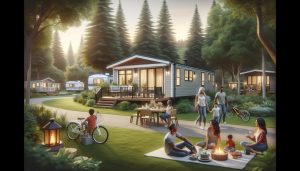
As the desire for sustainable living and affordability grows, tiny modular homes rise as an innovative solution, offering big living in small spaces. These compact yet intelligently designed structures prove that less truly can be more. For many, the appeal lies in the chance to simplify life, reduce costs, and embrace minimalism without sacrificing comfort or style. Whether you’re a first-time homebuyer, a seasoned investor, or simply exploring your housing options, understanding the benefits and unique features of tiny modular homes can guide you toward smarter living choices. In this exploration, we’ll dive into how these homes not only meet modern housing demands but also fulfill a growing desire for eco-conscious, efficient living. Join us as we uncover the versatility, affordability, and charm of tiny modular homes, empowering you to envision a lifestyle that values quality over quantity.
Understanding Tiny Modular Homes: An Overview
Tiny modular homes represent a transformative approach to housing, combining efficiency and flexibility in design. These compact living spaces are prefabricated off-site and then assembled on location, which allows for rapid construction and often lower costs compared to traditional homes. The allure of tiny modular homes lies in their ability to maximize space usage while providing essential amenities. This style of living appeals to a wide array of individuals, from young professionals to retirees, all seeking to simplify their lives, reduce their ecological footprint, and embrace a more minimalist lifestyle.
What sets tiny modular homes apart is not only their size but also their customizable options. Homebuyers can choose from various floor plans and finishes to suit their personal tastes and needs. The use of sustainable materials and energy-efficient designs further enhances their appeal-many tiny modular homes are equipped with solar panels, composting toilets, and rainwater harvesting systems. This focus on eco-friendliness makes these homes a popular choice for those committed to reducing their carbon footprint.
Navigating the realm of tiny modular homes can raise questions about practicality and livability. Despite the smaller square footage, innovative designs often incorporate multifunctional furniture and clever storage solutions, ensuring that residents don’t sacrifice comfort for size. By understanding these homes’ modular nature, potential homeowners can appreciate the opportunities for self-expression and environmentally responsible living that come with them. In a fast-evolving housing market, tiny modular homes stand out as a viable option that marries modern living with sustainability.
Benefits of Living in Tiny Modular Homes
Living in a tiny modular home comes with a remarkable set of advantages that appeal to a diverse range of individuals and families. One compelling benefit is the significant reduction in living expenses. Because these homes are smaller, homeowners often see lowered utility bills and maintenance costs. With less square footage to heat, cool, and maintain, it’s easier to manage monthly expenses, allowing for potential savings that can be redirected to other areas, such as travel or savings.
Another exciting aspect of tiny modular homes is their environmental impact. Many of these homes are designed with sustainable materials and energy-efficient systems, including solar panels and efficient insulation. This commitment to eco-friendliness not only helps reduce the homeowner’s carbon footprint but also often leads to the possibility of energy independence, further cutting down on utility costs. The smaller space encourages a minimalist lifestyle that emphasizes quality over quantity, allowing residents to curate their possessions intentionally and thoughtfully.
Moreover, the flexibility inherent in tiny modular homes can lead to enhanced lifestyle adaptability. Whether relocating to a new area or downsizing to simplify living, these homes can be moved more easily than traditional homes. This mobility can be particularly advantageous for those who may want to travel or explore new job opportunities without the heavy burden of a traditional mortgage.
In addition, tiny modular homes foster community and connection. Many tiny home residents find themselves part of a likeminded community, sharing tips and resources that enhance their living experience. These communities often prioritize sustainability and support, creating a network of individuals motivated by similar values. In a world where isolation can be prevalent, living in a tiny modular home can cultivate a stronger sense of belonging and togetherness, enriching both social and emotional wellbeing.
Key Features of Tiny Modular Homes
Living in a tiny modular home offers more than just a simpler lifestyle; it also embodies innovative design and functionality that maximizes the use of every square foot. One of the most appealing features of these homes is their adaptability. Tiny modular homes come in a variety of layouts and styles, allowing homeowners to choose configurations that best suit their needs, whether for a single occupant, couples, or small families. This versatility is especially beneficial for those seeking a home office, guest space, or hobby area-all within a compact footprint.
Another notable characteristic is the incorporation of modern technology and sustainable practices. Many tiny modular homes are equipped with energy-efficient appliances, smart home technology, and renewable energy sources such as solar panels. These elements not only promote a lower environmental impact but also increase the home’s energy efficiency, leading to significant cost savings over time. Homeowners can enjoy features like smart thermostats and automated lighting that enhance both comfort and security, all while reducing their carbon footprint.
Storage solutions play a crucial role in the design of tiny modular homes. Creative use of vertical space, multifunctional furniture, and built-in storage compartments allow for seamless organization without sacrificing style. For example, beds with drawers underneath, collapsible tables, and ottomans that double as storage units can all contribute to maintaining an uncluttered living area. Such designs encourage a minimalist lifestyle, where each item serves a purpose, ultimately enhancing the living experience.
Community and Mobility
A unique feature of tiny modular homes is their ability to foster community. Many tiny home owners find themselves part of close-knit communities where residents share their experiences and resources. This support network can be invaluable, providing insights into best practices for living sustainably and efficiently in small spaces. Moreover, the mobility of these homes allows residents to relocate with relative ease, providing opportunities to explore new areas and lifestyles without the commitment of traditional home ownership. This balance of freedom and communal living underscores the appeal of tiny modular homes in today’s housing market.
Designing Your Ideal Tiny Modular Home
Designing a tiny modular home requires a thoughtful approach to ensure every square foot is utilized effectively while reflecting your personal style and needs. First and foremost, it’s essential to determine your lifestyle priorities. Consider how you plan to use your space: will it serve primarily as a residence, or do you need areas for work, hobbies, or entertaining? Defining these priorities will guide your design choices, affecting everything from layout to furniture selection.
One of the most effective strategies in tiny home design is to embrace an open concept. This layout enhances the feeling of spaciousness and allows for flexible use of space. Rather than confining rooms, consider multifunctional areas that can adapt based on your daily activities. For instance, a dining table can double as a workspace, and a sofa can convert into a guest bed. By integrating seamless transitions, such as sliding doors or foldable furniture, you’ll maintain an uncluttered appearance while maximizing functionality.
Utilizing vertical space is another key principle in tiny modular home design. When floor space is limited, look upwards! Wall-mounted shelves, tall cabinets, and overhead storage solutions can dramatically increase your storage capacity. Items placed out of the way not only keep floors clear but also enhance your home’s aesthetic. Additionally, incorporating large windows can create an illusion of more space and fill your living area with natural light, making your home feel larger and more inviting.
In terms of construction materials and aesthetics, prioritize sustainability and quality. Choose energy-efficient appliances and renewable materials that complement your design philosophy. This not only contributes to the environment but also reduces long-term costs related to energy consumption. Incorporate personal touches with decor that resonates with you-whether that’s an accent wall of reclaimed wood, minimalistic Scandinavian furniture, or vibrant textiles. These design aspects will make your tiny modular home feel uniquely yours, a true reflection of your lifestyle and values.
Ultimately, the beauty of designing a tiny modular home lies in its adaptability and potential for personalization. By focusing on multifunctional spaces, utilizing vertical dimensions, and choosing eco-friendly materials, you can create a comfortable, vibrant home that meets your needs and enhances your quality of life.
Choosing the Right Location for Your Tiny Home
Selecting the right location for a tiny modular home is as crucial as the design itself, influencing both daily living and long-term satisfaction. Given the growing popularity of small living spaces, it’s essential to consider a range of factors that can enhance your lifestyle and ensure compliance with local regulations.
First, start by assessing your lifestyle needs and preferences. If you value a vibrant community, look for areas close to restaurants, shops, and recreational facilities. Conversely, if peace and solitude are priorities, you might prefer a rural setting surrounded by nature. Consider proximity to family, friends, and your workplace, as commuting from your tiny home should be practical and convenient.
Next, evaluate local zoning laws and regulations, as these can dictate where you can legally place your tiny home. Some areas have specific designated zones for tiny houses, while others may restrict their placement entirely. Check for land use permits and make sure your property complies with local building codes. Being well-informed about these legalities will save you time and potential headaches down the line.
It is also wise to consider environmental factors, especially in regions susceptible to extreme weather conditions. If you’re in a hurricane-prone area, ensure your tiny modular home is built to withstand high winds and floods. Investigate local infrastructure, including access to utilities such as water, sewage, and electricity, as well as internet connectivity, which may be important if you work remotely or desire modern conveniences.
Finally, think ahead about community amenities. Some tiny home communities offer shared facilities like gardens, laundry rooms, and social spaces, which can enrich your living experience. Engaging with neighbors creates a sense of belonging that is often sought in smaller living spaces.
By carefully weighing these factors-lifestyle fit, legal considerations, environmental impact, and community amenities-you can find the perfect location for your tiny modular home, turning your small space dreams into a vibrant reality.
Financing Options for Tiny Modular Homes
Navigating the financial landscape surrounding tiny modular homes can be a unique challenge, yet it opens doors to more affordable living options. With the rising popularity of minimalist lifestyles and smaller living spaces, understanding your financing options is crucial in making your dream of owning a tiny modular home a reality.
A variety of financing routes are available for potential buyers, ranging from traditional mortgages to personal loans. Many lenders now offer specialized loans for tiny homes, recognizing their growing market viability. These loans often come with flexible terms and competitive interest rates. For those looking to minimize upfront costs, a personal loan might be suitable, particularly if your tiny home is not permanently affixed to a foundation, which can complicate conventional home loan eligibility.
Different Financing Options
When considering how to finance your tiny modular home, here are some common options to explore:
- Traditional Mortgages: If your tiny home is built on a permanent foundation and meets minimum size requirements, conventional mortgages may apply. This is the most straightforward option as it mirrors traditional home-buying processes.
- Chattel Loans: Ideal for homes that are movable or not fixed on land, chattel loans function similarly to personal loans but are specifically for mobile or manufactured homes.
- Personal Loans: For financing smaller amounts, unsecured personal loans offer quick access to funds with less stringent requirements.
- Credit Unions and Community Banks: These institutions often provide more favorable terms and personalized service compared to larger banks. They are worth approaching for niche borrowing needs.
Preparing for financing also involves understanding your credit score, as it plays a significant role in determining loan eligibility and terms. Make sure to review your credit report and address any issues prior to applying for financing. If your credit history is less than stellar, consider taking steps to improve your score before seeking a loan.
Additional Considerations
It is essential to factor additional costs into your financing plans, including land purchase, utility installation, and insurance. Be sure to calculate the total cost of ownership – this includes ongoing expenses like property taxes and maintenance – which can significantly impact your budget. Many lenders will allow you to roll the costs of certain items into the loan, which can ease the initial financial burden.
Ultimately, determining the right financing for your tiny modular home requires patience and research. By exploring multiple funding avenues and understanding your financial capabilities, you can confidently take a significant step toward realizing your small-space living dreams.
Legal Considerations and Zoning Laws
Navigating the legal landscape surrounding tiny modular homes can be as intricate as selecting the right model for your lifestyle. Zoning laws and building codes vary significantly across regions, which can influence not only where you can place your tiny home but also how it needs to be constructed. Understanding these regulations is essential for ensuring compliance and avoiding potential fines or legal challenges.
Many areas categorize tiny homes differently, often treating them as recreational vehicles, mobile homes, or permanent dwellings, depending on factors like size and foundation type. It’s vital to consult local zoning regulations to determine what is permissible in your desired location. For instance, some jurisdictions may prohibit tiny homes on certain lots or require them to be on a permanent foundation to meet conventional housing standards. Engaging with local building departments and planning offices will provide clarity and help you ascertain any specific local requirements.
When considering placement, remember to factor in not just zoning laws but also necessary permits. Depending on your locality, you may need various permits for construction, utility hookups, and occupancy. Proactive research and planning are key, as obtaining these permits can sometimes be a lengthy process that varies substantially from one area to another. Interviewing neighbors or local tiny home communities can reveal hidden insights about navigating these waters, especially if they’ve faced similar hurdles.
Equipped with this knowledge, you can confidently move forward with your decision to purchase or build a tiny modular home. Researching beforehand ensures that your investment complies with local laws and fits seamlessly into your chosen community, ultimately enhancing your tiny living experience. This preparation will not only save you from potential headaches down the line but also enable you to embrace the freedom and simplicity that tiny living offers.
Tips for Maximizing Space in Small Living Areas
Making the most of limited space is essential in tiny modular homes, where every square foot counts. Clever design choices and strategic organization can transform even the smallest areas into functional and inviting living spaces. One fundamental approach is to embrace multifunctional furniture. Consider items like a pull-out sofa bed or a coffee table that doubles as storage. These versatile pieces not only save space but also enhance the usability of your home.
Smart Layouts and Zones
Creating defined zones within an open floor plan can optimize the flow and function of your tiny home. Use rugs to delineate areas, such as separating the living room from the dining space. Placing furniture strategically can also allow for circulation while maximizing the perceived space. Wall-mounted shelves can serve as both storage and decoration, providing vertical space utilization that keeps your floors clear.
Decluttering and Seasonal Storage
Regular decluttering is vital for maintaining comfort in a small living environment. Conduct seasonal reviews of your belongings, assessing what to keep, donate, or discard. Invest in under-bed storage bins and hidden compartments within furniture to make the most of every nook. Incorporating wall hooks not only provides practical storage for items like coats and bags, but it also adds a decorative element that reflects your personal style.
Natural Light and Color Choices
Maximizing natural light is crucial in small spaces. Use light-colored curtains and strategically placed mirrors to reflect light and create the illusion of more space. Choose paint colors that brighten your space; soft pastels or whites can make rooms feel more open and airy. Additionally, consider optimizing window space with minimalistic window treatments that allow for maximum light entry.
Incorporating these strategies will not only help you maximize your living area but also ensure your tiny modular home is both comfortable and functional, proving that you can find big living in small spaces.
Eco-Friendly Design and Construction Practices
Living sustainably is becoming increasingly crucial as we face global environmental challenges, and tiny modular homes are at the forefront of eco-friendly living. These compact structures promote a minimalistic lifestyle, utilizing fewer resources and reducing waste while offering all the comforts of home. By design, tiny homes require less energy for heating, cooling, and maintenance, making them a superior choice for environmentally conscious individuals and families.
One of the primary eco-friendly practices in the construction of tiny modular homes is the use of sustainable materials. Many builders prioritize renewable resources like bamboo, reclaimed wood, and recycled metal, which not only lessen the environmental footprint but also add unique character to each home. Additionally, some manufacturers are incorporating energy-efficient insulation and sustainable paneling that provide superior thermal performance, ultimately leading to lower energy costs and a reduced carbon footprint.
Implementing renewable energy systems can significantly enhance the sustainability of tiny homes. For instance, rooftop solar panels can harness energy from the sun, significantly reducing reliance on conventional energy sources. Other systems, such as rainwater harvesting, greywater recycling, and composting toilets, further contribute to a sustainable lifestyle by minimizing water waste and promoting self-sufficiency. This holistic approach not only benefits the environment but also fosters a greater connection between homeowners and nature.
Lastly, the modular design of tiny homes allows for a more efficient construction process, generating less waste overall. Prefabricated sections are built in controlled environments, ensuring high quality and minimizing defects, which can lead to a simplified assembly on-site. With these practices, tiny modular homes offer an appealing solution for those looking to embrace a greener lifestyle without sacrificing comfort or style. Each decision, from materials to energy systems, reflects a commitment to living harmoniously with our environment, making tiny homes a viable and sustainable choice for the future.
Maintenance Essentials for Tiny Modular Homes
Proper maintenance is essential for preserving the longevity and comfort of tiny modular homes. These efficient dwellings, while compact, require diligent care to ensure that they continue to meet the needs of their residents. Homeowners often find that proactive maintenance not only prevents costly repairs but also enhances the overall living experience in these unique spaces.
One of the primary maintenance tasks is regularly inspecting and maintaining the exterior. This includes:
- Cleaning Gutters: Clogged gutters can lead to water damage, so it’s crucial to check and clean them at least twice a year.
- Checking for Weather Damage: Be vigilant for signs of wear, particularly around windows and doors, where leaks can occur. Sealant should be reapplied as needed to prevent water intrusion.
- Painting and Staining: Depending on the materials used, wood siding and trims may require periodic painting or staining to protect against rot and sun damage.
Internally, routine tasks should include checking the plumbing and electrical systems. Tiny homes often use compact layouts that can lead to unique plumbing challenges. Homeowners should periodically:
- Inspect Pipes: Look for signs of leaks or corrosion, particularly in areas subject to temperature fluctuations.
- Test Outlets and Fixtures: Ensure all electrical outlets are functioning properly and that there are no exposed wires.
In addition to structural and system maintenance, keeping the interior organized is vital in small living spaces. Implementing smart storage solutions can aid in managing clutter and making efficient use of space. Consider utilizing multifunctional furniture and creative storage techniques to keep living areas tidy.
Finally, embracing seasonal maintenance practices, such as winterizing the home and preparing for severe weather, can significantly prolong your tiny home’s lifespan. Ensure that all storm ties are secure and inspect the foundation for any necessary adjustments. With a proactive maintenance strategy, owners can enjoy the benefits of tiny living without the stress of unexpected issues.
Creative Storage Solutions for Small Spaces
Maximizing storage in a tiny modular home can be both a fun and rewarding challenge. With limited square footage, homeowners can harness creativity to transform every nook and cranny into functional storage solutions, allowing for efficient organization without sacrificing style. Utilizing innovative storage strategies not only helps declutter but also enhances the overall livability of these compact spaces.
One effective approach is to embrace multifunctional furniture. Pieces like a bed with built-in drawers or a coffee table that opens for additional storage can free up valuable space while providing practicality. Consider investing in ottomans that serve as seating while doubling as storage bins for blankets or books. This dual-purpose furniture helps reduce the need for separate storage units, making a small home feel organized and spacious.
Another excellent strategy is to utilize vertical space. Wall-mounted shelves can display books or decorative items while keeping floors clear, creating an illusion of more space. High cabinets in kitchens or living areas can store infrequently used items, freeing up counter space for daily necessities. Don’t overlook the potential of the space above doorways; adding decorative or functional shelves can transform these overlooked areas into additional storage.
For smaller items, use clear bins or labeled boxes to streamline organization inside closets and under beds. This method promotes easy access to essentials such as shoes, seasonal clothing, or office supplies without requiring extensive search efforts. Additionally, consider adding hooks or pegboards in entryways or kitchens to hang tools, bags, or accessories, keeping them off surfaces and visible for quick access.
Incorporating these creative storage solutions can lead to a more functional and enjoyable living environment in a tiny modular home, allowing residents to revel in their minimalist lifestyle without feeling cramped. By strategically utilizing furniture, vertical space, and clever organization techniques, homeowners can create comfortable, thriving spaces that reflect their personal style and needs.
Personalizing Your Tiny Home: Decor and Styles
Creating a unique and inviting atmosphere in a tiny modular home can turn minimalist living into a cozy retreat. By focusing on decor and styles that reflect your personality while maximizing the limited space, you can turn your compact home into a vibrant expression of your tastes. The true power of personalization lies in understanding how to blend functionality with aesthetic appeal, ensuring that every element not only looks good but serves a purpose.
One of the most effective strategies for decorating a tiny modular home is to choose a cohesive color palette that flows throughout the space. Soft, lighter shades can create an illusion of openness, while pops of brighter colors can add personality and warmth. Consider incorporating items such as throw pillows, artwork, and area rugs that tie the color scheme together. Choosing multi-functional decor, like wall art that doubles as storage or furniture pieces with built-in compartments, can maximize space and functionality without sacrificing style.
Another essential aspect of personalizing your tiny home is to think vertically. Utilize the walls for more than just paint; think about adding shelves to display books, plants, or cherished souvenirs. Vertical gardens or hanging planters can bring a touch of nature indoors without consuming floor space, while mirrors can enhance the light and create the illusion of a larger area. By strategically placing decor items at different heights, you can draw the eye upward, which can help the space feel less enclosed.
Incorporating personal elements like family photos, heirlooms, or handmade crafts can infuse warmth and a sense of belonging into your tiny modular home. These personal touches can be arranged in creative ways that tell your story without overcrowding the space. For instance, a gallery wall made up of various frame sizes not only showcases your favorite memories but also serves as an artistic focal point in the room.
Ultimately, personalizing your tiny modular home is about strikes a balance between style and practicality. Embrace your creativity and don’t shy away from experimenting with layouts and decor options until you find what resonates best with you. With thoughtful choices, your tiny home can truly reflect who you are while remaining comfortable and functional.
FAQ
Q: What are the average costs of tiny modular homes?
A: The average cost of tiny modular homes typically ranges from $50,000 to $150,000, depending on size, features, and customization. It’s essential to budget for additional expenses like land, utilities, and furnishings. For more detailed financing options, refer to the “Financing Options for Tiny Modular Homes” section of the article.
Q: How do tiny modular homes differ from traditional tiny homes?
A: Tiny modular homes are factory-built structures that comply with building codes, whereas traditional tiny homes may not. Modular homes are customizable, often feature high-quality materials, and can be placed on permanent foundations, offering more flexibility than traditional models.
Q: What insurance is required for tiny modular homes?
A: Insurance requirements for tiny modular homes vary by location but generally include homeowners insurance and possibly additional liability coverage. It’s advisable to consult with an insurance agent familiar with tiny home policies to ensure adequate protection.
Q: Can tiny modular homes be moved after installation?
A: Tiny modular homes can be relocated, but this often requires special permits and transportation arrangements. It’s important to consider the implications of moving your home, including potential zoning restrictions and costs involved.
Q: What are the environmental benefits of tiny modular homes?
A: Tiny modular homes typically have a smaller ecological footprint due to their reduced energy consumption and sustainable building materials. They often incorporate eco-friendly features like solar panels, efficient insulation, and water-saving fixtures, promoting sustainable living.
Q: How can I personalize my tiny modular home without losing space?
A: Personalization in tiny modular homes can be achieved through multifunctional furniture, built-in shelving, and aesthetic decor that reflects your style. Opt for light colors and mirrors to create an illusion of space while maintaining your personal touch.
Q: Are tiny modular homes suitable for year-round living?
A: Yes, many tiny modular homes are designed for year-round living, equipped with proper insulation, heating, and cooling systems. Choosing a model designed for various climates ensures comfort throughout the seasons.
Q: What should I consider when selecting a location for my tiny modular home?
A: When selecting a location for your tiny modular home, consider factors such as zoning laws, accessibility to utilities, community amenities, and lifestyle preferences. For detailed insights, refer to the “Choosing the Right Location for Your Tiny Home” section of the article.
To Wrap It Up
As we’ve explored, tiny modular homes offer a unique blend of affordability, sustainability, and efficiency, making them an attractive choice for those seeking a simpler lifestyle. If you’re considering this transition, now is the perfect time to dive deeper into the benefits of downsizing. Don’t just take our word for it-check out our resources on financing options and site setup to help you make informed decisions.
For more insights, explore our guides on mobile home maintenance and insurance considerations to ensure a smooth journey in your tiny home adventure. Remember, embracing this lifestyle not only supports personal well-being but also contributes to a more sustainable future. Share your thoughts and experiences in the comments below, and feel free to bookmark our site for further updates on modular living. The journey to your dream tiny home starts here-are you ready to take the leap?