Did you know that improper leveling is one of the leading causes of issues in mobile homes, impacting everything from door alignment to plumbing stability? Leveling your trailer home is essential for both safety and comfort, ensuring a solid foundation that can withstand the elements. This step-by-step guide will empower you with the knowledge to tackle this DIY project confidently, addressing common concerns such as potential damage and costly repairs. Whether you’re a seasoned mobile home owner or new to the lifestyle, understanding how to level your home can enhance its overall condition and your living experience. Get ready to dive into practical tips and techniques that will help you maintain your mobile home’s integrity and ensure it remains a welcoming place for you and your family.
Understanding the Importance of Leveling Your Trailer Home

Leveling your trailer home is crucial for ensuring a safe and comfortable living environment. An unlevel trailer can lead to various issues, including structural stress and compromised integrity of appliances, doors, and windows. The importance of maintaining a level foundation cannot be overstated; it affects everything from the functionality of your home to the longevity of its components.
When your trailer is unlevel, you may experience uneven flooring, visible gaps, or difficulty closing doors and windows. Over time, the lack of stability can exacerbate wear and tear on your home, leading to costly repairs and potentially impacting its resale value. Conversely, a properly leveled mobile home promotes effective water drainage, enhances energy efficiency, and mitigates risks of water damage and pest infestations, contributing to a healthier living space.
In addition to these technical aspects, the emotional and psychological benefits of living in a well-maintained home should not be overlooked. A level trailer fosters a sense of security and comfort, allowing residents to fully enjoy their space. Whether you are a current homeowner, a prospective buyer, or an investor, understanding the significance of leveling is a vital first step toward making informed decisions and maintaining your trailer’s long-term usability. Investing time in leveling your trailer can save money, enhance safety, and provide peace of mind, making it a worthwhile endeavor.
Essential Tools and Equipment for DIY Leveling

To embark on the journey of leveling your trailer home, having the right tools and equipment is essential. Just as a chef needs the right utensils to create a culinary masterpiece, a DIY enthusiast requires specific items to ensure a successful leveling process. Proper tools not only simplify the task but also enhance safety and efficiency.
Essential Tools List
- Hydraulic Jacks: These are crucial for lifting your trailer off its foundation. They provide adjustable height and stability, allowing you to raise each corner of the trailer as needed.
- Wooden Shims: These small, wedge-shaped pieces are vital for fine-tuning the leveling process. They can fill gaps and ensure that your trailer is stable and secure once it is lifted.
- Leveling Tool: A good-quality level (either a traditional spirit level or a digital one) is necessary to check the evenness of your trailer. This tool ensures that every corner is aligned properly.
- Hammer: Useful for driving shims into place and securing them firmly without damaging your structure.
- Flashlight: Given that leveling often involves working in tight or dark spaces beneath the trailer, a bright flashlight is essential for visibility.
- Measuring Tape: To accurately measure the height and make necessary adjustments, a measuring tape is indispensable.
Investing in these tools not only makes the leveling process manageable but also helps in maintaining the integrity of your trailer home. Proper equipment minimizes the chances of mistakes that could lead to further complications. When working on your trailer, remember that safety is paramount, so wearing protective gear and working carefully is crucial.
Moreover, having these tools at your disposal is beneficial not just for leveling but for ongoing maintenance and repairs, allowing you to address small issues before they escalate into larger problems. Whether you’re a seasoned pro at DIY projects or just starting, equipping yourself with the right tools will empower you to handle your trailer home with confidence and proficiency.
Step-by-Step Guide to Level Your Trailer Home

Beginning the leveling process for your trailer home can significantly improve comfort and prevent structural issues. A well-leveled home reduces stress on the framework, ensuring that doors operate correctly, appliances function efficiently, and the interior remains comfortable. Here’s how to level your trailer home effectively and safely.
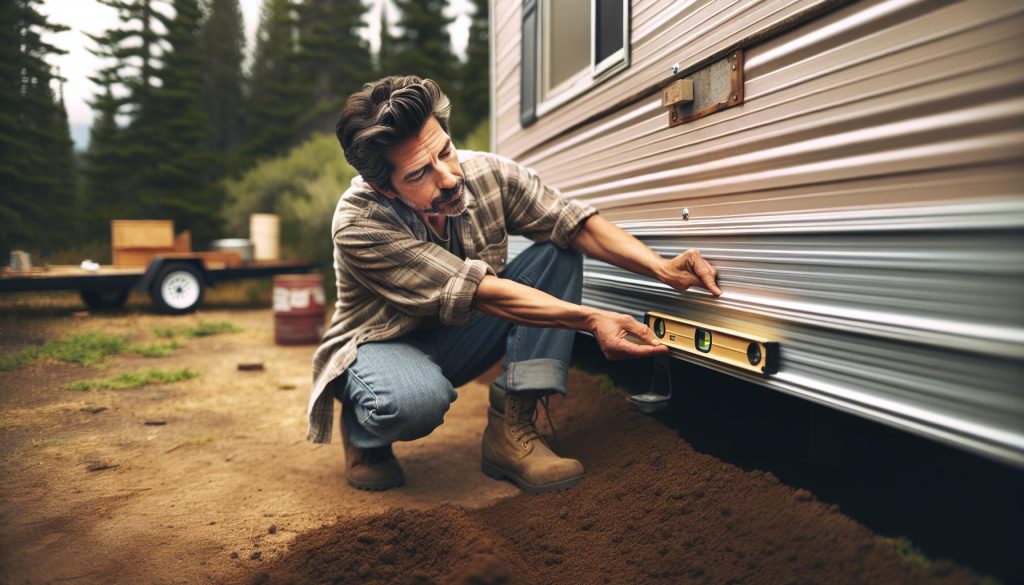
First, assess the ground surface where your trailer is parked. Ensure that the area is stable and free from debris. Place a quality leveling tool at the center of your trailer, preferably inside near the main door. This will give you a baseline to work from. If necessary, adjust the height of the legs on the corner of your trailer using hydraulic jacks. Start with one corner and elevate it until the bubble in the level is centered.
Next, insert wooden shims as you raise each corner. After lifting a corner and placing shims, return to check the level. Repeat this process for each corner of your trailer, making sure to consistently check the level as you progress. The process may require some adjustments as shims settle. It’s crucial to work methodically to avoid excessive tilting which can lead to complications during the leveling process.
Once you have reached the desired level, secure the shims and lower the hydraulic jacks. It’s advisable to leave a slight room for compression from weight. After the trailer is securely set on the shims, double-check the level one last time from multiple locations within the home to ensure everything is even.
Regularly returning to your leveling tools will maintain the integrity of your trailer over time. Should conditions change, for instance, due to weather or soil erosion, repeat the leveling procedure as necessary to uphold stability. This proactive approach not only protects your investment but enhances your living experience.
Common Mistakes to Avoid During Leveling
Getting your trailer home leveled is a pivotal part of maintaining its integrity and your comfort, yet many DIY enthusiasts make critical errors during the process. One common mistake is neglecting to thoroughly assess the site before starting. Failing to prepare the ground can lead to uneven settling over time. Always ensure the area is stable, clear of debris, and ideally graded to promote proper drainage. If the ground is not solid, shifting can occur after your leveling work is complete, undermining the fresh adjustments you’ve just made.
Another frequent oversight is skipping the use of quality leveling tools. Relying on a simple spirit level instead of a professional-grade leveling tool or laser level can result in inaccuracies, causing a miscalculation in the heights at each corner of your trailer. It’s crucial to check the level multiple times at different points inside the home rather than solely at one central spot. This holistic approach will provide a more accurate picture of your home’s leveling needs.
Additionally, many tackle the leveling project without sufficient time for adjustments. As shims settle, the trailer’s balance might shift, requiring further tweaking after the initial leveling. A good practice is to regularly re-check the level even after shimming, confirming stability before securing everything in place. Rushing this procedure not only affects the trailer’s immediate stability but may also lead to long-term structural issues.
Finally, overlooking the importance of documentation and follow-up maintenance can contribute to further problems. After leveling, keep a record of measurements and adjustments. This not only provides a reference for future leveling sessions but can assist in identifying recurring issues that may stem from underlying problems, such as foundation instability or soil erosion. Regular inspections after inclement weather or significant changes in the surroundings are vital to maintaining a stable and safe environment for your mobile home. By avoiding these pitfalls, you’ll ensure a safer, more comfortable living experience in your mobile home.
How to Assess and Maintain Your Trailer Home’s Level
Maintaining the proper level of your trailer home is not just about comfort; it’s crucial for the longevity and structural integrity of your living space. When your trailer is unlevel, it can lead to uneven wear and tear on various components, including the roof, floors, and plumbing systems. Thus, regularly assessing and maintaining your trailer’s level should be an integral part of your home care routine.
To check whether your trailer is level, start by using a professional-grade leveling tool or a laser level. Place the level at various points throughout your home, particularly in the center and at the corners. An uneven reading may indicate that adjustments are necessary. If you consistently find one side is lower, it may be time to level your trailer again. As a guideline, minor shifts can often be corrected with simple adjustments to the stabilizers, but significant discrepancies may require more extensive shimming or foundation work.
It’s equally important to keep tabs on environmental factors. Ground conditions can change over time due to natural settling or erosion, particularly during heavy rains or flooding. Regularly inspect the ground beneath and around your trailer, making sure the soil remains well-drained and stable. Look for signs of shifting or settling, such as cracks in the walls or flooring, which may indicate that leveling is necessary.
Performing regular maintenance checks can prevent serious issues from developing. Document your readings and any adjustments made; this will not only keep you informed about your trailer’s level over time, but it also helps identify patterns that could reveal underlying issues with your foundation or area drainage. By prioritizing regular assessments and maintenance of your trailer home’s level, you’ll enhance your living comfort and protect your investment in the long run.
What to Do If Your Trailer is Unlevel
A common yet concerning issue for many trailer home owners is discovering that their residence has become unlevel. This can happen for various reasons, such as environmental changes, settling of the ground, or improper installation. Identifying and addressing an unlevel trailer is crucial for maintaining the integrity of your home and ensuring comfort.
If you find your trailer is unlevel, the first step is to confirm the extent of the issue. Use a high-quality leveling tool to assess various spots in your home, particularly near the center and corners. Be sure to take note of any significant variations; minor shifts can often be rectified easily. However, if the difference is more pronounced, a more thorough leveling process may be required.
Steps to Take When Your Trailer Needs Leveling
- Safety First: Before beginning any adjustments, take safety measures. Ensure that all utilities are turned off, and clear the area around the trailer to provide easy access to the stabilizers.
- Remove Skirting (if applicable): Take off any skirting around your mobile home to gain unobstructed access to the foundation piers and stabilizers.
- Make Initial Adjustments: Using a wrench, adjust the stabilizers on the undercarriage of the trailer. Shift the low side upward until the trailer is level, checking your readings frequently to ensure even leveling.
- Consider Shimming: For larger discrepancies, you may need to add temporary shims to the foundation piers. Use pressure-treated wood or composite materials that can withstand moisture.
- Recheck Level: After making adjustments, check the leveling tool again. Repeat the process until the trailer is consistently level across all measured points.
- Secure and Restore: Once level, securely replace any skirting and stabilize the trailer to prevent future shifting. Document your adjustments and monitor the trailer regularly.
Maintaining leveled ground underneath your home is essential. You can prevent future leveling issues by ensuring proper drainage around your trailer. Heavy rains and poor drainage can lead to soil erosion, thereby affecting your trailer’s stability. Regularly inspect the surrounding area for any signs of settling or uneven ground and address these promptly.
Taking immediate, well-planned actions when confronted with an unlevel trailer will not only enhance your quality of life but also prolong the durability of your manufactured home. Remember, proactive maintenance is key to ensuring your trailer remains a comfortable and safe sanctuary.
Understanding Mobile Home Foundations and Stability
The foundation of a mobile home is critical to its overall stability and longevity, yet it often remains underappreciated until problems arise. Unlike traditional homes with concrete basements or slabs, mobile homes typically sit on piers, blocks, or a combination of both, requiring regular attention to prevent shifting and settling. Understanding how these foundations work and how to properly maintain them is essential for any mobile home owner.
One of the primary components of a mobile home foundation is its pier system, which provides support and helps distribute weight evenly. These piers are usually made from concrete blocks and can be adjusted to correct any shifting over time. For a stable foundation, spacing is crucial: piers should be strategically placed beneath load-bearing points-usually located beneath the center and ends of your home. Proper anchoring also plays a vital role; tie-downs help secure your home against wind and other environmental factors, particularly in areas prone to severe weather.
Regular inspections of the foundation can help detect issues early. Look for signs of movement or settling, such as cracks in the walls, uneven flooring, or gaps around windows and doors. If you notice any of these symptoms, it may be time to level your trailer home or call in a professional. Additionally, ensuring good drainage around your mobile home is key. This prevents water accumulation, which can erode soil and compromise the stability of your foundation over time.
Finally, proactive maintenance, such as periodically checking the anchors and adjusting any loose supports, will go a long way in providing a safe and stable living environment. Understanding and addressing your mobile home’s foundation needs reinforces its security while validating your choice of manufactured housing as not just a viable option, but a wise investment over the long term.
Tying Down Your Trailer for Maximum Safety
To ensure the safety and stability of your trailer home, tying it down properly is essential, particularly in areas susceptible to high winds or severe weather events. Mobile homes, even when securely leveled, can become airborne if not adequately anchored. Utilizing proper tie-down techniques not only protects your investment but also gives you peace of mind during storms or heavy winds.
Understanding the Tie-Down Process
The main purpose of tie-downs is to anchor your home to the ground securely. This is achieved through a series of straps or cables that connect your trailer to ground anchors. Here are some fundamental steps to ensure effective anchoring:
- Select the right equipment: Use high-quality tie-down straps or cables rated for the weight of your home. Always include ground anchors that can withstand local weather conditions.
- Plan your layout: Strategically place anchors around the perimeter of your trailer, ideally at each corner and at intervals along the sides. This distribution helps manage wind load effectively.
- Install correctly: Follow the manufacturer’s instructions for installing anchors and connecting them to your trailer. Ensure that all components are tightened and secure.
Maintenance of Tie-Downs
Regular inspection and maintenance of tie-downs are crucial to their performance. Here are some tips for ongoing care:
- Visual checks: Examine your tie-downs periodically for any signs of wear, rust, or damage. Replace any components that show signs of deterioration.
- Tightness check: Ensure that the straps or cables remain taut. Over time, they may loosen and require re-tightening to maintain effectiveness.
- After severe weather: Always inspect your tie-downs following heavy storms or significant weather events. Address any damages or issues immediately.
By focusing on proper tie-down methods and diligent maintenance, you fortify your trailer home against the elements, making it a secure and safe place to live. This proactive approach is essential for all mobile homeowners who want to protect their investment and ensure long-term stability.
Preparing for Natural Disasters: Leveling and Anchoring
Natural disasters can strike with little warning, making it imperative for mobile homeowners to properly level and anchor their trailer homes to withstand severe weather conditions. Understanding the relationship between leveling and anchoring can help ensure that your home remains stable during high winds, heavy rains, or even earthquakes. A mobile home that is securely leveled not only maintains its structural integrity but also allows for reliable anchoring, reducing the risk of displacement during adverse weather.
To effectively prepare for natural disasters, begin with adequate leveling. This involves adjusting the support piers or blocks beneath your home to create a stable, even foundation. When leveling your trailer, aim for a slight slope away from the home’s sides to facilitate water runoff, thus reducing potential flood risks. Regular assessments of your home’s level, particularly after severe weather, are essential. If you notice any signs of tilting or shifting, take immediate action to correct the issue.
Equally important is the anchoring process, which secures your trailer home to the ground, preventing it from being lifted or moved by strong winds. Utilize high-quality tie-downs, ensuring they are properly installed according to manufacturer specifications. Place anchors at strategic points around your home, especially at corners and on the sides, as this helps distribute wind pressure evenly. Regular maintenance checks of these anchors will ensure continued effectiveness; inspect for any signs of wear or looseness, particularly after storms.
By combining proper leveling and robust anchoring techniques, you can create a safe environment for your mobile home, providing peace of mind in the face of unpredictable natural disasters. A well-prepared home not only protects your investment but also ensures the safety of those who reside within.
Signs That Indicate Your Trailer Needs Leveling
Identifying when your trailer home is unlevel can prevent further issues and ensure the safety and comfort of your living space. There are several signs that indicate a need for leveling, and being vigilant can save you from potential structural damage and costly repairs down the line.
One of the most noticeable signs is uneven floors. If you find it difficult to stand a marble or small ball in one place, or if certain areas of your floors feel significantly elevated or lower than others, it’s likely time to level your home. Additionally, if doors are frequently sticking or not closing properly, it could be a symptom of an unlevel foundation affecting door frames. Windows may also exhibit similar issues, with gaps appearing or becoming difficult to open and close.
Another indicator is visible separation at joints or seams in your walls or ceilings. Cracks along walls, particularly those that seem to widen or deepen, suggest that the stresses from leveling issues are impacting the structure. Pay attention to foundational elements such as support piers or blocks; if they appear to shift position, there might be an urgent need for realignment.
It’s also essential to consider the outdoor environment. If you notice extensive pooling of water around the perimeter of the home after heavy rains, this might signify improper grading, which can stem from an unlevel structure. A trailer that is properly leveled should channel water runoff away from the foundation, reducing the risk of moisture-related issues.
In summary, being aware of these signs can help you maintain your trailer home effectively, ensuring long-term stability and safety for you and your family. Regular inspections for these indicators are vital, especially following severe weather events that may have impacted your home’s stability.
Cost Considerations for DIY Leveling Projects
When considering a DIY approach to leveling your trailer home, it’s crucial to evaluate the overall costs involved, as these projects can vary widely in expense based on materials, tools, and any external assistance you might need. While the idea of leveling your trailer can seem daunting and expensive at first glance, a well-planned DIY project can save you substantial amounts of money, turning a potential expense into a manageable investment.
One of the first costs you’ll encounter is the materials needed for leveling. There are several DIY options to consider, such as building your own leveling blocks from wood, purchasing pre-made blocks, or using other materials like concrete or plastic. Depending on the choice, the cost can range from as low as $20 for homemade solutions to upwards of $100 for high-quality store-bought leveling systems. Additionally, since aligning your trailer may require more than just blocks-such as shims or leveling jacks-the total price can increase accordingly. Investing in these materials not only ensures that your trailer is level, but it can also contribute to better stability and longevity of your home.
Tools are another significant aspect of the cost consideration. If you don’t already own essential equipment like a level, a wrench set, jack stands, or possibly a jack itself, these can add up. However, many homeowners find that these tools can be reused in various projects around the house, making them a worthwhile investment in the long run. Consider borrowing tools from friends or renting equipment for one-time use to keep costs down.
Finally, if you’re not comfortable performing the leveling process yourself or if your trailer requires specialized adjustments, hiring a professional might be the best route. While this can significantly increase your expenses-with costs ranging anywhere from $300 to $800 or more-having an expert ensure that the job is done correctly may ultimately save you money by preventing future damage to your home.
In summary, while the costs associated with DIY leveling projects can vary greatly, careful planning and consideration of materials, tools, and labor can help you make informed decisions. Prioritize quality and safety to ensure that your trailer remains a solid, stable home for years to come.
Expert Tips for Long-Term Stability and Maintenance
Maintaining the long-term stability of your trailer home is crucial for ensuring its structural integrity and your comfort. A well-leveled mobile home not only enhances the overall living experience but also mitigates potential issues such as plumbing misalignment and unwanted stress on the walls and roofing. Although leveling is often a one-time or infrequent task, proactive maintenance and regular inspections can dramatically prolong the lifespan of your structure.
To keep your trailer home stable over time, consider these essential tips:
- Regular Inspections: Conduct periodic checks to assess the home’s level and stability, especially after extreme weather events or heavy rainfall. Look for signs of settling, such as cracks in the walls, uneven floors, or shifting skirting. Every few years, it’s wise to perform a thorough leveling review.
- Use Quality Materials: When leveling your home, invest in high-quality leveling blocks and supports. Using substandard materials can lead to quicker deterioration, ultimately compromising your trailer’s stability.
- Employ the Right Techniques: Familiarize yourself with best practices for leveling your mobile home. Referencing guides or hiring professionals for initial setups can provide invaluable insight into effective methods that you can replicate during DIY maintenance.
- Ensure Proper Drainage: The site surrounding your trailer should allow for efficient drainage. Poor drainage can erode the foundation and cause uneven settling. Ensure that gutters and downspouts direct water away from your home, and consider grading around the foundation to promote water runoff.
- Tighten and Adjust Anchors: Regularly check the tightness of anchor straps and stabilizers. As ground conditions change or as the seasons affect the soil, anchors may loosen, leading to instability.
By adhering to these maintenance strategies, you can secure the long-term stability of your trailer home, fostering a safe and reliable living environment. Staying proactive not only protects your investment but also enhances your quality of life in your unique mobile dwelling.
Q&A
Q: What tools do I need to level my trailer home?
A: To level your trailer home, you’ll need a few essential tools: a level (preferably a 4-foot carpenter’s level), jacks, leveling blocks, a wrench to adjust the leveling screws, and a measuring tape. These tools will help you accurately assess and adjust the level of your home for optimal stability.
Q: How can I tell if my trailer home is unlevel?
A: Signs your trailer home may be unlevel include doors and windows that stick, noticeable gaps between the floor and walls, or a general tilting appearance when viewed from outside. Regularly check these indicators to maintain your home’s stability.
Q: How often should I check the level of my trailer home?
A: It’s advisable to check the level of your trailer home at least once a year or after severe weather events. Regular checks will help ensure that your home remains stable, preventing long-term damage and costly repairs.
Q: Can I level my trailer home by myself?
A: Yes, you can level your trailer home by yourself, but it requires careful attention to detail and following a step-by-step method. If you’re uncertain, consider consulting a professional to avoid potential pitfalls and ensure safety.
Q: What are the risks of not leveling my trailer home?
A: Failing to level your trailer home can result in structural damage, increased stress on plumbing and electrical systems, and an uncomfortable living environment. In severe cases, it could lead to safety hazards or loss of resale value.
Q: What should I do if my trailer home is still unlevel after adjusting?
A: If your trailer home remains unlevel after adjustments, check for underlying issues such as unstable ground or foundation damage. You may need to contact a professional for a thorough inspection and potentially more extensive repairs.
Q: How does weather affect the leveling of my trailer home?
A: Weather can significantly influence the leveling of your trailer home. Heavy rains, snow, or flooding may erode the ground beneath, causing shifts. Always inspect and adjust your leveling after adverse weather conditions to ensure stability.
Q: Are there specific types of leveling compounds I should use?
A: While leveling your trailer home, it’s best to use solid blocks or mats specifically designed for trailers rather than traditional concrete. These materials provide better stability and can adapt to ground movements, ensuring a secure foundation.
In Conclusion
Congratulations on taking the essential steps to level your trailer home! With a solid foundation, you enhance not only your living experience but also the longevity of your home. Whether you’re looking to expand your DIY skills or need guidance for other mobile home maintenance projects, explore our detailed articles on mobile home anchoring techniques and essential utilities setup to further your knowledge.
Don’t wait any longer-start implementing what you’ve learned today to ensure a safe and comfortable living environment! If you have questions or need further assistance, feel free to leave a comment below or check out our financing options for mobile home owners to make your home more secure. Your journey doesn’t have to end here; subscribe to our newsletter for ongoing tips and resources that make mobile home ownership rewarding and straightforward. Together, let’s navigate the world of manufactured housing with confidence!