As home prices continue to rise, many individuals and families are seeking affordable housing solutions, making mobile home parks an increasingly popular option. This guide provides an in-depth look at how mobile home parks work, from understanding the different ownership models to the unique benefits and challenges that residents face. Whether you’re considering purchasing a mobile home, looking to relocate, or simply want to explore the lifestyle, this comprehensive resource will equip you with essential knowledge. Dive into the various aspects of mobile home living – including maintenance tips, community life, and financial considerations – and discover how you can thrive in this dynamic housing environment. Get ready to empower yourself with the insights needed to navigate this specialized market confidently.
Understanding Mobile Home Parks: An Overview
Mobile home parks offer a unique and appealing option for many families and individuals seeking affordable housing solutions. These communities often provide an inviting atmosphere, where residents enjoy a vibrant lifestyle and communal amenities while benefiting from cost-effective living. Understanding how mobile home parks work is essential for anyone considering living in or investing in this type of housing.
In a mobile home park, residents own their homes but rent the land upon which they sit. This arrangement creates a unique community dynamic, often fostering neighborly relationships that are less common in traditional residential neighborhoods. Parks may cater to specific demographics, such as all-ages communities or those dedicated to residents aged 55 and older. Many parks offer shared facilities such as pools, clubhouses, and playgrounds, enhancing the living experience. Moreover, the management of these parks plays a critical role in the maintenance and regulations of the community, ensuring a safe and welcoming environment for all residents.
When evaluating mobile home parks, several key factors come into play, including location, amenities, community rules, and the overall reputation of the park management. It’s important to research and visit potential parks, engaging with current residents to gain insight into the community’s atmosphere and challenges. Understanding the park’s regulations, including pet policies and maintenance responsibilities, will help create a smooth transition into mobile home living. With the right preparation and information, choosing to reside in a mobile home park can lead to fulfilling and accessible housing that fits various lifestyle needs.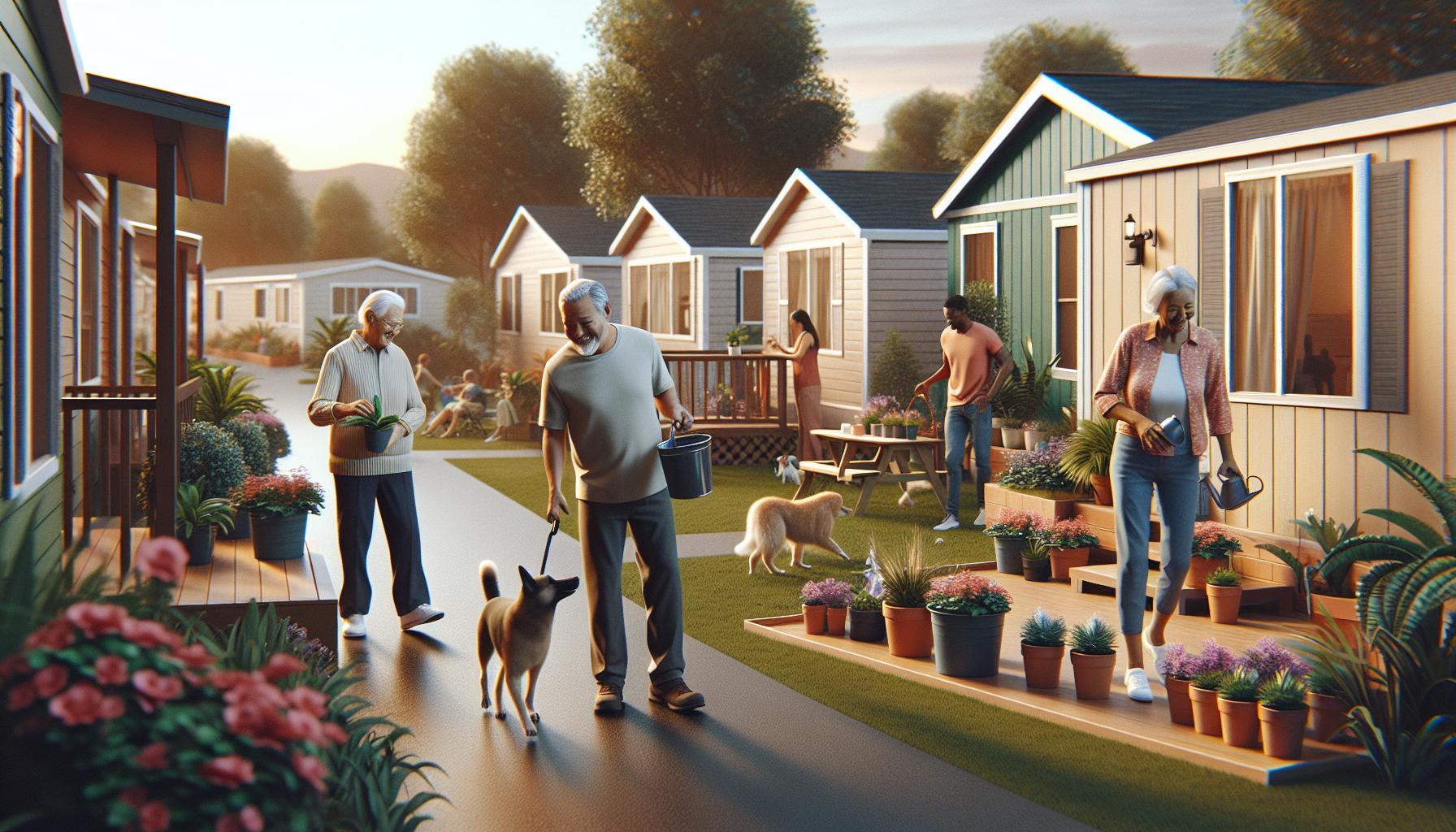
Types of Mobile Home Parks and Their Features
Mobile home parks come in various styles and cater to different demographics, each offering distinct features tailored to their residents’ needs. Understanding these types can help prospective buyers and current residents make informed decisions when it comes to selecting a community that aligns with their lifestyle and preferences.
All-Ages Communities
These parks welcome residents of all ages, making them ideal for families and individuals seeking a diverse and vibrant environment. With facilities such as playgrounds, sports courts, and community centers, all-ages parks promote social interaction across generations. The communal vibe often encourages neighborly connections, which can enhance the quality of life. Residents tend to enjoy a mix of activities, from family-oriented events to social gatherings, fostering a strong sense of community.
55+ Communities
Specifically designed for active adults, 55+ communities offer a quieter atmosphere focused on convenience and leisure. These parks generally feature amenities like swimming pools, walking trails, fitness centers, and clubhouses that host various activities catered to older adults. By emphasizing low-maintenance living, these communities provide an appealing option for retirees or those looking to downsize. The regulations in 55+ communities often include restrictions on the age of residents, ensuring a peaceful environment that aligns with the interests and lifestyles of older adults.
Luxury Mobile Home Parks
Luxury mobile home parks are characterized by premium amenities and upscale living conditions. These parks often provide upgraded homes with modern designs, along with additional features such as private garages, manicured landscaping, and resort-style facilities like golf courses or spas. Residents in luxury settings typically have access to concierge services and enhanced community security, creating a sense of exclusivity and comfort. This type of park is ideal for those seeking an upscale lifestyle within a mobile home community setting.
Pet-Friendly Communities
Recognizing that pets are often beloved family members, various mobile home parks cater specifically to pet owners. These parks usually boast designated pet areas, walking trails, and even pet-washing stations, ensuring that residents can enjoy the company of their furry friends without compromising on facilities. Understanding the tailored regulations regarding breed restrictions, leash laws, and pet fees is crucial for potential pet owners when evaluating these communities.
Choosing the right mobile home park involves careful consideration of these types and their respective features. By clearly identifying your preferences and needs-whether it’s a family-focused environment, a retirement haven, luxury amenities, or a pet-friendly community-you can navigate the landscape of mobile home parks with confidence, finding a space that feels like home.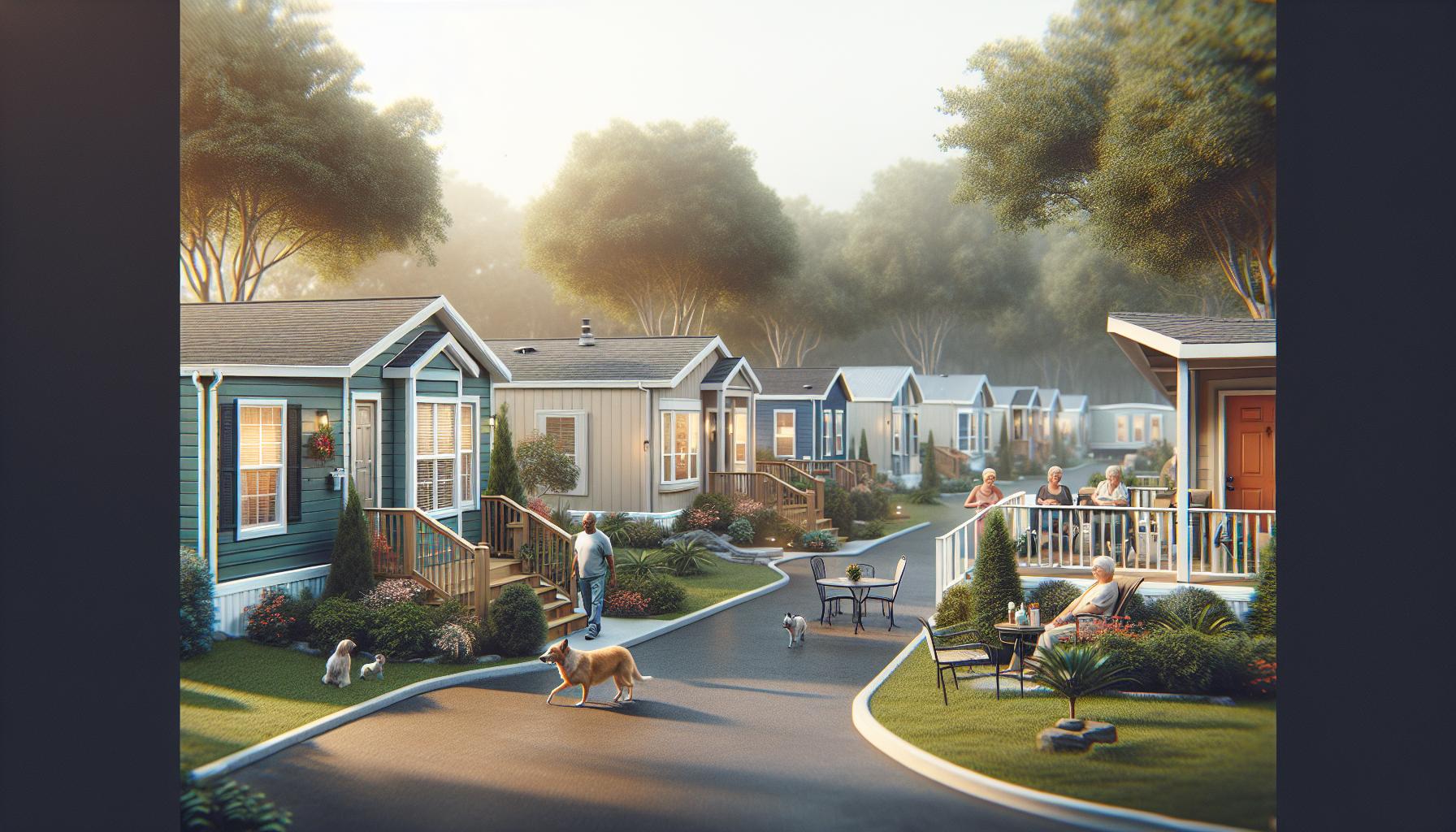
How to Choose the Right Mobile Home Park
Selecting the perfect mobile home park is a pivotal decision that can profoundly influence your living experience. Each park is inherently different, structured to cater to specific demographics, lifestyles, and preferences. Therefore, it is crucial to approach this choice with a thoughtful plan. Start by considering your personal priorities, such as budget, amenities, community vibe, and proximity to work or family. Identifying these key factors can streamline the search process and lead you to a community that truly feels like home.
Begin with a comprehensive assessment of your financial situation. Different parks have varying site fees, which can significantly impact your monthly expenses. Evaluate your budget for living costs, and take into account whether utilities are included in park fees or if they are billed separately. Additionally, it’s beneficial to investigate financing options available for purchasing a mobile home, as they can vary greatly depending on the park’s policies and your financial profile. Resources for financing can often be found through local banks or credit unions, and many parks may have preferred lenders who understand the specific nuances of mobile home financing.
Take the time to visit prospective parks and experience them firsthand. This is not just about viewing homes; it’s equally about assessing the community atmosphere. Engage with current residents to gather insights about their experiences living there. Pay attention to the park’s management-ensure they are responsive and supportive, as a strong management team can significantly enhance your living experience. If you’re considering pet ownership, confirm that the community has pet-friendly regulations that align with your lifestyle, such as designated areas for play and exercise.
Furthermore, consider the amenities and communal aspects of each community. Some parks may offer vibrant social activities designed to foster connections among residents, while others might provide quiet spaces ideal for relaxation. Reflect on what kind of lifestyle you aspire to maintain; whether you prefer a bustling environment with scheduled events or a serene setting for individual leisure, the right park can support your goals. Ultimately, choosing the right mobile home park requires a blend of practical assessment and personal intuition, ensuring that your choice is aligned with both your logistical needs and your envisioned quality of life.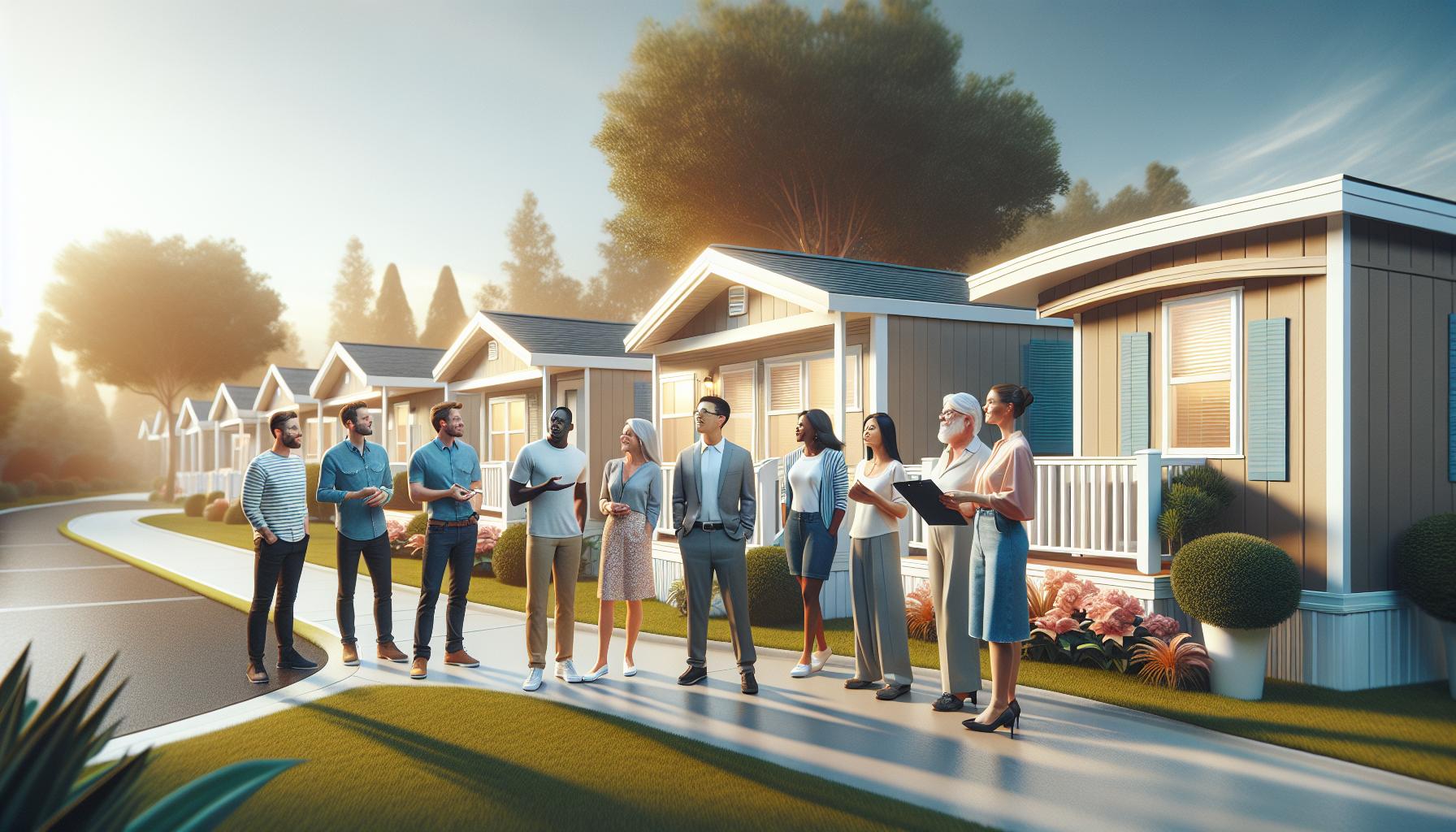
The Mobile Home Buying Process: A Step-by-Step Guide
Navigating the mobile home buying process can seem daunting, but understanding each step can empower buyers to make informed decisions. Start by establishing your budget, which not only includes the purchase price of the mobile home but also additional costs like taxes, insurance, and park fees. Allocate funds for potential moving expenses and site preparation to avoid unexpected financial strain.
Once your budget is set, the next step is to determine your wants and needs. Consider the size and layout of the mobile home that best suits your lifestyle. This includes the number of bedrooms, bathrooms, and any specific features such as a porch or yard. Begin your search by browsing listings online, visiting local dealerships, or exploring private sales. Take your time to compare models and prices, ensuring you find a comfortable fit.
After identifying a few potential homes, schedule visits to inspect them in person. Look for signs of wear and tear, and assess the overall condition of the home. Don’t hesitate to ask sellers about maintenance history or any repairs that may have been performed. It’s also wise to bring someone knowledgeable about mobile homes, if possible, to help evaluate the property.
Once you’ve selected a home, the next step is securing financing. Investigate different financing options, including loans specifically designed for mobile home purchases, which may vary from traditional mortgage options. Have your financial documentation ready, including income verification and credit history, to streamline this process. Additionally, consider contacting lenders who specialize in mobile home sales, as they may offer better rates or terms.
Finally, once financing is in place, negotiate the sale and prepare for closing. Ensure you’re aware of the legal requirements involved, including any park approvals needed before the purchase can be finalized. After closing, start planning your move and setup process, which includes arranging for utilities and any necessary modifications to the home. Understanding these steps not only helps make the buying process smoother but also sets you up for a rewarding mobile home living experience.
Financing Your Mobile Home: Options and Tips
Financing a mobile home can often feel like navigating a complex maze, but understanding your options can empower you to make the best financial decisions. Unlike traditional homes, mobile homes generally depreciate in value, leading many conventional mortgage lenders to shy away from offering financing specifically for them. However, there are specialized loan products designed for mobile homes that can make purchasing a home on wheels accessible and straightforward.
One of the primary financing options for mobile homes includes FHA Title I loans, which are government-backed loans specifically for manufactured homes that are not permanently affixed to land. These loans allow for lower down payments, typically 5% or more, and have relatively few credit restrictions. Additionally, for those who plan to purchase a mobile home and land together, FHA Title II loans may be a viable choice. These loans function similarly to traditional mortgages and often provide better terms and interest rates.
It’s crucial to explore specific lenders who specialize in mobile home financing, as they can offer tailored advice and more favorable terms. Many companies provide fixed-rate loans without pre-payment penalties and can offer financing for homes located in parks or communities-features that can be particularly beneficial for first-time buyers. Always gather your financial documentation, including proof of income and credit history before applying, to expedite the approval process.
In addition to understanding financing options, intelligent financial planning is key. Consider budgeting for not only the mobile home purchase price but also associated costs such as insurance, taxes, and ongoing park fees. Being financially prepared can make the transition to mobile home living more enjoyable and less stressful. With careful consideration and the right financing, mobile home ownership can be a rewarding and sustainable choice that fits within your lifestyle and budget.
Legal Considerations for Mobile Home Residents
Understanding the legal landscape surrounding mobile home living is crucial for residents seeking stability and peace of mind. Mobile home parks often operate under a distinct set of rules and regulations that can significantly impact your residency experience. Being well-informed about these laws not only helps you navigate potential challenges but also empowers you to advocate for your rights within the community.
One of the most important factors to consider is the lease agreement associated with the mobile home park. This legal document outlines the rights and responsibilities of both residents and park management. It typically includes details about monthly rent, utilities, maintenance, and park policies. It’s vital to read and comprehend this agreement thoroughly before signing, as it may dictate essential aspects like eviction procedures and rental increases. In many jurisdictions, laws regulating mobile home parks require owners to provide a set notice period before raising rents or making substantial rule changes, giving residents some protection.
Additionally, residents should familiarize themselves with local ordinances and state laws governing mobile home parks. For instance, some states have specific regulations on eviction notices and the handling of tenant disputes, which can provide additional safeguards. Residents are encouraged to connect with local advocacy groups focused on mobile home rights for support and resources. These organizations often have access to legal aid that can assist residents in navigating conflicts with park management.
Common Legal Considerations:
- Lease Agreements: Ensure you understand all terms before signing.
- Eviction Rules: Be aware of your rights regarding eviction notices and procedures.
- Rent Control Laws: Research if your area has rent stabilization measures.
- Community Regulations: Familiarize yourself with the park’s rules on property use and maintenance.
- Dispute Resolution: Know your options for resolving conflicts with management.
In conclusion, staying informed about legal considerations enhances your mobile home living experience and helps you make informed choices. By understanding your rights and the obligations of the park management, you can foster a harmonious living environment and protect your investment in mobile home ownership.
Setting Up Your Mobile Home: A Comprehensive Tutorial
Setting up a mobile home is more than just placing it on a lot; it’s about creating a safe, comfortable, and functional living space. The process involves several essential steps, from leveling and anchoring to connecting utilities, all of which ensure that your mobile home is not only livable but also compliant with local regulations.
To begin with, leveling your mobile home is a critical step in the setup process. An uneven foundation can lead to structural issues and difficulties with utilities and appliances. Using a leveling kit, you can adjust the corner jacks and ensure that your home sits evenly. It’s advisable to check the level frequently with a carpenter’s level throughout the leveling process. Once you’re satisfied with the leveling, you can proceed to anchoring, which is necessary for safety-especially in areas prone to severe weather. This includes installing tie-downs and anchors as specified by local regulations, which help to secure the home against wind and seismic activity.
After leveling and anchoring, the next major task involves connecting utilities. This includes water, electricity, and sewer connections. Start by consulting local utility companies to ensure you follow all requirements. For water and sewer, you may need to hire a plumber to properly connect your home to the municipal systems. For electric connections, it’s often required to have a certified electrician handle the setup to ensure compliance with safety codes. Be sure to check for any required permits and inspections from your local city or county, as failing to do so can lead to fines or additional complications.
Throughout this process, staying organized is key. Keep a checklist of everything that needs to be completed and track permits and inspections. Documenting your setup can be helpful not only for your own records but also if you decide to sell the mobile home in the future.
In summary, setting up your mobile home involves careful planning and execution. By leveling and anchoring your home securely and connecting utilities correctly, you will lay a sturdy foundation for your living space. This not only enhances your comfort but also ensures that you are compliant with any relevant legal and safety standards. Investing time and effort into this setup process pays off in the long run, providing you with a safe and enjoyable home environment.
Maintenance Essentials for Mobile Home Owners
Maintaining a mobile home requires regular attention to ensure longevity and comfort, just like any other type of residence. One of the best ways to safeguard your investment is through proactive maintenance, which can help prevent costly repairs down the road. By establishing a consistent routine of inspections and upkeep, mobile homeowners can enjoy a safe and pleasant living environment while enhancing their home’s value.
Regular Inspections
Performing regular inspections is essential. You’re encouraged to check various aspects of your mobile home at least twice a year. Look for signs of wear and tear, including:
- Roof and Gutters: Check the roof for missing shingles or leaks, and ensure gutters are clear of debris.
- Plumbing: Inspect pipes and connections for leaks, and test water pressure.
- Electrical System: Examine outlets, switches, and circuit breakers for any irregularities. If you notice any flickering lights or blown fuses, consult with an electrician.
- Foundation and Anchoring: Ensure that the leveling and anchoring are intact to avoid movement caused by settling or severe weather.
Exterior Maintenance
The exterior of your mobile home is exposed to the elements, so maintaining it is crucial. Depending on your home’s siding material, you may need to:
- Vinyl or Aluminum Siding: Clean with a power washer every year to remove dirt and mold.
- Wood Siding: Inspect for rot and repaint or re-stain as needed every few years.
Additionally, ensure that the skirting is intact to protect the underpinning and prevent unwanted pests from entering. Gaps in skirting can lead to insulation issues and heat loss, particularly in colder climates.
HVAC Systems and Insulation
Pay attention to your heating, ventilation, and air conditioning systems. Change filters regularly-at least every three months-to maintain air quality and efficiency. Also, check insulation levels, particularly in areas prone to temperature fluctuations, like attics or crawl spaces. Proper insulation not only helps with energy bills but also prevents moisture build-up, which can lead to mold and damage.
Prepare for Seasonal Changes
Seasonal preparation is also a key component of mobile home maintenance. Before winter, winterize your plumbing by draining water from pipes and insulating any vulnerable areas to prevent freezing. In hurricane-prone areas, ensure that your mobile home is tied down according to local regulations and consider investing in storm shutters or wind-resistant modifications.
By staying on top of these maintenance essentials, mobile home owners can protect their homes from unexpected issues and create a comfortable living environment for themselves and their families. Regular attention to both the interior and exterior will not only enhance the enjoyment of your home but also contribute to your long-term investment.
Home Renovation Ideas to Enhance Your Space
Enhancing your mobile home doesn’t just increase its aesthetic appeal; it can also elevate your living experience and potentially boost its resale value. Mobile homes, often seen as limited in design flexibility, can be transformed into personalized comfort zones with a few thoughtful renovations. Here are some ideas to get you started on making your space feel more like home.
One of the most impactful changes you can make is updating the flooring. Consider replacing outdated carpets with durable vinyl or laminate flooring, which are both stylish and easy to maintain. If you prefer a warmer feel, engineered wood flooring can provide the natural look of hardwood without the hefty price tag or upkeep. This can be especially beneficial in high-traffic areas, as they resist scratches and stains, keeping your home looking fresh.
Another effective renovation is the kitchen upgrade. Since kitchens are often the heart of the home, consider replacing cabinet doors for an instant makeover-opt for a bright color or a rustic wood finish to add character. Installing a backsplash can also be a game-changer, allowing for creative expression while protecting your walls from cooking splatters. Additionally, investing in new appliances can enhance functionality and energy efficiency, making your kitchen more enjoyable to use.
Bathrooms are another area ripe for renovation. Simple upgrades like new fixtures, lighting, and a fresh coat of paint can refresh this essential space. If budget permits, consider replacing the vanity or adding more storage-like shelves or cabinets-creating a more organized and functional area. Upgrading the tub or shower for a streamlined, modern design can also add a luxurious touch and improve your daily routine.
Outdoor Spaces
Don’t forget about the exterior! Enhancing your mobile home’s curb appeal can begin with landscaping. Simple additions like flower beds, potted plants, or curated gardens can create an inviting atmosphere. Adding a deck or patio can extend your living space outdoors, providing a perfect spot for relaxation or entertaining. Choose weather-resistant materials that can withstand the elements, and personalize the space with comfortable furniture and decorative string lights.
By embracing these renovation ideas, you can transform your mobile home into a personalized sanctuary that reflects your style and meets your needs. Engaging in these projects not only enhances your comfort but also positions your home as a valuable asset within the mobile home park community. Remember, thoughtful renovations can make a significant difference in your enjoyment of the space while securing your investment for the future.
Understanding Park Rules and Regulations
Understanding the rules and regulations of a mobile home park is crucial for creating a harmonious living environment and ensuring your rights as a resident are protected. Regulations can vary significantly from one community to another, but they typically address essential aspects of daily living, community upkeep, and resident interactions. Knowledge of these guidelines not only helps you comply with them but also enhances your enjoyment of the community where you choose to call home.
Rules often cover areas such as property maintenance, noise levels, and guest policies. For instance, you might be required to keep your yard tidy and your home in good repair to maintain the park’s aesthetic appeal. Similarly, there could be restrictions on outdoor decorations, such as flags or yard ornaments, to uphold a uniform appearance. Noise regulations may limit loud music or other disturbances during certain hours, which is particularly important in communities with many residents living close together. Understanding these stipulations can significantly reduce conflicts and foster neighborly relationships.
Another critical aspect of park regulations involves pet policies. Many parks have specific rules regarding the types and sizes of pets allowed, leash requirements, and waste disposal procedures. For pet owners, knowing these guidelines can help prevent misunderstandings and ensure a welcoming environment for every resident. Additionally, community rules might dictate the use of common areas like pools, laundromats, or recreational facilities, detailing hours of operation and usage etiquette to enhance shared experiences.
Lastly, it’s essential to follow the financial obligations outlined in your lease or rental agreement, including rent payments, fees for amenities, and maintenance costs. Ensuring you adhere to these financial aspects not only safeguards your residence but also helps maintain the integrity of the community. To stay informed, regularly review your park’s rules, and don’t hesitate to reach out to management or fellow residents if you have questions or need clarification. This proactive approach will empower you to make the most of your mobile home living experience and actively participate in fostering a positive atmosphere within your community.
Preparing for Extreme Weather: Safety Measures
Extreme weather events can pose significant risks for mobile home residents. Understanding how to prepare can make a crucial difference in ensuring safety and minimizing damage. During hurricane season, for instance, the National Hurricane Center suggests that all residents living in mobile homes have an emergency plan in place and know where to seek shelter. It’s vital to stay updated on weather forecasts and alerts and to have an emergency kit ready with essential supplies such as water, food, first-aid items, and important documents.
One of the central steps in preparing for severe weather is securing your mobile home. Ensure that your home is properly anchored and tied down to its foundation to withstand strong winds. This involves inspecting tie-downs, which can be either screw-type anchors or mobile home stabilizer jacks. Regular maintenance checks can help identify any wear or damage that could compromise their effectiveness. Consider engaging a professional for comprehensive assessments of your home’s stability, especially if storms are forecasted.
Additionally, it’s essential to protect your property by clearing the surrounding area of debris or objects that can become projectiles during storms. Trim any overhanging tree branches and remove items like patio furniture, which can easily be swept away. Investing in storm shutters or plywood to cover windows can also provide extra protection against high winds and flying debris.
Lastly, familiarize yourself with your mobile home park’s emergency protocols and evacuation routes. Many parks have safety measures in place and designated areas for shelter during severe weather. Connect with your neighbors to create a support network that can help everyone to stay informed and safe throughout extreme weather conditions. Taking these proactive steps will significantly enhance your preparedness and ensure a safer living environment in challenging situations.
Evaluating the Value of Your Mobile Home Investment
Evaluating the investment potential of your mobile home is essential for both current homeowners and prospective buyers. Many might not realize that mobile homes can appreciate in value, much like traditional houses, particularly when they are well-maintained and located within desirable mobile home parks. However, several factors can affect this valuation, including location, amenities, condition, and market trends.
One of the key factors influencing your mobile home’s value is its location within the park. Homes situated near amenities such as clubhouses, pools, or recreational areas tend to have higher market values. Additionally, the overall reputation of the park plays a crucial role. Parks that maintain high standards of cleanliness, have well-kept roads, and provide essential services often attract better residents, thus enhancing property values.
Condition and upgrades are also paramount. Homes that have newer features-like appliances, roofing, and energy-efficient windows-are likely to command higher prices. Regular maintenance, such as routine inspections and updates, not only keeps your home safe but can also prevent devaluation over time. For example, having a sound foundation, properly secured tie-downs, and a well-maintained exterior can significantly impact the home’s marketability.
Assessing comparable properties, often referred to as “comps,” is a practical method to determine your mobile home’s worth. By researching recently sold homes within your park or nearby communities, you can gain insights into price trends and establish a fair market value. Websites that track real estate prices, as well as local real estate agents familiar with mobile home parks, can provide valuable data.
Ultimately, investing in your mobile home and the surrounding property can pay dividends and enhance your living experience. By understanding these factors, and engaging in proactive maintenance and upgrades, you can feel confident in evaluating and maximizing the value of your mobile home investment.
Frequently Asked Questions
Q: How do mobile home parks operate financially?
A: Mobile home parks typically generate revenue through lot rentals, which may vary based on location and amenities. Residents pay monthly rent for the land their home occupies, while park owners manage maintenance and utilities. Understanding park operations can aid prospective buyers in evaluating investment potential.
Q: What amenities should I look for in a mobile home park?
A: When choosing a mobile home park, consider amenities like pools, playgrounds, community centers, and laundry facilities. Access to public transportation and local shops can also enhance convenience and quality of life for residents. Visit the park to assess its offerings before deciding.
Q: Are mobile home parks a good investment?
A: Investing in mobile home parks can be lucrative due to lower maintenance costs and strong demand for affordable housing. Evaluate factors like location, occupancy rates, and community regulations to make informed investment decisions. Conduct thorough market research to understand potential returns.
Q: How are mobile home park rules enforced?
A: Park rules are typically enforced by property management or owners, who can impose fines or initiate evictions for violations. Residents should review park regulations before moving in to ensure compliance and community harmony. Open communication with management can also help address concerns.
Q: Can I customize my mobile home within the park?
A: Many mobile home parks allow residents to customize their homes, but it’s essential to check park regulations first. Modifications may require approval from management and should adhere to aesthetic and structural guidelines to maintain community appeal.
Q: What should I do if I face issues with my mobile home park management?
A: If you encounter issues, first communicate directly with management to resolve the problem. If that fails, consider documenting your concerns in writing and reviewing park rules. You may also seek assistance from local tenant associations or legal advisors if necessary.
Q: How does mobile home park ownership differ from traditional property ownership?
A: In a mobile home park, residents typically own their homes but lease the land. This differs from traditional ownership, where the property and land are owned together. Understanding this distinction is crucial when considering the investment and lifestyle implications.
Q: What are the benefits of living in a mobile home park?
A: Living in a mobile home park offers a sense of community, affordability, and flexibility. Residents often enjoy access to shared amenities and services without the burdens of traditional homeownership, such as property taxes and high maintenance costs.
Future Outlook
Understanding how mobile home parks operate is crucial for making informed decisions, whether you’re a prospective buyer, a current resident, or an investor. As you embark on your journey in mobile home living, remember to explore additional resources like our guides on financing options and maintenance tips to fortify your knowledge. For more insights, check out our posts on managing community life in mobile home parks and essential renovation techniques.
Don’t wait to take the next step in your mobile home journey. Subscribe to our newsletter for expert advice and community updates that empower you to create a successful mobile home living experience. We encourage you to share your thoughts and experiences in the comments below-your engagement enriches our community! Embrace your mobile home lifestyle with confidence, knowing you’re supported every step of the way.