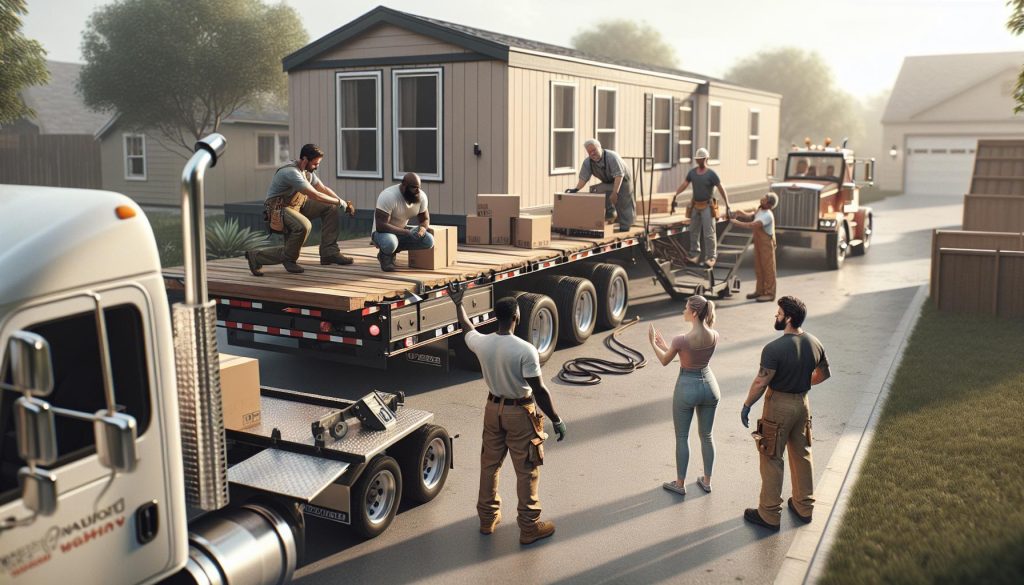
Moving a double wide trailer home can be a daunting task, but understanding the expert process can make all the difference. Did you know that the cost of relocating such a home can range from $4,000 to over $10,000? Whether you’re upgrading your living space or relocating for new opportunities, knowing the ins and outs of moving a double wide can save you time, stress, and money. This guide will provide you with practical insights and clear steps to ensure your move is seamless, focusing on critical preparations and essential legal considerations. For current mobile homeowners, aspiring buyers, or property investors, mastering this process is crucial for achieving a smooth transition. Dive in to discover expert tips and techniques that will empower you to take control of your mobile home relocation journey.
Choosing the Right Location for Your Double Wide Trailer
Selecting the ideal location for your double wide trailer is crucial not only for enhancing your lifestyle but also for ensuring the longevity of your home. A well-chosen site can provide serenity, accessibility, and even an increase in property value. Begin by considering factors such as proximity to essential amenities like schools, grocery stores, and healthcare facilities. Think about your lifestyle; do you prefer a rural, tranquil environment or a bustling suburban area? The right location should align with your daily needs and future aspirations.
One key consideration when choosing a site is the topography of the land. A flat or gently sloped area is generally preferable, as it facilitates easier setup and minimizes drainage issues. The soil quality is another critical factor-testing soil stability and drainage can prevent future settling or water accumulation problems. Furthermore, you want to ensure that your double wide is not located in a flood zone or other hazardous areas. Researching local flood maps and natural disaster history in the region can aid significantly in making an informed decision.
Another important aspect is local zoning regulations. Depending on your state or municipality, there may be specific requirements related to where mobile homes can be placed, including minimum lot sizes and setbacks from property lines. Review the necessary permits and regulations with your local zoning office to avoid complications during installation. Understand that residential areas may have more stringent rules compared to rural settings.
Lastly, consider the orientation of your home on the lot. Positioning the trailer to take advantage of natural light can enhance energy efficiency while maximizing views and outdoor space for activities. Each of these elements plays a vital role in ensuring that your double wide trailer is both a comfortable and durable home for years to come. Prioritizing location wisely can lead to a fulfilling, long-lasting living experience.
Understanding Local Regulations and Permits

Understanding the maze of local regulations and permit requirements for moving a double wide trailer can be daunting, yet it’s crucial for ensuring a smooth relocation process. Each jurisdiction has its own set of rules governing the placement of manufactured homes, which means that compliance not only prevents legal issues but also protects your investment and peace of mind.
Before you even think about moving your double wide, start by checking with your local zoning office to gather specific information about required permits. Depending on your location, different regulations might apply to land use, property lines, and minimum size requirements for mobile home lots. For instance, some areas may have stricter guidelines in residential zones compared to rural settings. Moreover, you will typically need a moving permit, which is essential for the transportation of your home. If you’re in a manufactured home park, informing your park manager about your plans is also a crucial step before any relocation can occur.
- Local Zoning Regulations: Consult your local government or zoning office for guidelines on where you can place your trailer.
- Permits Required: Ensure you have all necessary permits for both moving and residing at your new location.
- Inspections: Be prepared for inspections, as some jurisdictions may require checks for safety and compliance before you can reside in your new home.
- Utility Connections: Understand the local requirements for utility connections, including water, electricity, and sewage systems.
Additionally, be aware of local utility requirements, as many municipalities have specific protocols regarding connections to water, electricity, and septic systems. Following these protocols will streamline your transition into your new space. For those planning on using a moving company, ensure they are well-versed in local laws to avoid any pitfalls during the relocation process. Navigating these regulations may seem complex, but with careful preparation and informed decisions, you can ensure a successful move to your new double wide home.
Preparing Your Site for a Double Wide Trailer
Preparing for the arrival of your double wide trailer is a pivotal step that can greatly impact the safety, comfort, and longevity of your new home. A well-prepared site not only ensures a smoother installation process but also contributes to the integrity and functionality of your mobile home. Such preparation involves selecting an appropriate location, ensuring proper grading, and establishing necessary foundations or supports.
As you designate the site for your trailer, consider factors such as accessibility for moving trucks and proximity to utility connections. Seek a level area with good drainage to minimize risks of flooding or water accumulation that could damage your home. If your site is sloped or uneven, you might need to obtain professional grading services to create a stable and supportive base. This not only helps in leveling the trailer but also prevents structural issues in the long run.
Grading and Soil Quality
Before beginning the setup, conduct a soil test if you’re unsure about the ground composition. It will help you understand the soil’s bearing capacity and determine if reinforcements are needed. For optimal results, compacted gravel or a concrete pad can serve as the foundation for your double wide trailer. This not only provides a stable base but also helps in moisture management.
After the site is graded and prepared, ensure that you have the necessary materials on hand, such as blocks, piers, or anchors, to secure your home in place. It’s essential to establish a secure anchoring system, especially if you reside in an area prone to severe weather. This can include concrete footings or ground anchors designed to minimize movement and damage during storms.
An organized and thoughtful preparation process can set the tone for successful mobile home living. Taking the time to properly prepare your site will pay off in enhanced stability, safety, and peace of mind as you navigate this new chapter in your mobile home journey.
Essential Tools and Equipment for the Move

Moving a double wide trailer is a complex endeavor that requires careful planning and the right tools to ensure everything goes smoothly. The right equipment not only facilitates the move but also enhances the safety and stability of your new home. Below are some essential tools and equipment you’ll need for this process.
Firstly, heavy-duty moving straps are a must. These can be used to secure your trailer during transport, preventing any shifting that could lead to damage. Along with straps, you should have a trailer hitch kit that fits your towing vehicle. Ensure that the hitch is rated for the weight of your double wide trailer, which can vary depending on its size and configuration.
Key Tools for Preparing and Moving
In addition to securing the trailer, you’ll need specific tools for preparing the site and the move itself:
- Leveling Equipment: A laser level or spirit level ensures that your trailer is properly leveled both during transport and once it reaches its new location. This is crucial for drainage and preventing structural issues.
- Socket Wrench Set: Essential for detaching and reattaching bolts on the trailer. Make sure you have a variety of sizes handy.
- Utility Knife: This can be used for cutting through packing materials, removing old seals, or making quick adjustments to prepare for the move.
- Jacks: These will help raise the trailer for adjustments and allow for easier attachment of moving equipment.
Furthermore, consider renting or hiring professional services that come with specialized tools like a lowboy trailer designed for hauling manufactured homes. Such equipment will ensure the trailer is transported securely and efficiently, minimizing the risk of damage during the journey.
Essential Safety Gear
Lastly, never underestimate the importance of safety gear. Equip your team with hard hats, gloves, and safety glasses to protect against potential hazards while moving. Having a well-prepared safety kit on hand is also advisable, including first-aid items.
By gathering the right tools and equipment, you’ll be well on your way to a successful and less stressful move with your double wide trailer, ensuring that your new home is installed safely and securely.
Step-by-Step Process to Move a Double Wide
Moving a double-wide trailer is much more than just relocating a house; it’s a meticulous operation that requires precise planning and execution. Understanding the dynamics of such a large structure will help you streamline the process, minimize risks, and more importantly, ensure that your new home is safe and secure in its new location. Here’s a step-by-step guide to help you through the process of moving your double-wide trailer efficiently.
Begin by conducting a thorough evaluation of your trailer and the intended new location. This includes ensuring that both locations can accommodate the dimensions, weight, and structural requirements of your double-wide. Once you have verified this, it’s crucial to coordinate all necessary permits and local regulations to avoid any legal hiccups during the move. This includes checking zoning laws or requirements specific to your area.
Once the groundwork is laid, the next step involves preparing the trailer for transport. This involves detaching utilities such as water, electricity, and gas lines-be sure to cap these lines safely to prevent leaks. You will also need to secure the interior by removing or securing loose objects to mitigate damage during the move. Following this, team members should assess the trailer’s underbelly, ensuring that it is ready to be lifted safely. Using hydraulic jacks to elevate the trailer will allow you to place transporting beams underneath, ensuring the trailer is properly supported during transport.
Once the trailer is securely on the transport vehicle, it’s essential to verify that all connections are tightened and all safety precautions, such as using heavy-duty straps, are in place. Implement a thorough check on the rigging and towing setup, ensuring that the towing vehicle is capable of handling the weight. With everything set, the driver must navigate the route with caution, especially around sharp turns and uneven surfaces to prevent any shifting or damaging movement.
Upon arrival at the new site, the process transitions to leveling and anchoring the double-wide trailer. It’s critical to have leveling equipment ready to ensure proper drainage and structural integrity. Once leveled, permanent foundation blocks or piers should be installed for anchoring. This will not only secure the trailer against shifting but also prepare it for severe weather conditions. Finally, reconnecting utilities at the new site can be done safely, ensuring that all installations meet local regulations.
By carefully following these steps, you can ensure a successful transition for your double-wide trailer, setting you up for future enjoyment in your new space. Remember, the goal of moving a home isn’t just about logistics-it’s about creating a safe and welcoming environment for years to come.
How to Level and Anchor Your Double Wide Trailer

Before settling into your new space, ensuring that your double-wide trailer is properly leveled and anchored is vital to maintaining its structural integrity and enhancing your living experience. An improperly leveled trailer can lead to a host of issues, from uneven floors to compromised plumbing systems. The anchoring process adds a layer of stability, safeguarding your home against shifting or movement caused by wind or shifting soil.
To achieve proper leveling, you’ll need a few tools, such as a level, adjustable support blocks, and a hydraulic jack. Start by locating the main support points underneath the trailer, which are generally at the frame. Using your hydraulic jack, lift these points incrementally, ensuring you don’t distort the trailer’s structure. As you adjust each support point, regularly check with your level to ensure that the trailer sits evenly. If your trailer has wheels, it’s advisable to remove them once the trailer is level, allowing for a more stable setting.
Once the leveling is complete, the anchoring process can commence. Anchoring not only secures your home but also addresses safety concerns during adverse weather conditions, particularly in hurricane-prone areas. Install anchor straps or chains to tie down the trailer at multiple points around its perimeter. These should be attached to anchored stakes or wheels that have been driven deep into the ground. Additionally, using foundation blocks or piers will provide further support, helping to elevate the trailer slightly above the ground to prevent water damage during heavy rains.
Regular inspection of your leveling and anchoring setup is recommended, particularly after severe weather or if you notice any changes in your trailer’s stability. In merging effective leveling and anchoring techniques, you create a solid, safe foundation for your double-wide trailer, allowing for peace of mind as you settle into your new home. Engaging these processes not only promotes the longevity of your manufactured home but also ensures that it remains a safe and welcoming environment for you and your family.
Connecting Utilities: Water, Electricity, and Septic

Connecting your double-wide trailer to essential utilities like water, electricity, and septic systems is a crucial step that directly impacts your comfort and convenience. Ensuring these connections are done properly not only enhances your living experience but also protects your investment. Before commencing, it’s important to have a plan and gather the necessary tools, as well as to understand local codes and regulations associated with utility hookup.
Water Connection
The first step in connecting your water supply involves determining the location of the nearest water main. You’ll need to dig a trench for the water line that meets local code requirements, typically around 12-18 inches deep. Use strong, durable piping such as PEX or CPVC which are popular for their flexibility and resistance to breaking. Always ensure that the lines are buried below the frost line if you live in colder climates to prevent freezing. Once installed, test the system for leaks and ensure proper water pressure.
Electricity Setup
Next, your electrical connection should be done with utmost attention to safety standards. Begin by installing a properly rated electrical panel if one isn’t already present. You may require the assistance of a licensed electrician to connect to the main power grid, as this can involve complicated wiring and ensuring compliance with local electrical codes. Once connected, remember to check capacities to confirm that your trailer’s electrical demand won’t exceed what your supply can handle, especially if you’re planning to run multiple appliances simultaneously.
Septic System Installation
Choosing the right septic system is vital, especially if your property is not connected to a municipal sewer system. You’ll need to perform a site evaluation and soil test to determine the best septic type suitable for your double-wide trailer and local soil conditions. Install the drainage field and tank according to manufacturer specifications and local regulations, making sure to allow for adequate space around them for maintenance access. Connecting your trailer plumbing to the septic system is another critical step; secure all fittings and pipes to avoid leaks.
In summary, while connecting utilities to your double-wide trailer might seem daunting, breaking it down into manageable steps and seeking professional help where necessary will ensure everything runs smoothly. Connecting water, electricity, and a septic system not only enhances your living experience but also positions your double-wide trailer for long-term comfort and sustainability.
Best Practices for Landscaping Around Your Double Wide
Creating a beautiful landscape around your double wide trailer can significantly enhance the overall aesthetic and functionality of your home. A well-planned exterior not only boosts curb appeal but can also increase property value, providing a welcoming environment that reflects your personal style. Here’s a guide to best practices for landscaping that can turn your mobile home space into a charming retreat.
Begin by defining your landscape design. Consider the architectural style of your trailer and the surrounding natural elements. Use materials that complement the home, like wood or stone, and incorporate pathways that lead to a deck, patio, or garden area. Establish zones using planting beds, decorative stones, or gravel, which can help separate your living space from the yard and create distinct areas for relaxation or entertainment.
Plant Selection
Choosing the right plants for your mobile home landscape is crucial for maintaining a beautiful and sustainable design. Opt for native plants that thrive in your local climate, as they require less water and maintenance. Incorporate a mix of perennials and annuals to ensure blooms throughout the growing season. Consider including:
- Colorful Flower Beds: Select vibrant flowers that can flourish in your hardiness zone.
- Low-Maintenance Shrubs: These can provide year-round greenery without high upkeep.
- Trees: Plant deciduous trees for shade and aesthetics, but ensure they are suitable for your space and root systems are manageable.
Functional Features
Incorporate functional elements that enhance usability of your outdoor space. Features like decks, patios, and fire pits can become focal points that offer comfortable leisure areas. Use hardscaping materials like pavers or bricks for durability and a polished look. Don’t forget about lighting; well-placed outdoor lights can illuminate pathways and enhance the evening ambiance.
Finally, establish a proper drainage system to prevent water pooling around your trailer. Landscaping with a slight slope away from your home can help direct water flow. Incorporate rain gardens with native plants that thrive in wetter conditions, helping manage runoff and supporting local wildlife.
By adhering to these landscaping principles, you will not only beautify your surroundings but also create a harmonious and supportive environment that integrates seamlessly with your double wide trailer. This approach promotes both outdoor enjoyment and the longevity of your home’s investment, making it a wise undertaking for any mobile home owner.
Financing Options for Purchasing a Double Wide Trailer
Financing a double wide trailer can seem daunting, but understanding your options empowers you to make informed decisions. Many prospective homeowners may not realize that mobile homes, including double wides, can be financed similarly to traditional homes, though there are unique considerations to keep in mind. Factors such as whether the home is to be placed on its own land or in a mobile home park significantly influence financing choices.
A common way to finance a double wide trailer is through FHA loans, which are government-backed loans specifically designed for manufactured homes. Eligible buyers can benefit from lower down payments and more flexible credit requirements compared to conventional loans. Additionally, VA loans may be available for veterans and active-duty military members, offering enticing terms without the need for a down payment and competitive interest rates. Both of these options require the home to meet specific safety and quality standards, ensuring that you’re making a valuable investment.
If traditional options aren’t available, exploring personal loans or chattel loans could be suitable alternatives. Chattel loans are specifically designed for purchasing manufactured homes that are not permanently affixed to land. This type of loan usually comes with higher interest rates but can be a practical choice for trailer purchases on rented lots. It’s crucial to assess the pros and cons of each financing type, as well as the associated costs, to determine which aligns best with your financial situation and future plans.
Another aspect to consider is the impact of property valuation on financing options. Mobile home values can decline faster than traditional home values, so ensure that any chosen financing option considers the long-term investment potential of your double wide. Engaging with knowledgeable lenders who specialize in manufactured housing can provide valuable insights into your best options, helping you navigate the process smoothly. With the right financing in place, your dream of owning a double wide trailer can become a reality, providing a comfortable and enjoyable living space for years to come.
Insurance Considerations for Mobile Homes
With the unique attributes of a double wide trailer comes the need to ensure you’re adequately protected through insurance. Mobile homes, including double wides, require specialized insurance policies that cover the unique challenges faced by manufactured housing. These policies not only address the physical structure but also the potential liabilities associated with mobile home living. Securing the right insurance is crucial for both peace of mind and financial protection.
Understanding Coverage Options
When considering insurance for your double wide, it’s essential to look at the various coverage options available. Most policies will typically cover:
- Dwelling Coverage: Protects the physical structure of the trailer against common risks such as fire, storm damage, and vandalism.
- Personal Property Coverage: Covers the belongings inside your home, like furniture, electronics, and personal items, in case of theft or damage.
- Liability Protection: This aspect of your insurance safeguards you against legal claims for bodily injury or property damage that may occur on your premises.
- Additional Living Expenses: If your home becomes uninhabitable due to a covered event, this coverage helps with living expenses while repairs are made.
Factors to Consider
When selecting a policy, consider factors that can influence your insurance premium:
- Location: Areas prone to natural disasters, such as hurricanes or floods, can significantly affect your rates. In such cases, additional coverage specific to these risks may be advisable.
- Home Value: Ensure that your policy reflects the current market value of your double wide to avoid underinsurance.
- Claims History: A history of frequent claims can lead to higher premiums. Some insurance companies may offer discounts to claim-free homeowners.
Finding the Right Provider
It’s also beneficial to shop around for insurance providers who specialize in mobile or manufactured home insurance. Companies like GEICO and State Farm offer tailored policies that cater to the unique needs of mobile home residents. Reviewing multiple quotes and policy offerings can help you find the best coverage for your financial situation.
Conclusion
Investing in the right insurance for your double wide trailer is not just a formality but a fundamental step in protecting your home and your assets. By understanding the specifics of what coverage you need and actively researching different insurance options, you can ensure you are well-covered, allowing you to enjoy mobile home living with confidence.
Long-Term Maintenance Tips for Double Wide Trailers
Maintaining a double wide trailer is essential not just for preserving its value but also for ensuring a safe and comfortable living environment. While these homes offer flexibility and affordability, they also require regular attention to specific areas that might be overlooked in traditional homes. Adopting a proactive maintenance strategy can lead to significant long-term benefits, both structurally and financially.
Begin with the exterior of your double wide. Regularly inspect the home for signs of wear, such as cracks or gaps in the siding, which can allow moisture to infiltrate. Keeping the gutters clean and ensuring that water is directed away from the foundation is crucial, as improper drainage can lead to serious damage over time. Additionally, check the skirting around your trailer; it should be intact to protect against moisture and pests.
Next, turn your attention to the roof. Mobile home roofs require less frequent inspections, but it’s critical to check for damaged shingles, leaks, or pooling water after heavy rain. Seal any punctures or joints to prevent leaks, especially around skylights and vents. Depending on your climate, choose weather-appropriate roofing materials to withstand harsh conditions.
Don’t forget about the plumbing and electrical systems. Regularly test smoke detectors and carbon monoxide alarms, and consider upgrading old wiring or plumbing if your trailer is aging. Insulate pipes to prevent freezing and follow up on any leaks to avoid water damage. It’s advisable to have these systems inspected periodically by professionals who understand the specific needs of mobile homes.
Lastly, focus on the interior. Maintain your heating and cooling systems by changing filters regularly and scheduling maintenance checks. This not only keeps your double wide comfortable but also energy efficient, helping you save on utility bills. Establish a routine for cleaning and decluttering, as well; a tidy space promotes better air quality and overall well-being.
By diligently adhering to these long-term maintenance tips, you can enjoy a safe and pleasant mobile home experience while extending the lifespan of your double wide trailer. Embracing this proactive approach will help you feel confident in your investment and enhance your quality of life.
Preparing for Severe Weather: Storm Tie-Downs and More
Severe weather can pose significant risks to double wide trailers, making preparation essential for safeguarding your home and ensuring your family’s safety. Effective storm tie-downs can be a crucial component in reinforcing the stability of your trailer during high winds, heavy rains, or other extreme weather conditions. Implementing these precautions not only protects your investment but also fosters peace of mind.
To begin, storm tie-downs are typically made from high-strength materials, such as steel or galvanized metal, and are designed to anchor your double wide to its foundation securely. These tie-downs are connected to anchors that are embedded deep into the ground, providing resistance against lateral forces. When installing tie-downs, it’s essential to follow local guidelines, as regulations might vary based on your location and the specific risks associated with severe weather in that area.
Steps for Effective Tie-Down Installation
- Assess the Site: Before installing tie-downs, evaluate your location for potential hazards. Identify the direction of prevailing winds, as this information will guide the placement and number of tie-downs needed.
- Select Appropriate Equipment: Ensure you use weather-resistant materials and installation tools. Check the specifications to match your double wide’s precise dimensions and weight.
- Installation Process:
– Locate Anchor Points: Determine the best locations for your anchors based on the trailer’s design and local regulations.
– Install Anchors: Follow instructions to install ground anchors securely. A professional or experienced individual may assist with this process if needed.
– Attach Tie-Down Straps: Connect the straps to the trailer at designated tie-down points, usually located at the corners. Ensure that straps are taut and properly aligned.
- Final Inspections: Regularly inspect the tie-downs and anchors for wear, rust, or damage, especially after storms. Replace any compromised components to maintain effectiveness.
Additional Preparations to Consider
In addition to storm tie-downs, consider enhancing your double wide’s overall resilience with the following measures:
- Skirting: Properly installed skirting can protect against water intrusion and wind damage.
- Roof Reinforcement: Inspect and reinforce your roof, ensuring it is capable of withstanding intense weather conditions.
- Utilities Check: Prepare your plumbing and electrical systems for potential power outages or flooding scenarios by securing connections and ensuring proper drainage.
- Emergency Kit: Keep an emergency kit stocked with essentials (e.g., food, water, and first aid) ready for severe weather events.
By being proactive about these preparations, you can significantly mitigate the potential risks associated with severe weather for your double wide trailer. Embracing these practices not only protects your home but also enhances your confidence in living in a manufactured home, allowing you to enjoy the unique lifestyle it offers without unnecessary fear of the elements.
Frequently asked questions
Q: What permits do I need to move a double wide trailer?
A: To move a double wide trailer, you typically need a transport permit from your local government. This often includes ensuring compliance with zoning laws and possible road permits if transport requires road closures. Check local regulations to determine specific requirements before moving.
Q: How do I prepare my double wide trailer for moving?
A: Preparing your double wide trailer for moving includes detaching utilities, securing loose items, and ensuring the structure is properly supported. Clear the path for transport and consider weather conditions that could affect the move. Comprehensive preparation facilitates a smoother relocation.
Q: What are the costs associated with moving a double wide trailer?
A: Costs for moving a double wide trailer vary based on distance, location, and specific service providers but generally range from $1,000 to $5,000. Factors include permits, transportation, and site preparation. Always request itemized quotes from multiple movers for informed budgeting.
Q: How long does it take to move a double wide trailer?
A: The time required to move a double wide trailer can range from a few hours to a full day, depending on the distance and complexity of the move. Additional time may be needed for site preparation and utility reconnections. Planning ahead can streamline the process.
Q: Can I move a double wide trailer myself?
A: Moving a double wide trailer yourself is possible but not recommended unless you have experience and proper equipment. It involves safety risks and potential legal issues. Hiring professionals ensures compliance with regulations and reduces the chance of damage during transport.
Q: What is the best method for leveling a double wide trailer?
A: The best method for leveling a double wide trailer includes using adjustable piers or blocks to raise the home off the ground. Ensure the ground beneath is stable and level the trailer with a spirit level, adjusting as necessary. Regular checks for settling are advised.
Q: How do I connect utilities after moving my trailer?
A: To connect utilities after moving your trailer, contact local utility companies for water, electricity, and septic services. Each provider may require specific permits and inspections before service activation. Ensure all connections adhere to safety and local building codes.
Q: What should I consider when landscaping around my double wide trailer?
A: When landscaping around a double wide trailer, consider safety, drainage, and aesthetic appeal. Choose plants that require low maintenance and think about mulching to prevent erosion. Avoid heavy structures near the home to minimize potential damage from settling.
Wrapping Up
Moving a double wide trailer home can seem daunting, but with the right knowledge and preparation, it can be a smooth process. By following the expert steps outlined, you can ensure a successful relocation that protects your investment. If you have any lingering questions or need guidance on aspects such as leveling, anchoring, or utility connections, our detailed resources are here to help.
Don’t forget to explore our articles on mobile home maintenance and financing options to further enhance your understanding and management of your mobile home. For those looking to take the next step, consider signing up for our newsletter to receive the latest tips and insights tailored for mobile home owners. Your journey in mobile home living is just beginning-stay informed and confident as you make your home truly your own!