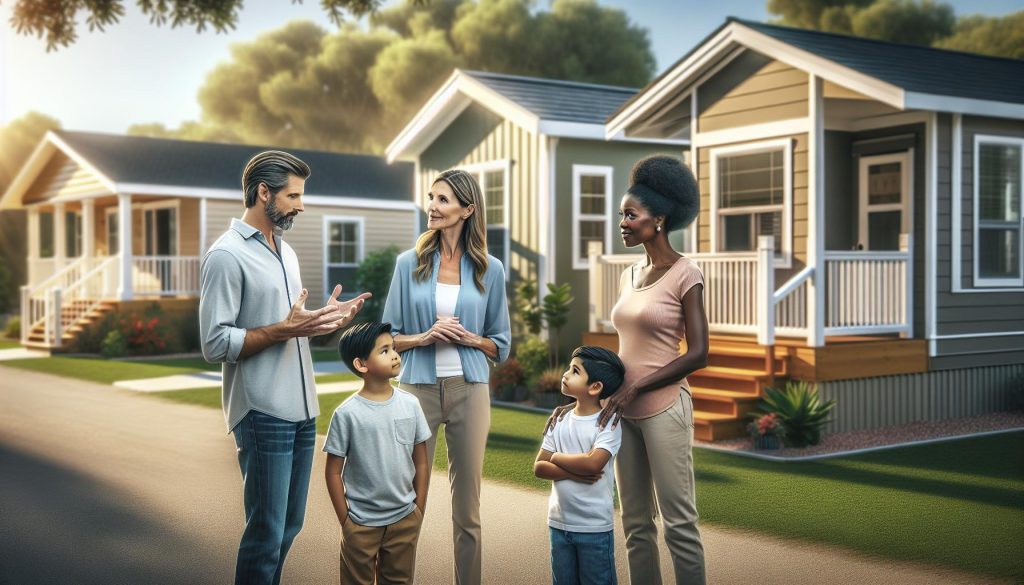
In today’s housing landscape, understanding the differences between manufactured homes and mobile homes is essential for anyone considering a purchase. Did you know that while both fall under the umbrella of factory-built housing, they are subject to different regulations and standards? This distinction can significantly affect financing, insurance, and long-term value. Whether you’re a first-time buyer, a current resident, or an investor, knowing these key facts empowers you to make informed decisions. As we delve into this topic, we’ll uncover important details that can help you navigate the complexities of manufactured housing, ensuring you understand your options and rights. Keep reading to explore how these two types of homes compare and what it means for your residential choices.
Understanding the Differences: Manufactured Homes vs. Mobile Homes
While many people use the terms “manufactured homes” and “mobile homes” interchangeably, there are distinct differences that set these two categories apart. Understanding these differences is crucial for prospective buyers, current homeowners, and investors alike. Manufactured homes, which are built to specific federal standards set by the U.S. Department of Housing and Urban Development (HUD), offer a modern alternative to traditional site-built homes, focusing on energy efficiency and design flexibility. In contrast, mobile homes, a term that generally refers to those built before HUD established stringent regulations in 1976, can often lack the same level of durability and construction standards.
One of the key characteristics that differentiate manufactured homes from mobile homes is their construction method and the regulations they adhere to. Manufactured homes are constructed in a factory and transported to the site in one or more units, which are then assembled on a permanent foundation. This process ensures that they meet strict building codes, enhancing their safety and longevity. Mobile homes, on the other hand, were built before these regulations were established and might not meet contemporary safety standards. This is significant for buyers considering long-term investment and resale value, as manufactured homes are generally considered a better investment due to their adherence to modern codes.
When considering housing options, it’s vital for individuals to evaluate their needs and preferences against the backdrop of these differences. Knowing their rights and potential legal considerations associated with each type, including zoning laws, land ownership implications, and local ordinances, will significantly influence their decision-making process. By choosing a manufactured home, buyers can often take advantage of better financing options and insurance coverage, as these homes tend to have a stronger market presence and are upheld by recognized regulatory practices, offering peace of mind for homeowners.
Key Characteristics of Manufactured Homes
Manufactured homes have emerged as a popular housing option due to their affordability, design flexibility, and contemporary building standards. One of the defining characteristics of manufactured homes is that they are built in a factory and transported to their site as a complete structure or in several sections. This construction method allows for consistent quality control and efficient use of materials, adhering strictly to federal building codes established by the U.S. Department of Housing and Urban Development (HUD). Unlike their predecessors, mobile homes-which were built before 1976 and often did not comply with modern safety and construction standards-manufactured homes must meet these regulations, ensuring higher levels of safety, durability, and energy efficiency.
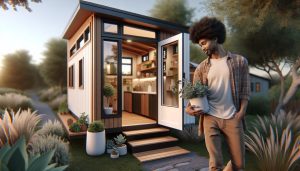
Another key characteristic of manufactured homes is their adaptability in design. Buyers can choose from various layouts, finishes, and features, allowing for a highly personalized living space. Many manufactured homes offer the option for customizations such as upgrades to appliances, energy-efficient windows, and even environmentally-friendly materials. This flexibility makes manufactured homes suitable for diverse lifestyles and family needs, from compact models for singles or couples to larger units suited for families. Additionally, they can be placed in a variety of settings, including rural lands, urban communities, or specialized manufactured home communities, which further enhances their appeal.
Financing options for manufactured homes are also worth highlighting. Many lenders recognize manufactured homes as viable properties, offering competitive loan options. Buyers may even find that certain types of manufactured homes can qualify for traditional mortgages, making them comparable to site-built homes in terms of financing. Insurance considerations are equally important, as modern manufactured homes often qualify for standard homeowners insurance policies, providing peace of mind for residents regarding damage or loss.
Overall, understanding the -from their construction methods and design options to their financing and insurance possibilities-can empower prospective buyers to make informed choices that align with their housing needs and preferences. This knowledge is essential for navigating the housing market effectively, whether one is a first-time buyer or an experienced investor looking to diversify their portfolio.
Key Characteristics of Mobile Homes
Mobile homes, often regarded with a certain stigma, actually embody a vast range of characteristics that can make them an appealing housing option. Primarily, they are typically single-structure units transported to a site, allowing for quicker placement compared to traditional homes. Built before 1976, these homes were not subject to strict federal regulations, making them distinct in construction and design from modern manufactured homes. Many older mobile homes feature smaller dimensions and simpler designs, reflecting the limited manufacturing capabilities of their time.
Key Features of Mobile Homes
- Affordability: One of the most attractive aspects of mobile homes is their lower cost compared to site-built homes. This makes them accessible for first-time buyers, retirees, or anyone looking to downsize without sacrificing quality and comfort.
- Mobility: True to their name, mobile homes can be relocated, although moving requires specific preparations and permits. This intrinsic mobility caters to individuals or families who value flexibility in their living arrangements.
- Variety of Styles: Mobile homes come in numerous styles and sizes, ranging from smaller single-wides to larger double-wides. Modern designs have evolved to include more aesthetically pleasing features, enabling better integration into various neighborhoods.
- Customization Options: Unlike older models, many newer mobile homes offer customization in floor plans and finishes. Homeowners can choose layouts that fit their lifestyle, such as open-concept designs or additional bedrooms.
Construction and Maintenance Considerations
Understanding the basics of construction and maintenance is essential for mobile home owners. Typically, their construction involves lightweight materials and materials designed for flexibility, which can make them susceptible to various environmental conditions. For effective maintenance:
- Regular Checks: Homeowners should routinely inspect for any signs of leaks or damage, particularly in areas where roofs meet walls.
- Foundation Stability: It’s important to ensure the home is properly anchored and leveled, which safeguards against shift during adverse weather conditions.
- Utility Management: Residents should also be knowledgeable about how to manage utility connections (water, electricity, propane) appropriately to avoid issues.
- Insurance Needs: Even though older mobile homes might not be eligible for standard homeowner’s insurance, many providers offer policies tailored for mobile home coverage, protecting personal belongings and the structure.
Mobile homes can present unique legal and zoning considerations, depending on the local regulations of the area where they are situated. Owners should investigate local zoning laws to ensure their mobile home complies with any rules governing placement, alterations, or additional structures.
In summary, mobile homes must be viewed for their potential benefits, whether cost-effective housing, practicality, or the opportunity for personal customization. Educating oneself on the characteristics and best practices for ownership can pave the way for a rewarding mobile home living experience.
How Are Manufactured Homes Built?
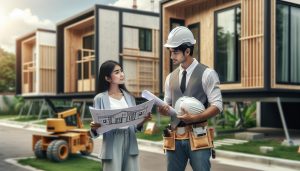
Manufactured homes are constructed in a highly controlled factory environment, adhering to strict federal and state standards. This process differs significantly from traditional home building, beginning with the selection of materials that are often more durable and sustainable than their site-built counterparts. Builders start by laying a solid foundation, which may include a steel frame or concrete blocks, providing stability and strength essential for transport and long-term habitation.
Following the foundation work, the construction of the home consists of assembling pre-constructed sections, which are built in the factory. These sections are crafted using a variety of materials, including wood, metal, and composite products. Energy efficiency is a hallmark of manufactured homes, often featuring insulation systems that exceed requirements, along with energy-efficient windows and appliances designed to minimize operational costs. The incorporation of technology, such as modern HVAC systems, highlights the progressive nature of today’s manufactured homes compared to older models.
Once assembled, manufactured homes undergo rigorous quality inspections to ensure safety and compliance with building codes before being transported to their final locations. Each unit is built with an emphasis on aesthetic appeal and functionality, offering a variety of floor plans and design options that cater to personal tastes and needs. For example, many manufactured homes come with customizable layouts that allow future homeowners to select the number of bedrooms, bathrooms, and even additional features such as energy-efficient skylights or upgraded kitchen appliances.
Finally, setting up a manufactured home involves more than just placing it on a lot; it requires careful attention to leveling, anchoring, and connecting utilities. Leveling the home is crucial to prevent structural issues, while proper anchoring safeguards the home against environmental factors, especially in areas prone to high winds or floods. Homeowners are encouraged to engage professional services for these tasks to ensure compliance with local zoning laws and building codes. Through this meticulous building approach, manufactured homes provide not only a stylish living solution but also a solid investment for prospective buyers across diverse markets.
The Historical Evolution of Mobile Homes
The journey of mobile homes reflects a fascinating evolution, rooted in necessity and adapting to technological advancements and changing societal needs. Originally, what we now recognize as mobile homes emerged in the early 20th century, providing a flexible housing option during a time of economic hardship and increased mobility. As the United States became more urbanized and the population grew, these homes offered an affordable alternative for many families seeking shelter.
By the mid-1900s, the industry saw significant transformations, with the introduction of streamlined assembly processes and improved materials. The post-World War II housing boom further accelerated the demand for mobile homes, as returning soldiers sought convenient and cost-effective housing. This era marked the birth of wider acceptance of mobile homes, given their ability to be moved easily, catering to a growing populace that valued mobility.
The integration of safety regulations in the 1970s represented a pivotal moment in the evolution of mobile homes. The establishment of the HUD Code in 1976 introduced stringent construction and safety standards, transitioning mobile homes into what are now classified as manufactured homes. This regulatory framework was designed to ensure higher quality and safety levels, addressing earlier concerns regarding the durability and structural integrity of these homes, along with their suitability for long-term living situations.
Today, the distinction between mobile homes and manufactured homes is clear, with the latter often recognized for their superior build quality and compliance with modern housing codes. The advances in design and technology have also revolutionized what these homes can offer. Today’s manufactured homes are not the flimsy structures of the past; they are designed with energy efficiency and modern aesthetics in mind, incorporating sustainable building practices and advanced materials that enhance durability and comfort. As a result, manufactured homes have gained a legitimate place within the housing market, appealing to a range of buyers seeking affordability, sustainability, and the flexibility of choosing their living environment.
Regulatory Standards for Manufactured Housing
Manufactured housing is subject to a stringent set of regulatory standards that ensure safety, durability, and compliance with health codes. This framework was largely shaped by the introduction of the HUD Code in 1976, which established the first comprehensive regulations for the design, construction, and installation of manufactured homes. The HUD Code mandates that all manufactured homes meet specific safety and structural standards, including requirements for wind and seismic resistance, fire safety measures, and thermal performance. These regulations have transformed the manufactured housing industry, ensuring that homes are built to withstand harsh weather conditions and provide safe environments for their occupants.
One of the significant aspects of the HUD Code is its emphasis on quality construction materials and techniques. Manufacturers must adhere to guidelines that ensure proper insulation, sturdy framing, and installation of essential utilities such as plumbing and electrical systems. This ensures that manufactured homes are not only livable but also comparable to traditional site-built homes. The standards encompass several critical areas, including:
- Structural Integrity: Homes must be built to withstand specific wind speeds depending on their location, and the foundations must be designed to support the home adequately.
- Energy Efficiency: Requirements for insulation and energy-efficient windows help lower utility costs and reduce environmental impact.
- Health and Safety: Regulations address issues like proper ventilation to prevent moisture buildup and mold growth, as well as fire safety standards.
Additionally, compliance with local zoning laws and building codes is necessary when installing a manufactured home. Local regulations may vary significantly, influencing how the home is placed on the lot, the types of modifications allowed, and adherence to any community-specific guidelines. Prospective buyers should always verify local standards to avoid future complications.
Understanding these regulatory standards is crucial for anyone considering purchasing or investing in a manufactured home. By knowing the safety and construction guidelines that homes are bound to follow, buyers can make informed decisions, ultimately leading to a more rewarding living experience.
Financing Options for Manufactured Homes
Financing a manufactured home can often seem complex, but understanding the available options can significantly simplify the process and make it more accessible for potential buyers. Unlike traditional site-built homes, manufactured homes come with their own set of financial considerations and lending practices that borrowers should familiarize themselves with.
When it comes to financing, prospective homeowners have several avenues to explore. One of the most common options is obtaining a mortgage specifically designed for manufactured homes, which may include both personal loans and real estate loans. Typically, if the manufactured home is permanently affixed to a foundation and the lot is owned, it can qualify for a traditional mortgage, often providing the best interest rates and terms. Conversely, if the home is not permanently affixed or the land is leased, buyers might need to look into personal loans, which typically have higher interest rates and shorter repayment terms.
Types of Loans Available
- FHA Loans: The Federal Housing Administration (FHA) insures loans for manufactured homes, allowing borrowers to benefit from lower down payments and more extensive credit options.
- VA Loans: For veterans and military personnel, VA loans can be a resource, as they do not require down payments and have competitive interest rates.
- Conventional Loans: These can be employed if the manufactured home meets specific criteria, including being built after 1976 and permanently affixed to a foundation.
Additionally, it’s crucial to compare different lenders to find the best terms, as rates and fees can vary significantly. Many manufactured home dealers also offer financing options, which can simplify the purchase process. However, these might not always present the most favorable conditions, so shoppers should proceed with caution and do their research.
Understanding your financial obligations is equally important. Prospective buyers should factor in costs beyond the mortgage payment, including insurance, property taxes, and maintenance. For those considering purchasing land along with the home, it’s wise to explore lot financing as an additional consideration.
Navigating financing for a manufactured home can initially feel daunting, but with proper research and understanding, buyers can unlock opportunities that fit their lifestyle and budget, making manufactured home living a practical and rewarding choice.
Insurance Considerations for Mobile Homes
When it comes to protecting your investment in a mobile home, understanding insurance considerations is critically important. Many believe that mobile homes have limited insurance options compared to traditional houses, but that is a misconception. Mobile homes can be insured through specialized policies tailored to their unique needs, ensuring you have the right coverage in place.
Homeowners insurance for mobile homes typically falls under a policy known as “manufactured home insurance,” which can cover physical damage due to perils such as fire, storms, theft, and vandalism. Additionally, these policies often include liability coverage, protecting you in the event someone is injured on your property. It’s essential to assess the value of your home and its contents, as insurance costs will vary based on factors such as location, age of the home, and chosen coverage levels.
Types of Coverage
When selecting insurance for a mobile home, consider the following types of coverage:
- Property Coverage: Covers damage to the home structure itself and the belongings inside from covered risks.
- Liability Coverage: Protects you against lawsuits if someone is injured on your property or if you accidentally damage someone else’s property.
- Replacement Cost Coverage: Ensures that in the event of a total loss, you can replace your mobile home and belongings at current market values.
- Comprehensive Personal Liability: Offers additional protection above the home insurance policy limits in case of severe claims.
Each policy comes with specific terms and conditions, so it’s wise to read the fine print and ask your insurance agent questions to clarify anything that may be confusing.
Factors Influencing Insurance Costs
Several factors can influence the cost of your mobile home insurance, such as:
- Location: Homes in areas prone to natural disasters like hurricanes or tornadoes may face higher premiums.
- Home Value: The higher the assessed value of the home, the more coverage you may need, thus increasing the cost.
- Age and Condition: Older mobile homes may be more costly to insure due to potential weaknesses in construction materials.
- Security Features: Homes with security systems or fire alarms may qualify for discounts, lowering overall premiums.
Taking the time to shop around and compare different insurance providers will help you find the best policy that meets your needs without breaking your budget. Remember, as an owner of a mobile home, having comprehensive insurance coverage not only secures your property but also provides peace of mind, allowing you to enjoy your home worry-free.
Buying a Manufactured Home: What You Need to Know
When considering the purchase of a manufactured home, it’s essential to approach the decision with careful planning and informed insights. Manufactured homes represent a significant investment and can provide a cost-effective and flexible housing solution. However, navigating the complexities of buying one involves understanding several critical factors.
First, research the various types of manufactured homes available on the market. Models vary widely in terms of design, size, and amenities. It’s crucial to evaluate your needs based on lifestyle, family size, and budget. Consider factors like floor plans, quality of construction, and energy efficiency ratings, as these will influence both your living experience and long-term maintenance costs. Visiting local dealerships or community displays can provide a tangible sense of the options available.
Financing a manufactured home can differ from other housing types. Many buyers may not realize that traditional mortgage loans are available for manufactured homes, though they often require that the home is located on a permanent foundation. Be prepared to explore various financing options, including loans backed by the FHA, VA, or USDA, which may offer favorable terms. Additionally, understanding your credit score and preparing a stable financial profile can help secure better rates.
Don’t overlook legal considerations when purchasing a manufactured home. Zoning laws and land use regulations will affect where you can place your home, especially if you plan to install it on private land. Investigate the specific requirements in your area, including whether the land is properly zoned for residential development and if there are any restrictions associated with manufactured home parks.
Finally, once you’ve made your purchase, the setup process is just as vital as the buying phase. Proper installation, which includes grounding, leveling, and anchoring, is essential for ensuring stability and safety. Familiarize yourself with local building codes and guidelines to ensure compliance. Long-term maintenance, such as checking for wear on seals and systems, can extend the life of your home and enhance its value.
Being well-informed and proactive during the buying process can lead to a satisfying experience and successful ownership of a manufactured home, offering a comfortable living environment that meets your needs.
Long-Term Maintenance Tips for Manufactured Homes
Maintaining a manufactured home involves understanding specific aspects that can prolong its lifespan and enhance your living experience. Regular upkeep is crucial not only for maintaining the appearance and functionality of your home but also for ensuring the safety and comfort of its inhabitants. One essential tip is to check and maintain the foundation regularly. Look for any signs of shifting or sagging, especially after heavy rain or during seasonal changes. Keeping your home level is vital; it helps to prevent structural issues and ensures that doors and windows open and close properly.
Another area to focus on is the roof. Manufactured homes often have different roofing materials than traditional homes, so it’s important to familiarize yourself with your specific roof type. Inspect for any visible damage, such as leaks or missing shingles. Cleaning gutters and downspouts regularly can also prevent water build-up, which is critical in avoiding leaks and water damage. Add a routine of checking and treating common issues like mold or algae growth, especially if you live in a humid environment.
Utility Maintenance
In regards to utilities, regularly inspect and maintain your plumbing, electrical, and HVAC systems. Doing so can prevent costly repairs in the long run. For plumbing, keep an eye out for leaks, especially under sinks and in bathrooms. Regularly check filters in your HVAC system and replace them as needed to maintain good air quality and reduce energy bills. If your home relies on propane or natural gas, ensure that these systems are also regularly serviced, maintaining safety standards at all times.
Exterior and Landscaping
Don’t forget about the outside of your home! Regularly inspect the skirting for damage or gaps that can allow pests to enter. Ensure that landscaping is well-kept to divert water away from your home and to aid in drainage during storms. Consider installing storm tie-downs if you’re in a hurricane-prone area. These provide extra security during severe weather, helping to anchor your home effectively and avoid damage.
By implementing these simple yet effective maintenance practices, you can ensure that your manufactured home remains a safe and comfortable place for years to come. Make a checklist to keep track of inspections and repairs, and don’t hesitate to consult professionals when uncertain about specific systems or repairs. With proactive maintenance, you can not only enhance your home’s longevity but also your overall quality of life in your manufactured home.
Renovating Your Mobile Home: Pros and Cons
Renovating a mobile home can be an exciting opportunity to personalize your living space, but it comes with its own set of advantages and challenges. Many homeowners are drawn to mobile home renovations because these homes can often be more affordable than traditional houses, making cosmetic upgrades accessible. With the right approach, renovations can significantly increase the value of your mobile home, improve functionality, and create a more appealing aesthetic.
One of the primary advantages of renovating a mobile home is the potential for customization. Owners can refresh interiors with modern designs, colors, and layouts to match their tastes. For example, replacing old cabinets or installing new flooring can revitalize the space. Additionally, many mobile homes have an open layout, which can be advantageous for creating a modern flow. Improvements such as adding energy-efficient appliances or upgrading insulation not only enhance comfort but can also lead to long-term savings on utility bills.
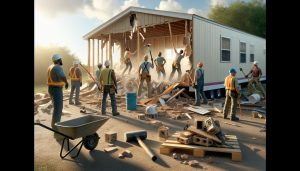
However, there are potential downsides to keep in mind. Renovations in mobile homes often have to adhere to specific codes and regulations, which can complicate the planning process. Owners may also encounter limitations regarding structural changes. Unlike standard homes, which can be more robust, mobile homes have unique construction methods that can restrict extensive modifications. For instance, if you’re contemplating expanding your living space, it’s crucial to ensure that the foundation can support the additional weight and design.
Cost is another consideration. While some renovations can be budget-friendly, others, such as reinforcing structures for stability or replacing plumbing and electrical systems, can become costly and require a professional contractor. It’s essential to develop a clear budget and plan before embarking on renovations, paying careful attention to which changes provide the best return on investment. Consulting with professionals who specialize in mobile homes can be an invaluable way to get informed and tailored guidance, helping you navigate the intricacies involved effectively.
In summary, renovating a mobile home can enhance both the enjoyment of living in it and its market value. By understanding the pros and cons, including potential regulatory challenges and financial implications, homeowners can make informed decisions that ensure their renovation projects are successful and satisfying.
Legal Considerations: Zoning and Property Ownership
Navigating the legal landscape of mobile and manufactured homes is crucial for potential buyers and current homeowners alike. One of the first considerations is zoning laws, which dictate where these types of homes can be placed. Many jurisdictions have specific regulations governing manufactured home placement, requiring them to be located in designated areas or communities. It’s vital to check local zoning regulations to ensure compliance, as placing a manufactured home in an unauthorized area can lead to fines or necessitate costly relocations.
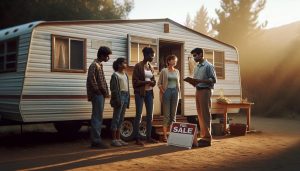
Understanding property ownership is equally important. While some manufactured homes are sold with the land they occupy, many are situated in mobile home parks where the land is leased. In this scenario, the lease agreements dictate not only the monthly costs involved but also the rules regarding the use of the space. Buyers should thoroughly review any lease documents and identify key factors such as lease length, community policies, and possible rent increases. Additionally, the ownership structure in a mobile home community might affect your rights regarding modifications, tenant responsibilities, and management interactions.
In terms of financing, it’s essential to differentiate between personal loans and mortgages. Some lenders may only offer personal loans for mobile homes as they are considered personal property rather than real estate. Conversely, if the manufactured home is permanently affixed to the land, it may qualify for traditional mortgage options. Understanding these distinctions can help homeowners make informed financial decisions that align with their long-term housing plans.
Finally, keeping abreast of any changes in local legislation regarding manufactured housing can protect owners’ rights and investments. Many regions are increasingly supportive of manufactured housing as a viable solution for affordable living. Staying connected with local housing authorities and advocacy groups can provide insights into emerging regulations and opportunities for enhancing community support for manufactured homes. By being proactive in understanding these legal considerations, current and prospective homeowners can ensure a smooth path to enjoying their living spaces.
Frequently asked questions
Q: What is the main difference between manufactured homes and mobile homes?
A: The main difference lies in their construction standards. Manufactured homes are built to federal standards set by HUD since 1976, while mobile homes were built before these regulations and do not meet current building codes. This often affects safety and durability.
Q: Are manufactured homes considered personal property or real estate?
A: Manufactured homes can be considered personal property or real estate, depending on how they are installed. If they are on a permanent foundation and meet local zoning laws, they are treated as real estate. Otherwise, they are classified as personal property.
Q: What are common financing options for buying a manufactured home?
A: Common financing options include traditional mortgages, FHA loans, and personal loans. It’s crucial to explore various lenders, as some specialize in manufactured home financing, potentially offering better terms and lower down payments.
Q: How do I determine the value of a manufactured home?
A: The value of a manufactured home is determined by factors such as age, condition, location, and the home’s features. Appraisals, local real estate sales, and specific manufactured home valuation guides can help assess its worth.
Q: Is insurance for manufactured homes different from traditional homes?
A: Yes, insurance for manufactured homes typically differs from traditional home insurance. It may require specific policies that cover the unique aspects of manufactured homes, including potential risks associated with mobility and placement.
Q: Can I renovate a manufactured home like a traditional home?
A: Yes, you can renovate a manufactured home, but modifications may need to comply with local regulations and the home’s structural limitations. Consult with professionals to ensure that renovations are feasible and safe.
Q: What are the zoning considerations for placing a manufactured home?
A: Zoning considerations include local laws regarding land use, minimum lot sizes, and restrictions on where manufactured homes can be installed. Always check local regulations before purchasing or placing a manufactured home.
Q: What maintenance is required for a manufactured home?
A: Regular maintenance for a manufactured home includes checking the foundation, roof, and plumbing systems, as well as routine inspections for leaks and pests. Following up with seasonal maintenance can ensure longevity and performance.
Future Outlook
Understanding the differences between manufactured homes and mobile homes can empower your decision-making process, whether you’re looking to purchase, invest, or simply learn more about this type of housing. If you’re intrigued by the efficiency and affordability they offer, why not take the next step? Explore our in-depth resources on the best financing options and essential maintenance tips to maximize your investment.
Don’t miss our comprehensive guides on mobile home placement, leveling, and utilities setup to ensure your dream home is prepared for any situation. To stay informed and engaged, subscribe to our newsletter for the latest insights and updates on manufactured housing.
Join the growing community of satisfied mobile home owners who enjoy the flexibility and benefits of this lifestyle. Have questions or experiences to share? Leave a comment below, and let’s discuss! Your journey to a smart housing solution starts here.