The mobile home park industry is booming, offering a unique blend of affordability and community living that appeals to many families and individuals. Creating your own mobile home park can be a rewarding venture, offering both a profitable investment and a chance to provide quality housing options for those seeking an alternative to traditional homeownership. However, navigating this landscape requires careful planning, knowledge of zoning laws, and an understanding of community management. Whether you’re a seasoned investor or exploring new business opportunities, this guide will equip you with essential steps and insights to turn your vision into a successful reality. Dive in as we explore the blueprint for startup success in the mobile home park industry, and discover how you can make a meaningful impact while achieving your financial goals.
How to Identify the Right Location for Your Mobile Home Park
Identifying the right location for your mobile home park is critical to the success of your investment. Location not only influences occupancy rates but also impacts the overall quality of life for future residents. A well-situated mobile home park can attract a diverse demographic, create a sense of community, and enhance the park’s long-term profitability. Begin by assessing areas with strong demand for affordable housing-urban fringe areas or regions experiencing population growth are often ideal starting points.
When evaluating potential sites, consider accessibility to essential services such as schools, hospitals, shopping, and public transportation. Proximity to employment opportunities is equally important; future residents will be attracted to parks that minimize their commute time. Additionally, evaluate the local zoning laws and regulations to ensure the land can be used for a mobile home park, as compliance with these regulations will dictate your site’s feasibility. A comprehensive market analysis can provide insights into the competitive landscape, enabling you to understand vacancy rates, rental prices, and demographic preferences.
Furthermore, assess the topography and the suitability of the land for mobile homes; level and well-drained sites tend to mitigate maintenance costs and enhance livability. Avoid areas prone to flooding or natural disasters unless you have specific mitigation plans in place. Finally, consider the potential for future expansion. A location with room for growth can provide additional revenue opportunities as demand increases, helping to secure the long-term viability of your investment. Balancing these factors will ensure you select a prime location that fulfills both regulatory requirements and residents’ needs.
Essential Steps for Acquiring Land and Permits
Acquiring land and permits is one of the most crucial steps in establishing a successful mobile home park. This process can often seem daunting due to the various legal, regulatory, and logistical elements involved, but with careful planning and a methodical approach, you can navigate these challenges effectively. Begin by conducting thorough research on potential sites. Understanding the zoning laws in your municipality is fundamental, as these regulations dictate whether your intended land use for a mobile home park is permissible. Researching local ordinances can save you time and money by ensuring you select a site that aligns with zoning requirements.
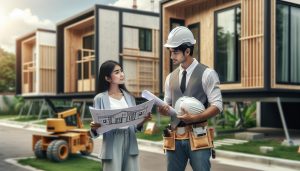
Once you have identified a suitable parcel of land, the next step is to secure the necessary permits. This typically includes obtaining a land use permit, which may necessitate a site plan review. Create a detailed plan that outlines how your mobile home park will be set up, including the number of lots, access roads, utility placements, and any common areas you plan to establish. Engaging with local planning boards early in the process can help you gather valuable feedback and increase the likelihood of your application being approved.
Also, consider the environmental assessments often required for construction projects. These assessments evaluate the potential impact of your park on local ecosystems, which is especially important if the land is near sensitive environments such as wetlands. Collaborating with an environmental consultant can provide the expertise needed to navigate these requirements effectively.
Lastly, it is advisable to seek legal counsel experienced in real estate to help ensure that all aspects of the acquisition process, from negotiating land prices to finalizing contracts, are handled properly. Their guidance can facilitate smooth transactions and safeguard your interests, allowing you to focus on the exciting opportunities ahead as you lay the groundwork for your mobile home park.
In summary, securing land and permits involves comprehensive research into zoning laws, meticulous planning, compliance with environmental regulations, and legal support. By undertaking these critical steps, you will position your mobile home park for success and build a foundation of solid, sustainable growth.
Designing Your Mobile Home Park Layout for Maximum Profitability
To create a highly profitable mobile home park, thoughtful design of the park’s layout is essential. The arrangement of homes, common areas, and facilities can significantly impact both resident satisfaction and financial returns. A well-planned layout not only maximizes space and usability but also enhances the overall appeal of your park, encouraging residents to stay longer and attracting new tenants.
Begin with a detailed site plan that incorporates the following elements:
Lot Size and Configuration
Determining the optimal size for each lot is crucial. Aim for a minimum of 30 to 40 feet in width to ensure safety and accessibility. Configuring lots in a grid or curved pattern can create a more visually appealing layout while improving traffic flow.
Road Access and Traffic Flow
Designate clear and wide access roads that allow for easy movement of resident vehicles and emergency services. Use one-way traffic patterns if possible to reduce congestion and enhance safety. Ensure that there are adequate turnarounds to prevent bottlenecks, especially in areas where larger vehicles, such as delivery trucks, may need access.
Common Areas and Amenities
Incorporating community spaces such as playgrounds, picnic areas, or even communal gardens can foster a sense of community among residents. These features not only improve the quality of life for your tenants but also enhance the value of your park. Consider creating space for amenities like a laundry facility or a clubhouse, which can be additional income sources and attract more residents.
Utility and Infrastructure Planning
Plan the locations of utilities such as water, electricity, and sewage disposal carefully. Position utility lines to minimize the distance from the main supply lines to each lot while ensuring that connections comply with local regulations. Additionally, provide adequate spacing for utility poles and other infrastructure to prevent interference with residents’ homes.
By strategically designing your mobile home park layout with these considerations in mind, you can enhance its appeal and functionality, leading to higher occupancy rates and increased profitability. A well-structured design lowers maintenance costs, maximizes the efficient use of land, and creates a thriving community that benefits both residents and owners alike.
Financing Options: Securing Funding for Your Mobile Home Park
Securing funding for your mobile home park is pivotal to transforming your vision into reality. Mobile home parks often require a significant initial investment, covering land acquisition, development costs, and essential amenities. Understanding the variety of financing options available can help you navigate this complex landscape and choose the best path for your needs.
Types of Financing Options
There are several avenues to explore when seeking funding for your mobile home park:
- Traditional Bank Loans: These loans are typically secured through local or national banks, offering lower interest rates for qualified borrowers. A solid business plan and financial projections can improve your chances of approval.
- SBA Loans: The Small Business Administration (SBA) provides various loan programs catering to small businesses, including mobile home parks. These loans often come with favorable loan terms and lower down payment requirements.
- Private Investors: Engaging with private investors or investment groups can be a viable option, especially for those who seek an alternative to traditional financing. Equity-sharing agreements often allow investors to gain a return on their investment through profit sharing or equity stakes.
- Real Estate Investment Trusts (REITs): Some investors may consider partnering with or obtaining funding from REITs that focus on manufactured housing. This partnership can provide substantial capital while also sharing the operational responsibility.
- Seller Financing: In cases where landowners are motivated to sell, they may offer seller financing, allowing you to pay the purchase price over time. This option can be advantageous if conventional financing proves difficult.
Strategies for Successful Funding
To increase your chances of securing funding, consider these strategies:
- Create a Solid Business Plan: A comprehensive business plan that outlines your vision for the park, expected occupancy rates, projected income, and detailed financial forecasts is crucial. This document not only serves as a roadmap for your business but also instills confidence in potential lenders.
- Build Relationships with Lenders: Establishing connections with local banks and credit unions can provide a sense of trust and facilitate smoother loan applications. Networking with professionals in the field may also yield valuable suggestions and contacts.
- Prepare for Due Diligence: Lenders will conduct thorough investigations into your financial history, credit score, and business viability. Having all documentation organized and easily accessible can streamline this process.
Navigating the various options for financing your mobile home park can be daunting, yet it opens doors to possibilities that align with your business goals. By understanding the landscape and taking proactive steps toward securing capital, you can set a strong foundation for a successful mobile home park venture.
Legal Considerations: Navigating Zoning and Regulations
Understanding the legal landscape is paramount for anyone embarking on the journey to create a mobile home park. Zoning laws and regulations can significantly impact your development process, affecting everything from land use to the types of structures allowed on your property. To ensure compliance and streamline your project, it’s essential to conduct thorough research on local regulations before acquiring land or submitting any applications.
To begin, contact the local zoning office to obtain information regarding zoning classifications relevant to mobile home parks. These classifications will determine where you can locate your park and any specific requirements or restrictions you must abide by. For instance, some areas may have strict density requirements or limit the number of homes per acre, while others may necessitate additional amenities like recreational facilities or playgrounds to promote community living. Engaging with zoning officials early can provide clarity and help identify potential hurdles.
In addition to zoning laws, you must also consider building codes and health regulations applicable to mobile home parks. These codes typically encompass structural integrity, sanitation, safety measures, and the installation of essential utilities such as water, electricity, and sewage systems. Ensuring your development complies with these regulations will aid in obtaining the necessary permits and licenses, which can include health department permits and occupancy permits.
It’s also wise to consult with a lawyer who specializes in real estate or property development to navigate this complex regulatory environment. They can help you draft appropriate agreements, such as leases and park rules, ensuring they align with local laws and protect your interests. Moreover, staying informed about state and federal regulations regarding tenant rights and property management will enhance your ability to foster a fair and supportive environment for residents.
By proactively addressing zoning and regulation considerations, you can mitigate legal risks and lay a strong foundation for your mobile home park, setting the stage for a thriving community that provides quality housing for residents.
Utilities Setup: Essential Infrastructure for Your Park
Establishing a reliable utility infrastructure is critical for the functionality and appeal of any mobile home park. Prospective residents will always look for the basic conveniences that ensure everyday comfort, making it essential to provide access to water, electricity, sewage, and waste management from the outset. A well-planned utilities setup not only enhances the livability of your park but also contributes to its attractiveness as a housing option.
When planning the utility infrastructure, start by assessing the local availability of essential services. You’ll want to engage with local providers for water and electricity to understand connection requirements and costs involved. In many cases, it is beneficial to secure bulk utility agreements that can offer lower rates for your residents. For sewage and waste disposal, ensuring connections to municipal systems is often the easiest route, but if that’s not feasible, investing in a septic system or a waste treatment facility designed for mobile home parks might be necessary.
Water Supply
Your water supply system must meet local health standards and provide reliable pressure, especially during peak usage times. Consider these factors when setting up your water system:
- Source: Identify if the park will use a well or municipal supply.
- Storage: Install storage tanks to ensure consistent water supply during outages.
- Distribution: Plan a grid system that minimizes plumbing issues and allows for easy maintenance.
Electricity and Power Systems
Electricity setup requires a balanced approach to meet the demands of modern appliances. Here’s how to proceed:
- Grid Connection: Collaborate with local utility companies to facilitate the installation of power lines throughout your park.
- Power Management: Implement smart metering systems to monitor energy usage and promote efficient practices among residents.
- Backup Systems: Consider generators or solar panel installations to provide backup power during outages.
Sewage and Waste Management
Proper sewage disposal is not just a regulatory requirement but a key factor affecting public health and resident satisfaction. Examine the following options:
- Municipal Sewage: If available, this is the best option for ease of management.
- Septic Systems: For areas without sewer lines, make sure to comply with state regulations regarding installation and maintenance.
- Waste Disposal: Create a plan for regular waste collection or offer communal dumpsters.
By focusing on a comprehensive and compliant utility infrastructure, you will not only enhance the living conditions within your mobile home park but also increase its potential for long-term success and resident retention.
Effective Marketing Strategies to Attract Residents
In the competitive landscape of mobile home parks, attracting residents requires a strategic approach to marketing that highlights the unique benefits of living in your community. Given the growing demand for affordable housing solutions, crafting an effective marketing strategy is crucial to positioning your park as a desirable choice for potential residents. Emphasizing the affordability, community spirit, and accessibility of your mobile home park can significantly enhance its appeal.
A well-designed website can serve as the cornerstone of your marketing efforts, providing essential information about your park’s features, available units, and application process. Optimize your website for SEO by using relevant keywords associated with mobile home living, such as “affordable housing,” “community living,” and “family-friendly.” Incorporate engaging visual content, like high-quality images and virtual tours, to give potential residents an immersive experience of what life in your park offers. Ensure that your website offers easy navigation and mobile compatibility to attract a wider audience.
Utilizing social media platforms allows you to engage with prospective residents on a more personal level. Create a presence on popular networks such as Facebook, Instagram, and TikTok, where you can showcase community events, resident testimonials, and local attractions. Regularly update your audience with posts that highlight the benefits of your park life, promote special offers, or share success stories of current residents. Engaging content encourages interaction and sharing, boosting your visibility and reach.
Local Partnerships and Outreach
Building relationships with local businesses and organizations can enhance your marketing efforts. Consider partnering with local real estate agents, housing authorities, or community services to promote your mobile home park as a viable and affordable housing option. Attend local community events or fairs to establish your presence and directly connect with potential residents. Offering referral bonuses to current residents for recommending new tenants can also create a word-of-mouth marketing strategy that is both personal and effective.
Promotional offers, such as discounted rents for the first month or incentive programs for long-term leases, can attract residents looking for affordability. Hosting open house events provides an opportunity for prospective tenants to tour your facilities, meet current residents, and experience the community atmosphere firsthand. These strategies not only showcase your park’s advantages but also foster a sense of community that resonates with potential inhabitants.
By implementing these effective marketing strategies, you’ll not only attract residents to your mobile home park but establish a thriving community that emphasizes the many benefits of mobile home living-a lifestyle that is increasingly recognized for its affordability, convenience, and community-minded approach.
Creating a Community: Building Resident Relationships
Creating a strong community within your mobile home park can significantly enhance the living experience for residents, fostering long-term relationships and improving the overall atmosphere. Genuinely connecting with residents goes beyond mere property management; it’s about cultivating an environment where people feel valued and supported. One effective approach is to engage residents in regular social activities that encourage interaction and collaboration. Organizing community events such as barbecues, holiday celebrations, or game nights provides opportunities for neighbors to meet, share interests, and develop friendships, thus enhancing the sense of belonging.
Regular communication is also crucial in building relationships. Consider establishing a monthly newsletter or an online community forum where residents can voice their opinions, share suggestions, and stay informed about park developments. Utilize digital communication tools to create a Facebook group or a WhatsApp chat for residents, which can serve as a platform for sharing local news, resources, and support among neighbors. This proactive approach allows residents to feel heard and valued, reinforcing their commitment to the community.
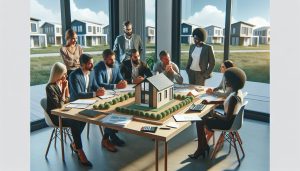
Establishing a resident committee can enhance engagement further. Such a committee can represent the interests of residents, working collaboratively with management to address concerns, plan events, and suggest improvements. This collaborative governance fosters an atmosphere of mutual respect and ownership, encouraging long-term investment in the welfare of the park.
To strengthen community ties, service-oriented initiatives like neighborhood clean-up days or community gardens can also encourage participation and pride among residents. These activities not only beautify the park but also create a shared purpose, allowing residents to work together towards common goals and build lasting friendships. By prioritizing community-building initiatives, you will not only enhance the quality of life within your mobile home park but also attract potential residents seeking a welcoming and supportive environment.
Maintenance Best Practices for Long-Term Success
Maintaining a mobile home park is crucial not only for the longevity of the homes but also for ensuring tenant satisfaction and maximizing profitability. A well-maintained park attracts and retains residents while reducing turnover and associated costs. Regular maintenance not only protects your investment but also enhances the overall quality of life for residents and fosters a sense of community.
To achieve long-term success, it’s essential to implement a robust maintenance plan that includes regular inspections, preventative measures, and responsive actions to issues as they arise. Start with clear maintenance schedules for common areas, such as landscaping, roadways, and utility services. For example, scheduling monthly inspections can catch minor issues before they escalate into costly repairs. Make a checklist that includes:
- Routine checks of roads and walkways for cracks or potholes.
- Regular maintenance of community facilities, including pools, playgrounds, and laundry areas.
- Seasonal landscaping and tree trimming to keep the park attractive and safe.
It’s also imperative to be proactive with utilities management. Regularly inspect water lines, electrical systems, and waste management facilities. Address any leaks or electrical issues immediately to prevent larger problems. Additionally, ensure that any infrastructure upgrades comply with local codes and standards.
Tenant communication is a cornerstone of effective maintenance. Establish a feedback system where residents can report maintenance issues easily, whether through a mobile app, a dedicated phone line, or a suggestion box. Quickly responding to reported issues not only resolves problems promptly but also demonstrates to residents that their concerns are valued, fostering trust and satisfaction.
Regularly scheduled training for maintenance staff can also streamline operations and improve service quality. Equip your team with the latest techniques and technologies in mobile home park maintenance, including landscaping, plumbing, and electrical work. The better equipped your staff is, the more effective and efficient they will be in maintaining the park.
Ultimately, the goal of maintenance is not only to protect the physical assets of your mobile home park but also to create a welcoming and safe environment for residents. By implementing these best practices, park owners can foster a thriving community that attracts long-term residents, ensuring both profitability and a positive living experience.
Insurance Needs for Mobile Home Park Owners
Navigating the insurance landscape is a crucial aspect of operating a mobile home park, as the right coverage not only protects your investment but also provides peace of mind for both you and your residents. Unique challenges, such as natural disasters and liability concerns, necessitate tailored insurance solutions that address the specific needs of mobile home communities. As an owner, understanding the spectrum of insurance options can significantly impact your park’s resilience and overall financial health.
Consider investing in comprehensive property insurance, which typically covers the physical structure of the homes and any common facilities within your park. This can include coverage for damages from fire, theft, vandalism, and severe weather events. Additionally, general liability insurance is essential for protecting yourself against claims related to accidents or injuries that may occur on your property. Without adequate liability coverage, you could face substantial out-of-pocket expenses should an incident occur.
To further enhance your insurance strategy, look into specialized mobile home park insurance policies that account for the unique aspects of manufactured housing. These often include liability protection for the entire park, coverage for landscaping and other amenities, and even loss of rental income due to unforeseen circumstances. Policies may also allow you to add endorsements that cater to specific needs, such as flood insurance if your area is prone to flooding.
In addition to understanding the types of coverage available, regularly reviewing and updating your insurance policy is vital to ensure it continues to meet your needs as your park grows or changes. Seeking guidance from an insurance professional who specializes in mobile home parks can provide invaluable insights and help you make informed decisions that protect both your assets and your residents’ well-being. By prioritizing the right insurance coverage, you lay a strong foundation for long-term success and stability within your mobile home park community.
Managing Your Mobile Home Park: Tips and Tools
Managing a mobile home park requires a blend of strategic planning, community engagement, and effective operational oversight. One key to success is leveraging technology to streamline management tasks, enabling you to focus on fostering a thriving community. Property management software can facilitate rent collection, maintenance requests, and resident communication, ensuring that operations run smoothly. It’s essential to choose a program that integrates various functionalities, including financial reporting and tenant screening, to minimize administrative burdens and enhance overall efficiency.
Engaging with residents is another crucial aspect of management. Regular communication can help create a strong sense of community while addressing tenant concerns proactively. Hosting community events or meetings can foster relationships among residents and management, leading to a more stable and satisfied tenant base. Implementing a feedback system, such as surveys or suggestion boxes, can also provide insights into resident needs and preferences, empowering you to make informed decisions that enhance community living.
Maintenance and Support
Routine maintenance is the backbone of a successful mobile home park. Establish a comprehensive maintenance plan that addresses common issues-like plumbing, electrical systems, and landscape care-before they escalate into larger problems. Summer storms or winter freezes can lead to unexpected expenses; therefore, it’s wise to conduct seasonal inspections and prepare your park for extreme weather conditions. For ongoing support, consider hiring a professional management team or maintenance crew specializing in mobile home parks, which can alleviate the workload while ensuring high standards are maintained.
Financial Oversight
Effective financial management is critical. Begin by developing a detailed budget that encompasses all aspects of park operations, from maintenance costs to utilities and marketing expenses. Regularly reviewing financial statements allows you to identify trends, forecast future income, and adjust your strategies accordingly. Consider exploring diverse income streams, such as offering additional services like laundry facilities or community events, which can enhance profitability while adding value for residents.
In navigating the complexities of mobile home park management, professional guidance can also be invaluable. Organizations that specialize in mobile home park management, such as Storz Management Co or Mobile Park Management, can offer resources and support tailored specifically to your needs, ensuring that you maintain high operational standards while focusing on the unique aspects of mobile home living.
Future-Proofing Your Investment: Trends and Opportunities
The mobile home park industry is not just resilient; it’s evolving to meet the changing needs of residents and investors alike. As affordability concerns mount in today’s housing market, mobile home parks present a viable solution for many families seeking stable living conditions without the burden of high mortgages or rent. To truly capitalize on this trend, it’s essential to be proactive about future-proofing your investment.
Embracing Emerging Technologies
One avenue to explore is the integration of smart technology into your mobile home park. Features like smart thermostats, energy-efficient lighting, and high-speed internet access are becoming increasingly attractive to prospective residents. Offering these amenities not only enhances the living experience but can also improve the park’s overall value. Additionally, adopting property management software can streamline operations from rental payments to maintenance requests, transforming your management practices and reducing overhead costs.
Understanding Demographic Shifts
As more people opt for flexible living arrangements, understanding demographic trends becomes crucial. Younger generations, such as millennials and Gen Z, are showing increased interest in manufactured housing, often prioritizing affordability and community over traditional homeownership paths. By tailoring your marketing strategies and park amenities to appeal to these demographics-such as creating communal spaces for activities and offering pet-friendly environments-you can attract a larger pool of potential residents.
Considering Environmental Sustainability
Sustainability is no longer just a trend; it’s a necessity. Parks that incorporate green practices-like solar energy, water conservation systems, and eco-friendly landscaping-will not only appeal to environmentally conscious residents but can also lead to significant long-term savings. Participation in sustainable initiatives may even offer tax incentives, further enhancing the financial health of the park.
Expanding Services for Revenue Diversification
Finally, consider diversifying your income streams. While traditional rent remains a staple, adding services such as laundry facilities, storage units, or recreational amenities can significantly boost profitability. Hosting community events or offering educational workshops can also strengthen resident ties and enhance your park’s community feel, fostering loyalty among tenants.
By staying attuned to market shifts and emphasizing innovation and community engagement, mobile home park owners can ensure their investments remain viable and continue to thrive in a competitive landscape.
FAQ
Q: What are the initial steps to take when starting a mobile home park?
A: The initial steps include conducting market research, identifying a suitable location, and understanding zoning regulations. It’s crucial to create a comprehensive business plan that outlines your vision, target market, and financial projections for sustainable growth.
Q: How can I effectively finance my mobile home park startup?
A: To finance your mobile home park, consider traditional loans, private investors, or government grants tailored to housing developments. Prepare a solid business plan and financial projections to attract funding and support your proposals.
Q: What are common pitfalls to avoid when creating a mobile home park?
A: Common pitfalls include neglecting market research, underestimating startup costs, and failing to maintain open communication with residents. It’s essential to understand legal requirements and local demand to ensure your park’s long-term success.
Q: How do I determine the best location for my mobile home park?
A: The best location is determined by assessing proximity to amenities, accessibility, local rental demand, and zoning laws. Consider neighborhood safety, school districts, and transportation options to maximize attractiveness to potential residents.
Q: What are the key legal requirements for starting a mobile home park?
A: Key legal requirements typically include obtaining necessary permits, adhering to zoning laws, and ensuring compliance with local health and safety regulations. Consulting with an attorney experienced in real estate can also help navigate these complexities.
Q: How can I ensure a successful marketing strategy for my mobile home park?
A: A successful marketing strategy involves utilizing online platforms, engaging in local community events, and partnering with real estate agents. Highlight your park’s unique features and benefits to attract potential residents effectively.
Q: What type of insurance do I need for a mobile home park?
A: Essential insurances include general liability, property insurance, and possibly flood insurance, depending on the location. Consult with an insurance agent familiar with mobile home parks to ensure comprehensive coverage tailored to your specific needs.
Q: How can I foster a strong community within my mobile home park?
A: To foster community, organize social events, create inclusive common spaces, and encourage resident participation in park decisions. Open communication and feedback mechanisms will help build trust and satisfaction among residents.
The Way Forward
In conclusion, embarking on the journey of creating a mobile home park is not only a viable investment opportunity but also a fulfilling way to contribute to affordable housing solutions. By following the insights and strategies outlined in “How to Create a Mobile Home Park: Startup Success Blueprint,” you are equipped to navigate critical aspects such as financing, legal requirements, and essential setup procedures. Don’t wait-take action today to start your path to success!
For more in-depth knowledge, explore our guides on financing options for mobile home parks and essential maintenance tips. Join our community for ongoing support and insights by signing up for our newsletter. Remember, your journey in mobile home ownership can lead to rewarding outcomes if you remain informed and proactive. Share your thoughts in the comments below, and let’s continue this conversation about sustainable housing solutions together!