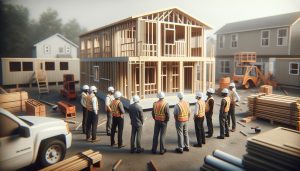
Are you dreaming of homeownership but feeling overwhelmed by rising property prices? Modular homes can offer a cost-effective solution, with prices ranging from $80 to $160 per square foot, compared to traditional homes which can go from $100 to $200 per square foot
Can I Afford a Modular Home? Understanding the Costs and Benefits
Owning a modular home can be an appealing choice for many, offering a blend of affordability and flexibility. With rising housing prices in many areas, modular homes present an opportunity for homeownership without the burden of overwhelming financial obligations. However, before diving in, it’s essential to assess your individual financial situation and understand what costs are involved.
One of the primary financial considerations is the total cost of ownership, which involves more than just the purchase price. You’ll need to account for basic expenses such as land, site preparation, and any additional features or upgrades. On average, manufactured homes can range from $50,000 to $100,000, but with customization, the price can significantly increase. Beyond the initial costs, ongoing expenses-like property taxes, insurance, utilities, and maintenance-must be factored into your budget.
As you evaluate your finances, a structured plan can help visualize your affordability. Creating a budget calculator specifically for modular homes allows you to break down each expense and see where your money will go. Begin by listing out estimated monthly payments for the mortgage, insurance, and utilities, along with any other recurring costs. This will provide a clearer picture of your financial landscape and allow you to understand whether a modular home fits within your financial goals.
In addition to tangible costs, it’s important to consider the benefits associated with modular living. Many buyers appreciate the customizability of modular homes, allowing personal taste and lifestyle needs to be integrated into the design. Furthermore, modular homes tend to be more energy-efficient than traditional homes, leading to potential savings on utility bills over time. With thoughtful planning and a comprehensive understanding of both costs and benefits, you can confidently navigate the journey toward owning a modular home.
Essential Factors Affecting Modular Home Pricing
When considering the purchase of a modular home, understanding the factors that influence pricing is crucial to making a well-informed decision. These homes, often perceived as more affordable alternatives to traditional site-built houses, have a pricing structure influenced by various elements that can significantly impact your overall budget.
One of the primary factors affecting modular home pricing is size and design. Modular homes are available in a wide range of sizes-from small models at around 600 square feet to spacious designs exceeding 2,000 square feet. The cost typically varies from $80 to $160 per square foot, which can be more cost-effective than traditional homes that range from $100 to $200 per square foot [1[1].
Another essential consideration is the cost of land and site preparation. If you do not already own a suitable lot, acquiring land will add to your total expenses. Site preparation costs can also vary based on geographic location, soil condition, and the need for utilities installation, which can range from $5 to $35 per square foot depending on local conditions and codes [3[3]. Understanding these specific costs is critical as they contribute significantly to the overall financial picture.
Lastly, it is vital to factor in shipping and installation costs, which are often separate from the home price. These fees can vary widely depending on the distance from the manufacturing facility to your site. Some builders may integrate delivery and setup into the overall price, while others may list it separately, so clarity in your discussions with the builder is essential. In essence, these factors create a multifaceted pricing landscape that necessitates careful budgeting and consideration to ensure that a modular home truly aligns with your financial goals.

Step-by-Step Budget Calculator for Modular Homes
Creating a budget for a modular home can feel daunting, but a structured approach can help you effectively navigate the financial landscape. Start by gathering all necessary information and data regarding your expected costs, which can provide clarity and peace of mind. A budget calculator can be your best friend in this process, allowing you to break down costs into manageable categories.
Begin by estimating the cost of your modular home. This typically ranges from $80 to $160 per square foot, depending on the size and design. As you conceptualize your layout, consider how many bedrooms, bathrooms, and additional spaces you would like, and how those choices might impact your budget. Don’t forget to include customization costs for upgrades that can enhance both the aesthetic and functionality of your home.
Next, factor in the cost of land. If you don’t already own a lot, research the average prices in your desired area. In addition to purchasing the land, think about site preparation expenses, which can vary significantly based on location and the physical characteristics of the land. This may involve clearing, grading, and utility installation, with costs potentially ranging from $5 to $35 per square foot.
Now consider shipping and installation costs. These fees can vary based on the distance the home must travel from the manufacturing site to your property. Be sure to clarify whether these costs are included in the quoted price of the home or if they will be billed separately.
Beyond these upfront costs, it’s essential to include ongoing expenses in your budget. Insurance, maintenance, and local property taxes should all be factored in. Maintaining your modular home may ultimately involve some additional costs that are necessary for keeping it in prime condition.
By gathering this information and laying it all out using a budget calculator, you can better assess whether a modular home is truly within your financial reach. This thorough preparation not only provides a clearer picture of immediate costs but also equips you with the knowledge needed for long-term financial planning in your modular home journey.
Common Financing Options for Modular Homes
Understanding the financing options available for modular homes is key to making informed decisions that align with your budget and long-term financial goals. Unlike traditional homes, modular homes often come with specialized financing options that cater to their unique characteristics. By exploring these avenues, prospective buyers can secure the right funding and ensure their home-buying experience is smooth and manageable.
One of the most common routes for financing a modular home is through traditional mortgage options. Lenders treat modular homes similarly to site-built homes, meaning you can often use conventional financing methods. However, it’s essential to ensure that the lender you choose is familiar with modular homes, as some may have specific requirements. In many cases, you will need a land loan if you haven’t purchased land already; this covers the cost of the plot where your home will sit, including site preparation like grading and utility installation.
Another financing option is a construction loan, which is particularly useful if you’re building your modular home from scratch. This type of loan typically covers the entire cost of construction in stages, allowing you to draw down funds as needed. Construction loans tend to have higher interest rates than traditional mortgages, but they can provide flexibility for custom builds and personalized layouts. Once your home is completed, you can often refinance into a conventional mortgage to take advantage of lower long-term rates.
For those without substantial down payments, there are specialized loan programs backed by governmental agencies, such as FHA and VA loans. FHA loans allow for lower down payments and are ideal for first-time homebuyers, while VA loans provide favorable terms for veterans and active-duty military members. These loans can make it easier to afford modular homes, enabling more buyers to take advantage of this housing option.
For prospective buyers looking to streamline their financing process, it’s wise to compare multiple lenders to find the most favorable rates and terms. Online platforms can simplify this process, providing side-by-side comparisons of interest rates, fees, and loan options. Consulting with a real estate agent experienced in modular homes can also provide insights into local financing programs and lenders who specialize in modular or manufactured home loans. By researching and exploring these various options, you can confidently pursue your dream of owning a modular home without overwhelming financial strain.
Understanding Your Credit Score Before Buying
Understanding your credit score is a crucial step when considering the purchase of a modular home. A high credit score not only opens the door to better financing options but can also lead to lower interest rates, potentially saving you thousands over the life of your loan. Many lenders evaluate your creditworthiness by looking at your credit score, normally ranging from 300 to 850. Here’s a deeper dive into how your score affects your modular home buying journey.
Why Credit Scores Matter
Lenders typically classify credit scores into categories: excellent (750+), good (700-749), fair (650-699), and poor (below 650). A higher score generally indicates to lenders that you are a responsible borrower, making them more likely to approve your loan application. Conversely, a lower score can result in higher interest rates or even loan denial. If you’re looking to finance a modular home, aim to improve your score to at least the “good” range to access better terms.
Improving Your Credit Score
If your credit score needs improvement, consider taking proactive steps to enhance it before applying for a mortgage. Here are some effective strategies:
- Pay Bills on Time: Late payments negatively impact your score. Set reminders or automate your payments to avoid missed deadlines.
- Reduce Debt: High credit utilization (the ratio of your credit card balances to credit limits) can harm your score. Aim to pay off outstanding debts and maintain balances below 30% of your available credit.
- Limit New Credit Inquiries: Avoid applying for new credit cards or loans within a short period, as each hard inquiry can temporarily lower your credit score.
- Review Your Credit Report: Regularly check your report for inaccuracies or fraudulent accounts. You can request a free report annually from the three major credit bureaus.
Understanding Your Lender’s Perspective
When evaluating your creditworthiness, lenders consider the entire picture. In addition to your credit score, they will review your income, employment history, and debt-to-income ratio. A stable income and low debt levels can mitigate some concerns about a lower credit score. If you’re uncertain about your credit situation, consider reaching out to a financial advisor or a mortgage broker who specializes in modular home financing. They can provide personalized advice and may help present your case more favorably to potential lenders.
By equipping yourself with knowledge about credit scores and taking actionable steps to improve yours, you position yourself as a more attractive borrower when seeking to finance a modular home. This foundational work not only helps secure favorable terms but also sets the stage for successful homeownership in the long run.
Insurance Considerations for Your Modular Home
When it comes to protecting your investment in a modular home, understanding insurance considerations is crucial. Unlike traditional homes, modular homes-though often indistinguishable in appearance-may face unique challenges in obtaining insurance. These residences are built in sections in a factory and then transported to a site for assembly, making their classification essential for coverage. Therefore, it’s significant to know which types of insurance policies will best safeguard your assets and your peace of mind.
Homeowners should typically seek a comprehensive homeowners insurance policy that covers the structure itself, personal belongings, liability for accident-related injuries, and any potential natural disaster damage. It’s important to clarify with your insurance agent whether your modular home is classified the same as conventional homes in your area, as this can affect your coverage options. Look for policies that specifically include coverage for factory-built homes, as not all standard homeowners insurance may encompass the specifics necessary for modular or manufactured houses.
Key Insurance Types for Modular Homes
- Hazard Insurance: This type of coverage protects your home from risks such as fire, theft, or natural disasters (depending on policy specifics).
- Liability Insurance: Important for protecting homeowners against claims of injury or property damage that occurs on your property.
- Replacement Cost Coverage: Consider policies that offer replacement cost rather than actual cash value, ensuring that you can replace damaged items without depreciation deductions.
- Flood and Earthquake Insurance: Depending on your location, consider additional coverage, as standard policies often exclude these peril types.
To further enhance your coverage, consider an umbrella policy that provides extended liability coverage. This can protect against large claims and lawsuits beyond the limits of your homeowners policy, offering broader protection for your home and your finances.
Finally, it’s wise to regularly review and update your policy to reflect any modifications or upgrades to your modular home. Keeping an updated inventory of your belongings, maintaining good documentation of any improvements, and ensuring you understand the nuances of your policy can make an enormous difference, especially in times of unexpected loss or damage. Being well-informed and proactive about your insurance can help ensure the long-term security and enjoyment of your modular home investment.
Legal Requirements and Permits for Modular Homes
Navigating the legal landscape surrounding modular homes can be daunting, but understanding the requirements and permits needed is essential for a smooth transition from purchase to occupancy. The regulations governing modular homes can vary significantly depending on the state and local jurisdiction, so it is crucial to research specific requirements in the area where you plan to buy or place your modular home.
Before you even break ground, you’ll likely need to secure several permits. These may include building permits, zoning permits, and possibly even environmental assessments, particularly if your site is near wetlands or in an area prone to natural disasters. Engaging with local land-use planners can provide clarity on what is required in your location. They can guide you through zoning regulations specific to modular homes, ensuring they meet local building codes and standards.
In most instances, modular homes are subject to the same building codes as site-built homes, which includes regulations concerning electrical, plumbing, and structural integrity. This means hiring qualified professionals for any modifications or installations is not just prudent but often legally required. Additionally, some neighborhoods may require special permits for placing a modular home, especially if it includes unique features or if it involves changes to the land’s use.
Moreover, it’s important to finalize your homeowner’s association (HOA) guidelines if applicable, as these can dictate design aesthetics and property usage in your community. Homeowners aiming for a modular home must be aware of the unique challenges associated with these dwellings, such as ensuring proper anchoring systems to stabilize the house against high winds or severe weather conditions.
Ultimately, staying informed and proactive about legal requirements is key to hassle-free living in a modular home. Taking the time to gather necessary permits and adhere to regulations not only secures your investment but also helps foster a safe and harmonious environment for yourself and your community.
Long-Term Maintenance Costs for Modular Home Owners
Owning a modular home presents a variety of financial considerations, particularly concerning long-term maintenance costs, which can often be overlooked during the purchase process. Unlike traditional homes, modular homes are constructed in a controlled environment and can be built to state and local building codes, yet they still require diligent upkeep to remain in optimal condition. Homeowners should be prepared for ongoing costs that ensure the longevity and functionality of their investment.
Here are some crucial areas where long-term maintenance costs may arise:
- Structural Maintenance: Regular inspections and maintenance of the home’s foundation, siding, and roof are essential. Modular homes often utilize specific anchoring systems, especially in areas prone to high winds or severe weather. This could involve replacing or maintaining tie-downs and ensuring the home remains properly leveled.
- Utilities and Systems: The plumbing, electrical, and HVAC systems are critical components that require routine checks. Over time, systems may need repairs or replacements, leading to unexpected expenses. It’s wise to budget for a reserve fund for these issues as they arise.
- Exterior and Landscaping: Just like any home, exterior maintenance is necessary. This includes keeping gutters clear, painting, and addressing landscaping needs, which can contribute to drainage and utility efficiency. Seasonal care for outdoor areas can further mitigate long-term costs.
- Appliance Upkeep: Modular homes come equipped with standard appliances that may require service or replacement over time. Factor in appliance repairs or upgrades as part of your long-term budget.
- Insurance: While not a maintenance cost per se, securing comprehensive homeowners insurance is crucial. This helps protect against potential damage caused by severe weather, accidents, or other unforeseen events, all of which can have high recovery costs if not mitigated through proper insurance.
To effectively manage these costs, developing a structured maintenance schedule can provide clarity and reduce surprise expenses. Consider creating a budget that allocates funds toward an annual maintenance fund. Also, keep in mind that investing in high-quality materials and appliances upfront can lead to lower long-term maintenance costs, making modular homes not only a practical choice but a financially savvy one as well. By understanding and managing these aspects of ownership, you can confidently navigate the responsibilities and rewards of living in a modular home.
Enhancing Value: Modular Home Renovation Tips
Investing in a modular home opens up an array of possibilities for customization and enhancement, ultimately allowing homeowners to increase their property value while enjoying their living space. Whether you’re looking to make minor upgrades or major renovations, understanding the right strategies can help you maximize your investment and elevate your home’s appeal.
One effective way to enhance your modular home is through interior updates. Consider repainting rooms with modern colors to freshen up the space or adding new flooring that complements the overall design. Upgrading light fixtures can also transform the atmosphere while improving energy efficiency. If you have an open floor plan, creating distinct areas with stylish furniture and decor can add character and functionality.
Another important area to focus on is the kitchen and bathrooms. These rooms often yield high returns on investment. Simple renovations, such as installing new countertops, cabinets, or energy-efficient appliances, can significantly boost the value of your home. Additionally, consider upgrading plumbing fixtures and lighting to create a cohesive, modern look that resonates with potential buyers.
Incorporating energy-efficient features can also increase your home’s appeal and lower utility costs. This includes installing solar panels, upgrading windows to double glazing, enhancing insulation, or investing in Energy Star-rated appliances. Such improvements not only make your home more sustainable but also attract a market that values eco-friendly living.
Lastly, don’t overlook the exterior of your modular home. Enhancements like a well-maintained landscape, repainting the exterior, or adding a deck can boost curb appeal and provide additional outdoor living space. Regular maintenance, including roofing and siding upkeep, is also crucial in maintaining your home’s exterior integrity, ensuring that your home remains attractive for years to come.
By strategically focusing on these areas, modular homeowners can enrich their living experience, support property values, and differentiate their homes in the marketplace.
Preparing for Extreme Weather: Safety Measures for Modular Homes
Extreme weather events such as hurricanes, tornadoes, and severe storms are becoming more frequent and unpredictable, making it essential for modular homeowners to implement safety measures that combine resilience with comfort. Modular homes, while designed to be sturdy and safe, can benefit from additional precautions to ensure safety and longevity throughout extreme conditions. Taking proactive steps can shield your investment and enhance your living experience.
Implementing Structural Reinforcements
One of the most critical steps to prepare your modular home for extreme weather is reinforcing its structure. Here are several strategies to consider:
- Anchor Systems: Utilizing storm tie-downs or anchors can significantly improve your home’s stability. These systems secure the home to its foundation, helping it withstand winds and storms.
- Wind-resistant Specifications: Ensure that your modular home is built to meet or exceed regional wind load requirements. Consult with your manufacturer or local builder for specifications that suit your area.
- Upgraded Roofing: Consider using impact-resistant shingles or metal roofing which provide better protection against strong winds and debris.
Preparing for Severe Weather Events
In addition to structural improvements, homeowners should create an emergency preparedness plan. This should include:
- Emergency Kit: Compile a kit containing essential supplies such as water, non-perishable food, flashlights, batteries, and first aid items.
- Evacuation Plan: Have a clear plan for evacuation, including a predetermined safe location and transportation arrangements.
- Weather Monitoring: Invest in a reliable weather monitoring system or app, ensuring you receive timely alerts for severe weather warnings.
Insurance and Financial Considerations
Finally, it’s crucial to review and understand your insurance coverage in the context of extreme weather. Standard homeowner policies may not cover certain types of extreme damage, especially in high-risk areas. It’s advisable to:
- Discuss Coverage: Speak to your insurance agent about specific coverage for natural disasters, including flooding and windstorm insurance.
- Document Your Property: Maintain an inventory of your belongings and document the condition of your home, which can facilitate claims in the event of damage.
By proactively reinforcing your modular home against extreme weather, preparing for emergencies, and ensuring robust insurance coverage, you can significantly enhance both the safety and longevity of your living space. Embracing these measures not only protects your investment but also fosters peace of mind for you and your family.
Navigating Property Valuation for Modular Homes
Understanding property valuation for modular homes is crucial for anyone considering purchasing or investing in this type of housing. Unlike traditional homes, the valuation of modular homes can vary significantly based on factors such as location, quality of construction, and market demand. By comprehensively grasping these elements, prospective buyers can make informed decisions and gauge their potential financial investment.
One significant factor that affects the valuation of a modular home is its quality and the reputation of the manufacturer. Homes that are built to higher standards, using durable materials, are likely to retain or appreciate in value more effectively than those constructed to lower standards. Buyers should prioritize modular homes that are certified by reputable industry organizations, as this can provide reassurance regarding quality and construction practices. Location is another critical component; modular homes situated in desirable neighborhoods or areas with strong market growth often command higher resale prices. Thus, geographical desirability can significantly influence overall value.
Another aspect to consider is how modular homes compare to traditional homes in terms of financing and insurance. Many lenders treat modular homes similarly to site-built homes in terms of loan eligibility, which positively impacts perceived value. Additionally, as modular homes become increasingly accepted within the housing market, their resale value tends to stabilize, making them a more attractive option for buyers concerned about long-term investment potential.
When navigating property valuation, it is advisable to conduct thorough research or consult a real estate professional experienced with modular homes. Buyers can leverage online resources like home valuation tools or comparative market analyses (CMA) to better understand local market trends. Taking these proactive steps not only aids potential buyers in determining the fair market value of a modular home but also instills confidence in their investment decisions, ensuring they are prepared to enter this evolving housing market successfully.
Success Stories: Real-Life Experiences of Modular Home Buyers
Many individuals and families are finding success with modular homes, which offer a practical solution to the pressing need for affordable housing. One couple from Florida decided to embrace the modular approach after struggling with high prices for traditional homes. They purchased a three-bedroom, two-bath modular home for less than $150,000. This decision not only provided them with a beautiful living space but also allowed them to save enough for vacations and future investments, showcasing how modular homes can enhance financial flexibility.
In another example, a single mother from Texas found herself overwhelmed by the housing market. After extensive research on modular options, she chose a well-reviewed manufacturer. The modular home provided her with energy-efficient features and lower monthly utility bills, something she had prioritized. Encouraged by the relatively quick construction and the ability to customize her space, she secured her home and now enjoys stability as well as a strong sense of community among her neighbors.
Modular living has also resonated with retirees seeking a downsized lifestyle. A couple in North Carolina transitioned to a modular home after selling their larger family residence. They were drawn to the lower maintenance requirements and customizable design options, which allowed them to adapt the space to meet their specific needs. They have since hosted family gatherings and have been pleasantly surprised by how well the home has retained its value, offering peace of mind for their retirement years.
As these stories illustrate, the journey towards modular homeownership is as diverse as the homes themselves. Prospective buyers can benefit from learning from others’ experiences, whether it’s gaining insights into financing options, understanding the importance of location, or realizing the long-term value of modular investments. In this evolving housing market, real-life success stories reaffirm that modular homes can indeed be a viable and rewarding choice for many lifestyle and financial circumstances.
Frequently Asked Questions
Q: What are the most affordable types of modular homes?
A: The most affordable types of modular homes are single-section homes and smaller models with floor plans under 1,000 square feet. Typically, these homes are more cost-effective due to lower material and labor costs. Consider exploring basic configurations and customizable options for better pricing within your budget.
Q: How much should I budget for site preparation before installing a modular home?
A: Site preparation costs typically range from $5,000 to $25,000, depending on factors like land grading, utilities installation, and foundation work. It’s crucial to include these expenses in your overall budget when planning your modular home purchase to ensure adequate financial readiness.
Q: Can I finance the land and modular home together?
A: Yes, you can finance both the land and the modular home together with a construction-to-permanent loan. This type of financing simplifies the process by covering both acquisition costs in one loan, making it easier to manage payments during the building phase and once the home is completed.
Q: What are the ongoing costs associated with owning a modular home?
A: Ongoing costs for modular home owners include utilities, property taxes, homeowners insurance, maintenance, and any homeowner association fees if applicable. It’s essential to factor these into your budget to understand the full financial commitment involved in owning a modular home.
Q: How will my credit score affect my modular home purchase?
A: Your credit score significantly impacts your financing options and interest rates. Generally, a score above 700 qualifies you for better loan terms. If your score is lower, consider improving it by paying down debt and ensuring timely payments before applying for a mortgage or loan for your modular home.
Q: What are common mistakes to avoid when budgeting for a modular home?
A: Common budgeting mistakes include underestimating installation and site preparation costs, neglecting ongoing maintenance expenses, and failing to account for land purchase or preparation expenses. Careful planning and using a comprehensive budget calculator can help avoid these pitfalls.
Q: How do I effectively use a modular home budget calculator?
A: To use a budget calculator effectively, input all known costs such as home price, site preparation, shipping fees, and utility connections. Include estimated monthly expenses such as mortgage payments and insurance premiums. This will provide a clearer picture of your financial readiness before making a purchase.
Q: Are there government programs available for modular home financing?
A: Yes, government programs like FHA loans and USDA loans can assist with lower down payment options for modular homes, particularly in rural areas. These programs often have favorable terms and can make homeownership more attainable, so it’s worth exploring these options when considering your budget.
Concluding Remarks
As you embark on your journey to determine if a modular home fits your budget, remember that the insights and tools provided in our budget calculator empower you to make informed decisions confidently. Modular homes offer unique benefits, from affordability to customization, and understanding your financial standing is a crucial first step. Don’t let uncertainties hold you back-take charge today!
For further guidance, explore our in-depth resources on financing options that can ease your purchasing process, and check out our articles on essential maintenance tips and setup procedures for your new home. If you’re curious about the long-term benefits of modular living, our comprehensive guide on mobile home valuation can provide valuable insights. Make sure to leave a comment or share your thoughts-your journey could inspire others!
Start exploring now and transform your dream of homeownership into a reality. Your ideal modular home awaits!