In today’s housing market, finding premium yet affordable homes under $300K can be a daunting task, especially with rising prices and limited options. However, modular homes present a unique solution, blending quality construction with customization possibilities to meet diverse needs. These homes offer the chance to enjoy spacious living environments and modern amenities without breaking the bank. Whether you’re a first-time buyer, looking to downsize, or hoping to invest in a rental property, understanding the various modular home options available can empower you to make informed decisions. Dive into this guide to discover how modular homes can provide not just a house, but a lasting home, while addressing your financial goals and lifestyle preferences. Your journey toward a beautiful and affordable living space starts here.
Exploring Affordable Modular Home Designs Under $300K

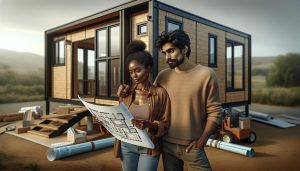
When considering a modular home under $300K, potential buyers are often surprised to discover the variety of designs and layouts available that combine affordability with modern aesthetics. Modular homes, built in sections and assembled on-site, can deliver quality and customization without the hefty price tag typically associated with traditional homes. With a focus on efficiency and sustainability, many manufacturers now offer floor plans that maximize space and enhance energy efficiency, ensuring that homebuyers get the best value for their investment.
- Open Concept Layouts: Many affordable modular homes feature open floor plans that foster a spacious feel. These designs often integrate living, dining, and kitchen areas, making them ideal for family gatherings and socializing.
- Energy Efficiency: Modular homes can come equipped with modern insulation and energy-efficient appliances. Buyers can explore options like solar panels and smart home technology to reduce long-term utility costs.
- Customization: With a variety of customizable features, buyers can select finishes, layouts, and even energy options to suit their personal preferences. Many builders offer packages that include upgraded countertops, flooring, and energy-efficient windows.
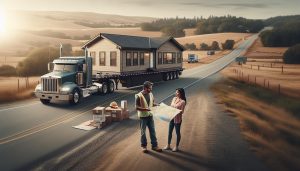
A key advantage of modular homes is their speed of construction. Most can be built in a matter of weeks rather than months, allowing families to move in sooner. Not only does this rapid build time help in meeting housing demands, but it also diminishes labor costs, which can contribute significantly to the overall affordability of the home.
In addition, modular homes are designed with future-proofing in mind-integrating designs that can accommodate changes in the buyer’s needs, such as expanding family sizes or lifestyle changes. For those seeking a sustainable yet stylish residence, exploring modular home options under $300K reveals numerous opportunities to build a comfortable, modern living space that truly feels like home.
Key Features of Premium Modular Homes
When considering premium modular homes under $300K, buyers will find a remarkable array of features that enhance both comfort and functionality. These homes are not only budget-friendly but are also designed with modern aesthetics, offering contemporary layouts and high-quality materials that can rival traditional homes. Unique advantages come with modular homes, including increased reliability and the ability to customize based on individual needs while ensuring affordability.
One standout element of premium modular homes is their energy efficiency. Many designs include superior insulation, energy-efficient windows, and options for renewable energy systems like solar panels. This focus on eco-friendliness not only reduces monthly utility costs but also supports sustainable living. With the right choices, homeowners can achieve significant savings while minimizing their environmental impact.
Additionally, customization options abound in the world of modular homes. Buyers can choose from an extensive range of layouts, finishes, and features to suit their personal style and functional needs. For instance, many builders offer options for upgraded cabinetry, countertops, and flooring, allowing for a tailored living experience. Smart home technology has also made its way into modular designs, providing enhanced convenience for lighting, heating, and security systems.
Another notable feature is the speed of construction. Modular homes can often be built and ready for occupancy in just a few weeks, significantly shorter than traditional homebuilding timelines. This efficiency not only meets the growing demand for housing but also cuts down on labor costs, ultimately making modular living an even more appealing option. Many families appreciate the quick turnaround, especially in a competitive real estate market where every week counts.
In terms of design versatility, modular homes frequently showcase open floor plans that promote a seamless flow between living spaces, enhancing the sense of openness and light. Features such as high ceilings and large windows further amplify this feeling, creating inviting and spacious interiors.
In summary, opting for a premium modular home under $300K means embracing a lifestyle that prioritizes efficiency, customization, and modern design. These homes are a testament to the fact that affordable housing can still provide luxury and comfort without compromising on quality or aesthetics.
Understanding the Costs: What to Expect

The journey into home ownership often raises questions about the financial commitment involved, especially when it comes to modular homes priced under $300K. One appealing aspect of these homes is their affordability compared to traditional construction, which is often plagued by escalating costs and extensive timelines. Understanding the potential expenses associated with modular homes is crucial to making an informed decision.
When considering the costs of a modular home, buyers should factor in several key components. The base price of the home is just the beginning; additional costs may include land purchase or lease, site preparation, foundation work, utility connections, and even permits. For instance, while a new modular home might be purchased for $250,000, the total investment could rise to $300,000 or more when accounting for these essential elements. It’s important to work with a knowledgeable builder who can provide a detailed breakdown of these costs upfront to avoid surprises later.
Financing Options
Exploring financing options is a crucial step in this process. Many lenders offer specific loans tailored to modular homes, which can have different requirements than traditional mortgages. Buyers should look for lenders that specialize in manufactured or modular home financing. Key choices include:
- Conventional Loans: Suitable for those with solid credit and a down payment, typically around 20%.
- FHA Loans: Backed by the Federal Housing Administration, these options require lower down payments and are more accessible for first-time buyers.
- VA Loans: Available for veterans, these loans offer competitive rates and often require no down payment.
Prospective buyers should also explore potential incentives or grants available in their area, which can significantly reduce initial costs.
Long-Term Considerations
Once you’ve navigated through purchasing and financing, it’s key to consider ongoing costs, such as home insurance, property taxes, and maintenance. Insurance rates for modular homes can vary, making it important to shop around. Additionally, having a budget for routine maintenance and unexpected repairs will help you maintain the home’s value over the years. Modular homes can also present unique challenges, such as securing them against extreme weather; investing in high-quality anchoring and tie-down systems is essential for longevity and safety.
In summary, understanding the costs associated with modular homes involves more than just their purchase price. From site preparation to financing options, being well-informed will empower buyers to select an affordable home that meets their needs while ensuring their investment is sound. Taking these steps can lead to a rewarding and sustainable modular living experience.
Comparing New vs. Used Modular Homes

The choice between new and used modular homes is a significant consideration for prospective buyers seeking affordable options under $300K. New modular homes often come equipped with the latest designs, energy-efficient materials, and warranties that cover potential defects. However, the price tag may reflect this modernization, making them a commitment that, while beneficial, may stretch a budget.
On the other hand, used modular homes can present a more economical alternative. They frequently come at a lower price point, allowing buyers the opportunity to invest in other areas, such as renovations or upgrades. However, it’s essential to conduct thorough inspections and review maintenance records to understand any hidden costs that might arise from wear and tear. Often, these homes might require renovations to meet current building codes or to upgrade outdated systems, such as plumbing or electrical.
When comparing the two, consider the following factors:
- Initial Cost: New homes tend to have higher upfront costs, while used homes often come with a lower sticker price.
- Condition and Age: A new home is move-in ready, while used ones may need repairs or updates.
- Financing Options: Some lenders offer favorable terms for new modular homes, while securing financing for used homes might be trickier, depending on their condition and age.
- Customization: New homes allow for greater customization, whereas used homes come with established layouts that may not meet your specific preferences.
Ultimately, the choice hinges on individual priorities. Buyers should weigh the benefits of modern amenities and warranties against the potential for cost savings and unique character in a used home. By assessing personal needs, long-term plans, and financial capabilities, you can make a well-informed decision on which path to pursue in your modular home journey.
Financing Options for Affordable Modular Living

Navigating the financing landscape for modular homes can feel daunting, especially when aiming to stay within a budget of $300K. However, understanding the various financing options available is crucial for making this eco-friendly housing choice a reality. Many potential homeowners may be surprised to learn that modular homes often qualify for conventional mortgage financing, similar to traditional houses, which is a significant advantage in securing funding.
Conventional Loans
Conventional loans are often the go-to option for many buyers. These loans typically require a down payment between 3% to 20% and can provide competitive interest rates. Lenders generally look for good credit scores and stable income, so preparing your financial documents is essential. Furthermore, ensure that the modular home meets local building codes and is classified as real estate, as this can affect the mortgage terms and eligibility.
FHA Loans
For those with lower credit scores or limited savings, FHA loans can be a viable alternative. Backed by the Federal Housing Administration, these loans allow for down payments as low as 3.5%. They cater to lower-income buyers, making them an excellent choice for many first-time homeowners. Make sure to understand the requirements, including mortgage insurance premiums, which can add to monthly costs but ultimately make homeownership more accessible.
VA and USDA Loans
Veterans and active military members may qualify for VA loans, which offer benefits like no down payment and no mortgage insurance requirements. Similarly, USDA loans support homebuyers in rural areas and provide 100% financing options for eligible properties. Both options present significant savings, making them attractive financing routes for qualifying buyers.
Personal Loans and Alternative Financing
While traditional mortgages are a common route, personal loans can also provide financing for purchasing a modular home. These loans often involve higher interest rates but allow for quick funding. Additionally, some modular home manufacturers offer in-house financing or partnerships with lenders to simplify the purchasing process. Buyers should compare these financing options meticulously to identify the best fit for their individual circumstances.
By educating themselves on the various financing avenues, prospective homeowners can confidently navigate the path to owning a modular home under $300K, combining affordability with sustainable living solutions.
Navigating Legalities in Modular Home Ownership
Understanding the legal landscape surrounding modular home ownership is essential for anyone navigating this increasingly popular housing option. Modular homes, while offering affordability and efficiency, come with specific considerations that buyers must be aware of. From understanding local zoning laws to ensuring compliance with building codes, familiarizing yourself with these legalities is crucial for both novice and experienced homeowners alike.
One of the first steps in the process is to check local zoning regulations. Different municipalities may have varying restrictions on where modular homes can be placed. This is particularly important if you’re considering purchasing land on which to place your home. Always verify that the land is zoned for modular homes and that there are no restrictions that would affect your living situation. Ensuring that your home meets all local building codes not only assures compliance but can also influence financing options, as many lenders require homes to be classified as real estate to qualify for conventional mortgages.
Another critical aspect is understanding the title and ownership structure of your modular home. Generally, modular homes can be classified as either personal property or real estate. When classified as personal property, the home may be subject to different financing terms and tax implications compared to those classified as real estate. Make sure to consult with a real estate attorney or a knowledgeable real estate agent who understands manufactured housing to clarify your home’s classification and navigate any necessary paperwork.
Once you’ve ensured compliance with zoning and classifications, consider the essential legal documents involved in the purchase. This includes detailed contracts from the manufacturer, which should outline warranties, delivery timelines, and maintenance responsibilities. Protecting your investment involves ensuring that you have clear agreements in place regarding the construction process, so you’re not left with unexpected costs or disappointments.
In terms of ongoing obligations, homeowners should also be aware of maintenance requirements and local ordinances that may dictate upkeep standards. For example, if you live in a hurricane-prone area, ensuring proper tie-downs and anchoring of your modular home could be mandated by local laws. Understanding your responsibilities can help create a safer living environment and avoid potential legal issues down the road.
By carefully navigating the legalities of modular home ownership, prospective buyers can not only secure their investment but also shape a comfortable and compliant living environment. Knowledge is power in this specialized market, and taking the time to understand these elements can lead to a more satisfying homeownership experience.
Essential Maintenance Tips for Longevity
Owning a modular home can be a rewarding experience, especially when proper maintenance is prioritized. These homes, often viewed as lesser alternatives to traditional houses, deserve consideration for their durability and value when well-cared for. By implementing proactive maintenance strategies, you not only extend the lifespan of your home but also enhance its aesthetic appeal and overall safety.
One of the first steps in ensuring longevity is conducting regular inspections, particularly after extreme weather events. Check the exterior, including the siding and roofing, for any signs of damage or wear. Pay close attention to seals around windows and doors; replacing worn or damaged weather stripping can prevent drafts and leaks. Moreover, visually inspect the foundation and underpinning for any cracks or shifting, as this could signify larger structural issues. If you reside in a region prone to storms, ensure that your home is anchored correctly according to local regulations. This is crucial for stability and safety during severe weather.
Seasonal Maintenance Checklist:
- Spring: Clean gutters and downspouts, inspect the roof for any damage, and ensure the landscaping is graded to direct water away from the foundation.
- Summer: Check for pests and inspect air conditioning systems. Consider power washing the exterior to remove mold and mildew.
- Fall: Prepare your home for winter by sealing cracks, checking insulation, and cleaning heating systems.
- Winter: Monitor roof load from snow and ice, inspect heat sources, and check for drafts around doors and windows.
Another vital aspect of care involves maintaining the home’s internal systems. Regularly check plumbing and electrical systems to avoid larger, more costly repairs in the future. Schedule annual inspections with professionals for both systems to ensure safety and reliability. Additionally, you should be vigilant about humidity levels; excessive moisture can lead to mold growth, particularly in a modular home where airflow might be limited.
As aesthetics are also a part of maintenance, consider periodic updates and renovations to keep your home modern and functional. Choose eco-friendly materials for any renovations you undertake, which not only improve the home’s value but also its energy efficiency. Simple upgrades can include new energy-efficient windows, insulating doors, or enhancing your kitchen with sustainable options. By taking these steps, your modular home can become a gateway to affordable living, merging style with sustainability and ensuring a worth investment in your future.
Creating Value: Renovation Ideas for Modular Homes
When it comes to enhancing the value of a modular home, thoughtful renovations can create a striking difference without breaking the bank. Modular homes, often perceived as more affordable housing options, can be transformed into stylish, efficient living spaces with the right upgrades. Focusing on areas that improve both function and aesthetic appeal not only boosts the home’s value but also enhances the living experience for the occupants.
One effective strategy involves upgrading the kitchen and bathrooms, which are crucial spaces that buyers often prioritize. Classically, these updates can include modernizing cabinetry, upgrading to energy-efficient appliances, or adding attractive fixtures and finishes. For instance, consider replacing laminate countertops with quartz or granite, which elevate the kitchen’s overall appearance and durability. Adding a fresh coat of paint in contemporary colors can also revitalize these areas, creating a more inviting ambiance.
In addition, consider enhancing energy efficiency, which appeals to environmentally conscious buyers. Simple changes such as installing new windows or adding insulation can significantly reduce energy bills while improving comfort. Selecting ENERGY STAR-rated products-especially for heating and cooling systems-will not only lower utility costs but also enhance the home’s marketability. Landscaping improvements can also contribute widely to curb appeal; implementing low-maintenance, drought-resistant plants can provide beauty without exorbitant upkeep, making the home attractive to potential buyers.
Lastly, utilize space wisely. Modular homes often have unique layouts, and customizing space for better usability can add significant value. This could involve creating an open-plan living area or converting underutilized spaces into functional rooms, such as a home office, gym, or additional storage. Innovative ideas like built-in shelving or multi-functional furniture can maximize space efficiency, turning the home into a more practical living environment.
By approaching renovations with a focus on modern aesthetics, energy efficiency, and functionality, owners can significantly increase the value of their modular homes while enjoying an enhanced quality of life. This investment not only affirms modular housing as a legitimate and desirable choice but paves the way for a sustainable living experience that is attractive to current and future buyers alike.
Insurance Considerations for Modular Homeowners
Navigating the insurance landscape for modular homes can be a complex task, yet understanding your options is imperative for safeguarding your investment. Many people are surprised to learn that modular homes, often categorized alongside traditional homes for insurance purposes, have unique considerations. Insuring a modular home typically involves evaluating specific features, such as the materials used in construction and how the home is affixed to its foundation.
Understanding Coverage Options
When seeking coverage for a modular home, it’s crucial to distinguish between “mobile home insurance” and “homeowners insurance.” Most insurance companies offer policies specifically tailored for modular homes, addressing the specific risks associated with them. Typically, these policies cover the following:
- Dwelling Coverage: Protects the structure of your home against damages from perils such as fire, theft, and vandalism.
- Personal Property Coverage: Insures possessions within your home, like furniture, appliances, and electronics.
- Liability Coverage: Offers protection against legal claims stemming from injuries or accidents occurring on your property.
- Additional Living Expenses: If your home becomes uninhabitable due to a covered event, this coverage helps pay for temporary housing.
Evaluating Specific Risks
Modular homes, while often constructed to high standards, can be particularly susceptible to specific regional hazards. For instance, in areas prone to hurricanes, ensuring that your insurance includes adequate windstorm coverage is vital. Furthermore, if your home is located in regions that experience flooding, considering a separate flood insurance policy may be necessary since standard housing policies generally do not cover flood damage.
In addition, explore options for comprehensive coverage that accounts for the distinct construction methods of modular homes. Be sure to verify if your insurance provider covers all necessary types of installations, such as tie-downs or piers, which can greatly affect a home’s insurability based on local building codes.
Finding the Right Insurance Provider
Locating an insurance provider that specializes in modular homes can save you both time and money. Engaging with brokers who have experience in this niche market can lead to tailored advice and exclusive policy options that address your specific needs. Each state’s regulations can vary significantly, so understanding the unique legal aspects of modular home ownership in your area is essential for obtaining the best insurance policy.
By prioritizing a thorough understanding of your modular home insurance needs and options, you can effectively protect your investment while enjoying the many benefits of affordable, premium living. Ensure that you regularly review your policy to account for any renovations or improvements made to your home, as these can influence your insurance needs and coverage levels.
Sustainable Living: Eco-Friendly Modular Options
Modular homes are increasingly recognized for their potential to provide sustainable living solutions, making them an exceptional choice for eco-conscious buyers under a $300K budget. These innovative dwellings offer various environmentally friendly options, from energy efficiency to sustainable materials, allowing homeowners to reduce their carbon footprint without sacrificing comfort.
One of the most significant eco-friendly features available in modular homes is energy efficiency. Many manufacturers now prioritize high-performance insulation, energy-efficient windows, and advanced HVAC systems that minimize energy consumption. For example, homes equipped with solar panels can significantly lower utility costs while utilizing renewable energy. Additionally, the incorporation of Energy Star-rated appliances can further enhance energy savings, ensuring that these homes operate efficiently throughout their lifespan.
Another important consideration is the use of sustainable materials in the construction process. Many modular home builders source materials from local suppliers to reduce transportation emissions and support the local economy. Eco-friendly options such as recycled steel, reclaimed wood, and low-VOC (volatile organic compounds) paints and finishes can create a healthier indoor environment while lowering environmental impact. Homebuyers looking for premium yet affordable modular options should inquire about these sustainable construction practices, as they add significant value and longevity to the home.
A vital step toward sustainable living involves proper water management within these homes. Features such as rainwater harvesting systems and irrigation strategies that utilize drought-resistant landscaping can greatly contribute to water conservation efforts. Homeowners can also install water-efficient fixtures like low-flow toilets and faucets to further reduce water usage, aligning with a sustainable lifestyle.
In summary, modular homes provide versatile and affordable pathways to eco-friendly living. By selecting energy-efficient designs, prioritizing sustainable materials, and implementing smart water use strategies, buyers can create a modular home that not only fits their budget but also champions sustainable practices and environmental responsibility. As the popularity of green building increases, investing in a modular home becomes a proactive step towards a sustainable future.
Maximizing Space: Smart Design Solutions
In the realm of modular homes, maximizing space is an essential strategy for creating a comfortable and functional living environment. With innovative design solutions, modular homes under $300K can effectively utilize every square foot, transforming compact areas into spacious retreats. The key lies in thoughtful layout planning and smart solutions that prioritize both aesthetic appeal and practicality.
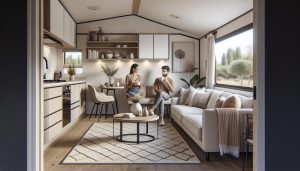
One effective approach is the use of open floor plans. By minimizing unnecessary walls, homeowners can significantly enhance the perception of space. This layout is ideal for modular homes, as it fosters a seamless flow between living, dining, and kitchen areas, making these spaces more inviting and multifunctional. Moreover, incorporating large windows and glass doors can create an airy atmosphere while allowing natural light to flood the interior, further enhancing the sense of openness.
Another smart space maximization technique is the integration of built-in furniture. For instance, utilizing wall beds, also known as Murphy beds, can transform a small room into a versatile guest space. Similarly, built-in shelves and storage solutions can minimize clutter while maximizing functionality. Custom cabinetry that goes up to the ceiling not only provides additional storage but also draws the eye upward, creating an illusion of height.
Effective organization is just as important as design. Homeowners should consider using vertical storage options, such as tall shelving units or pegboards, to make the most of wall space. Multifunctional furniture, like ottomans with storage or dining tables that expand, further adds utility without sacrificing style.
### Incorporating Smart Design Solutions
To further optimize your modular home, consider integrating these additional design elements:
- Sliding Doors: These save space compared to traditional swinging doors, allowing for more versatile furniture placement.
- Outdoor Living Areas: Extending your living space outdoors with decks or patio areas can enhance your home’s usability, especially in warm weather.
- Zone Designation: Use rugs and furniture arrangements to create distinct areas within open spaces, optimizing functionality without adding physical barriers.
Ultimately, maximizing space in a modular home is about creativity and thoughtful planning. By embracing open layouts, multi-use furniture, and smart storage solutions, homeowners can create a stylish and effective living space that meets their needs without the drawbacks of cramped quarters. This approach not only enhances livability but also adds substantial value to these premium affordable homes.
Real Estate Trends in Modular Home Market
The modular home market has gained remarkable traction in recent years, with a surge of interest from buyers looking for affordable yet quality housing under $300K. This trend is driven by a combination of rising home prices, the appeal of sustainable construction methods, and changing consumer preferences towards flexible living spaces. Modular homes are often viewed as a viable alternative to traditional homes, providing buyers with unique options that can be customized to fit their lifestyles.
One of the key trends shaping the modular home market is the increasing focus on sustainability and eco-friendly building practices. Many manufacturers are prioritizing energy-efficient designs and materials that reduce the environmental impact of construction. Features such as solar panels, high-quality insulation, and sustainable materials not only appeal to environmentally conscious buyers but also help to lower utility bills, making these homes even more attractive financially. With societal shifts towards green living, modular homes offer a practical solution that aligns with modern values.
Another notable trend is the rise of technology integration within modular designs. Smart home features like automated lighting, security systems, and energy monitoring are becoming standard in many modular models. This technological advancement caters to younger buyers who prioritize convenience and connectivity in their living environment. Moreover, the modular construction process itself employs advanced building technologies, leading to quicker turnaround times and less waste compared to conventional building methods.
As the modular market grows, financing options are becoming more widely available, making these homes accessible to a broader range of buyers. Several lenders are now offering specialized mortgage products tailored specifically for modular homes, recognizing their increasing legitimacy in the housing market. This shift reflects a growing acceptance of manufactured housing as a stable investment, which can be a change of mindset for many prospective homeowners.
In conclusion, the landscape of the modular home market under $300K is evolving rapidly, characterized by sustainable practices, technological integration, and enhanced financing options. As more people recognize the value of modular living, it’s becoming increasingly clear that these homes are not only a cost-effective alternative but also a smart choice for the future.
Frequently asked questions
Q: What are the best modular home options under $300K?
A: The best modular home options under $300K include single-story and two-story designs with modern amenities. Look for energy-efficient models and customizable floor plans from reputable manufacturers. Some popular choices feature open-concept layouts, 3-4 bedrooms, and sustainable building materials. Explore resources on affordable modular homes for detailed comparisons.
Q: How much space can I get for $300K in a modular home?
A: For $300K, you can typically obtain modular homes ranging from 1,200 to 2,000 square feet, depending on the design and features. Custom layouts may increase space utilization, making it possible to fit more amenities without sacrificing comfort. Consider designs that maximize vertical space and storage solutions.
Q: Are there eco-friendly modular homes available under $300K?
A: Yes, many manufacturers offer eco-friendly modular homes under $300K, featuring sustainable materials, energy-efficient systems, and designs that reduce environmental impact. Look for homes that meet ENERGY STAR® standards or include solar panel options, which can significantly lower utility costs. Check out sections on sustainable living within modular homes for more details.
Q: What financing options exist for modular homes under $300K?
A: Financing options for modular homes under $300K include conventional loans, FHA loans, and VA loans. Many lenders specialize in modular home financing, offering competitive rates and flexible terms. Exploring various lending programs can help you find the best fit for your financial situation and home buying needs.
Q: Are modular homes a good investment compared to traditional homes?
A: Modular homes can be a good investment, often valued similarly to traditional homes but at lower costs. They provide quicker construction times and can appreciate in value based on location and market trends. Assess local real estate conditions and potential resale values when considering this investment.
Q: What are the maintenance requirements for modular homes?
A: Modular homes require routine maintenance similar to traditional houses, including regular inspections of the foundation, roof, and plumbing systems. Scheduling seasonal maintenance checks can prolong the home’s lifespan and identify potential issues early. Refer to the maintenance tips section for essential upkeep advice.
Q: How do I customize a modular home to fit my needs?
A: Customizing a modular home involves choosing floor plans, finishes, and features that meet your personal preferences and lifestyle. Most manufacturers allow buyers to select layouts, materials, and colors, enabling you to create a tailored living space. Consult with builders to explore customization options effectively.
Q: Can I add onto a modular home in the future?
A: Yes, many modular homes are designed for easy expansion, allowing homeowners to add additional rooms or features in the future. Consult with your builder about structural options and local zoning regulations to ensure modifications align with your long-term plans.
In Conclusion
Finding the perfect modular home under $300K can transform your life, offering both affordability and the space you need. With numerous options available, including stylish designs and energy-efficient features, now is the ideal time to explore your choices. Don’t let hesitation hold you back-take the next steps in your home-buying journey today.
For the latest trends in modular living, check out our guides on financing your new home and essential setup procedures like leveling and anchoring. If you’re searching for more insights on property valuation or insurance considerations, we have expert resources just for you. Join our newsletter to stay updated on market trends and exclusive offers. Share your thoughts and questions in the comments below; we love hearing from our community! Embrace the possibilities of modular living-your dream home is only a decision away!