Purchasing a mobile home can be an empowering choice, providing flexibility and affordability in today’s housing market. However, first-time buyers often feel overwhelmed by the intricacies involved, from understanding financing options to navigating legal requirements. This roadmap aims to demystify the buying process, offering practical insights and step-by-step guidance tailored to your needs. Whether you’re seeking a cozy retreat or a full-time residence, knowing what to expect can alleviate stress and enhance your experience. Join us as we explore the essential steps to confidently embark on your journey toward mobile home ownership, ensuring you make informed decisions every step of the way.
Understanding the Mobile Home Market for Beginners
Mobile homes have become a viable and affordable housing option for many, appealing to a diverse audience including young families, retirees, and individuals seeking an economical lifestyle. Understanding the mobile home market is critical for new buyers who are considering this choice. Mobile homes, or manufactured homes, offer flexibility and lower costs but come with their own unique set of challenges. From navigating the purchase process to understanding the various regulations that govern mobile home living, potential owners must arm themselves with knowledge to make informed decisions.
When entering the mobile home market, it’s important to research various aspects such as location, community offerings, and financing options. The cost of mobile homes can vary significantly based on whether they are new or used, their size, and the amenities they offer. Additionally, the location plays a pivotal role in pricing; homes in desirable areas may command higher prices, while others in rural zones may be cheaper. Understanding local zoning laws and how they affect mobile home placements can also help buyers choose the right property.
Moreover, prospective owners should consider the long-term costs associated with mobile home ownership. These include not only the purchase price but also expenses related to lot rental (if applicable), maintenance, utilities, and insurance. It’s beneficial to connect with local mobile home communities to gather insights about living conditions, residents’ experiences, and available services. By taking these steps, first-time buyers can navigate the mobile home market with confidence and make decisions that best align with their financial and lifestyle goals.
Key Factors to Consider Before Buying
When considering the purchase of a mobile home, it’s essential to approach the decision with careful planning and thorough research. The unique aspects of mobile home living demand a nuanced understanding of various factors that influence the buying experience. Adequately evaluating these elements can considerably enhance your satisfaction and security in your new environment.
One of the first factors to assess is location. The significance of where your mobile home will be situated cannot be overstated. Proximity to key amenities, such as schools, healthcare facilities, shopping centers, and recreational areas, can impact your day-to-day life. Research local zoning laws, as they can dictate whether mobile homes are permitted within certain neighborhoods. Additionally, consider the landscape and climate of the area, especially if you reside in a region prone to natural disasters. For instance, in coastal areas, look for homes with strong storm ties and elevated foundations to ensure safety against hurricanes.
Another major consideration is the financing options available for mobile home purchases. Unlike traditional homes, mobile homes can be financed differently, which often includes personal loans or chattel loans rather than conventional mortgages. Investigate various lenders to find those that specialize in manufactured home loans, and compare interest rates, loan terms, and associated fees. Be aware that your credit score will play a crucial role in securing favorable financing terms.
Maintenance is also a crucial aspect of mobile home ownership. Understanding the unique maintenance needs of manufactured housing can prevent costly repairs down the line. Regular checks on your home’s anchoring system, the roof insulation, and any plumbing or electrical systems are essential. Mobile homes may require specific materials and contractors for repairs and renovations, so build a network of reliable professionals early on.
Additionally, while considering the purchase, delve into insurance options tailored specifically for mobile homes. Standard homeowners’ insurance often excludes unique risks associated with mobile homes, leading to potential coverage gaps. Seek out insurers experienced in mobile home policies, which can include protections for your home, personal belongings, liability, and specific perils like fire and theft.
In summary, a thoughtful approach to these key factors-location, financing, maintenance, and insurance-will help prospective buyers navigate the complexities of purchasing a mobile home. Empower yourself with knowledge and connect with seasoned residents and local experts, ensuring that you make an informed decision that aligns with your lifestyle and financial goals.
Financing Your Mobile Home Purchase
Financing a mobile home can be a different process compared to conventional home purchases, but it offers various viable options that cater to every buyer’s unique financial situation. One of the first things to understand is that mobile homes are often classified as personal property rather than real estate, affecting how they can be financed. The most common financing routes include chattel loans, personal loans, and government programs.
Understanding Your Financing Options
- Chattel Loans: These are specifically designed for mobile homes that are not permanently attached to the land. They usually come with higher interest rates than standard mortgages but offer affordable monthly payments and terms ranging from 10 to 25 years.
- Personal Loans: If your credit score is strong, you might be able to obtain a personal loan. This option can be beneficial if you plan to buy land along with the mobile home, as it allows flexibility in using the funds.
- FHA and VA Loans: For buyers planning to place their mobile homes on owned land, loans backed by the Federal Housing Administration (FHA) or Veterans Affairs (VA) may be available. These typically offer lower interest rates and minimal down payments.
Additionally, when seeking financing, it’s crucial to compare rates and terms from various lenders, including local banks, credit unions, and specialized mobile home loan providers. By checking and prequalifying with multiple institutions, buyers can identify favorable conditions that suit their financial landscape.
The Importance of Credit and Down Payment
Your credit score plays a pivotal role in securing financing for your mobile home. Lenders typically consider a score of 620 as the minimum requirement for chattel loans, while better rates are available for those with scores above 740. To enhance your chances of approval, start by checking your credit report and addressing any discrepancies before applying.
Another significant aspect of financing is the down payment. While traditional homes might require a substantial deposit, many mobile home loans have lower upfront costs, often ranging from 5% to 20%. However, the exact amount can vary significantly based on the lender and the individual loan program. Planning ahead for this expense can ease the financing process, making the journey to mobile home ownership smoother.
In conclusion, navigating the financing landscape for a mobile home involves understanding your options, evaluating your credit health, and preparing for a reasonable down payment. With these components in mind, prospective buyers not only secure their dream home but also lay a stable foundation for financial wellness in their new living space.
Navigating Insurance Options for Mobile Homes
When investing in a mobile home, understanding the nuances of insurance is as crucial as securing the right financing. Unlike traditional home insurance, mobile home insurance policies recognize the unique characteristics and risks associated with manufactured housing. Mobile homes, whether they are parked in mobile home parks or on private land, may face specific challenges-including potential storm damage, theft, or liability claims-that need tailored coverage.
A comprehensive mobile home insurance policy typically includes the following elements:
- Dwelling Coverage: This protects your mobile home structure against perils such as fire, windstorms, and vandalism. It’s essential to choose a policy that covers replacement costs rather than actual cash value, as the latter deducts depreciation from the settlement.
- Personal Property Protection: This coverage safeguards your belongings inside the mobile home, including furniture, appliances, and personal items, against similar perils.
- Liability Protection: If someone is injured on your property or if you accidentally damage someone else’s property, liability protection covers legal expenses and medical costs.
- Additional Living Expenses: If your home is uninhabitable due to a covered loss, this coverage helps pay for temporary housing and related expenses.
Choosing the right insurance provider is critical. Companies like Allstate, Liberty Mutual, and USAA offer tailored policies for mobile home owners. For example, Allstate emphasizes financial protection for the home and belongings against various events like fires and storms, while Liberty Mutual allows you to customize your coverage based on your needs, potentially saving you money if you only pay for what you actually require [[1]](https://www.allstate.com/mobile-home-insurance) [[2]](https://www.libertymutual.com/property/mobile-home-insurance) [[3]](https://www.usaa.com/insurance/property/mobile-home).
As you navigate the insurance landscape, consider the specific risks associated with your location, such as flood zones or hurricane-prone areas. Some insurers may offer additional coverage options, like protection against flooding or earthquake damage, which may be vital based on where you live. Always compare quotes and policy details from multiple carriers to find the best coverage and rates that fit your needs. Ensuring that your mobile home is adequately insured not only protects your investment but also provides peace of mind, allowing you to enjoy your new home with confidence.
Legal Considerations in Mobile Home Ownership
Navigating the legal landscape of mobile home ownership can feel daunting, but understanding your rights and responsibilities is fundamental to a successful living experience. One of the first steps in this process is to familiarize yourself with the distinction between a mobile home and real property. Mobile homes can be classified as personal property (often referred to as personalty) or real property (realty), depending on how they are affixed to land. This classification significantly impacts taxation, financing options, and insurance coverage. For instance, if your mobile home is permanently attached to land you own, it may be treated as real estate, making it eligible for traditional mortgage financing, which can often offer lower interest rates compared to personal loans.
Understanding Zoning Laws and Regulations
In addition to classifications, local zoning laws play a critical role in mobile home ownership. These regulations dictate where mobile homes can be placed and whether they comply with building codes and land use rules. Before purchasing a mobile home, it’s essential to check with local authorities regarding zoning restrictions in your desired area. For instance, some neighborhoods may prohibit the installation of mobile homes, while others may have specific standards for the types and sizes permitted. This research helps avoid potential legal issues and ensures that your mobile home investment remains secure.
Tenancy vs. Ownership: Rights and Responsibilities
Should you choose to place your mobile home in a mobile home park, understanding the terms of the lease agreement is vital. Often these agreements will include rules about maintenance, access to communal areas, and procedures for terminating your tenancy. Make sure to read and comprehend the lease thoroughly; being aware of your rights-such as the right to a peaceful living environment and the right to receive proper notice before any fee increases-can empower you to advocate for yourself effectively. Additionally, ensure clarity on who is responsible for maintenance and repairs in communal areas versus your own space.
Property Taxes and Title Transfer
Another crucial legal aspect is managing property taxes and ensuring the mobile home’s title is clear and transferable. Depending on your state or local jurisdiction, mobile homes may be subject to personal property tax rather than real estate tax. Keeping up with these payments prevents liens on your property. When buying or selling a mobile home, you must also transfer the title through your state’s department of motor vehicles or equivalent authority. Failure to manage these titles correctly can lead to additional legal complications, including liabilities for the previous owner’s debts.
Understanding these essential legal considerations equips you with the necessary knowledge to confidently navigate the mobile home market. By being informed about your rights, responsibilities, and local laws, you can make well-informed decisions that contribute to a positive and lawful mobile home living experience.
Assessing Property Values and Market Trends
The mobile home market presents a distinct set of opportunities and challenges for potential buyers, making it essential to analyze property values and market trends before making a purchase. Understanding the dynamics that affect mobile home values can not only help in making a sound investment but also provide insights into the long-term viability of mobile home ownership. In many regions, mobile homes have gained acceptance as a viable form of housing, often at a significantly lower cost compared to traditional homes, thereby making them an appealing option for budget-conscious buyers.
To effectively assess property values in this sector, consider the following factors:
- Location: Just as with traditional real estate, the location of a mobile home significantly impacts its value. Properties situated in desirable neighborhoods with strong schools, amenities, and low crime rates generally boast higher values. Research local zoning laws and community plans that may affect future development and desirability.
- Market Trends: Keep an eye on trends in the mobile home market, such as average sales prices, inventory levels, and the duration homes typically stay on the market. Websites like Zillow or Realtor.com can provide valuable data on comparable sales, allowing you to gauge a fair price.
- Condition and Age: The condition of a mobile home plays a crucial role in its value. Newer models with modern amenities tend to appreciate better than older units. Consider the costs involved in renovations or repairs, as well as the potential for future appreciation based on the home’s structural integrity and style.
- Land Ownership vs. Renting Space: If you plan to purchase a mobile home and place it on rented land, be mindful that not owning the land can impact your property value. Homes on rented lots can be less appealing to buyers in the future and might decrease in market value over time.
It’s also important to compare similar mobile homes in your area for more precise valuation. Tracking sales data from similar properties can provide a realistic picture of what you might expect to pay. Engaging with local real estate agents who specialize in mobile homes can yield insider knowledge about upcoming market trends and neighborhood dynamics.
Ultimately, investing time in assessing these property values and trends equips you with the confidence to make informed decisions in the mobile home market. By understanding these key factors, you ensure that your choice not only meets your immediate living needs but also serves as a solid long-term investment.
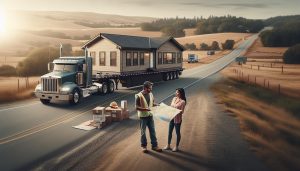
Essential Steps for Moving a Mobile Home
Moving a mobile home can be both exciting and challenging, requiring careful planning and execution. One crucial fact to recognize is that mobile homes are designed to be relocatable, meaning that with the right approach, you can successfully move your home to a new location without compromising its integrity or value. The process involves several steps to ensure that your mobile home is safely transported and properly set up in its new environment.
First, you need to prepare your mobile home for the move. This begins by decluttering the interior and securing any loose items that could damage the home during transportation. Check with your local regulations for any permits required for the move, as laws vary by location. A professional moving company that specializes in mobile homes will typically handle the heavy lifting, but it’s wise to verify that they have the necessary equipment and expertise.
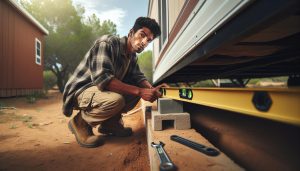
Once the logistical aspects are set, you will need to consider the site preparation at the new location. This includes ensuring that the land is properly leveled to prevent future structural issues. Mobile homes must be anchored to the ground to resist wind and shifting; therefore, it’s essential to use tie-downs and stabilizing blocks. Additionally, you will need to connect utilities such as water, electricity, and sewer or septic systems, making it important to verify accessibility and local service availability ahead of time.
Finally, once the mobile home is positioned and connected, conducting a thorough inspection is vital. Check for any damages that may have occurred during the move and ensure all systems are functioning correctly. Establishing a maintenance routine immediately after moving can help maintain your unit’s integrity. Follow-up tasks, like landscaping around the home and setting up outdoor utilities, can turn your new space into a welcoming environment that enhances your new mobile living experience, making the transition smooth and enjoyable.
Setting Up Utilities and Services Effectively
Setting up utilities and services in your new mobile home is a critical step in transforming your house into a comfortable, functional living space. Proper installation of utilities such as water, electricity, and sewage will not only ensure that you can enjoy amenities right away but also contribute to the longevity and efficiency of your home. Whether you’re moving into a brand-new mobile home or an older model, understanding the process can help you avoid common pitfalls and streamline your transition.
The first step in establishing utilities is to contact local service providers to organize the connections needed. It’s advisable to start by reaching out to the local water company, electricity supplier, and gas provider (if applicable). In many cases, you can initiate services online or over the phone. Be sure to have your new address, existing meter numbers, and identification ready to speed up the process. It’s worth noting that some mobile home parks may include certain utilities in the rent, so always check what is provided.
Water and Sewage Connections
Begin by ensuring that your mobile home is in a suitable location for water and sewage connections. If it’s a site-permanent unit, you’ll likely need to extend water lines and install a sewer line or arrange for a septic tank. Ensure that these connections comply with local building codes, as regulations can vary significantly. It is often beneficial to hire a licensed plumber who is familiar with mobile home requirements to make these connections, ensuring they are up to the required standards and avoiding any costly mistakes.
Electricity Setup
When it comes to electricity, check that your mobile home is equipped with an electrical panel rated for the size of your home. If your home is newly placed, it should already have power supply connections, but make sure to verify that they are in working order. You might need an electrician to perform a safety inspection or upgrade any old wiring. If the home isn’t new, consider investing in a thorough electrical inspection as older systems can be less efficient and present safety hazards.
Gas Services
If your mobile home uses propane or natural gas for heating and cooking, arrange for a gas service company to connect the gas lines. Always use a qualified technician to handle gas lines as improper installation can pose serious safety risks. Prioritize safety checks for leaks and ensure all appliances are compatible with the gas supply.
Internet and Cable Services
In today’s digital age, having a reliable internet connection is often just as important as water or electricity. Many providers offer cable and internet services specifically tailored for mobile home setups. Contact your preferred cable company to discover the best options available in your area. Consider options like satellite internet if traditional wiring isn’t available, ensuring you have access to the connectivity needed for work or leisure.
Establishing utilities is a foundational step that can significantly enhance your mobile living experience. Take the time to research and contact service providers ahead of time, ensuring you are prepared for the arrival of your new home. A well-planned setup process not only saves time but also helps create a harmonious and comfortable living atmosphere that can be enjoyed for years to come.
Mastering Mobile Home Maintenance Techniques
To maintain a mobile home effectively, it’s essential to adopt proactive strategies that ensure longevity and comfort within your living space. A well-maintained mobile home not only enhances your quality of life but also preserves its value over time. Whether you’re a first-time buyer or have years of experience in mobile home ownership, mastering maintenance techniques will empower you to tackle common problems and make informed decisions.
Regular inspections should be a priority. Start by checking the exterior for any signs of damage or wear. This includes the roof, siding, and foundational skirting. Look for cracks, rust, or missing shingles, as these can lead to more severe issues down the road. Pay particular attention to seals around windows and doors; gaps can result in energy loss and increased utility bills.
Routine Maintenance Tasks
Establishing a regular maintenance schedule can help streamline the care of your mobile home. Here are some essential tasks to include:
- Inspect the Roof: Conduct an annual roof inspection to check for leaks, damaged shingles, or debris accumulation.
- Clean Gutters: Keep gutters and downspouts clean and free from blockages to prevent water damage.
- Check HVAC Systems: Replace air filters regularly and schedule professional inspections for heating and cooling systems.
- Test Smoke Alarms: Ensure smoke detectors and carbon monoxide alarms are functional and replace batteries as needed.
- Pest Control: Conduct seasonal checks for pests, particularly termites, which can be especially damaging in mobile homes.
Essential Repairs and Upgrades
Over time, certain repairs and upgrades may be necessary. Familiarize yourself with common mobile home maintenance challenges. For example, flooring can wear out faster in mobile homes due to their construction. Consider upgrading to durable and waterproof flooring materials that are designed for high traffic areas. Similarly, you may want to inspect plumbing for leaks, particularly where pipes enter the home, as issues can arise from shifting or settling.
If you’re considering exterior upgrades, think about adding insulation or skirting to improve energy efficiency. Proper skirting not only enhances the home’s aesthetic but provides protection against pests and helps maintain consistent temperature levels inside.
By mastering these mobile home maintenance techniques, you can create a comfortable living environment while safeguarding your investment for years to come. Whether it’s through simple routine checks or larger renovation projects, staying informed and proactive will empower you as a homeowner, enhancing your enjoyment of manufactured housing.
Renovation Ideas to Enhance Your Mobile Home
Renovating a mobile home can significantly enhance not only its aesthetic appeal but also its functionality and value. Recognizing that mobile homes often have distinct design features and constraints compared to traditional residences, homeowners can adopt creative approaches that make the most of their space while addressing any limitations. An array of exciting renovation ideas exists, each capable of transforming a mobile home into a personalized, stylish sanctuary.
One of the most impactful renovations involves updating the interior layout. Since many mobile homes have open floor plans, consider removing non-structural walls to create a more spacious feel and better flow between living areas. This not only improves functionality but also allows for more natural light to permeate throughout your home. Additionally, modernizing the kitchen with new cabinetry, countertops, and appliances can turn it from outdated to a chef’s dream, making it the heart of the home.
Exterior Enhancements
The exterior of a mobile home deserves as much attention as the interior. New siding can completely refresh the look, while adding a deck or patio can extend your living space outdoors. Investing in durable, visually appealing skirting not only protects the home from pests and weather but also enhances its curb appeal. Incorporating landscaping elements, such as flower beds or decorative stones, can further beautify the property, making it inviting and unique.
Energy Efficiency Upgrades
Investing in energy-efficient features is another renovation idea that pays dividends in both comfort and cost savings. Upgrading insulation is crucial; ensuring that walls, floors, and roofs are properly insulated can drastically reduce heating and cooling costs. Replacing older windows with double or triple-pane models can improve energy efficiency while enhancing aesthetic appeal. Furthermore, installing energy-efficient appliances not only reduces energy consumption but can qualify you for rebates or tax credits, effectively offsetting renovation costs.
Personal Touches
Finally, incorporating personal touches can make a mobile home feel like home. Consider customizing built-in shelving, selecting paint colors that resonate with your style, or integrating smart home technology for added convenience and efficiency. Artwork, decorative accents, and textiles can enhance your space, making it a true reflection of your personality.
Renovation projects not only improve the livability of mobile homes but also can bolster their market value, making them a wise investment. By taking thoughtful steps to enhance both the interior and exterior, all homeowners, especially those new to mobile home ownership, can create a comfortable and inviting environment that meets their needs and reflects their lifestyle.
Preparing for Natural Disasters and Storms
Natural disasters can pose a significant threat to mobile home residents, making it essential to be well-prepared. Living in a mobile home doesn’t diminish the legitimacy of this way of life; rather, it necessitates a proactive approach to safety and readiness. Understanding how to prepare for severe weather events-whether they are hurricanes, tornadoes, or floods-can help safeguard not only your home but also your peace of mind.
Start by securing your mobile home with proper tie-downs. These anchor systems are designed to hold your home in place during high winds, which are especially pertinent in hurricane-prone areas. When selecting tie-downs, look for those that adhere to local building codes and are tested for the conditions they will face. It’s also crucial to inspect and maintain these systems regularly, ensuring all components are in good condition and correctly installed.
In addition to structural safety measures, having an emergency plan in place is vital. This plan should include identifying safe locations within your community and ensuring all family members are aware of the steps to take during an evacuation. Assembling an emergency kit with essentials, such as water, non-perishable food, medications, important documents, and flashlights, can prove invaluable when disaster strikes. Keeping a portable battery charger for cell phones ensures you remain connected to emergency services and updates.
Finally, consider investing in comprehensive mobile home insurance that covers natural disasters. Standard homeowner’s insurance often does not include coverage for specific types of damage such as flooding or windstorm damage. Speak with your insurance agent to understand the options available and select a policy that provides the best protection for your unique situation. By taking these proactive steps, you can enhance the resilience of your mobile home against the unpredictability of nature, ensuring that you and your loved ones stay safe and prepared.
Building a Community: Living in Mobile Home Parks
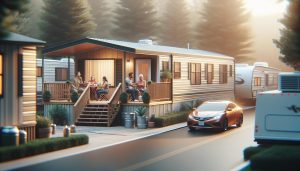
Mobile home parks offer a unique opportunity for community living, tailored for those who appreciate both affordability and social connections. Living in a mobile home park doesn’t just provide a roof over your head; it fosters a sense of community that can be hard to find in traditional housing. Many parks are designed with resident interactions in mind, featuring shared amenities such as community centers, playgrounds, and green spaces, making it easier to engage with your neighbors and create lasting friendships.
Forming a community often begins with understanding the dynamics of your mobile home park. Participation in community events, such as potlucks or meetings, can help you get to know your neighbors and feel more at home. Additionally, connecting with resident associations can provide insights into the park’s rules, maintenance responsibilities, and upcoming events. By being proactive, you can contribute to a positive living environment and make your voice heard regarding park management decisions.
For first-time buyers, it’s essential to consider the park’s atmosphere and regulations before making a purchase. Some parks cater specifically to families, while others are more suited for retirees or seasonal residents. Knowing the demographics can help you choose a park that aligns with your lifestyle. Additionally, understanding the specific rules, such as pet policies and maintenance responsibilities, is crucial. Each park has its own set of guidelines that can affect your experience as a resident.
Being a part of a mobile home park community can also provide support during challenging times. For instance, if you’re facing difficulties with home repairs or emergency situations, having neighbors who understand the nuances of mobile home living can be invaluable. Many residents exchange tips on repairs, maintenance, and local services, creating an informal support network. Investing time in building these relationships not only enhances your living experience but can also lead to lifelong friendships that celebrate the joys of mobile home living together.
FAQ
Q: What is the first step in buying a mobile home?
A: The first step in buying a mobile home is to determine your budget. Evaluate your finances to understand how much you can afford, considering costs such as down payments, monthly payments, insurance, and maintenance. This foundation will guide your search for suitable homes.
Q: Are mobile homes a good investment?
A: Mobile homes can be a good investment, especially in areas with high rental demand. They often have lower purchase prices compared to traditional homes and can generate rental income if you choose to lease. However, consider factors like location and market trends before investing.
Q: How do you finance a mobile home purchase?
A: Financing a mobile home typically involves securing a loan through a bank or credit union. Look for options like personal loans or specialized mobile home loans, which may have different requirements. Ensure you understand the terms, including interest rates and repayment periods.
Q: What should I look for during a mobile home inspection?
A: During a mobile home inspection, check for structural integrity, plumbing issues, roof condition, and electrical systems. Look for signs of moisture or pest damage as well. A thorough inspection can reveal potential problems that could affect your purchase decision.
Q: Is it necessary to buy insurance for a mobile home?
A: Yes, it is essential to buy insurance for your mobile home. Insurance protects against damages from disasters, theft, and liability claims. Explore different policies to find coverage that suits your needs and budget, and consider bundling with other insurance for discounts.
Q: What are the legal considerations when buying a mobile home?
A: Legal considerations include understanding local zoning laws, lot lease agreements (if applicable), and title transfer processes. Check if the mobile home meets local regulations for safety and livability. Consult an attorney if you’re uncertain about legal obligations.
Q: Can you move a mobile home once it’s purchased?
A: Yes, you can move a mobile home after purchase, but the process requires careful planning. Engage professional movers familiar with local regulations and ensure you understand the logistics, such as securing permits and preparing the new site for installation.
Q: How can I enhance the value of my mobile home?
A: To enhance the value of your mobile home, focus on renovations like modernizing interiors, improving energy efficiency with upgrades, or enhancing curb appeal with landscaping and exterior improvements. Regular maintenance and updates can significantly increase your home’s value in the market.
In Summary
As you embark on your journey to mobile home ownership, remember that each step you take-from understanding financing options to learning about maintenance techniques-positions you for success. For additional insights, explore our articles on mobile home setup procedures and essential maintenance tips to ensure your investment thrives. Don’t hesitate to reach out for expert consultations to clarify any lingering questions-your peace of mind is paramount.
Take action now by subscribing to our newsletter for the latest updates and resources tailored to mobile home living. Whether you’re navigating insurance considerations or preparing for long-term renovations, we’re here to support you every step of the way. Embrace the freedom and flexibility of mobile home life; it’s not just a housing choice-it’s a lifestyle. Share your thoughts or experiences in the comments below, and keep the conversation going as you explore the wealth of information available on our site. Together, we can make your mobile home experience remarkable!