Did you know that mobile homes can be just as comfortable and efficient as traditional houses, especially when it comes to climate control? Choosing the right air conditioning unit is crucial for creating a cool haven during hot summer months. In “A/C for Mobile Home: Best Units & Installation Guide 2025,” we’ll explore top-rated, energy-efficient A/C systems tailored for mobile homes, along with essential installation tips. Understanding your options is vital, whether you’re a current resident seeking improvements or a prospective buyer looking to make smart choices for comfortable living. We’ll guide you through the benefits of various units, addressing common concerns about space, energy consumption, and maintenance. By the end, you’ll be equipped with the knowledge to enhance your mobile home’s comfort and efficiency, ensuring you enjoy a pleasant living environment year-round. Dive in to discover how to turn your mobile home into a cool oasis, tailored just for you!
A/C Units for Mobile Homes: Key Features to Consider
Mobile home residents know the importance of a reliable and efficient air conditioning system, especially in areas with extreme heat. Selecting the right A/C unit is crucial not only for comfort but also for energy efficiency and compatibility with your home’s structure. When considering A/C units for mobile homes, several key features can enhance your living experience.
First and foremost, it’s essential to evaluate the unit type you need. There are three primary types of A/C systems suited for mobile homes: centralized duct systems, ductless mini-splits, and window units. Centralized systems offer powerful cooling for larger spaces but require ductwork, which may not be feasible in all mobile homes. Ductless systems are great for efficient localized cooling, allowing you to control the temperature in individual rooms. Lastly, window units are a common and often more affordable choice for smaller mobile homes or specific rooms.
Another critical feature to consider is the BTU rating, which measures cooling capacity. Choosing a unit with the appropriate BTU rating based on the size of your mobile home ensures efficient cooling. As a rule of thumb, a BTU rating of 20 to 25 for each square foot of living space is generally recommended, but this can vary based on insulation, ceiling height, and geographic location.
Energy efficiency also cannot be overlooked. Look for units with a high SEER rating (Seasonal Energy Efficiency Ratio). Higher SEER ratings indicate better energy efficiency, which translates into lower utility bills. Opting for Energy Star-rated products can also lead to significant savings and reduced environmental impact.
Finally, consider installation ease and any code compliance issues specific to mobile homes. Many manufacturers offer installation guidelines that account for the unique needs of mobile homes, and understanding these requirements can help you avoid potential headaches down the line.
These key features not only ensure that you choose a suitable A/C unit for your mobile home but also contribute to a comfortable and energy-efficient living environment.
Top Brands for Mobile Home A/C Systems
When it comes to cooling your mobile home effectively, selecting a reliable A/C unit from a reputable brand is paramount. A myriad of brands specializes in mobile home air conditioning systems, each offering various models that cater to different cooling needs, installation requirements, and budget ranges. Understanding these options will empower you to make an informed decision that enhances your living space while ensuring comfort during the hottest months.
One of the leading brands in the mobile home A/C market is Dometic. Known for its dependable portable and window air conditioning units, Dometic provides solutions that are particularly favorable for mobile homes. Their products are designed with high energy efficiency ratings, making them both cost-effective and environmentally friendly. Models such as the Dometic Brisk II are often highlighted for their robust performance, durability, and space-saving installations, making them ideal for confined areas typical of mobile homes.
Another notable contender is Frigidaire, which is well-regarded for its diverse range of window A/C units that perform exceptionally well in smaller spaces. Frigidaire units stand out due to their affordability, reliability, and user-friendly features, including remote controls and programmable timers. Their Energy Star-certified models not only cool effectively but also help to reduce electricity bills, a crucial factor for mobile homeowners looking to maximize their budget.
Amana is also a key player in this space, particularly known for its ducted central air systems. While central systems can be a larger upfront investment, they often provide superior cooling abilities throughout the entire mobile home and maintain temperature consistency. Amana’s systems frequently come with robust warranties, which provide peace of mind regarding long-term upkeep and performance.
In addition to these established brands, it’s worth considering Midea for budget-friendly options that don’t compromise on comfort. Midea specializes in economical window air conditioning units that are compact and efficient, making them a popular choice for mobile homes where space is at a premium.
Choosing the right A/C brand ultimately depends on your unique requirements, such as the size of your mobile home, installation options, and budget. Whether you prioritize energy efficiency, ease of installation, or cost-effectiveness, exploring the top brands will help ensure that you enjoy a cool and comfortable living environment all summer long. As you navigate through your options, consider reading user reviews and consulting with professionals to ensure that the unit you select not only meets your needs but enhances the overall quality of your manufactured home living experience.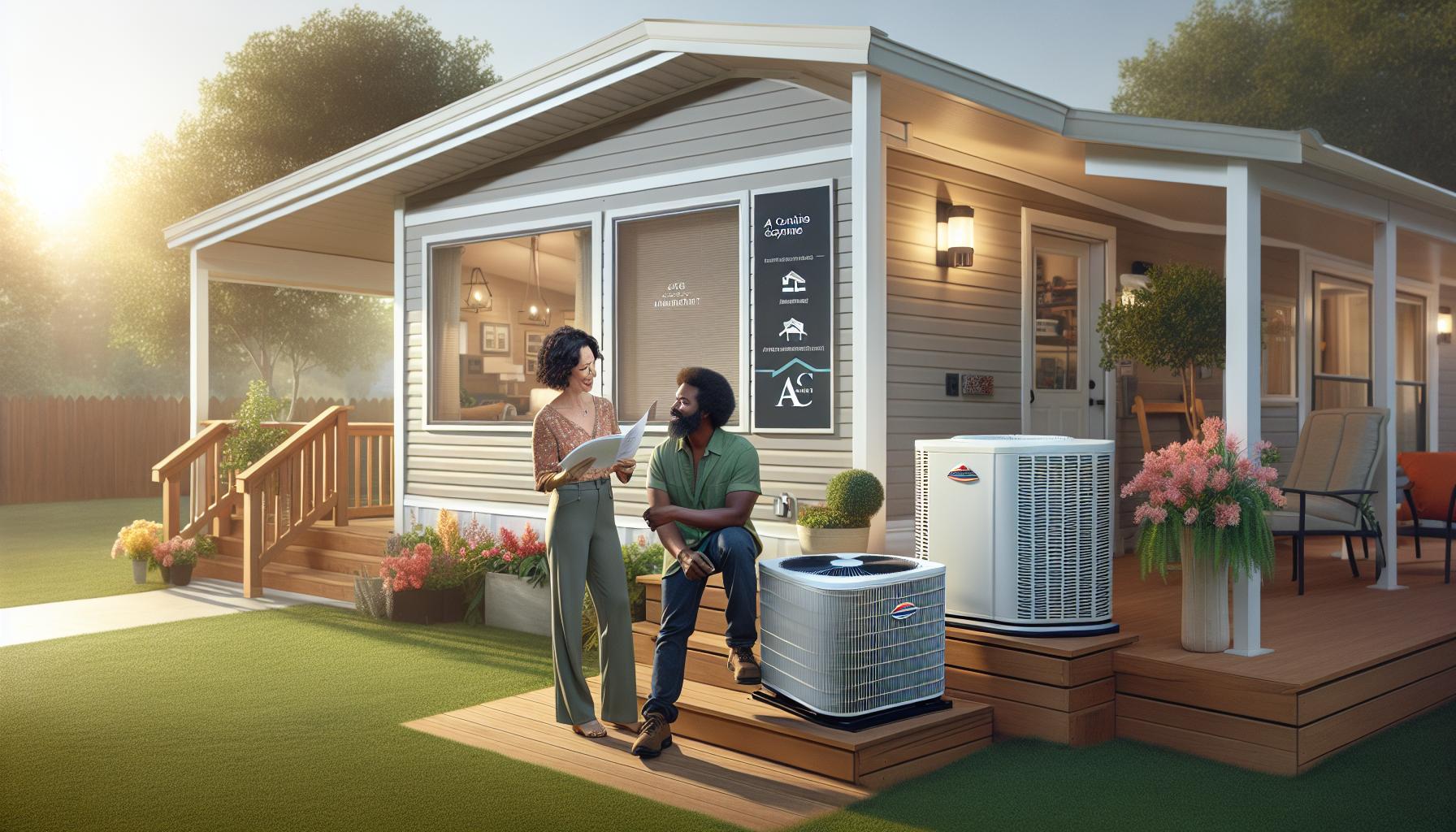
Understanding Mobile Home A/C Installation Requirements
To ensure your mobile home enjoys optimal cooling efficiency, understanding the installation requirements for an air conditioning (A/C) unit is crucial. This knowledge not only lays the groundwork for a successful setup but also safeguards your investment in climate control. Mobile homes come with specific structural and electrical considerations that differ from traditional houses, making it essential to follow industry best practices tailored to these unique residences.
When planning for installation, start by assessing your mobile home’s existing infrastructure. This includes checking the condition of your electrical system to ensure it can handle the load requirements of your chosen A/C unit. Most window and portable units require a standard 115V plug, while larger ducted systems may require a dedicated 230V circuit. It’s advisable to consult with an electrician who understands mobile home configurations to confirm that your electrical connections are adequate and up to code.
Another key requirement is evaluating the placement of the A/C unit. For window units, ensure a suitable window size and sufficient support to handle the weight. A common oversight is neglecting to check for proper sealing around the unit, which can lead to air leaks and increased energy costs. For ducted systems, consider the layout of your home. It’s essential to plan for ductwork that is both efficient and discreet, minimizing interference with living spaces. Ensure all ducts are insulated to prevent energy loss, especially in areas that may be exposed to extreme temperatures.
Lastly, always refer to the manufacturer’s guidelines regarding installation. These instructions typically cover specific measurements, spacing, and ventilation requirements unique to each unit type. Following these guidelines increases the lifespan and efficiency of your A/C system while helping to avoid common pitfalls such as inadequate airflow or improper drainage setups that can lead to water damage over time. By being proactive in understanding and executing these installation requirements, you’ll create a comfortable living environment that enhances the quality of mobile home living.
Step-by-Step Guide to Installing A/C in Mobile Homes
To transform your mobile home into a comfortable oasis during the sweltering summer months, installing an air conditioning (A/C) unit is essential. While the prospect of installation might seem daunting, breaking down the process into manageable steps can make it straightforward and achievable. Whether you opt for a window unit, portable model, or a more permanent ducted system, following the correct procedures ensures efficiency and longevity of your new cooling solution.
Begin by gathering the necessary tools and materials. You’ll typically need a screwdriver, adjustable wrench, level, measuring tape, and safety gear such as gloves and goggles. Before you begin installation, it’s crucial to assess your mobile home’s structure and existing utilities. Check your electrical panel to confirm that it can handle the amperage required by your new A/C unit. For most air conditioning systems, a 115V outlet suffices, but larger central units may need a dedicated 230V line.
Once the groundwork is laid, follow these essential installation steps:
Step-by-Step Installation Process
- Choose the Right Location: Select a spot where the A/C unit can efficiently circulate air while avoiding any obstructions such as furniture or plants.
- Prepare the Area: For window units, measure the window frame and ensure it can support the unit’s weight. For ducted systems, plan duct placements strategically to maximize airflow.
- Install the A/C Unit: For window units, follow these steps:
- Remove any screens and clean the window frame.
- Secure the mounting brackets provided in the unit’s instruction manual.
- Insert the unit into the window, ensuring it is level, and securely close the window onto the unit.
- Seal around the edges with weather stripping or foam insulation to prevent air leaks.
- Connect to Power: For window and portable units, plug them into the suitable electrical outlet. For ducted systems, this may involve professional electricians to set up wiring and breakers.
- Test Operation: After installation, turn on the A/C and monitor its performance. Ensure it cools efficiently without unusual noises or leaks.
Following these steps will help you create a cooling sanctuary in your mobile home, ensuring that you and your family can enjoy a robust and pleasant environment through the hottest months of the year. Robust installation practices not only enhance comfort but also significantly increase the unit’s efficiency and your overall home value.
Common A/C Unit Problems and Quick Fixes
Ensuring your mobile home stays cool during hot weather is paramount, but even the best air conditioning (A/C) units can encounter issues over time. Recognizing some common A/C problems and knowing quick fixes can empower homeowners to maintain their systems effectively and prolong the life of their investment.
One frequent issue is inadequate cooling. If your A/C seems to blow warm air, check the air filters first. Clogged filters can impede airflow, making it difficult for the system to function properly. Simply replacing or cleaning the filter may resolve the issue. Additionally, inspect the thermostat settings; if it’s set incorrectly, you may be inadvertently preventing your A/C from performing optimally.
Another common complaint is unusual noises coming from the unit. Sounds like hissing, buzzing, or clanking should not be ignored. A hissing noise might indicate a refrigerant leak, which should be assessed by a professional. Buzzing can point to electrical issues or loose components, while clanking may suggest that a fan blade is damaged or obstructed. Immediate attention to these sounds can prevent more significant repairs in the future.
If the A/C unit cycles on and off frequently, often termed short-cycling, this not only affects comfort but also increases energy consumption. Check if the unit is appropriately sized for your mobile home; an oversized unit can cool the space too quickly, failing to dehumidify properly. Another potential cause could be an obstructed air return vent or ducts. Make sure all vents are unobstructed and that ducts are clear of debris.
Lastly, water leakage around the unit is a clear sign of trouble. This could be due to a blocked drain line, which often results from algae growth or dirt accumulation. Clearing the drain line can typically be done with a wet/dry vacuum. If the issue persists after cleaning, it might signal a more serious problem with the condensate pump, requiring professional assistance.
Understanding these common issues and their respective quick fixes can enhance your experience with your mobile home A/C system. Regular maintenance and prompt response to minor problems not only ensure effective cooling but also elevate the comfort and livability of your mobile home.
Energy Efficiency Tips for Mobile Home A/C
Ensuring that your mobile home’s air conditioning (A/C) system operates efficiently can lead to significant savings on energy bills while maintaining comfort. Energy efficiency in A/C units is not just about the technology-modifications and habits play critical roles. Understanding how to optimize system performance is essential for extending the life of your unit and minimizing your environmental impact.
One key aspect of energy efficiency is proper insulation. Adequate insulation in walls, ceilings, and floors prevents cool air from escaping, reducing the workload on your A/C unit. If your mobile home isn’t well-insulated, consider adding insulation to attics or crawl spaces. Additionally, using energy-efficient window treatments such as reflective shades or thermal curtains can help keep the interior cool. Another effective method is sealing any gaps and cracks around windows and doors; this simple adjustment can dramatically improve air retention.
Regular maintenance is indispensable for efficiency. Schedule seasonal checks to clean or replace filters, which should be done at least every month during peak cooling seasons. Dirty filters restrict airflow, causing the system to work harder, which leads to higher energy consumption. Additionally, cleaning the condenser coils annually ensures that your unit can dissipate heat effectively. It’s also beneficial to keep the outdoor unit free of debris-leaves and dirt can block airflow, forcing the A/C to expend more energy to maintain the desired temperature.
Utilizing smart thermostats is a game changer for energy management. These devices allow you to program the temperature settings based on your schedule. By setting your A/C to a higher temperature when you’re not home, you avoid unnecessary energy use. Some models even learn your habits and adjust automatically, ensuring optimal comfort and efficiency.
Lastly, consider the size of your A/C unit. An oversized unit cools the space too quickly without adequately dehumidifying it, which can lead to a clammy atmosphere and higher energy use. Conversely, an undersized unit will struggle to keep up, increasing wear and tear on the system. Consulting with HVAC professionals to ensure the correct sizing for your specific mobile home will ensure you maximize efficiency and comfort.
By implementing these energy efficiency strategies, mobile home residents can enjoy a cooler living space while keeping energy costs in check. Emphasizing smart habits, proper maintenance, and efficient technologies elevates the mobile home living experience and contributes positively to environmental sustainability.
Maintaining Your Mobile Home A/C System
To ensure a comfortable living environment in your mobile home, regular maintenance of your A/C system is non-negotiable. Many homeowners overlook this crucial element until problems arise, which can lead to costly repairs and inefficient cooling. A well-maintained A/C unit not only enhances comfort but also extends its lifespan and improves energy efficiency.
One of the key aspects of A/C maintenance involves filter management. Clogged or dirty filters drastically reduce airflow, forcing the system to overwork. It’s recommended to check these filters at least once a month during peak usage and replace or clean them as needed. This simple task can improve air quality and significantly cut down on energy costs by allowing your system to operate efficiently.
Keeping the outdoor unit clean is equally essential. Debris such as leaves, dirt, and twigs can obstruct airflow and even damage the coils. Regularly clear away any obstructions and ensure that the area around your A/C unit is free from tall grass and overhanging branches. In addition, performing an annual cleaning of the condenser coils is vital; it helps the unit expel heat effectively. Use a soft brush or a garden hose on a low setting to wash away accumulated dirt without causing damage.
Another important consideration is the thermostat calibration and settings. Make sure your thermostat is functioning correctly and is set to optimal temperatures. Upgrading to a smart thermostat can offer ease of use, allowing you to program temperatures according to your schedule and even remotely monitor your A/C from your smartphone. These devices can make a substantial difference in energy usage and maintaining ideal comfort levels when you’re home or away.
Lastly, don’t forget to schedule regular professional inspections. A certified HVAC technician can identify potential issues before they become serious problems. They’ll check refrigerant levels, inspect the ducts for leaks, and ensure that all components operate smoothly. Investing in preventative maintenance is often more cost-effective than dealing with major repairs down the line. By taking these steps, you can ensure your mobile home’s A/C system remains efficient and reliable, contributing to a cool and comfortable living space year-round.
Selecting the Right Size A/C for Your Mobile Home
To achieve optimal comfort in your mobile home, selecting the right size A/C unit is crucial. An air conditioning system that is either too small or too large can lead to inadequate cooling, increased energy costs, and unnecessary stress on the unit itself. As a general rule, the size of an A/C unit is measured in BTUs (British Thermal Units), which indicates how much heat the system can remove from a space in one hour.
When determining the appropriate BTU capacity for your mobile home, several factors come into play. Take into account the total square footage of the area you wish to cool. A good guideline is to allow about 20 BTUs per square foot. For example, if your mobile home is 1,000 square feet, you would need an A/C unit with about 20,000 BTUs. However, this figure can be adjusted based on additional factors:
- Ceiling Height: Higher ceilings may require additional BTUs.
- Sun Exposure: Homes with large windows or those situated in sunny areas may need more cooling power.
- Insulation Quality: Well-insulated homes retain cool air better, potentially requiring smaller units.
- Number of Occupants: More people in a space generates additional heat; consider boosting the BTUs for households with several residents.
- Appliances and Electronics: Heat produced by appliances can affect cooling needs. If you have multiple heat-generating devices, factor this into your calculation.
It’s important to remember that while larger units may seem like a better choice for quickly cooling a room, they often cycle on and off more frequently, which can lead to humidity issues and higher energy bills. Conversely, a unit that is too small will struggle to keep up with cooling demands, leading to higher energy costs due to constant operation and potential system failure.
To avoid the pitfalls of improper sizing, you might consider using a BTU calculator or consulting with an HVAC professional who can assess your specific situation. Ensuring that your A/C unit is adequately sized will not only enhance your comfort but also promote energy efficiency, ultimately prolonging the lifespan of your cooling system and saving you money over time.
Comparing Ducted vs. Ductless A/C Systems
One of the crucial decisions mobile homeowners face is choosing between ducted and ductless air conditioning systems. Each system has unique benefits that cater to different needs, making it essential to understand their differences before making a purchase. Ducted systems distribute cooled air through a network of ducts installed within the walls and ceilings of the home, providing a seamless appearance and steady airflow throughout multiple rooms. This centralized approach makes it easy to maintain a consistent temperature across large spaces and can be particularly advantageous for larger mobile homes or those designed for extended living.
On the other hand, ductless systems, also known as mini-split systems, consist of individual units mounted on walls or ceilings in each room or specific areas that require cooling. This solution is highly efficient for mobile homes, allowing for zoning-where different rooms can be set to different temperatures depending on individual preferences. Ductless systems also tend to be easier and less invasive to install, making them an attractive option for homeowners looking to upgrade their cooling solutions without significant renovations.
When considering energy efficiency, ductless systems often take the lead, as they avoid the energy losses associated with ducted systems, which can account for up to 30% of energy consumption in some cases. This means that residents can enjoy lower utility bills with the right ductless setup while simultaneously reducing their carbon footprint. Additionally, ductless units generally feature advanced technology such as inverter-driven compressors, which adjust cooling power based on the room’s needs, enhancing both comfort and efficiency.
Ultimately, the choice between ducted and ductless systems should align with your specific lifestyle and cooling requirements. For instance, if your mobile home is compact or has open spaces, a ductless system may offer superior flexibility and cost savings. Conversely, if you’re managing a larger mobile home with multiple rooms requiring even cooling, ducted systems may provide better results. As you embark on this decision, consider consulting with HVAC professionals who understand the unique challenges of mobile homes; their expertise can help tailor your choice to best suit your living situation, ensuring comfort and efficiency for years to come.
Cost Analysis: Budgeting for A/C in Mobile Homes
When considering the addition of an air conditioning (A/C) system to your mobile home, budgeting is a crucial step that can influence your comfort for years to come. Mobile home A/C systems vary widely in cost based on the type, size, and complexity of installation. Understanding the financial implications and planning accordingly can make a significant difference in your overall satisfaction.
A standard window unit might range from $150 to $700, while ductless mini-split systems can cost $2,000 to $5,000 or more, including installation. Central air systems typically come with higher price tags, often between $3,500 and $7,000, but provide enhanced cooling throughout larger spaces. In addition to the initial purchase price, consider ongoing expenses, such as energy costs, maintenance fees, and potential repairs. For example, ductless systems tend to be more energy-efficient than traditional ducted systems, resulting in lower utility bills that can effectively offset their higher upfront costs over time.
Another factor to incorporate into your budget is installation. Hiring a professional could add another $500 to $2,500 depending on the complexity of the job. DIY installations might save you money upfront, but be cautious; improper installation can lead to inefficiencies and higher energy costs in the long run. Be sure to check local codes and regulations, as requirements can vary by area.
It’s also beneficial to explore financing options available for mobile homeowners. Some manufacturers offer payment plans or financing through HVAC companies, allowing you to spread out the cost. Local government programs may also provide grants or low-interest loans for energy-efficient upgrades, making this investment more manageable. With proper planning and research, you can find an A/C solution that fits your budget while enhancing your mobile home’s comfort and value.
Mobile Home A/C and Climate Considerations
When selecting an air conditioning (A/C) unit for a mobile home, understanding the climate in which you live is essential for optimizing efficiency and comfort. Different regions experience varying temperature extremes and humidity levels that can profoundly impact the type of A/C solution you need. For instance, homes in hot, humid climates may require systems that not only cool effectively but also manage moisture, while areas with milder summers could benefit from a less powerful, more energy-efficient system.
Key Climate Considerations
- Temperature Extremes: Research the average summer temperatures in your area. If you reside where temperatures regularly exceed 90°F, a higher-capacity unit will be necessary. Conversely, a climate that experiences some hot days but primarily mild weather might not require a robust system, allowing for more budget-friendly options like window units or smaller ductless systems.
- Humidity Levels: High humidity can make the heat feel even more oppressive. In such cases, look for units with humidity control features, like dehumidification mode or a built-in dehumidifier, which can help maintain comfort without excessive energy use.
- Energy Efficiency: In regions with extended cooling seasons, selecting an energy-efficient unit is crucial. Look for the Seasonal Energy Efficiency Ratio (SEER) rating; higher ratings indicate better energy performance. Systems with a SEER rating above 14 are generally more efficient, which can lead to significant savings on utility bills in the long run.
Defensive Design for Weather Challenges
In addition to typical climate factors, consider how extreme weather patterns may influence your A/C choice. For example, those living in hurricane-prone areas should prioritize A/C units that can withstand high winds and are designed for storm resistance. Implementing adequate tie-down systems for mobile homes and selecting units compatible with storm shutters or panels can provide additional protection.
It’s also wise to ensure that your mobile home is well-insulated. Quality insulation will help manage temperatures, reducing the burden on your A/C system and prolonging its lifespan. An insulating wrap or reflective foil under the mobile home can alleviate heat absorption, making the interior cooler during peak sun hours.
Ultimately, choosing the right A/C for your mobile home involves a careful assessment of your local climate and potential weather challenges. By aligning your selection with these factors, you can enhance comfort while maintaining energy efficiency, streamlining your investment over time.
Preparing Your Mobile Home for Hurricane Season
is crucial, particularly for the resilience of your air conditioning system. Given that mobile homes can be more susceptible to high winds and extreme weather, specific steps can greatly enhance safety and functionality. Begin by evaluating the installation of your A/C unit; ensure it is securely anchored and protected against potential flying debris. Installing a storm cover over your A/C compressor can safeguard it from wind and water, which is essential during severe weather.
Investing in strong tie-down systems is another important measure. These systems can significantly mitigate the risk of structural damage. As part of your preparation, check for any gaps around windows and doors. Integrating storm shutters or impact-resistant panels can enhance the overall security and integrity of your mobile home. Consider also reinforcing your roofing to prevent leaks, which can lead to mechanical failure for your A/C unit.
Next, maintain an emergency supply kit that includes essential tools and materials. Items specific to A/C maintenance, such as refrigerant, filters, and vacuum equipment, might come in handy if immediate repairs are required after a storm. Before hurricane season, test your generator to ensure it can power the A/C during possible outages, as keeping your home cool in sweltering conditions is vital for health and safety.
Lastly, always stay informed about local weather updates as the hurricane season approaches. Familiarize yourself with the evacuation routes and prepare a plan to follow if a storm threatens your area. Engaging in these proactive measures not only safeguards your home and A/C unit but also provides peace of mind, allowing you to enjoy your mobile living with confidence even in the face of nature’s challenges.
Frequently asked questions
Q: What is the best type of A/C for mobile homes?
A: The best type of A/C for mobile homes is often ductless mini-split systems, as they provide efficient cooling without the need for ductwork. Consider your mobile home’s size, insulation, and specific cooling needs when selecting a unit. Always consult a professional for tailored recommendations.
Q: How much does it cost to install A/C in a mobile home?
A: The cost to install A/C in a mobile home can range from $2,000 to $5,000, depending on the type of system and labor costs. Ductless systems might be more expensive but offer higher efficiency. Always budget for unexpected costs when planning your installation.
Q: Can I install A/C in a mobile home myself?
A: While some homeowners may attempt DIY A/C installation, it is often recommended to hire a professional. Proper installation ensures efficiency and safety, especially when dealing with electrical components or refrigerants. Refer to the installation guide in the article for more details.
Q: How do I maintain my mobile home A/C system?
A: To maintain your mobile home A/C system, regularly check and replace filters, clean coils, and inspect the ductwork for leaks. Schedule annual maintenance with a professional to ensure optimal performance and longevity. Refer to the maintenance section for a detailed checklist.
Q: What size A/C unit do I need for my mobile home?
A: To determine the right size A/C unit for your mobile home, calculate the square footage and consider factors like ceiling height and insulation quality. Use the BTU (British Thermal Units) rating; typically, aim for 20 BTU per square foot for adequate cooling. Check out the sizing guide section for detailed instructions.
Q: Are portable A/C units effective for mobile homes?
A: Yes, portable A/C units can be effective for mobile homes, especially in smaller spaces or temporary cooling situations. However, their efficiency may be lower compared to built-in systems. Carefully consider output capacity and room size when selecting a unit.
Q: What are common troubleshooting tips for mobile home A/C units?
A: Common troubleshooting tips include checking the thermostat settings, ensuring the power supply is intact, and inspecting the filters for clogs. If cooling is inadequate, check for leaks in the ductwork. For detailed fixes, refer to the common problems section of the article.
Q: How can I improve the energy efficiency of my mobile home A/C?
A: To improve energy efficiency, regularly clean or replace filters, seal any air leaks, and ensure proper insulation. Consider using programmable thermostats and energy-efficient A/C units. Explore the energy efficiency tips section for additional strategies.
To Conclude
As you prepare for those hot summer days, keep in mind the critical insights from our guide on the best A/C units for mobile homes and their installation in 2025. Investing in the right cooling solution not only enhances your comfort but also protects your investment in your home. Don’t wait! Explore your options now and consider our step-by-step tutorials for setting up your A/C efficiently.
For ongoing support, check out our detailed articles on mobile home maintenance and financing options. Join our community by signing up for our newsletter, where you’ll receive expert tips and updates directly to your inbox. Remember, taking action today will ensure a cooler, more comfortable tomorrow-so explore our resources and elevate your mobile home experience!