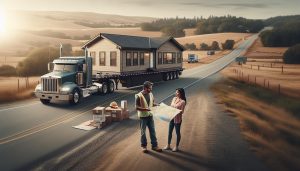
Did you know that modular homes are one of the fastest-growing segments of the housing market? If you’re considering buying a modular home, understanding your financing options is crucial. The good news is that securing a mortgage for a modular home is not only possible but can also be an excellent investment in your future. However, many potential buyers find themselves overwhelmed by the unique financial intricacies involved. From loan types to application requirements, navigating this landscape can feel daunting. In this article, we’ll explore everything you need to know about getting a mortgage for a modular home, helping you make informed decisions that align with your lifestyle and financial goals. Whether you’re a first-time buyer or an experienced investor, understanding your financing options can open doors to a modern, affordable housing solution that meets your needs.
Can You Finance a Modular Home? Understanding Your Options
Financing a modular home is not only possible; it’s a viable choice for many prospective homeowners seeking flexibility and value. Unlike traditional homes that are commonly financed through conventional loans, modular homes can present unique financing opportunities-and challenges. One of the most significant advantages is that modular homes are typically treated as real estate in most financing options. This often allows buyers to access similar mortgage options as those for traditional homes, offering competitive rates and terms.
However, understanding the specifics of financing options is crucial. Potential buyers can explore various avenues, including conventional loans, FHA loans, and VA loans, among others. To maximize their success in securing financing, it’s essential to take into account factors such as creditworthiness, the home’s location, and overall market conditions. For example, lenders may have differing policies regarding the financing of new versus used modular homes, or those placed in specific communities versus more rural settings. Consulting with a lending expert familiar with modular homes can prove invaluable in navigating these nuances.
Some challenges in securing financing for modular homes might include stricter lending guidelines and potential appraisal issues. Modular homes must often meet certain state and local regulations, which can influence their market value. Knowing these factors in advance helps in preparing a robust application that meets lender criteria. Ultimately, as modular homes continue to gain acceptance in the housing market, understanding your financing options becomes a critical step in the journey toward homeownership.
Embracing the modular home lifestyle not only represents a commitment to innovative living but also to savvy financial planning. The path to financing a modular home is filled with possibilities, and being informed can turn challenges into opportunities for those looking to invest in a unique housing solution.
Key Differences Between Modular and Traditional Homes
Understanding the differences between modular and traditional homes is crucial for potential homebuyers, especially when financing options come into play. One of the most significant distinctions lies in the construction method. Modular homes are built in sections in a factory setting and then transported to the site for assembly, which can lead to greater efficiency and reduced build times. In contrast, traditional homes are typically constructed from the ground up on-site, which can be subject to weather delays and other variables that affect the timeline and cost.
Another key difference is in adherence to building codes. Modular homes must meet the same local, state, and regional codes as traditional homes, ensuring they are built to last and are compliant with safety standards. This contrasts with manufactured homes, which are constructed under a different set of regulations and may not hold the same real estate financing options due to their classification as personal property. Knowing this distinction is vital, as it allows buyers to appropriately assess mortgage options and property value.
Furthermore, modular homes typically offer a broader range of customization compared to traditional homes. While both types of homes can be personalized, modular builders often present a variety of design options and layouts that can be tailored to meet specific preferences. This flexibility can appeal to buyers looking for a home that meets their unique needs without the lengthy waiting periods often associated with traditional construction.
For financing, the perception of modular homes as real estate can significantly influence mortgage availability. Many lenders view modular homes similarly to traditional homes when determining mortgage eligibility, which can provide more competitive rates and broader financing options. This contrasts with manufactured homes, which may encounter more restrictive financing possibilities. Understanding these differences aids prospective buyers in navigating their home financing journey with confidence and allows for informed decisions regarding their investment.
Types of Mortgages Available for Modular Homes
When it comes to financing a modular home, buyers find themselves with several attractive mortgage options. Understanding these available types allows prospective homeowners to make informed decisions that align with their long-term financial goals and housing needs. Modular homes, often viewed similarly to traditional houses by lenders, open several pathways for securing financing.
Conventional Mortgages
Many buyers opt for conventional mortgages when purchasing a modular home. These loans are not insured or backed by the federal government, which typically means they require higher credit scores and a larger down payment-usually around 20% for the best rates. However, some lenders offer programs that accept lower down payments, making it more accessible for first-time buyers. With conventional mortgages, borrowers can benefit from flexibility regarding loan terms and interest rates.
FHA Loans
Federal Housing Administration (FHA) loans are another viable option. These government-backed loans are designed to help lower-income and first-time buyers secure financing. FHA loans allow down payments as low as 3.5% and come with more lenient credit requirements, making them an attractive choice for many buyers. It’s important to ensure that the modular home meets FHA guidelines to qualify for this type of financing.
VA Loans
For veterans and active-duty military personnel, VA loans represent an excellent financing opportunity. These loans typically come with favorable terms, such as zero down payment and no private mortgage insurance (PMI). Moreover, VA loans are recognized for their competitive interest rates, making overall costs more manageable. Like FHA loans, it’s essential to verify that the modular home complies with VA guidelines.
USDA Loans
For modular homes located in rural areas, United States Department of Agriculture (USDA) loans may be an ideal choice. These loans aim to encourage homeownership in less populated regions and offer no down payment options along with low interest rates. Eligible buyers must meet certain income requirements and typically must be buying a home in a designated rural area.
In summary, financing for modular homes encompasses various mortgage options-each with unique qualifications and benefits. By exploring conventional loans, FHA, VA, and USDA options, potential homebuyers can tailor their choices to their financial situations and specific needs, making the path to homeownership more accessible and manageable.
How to Qualify for a Mortgage on a Modular Home
Qualifying for a mortgage on a modular home involves understanding several key factors that lenders will evaluate. While modular homes are often seen as equivalent to traditional homes, there are specific considerations that can impact your approval. A strong financial profile, including a good credit score, steady income, and a favorable debt-to-income ratio, is crucial. Generally, a credit score of 620 or higher is desirable, though some lenders may be willing to work with lower scores, particularly if you can provide a larger down payment.
In addition to creditworthiness, it’s essential to provide comprehensive documentation. Lenders will require proof of income, employment verification, and bank statements. Be prepared to demonstrate your financial stability and ability to maintain monthly mortgage payments. In some cases, lenders may also examine your rental history or any previous home ownership experiences as part of their assessment, which can help establish your reliability as a borrower.
It’s also important to be aware of the type of financing you are seeking, as this can influence eligibility requirements. For instance, government-backed loans like FHA and VA loans typically have more lenient criteria compared to conventional mortgages. Therefore, if you are considering one of these options, ensure that your modular home meets the necessary guidelines, such as being built to code and attached to a permanent foundation, to qualify for these favorable loan terms.
Lastly, understanding the lender’s appraisal requirements for modular homes can facilitate the qualification process. Unlike traditional homes, some lenders may require that the modular unit be permanently affixed to the land it occupies. This distinction is significant, as it could affect the appraisal value and, consequently, the loan amount you are eligible to receive. Being proactive and gathering all necessary information in advance can significantly boost your chances of approval.
Financing Challenges Unique to Modular Homes
Securing financing for a modular home presents unique challenges that can differ significantly from traditional home purchases. One notable hurdle is the misconception surrounding modular homes, often mistaken for mobile homes. This misunderstanding can lead to stricter approval processes, higher interest rates, or even outright denials. Lenders may categorize modular homes differently, impacting the type of loans available and the respective terms. It’s essential to clarify the distinction to potential lenders, highlighting that modular homes are built to meet the same building codes and standards as site-built homes.
Another financial challenge involves the appraisal process. Many lenders require that modular homes be permanently affixed to the land before considering them for a mortgage. This stipulation can complicate transactions, especially if the home is being sold as a package that includes the land purchase. Furthermore, appraisers may have limited data on recent sales of modular homes, which can result in lower appraisals and potentially limit the financing amount. Buyers should be proactive in gathering comparable sales data and being prepared to justify the value of their modular home to ensure accurate appraisal results.
Additionally, the availability of specialized financing options can be a double-edged sword. While there are lenders who focus on modular home financing, their products can come with high fees or narrow eligibility requirements. For first-time buyers or those with less-than-perfect credit, navigating these options can become overwhelming. Thus, it is advisable for prospective homeowners to extensively research and compare lenders, seeking recommendations and reviews to find those with favorable terms for modular homes. Taking the time to understand these unique challenges not only aids in the mortgage process but empowers buyers to negotiate better financing terms, ensuring a smoother transition into modular homeownership.
Down Payment Requirements for Modular Home Loans
When contemplating the purchase of a modular home, understanding down payment requirements is essential for navigating the financing process. Lenders typically treat modular homes similarly to traditional homes in terms of down payments, but certain nuances may apply. While many conventional mortgage programs require a down payment ranging from 3% to 20%, modular home loans can have varied requirements based on factors such as the lender’s policies, the location of the home, and the buyer’s creditworthiness.
For instance, if you’re looking to finance a modular home through a conventional loan, a down payment of around 5% may be acceptable, especially for buyers with good credit. However, buyers utilizing government-backed loans-like FHA loans-might qualify for even lower down payments, sometimes as low as 3.5%, which can significantly ease the path to homeownership. Conversely, some specialized lenders focusing on modular homes might require a larger down payment, such as 10% to 20%, particularly for buyers with limited credit history or those purchasing homes in rural or less-developed areas.
Factors Affecting Down Payment Amounts
Several key factors can influence the specific down payment required for a modular home:
- Credit Score: Higher credit scores often lead to lower down payment requirements. Lenders view these buyers as less risky, offering better terms.
- Loan Type: The type of mortgage you pursue (conventional, FHA, VA, etc.) will significantly impact your required down payment.
- Location: Modular homes situated in urban areas may have different requirements compared to those in rural settings due to market demand and property value assessments.
- Lender Policies: Each lender has its own set of guidelines, and those specializing in modular homes might have stricter conditions than standard mortgage lenders.
Ultimately, assessing your financial situation and obtaining pre-approval from multiple lenders can provide clarity on what down payment will be expected. Additionally, engaging with a mortgage broker experienced in modular homes may yield valuable insights into securing the best possible financing terms tailored to your needs. Understanding and preparing for these requirements can substantially streamline the homebuying process, empowering you to achieve your goal of modular homeownership with more confidence.
Understanding Appraisal Process for Modular Homes
Navigating the appraisal process for modular homes can often feel daunting for prospective buyers, but understanding how it works can provide peace of mind and facilitate a smoother transaction. Appraisals are critical as they establish the market value of the home, ensuring that both the buyer and lender are protected during the financing process. A qualified appraiser will assess various factors, including the home’s condition, location, and features, in comparison to similar properties in the area, offering a comprehensive evaluation of its worth.
One of the unique aspects of valuing a modular home is the appraiser’s awareness of its construction methods and materials. Modular homes are constructed in a factory and transported to their final location, which makes them distinct from traditional site-built homes. This process often results in enhanced quality and cost-effectiveness, which can positively influence the appraisal. However, appraisers must consider factors like the home’s foundation-whether it’s permanent or temporary-as these elements can impact the overall valuation. Additionally, the appreciation rates of modular homes can vary widely, so regional market trends play a significant role in the appraisal outcome.
It’s also important to note the significance of documentation during this process. Ensure that all necessary paperwork, such as building permits, warranties, and specifications from the manufacturer, is readily available. This documentation not only helps appraisers understand the home’s value but also supports the lender’s confidence in financing your purchase.
Lastly, collaborating with a real estate agent experienced in modular homes can provide invaluable insight. They can guide you through the appraisal process, helping you prepare adequate documentation and even advising you on how to conduct a pre-appraisal evaluation that may reveal potential issues before the official appraisal occurs. Understanding these nuances will empower you to navigate the appraisal landscape confidently, paving the way toward successful homeownership.
Navigating Insurance for Modular Homes
Navigating the world of insurance for modular homes can seem overwhelming, especially for first-time buyers or owners. Unlike traditional homes, modular houses may require specialized coverage due to their unique construction and placement. For instance, many homeowners find that standard homeowners insurance policies may not provide adequate protection against specific risks associated with modular homes, such as transport-related damage or the effects of factory construction standards.
To ensure your modular home is properly insured, it’s essential to understand the types of coverage available. Here are some key considerations:
Types of Coverage
- Property Insurance: This typically covers the physical structure of your home as well as personal belongings inside it. Look for insurers that specifically mention modular or manufactured homes.
- Liability Insurance: Essential for protecting yourself against legal claims resulting from accidents that occur on your property.
- Additional Living Expenses (ALE): If your home becomes uninhabitable due to a covered event, ALE covers the costs of temporary housing.
- Flood and Earthquake Insurance: Depending on your location, these policies might be necessary. Standard homeowners insurance often excludes these risks, especially in flood-prone areas or regions vulnerable to earthquakes.
Choosing the Right Policy
When selecting insurance for your modular home, consider the following tips to make informed decisions:
- Research Insurers: Look for insurance companies that specialize in modular or manufactured homes. Gulf States or California-based providers might have tailored products due to a higher concentration of modular homes.
- Assess Replacement Costs: Ensure your policy covers the complete replacement cost of your home rather than just its market value. This coverage should include factors that affect modular homes specifically, such as transport and assembly costs.
- Consider Endorsements or Riders: For additional coverage, investigate endorsements for specific risks like transportation flaws or additional structures like garages or porches.
- Review the Fine Print: Carefully read through policy details, as modular homes might require different thresholds for deductibles or specific clauses regarding delivery and placement.
Engaging with an insurance agent who understands the complexities of modular homes is critical. They can provide tailored advice, helping you evaluate your risks and coverage needs effectively. Becoming knowledgeable about your insurance options not only secures your investment but also gives you peace of mind as you enjoy your modular home.
Legal Considerations When Buying a Modular Home
When considering the purchase of a modular home, it’s essential to be well-informed about the legal landscape that governs this unique type of housing. While modular homes are considered real property much like traditional homes, there are specific legal considerations that buyers should keep in mind which can differ significantly from conventional housing purchases.
First and foremost, it’s vital to ensure that the modular home is compliant with local building codes and zoning laws. This can include restrictions on land use, minimum square footage, and other regulations that vary by municipality. Before finalizing your purchase, check if the home meets the state’s standards governed by the Department of Housing or other regulatory bodies. Moreover, understanding the land ownership aspect is crucial; modular homes can be placed on owned land or in a rented space, which can affect mortgage options and legal obligations.
Title and Ownership Issues
Establishing clear title is another key legal consideration. When purchasing a modular home, determine whether it is classified as personal property (like a mobile home) or real estate. This classification can significantly impact financing options. Ensure that the seller provides the necessary documentation, including proof of ownership, title certificates, and any warranties. Conducting a title search can also reveal any liens or encumbrances attached to the property that could complicate the sale.
Insurance and Financing Requirements
Many lenders may have additional requirements for loans on modular homes compared to traditional homes, so understanding these nuances can better prepare buyers. Lenders may seek specialized insurance policies covering unique risks associated with modular construction. It’s crucial to ask potential lenders about their experience with modular homes to avoid unnecessary hurdles. Additionally, consulting with a lawyer or real estate agent knowledgeable in modular homes can help navigate these complexities.
In summary, while financing a modular home offers a distinct path toward homeownership, being mindful of legal considerations-such as compliance with local laws, ownership status, and financing requirements-can pave the way for a smoother transaction and ensure that your investment is secure. By staying informed and proactive about these factors, buyers can enjoy the benefits of modular living with confidence.
Tips for Choosing the Right Lender for Your Modular Home
Finding the right lender for your modular home can significantly impact your overall purchasing experience and future financial stability. Given the distinct nature of modular homes, it’s essential to partner with a lender who understands the unique nuances of financing this type of property. Start by seeking out lenders who specifically advertise experience with modular or manufactured homes, as their familiarity with the process may lead to smoother transactions and better loan terms.
Research and Compare Lenders
Begin your journey by researching various lenders. Look for banks, credit unions, and mortgage companies that have positive reviews and a solid reputation in the modular home market. To ensure you are getting competitive rates and terms, consider obtaining quotes from multiple lenders. Pay close attention to interest rates, origination fees, and any additional costs that may apply to modular home loans. Utilizing online comparison tools can also help streamline this process.
Ask the Right Questions
When you’ve narrowed your options, engage potential lenders with pointed questions to gauge their expertise. Inquire about their experience with modular homes, the types of loans they offer, and their understanding of local zoning laws and compliance issues. It’s also crucial to ask about their appraisal process for modular homes, as not all lenders treat them the same as traditional houses, potentially affecting your loan value.
Consider Specialized Financing Options
Some lenders may provide specialized financing options specifically designed for modular homes. Familiarize yourself with programs that may require lower down payments or offer more flexible credit criteria. For example, FHA Title I loans specifically cater to financing mobile and modular homes and can be a great option if you meet the eligibility requirements.
Ultimately, a strong relationship with your lender can enhance your overall experience. A knowledgeable lender not only provides competitive financing but also acts as a resource throughout the home-buying process. By taking the time to choose wisely, you can ensure that financing your modular home will be a seamless step towards realizing your dream of homeownership.
Financing a Modular Home vs. Mobile Home: What to Know
When considering financing options, it’s essential to understand the differences between modular homes and mobile homes, as these distinctions can significantly affect your borrowing experience. Although both types of housing often fall under the broader category of manufactured homes, lending practices and financing possibilities vary greatly due to their construction methods, permanence, and regulatory standards.
Modular homes are built in sections in a factory and then transported to a permanent site, where they are assembled on a foundation, much like traditional homes. This permanence often allows them to be financed with conventional mortgages, giving buyers access to more favorable interest rates and terms. Many lenders treat modular homes as real property, which makes them eligible for government-backed loans such as FHA, VA, or USDA mortgages. In contrast, mobile homes-once referred to as trailer homes-remain personal property unless they are permanently affixed to a foundation. This classification can limit financing options primarily to personal loans or specialized loans for manufactured homes that often come with higher interest rates and less favorable terms.
When deciding between modular and mobile homes, prospective homeowners should consider the following key factors:
- Loan Types: Modular homes generally qualify for a wider range of mortgage options compared to mobile homes, which typically only qualify for personal property loans.
- Interest Rates: Interest rates for modular homes can be significantly lower, potentially saving thousands over the life of the loan.
- Down Payment: Modular home buyers may find more flexible down payment options, especially through FHA loans, compared to the often uneven terms available for mobile homes.
- Appraisal Process: Lenders usually conduct more straightforward appraisals for modular homes, while mobile homes might face stringent qualifications, impacting their resale value.
Additionally, the legal and insurance considerations for financing differ. Modular homes, by being classified as real estate, often have easier access to homeowner’s insurance policies that cover the property and any associated liability, while mobile homes may require specialized mobile home insurance policies that can vary considerably in coverage and premiums.
Understanding these distinctions helps prospective buyers choose the option that aligns with their financial goals, lifestyle, and long-term investment strategies. By being informed about the implications of financing choices, homeowners can better navigate the unique landscape of manufactured housing.
Long-Term Maintenance Costs of Modular Homes
Owning a modular home can be an appealing choice for many due to its affordability and customization. However, prospective homeowners should be aware that long-term maintenance costs can impact their overall budget significantly. These homes, just like traditional houses, require attention and care to ensure longevity and preserve value.
One of the key components of long-term maintenance involves regular inspections and upkeep of the home’s structure. This includes checking the foundation, particularly given that modular homes are assembled on-site. Regularly examine the anchors and supports to ensure they remain secure, especially in areas prone to severe weather. Seasonal maintenance tasks-such as gutter cleaning, checking for mold or leaks, and maintaining HVAC systems-also play a crucial role in preventing costly repairs down the line.
Additional considerations include the cost of utilities and utilities installation. Modular homes often require specific setup procedures, such as leveling and tying down to standards, which may have initial costs. Over time, energy efficiency measures-like updating windows, insulation, or incorporating solar panels-can reduce long-term energy bills, providing savings that can offset some maintenance costs.
Here are some common long-term maintenance expenses homeowners should anticipate:
- Routine inspections: Annual inspections for plumbing, electrical, and structural integrity.
- Exterior upkeep: Regular painting, siding maintenance, and roofing checks to prevent water damage.
- Utility bills: Budgeting for electricity, water, and potential upgrades to energy-efficient systems over time.
- Insurance costs: Expect potential increases in homeowner’s insurance premiums as property values rise or as costs for coverage change.
- Landscaping: This can include irrigation systems that need repairs or updates, and regular yard maintenance costs.
By planning for these expenses, future modular homeowners can maintain their investment and enjoy the benefits of their home for years to come. Taking a proactive approach to both maintenance and budgeting ensures that modular living continues to be a rewarding choice, paving the way for a comfortable and secure home environment.
Faq
Q: Can you get a mortgage for a modular home?
A: Yes, you can obtain a mortgage for a modular home. These homes are considered real property, allowing buyers to access various financing options similar to those available for traditional homes. Ensure your lender is experienced with modular home financing.
Q: What types of financing are available for modular homes?
A: Financing options for modular homes include conventional mortgages, FHA loans, and VA loans. Each type has specific requirements and benefits, catering to different buyer profiles, such as first-time homebuyers or veterans.
Q: How do modular home mortgages differ from traditional home mortgages?
A: Modular home mortgages may differ in appraisal criteria and down payment requirements. Lenders may need to assess the home’s construction quality and location more closely. It’s essential to work with a lender familiar with modular housing.
Q: What should I know about down payment requirements for modular homes?
A: Down payment requirements for modular homes vary based on the loan type and lender. Generally, expect to put down 3% to 20%. FHA loans may allow for lower down payments, making them accessible for first-time buyers.
Q: Why would someone choose a modular home over a traditional home?
A: Modular homes can offer affordability, faster construction times, and customization options. They are also typically built with high-quality materials and can be more energy-efficient, making them an appealing choice for many buyers.
Q: Are there any specific challenges when financing a modular home?
A: Yes, challenges may include limited lender availability, stricter appraisal processes, and potential zoning issues. Buyers should be prepared to present comprehensive documentation and engage with lenders experienced in modular home financing.
Q: How does the appraisal process work for modular homes?
A: The appraisal process for modular homes involves evaluating the quality of construction, comparing it to similar properties, and considering location. This assessment ensures that the home meets market values and lender criteria for financing.
Q: Can modular homes appreciate in value like traditional homes?
A: Yes, modular homes can appreciate in value, similar to traditional homes, depending on market conditions and location. Proper maintenance and improvements can enhance their value over time, making them a worthwhile investment.
Wrapping Up
As you explore financing options for your modular home, remember that securing the right mortgage is not just a possibility but an opportunity to invest in your dream lifestyle. Accessible financing can make mobile home ownership a reality, and understanding your options is key. Don’t let uncertainty hold you back; consider reaching out for personalized guidance or take advantage of resources like our comprehensive guides on mobile home maintenance and insurance.
For more insights, check out our articles on “Mobile Home Financing Essentials” and “Essential Maintenance for Your Mobile Home” to deepen your understanding. Ready to take the next step? Subscribe to our newsletter for the latest updates, tips, and expert advice that can empower your journey in the manufactured housing market. The dream of owning a modular home is within your reach, so let’s make it happen together!