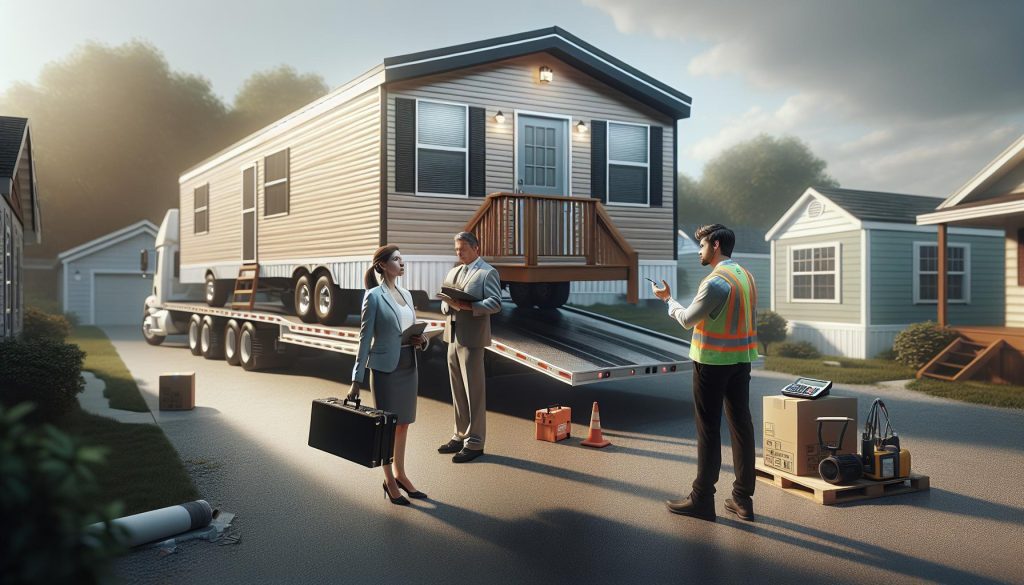
Moving a mobile home can often feel like a daunting endeavor, especially when considering the costs involved. Understanding how expensive it is to relocate this unique form of housing is essential for current owners and prospective buyers alike. From transportation fees to site preparation and utility reconnections, the expenses can add up quickly. This guide will break down the various costs associated with moving a mobile home, enabling you to make informed decisions and budget effectively. Whether you’re moving for a job, downsizing, or seeking a change of scenery, knowing what to expect financially can help ease your transition and empower your choices. Keep reading to gain insights that can transform your moving experience into a manageable and even rewarding journey.
Understanding Mobile Home Costs: Key Factors to Consider
Moving a mobile home can yield significant financial implications, making it crucial to understand the various costs involved. One captivating aspect of mobile living is how many owners underestimate the complexity of relocation expenses, which encompass not just transporting the home but also preparing it for the move and settling it in new surroundings. From permits to utilities, each factor plays a pivotal role in determining the overall cost of relocating your mobile home.
The first key factor to consider is transportation costs. This encompasses hiring a professional moving company, which might charge anywhere from $1,000 to $5,000 depending on distance, size of the home, and additional services like disassembly and reassembly. To give you a clearer picture, transportation costs can vary significantly based on specific needs and distances, often making it necessary to collect several quotes to find the best deal.
Other Associated Costs
In addition to transportation, understanding legal fees and permits is essential. Most states require specific permits to move a mobile home legally. These can typically range from $50 to $500, depending on local regulations. Moreover, installation costs-such as leveling the home and anchoring it to the ground-should not be overlooked. These setup costs generally range from $500 to $3,000, depending on the location and complexity of the installation.
Utility connections also represent a hidden but necessary cost to consider. Depending on your new location, connecting electricity, water, and sewer lines can range from $200 to upwards of $3,000. This financial planning is critical to avoid unexpected expenses that can spring up after the move.
Understanding these costs and how they interconnect is vital for budgeting effectively. A well-thought-out relocation plan not only enables a smoother transition but can also protect against unforeseen expenditures, ensuring that moving your mobile home enhances rather than burdens your financial wellness. By being informed about these factors, mobile home owners can make empowered decisions that reflect their unique needs and circumstances.
Average Costs of Moving a Mobile Home

Moving a mobile home often comes with a significant price tag that many owners may not fully anticipate. Understanding the average costs associated with this process can help in effective budgeting and financial planning. Typically, the total cost for relocating a mobile home can range from $1,500 to $5,000 or more, depending on factors such as the size of the home, the distance of the move, and any specialty services required.
When it comes to transportation, one of the largest contributors to these expenses is the fee charged by professional moving companies. A typical average fee might be around $1,000 to $3,000 for a local move, while longer distances can escalate the price significantly. Additional charges may incur for disassembly and reassembly if the home has extra features like porches or attached structures.
Moreover, various hidden costs can quickly add up, such as permits and legal fees. Most states require specific permits for moving a mobile home, with costs usually falling between $50 and $500. This is essential for ensuring compliance with local regulations and avoiding potential fines. Installation costs following the move, such as leveling and anchoring the home for stability, usually run between $500 and $3,000, depending on the required complexity of the installation at the new site.
In summary, while it is possible to predict a general budget for moving a mobile home, the actual expenses can vary widely based on individual circumstances. By thoroughly evaluating all associated costs-from transportation to installation-homeowners can create a comprehensive financial plan that minimizes surprises and maximizes peace of mind during their transition.
Breakdown of Transportation Expenses

Moving a mobile home is no small task, and understanding the transportation expenses involved is crucial for effective budgeting. The costs can quickly escalate, especially if you’re unprepared for the various fees associated with the move. Generally, transportation expenses are divided into several key components: professional moving fees, preparation costs, and additional charges based on distance or services provided.
Professional Moving Fees
The most significant portion of your transportation expenses will typically come from hiring a professional moving company. For a local move, you can expect to pay between $1,000 and $3,000, whereas longer distances can drive costs even higher, sometimes exceeding $5,000. This fee usually covers the transportation of the mobile home itself, but be aware that it may not include ancillary services such as disassembly or reassembly if your home has architectural features like porches, awnings, or extra attachments.
Preparation Costs
Before the move can happen, certain preparations must be made, which can add to your total expense. These can include:
- Disassembly: If your mobile home has features that need to be carefully taken apart, expect to incur additional costs in the range of $200 to $1,000.
- Site Preparation: The area where you plan to relocate your mobile home must be adequately prepared, including grading and clearing the land. This can add anywhere from $300 to $1,500 to your expenses.
Additional Charges
Don’t overlook miscellaneous fees that can also impact your budget. Depending on local regulations, you might need to secure permits, usually costing between $50 and $500. Additionally, if your move requires the use of specialized equipment for transport, such as oversized load permits or escorts for longer journeys, this could significantly increase your overall costs.
Being aware of these transportation expenses is vital for homeowners planning to relocate their mobile homes. Most importantly, thorough research and obtaining multiple quotes from different moving companies can help ensure that you’re making informed financial decisions. This proactive approach not only prepares you for anticipated costs but also equips you to handle any unexpected expenses along the way.
Permits and Legal Fees: What You Need to Know

Moving a mobile home involves navigating a complex web of regulations, and understanding the associated permits and legal fees is crucial for a smooth transition. Before embarking on your move, familiarize yourself with the specific requirements of your state and local municipality, as these can vary significantly. Failure to obtain the necessary permits can lead to delays and potentially hefty fines. On average, securing permits might cost between $50 and $500, depending on the jurisdiction and specific requirements.
Types of Permits
There are several permits you might need when relocating a mobile home:
- Transportation Permits: Often required if your home exceeds standard dimensions for road transport. These permits ensure that your mobile home can be legally moved on public roads.
- Site Preparation Permits: Depending on the planned site, you may need a permit to prepare the land where your mobile home will be placed.
- Zoning Permits: Local zoning regulations may dictate where mobile homes can be located, particularly regarding land use and compliance with local housing codes.
Understanding Legal Fees
In addition to permit fees, legal fees may arise if you need to consult a lawyer to ensure compliance with local laws, particularly if the relocation involves land ownership or leasing agreements. Typical legal consultations can range from $100 to $300 per hour, depending on your location and the complexity of the issues involved.
Consulting with your moving company can also provide insights into what permits are required. Experienced movers often navigate these processes regularly and can guide you through obtaining the necessary documents, ultimately saving you time and frustration. By proactively securing all necessary permits and understanding the associated costs, you position yourself for a smoother, more successful mobile home relocation.
Setting Up Your Mobile Home: Installation Costs Explained

Setting up a mobile home after relocation is a crucial step that sets the foundation for a comfortable living environment. The costs associated with installation can vary significantly depending on multiple factors, including location, site preparation, and the specific requirements of your mobile home model. Understanding these expenses is essential for budgeting and ensuring a successful setup.
The primary costs involve site preparation and leveling. Site preparation may include clearing the land, grading, and ensuring proper drainage. Typically, the costs for this service range from $1,000 to $5,000, depending on the existing condition of the site. It’s important to select a level area that will provide stability and support for your home. Proper leveling of the mobile home is critical to avoid structural issues later on. Leveling generally costs between $300 and $1,500, influenced by the home’s size and the complexity of the job.
Once the site is prepared, anchoring becomes necessary to secure the home against wind and other elements. Mobile home anchors are essential, especially in areas that face severe weather, and can cost between $500 and $1,200 for installation. Additionally, don’t overlook utility connections, including water, electricity, and sewage. The expenses for connecting these services can add anywhere from $1,000 to $3,000 to your initial costs, depending on how far these utilities are from your lot.
Lastly, ensure you are familiar with local codes and regulations, as they may dictate specific requirements for installation, permitting additional costs. Including professional installation in your plans can alleviate concerns about compliance and safety, making the transition to your new home smooth and hassle-free. By preparing for these potential costs upfront, you can set yourself on a path to enjoying your new mobile home without unforeseen financial surprises.
Utility Connection Expenses: A Hidden Cost
When relocating a mobile home, many owners often underestimate the costs associated with connecting essential utilities. These connections, while crucial for making a home livable, can quickly turn into a significant expense if not planned for properly. Before moving in, be sure to factor in these hidden costs alongside your transportation and installation expenses, as they can add anywhere from $1,000 to $3,000 to your overall budget depending on the distance to existing utility sources.
Understanding Utility Connections
The primary utilities to consider when moving a mobile home include water, electricity, and sewage. Each connection process can involve various fees, including those for labor, materials, and even inspections. For instance, if your new location is remote or lacks pre-existing connections, you may face additional costs, such as trenching for water lines or installing new electrical poles. Complicated setups can lead to higher expenses and extended timelines, so it’s advised to consult professionals who can provide accurate estimates based on your specific situation.
To navigate these costs effectively, here are some practical tips:
- Research Local Providers: Before the move, identify local utility companies and inquire about their connection fees and requirements. Some areas may have competitive rates.
- Plan for Permits: Check local regulations, as some areas may require permits for utility installations. Permits can carry additional costs that you’ll want to include in your budget.
- Consider Timing: Schedule utility connections for as soon as you arrive at your new site. Delays in connectivity can lead to added expenses, especially if temporary housing becomes necessary.
- DIY Where Possible: If you’re handy, you might save costs by completing some tasks yourself, like clearing the land or coordinating with friends or family for help.
By anticipating these utility connection expenses and including them in your initial moving budget, you can alleviate financial strain and ensure a smooth transition into your new mobile home. The key is proactive planning and thorough research-because once you understand these hidden costs, you can make informed decisions and enjoy your new living space with minimal unforeseen challenges.
Insurance Considerations When Moving a Mobile Home
When planning to move a mobile home, one essential aspect that often gets overlooked is insurance. Understanding your insurance options is crucial to protecting your investment during and after the relocation process. Unlike traditional homes, mobile homes might face unique risks during transport and when settling into a new location, making comprehensive insurance coverage imperative.
Before moving, it’s vital to check the current insurance policy. Not all policies cover the mobile home during transportation, so contacting your insurance provider to clarify what is included and exploring the option for temporary coverage during the move is wise. Having a national standard policy can often help to ensure that you’re covered during the transportation phase, but it’s essential to verify specifics, as policies can vary widely between insurers.
Types of Insurance to Consider
There are generally two types of insurance relevant to moving a mobile home: transportation insurance and site-specific insurance.
- Transportation Insurance: This covers your mobile home while it is being moved from one location to another. It protects against damages incurred during transport, such as collisions or bad weather conditions. Make sure to obtain proof of coverage from the moving company as well, as they may carry additional insurance for your mobile home during the transit process.
- Site-Specific Insurance: Once your mobile home is set up at its new location, you’ll need a policy that covers potential risks in your area, such as windstorms, flooding, fire, or theft. This type of insurance typically covers the structure, personal belongings, and liability in case of accidents on your property.
In some cases, loans on mobile homes require proof of adequate insurance before final approval. Engaging with your lender early in the insurance process can clarify your needs and possibly yield recommendations for coverage types and reliable insurers.
Factors Affecting Insurance Costs
Several factors can influence the cost of insurance for mobile homes being relocated. These include the home’s age, value, location, and even its foundation status. For example, mobile homes that are permanently anchored to the ground may be viewed more favorably by insurers than those that are not, which could lead to lower premiums.
Consider consulting with an insurance agent who specializes in manufactured housing to get tailored advice and find the best policy for your circumstances. Not only will they help you compare rates, but they can also provide insights about state mandates, additional riders, or endorsements that may be beneficial based on regional risks.
Ultimately, investing time in understanding and securing adequate insurance for your mobile home relocation will pay off in peace of mind, allowing you to enjoy your new home without the added anxiety of potential vulnerabilities. Being proactive about insurance not only protects your assets but also ensures a smoother transition into your new living space.
Financing Options for Mobile Home Relocation
Navigating the financial landscape of relocating a mobile home can feel daunting, yet understanding the available financing options can ease this transition and make it more manageable. It’s essential to consider various financial avenues that not only cover transportation costs but also installation and setup expenses. Before diving into specific options, it’s worth noting that managing your budget effectively through proactive planning can save you significant money and stress.
For those looking to finance moving costs, personal loans are a viable choice. These can provide quick access to cash without requiring collateral. Many banks and lending institutions offer personal loans with competitive interest rates, making them an attractive option for homeowners needing urgent funds for relocation. Alternatively, home equity loans can provide a larger sum since they are based on the equity you’ve built in your mobile home (if it is permanently affixed to land). With these loans, homeowners can tap into their property’s value, usually at lower interest rates than personal loans.
It’s also worth exploring specialized lenders who focus on manufactured homes. These lenders understand the unique aspects of mobile home financing and can offer tailored solutions that standard banks may not. Look for lenders that provide chattel loans, which are often used for personal property financing. This type of loan does not require the mobile home to be permanently affixed to the land as traditional mortgages do, making it an excellent option for those renting or moving multiple times.
Government Assistance and Grants
Additionally, you might want to research any government assistance programs or grants available for mobile homeowners. Programs from local housing authorities can sometimes offer financial support to low-income families or first-time buyers seeking to relocate their mobile homes. These programs typically have specific criteria and application processes, so it’s critical to inquire early and have all necessary documents ready.
In summary, whether it’s through personal loans, equity loans, or tapping into specialized lenders and government assistance programs, there are multiple financing options available for relocating your mobile home. Prioritize budgeting and research thoroughly to determine the most suitable options based on your unique situation. Engaging with financial advisors or specialists in mobile homes can also provide valuable guidance, ensuring you make informed decisions to lead a successful move.
Maintenance Costs After a Move: What to Expect
Understanding what to expect in terms of maintenance costs after relocating a mobile home is crucial for budgeting and long-term financial planning. Unlike traditional homes, mobile homes may present unique upkeep challenges and opportunities that homeowners should consider. From basic repairs to routine maintenance, being prepared can make a significant difference in your overall satisfaction with mobile home living.
One of the most fundamental aspects of his maintenance involves regular inspections of the home’s structure and systems. This could include checking for leaks, inspecting the roof and siding, and ensuring that the skirting around the mobile home remains intact. Prioritizing these small repairs can help prevent more extensive damage down the line, potentially saving hundreds of dollars in the process. Budgeting approximately $300 to $500 annually for general maintenance and minor repairs may provide a good starting point, but this can vary based on the home’s age and condition.
Utility connections also play a vital role in maintenance costs. After a move, you might need to evaluate and upgrade electrical, plumbing, and HVAC systems. Each of these systems can require periodic maintenance; for instance, HVAC systems should be serviced annually to maintain efficiency and prolong lifespan. The average cost for annual HVAC maintenance can range from $75 to $200. Additionally, you should account for utility bills, as these often fluctuate, especially in regions with extreme weather conditions. Always factor in budget adjustments for seasonal changes.
Furthermore, mobile homes may necessitate specific adaptations for environmental safety, such as storm tie-downs. These are essential for homes in hurricane-prone areas and will typically run between $200 to $700. If you decide to undertake renovations to improve energy efficiency, such as insulation upgrades or energy-efficient windows, these changes can incur higher up-front costs but significantly reduce long-term utility bills.
Being proactive about these maintenance considerations will help ensure that your mobile home remains a comfortable and safe living space. By setting aside funds and carefully planning for these expenses, homeowners can fully enjoy the benefits of mobile home living without the stress of unforeseen costs.
Tips for Reducing Moving Expenses
Moving a mobile home can be a significant financial undertaking, but there are effective ways to minimize costs and still achieve a successful relocation. One of the most impactful strategies is to thoroughly plan and organize the move in advance. By creating a detailed checklist that includes scheduling the move, budgeting for expenses, and coordinating with the moving company, you can avoid last-minute decisions that often incur higher costs.
Utilizing local resources is another excellent way to cut down on expenses. Instead of hiring large, nationally recognized moving companies, consider looking for local movers who specialize in mobile homes. They may offer lower rates and personalized service. Additionally, reach out to your community through social media or local classifieds; you might find friends or neighbors who can help with labor for loading and unloading, reducing the need for professional movers entirely.
Consider DIY Options
If you have the skills and equipment, taking on some of the moving tasks yourself can lead to significant savings. Some homeowners choose to drive the mobile home themselves if it’s towable, while others may handle the disconnection and reconnection of utilities. However, ensure that you understand the legal requirements and safety precautions before taking this route, as improper handling could lead to costly damages.
Negotiate Services and Compare Quotes
Never hesitate to negotiate with moving companies or service providers for better rates. Collect multiple quotes and compare them not only for the base price but also for what services are included. You might be surprised to learn that some companies are willing to match or beat competitor rates to earn your business.
Ultimately, being proactive and educated about the moving process can lead to considerable savings. By planning ahead, utilizing local labor, considering DIY options, and negotiating effectively, homeowners can navigate the financial landscape of moving a mobile home with greater ease, ensuring a more efficient and budget-friendly transition.
Exploring Mobile Home Resale Value After Relocation
Understanding the resale value of a mobile home post-relocation can significantly impact your financial planning and long-term investment strategy. Unlike traditional homes, mobile homes often experience a different trajectory in terms of value retention, largely influenced by factors such as location, market demand, and condition of the home. On average, mobile homes depreciate over time, leading potential sellers to be more strategic in their approach to maintenance and upgrades prior to listing.
Factors Affecting Resale Value
When relocating a mobile home, several pivotal factors come into play regarding its resale value:
- Location: The desirability of the new location significantly affects mobile home values. Proximity to amenities, schools, and public transport tends to enhance value.
- Condition and Upgrades: Homes that are well-maintained and feature recent upgrades, such as modern appliances or improved insulation, typically command higher prices.
- Market Trends: The local housing market, influenced by economic conditions, also plays a vital role. A booming market can lead to increased demand for mobile homes, while a stagnant one may hinder sales.
- Land Ownership: Owning the land beneath the mobile home is crucial. Homes on rented lots may have limited resale potential compared to those on owned land.
Maximizing Resale Potential
To enhance the likelihood of a favorable resale value, consider the following approaches before and after your home’s relocation:
- Regular Maintenance: Keeping up with routine maintenance-such as plumbing, electrical systems, and roofing-can prevent larger issues from arising, thereby preserving value.
- Enhancements and Remodeling: Aesthetic upgrades, such as new paint, flooring, or landscaping, can greatly increase appeal and value.
- Documenting Improvements: Keeping a comprehensive record of all upgrades and maintenance will instill confidence in potential buyers regarding the home’s condition.
In summary, understanding and strategically managing the resale value of your mobile home after relocation can set the stage for a successful sale. By focusing on essential upgrades, maintaining the property diligently, and being mindful of market trends, homeowners can not only navigate the sales process more effectively but also capitalize on their investment in this increasingly popular housing option.
Navigating State Regulations for Mobile Home Moves
Understanding the intricacies of state regulations is crucial when planning a move for your mobile home, as these rules can significantly impact both the logistics and costs associated with your relocation. Different states have varying laws governing mobile home movement, and being informed can save you both time and money. For instance, many states require a specific permit for moving mobile homes, which can involve fees that may vary widely based on your location and the distance of the move.
Properly obtaining the necessary permits starts with contacting your local Department of Motor Vehicles (DMV) or state transportation department. They can provide guidance on the specific permits required, the documentation needed, and the fees involved. It is also beneficial to check if any local zoning regulations apply in your new area-this includes restrictions on where mobile homes can be situated, which can affect your choice of relocation destination.
Another vital aspect to consider is the overall compliance with state laws regarding safety measures, such as proper anchoring and stability assessments. Some states mandate that mobile homes meet specific standards-especially those located in areas prone to severe weather conditions. Such requirements may call for comprehensive inspections and could lead to additional costs. For instance, if your new location is in a hurricane-prone area, you may need to invest in additional tie-downs or structural reinforcements to adhere to local codes.
Lastly, consulting with a professional mover experienced in mobile home relocations can be invaluable. They are familiar with the legal landscape and can ensure that all necessary steps are taken, thus streamlining the process. Engaging a mover also helps in adhering to the protocol of taking down and re-establishing utilities, which may be governed by separate state and local regulations. By investing the time to understand and navigate these regulations, you can facilitate a smoother and more cost-effective move for your mobile home.
Frequently asked questions
Q: How much does it typically cost to relocate a mobile home?
A: The cost to relocate a mobile home generally ranges from $1,000 to $5,000, depending on distance, size, and local regulations. Ensure you account for transportation, permits, and installation when budgeting for the move. For more details, see our section on Average Costs of Moving a Mobile Home.
Q: What additional costs should I expect when moving a mobile home?
A: Expect costs for permits, insurance, and potential site preparation. Utility connections and installation may also incur fees, which can vary based on location. Refer to our Breakdown of Transportation Expenses and Utility Connection Expenses for more insights.
Q: What factors influence the cost of moving a mobile home?
A: Factors influencing the cost include the distance of the move, the size of the home, accessibility of the site, and local permit fees. Understanding these elements can help you prepare a more accurate budget. For more, check our Understanding Mobile Home Costs section.
Q: Are there financing options available for moving a mobile home?
A: Yes, some lenders offer loans specifically for mobile home relocation. It’s beneficial to research financing options that cover both transportation and installation costs. Visit our Financing Options for Mobile Home Relocation section for specific solutions.
Q: How can I reduce the expenses associated with moving a mobile home?
A: To reduce expenses, consider scheduling your move during off-peak seasons, obtaining multiple quotes from moving companies, and handling some tasks yourself, such as preparing the site. For more tips, see our Tips for Reducing Moving Expenses section.
Q: Is insurance necessary when moving a mobile home?
A: Yes, insurance is essential to cover potential damages during transport. Consult with your insurance provider to ensure comprehensive coverage throughout the move. Learn more about this topic in our Insurance Considerations When Moving a Mobile Home section.
Q: What should I check before moving my mobile home?
A: Before moving, check local zoning laws, utility connections at the new location, and any necessary permits. Ensuring compliance can prevent costly delays or fines. Refer to Navigating State Regulations for Mobile Home Moves for additional guidance.
Q: How do I prepare my mobile home for relocation?
A: Preparing your mobile home involves securing loose items, detaching utilities, and ensuring it complies with transport regulations. Consider hiring professionals for this process to avoid damage. For setup and moving details, review our Installation Costs Explained section.
Future Outlook
Navigating the costs associated with moving a mobile home can be daunting, but being informed empowers you to make the right decisions. Remember, understanding breakdowns in costs, like transportation, setup, and permits, is crucial for your budgeting process. If you have lingering questions or need personalized advice, don’t hesitate to explore our detailed guides on financing options and mobile home insurance to ensure you’re fully prepared.
Ready to take the next step? Subscribe to our newsletter for expert insights and updates that keep you informed on mobile home living and ownership. You might also find our articles on maintenance and renovations invaluable as you plan your move. Your journey into mobile home ownership is exciting-embrace it with confidence, and engage with our community by sharing your experiences or asking questions!