
Navigating warranty claims for mobile home defects can feel overwhelming, yet understanding your rights as a homeowner is crucial to protecting your investment. Did you know that many defects can be covered under warranty, potentially saving you thousands? As homeowners, you deserve a safe and comfortable living space, but unexpected issues may arise. This article will equip you with essential insights and strategies on how to effectively surf warranty claims related to mobile home defects, ensuring that you’re empowered to get the compensation you deserve. By demystifying the claims process and highlighting key considerations, you can confidently tackle any challenges and secure your rights as a mobile home resident. Dive in to discover how to make your warranty work for you and transform the claims experience into a pathway toward resolution and peace of mind.
Understanding Warranty Claims for Mobile Homes
can be complex, but grasping the basics is essential for every mobile homeowner. Warranties are designed to protect your investment by covering specific defects and failures in both the structure and the systems of the home. Many warranties cover significant structural issues, such as problems with the frame, roof, and siding, as well as defects in critical systems like plumbing, electrical, and HVAC. Knowing what is included in your warranty is crucial to ensure you receive the benefits you’re entitled to.
To successfully navigate the warranty claims process, it’s vital to familiarize yourself with the terms and conditions of your warranty policy. Each warranty is unique, so understanding the specifics-such as the duration of coverage and what is deemed a “defect”-is the first step toward a successful claim. If an issue arises, document everything meticulously; gather photographs, receipts, and maintenance records. These will bolster your case when you reach out to the manufacturer or warranty provider.
Open and clear communication with your warranty provider can make a significant difference. When presenting your claim, aim to be concise, straightforward, and honest about the problems you are experiencing. Refrain from assuming they are already aware of your situation and instead provide all necessary details to ensure a smooth claims process. Should any disputes arise over coverage or denials, remember that you have the right to appeal their decision and seek further clarification on your coverage.
In summary, not only empowers you as a homeowner but also enhances your ability to advocate for yourself in securing the repair or replacement you need. The combination of diligent documentation, clear communication, and a strong understanding of your warranty will pave the way for greater success in navigating potential claims.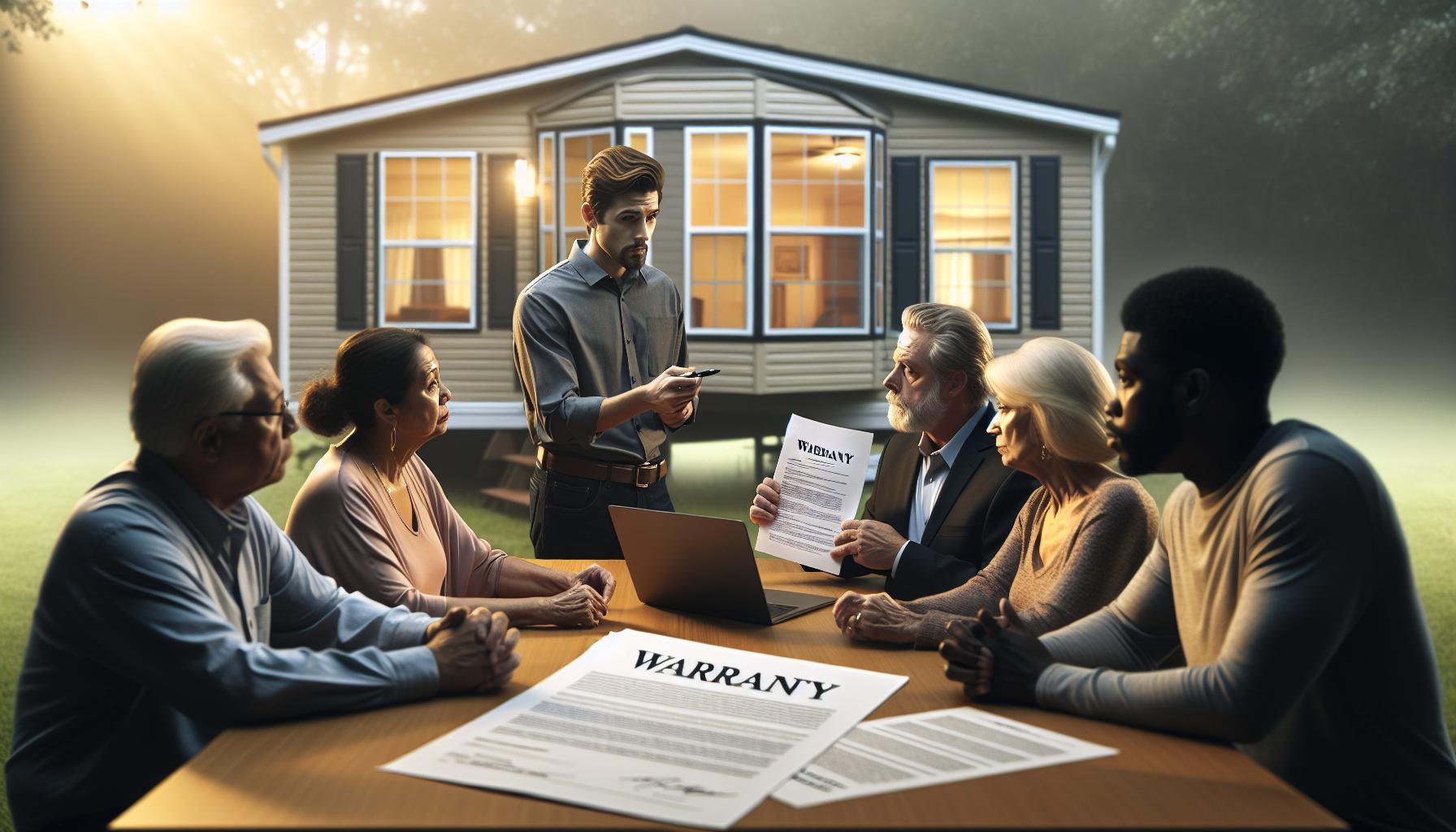
Common Defects Covered by Mobile Home Warranties
Many mobile homeowners are often surprised to learn the breadth of defects covered by typical mobile home warranties. These warranties are instrumental in protecting your investment, providing peace of mind that significant structural issues or system failures won’t result in a financial burden. Understanding the common defects that are typically included can enhance your confidence in managing your home efficiently.
One of the primary areas covered under mobile home warranties is structural integrity. This includes the frame, roof, and siding, which are vital for the overall stability and safety of your home. For instance, warranties often cover defects like sagging roofs, cracked framing, or issues with the wall structure that may arise due to poor construction quality or material failure. Additionally, the foundation is crucial, and many warranties extend coverage to defects in the foundation that compromise the home’s stability.
Another critical area is the essential systems of your home. Warranties usually encompass significant electrical, plumbing, and HVAC (heating, ventilation, and air conditioning) problems. For example, if the heating system fails to operate properly or if there is a sudden plumbing leak that leads to extensive water damage, a comprehensive mobile home warranty can provide the necessary repairs or replacements to minimize your out-of-pocket expenses. Furthermore, coverage often includes the appliances installed in the home, such as refrigerators and stoves, which can also develop defects over time.
It’s essential for homeowners to review their specific warranty documentation, as there can be variations among providers regarding what constitutes a defect and the exclusions that may apply. Familiarity with these common defect categories empowers homeowners to recognize issues early and initiate claims promptly, ensuring that they can get the repairs needed without unnecessary delays or costs.
Navigating the Warranty Claim Process Explained
Navigating the warranty claim process for mobile homes can seem daunting, but understanding the steps involved and knowing what to expect can empower homeowners to effectively manage repairs and maintain their home’s value. Armed with knowledge, you can approach your warranty claims with confidence and clarity, ensuring minimal disruption to your life and budget.
When you identify a defect covered by your warranty, the first step is to carefully document the issue. Take detailed photographs of the defect, noting the date of discovery and any relevant circumstances surrounding the issue. This visual evidence, coupled with a thorough written description, will play a crucial role in substantiating your claim. Next, review your warranty agreement to familiarize yourself with the specific details regarding coverage, exclusions, and the proper procedure for filing a claim. Each warranty provider may have different requirements, so knowing these can prevent delays.
Once you have prepared your documentation, contact your warranty provider to initiate the claim. Be prepared to provide a concise summary of the defect and the supporting evidence you’ve gathered. Clear and polite communication is key; consider keeping a log of all interactions, including dates, names, and the content of discussions, to maintain an organized record. In many cases, an inspector may need to visit your home for verification-cooperate with them, as their assessment will be vital for the outcome of your claim.
If your initial claim is approved, review the details of the coverage and the contractor’s qualifications before work begins. However, should your claim be denied, it is important to understand your rights. You can request a written explanation for the denial and, if warranted, appeal the decision by providing additional evidence or clarification. There are also consumer protection laws in place that may assist you in challenging unfair denials, so consider seeking legal counsel if necessary.
Being proactive and informed throughout the warranty claim process will not only facilitate smoother resolutions but also ensure your rights as a mobile home owner are upheld. Remember, the goal is to restore your home efficiently and effectively while minimizing stress and financial impact.
Essential Documentation for Successful Claims
Understanding what documentation is necessary for filing a warranty claim on your mobile home can make all the difference in a successful resolution. Proper documentation not only demonstrates your diligence as a homeowner but also enhances your credibility with warranty providers. This process might seem intimidating, but once you know the key components to gather, you’ll be better equipped to navigate any potential claims with confidence and efficiency.
To start, ensure you have a detailed report outlining the defect. This should include a clear written description that encompasses the nature of the issue, how it affects your home, and any steps you’ve taken to mitigate the damage. Accompany this with high-quality photographs showcasing the problem. Visual evidence is often the most persuasive element of your claim; ensure the photos are well-lit and clearly highlight the defect. Consider including multiple angles or close-ups for comprehensive coverage.
Essential Documentation Checklist
Here’s a concise list of crucial documentation to support your claim:
- Warranty Agreement: Keep a copy of your warranty document accessible to understand your coverage and limitations.
- Written Report: A detailed description of the defect and its impact on your mobile home.
- Photographic Evidence: Multiple clear images showing the defect from different angles.
- Maintenance Records: Documentation of regular maintenance performed on your mobile home to demonstrate responsible home ownership.
- Correspondence Log: A record of all communications with your warranty provider, including dates, times, and content discussed.
- Inspector Reports: If an evaluator from the warranty company inspects your mobile home, retain any reports or notes they provide.
Providing this documentation not only strengthens your claim but also helps clarify the situation for the warranty provider. Well-organized files that detail the progression of the defect and your proactive measures to address it underscore your transparency and reliability as a claimant. This can significantly speed up the process and enhance your chances of approval. Embrace the role of an informed advocate for your mobile home; thorough documentation is your best ally in securing a successful warranty claim.
Tips for Effective Communication with Manufacturers
Effective communication with manufacturers can significantly improve your chances of a successful warranty claim on your mobile home. One of the most important components of this communication is clarity. When presenting your issue, employ straightforward and precise language. Avoid jargon unless it is industry-specific and relevant. Clearly explain the defect, its impact on your home, and any previous correspondence you might have had regarding the matter. This ensures that the manufacturer fully understands the context of your claim from the outset.
Be proactive in your communication. Initiate contact as soon as you identify a defect. When you reach out, provide a comprehensive overview of your warranty coverage. Doing so demonstrates your knowledge and sets the stage for a constructive discussion. If available, mention specific warranty clauses that relate to your issue. This will not only build your credibility but also prompt the manufacturer to consider your claim more seriously.
Maintain detailed records of all communications, including dates, times, and the names of representatives you speak with. This log can be invaluable if disputes arise regarding your claim. In your interactions, be courteous but assertive. Use polite language, but also express the urgency of your situation-that this defect poses a risk or inconvenience that requires attention. If you feel your claim is being delayed or dismissed, it’s reasonable to follow up with firm inquiries while maintaining professionalism.
Consider employing visual aids to support your claim. If applicable, attach photographs or videos that clearly depict the defect and its consequences. Visual documentation not only supports your written descriptions but can also make your case more compelling. Craft a well-organized email or message that includes this information, and reference it during phone calls or in conversations with customer service representatives. By combining clarity, thoroughness, and professionalism in your communications, you enhance your chances of a positive outcome with manufacturers, helping ensure that your mobile home remains a safe and comfortable place to live.
Maximizing Your Claim Payout: Proven Strategies
Maximizing your warranty claim payout for mobile home defects requires a combination of preparation, documentation, and strategic communication. Understanding the intricacies of your warranty is essential; know what is covered, the claim process, and any associated timelines. By familiarizing yourself with the specific language and clauses in your warranty, you enhance your ability to argue effectively for your needs.
To strengthen your claim, it’s vital to gather comprehensive documentation from the outset. This includes photographs of the defects, receipts of any repairs, maintenance records, and any correspondence related to your issue. A well-organized binder or digital folder can be invaluable for tracking relevant documents and communication history. Consider maintaining a claim diary that chronicles every interaction with the manufacturer or service provider. Document dates, names of representatives, and key points discussed. This meticulous record can support your assertions if a dispute arises.
When it comes to communicating with manufacturers, clarity and persistence are key. Present your case clearly and assertively without displaying frustration. Use of terminology directly related to your warranty can demonstrate your knowledge and seriousness. Furthermore, consider reaching out through multiple channels-phone, email, or even certified letters-if you believe your case isn’t getting adequate attention. If faced with a difficult representative, tactfully ask to speak to a supervisor or a more specialized claims adjuster. This can often escalate your claim to a person with the authority to facilitate a resolution.
Lastly, leveraging third-party support, such as consumer advocates or mobile home associations, can advocate on your behalf. They often have experience dealing with manufacturers and might provide helpful tips or strategies tailored to your situation. The combination of thorough preparation, clear documentation, proactive communication, and community support can significantly increase your claim payout and enhance your overall experience in navigating warranty claims on mobile home defects.
Challenging Denied Claims: Your Rights and Options
When faced with a denied warranty claim on your mobile home, it can feel like an uphill battle. However, understanding your rights and the steps to challenge these denials is crucial to protect your investment and ensure you receive the coverage you deserve. Start by carefully reviewing the denial letter; it usually contains the specific reasons for the claim being rejected. Whether it’s due to perceived lack of coverage, insufficient documentation, or an alleged failure to follow maintenance guidelines, knowing the exact cause allows you to prepare a more focused appeal.
Gathering Evidence
Building a strong case requires diligent gathering of evidence. Compile all relevant documentation, including photographs of the defects, maintenance records, and previous correspondence with the manufacturer. It is also beneficial to include any warranties, notices, or promotional materials provided at the time of purchase that indicate what is covered under your warranty. This evidence establishes the validity of your claim and can significantly strengthen your appeal.
Submitting an Appeal
Once armed with the necessary evidence, draft a clear and concise appeal letter addressing the reasons for the denial. In your letter, reference the specific clauses in the warranty that support your case. Include copies of all supporting documents, and ensure that your contact information is clearly stated for follow-up. Sending your appeal via certified mail will provide a receipt and establish a record of your communication. Consider following up with a phone call to the claims department to ensure your appeal has been received and is being processed.
Understanding Your Rights
As a mobile home owner, you have rights that protect you in these scenarios. Familiarize yourself with local consumer protection laws that govern warranty claims in your state. Many states have specific regulations regarding the obligations of manufacturers and that they must adhere to warranty terms. If your appeal is still denied after taking these steps, consider seeking guidance from a consumer protection agency or a legal professional who specializes in warranty disputes.
With persistence and thorough preparation, challenging a denied claim can result in a favorable outcome. Remember, you have invested in your mobile home hoping for its durability and safety, and advocating for the respect of your rights is an integral part of homeownership. Stay proactive, organized, and informed as you navigate this process.
Preventative Measures for Future Defects
Investing in a mobile home can offer an affordable and flexible housing option, but taking steps to prevent defects can save you considerable time, money, and frustration in the long run. By implementing routine maintenance and employing proactive strategies, you can minimize the likelihood of encountering issues that might require warranty claims. Understanding common areas of concern helps ensure a safer living environment while reinforcing the durability of your investment.
One effective preventative measure is conducting regular inspections. Assess the exterior and foundation of your mobile home, checking for signs of water damage, cracks, or shifting. Pay attention to the skirting, as gaps or damage can lead to pest entry and moisture accumulation. Inside, routinely inspect plumbing fixtures for leaks and ensure that appliances are functioning correctly. Keeping a detailed record of these inspections can be invaluable should a defect arise, providing evidence of your diligent maintenance efforts.
Another key strategy is to stay informed about the specific materials and systems in your mobile home. For instance, understanding the type of roofing and siding your home has-whether it’s metal, asphalt, or vinyl-allows you to choose appropriate cleaning and maintenance techniques that extend their lifespan. Additionally, making sure that HVAC systems are serviced regularly can help prevent costly breakdowns and ensure a comfortable living environment.
To bolster your home against potential damages, consider investing in preventative technology. Sump pumps, moisture barriers, and dehumidifiers can effectively reduce the risk of mold and water damage, particularly in areas prone to flooding or high humidity. Furthermore, implementing weatherproofing measures-such as sealing gaps around windows and doors-can improve energy efficiency and protect against outdoor elements, ultimately preserving your home’s structure.
In summary, staying proactive about maintenance and repairs not only helps you to enjoy your mobile home but also strengthens your position during any warranty claims. By implementing routine inspections, staying knowledgeable about your home’s systems, and investing in preventative measures, you can safeguard your investment against common defects, allowing you to navigate the world of mobile home ownership with confidence.
Exploring Additional Resources and Support Groups
Connecting with additional resources and support groups can significantly enhance your understanding of mobile home warranties and empower you to navigate the warranty claim process effectively. Whether you’re a current mobile home owner or a prospective buyer, leveraging these resources can provide invaluable insights, advocacy, and community support.
One excellent starting point is the Manufactured Housing Institute (MHI), which offers a wealth of information regarding regulations, industry standards, and advocacy for mobile homeowners. Digging into their website can reveal important updates on warranty issues and best practices. Additionally, joining local or national manufactured housing associations can connect you with experienced professionals who can answer your questions and provide tailored guidance based on your unique situation.
Community-based support groups or online forums can also play a vital role in sharing experiences and tips among mobile homeowners. Platforms like Facebook groups or dedicated Reddit communities allow members to discuss warranty claims, share success stories, and offer sympathy during challenging moments. Being part of such communities gives you access to a broader pool of knowledge, helping you navigate common pitfalls and amplify your voice against manufacturer negligence.
Finally, consider reaching out to legal aid organizations or consumer protection agencies. These entities can assist with understanding your rights related to warranty claims and help you formulate a strategy if you face a denial. Many of these organizations offer free consultations or workshops focused on consumer rights, providing an additional layer of protection and support during your warranty claim journey.
In short, utilizing these resources and actively participating in support groups can not only help you stay informed but also strengthen your defense when pursuing warranty claims. Embracing this support network reinforces the notion that you are not alone in your mobile home ownership journey, offering encouragement and practical advice tailored to your needs.
Legal Considerations Around Mobile Home Warranties
Understanding the legal landscape around mobile home warranties is crucial for any homeowner or prospective buyer navigating this specialized area. Mobile homes, often seen as an affordable housing solution, are subject to various regulations that differ significantly from traditional home buying and warranty practices. Knowing your rights is fundamental to ensuring you are adequately protected against defects and malfunctions that may arise after purchase.
A robust mobile home warranty often covers numerous aspects, but the specific legal language in these documents can be daunting. Clear comprehension of the warranty terms is vital. For example, many warranties cover structural components, plumbing, and electrical systems, but exclusions often exist for issues stemming from improper installation or routine maintenance negligence. Homeowners should review the fine print carefully, as many disputes arise from misunderstandings about the scope of coverage. Additionally, being aware of the state and federal laws governing mobile home warranties can empower owners in negotiations with manufacturers, potentially resulting in more favorable outcomes.
If a warranty claim is denied, it’s essential to know your options for recourse. Many states have consumer protection laws that provide a clear process for challenging a denial. Familiarizing yourself with local regulations can be advantageous. For example, some states allow homeowners to escalate disputes to arbitration rather than engaging in lengthy litigation, which may be more cost-effective. Furthermore, documenting all communications with manufacturers and keeping a detailed account of any defects and repair attempts will serve as valuable evidence if legal intervention becomes necessary.
Engaging with consumer advocacy groups can also offer guidance through potential legal challenges. These organizations often have resources and experts who can help you interpret your rights and explore legal pathways to resolve disputes with manufacturers. Connecting with seasoned mobile home owners via support groups or forums can also provide real-world insights into legal considerations, offering varied perspectives on common pitfalls and effective strategies for navigating warranty claims. In doing so, homeowners not only educate themselves but also extend their network of support, enhancing their ability to advocate for their needs in this unique housing landscape.
The Importance of Routine Inspections and Maintenance
Maintaining a mobile home is not just about keeping it looking good; it is a crucial part of protecting your investment and ensuring its longevity. Routine inspections and maintenance can help you catch potential issues before they escalate into costly repairs or warranty claim denials. Regular check-ups enable homeowners to remain aware of the structural integrity, as well as the functionality of essential systems such as plumbing, electrical, and HVAC, which are all critical components of a mobile home.
Implementing a structured maintenance schedule is beneficial. Here are some key areas to focus on:
- Exterior Inspections: Regularly inspect the roof, siding, and skirting for signs of wear and tear, gaps, or damage. This proactive approach can help prevent water intrusion and pest infestations.
- System Checks: Ensure that plumbing and electrical systems are functioning correctly by checking for leaks or exposed wires. Promptly addressing minor issues can prevent more significant malfunctions down the road.
- Foundation Assessment: Particularly in areas prone to extreme weather, check the stability of the foundation and ensure that tie-down systems are secure and effective.
- Seasonal Preparations: Different seasons can bring about different challenges, such as freezing temperatures or heavy rains. Preparing your mobile home for seasonal changes-like insulating pipes in winter-can save you from unexpected repairs.
By keeping a detailed log of maintenance activities, including photographs and notes on the condition of various home systems, residents strengthen their position should they ever need to file a warranty claim. This documentation can prove that the homeowner fulfilled their obligations under the warranty, helping to fend off any claims of negligence.
Engaging with your living space not only enhances the maintenance culture within your mobile home but fosters peace of mind. The more conscientious you are about the upkeep, the better prepared you will be in navigation should any defects arise, ultimately leading to smoother warranty claims and higher payout potential.
Investing in Extended Warranties: Is It Worth It?
Investing in an extended warranty for your mobile home can feel like a gamble, but it often proves to be a wise decision for many homeowners. Unlike standard warranties that typically cover defects for a limited time, extended warranties provide additional peace of mind by covering repairs and replacements beyond the initial warranty period. Given the unique components of mobile homes-such as specialized appliances, unique construction materials, and the necessity for regular maintenance-the value of an extended warranty can be significant.
One crucial factor to consider is the nature of mobile home ownership, which can expose homeowners to unexpected repair costs due to the specialized systems that may not be as readily available or affordable as those for traditional homes. For instance, if your mobile home’s HVAC system fails after the original warranty expires, the costs associated with repair or replacement could be substantial. An extended warranty can mitigate these risks by covering these expensive repairs, saving you considerable out-of-pocket expenses.
When evaluating the worth of an extended warranty, it’s essential to understand the specifics of what is covered. Not all extended warranties are created equal, and many may have exclusions that could surprise you after the fact. Look for plans that offer comprehensive coverage on critical systems and components such as plumbing, electrical systems, and structural features. It’s also wise to read the fine print regarding service provider networks, waiting periods, and any deductible requirements. This information helps you gauge if the extended warranty meets your specific needs and lifestyle.
Moreover, many homeowners find that extended warranties can increase the resale value of their mobile homes. Prospective buyers are often more willing to purchase a home that comes with extended warranty coverage, knowing they won’t face unexpected repair costs in the near future. This added security can make your mobile home more attractive in the marketplace and could lead to higher offers. In summary, while the upfront cost of an extended warranty might seem like an unnecessary expense, the protection it offers can safeguard your investment and provide comfort during your years of ownership.
Frequently Asked Questions
Q: What are common reasons for mobile home warranty claims to be denied?
A: Common reasons for denial include lack of proper documentation, submitting claims for defects not covered under the warranty, and delay in reporting issues. Always review your warranty policy to ensure compliance and provide evidence when claiming defects [[4]].
Q: How can I prove my mobile home defect is covered under warranty?
A: To prove coverage, gather all relevant documentation such as your warranty agreement, photos of the defect, and any correspondence with the manufacturer. In your claim, clearly reference specific warranty clauses that support your case [[4]].
Q: What steps should I take if my warranty claim is denied?
A: If denied, review the rejection letter for reasons. Prepare to provide additional evidence or clarification and consider reaching out to customer service for a detailed explanation. You may also have the option to appeal the denial [[4]].
Q: Can I transfer my warranty if I sell my mobile home?
A: Many mobile home warranties are transferable, but this depends on the warranty terms. Always check with the manufacturer for the specific transfer process and any potential fees before selling your home [[4]].
Q: How long does it typically take to process a mobile home warranty claim?
A: The processing time for a mobile home warranty claim can vary, generally taking between 30 to 60 days. For faster resolution, ensure you submit complete documentation at the start [[4]].
Q: What should I include when filing a warranty claim for mobile home defects?
A: When filing, include a clear description of the defect, supporting photos, warranty documentation, and a timeline of when the issue was first noticed. This comprehensive approach helps streamline the claims process [[4]].
Q: Are there state laws that affect mobile home warranty claims?
A: Yes, some states have specific laws regarding mobile home warranties, including consumers’ rights and manufacturer responsibilities. It’s crucial to familiarize yourself with local regulations to understand your protections [[4]].
Q: How can I maximize my warranty claim payout?
A: To maximize your payout, provide thorough documentation of the defect, request multiple repair estimates, and maintain good communication with the warranty provider. Being proactive and organized can significantly enhance your success [[4]].
The Way Forward
Navigating warranty claims for mobile home defects doesn’t have to be overwhelming. Remember, understanding your rights and the processes involved is key to getting the compensation you deserve. If you have lingering questions or need additional support, check out our detailed guides on mobile home maintenance and financing options to equip yourself with the knowledge you need.
Ready to take action? Don’t wait-start reaching out to your warranty provider today, and ensure your mobile home is the safe haven you envisioned. For more insights and resources, subscribe to our newsletter, or explore our sections on mobile home legal requirements and renovation tips. Your journey to confident mobile home ownership starts here, and together we can turn challenges into opportunities. Let us know your thoughts in the comments, and feel free to share this guide with fellow mobile home enthusiasts!