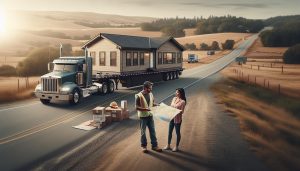
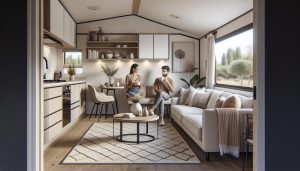
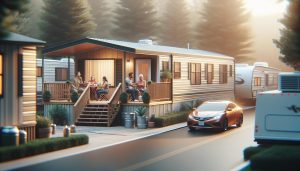
Are you confused about the difference between modular and manufactured homes? You’re not alone-many prospective buyers and current residents face this dilemma. Understanding these distinctions is crucial for making informed decisions in today’s housing market. Modular homes are built in sections and assembled on-site, while manufactured homes are constructed off-site and transported to their final location. By learning how to identify these two types of homes, you empower yourself to choose the best living situation for your needs. In this guide, we’ll explore key characteristics, enabling you to navigate options confidently and understand the unique benefits each type of home offers. Let’s dive in and simplify your search for the perfect home!
Understanding the Basics: Modular vs. Manufactured Homes
Understanding the key differences between modular and manufactured homes can empower you in making informed housing decisions. Both types of homes are factory-built, but their construction processes, regulations, and end results differ significantly. Modular homes are constructed in sections, or “modules,” which are built to conform to local building codes and then transported to the site for assembly. Once installed, they often look and feel like traditional on-site built homes. In contrast, manufactured homes are built under the federal HUD code and can be placed anywhere. They are often delivered as a whole unit, which can lead to different aesthetics and regulatory considerations.
When exploring the characteristics that define each type of home, note that modular homes typically feature a more robust construction, appealing to those seeking longevity and custom designs. They can have the same high-quality materials and architectural styles as conventional homes, which can enhance their resale value. Manufactured homes, meanwhile, often provide a more affordable option and are available in various designs, but they are driven by different construction standards that affect their durability and longevity compared to modular options.
Another element to consider is the regulatory framework. Modular homes must adhere to strict state building codes, similar to traditional homes, while manufactured homes follow national HUD regulations. This distinction is key as it influences many aspects of the homes, from insurance and financing to resale potential. Potential buyers should also be aware that misconceptions abound regarding both types of housing. Clearing up these myths can reveal the advantages of modular and manufactured homes as viable housing solutions. By recognizing these distinctions, prospective homeowners can navigate the housing market more confidently and find the right fit for their needs.
Key Differences: Identifying Features of Each Type
Understanding how to differentiate between modular and manufactured homes is crucial for potential homeowners and investors alike. Both types of homes are built in factories, but they adhere to different regulations and construction standards, which leads to noticeable differences in design, construction quality, and legality.
One of the first things to look for is the foundation type. Modular homes are permanently affixed to a foundation on-site, making them comparable to traditional site-built homes. In contrast, manufactured homes are often placed on a temporary foundation, which makes them easier to relocate. The exterior finish can also provide clues; modular homes typically feature siding, roofs, and architectural styles that mirror traditional homes, whereas manufactured homes might appear more uniform, with more limited design options.
- Building Codes: Modular homes are constructed according to local building codes and regulations, which ensures that they meet the same standards as traditional homes. Manufactured homes, however, are built under the HUD code, which sets different standards for safety and design.
- Labeling: Check for labels or documentation. Modular homes often carry a state-issued label or certification signifying adherence to local codes, while manufactured homes come with a HUD certification label attached to the exterior.
- Customizability: Modular homes offer greater flexibility in design and customization. Homebuyers can modify various elements like room layouts, materials, and finishes. Manufactured homes generally provide fewer customization options and are often sold as-is.
Being able to identify these features can assist in making a well-informed decision for potential buyers and investors. Recognizing these distinctions not only aids in understanding what you’re purchasing but also enhances your confidence in navigating the housing market.
How to Spot a Modular Home: Quick Visual Cues
Identifying a modular home can be straightforward if you know what to look for. One of the first visual cues is the structure and design; modular homes typically showcase architectural styles and materials that align closely with traditional site-built homes. You might notice features such as gables, porches, and varying rooflines that give modular homes a unique character while maintaining a familiar appearance. These homes are also often more spacious, with higher ceilings and more open floor plans compared to manufactured homes.
Another key indicator is the type of foundation. Modular homes are designed to be permanently affixed to a foundation that is constructed on-site, which may include basements or crawl spaces. This gives them a solid, stable appearance. Conversely, manufactured homes are usually placed on a temporary foundation, often utilizing piers or blocks, allowing for easier relocation. Additionally, modular homes are recognized by their higher levels of customization, which can often result in varied window placements, exterior colors, and other design elements that may not be present in the more uniform look of manufactured homes.
To further distinguish a modular home, look for state-issued labels or certifications typically visible on the exterior. These indicate compliance with local building codes, a significant marker that differentiates modular homes from manufactured ones, which possess a HUD certification label instead. Understanding these visual cues can significantly empower prospective homeowners and investors, enabling better decisions in the housing market.
By paying attention to these characteristics, you will not only gain clarity in distinguishing between modular and manufactured homes but also develop confidence in your knowledge of what each type of housing offers. Whether you’re a first-time buyer or someone well-versed in the housing market, these insights can be invaluable in your journey toward home ownership.
Recognizing a Manufactured Home: Essential Signs
Recognizing a manufactured home begins with understanding its unique characteristics. Unlike modular homes, which are often built to the same standards as traditional homes, manufactured homes have a specific set of features that can help you identify them. One of the most prominent aspects is the construction method; manufactured homes are built in factories using the HUD (Department of Housing and Urban Development) code. This code governs their construction, giving them a distinct regulatory framework that sets them apart from modular homes.
To spot a manufactured home, look for the following essential signs:
- HUD Label: A key indicator of a manufactured home is the HUD certification label, which is usually affixed to the exterior. This label, often referred to as the “HUD tag,” certifies that the home meets federal standards.
- Structure and Design: Manufactured homes tend to have a uniform appearance with consistent design elements. They typically do not include some of the architectural features found in modular homes, such as varying rooflines or extensive customization.
- Foundation Type: Most manufactured homes are placed on temporary foundations-often using piers or blocks-rather than a permanent basement or crawl space, which is more common for modular homes. This feature allows for easier relocation if needed.
- Single or Double-Wide Options: Manufactured homes come in various configurations, including single-wide and double-wide models. Single-wides are narrower and more compact, while double-wides offer more space and stability, sometimes resembling traditional houses.
Understanding these elements can help you effectively distinguish a manufactured home from other types of housing. Owning a manufactured home is a viable option, offering flexibility and affordability, making it an appealing choice for many buyers. By identifying the essential signs of manufactured homes, potential homeowners and investors can make informed decisions in the real estate market.
Construction Processes Explained: Modular vs. Manufactured
When considering modular and manufactured homes, understanding their construction processes is paramount. Although these homes are often produced in factories, significant differences exist in their building methods, standards, and final assembly. Modular homes are constructed using traditional building materials and techniques, complying with local and state building codes. They are built in sections, or modules, which are then transported to the site and assembled on a permanent foundation. This process often includes a higher level of customization in terms of layout and finishes compared to manufactured homes.
On the other hand, manufactured homes are built under the standards outlined by the HUD (Department of Housing and Urban Development) code. This means they are produced entirely in a factory as a single unit or in sections (such as double-wides) that are then transported to site locations. The construction of manufactured homes involves a process that typically focuses on affordability and efficiency, which can sometimes limit options for customization in architectural elements and finishes. Furthermore, they are usually placed on temporary or semi-permanent foundations, such as piers, allowing for greater flexibility in relocation.
Understanding the Assembly Process
The assembly process for both types of homes reflects their distinct regulatory requirements. Modular homes undergo a rigorous inspection process during construction to ensure they meet local building codes. This results in a house that often mirrors site-built homes in quality and durability. Once the modules arrive at the location, they are assembled and secured to the foundation, completing the construction.
Conversely, the assembly of manufactured homes is governed by HUD standards, focusing more on production efficiency. Since manufactured homes are built to be completed before they even reach the site, they typically do not require the same level of on-site customization or inspections as modular homes. The result is a finished product that’s ready for occupancy with a relatively swift installation process, which can be a major consideration for buyers looking for quick housing solutions.
In summary, while both modular and manufactured homes come from factories, their construction processes reflect their fundamental differences in design flexibility, regulatory standards, and foundation types, ultimately impacting their suitability for various lifestyles and preferences. Understanding these distinctions can significantly help potential homeowners in making informed decisions about their housing options.
Regulatory Standards: How They Differ by Type
The regulations governing modular and manufactured homes are essential to understanding the differences between the two types of housing. Each is subject to distinct standards that dictate everything from materials to safety inspections, ultimately influencing the quality and longevity of the home. Modular homes are built in compliance with local and state building codes, meaning they are subject to regulations similar to those for traditional site-built houses. This adherence to local codes ensures that modular homes meet specific safety, structural, and energy efficiency standards before they are transported and assembled on their permanent foundation.
In contrast, manufactured homes must conform to the guidelines set by the Federal Housing Administration (FHA) under the HUD Code. This nationwide standard streamlines the construction and inspection process, allowing manufactured homes to be produced quickly and affordably. While this ensures a basic level of safety and quality, it also means that manufactured homes have less flexibility in design modifications and local compliance compared to modular homes. As a result, manufactured homes are often viewed as a more economical housing option, but they may face limitations in terms of customization compared to their modular counterparts.
Key Regulatory Differences
- Building Codes: Modular homes must comply with local and state codes tailored to the location, addressing factors like snow load, wind resistance, and energy efficiency.
- Inspection Requirements: Modular homes undergo a series of rigorous on-site inspections throughout the construction process, whereas manufactured homes are typically inspected only at the factory by HUD-approved inspectors.
- Foundation Standards: Modular homes are often placed on permanent foundations, aligning them with site-built home standards, while manufactured homes can be situated on temporary or semi-permanent foundations.
This disparity in regulatory frameworks is significant, as it ultimately affects the resale value and market perception of these homes. Prospective buyers should be aware that while both options serve as viable housing solutions, the regulatory environment surrounding each can influence long-term investment and living experience. Understanding these regulations can empower buyers to make informed decisions that align with their needs, budget, and lifestyle preferences.
Common Myths About Modular and Manufactured Homes
Misunderstanding modular and manufactured homes often leads to misconceptions that can paint an unfair picture of these housing options. One prevailing myth is that all factory-built homes are the same; however, modular and manufactured homes differ significantly in both construction and regulatory standards. Modular homes are built to local and state building codes, ensuring they align with the requirements of traditional homes, whereas manufactured homes adhere to federal standards set by the HUD Code. This distinction guarantees that modular homes can be more customized and tailored to local conditions, debunking the myth that they offer limited design flexibility.
Another common belief is that modular homes are inferior to site-built homes. In reality, many modular homes boast high construction quality due to stringent inspections throughout their building process. This thorough oversight ensures structural integrity and compliance with local codes. Conversely, manufactured homes are inspected predominantly at the factory, which can lead to assumptions about quality. While both types can be of high quality, potential buyers should understand the specific attributes of each to make a well-informed choice.
Additionally, there is a misconception that living in a manufactured home is less desirable or indicative of lower social status. This stereotype is increasingly outdated, as contemporary manufactured homes are often designed with modern aesthetics and amenities that rival traditional homes. Features such as open floor plans, energy-efficient designs, and stylish finishes appeal to many buyers looking for affordable housing options without sacrificing quality or style.
Understanding these myths is crucial for navigating the housing market confidently. It empowers buyers to explore their options without prejudice and recognize the value that both modular and manufactured homes can bring to a community. By debunking these common misconceptions, buyers and residents can appreciate the diversity and potential of factory-built housing, making informed decisions that align with their housing needs and lifestyle choices.
Benefits of Choosing Modular Homes Over Manufactured
Choosing modular homes can provide a significant advantage due to the superior customization, construction quality, and long-term value they often offer compared to manufactured homes. One of the most compelling benefits is that modular homes are constructed to adhere to local and state building codes, which means they must meet or exceed the standards applicable to traditional site-built homes. This not only ensures durability and structural integrity but also enhances the resale value. As a result, modular homes can be an appealing investment, particularly in areas where demand for homeownership is increasing.
Modular homes also allow for greater design flexibility. Buyers have the unique opportunity to tailor their homes to their specific needs and preferences, from the layout to the finishes. This level of personalization means that homeowners can create an environment that truly reflects their style. Whether it’s by incorporating eco-friendly technologies, energy-efficient appliances, or open-concept spaces, modular homes can be designed to suit a wide range of lifestyles.
In terms of construction timeline, modular homes can often be completed faster than both site-built and manufactured homes. Since these homes are constructed in a factory setting, many variables impacting construction time-such as weather delays or site preparation issues-are minimized. Homeowners can expect to move into their new modular homes more quickly, making it an attractive option for those eager to settle into their new space.
Finally, modular homes can offer significant financial benefits. With modern manufacturing techniques, the cost of modular homes can be lower than traditional construction. Additionally, the efficiencies realized during the building process can lead to lower utility costs due to improved insulation and energy-efficient systems. Potential buyers and current homeowners should consider these advantages as they navigate the evolving landscape of housing options, recognizing that modular homes not only fulfill immediate housing needs but also serve as wise long-term investments.
Maintenance Tips for Modular and Manufactured Housing
Maintaining your modular or manufactured home is crucial for preserving its value and ensuring a comfortable living environment. These homes often face unique challenges, such as shifting foundations or severe weather conditions, especially in areas prone to storms or high winds. Regular maintenance not only enhances the safety and longevity of your home but also helps you avoid costly repairs down the line.
Regular Inspections
Start with routine inspections of both the interior and exterior. Look for signs of wear and tear, such as cracks in the walls, damaged roofing, or loose siding. Pay close attention to the following areas:
- Roof: Inspect for missing or damaged shingles and ensure proper drainage from gutters and downspouts.
- Foundation: Check for settling or cracking. As modular homes can be installed on various types of foundations, maintaining their integrity is key to preventing structural issues.
- Windows and Doors: Ensure that seals and weather stripping are intact to avoid drafts and moisture intrusion.
- Plumbing: Regularly check for leaks, especially at joints, and ensure that your pipes are insulated to prevent freezing.
Exterior Maintenance
The exterior of your home deserves equal attention. Keep your siding clean and free from debris, which can lead to mold and mildew. If your home is situated in a hurricane zone, ensure that you have storm tie-downs installed and in good condition.
For homes with an elevated foundation, incorporate landscaping techniques that properly direct water away from your home. Installing gutters can help channel rainwater, decreasing the risk of flooding or erosion around your foundation.
Utility Management
Managing utilities is an integral part of home maintenance. Regularly inspect your heating and cooling systems to ensure optimal performance. Replace air filters every few months and schedule an annual professional inspection to avoid breakdowns.
Additionally, familiarize yourself with your home’s electrical system. Inspect junction boxes and connections periodically, and consider having an electrician check your system if you notice any flickering lights or frequent circuit trips.
Seasonal Preparations
Prepare your home for the different seasons by adjusting your maintenance routine. In autumn, clean gutters before winter weather arrives to prevent ice dams. During spring, check your roof and siding for damage that may have occurred during winter storms.
In specific areas prone to severe weather, invest in proper anchoring systems and stow away outdoor furniture to reduce wind resistance during storms.
Keeping your modular or manufactured home well-maintained not only safeguards your investment but also provides peace of mind, knowing that you’ve done everything possible to ensure a safe and welcoming environment.
Real Estate Value: Assessing Modular vs. Manufactured Homes
The real estate value of modular and manufactured homes has garnered significant attention in recent years, as more buyers recognize these housing options as viable alternatives to traditional single-family homes. While modular homes often appreciate similarly to site-built homes due to their construction quality and adherence to building codes, manufactured homes typically experience different value trajectories due to their classification and construction methods. Understanding these nuances is essential for prospective buyers and investors looking to assess the true market worth of these types of housing.
One key factor affecting value is the foundation type. Modular homes are usually placed on a permanent foundation, making them eligible for conventional financing and allowing them to appreciate more like traditional homes. On the contrary, manufactured homes that remain in mobile home parks or on leased land may face depreciation akin to vehicles rather than real estate. Buyers should consider these factors when evaluating the potential resale value of these properties. To maximize value, investing in a manufactured home with land ownership can significantly improve its real estate appeal.
Market Trends and Economic Factors
The housing market fluctuates based on various economic conditions, including interest rates, location demand, and housing supply. Modular homes have increasingly gained popularity in areas where affordable housing options are scarce, reflecting positively in their market values. Meanwhile, manufactured homes can sometimes be stigmatized, impacting their marketability. However, changes in consumer perceptions and ongoing developments in design and quality are helping to bridge this gap.
Maintenance and Upkeep
The long-term value of both modular and manufactured homes is also influenced by maintenance and upkeep. Homes that are well-maintained boast higher market values. For instance, investing in quality exterior finishes, regular roof inspections, and proactive foundation maintenance can lead to better appraisal outcomes. Documenting maintenance history can also assist sellers in providing potential buyers with comfort in their investment.
Ultimately, whether one is investing in a modular or manufactured home, understanding these factors contributes to informed decision-making and better financial outcomes in the competitive real estate landscape.
Financing Options for Modular and Manufactured Homes
When considering a modular or manufactured home, understanding your financing options is crucial to making an informed purchase. Both types of homes have unique financing pathways, influenced not only by their construction methods but also by their classification under housing laws. Generally, modular homes tend to secure more favorable financing options due to their construction on a permanent foundation, making them eligible for traditional mortgage loans much like site-built homes. Conversely, manufactured homes, often classified as personal property rather than real estate, can face more challenges in securing similar financing.
Financing Options for Modular Homes
Modular homes are typically considered real estate, allowing buyers to qualify for conventional mortgages. Here are some common financing avenues:
- Conventional Loans: These loans have competitive interest rates and can cover modular homes placed on permanent foundations.
- FHA Loans: The Federal Housing Administration insures loans that allow for lower down payments, making modular homes accessible to more buyers.
- VA Loans: Veterans and service members can take advantage of VA loans, which offer favorable terms without the need for a down payment, provided the modular home meets specific standards.
- USDA Loans: For those looking to purchase rural modular homes, USDA loans can offer no down payment options for eligible buyers.
Lastly, obtaining a loan for a modular home commonly requires thorough documentation, including the home’s specifications and builder details, which your lender should guide you through.
Financing Options for Manufactured Homes
Manufactured homes can present a more complex financing landscape since they are often viewed as movable property. However, there are financing options available:
- Chattel Loans: These are personal property loans that focus on the home itself rather than the land it resides on. While they often come with higher interest rates than traditional mortgages, they can be suitable for those who are buying a manufactured home in a park.
- FHA Loans: Some manufactured homes that meet specific criteria can qualify for FHA loans, providing buyers with favorable terms and accessibility.
- Conventional Financing: Some lenders offer conventional financing for manufactured homes that are affixed to permanent foundations and classified as real estate.
Keep in mind that lenders often require a higher down payment for manufactured homes, particularly if they’re not on owned land.
Understanding these financing options equips prospective buyers with the knowledge they need to secure the funding necessary for their new home, ensuring that their choice-whether modular or manufactured-remains a viable and rewarding investment for years to come. By exploring these pathways, you can make informed decisions that align with your budget and living preferences, ultimately leading to a comfortable and stable residence.
Insurance Considerations: What You Need to Know
When it comes to insuring modular and manufactured homes, understanding the key differences in coverage needs and options is vital. Both types of homes may look similar from the outside, but their insurance requirements can differ significantly based on their construction methods and classifications. Typically, modular homes are classified as real estate, which means they generally carry standard homeowners insurance policies similar to site-built homes. These policies typically cover the structure, personal property, liability, and additional living expenses in case of a loss.
On the other hand, manufactured homes, often viewed as personal property, usually require specialized insurance known as mobile home insurance. This type of policy may provide coverage for the home, personal belongings, and liability, but it may not always include the same protective measures as a standard homeowners policy. Because manufactured homes can be classified as personal property, their coverage might also hinge on whether the home is fixed to a permanent foundation or remains movable, affecting eligibility and costs.
Key Coverage Considerations
When considering insurance for either type of home, it is crucial to assess coverage limits and endorsements that fit specific needs. Here are some aspects to keep in mind:
- Actual Cash Value vs. Replacement Cost: Understanding the difference between policies that cover the actual cash value (ACV) of your home vs. those that cover replacement costs is essential. ACV takes depreciation into account, whereas replacement cost provides a safeguard for rebuilding without considering depreciation.
- Liability Coverage: Ensure your policy includes adequate liability coverage, especially if you frequently host guests or reside in high-risk areas.
- Natural Disaster Coverage: Depending on the geographical location, consider additional coverage for specific perils like floods or hurricanes. Some areas may require separate flood insurance or endorsements for windstorm coverage, reflecting unique risks associated with modular or manufactured homes.
Incorporating regular maintenance and periodic inspections into your routine can also positively impact your insurability. Addressing potential risks proactively, such as ensuring proper anchoring and foundation work, can make your home a more attractive insurable asset. Ultimately, knowing the distinctions and nuances in insurance options will empower homeowners to make informed decisions, ensuring their modular or manufactured home remains protected against unforeseen events.
FAQ
Q: What is the easiest way to identify if a home is modular or manufactured?
A: The easiest way to identify a home type is by checking the HUD tag. Manufactured homes will have a federal HUD label attached, while modular homes follow state and local building codes and lack this tag. For more visual cues, see the “How to Spot a Modular Home” section.
Q: Can the foundation type help determine if a home is modular or manufactured?
A: Yes, the foundation can indicate the home type. Modular homes are usually built on permanent foundations, while manufactured homes can be placed on temporary foundations or piers. This difference aligns with the structural standards they adhere to.
Q: Do modular homes have more design options than manufactured homes?
A: Generally, yes. Modular homes offer a wider range of design choices and customization options compared to manufactured homes, which often have more standardized designs due to HUD regulations. Explore the “Benefits of Choosing Modular Homes” section for more insights.
Q: Are there specific building codes that differentiate modular and manufactured homes?
A: Yes, modular homes comply with state and local building codes, similar to traditional homes. In contrast, manufactured homes are built according to federal HUD standards. This key regulatory difference shapes their construction and safety features.
Q: What financing options are available for modular versus manufactured homes?
A: Financing options can vary significantly. Typically, conventional loans are available for modular homes, while manufactured homes often require specialized financing like chattel loans. Refer to the “Financing Options for Modular and Manufactured Homes” section for detailed information.
Q: How can I tell if a home is older and possibly a mobile home rather than a manufactured or modular home?
A: An older home with a metal exterior, single-wide configuration, and no permanent foundation is likely a mobile home, which predates the manufactured home classification. Seek specific characteristics described in the “Recognizing a Manufactured Home” section for clarity.
Q: What regulatory standards apply to modular and manufactured homes?
A: Modular homes adhere to local building codes, while manufactured homes must meet federal HUD standards. This distinction impacts safety measures and design elements, highlighting the importance of understanding these regulations.
Q: Can I convert a manufactured home into a modular home?
A: Converting a manufactured home to a modular home isn’t straightforward, as modular homes require permanent foundations and compliance with local building codes. It’s best to consult local regulations and experts before considering such modifications.
Key Takeaways
Now that you have the knowledge to differentiate between modular and manufactured homes, it’s time to take the next step in your homeownership journey. Understanding these distinctions not only empowers you in making informed decisions but also enhances your ability to navigate the housing market. Whether you’re considering a new home or looking to maintain your current one, we’re here to support you every step of the way.
For further insights, explore our resources on mobile home maintenance and financing options to ensure you make the most out of your investment. Don’t hesitate to reach out if you have questions or need guidance. Sign up for our newsletter for the latest tips and resources that can help you maximize your mobile home experience. Your dream of a cozy, well-informed living space is just a click away-let’s make it a reality together!