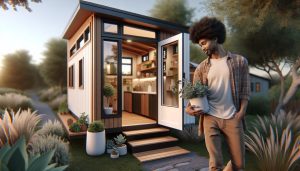
When considering the purchase of a trailer home, one of the most pressing questions potential buyers often ponder is, “Do trailer homes depreciate in value?” It’s a crucial concern that can significantly impact your financial future and investment prospects. Unlike traditional homes that typically appreciate over time, many trailer homes can depreciate, presenting both risks and opportunities in the housing market. Understanding the factors influencing depreciation-such as age, location, and market demand-can empower you to make informed decisions that align with your lifestyle and financial goals. As we delve into the realities of trailer home valuation, you’ll gain insights to navigate this niche housing market effectively, whether you’re a current resident, a prospective buyer, or an investor looking to expand your portfolio. Let’s explore the market truths surrounding trailer home depreciation, so you can feel confident in your investment journey.
Do Trailer Homes Depreciate in Value? Understanding the Basics
Lifting the common misconception, manufactured homes-often referred to as trailers-can exhibit varied depreciation patterns compared to traditional site-built homes. Many prospective buyers wonder whether investing in a trailer home will leave them facing financial losses down the line. Understanding the basics of depreciation in this market is crucial for both current residents and interested buyers aiming to make informed decisions.
Unlike traditional homes, which typically appreciate over time, trailer homes experience a different valuation trajectory. Ultimately, the depreciation of a mobile home is influenced by multiple factors, including age, condition, and market demand. For instance, a well-maintained mobile home in a desirable location may retain a significant portion of its value compared to older models that show wear and tear. Additionally, factors such as the reputation of the manufacturer and the home’s construction quality play pivotal roles. Generally, newer models and those built to higher standards will depreciate more slowly than poorly constructed older versions.
Moreover, the framing of depreciation includes consideration of the land on which the trailer is situated. Mobile homes located in well-managed parks often retain their value better than those placed on leased land with fewer amenities. As such, securing a well-located plot can not only enhance livability but also serve as a financial safeguard. Although it’s true that most manufactured homes will lose some value over time, understanding these dynamics can equip you to navigate investments wisely and advocate for your property effectively in the ever-evolving housing landscape.
Factors Impacting Trailer Home Value

The value of trailer homes, or manufactured homes, is shaped by a complex interplay of factors that can greatly influence their market performance and long-term financial outlook. Understanding these factors is essential for current owners, prospective buyers, and investors in order to make informed decisions regarding the purchase and maintenance of such properties.
Among the most significant influences is the age and condition of the home. Newer models equipped with modern amenities and energy-efficient features generally depreciate at a slower rate compared to older homes, particularly those that require substantial repairs or upgrades. The reputation of the manufacturer plays a critical role as well; reputable brands known for durability and quality tend to have stronger resale values. Additionally, the location of the trailer home is paramount. Homes situated in desirable areas, whether they are near amenities, parks, or within well-maintained mobile home communities, often retain value better than those placed in less attractive or poorly managed areas.
Other key factors include maintenance and upgrades. Homes that are routinely maintained and cosmetically updated can experience less depreciation. Buyers often seek homes that feel new and appealing, so investing in renovations-from landscaping to interior updates-can enhance marketability and value. Market demand also influences value; trends in the housing market can shift, leading to changes in the desirability of manufactured homes versus traditional homes.
To summarize, the value of trailer homes is significantly impacted by a combination of elements including age, condition, location, maintenance, and market demand. Armed with this knowledge, homeowners and potential buyers can make strategic decisions that contribute to maintaining and potentially increasing their property’s worth over time.
Comparing Trailer Homes to Traditional Homes

Manufactured homes, commonly known as trailer homes, offer a unique and often more affordable housing option compared to traditional homes. However, potential buyers frequently wonder how their value compares to conventional houses, especially regarding appreciation and depreciation over time. It’s essential to recognize that while both types of housing have their respective advantages, they also face different challenges when it comes to market valuation.
One significant difference lies in the initial cost and appreciation potential. Traditional homes typically appreciate at a higher rate, which is influenced by factors such as location, local real estate trends, and the overall economy. In contrast, trailer homes often depreciate similarly to vehicles; they experience a drop in value after purchase and may stabilize at a lower value than typical homes. This depreciation can be attributed to factors like the structure’s age, condition, and the perception of manufactured housing in the real estate market.
Moreover, location has a dual impact on both types of homes. While both trailer homes and traditional houses benefit from being situated in desirable neighborhoods, the manufactured housing market suffers more if placed in less favorable areas. The stigma associated with mobile home parks can lead to a lack of demand, whereas traditional homes may retain value even in less popular locations, especially if they are well-maintained. Upscale neighborhoods often value aesthetics and land, attributes that can elevate traditional homes’ resale values significantly.
To enhance the market value of a manufactured home, owners can take proactive steps such as regular maintenance and strategic renovations. Enhancements like modern fixtures, energy-efficient systems, and attractive landscaping can make a manufactured home competitive with traditional homes in similar markets. Additionally, understanding the financing options available for manufactured homes, which can differ from traditional mortgages, is crucial for proper valuation and resale prospects. By fostering pride in ownership and ensuring the home is appealing, owners can influence the long-term value positively.
In conclusion, while reveals inherent differences in value dynamics, it is important for owners and potential buyers to approach the manufactured housing market with informed insights. By considering location, condition, and proactive maintenance, trailer home owners can effectively navigate the market and make choices that enhance their investment.
Market Trends: Trailer Home Valuation Over Time

Understanding the dynamics of trailer home valuation over time reveals critical insights for both buyers and owners. Unlike traditional homes, which generally appreciate due to land value, trailer homes often experience depreciation post-purchase akin to vehicles. However, the market for manufactured homes has seen various shifts influenced by economic factors, consumer preferences, and societal perceptions, altering the depreciation narrative significantly in recent years.
With the growing acceptance of manufactured housing as a viable and affordable alternative to traditional homes, many areas are witnessing a stabilization or even increase in the value of well-maintained trailer homes. Factors contributing to this trend include an increase in mobile home parks with enhanced amenities, better construction quality of newer models, and broader acceptance among various demographics, particularly retirees and first-time homebuyers. Furthermore, as urban areas become densely populated and housing prices escalate, manufactured homes are increasingly viewed as an attractive option, impacting their resale value positively.
Over time, the specialization of the trailer home market has also led to advancements in financing options and renovations that align more closely with traditional home standards. Many homeowners invest strategically in upgrades such as energy-efficient appliances, modern interiors, and outdoor landscaping. These enhancements not only improve living conditions but also elevate market perception, fostering higher resale values. Additionally, with financing options that increasingly mirror those available for site-built homes, buyers can access loans tailored to their needs, thus broadening the potential market for trailer homes and enabling owners to maximize their return on investment.
In essence, while trailer homes traditionally faced challenges regarding depreciation, several market trends indicate a shifting landscape. By recognizing the importance of location, maintaining the home condition, and investing in thoughtful upgrades, owners can actively contribute to the stabilization and possible appreciation of their manufactured homes, turning perceived risks into valuable long-term investment opportunities. As the narrative surrounding manufactured housing evolves, those who proactively engage with these trends will be better positioned to navigate the market successfully.
The Role of Location in Depreciation

A well-chosen location can significantly influence the value of a trailer home, highlighting the strong interplay between housing worth and geographical positioning. Essentially, the adage “location, location, location” rings true, especially in the context of manufactured homes. For instance, trailer homes situated in areas with booming job markets and quality schools tend to retain or even appreciate in value. Conversely, mobile homes in declining neighborhoods or locations with limited amenities often face steeper depreciation.
Multiple factors contribute to how location impacts the depreciation of trailer homes:
- Proximity to Amenities: Homes close to shopping centers, healthcare facilities, and parks usually attract more buyers, thereby stabilizing or increasing value. Conversely, isolation can deter potential buyers.
- Community and Infrastructure: Well-maintained roads, public transport, and community services bolster a neighborhood’s desirability. Areas with growing infrastructure are likely to see an uptick in home values.
- Zoning Regulations: The local government’s zoning laws can affect trailer home placements and expansions, potentially limiting the market for future buyers. Regions with favorable policies are often more attractive.
- Safety and Crime Rates: Low crime areas not only enhance the lifestyle for residents but also help in retaining property values, as buyers are drawn to safer living environments.
Another crucial aspect of location is the nature of the mobile home park or community itself. Parks that offer desirable amenities-such as recreational facilities, organized community events, or strict maintenance codes-can elevate home values. Additionally, parks located in scenic or desirable areas (like near lakes or mountains) can further boost appreciation potential.
To make informed decisions, prospective buyers should conduct thorough research on the local housing market, ensuring they analyze trends in comparable areas. By choosing a strategically located trailer home that aligns with lifestyle needs and future growth potential, owners can mitigate depreciation risks and even enhance their investment value in the long term.
How Maintenance Affects Long-Term Value
Proper maintenance plays a pivotal role in preserving and possibly enhancing the long-term value of trailer homes. Just like any other property type, the condition of a mobile home greatly influences its marketability and valuation. Regular upkeep not only protects structural integrity but also showcases the home’s care and attention to detail, appealing to potential buyers who see a well-maintained residence as a sound investment rather than a project requiring extensive repairs.
A consistent maintenance routine can prevent significant issues from arising, saving homeowners both time and money in the long run. Key areas to focus on include:
- Roofing: Regular inspections for leaks or damage and prompt repairs can extend the life of a roof, which is crucial for protecting the entire home structure.
- Plumbing: Checking for leaks, clogs, and water pressure issues can prevent more severe water damage and mold growth, both of which adversely affect value.
- Exterior Siding: Keeping the siding clean and checking for damage prevents rot and pest infestations. A good paint job can also improve curb appeal.
- HVAC Systems: Routine servicing can enhance energy efficiency and extend the life of heating and cooling systems, making the home more attractive to buyers.
Neglecting maintenance can lead to rapid depreciation, as prospective buyers often shy away from properties needing significant repairs. For instance, structural issues can raise red flags and deter offers, even if the location is favorable. Moreover, an unkempt garden or landscape can diminish perceived value, as aesthetics play a crucial role in buyer appeal.
By implementing a proactive maintenance program and documenting all repairs and upgrades, homeowners create a more inviting atmosphere that can sustain or even increase property values over time. This diligence not only enhances living conditions but also reassures buyers of the home’s quality, leading to better offers when it’s time to sell. Adopting simple maintenance practices is not just about habit; it’s about protecting an investment that may serve as a home for many years to come.
Financing and Insurance Considerations for Mobile Homes
Navigating the financing and insurance landscape for mobile homes can be complex, given the unique characteristics of these properties. Unlike traditional homes, many mobile homes are categorized as personal property rather than real estate, which affects financing options. This key distinction often leads to higher interest rates and shorter loan terms, typically ranging from 15 to 20 years. Conventional mortgages are usually unavailable for mobile homes unless they are affixed to a permanent foundation. Consequently, potential buyers should consider specialized financing options such as chattel loans, which are secured by the mobile home itself, rather than the land it sits on.
When securing a loan, it’s essential to thoroughly assess your credit score and financial history. Lenders will typically require a higher credit score for mobile home financing compared to a traditional mortgage, making good credit crucial for obtaining favorable terms. Additionally, having a substantial down payment can significantly improve your chances of securing a loan and may lower your interest rates. Many lenders recommend a down payment of at least 10-20% to offset the perceived risk associated with mobile home loans.
Insurance Considerations
Insuring a mobile home involves different factors than insuring a traditional home. Mobile home insurance is tailored specifically for manufactured or modular homes and usually covers structural damage, personal property, liability, and even additional living expenses in case of a catastrophic event. It’s important for homeowners to shop around for insurance providers, as coverage options and premiums can vary widely. Look for comprehensive policies that address specific risks such as fire, theft, and natural disasters, particularly if you live in areas prone to severe weather.
While many standard homeowner’s insurance policies may not cover mobile homes, additional endorsements or specialized policies can bridge that gap. Homeowners should also consider factors like the age and condition of their mobile home, which can impact insurance premiums. Older homes may face higher rates or limited coverage options due to increased risk, so regular upgrades and maintenance can not only enhance home value but also potentially reduce insurance costs.
In summary, understanding the financing and insurance landscape for mobile homes is crucial for prospective buyers and current homeowners alike. By being proactive in securing favorable loan terms and comprehensive insurance, individuals can better protect their investments and ensure their mobile home remains a valued asset over time.
Understanding Depreciation Rates for Different Models
Understanding the depreciation rates of trailer homes is crucial for both current owners and potential buyers. Unlike traditional homes that often appreciate over time, many mobile or manufactured homes typically experience depreciation. This decline in value can vary significantly based on several factors, including model type, age, condition, and market dynamics.
Factors influencing depreciation include the trailer home model and its construction quality. For instance, homes built before the 1976 HUD Code may face steeper depreciation due to older construction standards. These homes are often perceived as less desirable, leading to lower resale values. In contrast, newer models adhering to contemporary building codes may retain their value better. High-quality brands known for energy efficiency and durability can also mitigate depreciation, encouraging higher resale prices.
Key Contributors to Depreciation Rates
- Age of the Home: As a trailer home ages, it may face increased maintenance needs and outdated features, leading to lower market value.
- Model and Manufacturer: Certain manufacturers have established reputations for sturdiness and reliability, with their homes often retaining value better compared to lesser-known brands.
- Market Demand: Economic conditions and shifts in consumer preferences can significantly influence valuation. In times of high demand for affordable housing, certain models may not depreciate as quickly.
- Location: Homes located in desirable areas or well-maintained communities often experience less depreciation compared to those in less favorable locations.
Understanding these depreciation mechanisms allows current owners to take proactive measures. Regular maintenance, upgrades, and even aesthetic renovations can help stabilize or enhance property value. For instance, investing in energy-efficient appliances or modernizing interiors can attract potential buyers and potentially counteract some depreciation effects.
In summary, while trailer homes generally depreciate more rapidly than conventional housing, the degree of depreciation can vary widely. By considering the factors mentioned and making informed decisions about maintenance and upgrades, owners can work to preserve the value of their homes over time.
Revamping Your Trailer Home: Enhancing Market Value
Revamping a trailer home can significantly enhance its market value, making it a worthwhile investment for current owners looking to improve their space and appeal to potential buyers. By making strategic enhancements, homeowners can transform the perception and functionality of their mobile home. A few targeted renovations can lead to a noticeable increase in both comfort and resale potential.
One of the easiest ways to elevate a trailer home is through aesthetic upgrades. Fresh paint, modern flooring, and updated fixtures can create an inviting atmosphere. Selecting neutral yet stylish color palettes appeals to a wider audience and can make spaces appear larger and more inviting. Additionally, consider replacing dated countertops and cabinetry in the kitchen, which are often focal points for potential buyers. Investing in energy-efficient appliances not only modernizes the space but also reduces utility costs, making the home more appealing in the long run.
Maximizing Outdoor Spaces
Enhancing the exterior is equally important. Creating outdoor living areas such as decks or patios can expand usable space and improve curb appeal. Consider adding a well-maintained landscape, which not only beautifies the property but also signals pride of ownership, potentially increasing its value in the eyes of buyers. Personal touches, like colorful flower beds or attractive garden features, can make the home stand out in a competitive market.
Functional Upgrades
In addition to aesthetics, practical improvements can make a significant difference in value. Upgrading insulation can lead to better energy efficiency, particularly in older models. Furthermore, incorporating modern systems such as smart home technology-including smart thermostats, security systems, and lighting-can distinguish the home from others on the market. These features appeal to tech-savvy buyers, showcasing that the home is not just a space to live but a modern, comfortable environment.
Ultimately, the key to revamping a trailer home lies in focusing on both style and functionality. By thoughtfully selecting the right upgrades, owners can create an inviting space that not only enhances their daily living experience but also bolsters the home’s value for future sale.
The Importance of Upgrades and Renovations
Upgrading and renovating a trailer home can dramatically shift its market value, and the right enhancements not only improve living conditions but also elevate resale potential. Mobile home buyers often seek modern features and well-maintained spaces, which underscores the importance of strategic renovations. With the right investments, homeowners can change perceptions around manufactured housing, transforming these properties into desirable places to live.
Aesthetic Enhancements
A fresh look can do wonders for a trailer home. Simple updates like a new coat of paint or modern flooring can significantly uplift the interior atmosphere. Choose neutral color palettes that appeal to a broader audience, allowing prospective buyers to envision their own style within the space. Additionally, replacing old fixtures and refreshing kitchen countertops can serve as focal points, making the home feel more updated and inviting.
Functional Improvements
Beyond aesthetics, functional upgrades can make a lasting impact. For instance, enhancing insulation in older models can improve energy efficiency, lowering utility costs and making the home more appealing to eco-conscious buyers. Implementing smart home technology-such as smart thermostats and security systems-can also add a modern flair that attracts tech-savvy individuals. These enhancements not only create a comfortable living environment but also signal to buyers that the home is a worthwhile investment.
Maximizing Outdoor Spaces
Outdoor renovations are just as crucial as indoor improvements. Establishing usable outdoor spaces, such as patios or decks, can enrich the overall living experience while increasing curb appeal. A well-maintained landscape can make a strong impression, highlighting owner pride and drawing more interest from potential buyers. Thoughtful landscaping, from flower beds to garden features, can significantly enhance the property’s attractiveness.
Investing in upgrades and renovations is essential for trailer homeowners looking to maintain or enhance their property’s value over time. By focusing on both the interior and exterior, as well as prioritizing practical improvements, owners can create an appealing space that meets the modern market’s demands.
Legal Aspects Influencing Trailer Home Value
The legal landscape surrounding trailer homes can significantly influence their market value, reflecting the interplay between regulation, land ownership, and property rights. When purchasing or investing in a mobile home, understanding these legal aspects is crucial for making informed decisions that can preserve or enhance the value of your property. Many trailer homes exist in mobile home parks that have their own rules and regulations. Compliance with park policies, from maintenance requirements to rental agreements, can impact how your home is perceived by prospective buyers. A well-maintained home within a reputable park often retains value more effectively than one in a less regulated environment.
Zoning laws play a vital role in determining where trailer homes can be placed. Areas zoned for manufactured housing typically provide better access to amenities, utilities, and necessary infrastructure. If a mobile home is located in an area where zoning restrictions are tightening, it may face depreciation due to limited buyer appeal. Conversely, new zoning regulations promoting manufactured housing as a viable housing option can uplift property values. It’s essential to verify local zoning ordinances before making any purchase to ensure compliance and avoid future issues that could hinder resale potential.
The ownership status of the land beneath a mobile home also affects its value. Homes situated on owned lots often appreciate more over time than those on leased land. Buyers generally prefer properties where they can build equity in both the home and the land rather than relying on potentially volatile lease agreements. Therefore, understanding the terms of any lease, including renewal conditions and associated fees, is short critical for assessing long-term value and financial stability.
Legal issues like title transfer and property taxes also contribute to how trailer homes are valued in the market. Ensuring all paperwork is correctly filed and that there are no liens or disputes on the title can facilitate a smoother sale process and retain higher property values. Besides, different states may have varying tax rates and incentives for mobile home ownership, which can either enhance or diminish overall desirability. Homeowners should keep informed about shifts in legislation regarding manufactured housing, as favorable changes can inspire confidence in the market, encouraging more potential buyers and thereby stabilizing or even raising asset value.
Tips for Selling Your Trailer Home Successfully
Selling a trailer home can be a rewarding endeavor, especially when equipped with the right strategies to showcase its potential. To attract buyers and ensure a successful sale, presenting your mobile home in the best possible light is essential. The initial impression is critical; a well-maintained exterior, clean surroundings, and appealing landscaping can significantly enhance curb appeal. Consider investing in some minor renovations like a fresh coat of paint, updated fixtures, or landscaping improvements. These small adjustments can create a welcoming environment and help your property stand out in a competitive market.
Another key factor is transparency in your listing. Be clear about the age, size, and condition of your mobile home. Highlight any upgrades or renovations you’ve made, such as new appliances, flooring, or heating and cooling systems. Providing comprehensive documentation-like warranty papers and receipts for improvements-can instill confidence in potential buyers, as it demonstrates that you’ve taken good care of the home. Utilize online platforms and local networks effectively to maximize visibility. High-quality photos and well-crafted descriptions are vital for online listings. Remember to utilize social media as an effective marketing tool to reach a broader audience.
Pricing your home correctly is equally crucial. Start by researching comparable mobile homes in your area to set a competitive price. This analysis should include considering factors like the condition of your home, location, and current market trends. Avoid the pitfall of overpricing; while it may seem tempting to inflate the price based on emotional attachment, it can deter potential buyers. You can also consider hiring a real estate agent specialized in mobile homes who can offer valuable insights and market knowledge, ensuring you are on the right track.
Lastly, remain flexible with showings and be prepared to negotiate. Showing your home at various times can increase interest and allow potential buyers to envision their lives in the space. During negotiations, be open to reasonable offers and willing to make adjustments; successful contracts often involve compromise. Engaging positively with buyers builds rapport, which can lead to a smoother transaction. By implementing these strategies, you can enhance your chances of selling your trailer home quickly and at a favorable price, making mobile home living a legitimate and rewarding housing option for prospective residents.
Faq
Q: Do trailer homes appreciate in value like traditional houses?
A: Generally, trailer homes depreciate in value, unlike traditional houses. Factors such as location, age, and condition significantly influence their market value, which often declines over time rather than appreciating.
Q: What factors influence the depreciation of trailer homes?
A: Factors impacting trailer home depreciation include age, condition, location, market demand, and overall economic conditions. Keeping the home well-maintained can mitigate some depreciation effects. For more details, see the section on “Factors Impacting Trailer Home Value.”
Q: How can I prevent my trailer home from depreciating?
A: To prevent depreciation, invest in regular maintenance, consider renovations, and enhance curb appeal. Focusing on quality upgrades and complying with local regulations can also help retain value. Explore renovation strategies in “Revamping Your Trailer Home: Enhancing Market Value.”
Q: What is the average depreciation rate for trailer homes?
A: Trailer homes typically depreciate at a rate of about 3-5% per year, although this can vary based on market trends and specific circumstances. Understanding regional market trends is essential to gauge potential value changes.
Q: Are there areas where trailer homes hold their value better?
A: Yes, trailer homes tend to hold their value better in high-demand areas with tight housing markets. Factors like desirable school districts and nearby amenities contribute to this stability. Check the “The Role of Location in Depreciation” for insights.
Q: What legal aspects can affect the value of trailer homes?
A: Legal aspects such as zoning laws, property taxes, and homeowners association regulations can significantly impact trailer home value. Staying informed about local laws and regulations is crucial for maintaining market value.
Q: Is it worth investing in upgrades for a trailer home?
A: Yes, investing in upgrades can enhance your trailer home’s value and appeal. Renovations like kitchen updates, exterior improvements, and energy-efficient installations can attract potential buyers. See “The Importance of Upgrades and Renovations” for guidance.
Q: How does the location of a trailer home affect its market value?
A: The location of a trailer home greatly influences its market value. Homes in urban or highly sought-after areas tend to retain or increase value, while those in rural or declining regions may depreciate faster. Understanding local market dynamics is essential for valuation.
Concluding Remarks
Understanding the nuanced value of trailer homes is crucial for making informed decisions, whether you’re a current homeowner or considering your first purchase. While trailer homes may depreciate to some extent, careful selection and proper maintenance can help mitigate value loss. To explore more about maintaining and enhancing your mobile home’s worth, check our detailed guides on financing options and renovation techniques.
Are you ready to dive deeper into the benefits of mobile home living? Explore our articles on setting up utilities and hurricane preparedness, as these topics directly impact your property’s longevity and safety. Don’t forget to share your thoughts or questions in the comments below – your voice matters! Stay informed and confident in your mobile home journey. Take action today to secure your investment and maximize your lifestyle.