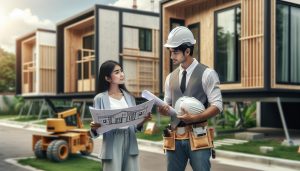
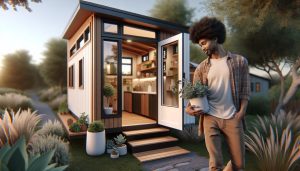
Double-wide modular homes are becoming an increasingly popular choice for families seeking spacious, affordable housing solutions. With the ability to provide more square footage than traditional single-section homes, these structures offer the perfect blend of comfort and practicality. Many families are drawn to the affordability and customizable options that double-wide homes provide, addressing concerns about budget constraints without sacrificing quality or style. As you explore the world of double-wide modular homes, you’ll discover how they not only meet diverse living needs but also enhance lifestyle through efficient layouts and modern amenities. Dive into the details and find out how this housing option could be the ideal fit for your family’s future.
Understanding Double-Wide Modular Homes: An Overview
Double-wide modular homes have become increasingly popular as a practical, spacious, and affordable housing option for families. Typically designed as two sections that are transported and assembled on-site, these homes offer an expansive layout that makes efficient use of space. This style provides a comfortable living environment, often emulating the feel of a traditional site-built home but at a fraction of the cost. Families searching for a versatile housing solution often choose double-wide modular homes due to their balance between space, functionality, and affordability.
One of the primary attractions of double-wide homes is their flexibility in design and customization. Many manufacturers allow buyers to choose from various floor plans, allowing for specific needs such as additional bedrooms, office space, or larger living areas. Furthermore, modern double-wides are constructed with high-quality materials and state-of-the-art energy efficiency methods, which can significantly lower utility bills-an essential consideration for families managing budgets. Many models also come with advanced features like open floor plans, ample storage, and outdoor spaces that appeal to family dynamics, providing comfort and functionality for everyday living.
The manufacturing process of double-wide homes, which typically involves building the modular sections in a controlled factory environment before transporting them to the site, also results in superior quality control compared to traditional building methods. This not only enhances durability against weather conditions but also speeds up the home-buying timeline, allowing families to move in sooner without compromising on quality or comfort. With reputable manufacturers integrating cutting-edge technology and design innovations, it’s no wonder that double-wide homes continue to stand out as a leading choice for families seeking a stylish yet practical residence.
In summary, understanding the foundational aspects of double-wide modular homes highlights the many advantages they offer-spaciousness, versatility, and quality construction-making them a significant contender in the housing market. Families aiming for an affordable yet comfortable living environment will find that these homes present a promising solution aligned with modern lifestyles.
Benefits of Choosing Double-Wide Modular Homes for Families
Choosing a double-wide modular home offers families an impressive combination of space, affordability, and modern amenities, making it a popular choice in today’s housing market. With the potential for significantly larger living spaces than traditional single-section manufactured homes, double-wides typically provide the comfort of a conventional site-built house without the hefty price tag. Families can benefit from well-designed layouts that maximize usable space, creating room for each member’s needs and activities.
An essential advantage lies in the customization options available. Many manufacturers allow families to tailor their homes with various floor plans and upgrades, from larger kitchens to additional bedrooms or even dedicated office spaces. This level of personalization ensures that families can design a living environment that reflects their lifestyle and preferences. Furthermore, modern double-wide homes often incorporate energy-efficient technologies and materials, resulting in lower utility bills, an important factor for budget-conscious families. These energy savings, paired with high-quality construction, contribute to long-term financial benefits that further enhance their appeal.
Another significant benefit of double-wide modular homes is the speed and efficiency of the construction process. Built primarily in a factory setting, these homes are constructed under controlled conditions, minimizing the delays typically associated with site-built homes due to weather or labor issues. The result is often a quicker move-in timeline, allowing families to settle into their new abode sooner. Quality control is also a major advantage-double-wide homes are rigorously tested for durability and reliability, ensuring that families receive a well-constructed product.
Moreover, double-wide homes foster a sense of community, especially when located in modular home parks, where families enjoy shared amenities and recreational spaces. This environment can be particularly beneficial for children, offering them a chance to forge lasting friendships in a supportive neighborhood setting. Overall, choosing a double-wide modular home empowers families to find a practical, stylish living solution that meets their financial and lifestyle goals, providing comfort and community in one attractive package.
Key Features That Make Double-Wide Homes Attractive
Double-wide modular homes are increasingly recognized for their combination of space, affordability, and modern amenities, making them a popular choice among families. One standout feature is their expansive square footage, which typically ranges from 1,200 to 2,400 square feet. This generous layout often includes multiple bedrooms, large living areas, and spacious kitchens that allow for comfortable family living. By providing a home environment that feels expansive without the high costs associated with traditional construction, these homes effectively meet the growing demands of modern living.
Another key feature is the customization potential. Buyers are often drawn to the opportunity to select floor plans and finishes that reflect their personal taste and lifestyle. Many manufacturers offer a broad range of design options, enabling families to incorporate specific elements such as additional bedrooms, home offices, or even outdoor decks. This flexibility is essential for families wanting to create a personalized space that not only meets their current needs but can also adapt over time.
Moreover, energy efficiency is becoming a hallmark of many double-wide models. Equipped with modern insulation, energy-efficient windows, and HVAC systems, these homes can significantly reduce utility costs, making them attractive for budget-conscious buyers. Investing in a double-wide home translates to savings in the long run, thanks to lower energy consumption and utility bills.
Finally, the community aspect cannot be overlooked. Many double-wide homes are located in modular home parks that foster a strong sense of community. These parks often feature shared amenities such as playgrounds, swimming pools, and recreational facilities, providing spaces for families to interact and build relationships. This aspect can be particularly appealing to families with children, offering a supportive network right outside their doors. With these advantages, double-wide modular homes stand out as a viable and attractive housing solution for today’s families.
Cost Analysis: Pricing Factors for Double-Wide Modular Homes
The financial landscape surrounding double-wide modular homes can significantly influence a family’s decision to invest in one. Typically ranging from $70,000 to $120,000, the price of a double-wide can vary widely based on several crucial factors. Understanding these elements not only empowers potential buyers to make informed decisions but also aids in setting realistic budgets for their future homes.
Factors Affecting Pricing
- Size and Layout: The dimensions of a double-wide home play a pivotal role in its cost. Larger models with more bedrooms and living space will naturally command higher prices, reflecting both the material costs and the increased labor involved in their construction.
- Design and Customization: Many manufacturers offer a variety of floor plans, finishes, and customization options. Opting for premium materials, unique layouts, or additional features like upgraded appliances can influence the final price considerably.
- Location: The price of land and the overall real estate market within specific regions impact modular home pricing. Higher location desirability can lead to increased costs, especially in suburban areas where demand for larger homes is prevalent.
- Manufacturing Quality: The reputation of the manufacturer can also dictate costs. Established manufacturers often provide higher-grade constructions and better warranties, which may require a more substantial initial investment.
- Transportation and Setup Costs: These homes, being modular, require transportation to the site and subsequent setup. These costs can be significant, especially if they involve complex delivery methods or extended distances.
Long-Term Financial Considerations
Investing in a double-wide modular home also entails considering ongoing costs such as utilities, maintenance, and potential HOA fees in community settings. Many modern double-wides are designed to be energy-efficient, which can lead to substantial savings on utility bills over time. Additionally, securing strong financing options can ease the upfront financial burden. With various options available, including personal loans, FHA loans, and even manufactured home mortgages, it’s crucial to explore and understand the terms and conditions to find the best fit for your financial situation.
In conclusion, the price of double-wide modular homes can be incredibly flexible based on several influential factors. By examining size, design preferences, location, quality, and setup expenses, families can prepare for a sound investment that aligns with both their budget and lifestyle aspirations.
Financing Your Double-Wide Modular Home Purchase
Navigating the financial landscape of purchasing a double-wide modular home can feel daunting, yet it offers a pathway to affordable and spacious living tailored to family needs. Understanding the variety of financing options available not only eases the initial purchase process but also empowers buyers to make informed decisions that will serve them well into the future.
When considering financing for a double-wide, buyers should explore various loan types that cater specifically to manufactured homes. Traditional mortgages may not always apply, so it is vital to look into specialized loans. Products like FHA loans are designed for modular homes and can provide lower down payment requirements, making it easier for first-time buyers. Additionally, VA loans are available for veterans and can offer zero-down financing opportunities, which can significantly reduce the upfront cost of owning a double-wide.
Another noteworthy option is to work with credit unions or local banks that often have more flexible terms and a better understanding of the manufactured home market. These institutions might offer personal loans tailored for mobile homes or more favorable interest rates than larger banks. Always obtain quotes from multiple lenders to compare terms, rates, and any associated fees.
Understanding total cost is crucial when financing a double-wide. Apart from the sticker price, buyers need to account for expenses such as land preparation, transportation, setup costs, and ongoing fees like property taxes and homeowners insurance. Be proactive by budgeting for these additional costs from the onset, which can help prevent financial strain once you move in.
Lastly, potential buyers should consider seeking assistance from housing counselors or financial advisors familiar with manufactured housing. These professionals can offer tailored advice and support, enhancing the home-buying experience and ensuring that your financial decisions align with your long-term housing goals. With thorough preparation and informed choices, financing a double-wide modular home can be a rewarding investment in your family’s future.
Legal Considerations for Buying Double-Wide Modular Homes
Purchasing a double-wide modular home is a significant investment that requires a clear understanding of the legal landscape surrounding manufactured housing. Many first-time buyers may not be fully aware of the unique legal considerations that come with owning a double-wide, but acknowledging these factors can help smooth the transition into homeownership and avoid future complications.
First and foremost, it is essential to check zoning laws in your preferred location. Different jurisdictions have varying regulations regarding where modular homes can be placed, so it’s crucial to confirm that your chosen lot is zoned for such housing. This involves reaching out to local planning departments or reviewing municipal ordinances. Additionally, you should verify if any restrictions exist within homeowners’ associations (HOAs) if you plan to place your double-wide in a community governed by one. These rules can dictate everything from the home’s exterior appearance to the type of landscaping allowed.
Understanding the title and ownership details is equally important. Double-wide modular homes can be sold as personal property or real estate, which affects how you’ll finance and insure your home. If the home is classified as personal property, it may be labeled as a “mobile home” and subject to different regulations. Conversely, if the home is considered real estate, it comes with benefits such as property tax deductions and the potential for greater appreciation. When you purchase the home, ensure you receive clear documentation-such as the certificate of origin or title-especially if you’re relocating the home.
Another critical aspect is building codes and permits. Many areas require specific permits for the installation and setup of modular homes, including electrical, plumbing, and structural safety checks. These permits help ensure that the home meets local building standards, which vary greatly by region. Neglecting to obtain the necessary permits can lead to fines or the need to make costly repairs.
Lastly, warranty and disclosure requirements should also be on your radar. Reputable manufacturers and dealers typically offer warranties for both the structure and its appliances, which provide peace of mind and protection against defects. Ensure that all terms are specified in writing. Furthermore, familiarize yourself with any disclosure requirements for sellers, particularly regarding the home’s history, the land it occupies, and any repairs or renovations that have been made.
In summary, understanding these legal dimensions not only fortifies your knowledge but also sets a strong foundation for your journey into homeownership. Engaging with legal professionals who specialize in real estate or manufactured housing can also provide insights tailored to your specific situation, ensuring you navigate the buying process confidently and legally.
Maintenance Tips for Long-Lasting Double-Wide Homes
Maintaining a double-wide modular home is essential for ensuring its longevity and enhancing your family’s living experience. With proper care and attention, these homes can provide comfort and functionality for years to come. One crucial aspect of maintenance is regular inspections, which allow you to identify and address issues before they become significant problems. For instance, checking for signs of water damage, such as stains or mold, especially around windows and plumbing fixtures, can save you from costly repairs down the road.
Another important maintenance task is to regularly clean and maintain the exterior of your home. This includes cleaning gutters to prevent water from pooling, which can lead to structural damage, and applying sealant to roofs and exterior walls to protect against moisture infiltration. Additionally, keeping the ground surrounding your double-wide well-drained can prevent water from affecting the foundation. It’s advisable to ensure that landscaping slopes away from the home to direct rainwater away from the base.
Homeowners should also consider performing routine checks on the heating, ventilation, and air conditioning (HVAC) systems. Changing filters regularly and scheduling professional inspections can help these systems run efficiently, ultimately lowering energy bills and improving indoor air quality. Make it a habit to examine ductwork for leaks, as any gaps can significantly impact your energy efficiency.
Seasonal Maintenance Tasks
To ensure your double-wide stays in top shape throughout the year, incorporate these seasonal checks into your maintenance routine:
- Spring: Inspect roofing and siding for damage or wear. Clean debris from gutters and perform an HVAC system check.
- Summer: Assess exterior paint and siding for sun damage or peeling. Re-seal driveway and walkways.
- Fall: Clean gutters and downspouts. Prepare plumbing for winter by insulating pipes.
- Winter: Check for ice buildup on gutters and roof. Ensure that heating systems are functioning efficiently.
By following these guidelines, you can maintain not just the appearance but also the structural integrity of your double-wide modular home. This proactive approach will enhance both your living experience and the resale value of your investment, ensuring that your home continues to be a popular choice for comfortable family living.
Renovation Ideas to Personalize Your Double-Wide
Transforming a double-wide modular home can turn a simple dwelling into a personalized haven that reflects your unique style and meets your family’s needs. Whether you’re a new homeowner or looking to revitalize your existing space, there are numerous renovation ideas that can significantly enhance both functionality and aesthetics.
One impactful approach is updating the interior layout. Open floor concepts can make spaces feel larger and more inviting. Consider removing non-load-bearing walls to create a seamless flow between the kitchen, dining, and living areas. This not only maximizes space but also fosters a sense of togetherness, perfect for family gatherings. Additionally, reconfiguring room layouts to better suit modern habits, such as incorporating a home office or study nook, can improve everyday living.
Another way to personalize your home is through interior design updates. Start with a fresh coat of paint in colors that resonate with your personality-soft neutrals for calm spaces or vibrant hues to energize. Upgrading flooring with durable options like luxury vinyl or laminate can also add warmth and beauty. Accessories like custom blinds, updated lighting fixtures, and stylish hardware can elevate your home’s decor without significant investment.
Don’t overlook the exterior when considering renovations. Landscaping can play a pivotal role in enhancing curb appeal. Simple additions like flower beds, pathway lighting, and outdoor seating can create welcoming spaces. Additionally, updating the siding or adding a deck can extend your living area outdoors, ideal for entertaining or soaking in the sun during warmer months.
Lastly, integrating energy-efficient solutions not only keeps your home comfortable but can save you money in the long run. Install energy-efficient windows, add insulation, or upgrade your HVAC system to modern standards, ensuring your double-wide is both cozy and cost-effective.
- Interior Layout: Consider open-concept spaces, remove non-load-bearing walls.
- Interior Design: Update paint colors, flooring, and decor accessories.
- Exterior Enhancements: Invest in landscaping, outdoor living spaces, and siding upgrades.
- Energy Efficiency: Upgrade windows, insulation, and HVAC systems.
With thoughtful renovations, your double-wide can truly become a family-friendly sanctuary that celebrates both style and functionality while adding to its overall value.
Insurance Options for Double-Wide Modular Homes
Finding the right insurance for a double-wide modular home is essential, as it protects not only your investment but also your family’s peace of mind. Unlike traditional homes, double-wides may require specialized coverage, making it crucial to understand your options. Standard homeowners insurance policies may not always apply fully to modular homes, leading to potential gaps in coverage. It’s advisable to seek out insurance providers who specialize in mobile and modular home policies to ensure that your unique living situation is adequately covered.
When considering insurance options, you may encounter two primary types: standard homeowners insurance and mobile home insurance. While standard homeowners insurance typically covers the structure and personal property, it might not include specific risks associated with mobile homes, such as transportation damages. Mobile home insurance often provides more tailored coverage, including personal property, liability protection, and additional living expenses if your home becomes temporarily uninhabitable.
What to Consider When Choosing Insurance
Several factors should guide your decision:
- Location: Depending on your area, consider coverage for natural disasters like floods or hurricanes, which may not be included in standard policies.
- Replacement Cost: Look for policies that cover the full replacement value of your double-wide, not just its market value, to ensure adequate compensation in case of loss.
- Liability Protection: Ensure your policy includes comprehensive liability coverage to protect against accidents that may occur on your property.
- Custom Upgrades: If you’ve made significant improvements, like adding a deck or extra insulation, make sure these are reflected in your coverage.
Choosing the right insurance for your double-wide is not just about compliance; it’s about safeguarding your home and the life you’ve built within it. Engaging with an insurance agent knowledgeable about manufactured homes can also provide insights into optional coverages like personal property endorsements or earthquake protection, tailoring your policy to fit your specific needs. By taking these steps, you can enjoy the benefits of modular living, knowing you have comprehensive coverage that addresses your unique circumstances.
Navigating Property Valuation for Double-Wide Homes
Understanding how to navigate property valuation for double-wide homes is crucial for homeowners, prospective buyers, and investors alike. Unlike traditional single-family houses, double-wide modular homes face unique considerations when it comes to determining their market value. The valuation of these homes takes into account various factors, including location, quality of construction, amenities, and the condition of the home.
One primary factor in valuing a double-wide home is its location. Homes situated in desirable neighborhoods or close to schools, shopping, and healthcare generally have higher value. Furthermore, community amenities within mobile home parks, such as recreational facilities or security services, can enhance the overall value of the property. It’s essential to research local market trends and comparable sales in the vicinity to better understand how these elements influence pricing.
Additionally, appraisers evaluate the quality of construction and materials used in the home. Double-wides constructed with modern, high-quality materials often command higher valuations. Upgrades such as energy-efficient appliances, custom cabinetry, and enhanced insulation can significantly increase the market value as well. Regular maintenance and improvements also play a vital role; a well-kept home will always be more attractive to potential buyers than one showing signs of neglect.
Key Steps for Accurate Property Valuation
To ensure an accurate understanding of your home’s worth, consider the following steps:
- Research Comparable Sales: Look at recently sold properties in your area that are similar in size, age, and condition to get a baseline for your double-wide’s market value.
- Consult Real Estate Appraisers: Engaging a professional appraiser who specializes in manufactured homes can provide a detailed assessment based on industry standards.
- Evaluate Market Trends: Stay updated on local real estate trends, as these can shift valuations over time. Understanding whether the market is favoring buyers or sellers will help you make informed decisions.
- Consider Home Condition: Conduct a thorough inspection of your home, identifying areas that may need repairs or upgrades before initiating a sale.
Arming yourself with this knowledge not only helps in understanding your own property’s worth but also empowers potential buyers to make informed offers, ensuring a smoother transaction process in the double-wide housing market. By navigating these valuation principles confidently, families can secure fair prices aligned with the quality of their manufactured homes.
Preparing Your Double-Wide for Extreme Weather Conditions
Severe weather conditions, whether they be hurricanes, tornadoes, heavy snowfall, or high winds, can pose significant challenges for double-wide modular homes. However, with proper preparation, homeowners can enhance the resilience of their homes against these elements and protect their investments. The first step is to assess the specific climate risks associated with the area in which you live. Understanding the types of extreme weather events most likely to occur will guide your preparation strategies.
One essential action is anchoring the home securely to its foundation. Wind stability is particularly crucial in regions prone to hurricanes or tornadoes. Ensure that the home is anchored according to local building codes, using proper tie-downs to hold it firm against strong winds. Additionally, reinforce the skirting around the home, which can help manage airflow and reduce the risk of damage during storms. It’s also advisable to check the integrity of your roof; ensuring it’s well-maintained and equipped to handle heavy rainfall or snowfall can prevent leaks and structural issues.
Routine Maintenance and Seasonal Preparations
Preparing your double-wide for extreme weather involves regular maintenance to ensure that all systems are in optimal condition. Here are some practical steps to follow:
- Inspect and Seal Windows and Doors: Ensure that weather stripping is intact and that there are no gaps that might allow water or cold air to enter.
- Clean Gutters and Downspouts: Regularly remove debris to ensure proper drainage, reducing the risk of water damage during heavy rains.
- Test the HVAC System: Before the extreme weather season, have your heating and cooling systems inspected to ensure they function efficiently.
- Stock Emergency Supplies: Prepare an emergency kit including food, water, first aid, and flashlights in case of power outages or evacuations.
Being proactive can make a significant difference in the safety and longevity of your home. For those living in areas with severe potential hazards, considering additional upgrades such as reinforced roofs, impact-resistant windows, and insulated skirting can provide added peace of mind. Regularly reviewing your insurance policies to ensure adequate coverage for natural disasters is also an essential aspect of preparing for extreme weather.
Ultimately, cultivating a culture of preparedness not only protects your investment but also fosters a sense of security for your family. With thoughtful planning and diligent upkeep, your double-wide modular home can stand resilient amid the uncertainties of extreme weather conditions, allowing you to enjoy the many benefits of this popular housing choice.
Community Living: Pros and Cons of Modular Home Parks
Living in a modular home park presents a unique lifestyle choice that appeals to many families seeking both community and affordability. One of the most compelling advantages of these parks is the sense of belonging they foster. Residents often share resources and experiences, creating a tight-knit community where neighbors support one another. This environment can be especially beneficial for families with children, as it provides opportunities for kids to play together and make lifelong friends. Additionally, many parks offer shared amenities such as playgrounds, pools, and community centers, enhancing the overall living experience.
However, this community living model does come with certain trade-offs. One of the most notable challenges is the lack of privacy that can arise from living close to neighbors. Sound traveling between homes and shared spaces can sometimes lead to disturbances or conflicts. Furthermore, some parks have restrictions on modifications, which can limit personal expression and the ability to customize one’s home. This makes it essential for prospective residents to carefully review park regulations and speak to current residents to understand the dynamics before making a decision.
Cost Advantages and Potential Drawbacks
Affordability is a significant factor that draws families to modular home parks. Expenses such as land purchase and property taxes are often lower than those for traditional homes. Residents may find that they can allocate their financial resources more efficiently, using the savings for education or family activities. On the flip side, monthly park fees can vary and might include utilities, maintenance, and common area upkeep. It’s crucial to weigh these costs against the benefits provided by the community.
Moreover, proximity to amenities such as schools, shopping, and public transportation can further enhance the appeal of a modular home park. Living in these communities can reduce commuting times, thereby boosting quality of life. Yet, some parks might lack nearby services or require longer trips for essential errands. Understanding the surrounding area can help families determine if their lifestyle needs will be met.
In summary, modular home parks offer a compelling blend of community, affordability, and lifestyle advantages, making them an attractive option for many families. By carefully considering the pros and cons and engaging with existing residents, prospective buyers can make informed decisions that align with their goals and values.
Frequently asked questions
Q: What are the main differences between double-wide and single-wide modular homes?
A: Double-wide modular homes are larger, typically featuring more living space due to their two sections, while single-wides are narrower and often have less square footage. This extra space in double-wides allows for multiple bedrooms and larger common areas, making them a popular choice for families seeking more comfort and flexibility.
Q: How do double-wide modular homes compare in energy efficiency?
A: Double-wide modular homes generally offer better energy efficiency than single-wides due to improved insulation and construction methods. Their larger size allows for better air distribution, which can lead to reduced heating and cooling costs, along with lowered utility bills.
Q: What are the best practices for landscaping around a double-wide modular home?
A: When landscaping around a double-wide modular home, focus on creating functional and aesthetic spaces. Use native plants to reduce maintenance and choose shrubs and trees that won’t obstruct views or the home’s foundation. Incorporate pathways and outdoor seating areas to enhance usability and appeal.
Q: Can I customize a double-wide modular home?
A: Yes, customizing a double-wide modular home is possible. Many manufacturers offer various floor plans and design options, including upgrades like premium finishes, additional rooms, or modifications to layouts, allowing buyers to tailor their homes to fit their family’s needs and preferences.
Q: What financing options are available for purchasing double-wide modular homes?
A: Financing options for double-wide modular homes include traditional mortgages, personal loans, and specialized manufactured home financing through lenders. Programs like FHA Title I loans can be beneficial for those looking to secure favorable terms tailored for modular home purchases.
Q: What insurance should I consider for a double-wide modular home?
A: Homeowners should look into specialized manufactured home insurance, which covers risks associated with double-wide modular homes. This insurance typically includes coverage for property damage, liability, and specific elements like underpinning or skirting unique to modular homes.
Q: Are double-wide modular homes a good investment?
A: Yes, double-wide modular homes can be a good investment. They often appreciate in value over time, particularly in desirable locations. Their affordability and efficient use of space attract family buyers, which can contribute to sustained demand in the housing market.
Q: What common maintenance issues do double-wide modular homes face?
A: Common maintenance issues for double-wide modular homes include addressing the seals between sections, inspecting and repairing roofs and siding, and maintaining the foundation. Regularly checking for water damage and ensuring proper insulation can extend the life of your home and maintain its value.
Future Outlook
Discovering the benefits of double-wide modular homes can open doors to affordable, spacious living for your family. With versatile designs and modern amenities, these homes cater to various needs and lifestyles, making them a smart choice for many aspiring homeowners. Don’t wait-explore your options today and envision your future in a comfortable, stylish space that suits your family.
For more insights, check our guides on financing options or maintenance tips for modular homes. You might also want to explore our comprehensive sections on Wisconsin Modular Homes and Multifamily Homes, which can help you navigate your next steps in modular housing. Your dream home is just a click away-sign up for our newsletter to stay updated on the latest trends and listings in the modular home market. Join our community, share your thoughts, and don’t hesitate to reach out with any questions-your journey to finding the perfect home starts now!