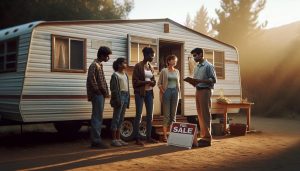
In an age where minimalism and sustainable living take center stage, building your own trailer home offers a unique opportunity to embrace freedom and creativity. With the right guidance, designing a DIY trailer home can transform your vision into reality, providing both a cozy living space and a profound sense of accomplishment. Many are drawn to trailer homes for their affordability and flexibility, making them an attractive option for diverse lifestyles-from adventurous souls wanting to travel full-time to families seeking a more affordable housing solution. This guide will equip you with essential tips and step-by-step instructions to navigate the trailer home construction process, ensuring you create not just a house on wheels, but a cherished home tailored to your needs. Let’s embark on this exciting journey of building your dream trailer home, where the possibilities are as limitless as the open road.
How to Choose the Right Trailer Home Design
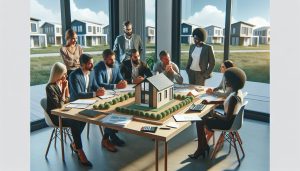
Choosing the right trailer home design is an exciting yet pivotal step in your journey towards DIY construction. With a variety of styles, layouts, and features available, it’s essential to consider your lifestyle, budget, and future needs. Start by envisioning your ideal living space. Do you prefer an open-concept layout, or do you need separate areas for work and relaxation? For small families, designs with at least two bedrooms and a functional living area may be essential, while solo dwellers might prioritize a compact, stylish studio.
Considerations for Design Selection
- Size and Layout: Determine the dimensions that align with your requirements and zoning regulations. A larger design can provide more comfort but may require additional permits.
- Purpose: Define the primary use of your trailer home. Whether it’s a full-time residence, a vacation getaway, or temporary housing, the design will vary accordingly.
- Style and Aesthetics: Select a style that resonates with you, whether modern, rustic, or minimalist. Visualizing the external appearance alongside interior elements such as kitchen and bathroom layouts can help create a coherent theme.
- Construction Type: Choose between DIY builds and pre-fabricated options. Each has its pros and cons: DIY allows for customization but demands more time and skills, whereas prefabs can be quicker but less tailored to individual preferences.
Incorporating Essential Features
When designing your trailer home, it’s crucial to incorporate features that enhance functionality and comfort. This may include ample storage solutions, energy-efficient appliances, and a well-thought-out bathroom layout. Opting for high-quality materials and finishes will not only improve aesthetics but also ensure longevity. Emerging trends in trailer home designs include eco-friendly elements, such as solar panels and rainwater collection systems, which can significantly reduce utility costs and environmental footprints.
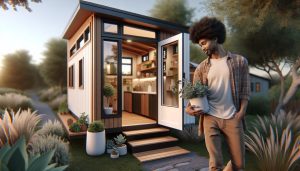
Ultimately, the right trailer home design reflects both practicality and personal style, setting the foundation for a comfortable living experience. Take the time to explore diverse designs and adapt them as needed, ensuring that the final blueprint truly embodies your vision for mobile living.
Essential Tools for DIY Trailer Home Construction
To embark on the exciting journey of constructing your own trailer home, the right tools are essential not only for efficiency but also for ensuring safety and quality in your build. While the specific requirements can vary based on your design and building methods, there are fundamental tools that every DIYer should have at their disposal for a successful trailer home project.
One of the most important tools in your arsenal is a circular saw, which will allow you to make precise cuts in various materials, including wood and plywood, essential for framing and flooring. Pair this with a miter saw, which is ideal for making accurate crosscuts and angled cuts for trim work. A drill/driver is also crucial, needed for assembling the frame, installing subflooring, and securing cabinets. Investing in quality drill bits will pay off, especially for different materials like metal or specialized wood types.
In addition to cutting and drilling tools, having a good selection of measuring tools such as a tape measure, level, and square is vital for accuracy throughout the construction process. Miscalculations can lead to costly errors or delays, so make sure to double-check dimensions before cutting any materials. For securing components together, a variety of fasteners-including screws, bolts, and brackets-should be readily available, ensuring that your structure is stable and secure.
A workbench or sawhorses can provide a sturdy surface for assembly, while a toolbox helps keep your tools organized and within reach. Don’t overlook safety equipment: protective eyewear, gloves, and ear protection are essential when operating power tools.
Once you have gathered these essential tools, you’ll find that they not only facilitate a smoother building process but also enhance the overall quality of your trailer home. With the right equipment in hand, you’re well on your way to bringing your vision of mobile living to life.
Step-by-Step Guide to Building Your Trailer Home

Building your own trailer home can be a rewarding project that allows you to create a personalized living space. The process involves several critical steps that encompass planning, construction, and finishing touches to ensure your home is not only livable but also durable and compliant with local regulations.
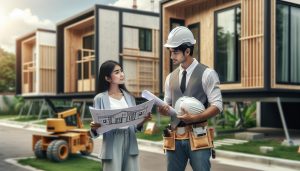
Start by planning your design. Gather inspiration from various styles and layouts, ensuring your plan aligns with your lifestyle and preferences. Create detailed blueprints or sketches that include dimensions and materials. Once the design is finalized, it’s essential to check local building codes and regulations. This step ensures that your trailer home meets safety standards and legal requirements, which can save time and money in the long run.
Next, focus on the foundation. Depending on the type of trailer home you’re constructing, the foundation may vary from a simple trailer chassis to a more permanent block or slab foundation. Make sure to level the site appropriately, as a level foundation is crucial for the structural integrity of your home. Utilize proper anchoring systems per local guidelines to secure your home against wind and storm impacts.
As construction begins, follow these steps closely:
- Framing: Use your blueprints to erect the main framework of your trailer home, including walls and the roof structure. Pay attention to insulation and ensure that walls are constructed with energy efficiency in mind.
- Utilities: Plan and install plumbing, electrical, and HVAC systems early in the construction phase. This might require permits from local authorities, so consult professionals if necessary.
- Exterior Finishing: Apply siding, roofing, and windows to protect against weather elements. Ensure that your materials are suitable for the specific climate of your area.
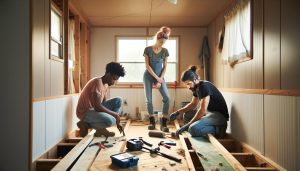
- Interior Work: Once the exterior is finished, focus on interior framing, drywalling, and installing flooring. Customize these elements to fit your style and needs.
- Final Inspection: After all work is complete, consider having a professional inspection to ensure everything meets safety and code requirements.
Embracing the DIY spirit of building your own trailer home is not just about assembling materials; it’s about creating a sustainable living environment tailored to your needs. With careful planning and execution, your trailer home can be a comfortable, stylish, and secure retreat.
Understanding Permits and Regulations for Trailer Homes

Navigating the world of permits and regulations can feel overwhelming, especially when building a trailer home. However, understanding the legal landscape is crucial for ensuring that your DIY project is compliant with local codes, which can ultimately save you both time and money. Each location has its own specific requirements, and many municipalities mandate permits for various aspects of trailer home construction. These can range from zoning approvals to structural permits, and not adhering to local laws may not only lead to fines but could also require you to undo completed work.
Before you start your project, it’s essential to conduct thorough research regarding the specific regulations governing trailer homes in your area. Contact your local zoning office or municipal planning department to clarify what permits are necessary. Common requirements often include:
- Zoning Permit: This ensures that your intended use for the property complies with local zoning laws.
- Building Permit: Required for the actual construction of the home, covering aspects like structural integrity and safety.
- Electrical and Plumbing Permits: If your trailer home will have these systems, permits are typically necessary for installation to meet safety standards.
- Utility Hookup Permits: For connecting water, sewer, and electrical systems to your trailer.
It’s also wise to consider how your home’s design aligns with local building codes. Hiring a professional, such as an architect or a builder familiar with manufactured housing, can help ensure your plans meet all necessary codes and are more likely to be approved the first time. Furthermore, documents such as site plans and engineering drawings are often required, so having these prepared in advance can streamline the permit process.
Lastly, after completing your trailer home construction, you may need to have your work inspected by local authorities. This inspection verifies that the construction was carried out according to the approved plans and meets all safety standards. Ensuring you have the proper permits and follow through with inspections not only protects you legally but also enhances the value of your home, giving you peace of mind in your journey towards creating your ideal living space.
Budgeting for Your DIY Trailer Home Project
Budgeting for a DIY trailer home project can seem daunting, but with proper planning and organization, you can manage costs effectively and create a beautiful, functional space tailored to your needs. Understanding all the potential expenses involved is key to preventing financial surprises down the road. Start by outlining your overall budget, which should include both the cost of materials and professional services if needed. Remember to account for the various stages of your project, from initial design to final inspections.
One of the first steps in budgeting is to categorize your expenses. Essential categories may include:
- Land Acquisition: If you don’t already own land, this will likely be your biggest expense. Research local market prices and potential land use restrictions.
- Construction Materials: Costs for lumber, insulation, roofing, siding, and interior fixtures can fluctuate based on availability and quality. Make a detailed list of required materials and seek quotes from multiple suppliers to find competitive pricing.
- Utilities Setup: Budgeting for water, gas, electric hookup, and waste management systems is crucial. Each municipality may have its own fees for connecting utilities to your home.
- Permits and Inspections: Don’t overlook these costs, as permits required for construction can add up. Allocating funds for inspections by local authorities ensures compliance with safety standards.
- Labor Costs: If you plan on hiring contractors for specific tasks (like plumbing, electrical, or roofing), estimate these costs ahead of time.
- Furnishings and Appliances: Initial furnishings may be minimal, but factor in what you will need to make your trailer home livable.
It’s wise to allocate a contingency fund-typically 10-20% of your overall budget-to address unexpected costs that may arise during construction. Expenses can quickly escalate due to changes in design, unforeseen structural issues, or increased material prices.
Additionally, consider financing options if you need to spread out costs. Personal loans, credit unions, or specialized manufactured home loans might offer pathways to ensure you stay within budget without sacrificing quality. By approach your project with a clear budget and a strategic mindset, you can confidently navigate the building process and create the trailer home of your dreams.
Sourcing Materials: Where to Find Quality Supplies
Sourcing high-quality materials is crucial for the successful construction of your trailer home. With availability varying by location and the specific needs of your project, knowing where to look will save both time and cost. Start by visiting local home improvement stores, which often carry a wide selection of essentials like lumber, insulation, and siding. These suppliers generally offer competitive pricing and knowledgeable staff who can assist with product selection.
Another fantastic resource is specialty mobile home supply stores, which offer products tailored to the unique requirements of trailer homes. For example, options like mobile home skirting, doors, and windows can often be found at dedicated retailers such as Mobile Home Parts Store, ensuring that you select components specifically designed for mobility and durability [1[1]. Utilizing these specialized suppliers not only ensures quality but often provides insights into best practices for installation.
Another effective way to source materials is through online platforms that specialize in building supplies. Websites like Mobile Home Outfitters offer a variety of building materials, including adhesives and sealants, thus making it convenient for DIY enthusiasts to find what they need from the comfort of their home [3[3]. These platforms typically feature a customer review system that provides valuable feedback from previous buyers, helping you make informed purchasing decisions.
Lastly, consider connecting with local contractors or joining community forums that focus on manufactured housing. These connections can lead to recommendations for trusted suppliers, as well as potential discounts when buying materials in bulk. Being part of a community gives you access to collective knowledge and resources, which can greatly enhance your material sourcing strategy and empower your trailer home construction journey.
Construction Techniques for a Sturdy Home
Building a sturdy trailer home requires a blend of traditional construction techniques and innovative practices tailored for mobile housing. Understanding key construction methods not only enhances the safety and longevity of your home but also provides peace of mind as you navigate your DIY project.
The first step in ensuring structural integrity is the foundation. Depending on your location, you might choose between a pier-and-beam setup or a full perimeter foundation. For mobility and flexibility, a pier foundation is often recommended as it allows for easier leveling and adjustment. Ensure that the piers are made from durable materials and are spaced correctly to distribute the weight of the trailer evenly. Performance in adverse weather conditions is critical, so consider local building codes when determining the depth and design of these foundations.
Next, focus on the framing of your trailer home. Using a robust steel I-beam frame as a base integrates strength and stability, helping to support the weight of the structure while maintaining mobility. When constructing walls, use lightweight framing materials like 2x4s or 2x6s-this not only makes transportation easier but also reduces overall costs. It’s also beneficial to use high-quality connections such as metal brackets to hold frame joints firmly, mitigating any potential movement during transport.
When it comes to roofing, consider installing a trussed roof system. This method distributes weight evenly, preventing sagging and leaks. Ensure proper insulation is installed between the roof layers to regulate temperature, making your home comfortable all year round. Good ventilation is paramount here, as it helps to reduce humidity buildup and prevent mold growth.
Lastly, pay close attention to sealing and waterproofing. Proper sealing of joints and using weather-resistant materials prevent moisture infiltration, which can cause significant damage over time. Applying a high-quality sealant around windows and doors during installation enhances energy efficiency and protects the interior from the elements.
By employing these techniques-an engineered foundation, sturdy framing, innovative roofing solutions, and reliable sealing-you’ll be well on your way to constructing a robust and inviting trailer home that stands the test of time.
Setting Up Utilities for Your Trailer Home
Setting up utilities in your trailer home is a crucial step in creating a comfortable and functional living space. Proper installation of water, electrical, and sewer systems not only enhances your quality of life but also ensures compliance with safety regulations and codes. Understanding the logistics and requirements for these utilities will help you navigate the process more effectively and enjoy the benefits of your new home sooner.
For water supply, establishing a reliable system is vital. Many trailer homes connect to municipal water supplies, but if you’re in a more rural area, you might need to consider installing a well. When connecting to the public system, coordinate with local authorities to obtain necessary permits and ensure proper hookup procedures. If you’re utilizing a well, ensure it is deep enough to provide adequate water volume and quality. Plumbing should comply with local codes, using durable, insulated pipes to prevent freezing in colder climates. Testing for water quality is also essential to ensure your supply is safe for consumption.
On the electrical front, you’ll need to consider both the power supply and the wiring system. Most trailer homes require a minimum of a 50-amp service to adequately handle power needs. It’s advisable to consult a licensed electrician to help plan and execute your electrical setup, including running wires from the service panel throughout the home. Make sure to follow local electrical codes to avoid issues down the line. Installing energy-efficient fixtures and appliances can also optimize your utility usage, keeping costs manageable.
In terms of sewer connections, proper waste disposal is crucial, especially for health safety. If your trailer home is within a community with established sewer systems, connecting to that system is typically straightforward. However, if you’re in a remote location, you may need to install an on-site septic system. This process involves evaluating soil conditions, obtaining permits, and ensuring tank installations meet local regulations. Regular maintenance of septic systems, such as pumping every few years, will keep your setup functioning effectively.
Ultility setup may seem daunting, but with the right planning and execution, you can create a well-functioning infrastructure that supports your trailer home’s comfort and longevity. Ensuring each aspect-water, electricity, and sewage-is properly installed will lead to fewer headaches and a much more enjoyable living experience as you settle into your new space.
Maintenance Tasks to Ensure Longevity of Your Trailer Home
Maintaining your trailer home is paramount for its longevity, functionality, and overall comfort. With proper care and regular attention to specific areas, you can significantly enhance its durability and reduce long-term repair costs. Start by incorporating a maintenance routine that allows you to monitor key systems and components regularly, ensuring everything from the exterior structure to the utilities remains in top condition.
Regular Exterior Inspections
Conduct a thorough inspection of the exterior of your trailer home at least twice a year. Look for signs of wear such as cracks in the skirting, damage to the siding, or rust on metal surfaces. Pay special attention to the roofing material-whether shingles or metal-ensuring there are no missing or damaged parts that could lead to leaks. Additionally, check the seals around windows and doors; properly maintained seals can prevent water intrusion and improve energy efficiency.
Utility System Maintenance
Your trailer home’s utility systems demand attention to maintain safety and efficiency. Schedule annual inspections for your plumbing, electrical, and HVAC systems. Regularly test for leaks in the plumbing, ensuring pipes are insulated to prevent freezing in colder climates. For the electrical system, consider hiring a licensed electrician to inspect the wiring and circuit breakers, and discuss any potential upgrades, such as switching to energy-efficient appliances. Your HVAC unit should be cleaned and serviced to ensure it operates efficiently, contributing to lower energy bills and greater comfort.
Routine Interior Upkeep
Inside your trailer, regular cleaning and maintenance can greatly enhance comfort and aesthetics. Keep a lookout for signs of moisture buildup, which can indicate problems with ventilation or leaks. Install and clean air filters in your heating and cooling systems regularly to maintain air quality and system efficiency. Additionally, create a schedule for deep cleaning, focusing on areas like kitchens and bathrooms that may require special attention due to moisture or food buildup.
Foundation and Leveling Checks
Over time, weight shifts and soil settling can affect the foundation of your trailer home, leading to structural issues. Periodically check that your home remains level; adjustments may be necessary if it has shifted. Utilize leveling jacks and blocks to reassess your setup every few years, and consult professionals if major adjustments are needed. This proactive step can help you avoid significant structural repairs in the future.
By weaving these maintenance tasks into your routine, you can ensure that your trailer home remains a safe and comfortable haven. Each small effort contributes to the overall health and value of your investment, allowing you to fully enjoy the unique lifestyle that trailer home living offers. Embrace this opportunity to cultivate a space that reflects not only your needs but also your care for a sustainable home.
Renovation Tips to Enhance Your Trailer Home
Enhancing your trailer home can transform it from a simple dwelling into a personalized sanctuary. Embracing DIY renovations not only increases your home’s functionality but also reflects your unique style. Whether you want to elevate your trailer’s aesthetics or improve its energy efficiency, there are numerous effective strategies to consider.
Start with a fresh coat of paint on both the interior and exterior. Paint is one of the most cost-effective ways to make a dramatic change-choose light colors to create a sense of space or bold hues for a striking feature wall. Additionally, upgrading the flooring can breathe new life into your home. Opt for durable and stylish options like vinyl planks or laminate that can mimic hardwood while being easy to maintain. These materials can enhance the livability and appeal of your space, proving that style doesn’t have to come at a high cost.
Another simple yet impactful change is to replace outdated fixtures with more modern ones. Updating light fixtures, cabinet handles, and faucets can significantly improve the appearance of your kitchen and bathroom. Consider energy-efficient lighting to save on utility bills while creating a warmer atmosphere. Furthermore, adding new window treatments can make a significant difference. Choose curtains or blinds that complement your color scheme while providing privacy and insulation.
For outdoor space, consider enhancing your trailer’s curb appeal by updating the skirting, landscaping, and outdoor furniture. A well-maintained exterior not only looks inviting but also protects your home from the elements. By showcasing your personality through your design choices, your trailer home can become a beautiful and functional space that feels truly yours-representative of both your lifestyle and individuality.
Insurance Considerations for Trailer Home Ownership
When it comes to owning a trailer home, insurance is a crucial aspect that should not be overlooked. Understanding the types of coverage available and how they apply specifically to mobile and manufactured homes can help safeguard your investment and provide peace of mind. Unlike traditional homes, trailer homes have unique needs and vulnerabilities, making specialized insurance essential for protection against losses from fire, theft, or natural disasters.
One of the most important types of coverage you should consider is replacement cost coverage. This ensures that if your trailer home is damaged beyond repair, the insurance policy will pay to rebuild it to the same standards, up to a specified limit. It’s vital to assess the value of your home accurately and choose a policy that reflects this value, thus avoiding gaps in coverage. Additional coverages, such as personal property coverage, protect your belongings within the trailer home, while liability coverage is essential to protect you against legal claims if someone is injured on your property.
As you explore insurance options, it’s beneficial to compare quotes from various providers. Companies like Foremost and Progressive offer tailored policies specifically designed for mobile homes, allowing you to customize your coverage based on your needs [1] [2]. Check for available discounts, especially if you bundle your mobile home insurance with auto or other types of insurance. This can often lead to significant savings.
Be proactive about understanding the local laws and any community regulations regarding trailer homes, as these can influence your insurance requirements. Additionally, consider enhancements such as storm tie-downs or reinforced foundations to mitigate risk from severe weather, as many insurers offer discounts or lower premiums for homes that demonstrate resilience against environmental risks. By ensuring that you have comprehensive coverage and understanding the specific needs related to trailer home ownership, you can better protect your investment and enjoy a secure living environment.
Maximizing Property Value of Your Trailer Home
To ensure your trailer home maintains its value over time, it’s essential to blend ongoing maintenance with strategic improvements and renovations. Just like traditional homes, trailer homes benefit significantly from regular upkeep and thoughtful enhancements that take into account both aesthetic appeal and functional upgrades, leading to increased property value.
Regular Maintenance is Key
Regular maintenance will not only extend the lifespan of your trailer home but also prevent minor issues from developing into costly repairs. Here are some tasks to keep on your maintenance schedule:
- Inspect and Clean Gutters: Ensure that gutters are free of debris to prevent water damage and maintain the integrity of your home.
- Check Plumbing and Electrical Systems: Regularly inspect for leaks and ensure all electrical fixtures are functioning properly.
- Exterior Upkeep: Keep an eye on the exterior finish. Use weather-resistant paints or finishes to protect against the elements.
- Upgrade Insulation: Improving insulation can reduce energy costs and enhance interior comfort, which buyers find appealing.
Renovations that Add Value
Certain renovations are particularly effective at enhancing property value. Consider these upgrades:
- Modernizing Interior: Updating kitchens and bathrooms with contemporary styling, fixtures, and appliances is often a worthy investment.
- Energy Efficiency Improvements: Installing energy-efficient windows, doors, and appliances can save on utility bills, making your home more attractive to potential buyers.
- Outdoor Living Spaces: Adding a deck or patio can significantly increase your home’s exterior appeal, providing extra living space.
- Smart Home Features: Implementing smart technology for heating, cooling, and security systems can be a huge selling point, appealing to modern buyers.
Understanding Market Trends
To truly maximize your trailer home’s property value, stay informed about local real estate trends. Tailoring updates to match what buyers in your area are looking for can make a substantial difference. Seasonal maintenance, such as winterizing your home, can help you avoid damage and keep up with standards that new buyers expect.
By combining diligent maintenance with targeted renovations, you are not only protecting your investment but also enhancing its marketability. These practical steps can ensure that your trailer home remains a wise investment choice, providing both comfort and value for years to come.
Faq
Q: What are the best materials for building a trailer home?
A: The best materials for building a trailer home include pressure-treated lumber for the frame, plywood for flooring, and high-quality insulation. Additionally, consider using metal siding for durability and weather resistance. Always choose materials that comply with local building codes to ensure safety and longevity.
Q: How do I ensure my trailer home is up to code?
A: To ensure your trailer home is up to code, familiarize yourself with local building regulations before beginning construction. Obtain the necessary permits and consult with a building inspector during the project. Following this guidance will help ensure your trailer home meets safety standards.
Q: Can I build a trailer home on my own property?
A: Yes, you can build a trailer home on your own property, provided you adhere to local zoning laws and building regulations. Check with your local planning department to understand any restrictions or requirements that may apply to your intended site.
Q: What utilities do I need to set up for a trailer home?
A: Essential utilities for a trailer home include water, electricity, and sewage. You may also need to install propane for heating or cooking. Ensure all utility installations comply with local codes, and consider hiring professionals for safe connections.
Q: How do I finance my DIY trailer home project?
A: Financing a DIY trailer home can be achieved through personal savings, home equity loans, or specialized loans for manufactured homes. Research local banks and lenders for favorable financing options, and consider using a detailed budget to present to your lender.
Q: How much does it cost to build a DIY trailer home?
A: The cost to build a DIY trailer home varies widely based on design, materials used, and location, typically ranging from $10,000 to $50,000. Creating a detailed budget can help you determine actual expenses and identify areas to save.
Q: What are common mistakes to avoid when building a trailer home?
A: Common mistakes include underestimating costs, overlooking permits, and not preparing the foundation properly. Additionally, neglecting utility connections can lead to issues later on. Planning carefully and consulting experienced builders can help you avoid these pitfalls.
Q: How can I maximize space in my trailer home?
A: To maximize space in your trailer home, use multi-functional furniture and build storage solutions such as shelves or cabinets under beds. Optimize vertical space by utilizing wall areas for storage or decor. Thoughtful layout design can also enhance flow and usability.
These questions and answers are tailored to enhance user engagement and provide valuable insights into building a trailer home while adding keywords for SEO optimization. For further details on specific aspects of trailer home construction, refer to sections on sourcing materials and setting up utilities in your main article.
The Way Forward
Congratulations on taking the first step toward building your own trailer home! By now, you’ve learned essential techniques for construction, from budgeting to practical setup. Remember, this journey empowers you to create a personalized living space tailored to your needs and style.
For more in-depth guidance, consider exploring our articles on mobile home maintenance and financing options. If you’re still unsure about certain aspects, don’t hesitate to check out our step-by-step tutorials on leveling and anchoring your trailer home. Take actionable steps today – whether it’s signing up for our newsletter for the latest tips or reaching out for a consultation on your project.
Your dream trailer home is within reach. Join our community of mobile home enthusiasts by sharing your thoughts in the comments, or read up on our expert resources to refine your approach. Embrace this exciting venture, and let us support you every step of the way!