When considering a modular home, one of the most appealing aspects is the potential for customization. Did you know that modular homes can be tailored to fit your unique lifestyle and preferences? This design freedom empowers you to create a living space that reflects your personality, meets your family’s needs, and maximizes comfort. Many prospective homeowners grapple with the misconception that modular homes are cookie-cutter solutions. However, you have options to personalize layouts, finishes, and features. This article will explore how you can truly make a modular home your own, guiding you through the various choices available and helping you navigate the customization process. Dive in to discover how to transform your dream home vision into reality, while enjoying the many benefits that come with choosing modular construction.
Understanding Modular Home Customization Options
In the world of modular homes, customization options are vast and varied, allowing homeowners to create a living space that truly reflects their personal style and needs. Unlike traditional stick-built homes, modular homes are constructed using pre-fabricated sections, which gives homeowners the opportunity to choose layouts, finishes, and features more freely. This flexibility not only fosters creativity but also ensures that the home remains functional and tailored to the occupants’ lifestyles.
One of the most significant advantages of modular home customization is the ability to select from a range of layouts that can suit specific family dynamics, whether that be an open-concept design for family gatherings or distinct rooms for privacy. Beyond layout, potential buyers can delve into an extensive palette of materials for flooring, countertops, and cabinetry. For instance, opting for energy-efficient windows not only enhances aesthetic appeal but also contributes to long-term cost savings by improving insulation.
Key Areas of Customization
- Exterior Design: Choose siding colors, roofing materials, and architectural styles that resonate with local aesthetics or personal preferences.
- Interior Layout: Adjust the number of bedrooms and bathrooms, redefine spaces, and create multifunctional areas.
- Finishing Touches: Select fixtures, cabinetry styles, and flooring materials that match your taste and lifestyle requirements.
Moreover, customization can extend to energy efficiency features, smart home technology, and even unique options like built-in storage solutions or customized outdoor living spaces. When considering these options, it’s essential for buyers to communicate their vision clearly with the manufacturer. This collaboration can often yield additional recommendations based on the manufacturer’s experience and expertise, further enhancing the overall design.
Understanding modular home customization begins with recognizing that the process is typically streamlined, allowing for practical yet innovative living solutions. Homeowners should approach customization as an opportunity to invest not just in a structure, but in a space that evolves with their life journey. By making informed choices, they can create a lasting home that meets their ever-changing needs and reflects their unique identity.
The Benefits of Choosing a Modular Home
Choosing a modular home offers a unique blend of benefits that appeal to a wide range of homeowners. One of the standout features of modular homes is their efficiency. Built inside factories, these homes are produced in a controlled environment, reducing construction time significantly. This means homeowners can often move into their new space much faster than with traditional construction methods, which can be subject to delays from weather and site conditions. This rapid build process does not compromise quality; in fact, modular homes often exceed building code requirements, ensuring safety and durability.
Another key advantage lies in the customization possibilities. Unlike traditional homes that often come with preset layouts, modular homes allow owners to adjust the floor plan and choose finishes, materials, and features that align with their personal preferences. These customization options extend to energy-efficient technologies, which can lead to long-term cost savings on utilities. By enabling a tailored living experience, modular homes cater to diverse lifestyles, making them ideal for growing families, active retirees, or anyone seeking a personalized living environment.
From a financial perspective, modular homes generally provide excellent value. They are often more affordable than comparable site-built homes, making homeownership accessible to a broader audience. Additionally, since these homes welcome energy-efficient installations-from insulation to smart home features-they offer both immediate savings on purchase price and long-term returns through reduced energy costs.
Moreover, modular homes represent a solution to housing shortages in many areas by allowing for faster construction of homes that meet local demand. With rising costs and scarcity of affordable housing options, modular homes present an appealing alternative that combines functionality, versatility, and sustainability. This progressive housing choice not only highlights innovation in construction but also promotes a lifestyle that values both quality and efficiency, making it a legitimate and attractive option for future homeowners.
Common Myths About Modular Home Customization
Many people are surprised to learn that modular homes offer a wide range of customization options, but misconceptions often cloud their understanding. One prevalent myth is that modular homes are cookie-cutter designs lacking individuality. In reality, modular construction allows for extensive personalization. Homeowners can modify floor plans, select finishes, and even incorporate energy-efficient technologies, enabling a home that reflects their unique style and functional needs.
Another common belief is that customization of modular homes is overly complicated and limited to a few basic options. However, many manufacturers provide flexible design choices that can be tailored to various lifestyles, allowing for kitchen layouts, bedroom arrangements, and bathroom styles that suit personal preferences. It’s crucial to work closely with the builder to explore available options fully, as they can guide you through the customization capabilities specific to your model.
Some might assume that customizing a modular home significantly increases the cost. While certain custom features can lead to higher prices, many upgrades add value and efficiency that can offset initial expenses. Additionally, because modular homes are built in a factory setting, owners often benefit from bulk purchasing of materials, potentially reducing costs compared to traditional builds.
Lastly, there’s a belief that modular homes will not stand up to traditional homes in terms of quality when customized. On the contrary, well-built modular homes often adhere to the same rigorous building codes and standards as conventional structures. Through high-quality materials and skilled craftsmanship, customized modular homes can achieve, and often exceed, the durability and safety of traditional construction.
Understanding these misconceptions is essential to making informed decisions when considering a modular home, ensuring that future homeowners can embrace the design freedom available to them.
Key Features You Can Customize in Modular Homes
Modular homes offer impressive customization capabilities, allowing homeowners to tailor various features that reflect their personal style and needs. By understanding the options available, prospective buyers can ensure their modular home will be a true expression of their preferences and accommodate their lifestyle.
Interior Customization
One of the most significant customization opportunities lies within the interior layout. Homebuyers can adjust floor plans to create open-concept spaces, add or remove walls, or change the locations of kitchens and bathrooms based on their functional needs.
Additionally, the choice of materials and finishes enhances the aesthetic appeal of the home. From flooring options-such as hardwood, tile, or carpet-to cabinetry and countertops in kitchens and bathrooms, selecting the right finishes can dramatically alter the home’s look and feel.
- Floor Plans: Customize room sizes, placements, and overall layout.
- Finishes: Choose flooring, countertops, cabinetry, and fixtures that match your style.
- Energy Efficiency: Incorporate advanced insulation, energy-efficient appliances, and smart home technology.
Exterior Customization
Exterior customization options are equally robust. Buyers can select siding materials-like vinyl, wood, or brick-as well as roof styles and colors. These elements not only contribute to curb appeal but also to the home’s energy efficiency and durability.
Landscaping design is another area where personalization can shine. Buyers can plan outdoor features such as decks, porches, or patios that enhance outdoor living spaces.
- Siding Materials: Choose between vinyl, wood, or metal for aesthetic and functional benefits.
- Roofing Options: Select style and materials that complement the overall design.
- Outdoor Spaces: Create decks, patios, or porches to extend living areas outside.
Leveraging the extensive customization options of modular homes can lead to a living space that not only meets your aesthetic desires but also functions seamlessly for daily life. Embracing the flexibility offered in both the interior and exterior design can make owning a modular home a truly unique experience, tailored to individual tastes and practical needs.
Exploring Design Freedom: Interior and Exterior Choices
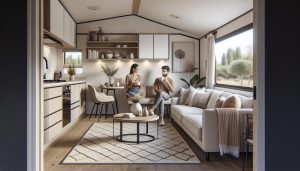
Customization in modular homes offers an incredible opportunity for homeowners to create spaces that reflect their personal taste while meeting their functional needs. This flexibility is one of the most appealing aspects of modular living. Interior choices such as open-concept floor plans or specific room placements can be tailored to enhance everyday living, allowing families to prioritize space for social interaction or privacy as they see fit. For example, moving a kitchen island to a more central location can help create a natural gathering point for family and friends, emphasizing communal living.
When considering the interior, materials and finishes play a crucial role in executing your design vision. From selecting between luxury vinyl plank or hardwood flooring to choosing countertop materials that can withstand daily wear while looking stylish, each decision significantly contributes to the overall atmosphere of your home. An interior design choice that merges style with functionality can also include energy-efficient appliances or smart home technology, making your space not just aesthetically pleasing but also more sustainable.
Exterior Highlights
The exterior of a modular home provides equally ample customization opportunities, allowing homeowners to make bold statements or subtle enhancements in line with their tastes. The choice of siding materials-ranging from classic vinyl to rustic wood or durable brick-affects both the look and the energy efficiency of the home. Selecting the right roofing style and color can harmonize with the surrounding environment, further elevating curb appeal.
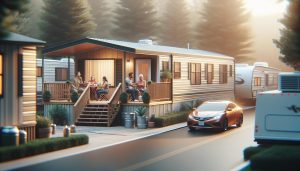
Moreover, outdoor living spaces are customizable extensions of the home. Whether it’s adding a spacious deck for summer barbecues or a tranquil porch for evening relaxation, these areas become integral to the living experience. Thoughtful landscape design, including native plants or decorative features, can enhance both beauty and functionality, providing a seamless transition from indoor comfort to outdoor enjoyment.
Embracing the wide-ranging customization options available with modular homes allows for the creation of unique spaces that not only meet individual aesthetic desires but also cater to practical life needs. This unique blend of personalization and practicality makes modular homes a compelling choice for many prospective homeowners.
Budgeting for Customization: Costs and Considerations
Budgeting for modular home customization involves understanding the costs associated with different features and finishes, as these can vary widely based on your personal preferences and the size of your home. A well-planned budget can ensure that you achieve your design vision without unexpected financial surprises. Begin by identifying the specific areas you wish to customize – whether it’s the layout, materials, or additional features, breaking down these components will lead to a clearer financial picture.
Start with the fundamental cost of your modular home. Typically, basic models are more affordable, but the total investment will increase as you add customized elements. Components to consider include:
- Floor Plans: Modifying existing floor plans can incur design fees, so consult with your manufacturer to understand any additional costs.
- Materials: Choose from various options that can range from budget-friendly to premium quality. For instance, upgrading to energy-efficient windows or choosing high-end cabinetry can significantly impact your overall budget.
- Site Preparation: Ensure you account for the costs associated with land preparation, including leveling, utilities, and any foundation work required.
- Upgrades and Additions: Additional spaces like decks, porches, or finished basements can greatly enhance your living experience but will add to your costs.
Always keep in mind the importance of setting aside a contingency fund-typically around 10-15% of your total budget-to account for unforeseen expenses. Collaborate closely with your home manufacturer and contractor to get detailed estimates and clarify what elements are included in the base price versus what is considered an upgrade.
Understand that financing is also a critical aspect of your budget. There are various financing options available for modular homes, including conventional loans and specialized programs for manufactured housing. Working with a lender experienced in modular home financing can streamline the process. They can provide you with realistic assessments of what you can afford, taking into consideration the expected costs of customization.
By conducting thorough research and working closely with professionals, you can navigate the budgeting process with confidence, ensuring that your modular home reflects both your style and your financial goals. Optimization of this process will lead to a satisfying customization journey, resulting in a home that truly meets your needs and desires.
How to Choose a Modular Home Manufacturer
When selecting a manufacturer for your modular home, it’s crucial to ensure that their offerings align with your vision for customization and quality. With the growing popularity of modular homes, numerous manufacturers have emerged, each with unique strengths, construction methods, and design options. Begin your selection process by researching reputable companies, focusing on those that specialize in customization. Reading online reviews and testimonials can provide insight into customer experiences, highlighting how well manufacturers meet their commitments.
Consider asking potential manufacturers about their customization capabilities. A manufacturer that allows ample design choices-from floor plans to finishes-demonstrates flexibility and a commitment to customer satisfaction. Look for companies like Champion Homes, which offers a variety of manufactured and modular home styles, showcasing their adaptability to client preferences[1[1]. You may also want to visit model homes or showrooms, where you can physically explore the quality and craftsmanship of their builds.
Check for certifications and memberships in professional organizations, which often indicate adherence to industry standards. This can be an important assurance of quality and reliability. Furthermore, inquire about the manufacturer’s warranties and customer support services, as these are vital for long-term satisfaction and peace of mind. Financing options and partnerships with local lenders can also ease the purchasing process, giving you a more comprehensive view of what you can afford.
Lastly, it’s beneficial to maintain clear communication with your chosen manufacturer throughout the process. Discuss timelines, project milestones, and any other relevant details upfront to minimize misunderstandings. Engaging in a collaborative dialogue ensures that your ideal design vision is translated accurately into your new home, allowing for a truly personalized modular experience that meets your lifestyle needs.
Navigating Local Regulations for Modular Home Designs
Navigating local regulations can be one of the most crucial aspects of customizing and installing a modular home. Before diving into design choices, it’s essential to familiarize yourself with zoning laws, building codes, and other requirements that could impact not only the construction but also the long-term livability of your home. Each locality has specific rules governing modular homes that vary widely, making it imperative for prospective buyers and homeowners to conduct thorough research.
To start, identify the local zoning regulations in your area. This will inform you if modular homes are permitted in your intended location. Zoning laws can dictate everything from the size and height of your structure to its proximity to property lines and the types of foundations allowed. For instance, some areas may only permit homes to be placed on permanent foundations, while others might allow for temporary or movable structures. Understanding these requirements will help you avoid costly missteps during the planning phase.
Key Considerations
- Building Permits: Before construction can begin, obtaining the necessary building permits from your local government is often required. This process may involve submitting specific designs, site plans, and possibly attending public hearings.
- Inspections: Modular homes typically must pass various inspections throughout the building process to ensure compliance with local codes. Familiarize yourself with what inspections will be necessary; this may include plumbing, electrical, and final inspections.
- Local Building Codes: Beyond zoning, each jurisdiction has code requirements that govern safety, durability, and design standards for homes. Reviewing these can influence how you customize your home, particularly regarding structural elements and materials.
It’s also beneficial to consult with local builders or modular home manufacturers who possess experience in navigating these regulations. Manufacturers often have dedicated teams that know the local codes and can assist you in ensuring your design adheres to all requirements, making the process smoother and more efficient. Engaging local professionals can save you time, stress, and possibly substantial renovation costs down the road.
In summary, while modular homes offer incredible flexibility and customization options, aligning your design aspirations with local regulations is key to achieving your vision without unforeseen complications. Consider it a collaborative dance between creativity and compliance, ensuring that your dream home can stand the test of time in your chosen community.
Innovative Trends in Modular Home Design
The landscape of modular home design is evolving rapidly, embracing innovative trends that prioritize both aesthetic appeal and sustainable living. As homeowners seek customizable features that reflect their personal style and environmentally conscious values, manufacturers are stepping up with creative solutions that break away from traditional design constraints.
One prominent trend is the integration of smart home technology. Modular homes are increasingly equipped with advanced systems that enhance convenience, security, and energy efficiency. Features like thermostats that learn your habits, smart lighting systems, and automated security cameras can be seamlessly incorporated into the design process. This technological infusion not only heightens the livability of the home but also adds value, making modular homes a competitive choice in the housing market.
Another exciting development is the emphasis on sustainable and eco-friendly materials. Homeowners are more aware of their environmental impact, prompting modular builders to source materials that are both sustainable and durable. Options like reclaimed wood, bamboo flooring, and energy-efficient windows can be customized during the home-building process. Additionally, incorporating solar panels and green roofs into the design not only promotes sustainable living but also reduces long-term utility costs.
Moreover, the architectural styles of modular homes are becoming increasingly diverse. Homebuyers can now choose from modern, minimalist designs, or opt for more traditional or rustic aesthetics, allowing them to personalize their living spaces. Open floor plans, large windows for natural light, and outdoor living areas are all popular features that cater to contemporary lifestyles. By collaborating with design professionals, clients can create unique layouts that fit their specific needs and preferences, transforming modular homes into bespoke living spaces.
Investing in a modular home today means not just acquiring a house but embracing a lifestyle that values innovation, sustainability, and aesthetics. These trends are pushing the boundaries of what modular homes can be, offering an adaptive and modern solution for prospective homeowners ready to take the plunge into custom living.
Comparing Modular Homes to Traditional Homes
The difference between modular and traditional homes often boils down to customization, efficiency, and overall design freedom. While traditional homes are typically constructed on-site with limited flexibility once the foundational work is done, modular homes offer a unique approach by allowing homeowners to customize their living spaces extensively before the building process even begins. This can lead to a more personalized and satisfying living experience.
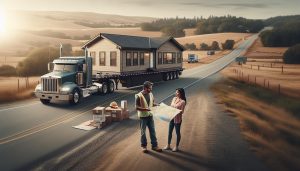
Modular homes are constructed off-site in a controlled factory environment, which not only speeds up the building process but also reduces the impact of adverse weather conditions on construction timelines. As a result, homeowners can often move into their new homes quicker than with traditional builds. The integration of smart technology and energy-efficient materials has become increasingly commonplace in modular homes, allowing for further customization that aligns both with the homeowner’s lifestyle and their commitment to sustainability. Traditional homes may lack this modern adaptability, focusing instead on standard designs that can be less environmentally conscious.
Here are a few key distinctions to consider when comparing these two housing options:
- Customization Options: Modular homes allow extensive customization in terms of layout, materials, and design elements. Traditional homes tend to have predetermined designs that can limit personalization once the construction has begun.
- Construction Time: With modular homes, the assembly can take just weeks, while traditional homes can take several months or even years, depending on the complexity and weather-related delays.
- Quality Control: Building in a factory setting enhances quality due to controlled conditions and standards. Traditional homes may face variable quality depending on on-site labor conditions and weather.
- Cost Efficiency: Modular homes can be more cost-effective due to less waste and expedited construction times. Traditional homes may incur higher costs due to prolonged construction or unforeseen expenses.
Ultimately, choosing between modular and traditional homes hinges on individual preferences regarding customization, speed of construction, and budget considerations. Embracing modular living not only opens up exciting possibilities for personal expression in home design but also caters to a modern, efficient approach to homeownership that is increasingly appealing in today’s fast-paced world.
Customer Experiences: Real Stories of Customization
Every homeowner’s journey to creating their dream space is unique, and modular home customization offers a creative canvas to bring those visions to life. With flexibility in design and construction, many have shared their transformative experiences, showcasing the significant impact of customizing their modular homes. From family-oriented floor plans to energy-efficient upgrades, these stories illuminate how modular living can meet diverse needs and preferences.
For instance, one family anticipated their growing household and opted for a multi-functional space that could serve as both a playroom and a guest room. They worked with their manufacturer to include sliding barn doors and customizable storage solutions that blend seamlessly into their modern aesthetic. This not only maximized the utility of their floor plan but also allowed them to maintain an open, airy atmosphere, reflecting their lifestyle.
Another couple highlighted the significance of green living in their customization journey. They chose to integrate solar panels and energy-efficient appliances, which not only aligned with their environmental values but also reduced ongoing utility costs. Their experience emphasizes how modular homes can be tailored not just for aesthetics but also for sustainability.
Homeowners have also shared tales of overcoming common misconceptions about modular living. One couple faced initial skepticism from friends who believed that modular meant lower quality. However, after choosing high-end finishes and unique design touches, they were able to create a luxurious and bespoke home that exceeded expectations. Their story serves as an inspiring reminder that with thoughtful planning and collaboration with builders, modular homes can reflect a level of craftsmanship and personalization that rivals traditional homes.
Ultimately, the wealth of real-life experiences surrounding modular home customization underscores the potential for creativity and personal expression. By articulating specific wants and needs, homeowners can collaborate effectively with designers and builders to ensure their modular home is not just a residence, but a true reflection of who they are.
Tips for Collaborating with Designers and Builders
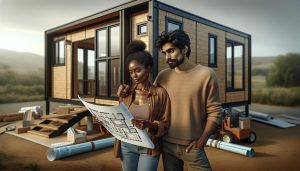
Collaborating with designers and builders when customizing a modular home can feel overwhelming, but it doesn’t have to be. Establishing clear lines of communication and having a well-defined vision of what you want are critical components to a successful partnership. Before you even sit down with a designer, take the time to gather inspiration from various sources. Whether it’s through online platforms like Pinterest, home design magazines, or visits to existing modular homes, accumulating ideas can help you articulate your preferences better.
One effective strategy is to create a “mood board” that visually summarizes your design desires. Include color schemes, layouts, and even materials you’re drawn to. This tangible representation can serve as a reference during discussions with your builder or designer, ensuring everyone is on the same page. When you have your board ready, schedule a dedicated meeting to discuss each aspect of your vision. During these meetings, encourage open dialogue and be willing to listen to your designer’s professional insights – they may offer solutions or alternatives you hadn’t considered. Collaboration thrives when both parties feel heard and respected.
Additionally, it’s essential to address practical considerations early in the process. Discuss your budget upfront and establish a realistic scope that aligns with your financial plan. Customizations can range from minor aesthetic upgrades to major structural changes, and understanding the potential costs involved will prevent any unpleasant surprises later. Don’t hesitate to ask for a detailed breakdown of costs associated with customization options, as transparency is key to building trust.
Lastly, understanding the timelines involved in your project is crucial. Modular home construction can often be faster than traditional methods, but customization might introduce delays. Make sure to have a clear timeline with your builder, discussing each phase of the project to set realistic expectations. Regular check-ins throughout the building process can also help maintain momentum and ensure that your vision remains intact.
By following these guidelines-gathering inspiration, fostering open communication, addressing budget and timelines-you’ll not only make the collaboration process smoother but also enhance the quality of your final modular home, ensuring it beautifully represents your unique vision and lifestyle.
Frequently Asked Questions
Q: What are the customization options available for modular homes?
A: Modular homes offer various customization options, including floor plan adjustments, exterior finishes, and interior layouts. You can select features like kitchen and bath fixtures, window styles, and even energy-efficient upgrades. Discuss your preferences with your manufacturer to explore all available choices.
Q: How does the customization process for modular homes work?
A: The customization process typically begins with a consultation where you discuss your design ideas. After selecting a base model, you can modify aspects like layouts and finishes. The manufacturer will provide a timeline and cost estimates before finalizing the design based on your preferences.
Q: Are there any limitations to customizing a modular home?
A: While modular homes allow for significant customization, limitations may include building codes and budget constraints. Certain structural changes might not be feasible due to manufacturing processes, so it’s essential to work closely with your builder to understand what can and can’t be altered.
Q: How much does it cost to customize a modular home?
A: Customizing a modular home can range widely in cost, often depending on the extent of the changes. Minor upgrades may add a few thousand dollars, while extensive customizations could significantly increase the base price. It’s advisable to compare options and set a budget during planning.
Q: Can I change the design of a modular home after it’s built?
A: Major design changes after a modular home is built can be challenging and costly. However, minor renovations-like repainting or updating fixtures-are typically easy. Always consult with a contractor for feasibility and potential structural impacts before making changes.
Q: What role do architects and designers play in customizing modular homes?
A: Architects and designers can provide valuable input during the customization of modular homes. They help turn your vision into practical designs, ensuring that modifications meet local regulations while maximizing aesthetic appeal and functionality. Collaborating with them can enhance the overall home design.
Q: Is customizing a modular home more expensive than buying a pre-designed model?
A: Customizing a modular home is generally more expensive than choosing a pre-designed model due to the added layers of design and manufacturing adjustments. However, the cost varies based on customization depth and specific choices, making it essential to evaluate your priorities and budget.
Q: How do I choose the right manufacturer for a customized modular home?
A: When selecting a manufacturer for a customized modular home, consider their reputation, range of designs, customization capabilities, and customer reviews. Don’t hesitate to ask for examples of previous work and inquire about their warranties and customer service practices.
Final Thoughts
Ready to take the next steps in customizing your modular home? With endless design possibilities and the opportunity to express your personal style, now is the perfect time to explore how to turn your vision into reality. Whether you’re curious about financing options, looking for expert tips on setup and maintenance, or want to learn more about the unique benefits of modular living, we have a wealth of resources to guide you.
Don’t miss out on our in-depth articles on modular home financing and essential maintenance techniques to ensure your investment lasts a lifetime. Subscribe to our newsletter for the latest insights and share your thoughts in the comments below-let’s inspire each other on this journey! Your dream home is just a click away, so explore the design freedom that modular construction offers today.