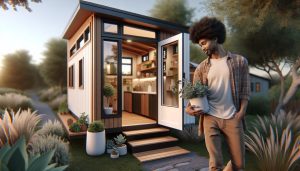
Navigating the world of land and modular home financing can be daunting, especially with the myriad of options available. Did you know that combining land and modular home financing can simplify your purchasing process and potentially save you money? Whether you’re a prospective buyer or an experienced investor, understanding these financing programs is crucial to making informed decisions about your living situation. With the rise in popularity of manufactured housing, exploring financing solutions that cover both land and modular homes together can open doors to more affordable and personalized living arrangements. As we delve into this topic, you’ll discover valuable insights into financing options, practical advice on what to consider, and how these programs can perfectly align with your housing goals.
What Are Financing Programs for Modular Homes?
Financing modular homes can be a game-changer for those looking to embrace this modern living solution. These homes, often prefabricated and customizable, provide an adaptable lifestyle, yet navigating the associated financial landscape can be complex. Fortunately, several financing programs facilitate the purchase of both the home and the land, commonly known as combo financing. This approach can simplify the financing process, often leading to lower interest rates and reduced closing costs compared to conventional loan structures.
The two primary types of financing to consider include FHA and VA loans, which cater to specific borrower needs. FHA loans are designed for those with lower credit scores or limited savings, allowing significant leeway in terms of down payments and interest rates. In contrast, VA loans are an excellent option for eligible veterans, providing favorable terms and conditions without requiring a down payment. Both options can be combined to finance the land and the modular home, creating a seamless process tailored to your financial situation.
Understanding the specific requirements and conditions of these programs is crucial. Lenders typically look for a comprehensive financial background, including credit ratings, income verification, and an appraisal of the land and home. Together, these aspects not only enhance your eligibility for the loan but also ensure that you are making a sound investment in your future. By exploring combo financing options, prospective homeowners can identify the most strategic path to becoming a proud owner of a modular home while simultaneously securing their desired parcel of land.
Understanding Land Financing for Modular Homes
Understanding financing options for the land associated with modular homes reveals a promising avenue for prospective homeowners. Many individuals may not realize that combining the purchase of the home with the land can lead to greater financial efficiency and reduced stress during the buying process. Buying land specifically for modular homes can often qualify for unique financing programs, such as combo loans, which can streamline your financial journey. By addressing the financial responsibilities of both the home and the land together, homeowners can focus on what truly matters-creating a space that reflects their lifestyles and needs.
When considering land financing, it’s essential to recognize the importance of selecting the right type of loan. Modular home buyers usually look to specific financing options like the FHA and VA loans, both of which allow for less stringent borrower requirements and greater flexibility. FHA loans offer options for lower credit scores and provide a minimal down payment, making them accessible for many buyers. Meanwhile, VA loans are highly beneficial for veterans and enable 100% financing, eliminating the need for a down payment entirely. Both of these financing types can include the cost of land, facilitating an integrated purchase that reduces the overall hassle of managing multiple loans.
It’s also crucial to understand the evaluation criteria lenders will utilize when determining financing eligibility. Factors like credit ratings, stable income, employment history, and the appraisal of both the home and land can significantly influence approval odds. Many lenders may additionally require documentation that your chosen land is suitable for a modular home, adding an extra layer to consider.
Investing in a modular home is not just about initial costs; it’s about considering long-term financial stability and planning. By utilizing available land financing programs effectively, new homeowners can secure a property that meets their needs, complements their lifestyle, and stands the test of time-all while navigating the path to ownership with greater confidence.
Combo Financing: Key Benefits and Considerations
Acquiring a modular home presents an exciting opportunity for many, but understanding the financial options available is crucial. One of the most effective strategies for streamlined purchasing is opting for combo financing, which allows buyers to finance both the home and the land together. This not only simplifies the borrowing process but can also make owning a modular home more financially feasible.
Benefits of Combo Financing
Combo financing offers several advantages that can appeal to prospective buyers. First and foremost, it typically involves a single loan application process, which minimizes paperwork and reduces the associated stress. This consolidated approach means borrowers only need to deal with one set of closing costs, saving both time and money. Additionally, many lenders offer favorable interest rates for combo loans, which can lead to significant savings over the life of the loan compared to separate loans for land and home.
In terms of flexibility, combo financing often makes it easier for buyers to qualify. Lenders that specialize in modular homes and land purchases might have more lenient requirements, potentially allowing buyers with less-than-perfect credit or limited down payment savings to secure funding. This opens the door for a wider range of buyers looking to enter the modular housing market.
Considerations for Buyers
While the benefits of combo financing are compelling, it’s important for buyers to fully understand the considerations involved. For instance, buyers should ensure that the land they intend to purchase is suitable for a modular home, as some lenders require documentation or specific zoning permits. Moreover, since combo loans cover both the home and the land, buyers need to be aware of their total financial obligations, including property taxes and potential property insurance needs.
Another vital aspect to consider is the long-term commitment. While combo financing simplifies the upfront process, it can also lock buyers into a single, long-term financial arrangement. Therefore, it’s beneficial to compare different combo financing options, considering factors such as loan terms and total costs, to ensure the most beneficial choice is made.
In conclusion, combo financing can substantially ease the journey to homeownership for those interested in modular homes. By understanding the benefits and considerations related to these financing options, buyers can make informed decisions that align with their financial goals and living aspirations.
Types of Combo Financing Options Available
Securing financing for a modular home often revolves around a few key combo options that can help streamline the purchasing process. These options typically allow buyers to acquire both the land and the modular home under a single loan, making it easier to manage finances and understand obligations.
One popular form of combo financing is the FHA (Federal Housing Administration) Title I loan, which enables buyers to finance both the home and necessary improvements. This type of loan is designed specifically for those investing in mobile and manufactured homes and offers lower down payment requirements, making it accessible for many buyers. Additionally, the FHA also has financing options for land purchase, ensuring that buyers can secure both components simultaneously.
Another viable option is the VA (Veterans Affairs) loan, available to eligible veterans and active-duty military personnel. VA loans typically require no down payment and include favorable interest rates. While primarily for purchasing homes, some VA lenders offer combo financing packages that include land and modular home costs, enhancing affordability for service members.
Conventional loan programs may also provide combo financing solutions, where traditional lenders offer loans that cover both the land and the house. These loans come with varying interest rates and terms, allowing buyers to choose one that aligns with their financial situation. It’s essential to shop around and compare offers from different lenders to find the best deal.
Lastly, there are state and local government programs that may offer incentives for homebuyers, particularly for modular housing. These programs often include financial assistance, grants, or low-interest loans, specifically tailored to encourage home ownership in specific regions. Researching local resources can uncover unique financing opportunities that might not be widely advertised.
In conclusion, the landscape of financing options for acquiring modular homes is diverse, catering to various financial situations and needs. Exploring these options can lead to a smoother, more manageable path to homeownership, ultimately helping buyers make informed decisions in their journey toward building a comfortable and sustainable living space.
Eligibility Criteria for Combo Financing Programs
When considering financing options for modular homes, understanding the is crucial. These programs typically require applicants to meet specific guidelines to ensure they qualify for financing that covers both land and the home. Each lender may have unique requirements, but several common standards apply across the board.
- Credit Score: Most lenders require a minimum credit score, often ranging between 620 and 640 for conventional loans. Those with higher credit scores may benefit from better interest rates and terms.
- Stable Income: Proof of stable income is essential. Lenders usually look for at least two years of employment history in the same field. Documentation such as pay stubs, tax returns, and W-2 forms will be needed to verify earnings.
- Debt-to-Income Ratio (DTI): Lenders assess your DTI to gauge your ability to manage monthly payments. Generally, a DTI below 43% is favorable, but some programs may allow for higher ratios depending on other factors.
- Down Payment: Some combo financing programs, like VA loans, offer no down payment, while others might require 3% to 20%. It’s important to understand how much cash you’ll need upfront.
- Property Type: The property must meet specific qualifications. For instance, it should typically be a primary residence, and certain lenders may have restrictions on the age or type of modular home.
- Loan Purpose: Clarifying whether the loan is solely for purchasing the land, the home, or both is important, as some lenders have stipulations based on the intended use of the property.
Navigating the path to obtaining financing can be daunting, but familiarizing yourself with these key eligibility criteria will empower you to approach lenders confidently. As you prepare your application, gather all necessary documentation and be prepared to discuss your financial situation openly. By taking these proactive steps, you increase your chances of securing a favorable financing arrangement that aligns with your homeownership goals.
Step-by-Step Guide to Applying for Combo Financing
When it comes to realizing the dream of owning a modular home, the financing process can appear daunting. However, breaking it down into clear, actionable steps can help streamline the experience and increase your chances of success. Here’s a detailed guide to applying for combo financing that covers both land and your modular home.
First, start by researching lenders that specialize in combo financing. Not all lenders offer the same terms or products, so it’s crucial to find one that understands the unique aspects of modular homes. Look for local banks, credit unions, or online lenders that might provide favorable rates and tailored advice for your situation.
Gathering your financial documentation is the next step. This includes your credit report, pay stubs, tax returns, and proof of other income. Organizing these documents in advance can save time during the application process. Having an accurate picture of your financial situation will also help you determine how much you can afford to borrow.
Once your documentation is ready, prepare to fill out the loan application. Most lenders will require details about the land and the home you intend to purchase. Ensure you have clear plans for the modular home, including builder specifications, estimated costs, and timelines. This not only shows the lender that you are serious but provides them with the context needed to approve your loan.
After submitting your application, lenders will conduct a credit check and evaluate your financial history. Be proactive in maintaining communication with your lender during this period and be prepared to provide any additional information they may request.
Once approved, you will receive a loan estimate outlining the terms of your financing. Review this document carefully, focusing on interest rates, monthly payments, and any closing costs associated with the loan. It’s essential to understand every aspect to ensure that you’re making a sound financial decision for your future.
By following these steps and staying organized throughout the process, you can effectively navigate the complexities of obtaining combo financing for your modular home and land, turning your housing dreams into reality.
Comparing Combo Financing vs. Traditional Loans
Financing a modular home often involves navigating a landscape of choices, particularly when considering combo financing as opposed to traditional loan options. Combo financing uniquely integrates both the purchase of land and the modular home into a single loan, providing a streamlined approach that can simplify the process for many buyers. Understanding the differences between combo financing and traditional loans can make a significant difference in the purchasing experience.
With traditional loans, buyers typically secure separate financing for the land and the home, leading to multiple loans with different terms, providers, and possibly different interest rates. This means managing multiple sets of documentation, closing processes, and payments, which can complicate financial management. Furthermore, traditional home loans may not cover land purchase when it’s considered raw or undeveloped, posing a potential barrier for those looking to build on their own land.
Conversely, combo financing allows buyers to combine the costs into one manageable loan. Here are a few key benefits that highlight why many people opt for this route:
- Simplified Process: By merging both mortgages, buyers only need to deal with one lender, which streamlines paperwork and communications.
- Potentially Lower Interest Rates: Combo loans may offer lower overall interest rates compared to separate loans, making it easier to manage monthly budgets.
- Single Closing Cost: Homeowners can save on the closing costs associated with taking out multiple loans.
Nevertheless, it’s important to consider that combo financing might come with stricter eligibility criteria or guidelines than traditional loans, impacting who qualifies based on credit scores and financial background. Some buyers might find that traditional financing allows for more flexibility in terms of property types or loan customization.
When making a choice between combo financing and traditional loans, potential homeowners should weigh their financial situation, evaluate their long-term plans, and consult with mortgage professionals who understand the nuances of modular homes and land financing. By carefully analyzing these options, buyers can make informed decisions that align with their financial goals and lifestyle.
Common Myths About Financing Land and Modular Homes
Many prospective buyers of modular homes may be surprised to learn that there are a number of misconceptions surrounding the financing process, particularly when it comes to obtaining loans that encompass both land and the home itself. One widespread myth is that financing a modular home is fundamentally different from financing traditional homes. However, the truth is that various lenders have developed specialized programs tailored to modular homebuyers, allowing for competitive financing options that can be just as beneficial as those available for site-built homes.
Another common belief is that combo financing options are exclusively for individuals with perfect credit. In reality, while a good credit score can enhance your chances of securing a loan with favorable terms, many lenders are willing to work with a wider range of credit histories. There are contingency plans in place, such as specialized loans that cater to less-than-perfect credit ratings, helping buyers navigate the financial landscape without feeling restricted.
Furthermore, some individuals may think that combo financing programs are too complex and bureaucratic, making the process inconvenient. In practice, these loans often streamline the paperwork and simplify the process by allowing borrowers to manage a single loan rather than juggling multiple mortgages. This can save time, reduce stress, and ultimately lead to better financial management. Additionally, lenders specializing in modular homes often provide personalized support and guidance to assist applicants through every step of the financing process.
Finally, many assume that land financing is not available for undeveloped or raw land, which can deter potential buyers seeking to place a modular home on a custom lot. Conversely, certain combo financing programs do consider undeveloped land, contingent on specific lender criteria and potential site evaluations. This flexibility opens opportunities for buyers looking to establish their dream home on a unique parcel of land.
By recognizing and dispelling these myths, prospective modular home buyers can approach the financing process with greater confidence and knowledge, enabling them to make informed decisions that align with their housing goals. Understanding these aspects not only clarifies the lending landscape but also helps buyers see modular homes as a legitimate and viable option for homeownership.
How to Select the Right Financing Option
Selecting the right financing option for modular homes and land can be a game-changer in your home buying journey. With various combo financing programs available, it’s vital to evaluate each option carefully to find one that aligns with your financial situation and goals. This process begins with understanding the key features and benefits of different financing programs while considering your unique circumstances.
Firstly, assess the type of modular home you plan to purchase and the land you wish to place it on. Take note of the following factors:
- Type of Land: Whether you are considering undeveloped, residential, or rural land, different lenders have specific criteria for financing.
- Home Specifications: The size, design, and features of the modular home could affect financing terms. Some loans are tailored for specific qualities, such as energy efficiency or ease of construction.
- Financial Health: Your credit score, income, and debt-to-income ratio are critical in determining which financing programs you qualify for. It’s advisable to review your credit report and improve your score before applying.
Once you have this information, research different lenders and their available financing options. Look for lenders who specialize in modular home financing, as they often have more flexible terms and a better understanding of the market. Compare interest rates, required down payments, monthly payments, and any associated fees across lenders.
It’s also useful to consult with financial advisors or real estate professionals who can offer insights tailored to your situation. They can help you weigh the pros and cons of various financing options, ensuring you make an informed choice.
Remember, choosing the right financing option isn’t just about securing funds; it’s about ensuring the loan fits comfortably into your overall financial plan. Take your time to select wisely, as this decision will influence your financial health for years to come.
Tips for Improving Your Financing Approval Chances
Unlocking financing for your modular home can sometimes feel like navigating a labyrinth, but by taking strategic steps, you can enhance your approval chances significantly. Establishing a solid foundation before you apply is crucial. Start by improving your credit score, which plays an essential role in determining your eligibility for financing options. Aim for a score of 700 or above, as this will open doors to more favorable interest rates and terms. Actively manage your credit by paying down existing debts, avoiding new credit inquiries, and keeping credit utilization low.
Another key strategy is to gather comprehensive documentation that demonstrates your financial stability. Prepare detailed records of your income, assets, and debts, including tax returns, pay stubs, and bank statements. This information not only helps lenders assess your ability to repay but also shows that you are organized and responsible. Consider creating a personal financial statement summarizing your financial position, which can streamline the process and enhance your appeal to lenders.
Additionally, engaging with lenders who specialize in modular home financing can increase your chances of approval. These lenders typically understand the market better and often have tailored programs suited for modular home purchases, which can be advantageous compared to traditional mortgage pathways. Don’t hesitate to shop around for rates; even a slight difference in interest can lead to significant savings over the life of the loan.
It’s also wise to be prepared for contingencies. Ensure you have a financial buffer in place to manage any unexpected expenses during the home buying process. This can create a positive impression on lenders, showcasing your preparedness and commitment. Finally, don’t underestimate the value of open communication. Discuss your financing needs and concerns directly with prospective lenders, asking questions about their specific requirements for combo financing. This proactive approach demonstrates your seriousness and can set you apart in a competitive market.
By following these practical tips, you can navigate the complexities of financing with confidence, making it easier to secure the home of your dreams while ensuring your financial foundation remains solid.
Long-Term Financial Planning for Modular Homeowners
The journey of owning a modular home transcends the initial purchase; it demands careful long-term financial planning to ensure sustained stability and comfort. Just as traditional homeowners take steps to secure their financial futures, modular homeowners too must consider how best to manage their investments. A proactive approach can lead to financial freedom, as modular homes offer a unique blend of affordability and adaptability that can enhance one’s financial landscape.
Start by devising a comprehensive budget that incorporates all aspects of homeownership. Consider not only your mortgage payments but also expenses associated with land maintenance, utilities, insurance, and property taxes. Setting aside funds for routine upkeep and unforeseen repairs is crucial. For instance, investing in energy-efficient upgrades can lower utility bills over time, while establishing an emergency fund for unexpected repairs can prevent financial strain. Consider making small monthly contributions to this fund, which allows for easier management of larger expenses down the road.
Investing in Appreciation
One intrinsic advantage of modular homes is their potential for land appreciation. When purchasing land and a modular home together, pay attention to location factors such as growth trends in your community and nearby amenities. Over the years, these elements can significantly influence property values. Conduct thorough market research and keep abreast of development plans in your area. Enhanced community features, such as public transportation or new shopping centers, can bolster property values and ensure your investment appreciates.
Furthermore, regular maintenance and timely renovations can bolster the resale value of your modular home. Stay updated on design trends and enhancements that can make your home more appealing to future buyers. This may involve periodic updates like new siding, modern kitchens, or energy-efficient windows. Documenting enhancements through detailed records can also serve as a strong selling point when it’s time to sell.
Financial Tools and Resources
Utilizing financial tools effectively can further bolster your long-term planning. Online calculators for mortgage payments can guide your budgeting efforts, while tracking tools for expenses can help maintain a clear view of your financial situation. Consider consulting with financial advisors experienced in modular home investments, especially if you aim to expand your property portfolio. These professionals can provide tailored advice on maximizing investment returns and optimizing tax benefits unique to manufactured housing.
In conclusion, with the right approach to long-term financial planning, modular homeownership can thrive. Invest time in creating a sustainable budget, monitoring property value trends, and utilizing expert resources to facilitate smart decisions. By doing so, you can not only enjoy the comforts of your home but also ensure that it stands as a key asset in your financial future.
Challenges in Combo Financing and How to Overcome Them
Navigating the world of combo financing for modular homes and land can be complex, given the unique challenges that arise from this hybrid approach. One significant hurdle is the limited availability of lenders willing to offer combo loans, particularly in regions where modular homes are less common. Many traditional lenders focus primarily on conventional home loans and may not fully understand the value and stability that modular homes can provide. This lack of awareness can result in higher interest rates or even outright denials for potential borrowers.
To overcome these challenges, it’s essential to conduct thorough research on lenders specializing in manufactured and modular housing. Seek advice from local real estate agents who have experience with modular homes; they can often recommend lenders who have successfully financed similar properties. Additionally, online forums and community groups focused on manufactured housing can be invaluable resources for connecting with others who share their financing experiences.
Another common issue is the misconceptions regarding the valuation of modular homes. Many appraisers may undervalue these properties due to biases or a lack of comparables in the area. To combat this, homeowners should gather robust documentation that supports the home’s value, including features, upgrades, and community benefits. Consider obtaining a pre-appraisal or consulting with an appraiser familiar with modular homes to ensure a more accurate valuation.
Tips for Navigating Challenges
- Engage with lenders early: Before making a purchase, discuss your financing options with multiple lenders to understand their criteria and willingness to work with combo financing.
- Highlight the unique value: Document the benefits of your modular home, showcasing energy efficiency, low maintenance costs, and other selling points to support its market value.
- Educate your lender: Provide your lender with data and case studies highlighting the market performance of modular homes to bolster confidence in your financing request.
- Utilize local expertise: Work with real estate professionals familiar with your local market who can assist in presenting your case to potential lenders and appraisers.
In conclusion, while challenges in combo financing for modular homes and land do exist, preparedness and knowledge are key to overcoming these obstacles. By leveraging resources, gathering essential documentation, and seeking expert advice, potential homeowners can navigate the financing landscape more effectively. Being proactive and well-informed will pave the way towards successfully securing the financing needed for a modular home investment, aligning with the unique needs and potential of this valuable housing option.
Frequently asked questions
Q: What are the best financing options for purchasing land and modular homes together?
A: The best financing options for purchasing land and modular homes together include combo loans specifically designed for this purpose, FHA loans, or personal loans that cover both aspects. Research local lenders who specialize in combo financing to find loans with competitive rates and terms.
Q: How does combo financing for land and modular homes work?
A: Combo financing combines the purchase of land and the modular home into a single loan. This means borrowers make one monthly payment for both elements, simplifying the financing process while often securing better overall financing terms.
Q: Can I get a USDA loan for a modular home on purchased land?
A: Yes, USDA loans can be utilized for modular homes on purchased land, provided you meet the eligibility requirements, including location and income limits. This option can offer competitive interest rates and lower down payment requirements.
Q: What is the difference between combo loans and traditional mortgages for modular homes?
A: Combo loans differ from traditional mortgages in that they cover both land and home financing in a single loan, simplifying the borrowing process. Traditional mortgages typically cover only one or the other, often requiring separate financing for land and home.
Q: What eligibility requirements exist for combo financing programs?
A: Eligibility for combo financing programs usually includes credit score requirements, adequate income stability, and a down payment, which varies by lender. Additionally, properties must often meet the lender’s criteria for modular homes located on owned land.
Q: Are there any specific lenders that offer combo financing for modular homes?
A: Yes, several lenders specialize in combo financing programs for modular homes, including major banks, credit unions, and specialized financial institutions focused on manufactured housing. Comparing rates and terms across lenders will help in selecting the best option.
Q: How can I improve my chances of getting approved for combo financing?
A: To improve your chances of getting approved for combo financing, maintain a good credit score, reduce existing debt, demonstrate stable income, and prepare a thorough loan application with necessary documentation. Understanding lender requirements can also enhance your application.
Q: What are common pitfalls to avoid when applying for combo financing?
A: Common pitfalls include not shopping around for the best rates, underestimating total costs (landing and home), neglecting to consider property requirements, and failing to prepare proper documentation. Careful planning and thorough research are crucial to avoiding these issues.
In Conclusion
Navigating financing for both land and modular homes can be complex, but understanding the available programs significantly eases the process. Whether you’re a first-time buyer or looking to expand your investment portfolio, knowing your financing options is essential. Don’t miss out on taking the next step-explore our detailed resources on financing strategies and tips for individual circumstances, including our guides on mobile home setup and insurance considerations.
If you have lingering questions or want personalized advice, consider signing up for our newsletter for the latest insights and expert consultations. Remember, mobile home ownership is a viable and rewarding choice, offering flexibility and affordability. Join our community: share your experiences in the comments, and check out related articles like “Essential Maintenance Tips for Mobile Homeowners” and “Understanding Property Valuation in Modular Homes.” Continue your journey with us as we empower you to make informed decisions in this niche housing market!