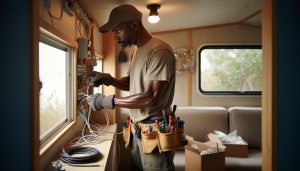
As winter approaches, maintaining a warm and cozy living space in your mobile home becomes essential. Did you know that properly insulating your mobile home skirting can significantly reduce heating costs and enhance overall comfort during the cold months? This guide will walk you through effective insulation techniques specifically tailored for mobile home skirting, protecting your home from harsh winter elements. By understanding the importance of skirting insulation, you can avoid costly repairs due to freeze damage and ensure your mobile home remains a safe haven. Prepare yourself to discover practical tips and step-by-step procedures that will help you maximize energy efficiency and resilience this winter season. Stay warm and informed as we dive into the world of mobile home skirting insulation!
Understanding Mobile Home Skirting Types
Mobile home skirting serves a crucial role beyond aesthetic appeal; it acts as a barrier against the elements while insulating your home. Understanding the different types of skirting available can empower homeowners to choose the best option for their specific needs, particularly as winter approaches. Common choices include vinyl, metal, concrete, brick, and wood, each offering unique advantages and drawbacks.
Vinyl skirting is a popular option due to its lightweight, low maintenance, and affordability. It comes in various colors and styles, allowing for customization that can enhance the overall look of your mobile home. However, it is essential to choose high-quality vinyl since lower-quality options can become brittle and crack in extremely cold temperatures.
Metal skirting, on the other hand, is known for its durability and resistance to weather. It can be an excellent choice for areas prone to high winds or significant snow loads. However, it requires proper installation to avoid corrosion over time.
Concrete or stucco skirting provides a solid and energy-efficient foundation as it offers enhanced insulation properties. This option often gives a more finished look, but it can be heavier and more labor-intensive to install, requiring adequate support and drainage considerations.
Brick or cinder block skirting can also provide excellent insulation and durability, along with a classic aesthetic appeal. While this option can be more expensive and labor-intensive to install, it offers long-term value and sturdiness.
Lastly, wood skirting can add a rustic charm to a mobile home but requires regular maintenance and treatment to prevent rot and insect damage. Understanding these options allows homeowners to balance cost, durability, and insulation effectiveness, particularly crucial during harsh winter conditions.
Incorporating proper insulation within these skirting options can significantly enhance energy efficiency, leading to decreased heating costs and a more comfortable living environment. By carefully selecting the appropriate skirting type, homeowners can effectively protect their mobile homes from winter weather while also showcasing their personal style.
Benefits of Insulating Mobile Home Skirting
Insulating your mobile home skirting is a crucial step towards creating a more comfortable living environment, especially during harsh winter conditions. Not only does proper insulation help maintain a stable indoor temperature, but it also greatly reduces energy costs by minimizing heat loss. By addressing the often neglected area beneath your mobile home, insulation adds an extra layer of protection that extends the lifespan of your home’s structural components.
Among the most significant advantages of insulating skirting is the enhanced energy efficiency it offers. Insulated skirting reduces the cold drafts that can seep into your home, consequently lowering the demand on heating systems. For instance, many homeowners report up to a 22% reduction in energy loss simply by installing insulated skirting, leading to tangible savings on utility bills. Beyond comfort and cost savings, insulation serves as a barrier against moisture, which can help prevent mold and rot-a common issue in unprotected skirting.
Moreover, well-insulated skirting contributes to better temperature regulation throughout the year. In summer, it can help keep your home cooler by preventing heat from infiltrating through the floor. This dual benefit makes insulating skirting a year-round investment for maintaining a pleasant living environment. Additionally, insulated skirting can enhance the resale value of your mobile home, appealing to potential buyers as they consider ongoing energy costs and maintenance.
In summation, the are manifold: from improved comfort and lower energy bills to better moisture control and increased property value. This cost-effective measure empowers homeowners to take proactive steps toward protecting their investments, ensuring that their mobile homes remain safe and enjoyable regardless of the season.
Step-by-Step Guide to Insulating Skirting
To effectively insulate the skirting of your mobile home, ensuring maximum winter protection, it’s essential to follow a systematic approach. The insulating process not only enhances energy efficiency but also protects against potential moisture damage, promoting a comfortable living environment. Here’s a step-by-step guide to help you complete this crucial task.
Begin by assessing the area that requires insulation. Clear the skirting of any debris, snow, or ice, as these can hinder the installation process. Next, measure the height and length of the skirting to determine the amount of insulation material needed. Choosing the right insulation material is key; options such as foam board insulation with a moisture barrier or spray foam insulation are excellent choices due to their superior thermal performance and moisture resistance.
Once you have your materials, follow these steps for installation:
Step-by-Step Installation
- Step 1: Prepare Materials – Gather all necessary tools and materials, including foam boards or spray foam, a utility knife, screws, a staple gun, and safety gear.
- Step 2: Cut Insulation to Size – If using foam boards, cut them according to your measurements. Ensure the pieces fit snugly against the skirting to prevent gaps.
- Step 3: Secure the Insulation – For foam boards, attach them to the skirting using screws or a staple gun. If spray foam is being used, apply it directly into the cavity beneath the home.
- Step 4: Seal Gaps – After installation, check for any visible gaps or seams. Use caulk or expanding foam sealant to fill these spaces to enhance thermal efficiency.
- Step 5: Inspect and Maintain – Regularly check your insulated skirting for any signs of wear or damage, and make repairs as necessary.
This method not only creates an energy-efficient barrier but also safeguards the structural components of your mobile home against weather extremes. Properly insulating your skirting can lead to long-term savings on heating costs and improve overall comfort during the cold months.
By following these steps, homeowners can secure their mobile home’s skirting effectively, turning it into a shield against winter’s chill while maximizing energy efficiency. Taking the time to insulate this often-overlooked area can yield significant benefits, making your mobile home a more pleasant place to live year-round.
Materials Needed for Effective Insulation
When preparing to insulate the skirting of your mobile home, having the right materials is crucial for ensuring maximum winter protection and energy efficiency. The insulation process not only enhances the comfort of your living space but also helps shield it from the elements, establishing a durable barrier that rescues energy costs over time.
Start by selecting the appropriate insulation material. Foam board insulation is highly recommended due to its excellent thermal resistance and moisture barrier properties. These boards can be cut to size, making them a versatile option for various skirting heights. Spray foam insulation is another effective choice, offering high insulation values and the ability to expand and fill gaps, making it ideal for irregular spaces. The installation depends on the conditions beneath your home, so consider the climate and water exposure in your area.
Essential tools and supplies will help streamline the installation process. You’ll need a utility knife or saw for cutting the insulation to size, a staple gun or screws for securing foam boards, and caulk or expanding foam sealant to seal any gaps effectively. Additionally, be sure to have safety gear such as gloves and protective eyewear to safeguard yourself during the installation. Don’t forget a measuring tape to ensure all cuts are precise, as well as any necessary braces or supports for long-term stability.
By gathering these materials, you’ll be well-equipped to tackle the insulation of your mobile home’s skirting confidently. This preparation will not only enhance your home’s resilience against harsh winter weather but also contribute to a more energy-efficient living environment, making your mobile home a cozy haven throughout the colder months.
Common Mistakes to Avoid During Insulation
Avoiding common mistakes during the insulation of your mobile home skirting can make a significant difference in both efficiency and longevity. One of the most frequent errors is neglecting to ensure proper sealing of edges and seams. Gaps allow moisture and air infiltration, undermining the insulation’s effectiveness. Using a high-quality caulk or expanding foam sealant to meticulously fill these spaces can significantly enhance your skirting’s thermal performance.
Another mistake is underestimating the importance of selecting the right insulation material. Opting for inferior products or materials that lack moisture resistance can lead to mold growth and deterioration. For instance, while fiberglass batts are a popular choice, they may not perform well in areas prone to high moisture unless adequately protected. On the other hand, foam board insulation offers superior moisture resistance and thermal properties, making it a smarter choice for skirting in various climates.
Moreover, not accounting for the local climate can lead to inadequate insulation. Each region has specific insulation requirements based on average temperatures and humidity levels. For example, in colder northern climates, an R-value of 19 or higher is often recommended. In contrast, warmer regions may have different benchmarks. Thus, it’s essential to assess your home’s unique environment and select insulation that meets those demands effectively.
Lastly, overlooking the need for ventilation can be detrimental. Proper airflow beneath your mobile home is crucial to minimize condensation. Without it, moisture can accumulate and damage both your insulation and the underlying structure. Consider incorporating vents in your skirting design to balance insulation and ventilation, ensuring a dry and energy-efficient space. By avoiding these common pitfalls, you can create a robust insulation system that enhances comfort and supports the longevity of your mobile home.
How to Assess Your Mobile Home’s Insulation Needs
Assessing your mobile home’s insulation needs is essential for maintaining comfort and energy efficiency, particularly during the winter months when temperatures can drop significantly. One effective way to begin this assessment is by checking the current insulation levels in your skirting. This can be done by inspecting areas around your home that are accessible, such as under the home and the perimeter of the skirting itself. Look for any signs of wear, moisture damage, or inadequate insulation. Understanding where your insulation is lacking will guide your decisions about how much and what type of insulation materials you may need.
Next, consider the climate in your area and how it impacts your insulation requirements. Regions with harsher winters may require additional insulating materials to maintain a stable indoor temperature. Conduct a quick assessment of the insulation’s R-value, which measures its thermal resistance. For colder climates, you should aim for a minimum R-value of 19 for your skirting insulation. If your current insulation doesn’t meet this standard, it’s a strong indication that you need to boost it to ensure safety and comfort.
It’s also crucial to evaluate potential moisture issues, which can complicate insulation needs. Inspect for signs of dampness or condensation, especially if your home is situated in a high-moisture environment. This means examining not just the skirting, but also the foundation and the ground around your mobile home. Proper moisture management is vital, as wet insulation loses its effectiveness and can lead to mold growth. Install adequate drainage systems and ensure that there are sufficient vents in your skirting to promote airflow.
Finally, while doing your assessment, gather input from professionals when in doubt. They can provide insights based on their experience with similar homes in your climate zone. This collaborative approach ensures that you choose the right materials and methods to insulate effectively, setting your mobile home up for long-term resilience against winter conditions. By thoroughly assessing insulation needs across these critical areas, you can take proactive steps to enhance your home’s performance and comfort.
Seasonal Maintenance Tips for Mobile Home Skirting
Maintaining your mobile home skirting is essential for protecting your living space from harsh weather conditions, especially during winter. Ensuring that your skirting is in good shape not only minimizes heat loss but also helps prevent moisture buildup that can lead to mold and structural damage. Incorporating regular maintenance into your seasonal routine can also significantly enhance the longevity and efficiency of your insulation system.
Start by inspecting your skirting for any signs of damage or deterioration. Look for cracks, gaps, or missing panels that could allow cold air to infiltrate and heat to escape. Repair or replace any damaged sections promptly to maintain effective insulation. Additionally, check the areas around the base of your mobile home for any debris that may block airflow, as proper ventilation is crucial to prevent moisture accumulation.
Consider using insulating materials such as foam board to supplement your skirting insulation during cold months. A layer of foam board can provide an added barrier against the cold, especially if it has a moisture barrier integrated into it. When placing these boards, ensure they’re secured tightly to prevent wind uplift, which could compromise their effectiveness.
As winter progresses, remember to keep an eye on your skirting for ice accumulation or snow buildup. Heavy snow can weigh down the skirting and lead to damage over time. Using a soft-bristled broom or even a snow rake can help remove snow without causing harm. Additionally, inspect drainage systems during seasonal transitions to ensure they’re functioning correctly and directing water away from your home, as poor drainage can lead to wet insulation and increased heating costs.
By integrating these simple yet effective practices into your seasonal maintenance routine, you can protect your mobile home skirting and enhance your home’s overall energy efficiency. Doing so not only contributes to a more comfortable living environment but also reduces energy costs, making mobile home living an even more sustainable choice.
Cost Considerations for Insulation Projects
Considering an insulation project for your mobile home skirting is not just a wise investment; it’s a proactive approach to creating a comfortable living environment while saving on energy costs, especially during harsh winter months. The financial impact of insulating your skirting can vary significantly based on several factors, including the materials chosen, labor costs, and the unique needs of your mobile home.
When budgeting for insulation, it’s essential to consider the initial costs, as well as the long-term savings that effective insulation can provide. Insulating materials such as foam board or insulated skirting panels may have a higher upfront cost, but these materials often last longer and provide better thermal performance. Here’s a breakdown of potential cost factors:
- Material Costs: Expect to spend anywhere from $0.50 to $2.00 per square foot for insulation materials, depending on the type and thickness.
- Labor Costs: If you opt for professional installation, labor can add another $1.00 to $3.00 per square foot. DIY installations can help save costs, but ensure you have proper knowledge and tools.
- Additional Supplies: Don’t forget to include costs for adhesives, straps, or ventilation systems, which may be necessary to optimize your insulation project.
It’s also prudent to consider your long-term plans for the mobile home. If it’s a permanent residence, investing in higher-quality insulation might offer better returns in energy savings and comfort over time. On the flip side, if you plan to sell the home soon, a moderate investment in insulation may enhance the home’s appeal to potential buyers.
After installation, the benefits of proper insulation don’t just stop at comfort and energy savings. They can also lead to lower maintenance costs by preventing issues related to mold growth and structural damage caused by moisture. In the long term, insulated skirting can help extend the lifespan of your mobile home while promoting overall energy efficiency. Therefore, weighing the upfront costs against these long-term savings can help you make a well-informed decision for your mobile home insulation project.
Energy Efficiency and Saving Tips for Homeowners
Effective insulation of your mobile home skirting is not just about warmth during winter months; it’s a strategic move to enhance your overall energy efficiency, which translates to significant savings on utility bills. One of the most practical ways to boost energy performance is by ensuring that your skirting installation minimizes airflow beneath the home. For instance, using insulated skirting panels or foam board, coupled with a moisture barrier, can prevent cold air from seeping in while reducing heat loss, creating a more regulated living environment.
To further enhance energy savings, consider incorporating ventilation into your insulation strategy. Proper airflow allows moisture to escape, reducing the risks of mold and deterioration in skirting materials. Install vents at regular intervals, ensuring that the air can circulate without compromising insulation. Also, periodic inspections of the skirting each season can help identify any damaged areas needing repairs, from loose panels to cracks that could allow drafts to infiltrate.
Another effective strategy to improve energy efficiency is weatherproofing. Apply caulk or weather stripping around seams and junctions to eliminate gaps that can leak warm air. During extreme winter months, consider adding an extra layer of insulation or using reflective barriers that can reflect heat back into your home. By integrating these additional measures into your insulation project, you can maximize your mobile home’s energy efficiency while significantly reducing heating costs year-round.
Lastly, embracing energy-saving habits can complement your insulation efforts. Utilizing programmable thermostats, for instance, allows for temperature control tailored to your schedule, ensuring that heating is more efficient when you need it. Coupling improved insulation with these smart practices not only enhances comfort but also champions sustainable living in your mobile home-creating an environment that is not just a house, but a home built for efficiency and warmth.
When to Seek Professional Help for Insulation
When considering insulation for your mobile home skirting, recognizing the right moment to call in professionals is crucial for ensuring both effectiveness and safety. Homeowners often face challenges with insulation that can significantly impact performance if not handled appropriately. For instance, if you lack the time, tools, or expertise to execute a quality installation, seeking professional assistance can save you from costly mistakes and ensure a job well done.
There are specific scenarios in which professional help becomes invaluable. If your mobile home has unique structural features or specific insulation requirements, professionals can provide tailored solutions that address these needs effectively. Moreover, if existing insulation has been damaged due to water intrusion, mold, or deterioration, qualified specialists will know how to inspect, remediate, and replace insulation safely, preserving the integrity of your home.
Additionally, if you are unsure about local building codes or regulations-an important consideration when designing insulation for mobile home skirting-a licensed professional can navigate these requirements on your behalf. This expertise can help you avoid fines and ensure that your insulation system meets safety standards, enhancing your home’s value and marketability.
Lastly, never hesitate to enlist professional help if you’re preparing for extreme weather conditions. Experts can advise on the best insulation materials and practices to withstand harsh winters, ensuring that your mobile home remains a comfortable haven regardless of the elements outside. Investing in professional insulation services ultimately enhances your mobile home’s energy efficiency, contributing to lower utility bills and a cozier living environment.
Preparing for Extreme Winter Conditions
As winter approaches, it’s crucial to fortify your mobile home against the elements that can bring discomfort and costly damages. Mobile homes, while a practical and affordable housing option, can suffer from poor insulation, making them particularly vulnerable to cold temperatures, drafts, and moisture. By taking proactive steps to insulate your mobile home skirting, you can create a cozy refuge, protect against freezing temperatures, and reduce your utility bills.
One effective strategy is to use high-quality insulation materials specifically designed for extreme winter conditions. Rigid foam board insulation is an excellent choice due to its durability and effectiveness. It features a built-in moisture barrier, which helps prevent condensation that can lead to mold and mildew growth. Additionally, make sure to seal any gaps in the skirting with foam or caulking to prevent cold air from seeping in.
Another important consideration is to ensure that your skirting itself is robust enough to withstand heavy snow and ice. Using materials like vinyl or treated wood provides a good balance of sturdiness and insulation. Insulate the areas beneath the home where pipes are located to prevent freezing; wrapping pipes with insulation tape or foam sleeves can significantly reduce the risk of burst pipes when temperatures drop.
During seasonal maintenance, regularly check for signs of wear or damage to your skirting and insulation. Look for cracks, holes, or loose panels that could compromise your home’s defense against cold weather. After heavy snowfalls, ensure that snow does not pile up around your skirting, as excess weight can cause structural damage or invite moisture into your insulation system.
By taking these steps, you’ll not only enhance your mobile home’s comfort during winter but also prolong its lifespan and efficiency. Properly insulating your mobile home skirting will pay dividends in warmth, security, and cost savings during the harsh winter months.
Long-Term Benefits of Proper Skirting Insulation
Proper insulation of your mobile home’s skirting can yield significant long-term benefits that extend far beyond immediate cost savings. By investing in quality insulation materials and techniques, you can ensure a comfortable living environment and enhance the longevity of your home. The right insulation directly contributes to energy efficiency, reducing heating costs during the harsh winter months. A well-insulated skirting minimizes heat loss, allowing you to maintain a consistent internal temperature with less effort and expenditure.
In addition to reducing energy bills, the benefits of insulating your skirting also include protecting vital components of your home. Insulation helps to prevent freezing of exposed pipes, thus mitigating the risk of costly repairs from burst plumbing during extreme temperatures. Moreover, a properly insulated skirting system acts as a barrier against moisture and pests, which can lead to mold growth and structural damage over time. This proactive approach not only safeguards your investment but also cuts down on future maintenance costs and ensures a safe environment for your family.
Beyond physical savings, the long-term benefits of insulation contribute to the overall sustainability of mobile home living. As energy efficiency becomes increasingly critical in our efforts to combat climate change, insulated mobile homes play a role in reducing carbon footprints. Homeowners who prioritize insulation can enjoy the satisfaction of knowing they are making an environmentally friendly choice, promoting a sustainable lifestyle without compromising comfort.
Lastly, well-insulated mobile homes have greater market appeal. As prospective buyers today are more informed about the importance of energy efficiency, homes with proven insulation efforts stand out in the housing market. Installing proper skirting insulation can positively influence property value, making it not only a smart investment for your current living situation but also a compelling selling point should you decide to list your home in the future.
Frequently Asked Questions
Q: How does insulating mobile home skirting help in winter?
A: Insulating mobile home skirting in winter prevents cold air from seeping beneath the home, improving indoor comfort and reducing heating costs. Proper insulation helps maintain a stable temperature, prevents pipes from freezing, and enhances the overall energy efficiency of the home.
Q: What materials are best for insulating mobile home skirting?
A: The best materials for insulating mobile home skirting include rigid foam board, fiberglass batt insulation, and spray foam insulation. Each material offers different levels of insulation efficiency, ease of installation, and cost, making it essential to evaluate options based on your specific needs.
Q: How do I check if my mobile home skirting is properly insulated?
A: To check if your mobile home skirting is properly insulated, look for gaps or areas where air leaks occur. You can use thermal imaging or conduct a simple hand test along the skirting on cold days to identify cold spots. Also, ensure that insulation is not compressed and is intact.
Q: When is the best time to insulate mobile home skirting?
A: The best time to insulate mobile home skirting is before winter sets in, ideally in the fall. This allows you to tackle insulation projects when temperatures are milder and ensures your home is ready for cold weather, helping to save on heating costs.
Q: Can I insulate my mobile home skirting myself?
A: Yes, you can insulate your mobile home skirting yourself with the right materials and tools. Follow a step-by-step guide for installation, ensuring safety and proper technique. However, if you are uncomfortable or if extensive adjustments are needed, consider hiring a professional.
Q: What are the costs associated with insulating mobile home skirting?
A: Costs for insulating mobile home skirting vary based on materials and labor. On average, DIY insulation can range from $200 to $500, while hiring a professional may cost between $800 and $2,000, depending on the scope of the project and local labor rates.
Q: How long does insulation last in mobile home skirting?
A: Insulation in mobile home skirting can last around 15 to 30 years, depending on the type of insulation used and environmental factors. Regular maintenance and inspections can help prolong its lifespan and maintain efficiency.
Q: What are common mistakes to avoid when insulating mobile home skirting?
A: Common mistakes include using insufficient insulation material, failing to seal gaps properly, and neglecting to consider ventilation needs. Ensure proper installation and inspect for air leaks to maximize the effectiveness of your insulation.
For more detailed guidance on mobile home insulation, consider checking our section on Materials Needed for Effective Insulation to choose the right products.
In Retrospect
Insulating your mobile home skirting is not just an enhancement; it’s a necessity for winter comfort and energy efficiency. By implementing the techniques outlined in our guide, you’re ensuring proper protection against harsh conditions and maintaining a stable living environment. Don’t wait until the cold sets in-take action today to safeguard your home and enjoy the benefits of lower heating costs and a cozier living space.
To further enhance your mobile home experience, explore our articles on effective mobile home maintenance and financing options for renovations. Consider signing up for our newsletter to receive expert tips that empower you to turn your mobile living situation into a thriving home. If you have questions or want to share your insulation success stories, please comment below-we’d love to hear from you! Remember, your mobile home deserves the best care, and with the right resources, you’re fully equipped to achieve that.