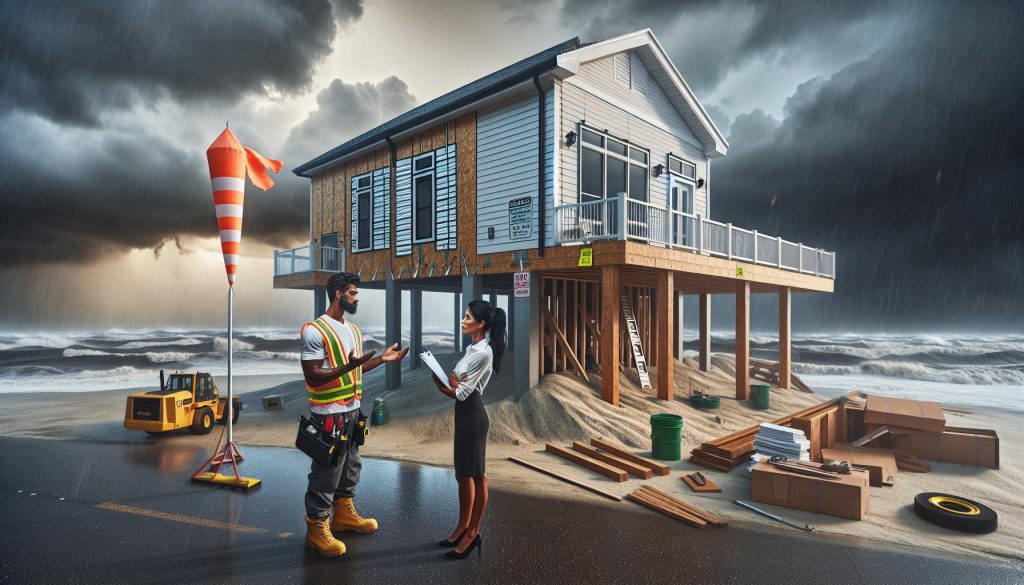
Hurricane season can strike fear into the hearts of homeowners, especially those living in modular homes. But how safe are these residences when faced with severe weather? Understanding the storm protection capabilities of modular homes is essential for current residents and prospective buyers alike. This guide delves deep into the specifics of hurricane safety for modular structures-covering design features, anchoring systems, and the necessary precautions to ensure your home withstands nature’s fury. With the right information, you can take proactive steps to protect your investment and ensure the safety of your family. Join us as we explore how to make your modular home hurricane-ready, giving you peace of mind for many storm seasons to come.
Modular Homes and Their Hurricane Resilience
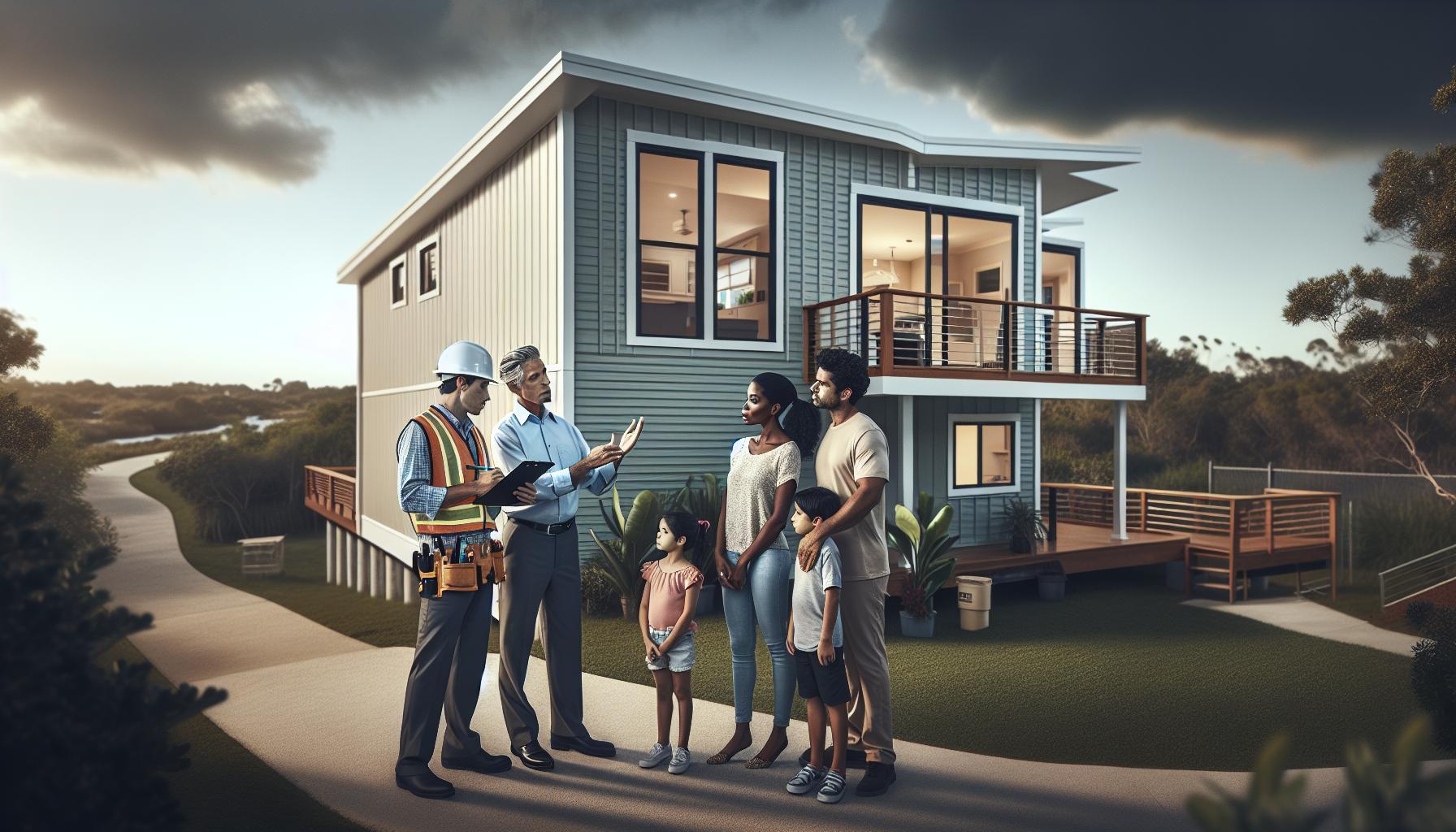
Building homes with hurricane resilience in mind is not just an option; it’s a necessity for many coastal communities. Modular homes, with their unique construction process and design flexibility, can offer significant advantages in terms of safety and durability against severe weather conditions. The modular building process allows for standardization in construction practices, enabling builders to implement hurricane-resistant features more efficiently and effectively than traditional building methods.
One of the key aspects of modular homes is their ability to adhere tightly to local building codes, particularly those focused on wind resistance and structural integrity. High winds can severely impact any structure, but modular homes can be designed with reinforced frames, impact-resistant windows, and secure anchoring systems that help them withstand the forces of a hurricane. These homes are often constructed in controlled environments where materials are less exposed to the elements, further enhancing durability before they are even transported to their final location.
- Reinforced Structures: The use of steel frames or engineered wood can provide additional strength against wind loads.
- Hurricane Tie-Downs: Proper tie-down systems secure the home to its foundation, minimizing risk of displacement.
- Elevated Designs: Building on pilings or higher foundations can mitigate flooding risks during storm surges.
- Impact-Resistant Materials: Using specialized roofing and siding materials can protect against debris thrown by strong winds.
Additionally, modular homes can be customized to include features such as elevated construction to prevent flooding, which is critically important in hurricane-prone areas. Enhanced roofing designs can also deflect wind and minimize uplift pressure, while storm-proof windows and doors provide an additional line of defense against wind and water penetration.
Homeowners should also be informed about the importance of regular maintenance and inspections to ensure that their homes remain in top condition. This involves checking for wear and tear on protective features, ensuring that drainage systems are clear, and that anchoring systems are intact. By taking proactive steps, modular homes can indeed serve as reliable shelters in hurricane-prone regions, proving that with the right design and care, they can stand strong against nature’s fury.
Understanding Hurricane-Resistant Building Codes
Building codes play a crucial role in ensuring that homes can withstand the destructive forces of hurricanes, and understanding these regulations is essential for anyone considering a modular home in a storm-prone area. Hurricane-resistant building codes are established to enhance the resilience of structures against high winds, intense rainfall, and potential flooding. These codes vary significantly by region, reflecting the unique risks posed by local weather patterns and historical storm data.
When examining the specifics of hurricane codes, it’s important to note that they dictate standards for materials, design, and construction techniques that reduce vulnerability during severe weather. For modular homes, adherence to these building codes means that their components are designed with factors such as wind resistance, load calculations, and elevation standards in mind. For instance, many regions require homes to be elevated above flood levels, which can be achieved through specific design adaptations in modular construction. Furthermore, buildings are often required to incorporate hurricane tie-downs that anchor structures to their foundations, minimizing the risk of displacement during high winds.
In addition to local regulations, the International Building Code (IBC) provides guidelines that influence how states and municipalities shape their own codes. The IBC addresses various aspects, including materials that can withstand impact and structural designs that minimize uplift pressure from winds. Builders and homeowners are encouraged to collaborate closely with licensed contractors well-versed in these codes to ensure compliance during construction. This can ultimately lead to safer, more durable homes that stand the test of time, especially in hurricane hotspots.
Understanding these codes not only helps in selecting a suitable modular home but also supports creating safer communities. Homeowners can take proactive steps to reinforce their homes and ensure longevity by knowing the requirements and engaging in responsible construction practices. By prioritizing compliance with hurricane-resistant building codes, residents can enhance their peace of mind while securing their investment against unpredictable forces of nature.
Key Features of Hurricane-Safe Modular Homes
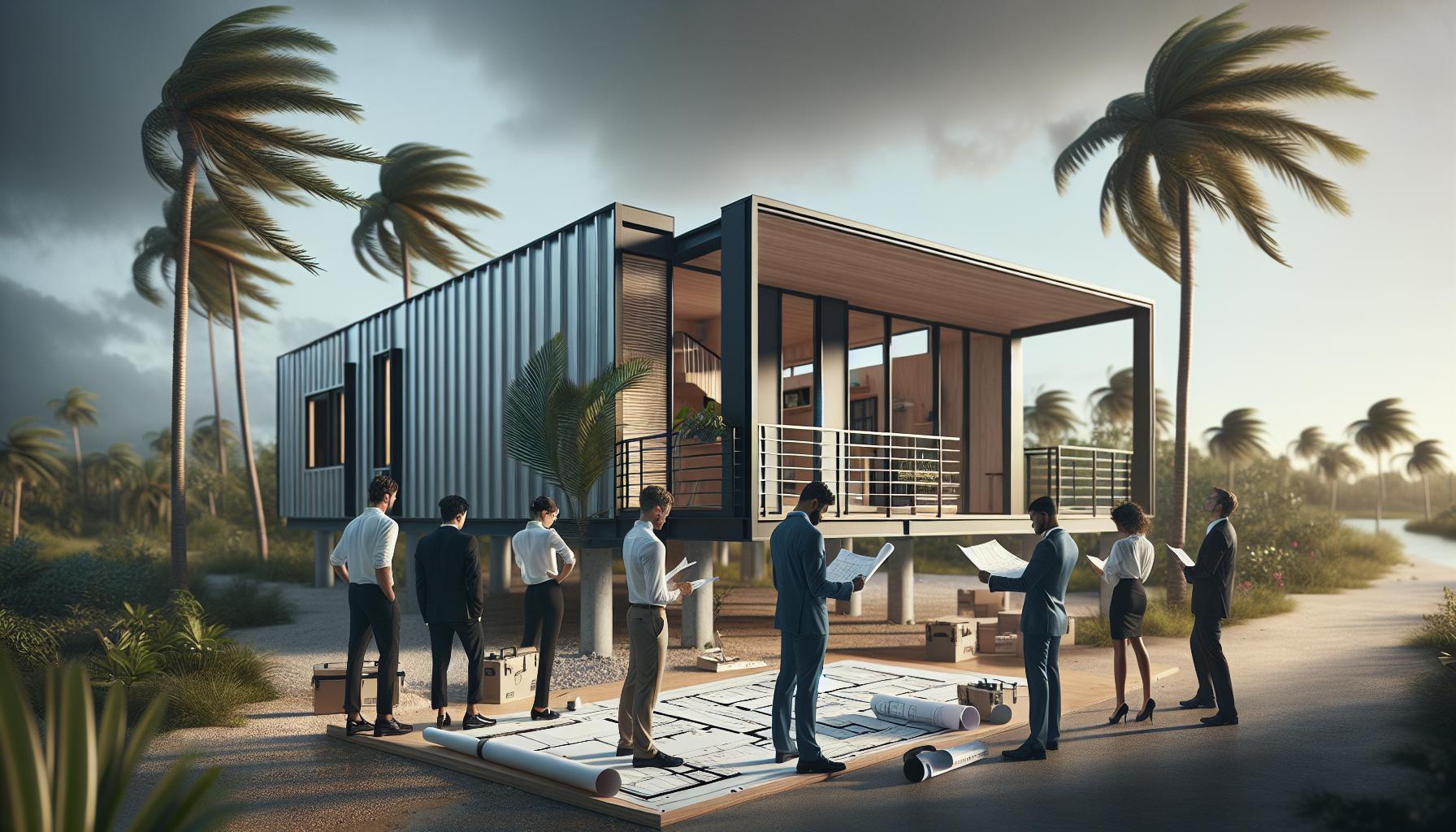
Modular homes have evolved significantly to offer enhanced safety features that cater specifically to hurricane-prone areas. One of the most notable attributes of these homes is their design, which focuses on wind resistance and structural integrity. The use of advanced materials such as impact-resistant windows and reinforced walls helps these homes withstand the powerful winds and flying debris often associated with hurricanes. Additionally, factory-controlled construction ensures consistent quality and adherence to strict building standards, making them even more resilient compared to traditionally built homes.
Elevated Design and Anchoring Systems
A critical aspect of hurricane-safe modular homes is their elevation and anchoring. Many modular home designs incorporate elevated foundations that help protect against flooding, a common risk during hurricanes. By elevating the structure above flood levels as mandated by local codes, homeowners can significantly reduce water damage. Furthermore, implementing hurricane tie-downs or anchors secures the home to its foundation, minimizing the risk of displacement during extreme winds. These features are essential for ensuring stability and safety during severe weather events.
Energy Efficiency and Sustainability
In addition to safety, hurricane-safe modular homes often emphasize energy efficiency and sustainability. Many manufacturers are now focusing on eco-friendly materials and energy-efficient systems, like high-performance insulation and solar panels, which can be beneficial in storm-prone areas. These features not only lower energy costs but also enhance the home’s resilience during power outages that frequently accompany severe storms. Homeowners benefit from reduced utility bills while contributing to a more sustainable environment.
Providing potential buyers with clear guidance on specific features that protect against hurricanes empowers them to make informed decisions. Whether it’s about selecting homes with elevated designs or understanding the importance of robust anchoring systems, these knowledgeable choices lead to safer living conditions in hurricane-affected regions. By understanding the structural benefits and design features of hurricane-safe modular homes, individuals can embrace this innovative housing option with confidence, ensuring their safety and comfort in the face of nature’s challenges.
Storm Protection Technologies for Modular Construction
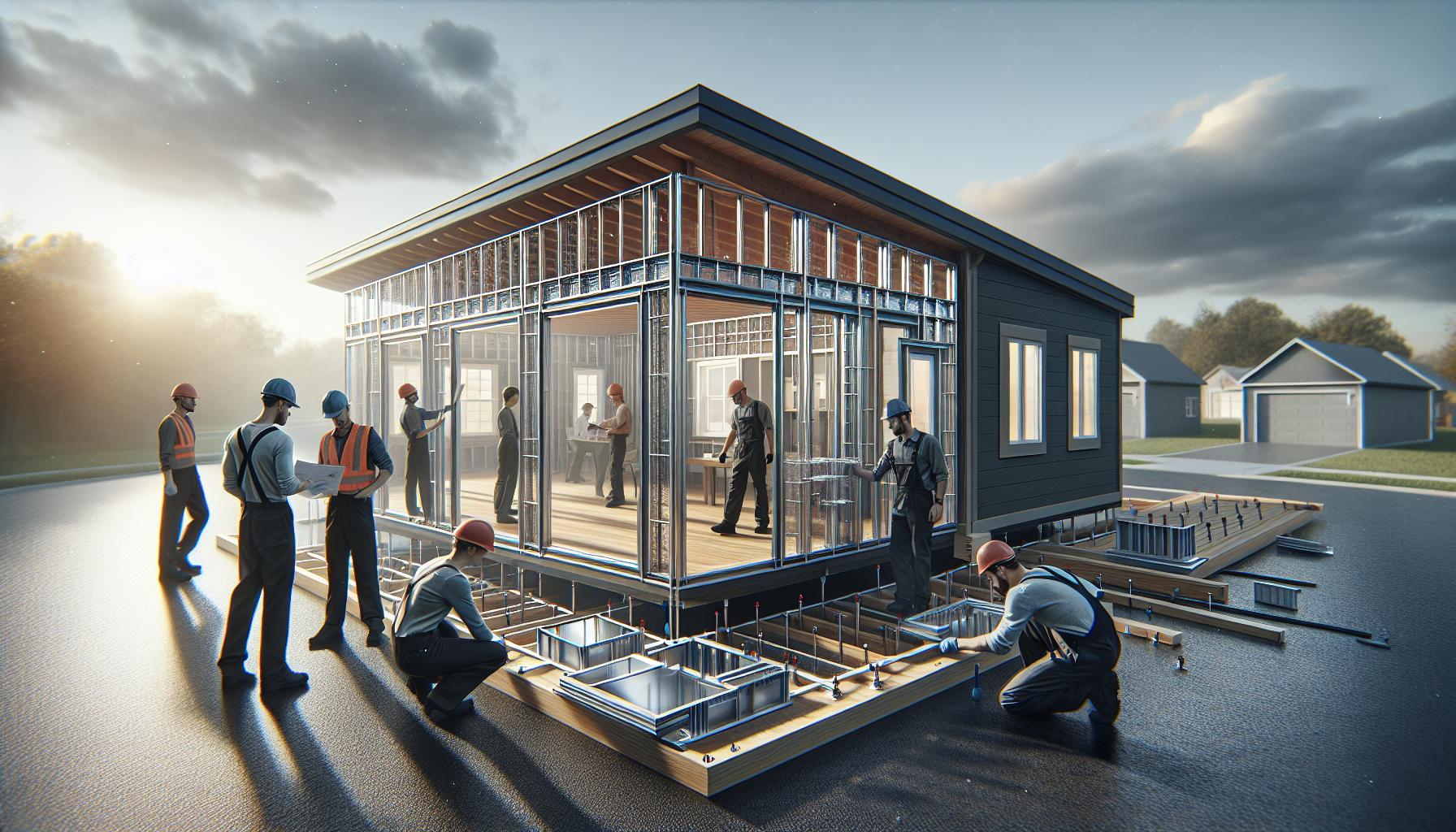
Innovative technologies are transforming modular construction, particularly for homes situated in hurricane-prone areas. These advancements focus on enhancing structural integrity and providing effective storm protection, ensuring that modular homes can endure severe weather conditions. Utilizing a combination of smart engineering, specialized materials, and advanced design practices, manufacturers are raising the bar for resilience against hurricanes.
One of the cornerstones of storm protection for modular homes is the use of impact-resistant materials. This includes specialized window glass that can withstand flying debris, as well as reinforced siding and roofing systems designed to resist wind uplift and buckling. These materials are rigorously tested to meet or exceed hurricane building codes. Similarly, the incorporation of wind-resistant designs, such as hip roofs, allows the structure to deflect high winds more effectively, reducing the risk of damage during storms.
Furthermore, far beyond just the materials used, smart technology integration plays a pivotal role in enhancing safety. Modern modular homes can be equipped with weather monitoring systems that provide real-time updates on approaching storms. These features allow homeowners to react quickly by securing their property or even evacuating when necessary. Additionally, advancements in foundation technology, such as advanced anchoring systems, ensure that homes stay securely attached to their foundations, providing stability during extreme wind events.
For those considering a modular home in a storm-prone region, seeking out these advanced storm protection technologies is essential. Apart from ensuring structural safety, these features can significantly lower long-term maintenance costs and accelerate insurance claims following a storm, making them a wise investment for peace of mind in hurricane zones. The combination of high-quality materials, innovative design approaches, and integrated technology establishes a robust defense against the elements, confirming that modular homes can indeed offer safety and security.
Common Myths About Modular Home Safety

Many believe that modular homes are inherently less safe in hurricane-prone areas compared to traditional site-built homes. This misconception often stems from outdated perceptions of modular construction, which fail to recognize modern advancements in design, materials, and technology. Contemporary modular homes are engineered to withstand extreme weather, meeting and often exceeding stringent hurricane codes. They are built in controlled factory settings, ensuring consistent quality and adherence to robust construction standards.
One common myth is that modular homes are simply “trailer homes” or temporary structures. In reality, many modular homes are built with the same permanent foundation requirements as traditional homes. They can be designed with wind-resistant features, such as reinforced roofs and walls made from impact-resistant materials. These construction practices help mitigate the risk of damage from high winds and flying debris. Homeowners who invest in quality modular housing can expect a structure that is just as durable, if not more so, than its conventional counterparts.
Another widespread belief is that modular homes are more likely to shift or become dislodged during severe weather. However, when properly anchored and installed, the stability of modular homes is comparable to that of traditional homes. Use of advanced anchoring systems and foundation technology is essential in high-risk areas. These measures ensure that homes remain securely attached to their foundations, providing enhanced safety during severe weather events.
Furthermore, the idea that modular homes are less customizable or offer fewer safety features is another misconception. Homeowners can often select from a variety of designs, layouts, and safety options, tailoring their modular home to meet both aesthetic desires and safety requirements. Investing in smart home technology and real-time weather monitoring systems also enhances the safety of modular homes, allowing occupants to prepare and respond effectively to approaching storms.
In summary, understanding the realities of modular home construction can help dispel myths surrounding their safety. With the right design choices and proper installation methods, modular homes are equipped to stand resiliently against hurricane threats, providing peace of mind for homeowners in storm-prone regions.
Evaluating the Cost of Hurricane-Proofing Options
To ensure your modular home stands strong against hurricanes, is essential. With the unpredictable nature of severe weather in storm-prone areas, homeowners need to weigh the benefits and expenses associated with upgrading their modular home’s resilience. While the initial investment may seem daunting, consider that these enhancements can save considerable amounts in potential repairs, insurance premiums, and, most importantly, safeguard your peace of mind.
A variety of hurricane-proofing measures are available, ranging from structural reinforcements to advanced technologies. Key upgrades might include:
- Enhanced Tie-Down Systems: Retrofitting with heavy-duty anchors and straps can significantly bolster the home’s stability during high winds. Depending on the size and design of the home, costs can range from $2,000 to $5,000.
- Impact-Resistant Windows and Doors: Upgrading to tempered glass options can provide better protection against debris and wind pressure. Installation costs typically vary from $500 to $1,500 per window, while doors can average between $1,000 and $3,000.
- Wind-Resistant Roof Upgrades: Reinforcing or replacing the roof with wind-resistant materials (like hip roofs) can cost between $3,000 to $12,000. This investment not only enhances storm resilience but can also improve energy efficiency.
- Secured Foundations: Options like elevated foundation systems are essential in flood-prone areas. Elevated foundations may increase the overall cost by $5,000 to $20,000, but they provide crucial protection against storm surge and flooding.
In addition to these physical enhancements, homeowners should also consider integrating smart home technologies. Systems that offer real-time weather alerts and advanced monitoring can be installed for around $200 to $500, facilitating timely preparations when storms approach.
Assessing the cost of hurricane-proofing options as part of a comprehensive storm protection strategy is crucial. While the upfront expenses may appear substantial, investing in these improvements can greatly enhance safety and longevity, ultimately reducing the likelihood of costly repairs and rebuilding efforts after significant storm damage. By carefully weighing each option’s benefits and budgeting accordingly, you can create a robust shelter for you and your loved ones, reinforcing the promise of modular living as a safe and sustainable choice in hurricane-prone regions.
Insurance Considerations for Modular Homes in Storm Zones
Navigating insurance coverage for modular homes in storm-prone areas requires an informed approach, especially when it comes to hurricane risks. Many insurance providers recognize modular homes as a valid dwelling type, but understanding the nuances of coverage is essential. Homeowners should first confirm that their policies account for specific hurricane-related damages, including wind, flooding, and debris impact. A standard homeowner’s policy might not cover all these areas, and flood insurance is typically a separate policy mandated by FEMA in flood-prone zones.
One vital consideration is the location of your modular home. In areas susceptible to hurricanes, insurers may evaluate risk based on factors like elevation and proximity to the coast. Homes elevated on pilings or those equipped with reinforced structures often receive better rates due to reduced vulnerability. Therefore, investing in storm-proofing measures not only enhances safety but may also yield premium discounts. Policies may vary widely; some may offer allowances for specific upgrades, while others could grant credits for features like impact-resistant materials or secondary water barriers.
To ensure adequate coverage, it’s advisable to conduct an insurance audit, reviewing existing policies and identifying potential gaps. Consult with an insurance specialist who understands the intricacies of covering modular homes, especially in hurricane zones. They can assist in assessing the risks and recommending adequate adjustments or additional coverage options.
In addition, regularly updating your home inventory and reviewing the specific risks associated with your lot can prepare you better for discussions with your insurer. Gathering all necessary documentation before a storm can streamline the claims process if damage occurs, ensuring you receive timely compensation to address repairs. With informed choices around coverage, modular home residents can confidently weather the storms, ensuring that their investment and safety are well protected.
Preparing Your Modular Home for Severe Weather
To ensure your modular home can withstand severe weather conditions, particularly hurricanes, taking proactive steps is essential. A well-prepared home not only enhances your safety but also protects your investment. Here are several effective strategies to get your modular home weather-ready.
Strengthening the Structure
Regularly inspect and maintain your home’s structural integrity. Key focuses should include the roof, siding, and windows. Consider:
- Impact-resistant windows: Upgrading to these will help reduce the risk of breakage from flying debris.
- Reinforced roofing: Ensure your roof is securely fastened and consider adding a secondary water barrier to prevent leaks.
- Tie-down systems: Install straps or anchors to secure your home to its foundation, minimizing movement during high winds.
Site Considerations
The location of your modular home plays a critical role in its ability to withstand severe weather. Consider the following when choosing a spot or evaluating your current site:
- Elevation: Homes elevated on pilings or in higher areas are less susceptible to flooding.
- Natural barriers: Utilize trees, earth mounds, or other structures that can act as windbreaks to shield your home.
- Drainage: Ensure proper grading around your home to facilitate water movement away from the foundation.
Emergency Preparedness Kits
Maintain an emergency kit that includes essentials for at least 72 hours. This should consist of:
- Flashlights and batteries
- Non-perishable food and water
- First aid supplies
- Important documents in a waterproof container
By employing these precautions and strengthening your modular home against severe weather, you can help ensure a safer living environment during hurricane season. Preparedness not only secures your home but also provides peace of mind for you and your family.
Post-Storm Damage Assessment and Repairs
After a hurricane wreaks havoc, evaluating the damages to your modular home is crucial to ensure safety and begin the repair process effectively. Begin your assessment by checking for visible structural damage, like cracks in the foundation, shifted or separated joints, and damage to the roof, windows, and doors. Promptly documenting any damage with photographs can assist in insurance claims and will provide a clear understanding of the issues that need to be addressed.
Systematic Inspection
Conduct a thorough inspection of all aspects of your home, focusing on the following areas:
- Exterior: Look for missing or damaged siding, roof shingles, and broken windows. Pay attention to the condition of the utility connections, especially for water and electrical services.
- Interior: Check for water leaks or infiltration signs, especially in areas beneath the roof and around windows. Inspect walls and ceilings for signs of sagging, cracks, or discoloration that could indicate hidden water damage.
- Undercarriage: If your modular home is raised, inspect the area beneath the house for flooding, signs of erosion, or damage to any supports and ties.
Documentation and Reporting
Once you’ve conducted your inspection, compile all your findings. Use your photographs and notes to prepare a detailed report for your insurance company. This documentation is essential not only for claims but also for any necessary repairs. Your insurance provider may require specific details about the extent of the damage, which can include estimates from licensed contractors for repair work.
Repair Process
When it comes to repairs, prioritize safety. If there are significant structural issues or if you’ve experienced flooding, consider consulting professionals for any repairs that may exceed your expertise. Start with critical repairs to the structural components, such as reinforcing the foundation, reinforcing any ties if needed, and repairing the roof and windows.
Moreover, ensure that any repairs comply with local building codes, especially those designed to enhance hurricane resilience. For example, utilizing impact-resistant materials during repairs can significantly bolster your home’s defense against future storms.
In summary, a structured approach to will not only restore your modular home but also prepare it better for future hurricanes. By prioritizing safety, documentation, and effective repairs, you can secure a long-lasting solution that protects your home and investment.
Long-Term Maintenance for Hurricane-Prone Areas
Maintaining a modular home in hurricane-prone areas demands a proactive approach to ensure resilience against severe weather conditions. Regular inspections and timely maintenance can significantly extend the lifespan of your home while optimizing its safety features. One vital aspect of long-term maintenance is to establish a routine inspection schedule, ideally before and after hurricane season. This practice not only helps identify vulnerabilities but also prepares your home for potential risks. For instance, checking the integrity of roof installations and siding can prevent larger issues from arising during major storms.
Essential Maintenance Tasks
Keeping your modular home hurricane-ready involves several key maintenance tasks:
- Inspect and Maintain the Roof: After heavy rainfall or wind events, examine your roof for missing shingles or leaks. If you notice any damaged sections, repair them promptly with weather-resistant materials.
- Secure Tie-Downs: Regularly check the tie-down systems of your modular home, ensuring they remain tight and secure. Enhancing these connections prevents the home from becoming dislodged during storms.
- Evaluate the Foundation: Inspect for cracks or signs of erosion. Addressing foundation issues early can prevent significant problems in future storms.
- Clean Gutters and Drainage Systems: Ensure that gutters are clear of debris to facilitate proper water drainage, reducing the risk of flooding.
- Check Windows and Doors: Verify that all windows and doors seal tightly and consider installing impact-resistant models to minimize storm damage.
- Landscape Planning: Maintain the surrounding landscape by trimming trees and shrubs to prevent them from becoming projectiles during high winds.
Emergency Preparedness
Staying prepared for the possibility of a hurricane is essential. Create an emergency kit filled with necessities such as batteries, non-perishable food, water, and a first-aid kit. Establish a clear plan for evacuating if necessary and share that plan with your family. Additionally, consider investing in a portable generator to power essential appliances during outages.
By incorporating these maintenance strategies and preparedness measures, you can significantly enhance the durability and safety of your modular home in hurricane-prone areas. Regular attention to these details not only safeguards your investment but also promotes peace of mind year-round.
Choosing the Right Location for Modular Homes
Selecting the right location for a modular home is crucial, especially in hurricane-prone regions where environmental factors can significantly impact safety and comfort. One of the most compelling reasons to consider modular homes is their ability to be designed and situated strategically to enhance resilience against severe weather events. Opting for elevated plots of land not only minimizes flood risk but also improves the overall structural safety of the home. Researching local topography and hydrology can provide insight into flood zones, drainage patterns, and natural windbreaks that can shield your home from harsh winds and flying debris.
Understanding local building codes is essential, as these regulations are intertwined with safety during storms. Modular homes that meet stringent hurricane-resistant building codes-such as enhanced anchoring systems and wind-resistant materials-are necessary when selecting a site. These codes often vary by location, reflecting the specific dangers inherent to the area. Engaging with community planners and local construction professionals can help ensure that your chosen site adheres to the latest standards, thus providing an additional layer of protection.
When considering neighborhoods, seek out areas that prioritize disaster preparedness. Communities with established emergency response plans, designated storm shelters, and informed local government can provide invaluable support during catastrophic weather events. Additionally, consider the accessibility of the location during a storm, such as proximity to evacuation routes and emergency services.
Lastly, it’s wise to consider the long-term viability of your location with respect to climate change. Areas with historically high rates of flooding or hurricanes may face increasing risks over time, thus influencing property values and safety. Being proactive about your choice of location can lead to a safer, more sustainable living environment that’s both comfortable and resilient in the face of unpredictable weather events.
Case Studies: Success Stories of Modular Homes in Hurricanes
Despite the myth that modular homes are vulnerable in hurricane conditions, numerous success stories demonstrate their resilience during severe weather events. For instance, homes built to meet or exceed local hurricane-resistant building codes have served as safe havens for families facing imminent storms. A notable example is a community in Florida, where a series of modular homes, specifically designed with reinforced structures and elevated foundations, survived Hurricane Irma largely unscathed while many traditional homes in the area suffered significant damage. These homes incorporated features such as impact-resistant windows and wind-rated roofing materials, further enhancing their ability to withstand the elements.
Another inspiring case is found in Texas, where modular homes were strategically positioned on elevated lots to mitigate flood risks. When Hurricane Harvey struck, these homes remained dry and intact due to their thoughtful design and site selection. Residents reported that by adhering to proper anchoring methods and wind tie-down systems, they felt secure even as the storm raged outside. This proactive approach not only protected their investment but also provided invaluable peace of mind during one of the state’s most devastating hurricanes.
To effectively communicate these success stories, it is essential to highlight the important role that community planning and local regulations play in ensuring the safety of modular homes. Many modular home builders offer customizable designs that comply with rigorous hurricane-resistant codes, allowing homeowners to address specific local threats. Engaging with experienced builders and local authorities can empower prospective homeowners to make informed decisions. By understanding the advantages of modular construction and implementing effective storm-resistant features, many families in hurricane-prone regions find that modular homes are not just a viable option but often a safer alternative.
Ultimately, these case studies offer compelling evidence that modular homes can thrive in challenging conditions, all while providing a comfortable and reliable living space for their occupants. The combination of innovative building techniques, strategic placement, and adherence to safety codes can ensure that modular homes stand strong against the forces of nature.
Frequently asked questions
Q: Are modular homes built to withstand hurricanes?
A: Yes, many modular homes are designed specifically to meet hurricane-resistant building codes. They often feature reinforcements, such as stronger walls and roofs, and are anchored securely to their foundations, which enhances their ability to withstand high winds and severe weather conditions.
Q: What wind speed ratings should I look for in a hurricane-resistant modular home?
A: Look for modular homes with wind speed ratings of at least 150 mph, which corresponds to a Category 4 hurricane. These homes generally meet or exceed Florida’s stringent building codes for hurricane resistance, ensuring safety in storm-prone areas.
Q: How do I prepare my modular home for a hurricane?
A: To prepare your modular home for a hurricane, secure windows and doors with storm shutters, remove outdoor items that could become projectiles, and ensure your home is anchored properly. It’s also wise to have an emergency kit ready and to establish a communication plan with your family.
Q: Can I upgrade my modular home for better storm protection?
A: Yes, you can enhance your modular home’s storm protection by installing impact-resistant windows, reinforcing the roof, improving drainage systems, and adding hurricane ties or straps. Consult with a professional to assess which upgrades are most effective for your specific home.
Q: What are common misconceptions about the safety of modular homes in storms?
A: A common misconception is that modular homes are less durable than traditional homes during storms. In reality, modular homes are built to stringent codes and can be just as safe, if not safer, than site-built homes when properly designed and secured for hurricanes.
Q: Do modular homes require special insurance coverage in hurricane-prone areas?
A: Yes, modular homes in hurricane-prone areas often require specific insurance coverage, including windstorm and flood insurance. Consult with an insurance agent to tailor a policy that meets the needs of your modular home in relation to storm risks.
Q: What construction techniques enhance the hurricane resilience of modular homes?
A: Enhanced construction techniques for hurricane resilience include using reinforced concrete foundations, higher quality roofing materials, and impact-resistant siding. These techniques reduce wind uplift and water intrusion, providing better protection during severe weather events.
Q: Where can I find modular homes that comply with hurricane safety standards?
A: You can find modular homes that comply with hurricane safety standards at reputable manufacturers that specifically design homes for storm-prone areas. Look for builders who provide detailed information on their compliance with local building codes for wind resistance and storm protection.
Closing Remarks
As we conclude our guide on the hurricane safety of modular homes, it’s critical to remember that these innovative structures can indeed offer strong protection against extreme weather when properly designed and maintained. Investing in modular construction provides not only a sturdy shelter but peace of mind during hurricane season. If you’re considering a modular home, don’t hesitate-explore our related articles on securing your modular home against storms and the best practices for setup and maintenance.
For a deeper dive into financing options and insurance considerations, check out our comprehensive guides linked below. If you have any lingering questions or want personalized advice, join our newsletter for ongoing insights and updates. Your safe, secure home is just the beginning of your journey in modular living-let’s make it remarkable together!