Selling a modular home can often feel overwhelming, but with the right strategies, you can maximize its value and attract potential buyers. Did you know that well-prepared homes can sell for up to 20% more than their appraised value? As you navigate the intricacies of the modular home market, it’s essential to understand not only what buyers are looking for but also how to present your home in the best light. Whether you’re upgrading, relocating, or simply seeking a new investment opportunity, knowing how to effectively market your modular home is key to achieving your goals. This guide will arm you with practical tips and insights, helping you enhance your property’s appeal while ensuring you get the best return on your investment. Let’s dive in and explore effective strategies to sell your modular home for maximum value.
Understanding Modular Homes: A Comprehensive Overview
The modern modular home has evolved significantly from its early origins, showcasing architectural styles and design flexibility that rival traditional homes. Understanding what constitutes a modular home is essential for current homeowners and prospective buyers alike. These structures are built in sections, or modules, in a factory setting before being transported to the intended site for assembly. This construction method not only supports quality control, ensuring that homes meet the necessary safety and building standards, but also typically offers a faster building timeline compared to conventional construction.
Modular homes can vary widely in style and size, catering to diverse preferences and budgets. From quaint cottages to expansive family homes, buyers have a plethora of options. One of the key advantages of modular homes is their energy efficiency, as they often incorporate advanced materials and techniques that contribute to lower utility costs and a reduced environmental footprint. Potential buyers frequently appreciate these attributes as they seek sustainable living solutions.
Another vital aspect to recognize is the importance of customization. Many modular home manufacturers offer a range of design choices, allowing homeowners to personalize their space to reflect their tastes. Aspects such as open floor plans, efficient use of space, and modern amenities often attract a broad demographic, including first-time homebuyers, retirees, and eco-conscious consumers.
Furthermore, the resale market for modular homes remains robust, with many appreciating their aesthetic appeal and functional benefits, making them a worthwhile investment. As interest in sustainable and affordable housing rises, understanding modular homes and embracing their unique value propositions can empower sellers to maximize their home’s value when it comes time to enter the market.
Key Factors That Influence Modular Home Value
Understanding the factors that influence the value of a modular home is crucial for sellers aiming to maximize their investment. Various elements contribute to the overall worth of these homes, from construction quality to location. By recognizing and enhancing these factors, homeowners can not only improve their resale potential but also attract the right buyers.
Construction Quality and Materials
The quality of materials used in the construction of a modular home plays a significant role in its value. Homes constructed with durable, high-quality materials are more appealing to buyers, as they often correlate with lower maintenance costs and longer lifespans. Upgrading materials, such as choosing better insulation or energy-efficient windows, can make a substantial difference. A well-built home that adheres to local building codes and standards adds another layer of reassurance for buyers.
Location
The value of any home – modular or otherwise – is significantly influenced by its location. Proximity to schools, shopping centers, and recreational areas enhances desirability. Moreover, homes situated in established or rapidly developing neighborhoods may command higher prices. When marketing a modular home, highlighting the advantages of the neighborhood, such as community amenities and safety ratings, can attract potential buyers who are looking for the right environment.
Market Trends
Keeping an eye on local real estate trends can provide insight into pricing strategies. Factors such as the current demand for modular homes, economic conditions, and seasonal trends can all impact value. For instance, the increased interest in sustainable and affordable housing has made modular homes more appealing to a broader audience. Sellers who stay informed about these trends can position their homes competitively in the market.
Overall Condition and Curb Appeal
First impressions matter. The overall condition of a modular home, including its exterior and landscaping, can greatly influence its market value. Homes that are clean, well-maintained, and visually appealing are likely to yield higher offers. Simple improvements, such as fresh paint, updated landscaping, or even minor renovations, can enhance curb appeal significantly. Aspects like modern appliances and efficient layouts can further attract buyers who appreciate contemporary living.
By focusing on these factors-construction quality, location, understanding market trends, and maintaining an appealing appearance-sellers can effectively navigate the modular home market. Making informed decisions and strategic upgrades can lead to a successful sale that reflects the true value of their homes.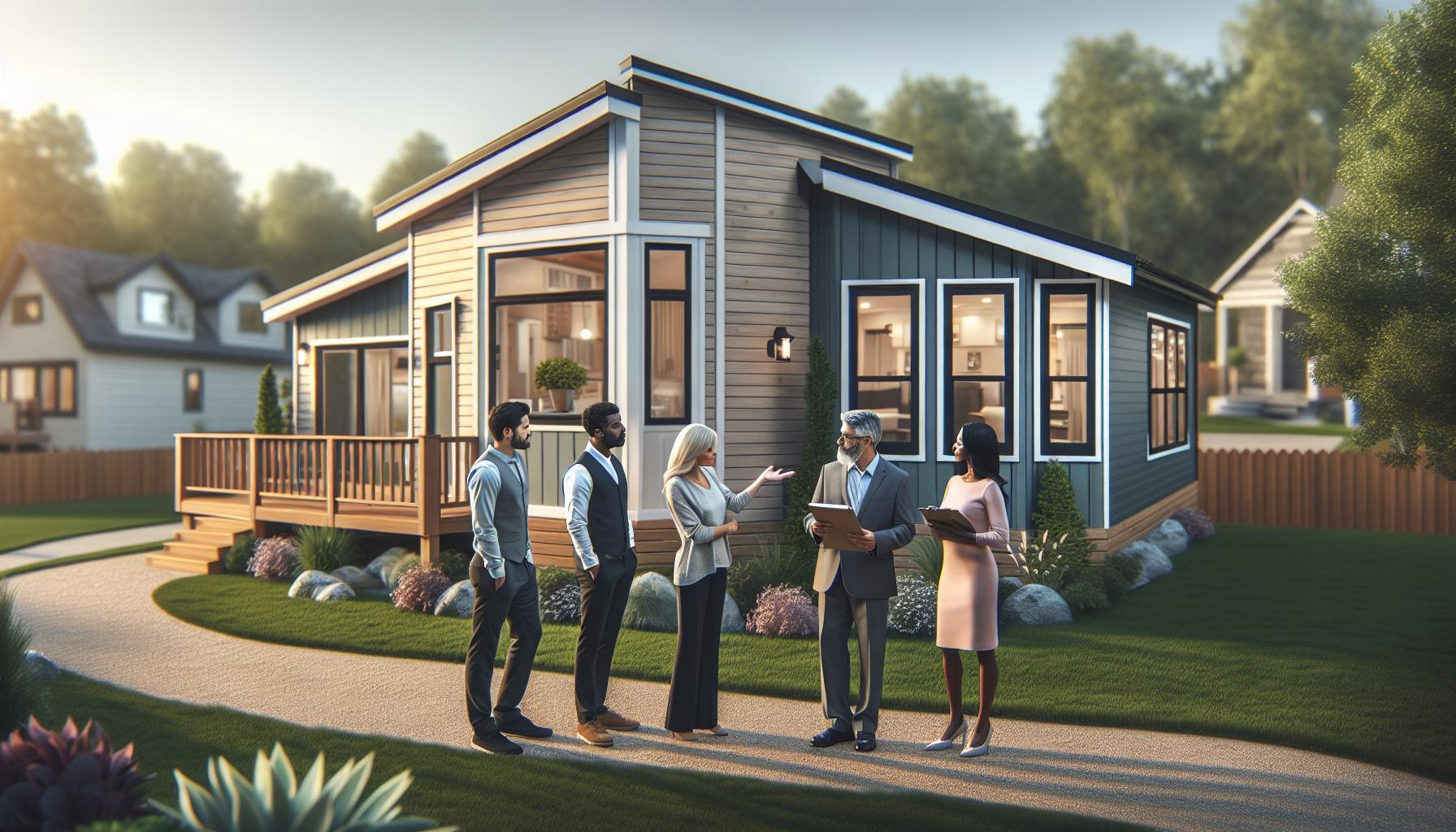
Effective Marketing Strategies for Your Modular Home
To capture the attention of potential buyers in a competitive market, it’s essential to employ targeted marketing strategies that highlight the unique aspects of modular homes. These homes offer affordability, flexibility, and modern design, which can be attractive selling points when communicated effectively. A well-crafted marketing strategy can significantly increase visibility and interest, ultimately leading to higher offers and a quicker sale.
One powerful method is leveraging social media platforms. Engage potential buyers by showcasing your modular home through high-quality images and virtual tours. Platforms like Instagram and Facebook allow you to create engaging posts that highlight the home’s features, inviting followers to share them within their networks. You might consider creating a dedicated page for your home, featuring regular updates, behind-the-scenes looks at renovations, or tips for modular living. Utilizing paid advertising on these platforms can also help boost visibility among targeted demographics interested in affordable housing options.
Another effective approach is to tap into collaborative marketing. Partner with local businesses such as home improvement stores, staging companies, or even real estate agents specializing in manufactured homes. A referral system, where incentives are offered for leads that convert into sales, can motivate partners to actively promote your home. Additionally, staging your home effectively can create an inviting atmosphere that allows potential buyers to envision themselves living there. Rent furniture or ask friends and family for decor to give the space a warm, appealing feel.
It’s also important to showcase not just the home itself, but the community it resides in. Highlight nearby amenities, parks, schools, and transportation options in your marketing materials. A comprehensive digital brochure or flyer can serve this purpose well. Consider walking or driving tours with interested buyers to introduce them to the neighborhood. This personal touch can be pivotal in influencing a buyer’s decision.
Lastly, networking with existing community groups focused on mobile or modular homes can yield excellent results. Participate in local events or online forums that discuss modular living to establish connections and generate word-of-mouth referrals. As modular homes grow in popularity, being part of communities that embrace this lifestyle can position your home favorably among like-minded individuals looking to buy.
By employing a mix of digital strategies, collaborative efforts, community engagement, and targeted presentations, sellers can effectively boost the marketability of their modular homes and attract the right buyers, maximizing their potential sales outcomes.
Highlighting Unique Features to Attract Buyers
Highlighting the unique features of a modular home is essential for attracting potential buyers in a crowded market. Modular homes often boast modern designs, energy efficiency, and customizable options, which can serve as major selling points. By effectively showcasing these attributes, sellers can differentiate their listings and resonate with buyers looking for affordable, quality housing solutions.
To begin, consider creating a visually appealing presentation of your home. High-quality photographs are crucial; ensure to capture not only the interior layout but also any unique architectural elements. For instance, if your modular home includes an open floor plan, large windows that let in natural light, or eco-friendly materials, these should be highlighted in your marketing materials. Staging the home can also enhance its appeal-arranging furniture in a way that invites exploration and showcases the space can help potential buyers visualize themselves living there.
Emphasize Customization and Flexibility
One of the significant advantages of modular homes is their flexibility in design. Potential buyers appreciate the opportunity to customize layouts and features to suit their personal preferences. Providing examples of options available, such as different floor plans, exterior finishes, or interior upgrades can be compelling. If you have made any upgrades, such as modern appliances, smart home technology, or energy-efficient systems, be sure to highlight these in your listings. Concrete examples not only showcase the home’s potential but also position it as a more appealing investment.
Community and Location Features
Don’t overlook the benefits of the surrounding community! Highlighting local amenities such as parks, schools, shopping centers, and public transportation options can enhance the attractiveness of the home. Providing a comprehensive overview of the neighborhood, including safety ratings, community engagement, and local activities, can significantly influence a buyer’s decision. A well-rounded presentation that includes both the unique features of the modular home and its favorable location can position your listing for success.
Utilizing diverse marketing channels to share this information-like social media, community bulletin boards, and local real estate websites-can help reach a wide audience. Personal stories or testimonials from current residents emphasizing daily life in the home or community can create an emotional connection with potential buyers, making your modular home stand out even more in the housing market.
Navigate Financing Options for Maximum Profits
Navigating the financing landscape for modular homes is a crucial step that can significantly impact your overall profitability when selling. Understanding the different financing options available to potential buyers can not only facilitate smoother transactions but also make your property more appealing in a competitive market. Modular homes, often underestimated, can appreciate in value just like traditional homes, provided they are financed correctly.
One prominent financing option is a conventional mortgage, which is available for both modular and manufactured homes, offering stability and predictable payment structures. Organizations such as Fannie Mae offer specialized loan products for modular homes, focusing on those that meet specific standards. This includes offering flexible terms and lower down payment options for eligible buyers. Such financing can broaden your potential buyer pool significantly, making it imperative to highlight these options in your marketing strategy.
Moreover, encouraging buyers to consider personal loans or FHA loans can also be beneficial. FHA loans, in particular, are designed to help individuals who may have lower credit scores or lack substantial down payments, thus making homeownership more accessible. It’s vital to communicate the different financing avenues available, paired with guidance on the application process, interest rates, and terms.
In addition to traditional financing, alternative options like land and construction loans can be explored if your modular home is being placed on a new lot. These loans allow buyers to finance both the land purchase and home construction in one go. Highlighting these financing strategies not only adds value to your listing but also empowers potential buyers to realize their homeownership dreams without overwhelming financial pressure.
To maximize profits, consider collaborating with local lenders who specialize in modular home loans. A partnership could provide prospective buyers with valuable resources and straightforward information, facilitating their financing journey. Conveying this support can enhance your credibility as a seller and build trust with potential buyers, resulting in successful transactions and satisfied homeowners.
Preparing Your Home for a Competitive Market
To capture the attention of potential buyers and secure a favorable sale, preparing your modular home for a competitive market is essential. First impressions matter significantly in real estate, and a well-presented home can set your listing apart from others. Start by conducting a thorough cleaning inside and out; a clean home not only looks more inviting but also helps potential buyers visualize themselves living there. Consider decluttering spaces, as this expands the perception of room size and creates an aura of open living.
Next, enhance curb appeal; it’s often the deciding factor for buyers before they step foot inside. Simple improvements, such as a fresh coat of paint on the front door, well-maintained landscaping, and clean walkways can elevate the exterior appearance remarkably. If relevant, don’t overlook the importance of outdoor living areas, especially in attractive settings. Highlighting decks, patios, or gardens can significantly boost your home’s allure and perceived value, offering buyers additional spaces to envision relaxation and entertainment.
Repairs and Minor Renovations
Addressing minor repairs can go a long way in making your home market-ready. Take the time to inspect for leaky faucets, squeaky doors, or chipped paint. These small details, while seemingly insignificant, can greatly influence a buyer’s perception of the home’s upkeep. If budget allows, consider modernizing key areas like the kitchen or bathrooms with new fixtures or countertops; even minor updates can lead to a higher sale price.
Home Staging
Home staging is another effective strategy for appealing to buyers. This can involve rearranging existing furniture or adding tasteful decor to showcase the home’s features. The goal is to create a warm, inviting atmosphere where buyers can easily imagine their lives unfolding. Use neutral colors to appeal to a broader audience and enhance natural light where possible.
Finally, don’t forget to gather documentation that showcases any upgrades or repairs made over the years; this not only establishes transparency but can also build trust with potential buyers. Having home maintenance records readily available highlights diligence in care and can sway a buyer’s decision positively. By approaching the sale of your modular home with these strategies, you can create an enticing package that speaks to its value, ultimately leading to a more successful sale.
Leveraging Online Platforms for Marketing Success
In today’s digital age, online platforms are essential for selling a modular home effectively. Leveraging the right online tools not only broadens your reach but also allows you to showcase your property in a visually appealing way that attracts prospective buyers. By utilizing a combination of social media, real estate websites, and specialized mobile home forums, you can create a robust marketing strategy that helps you stand out in a competitive market.
Utilizing Social Media
Social media platforms like Facebook, Instagram, and Pinterest are powerful tools for reaching a wider audience. These platforms enable you to share captivating images and videos of your modular home, highlighting its unique features and inviting potential buyers to visualize their future there. Consider creating a dedicated page for your listing or using hashtags like #ModularHome or #TinyHouseLiving to improve visibility. Engaging content, such as virtual tours, live Q&A sessions, or behind-the-scenes looks at home improvements, can generate interest and foster community around your sale.
Listing on Real Estate Websites
Don’t overlook the importance of listing your home on popular real estate websites like Zillow, Realtor.com, and specialty sites aimed at modular and manufactured homes. These platforms often attract buyers actively looking for properties. Ensure your listing is comprehensive and includes high-quality photographs, a detailed description, and appealing keywords that highlight the advantages of modular living. It can also be beneficial to check local classified sites or regional listing services that cater specifically to your market.
Engaging in Online Communities
Joining online forums or groups dedicated to modular homes can provide a unique avenue for marketing. Platforms like Reddit or Facebook groups connect you with potential buyers who share an interest in modular living. By actively participating in discussions, sharing your home listing, and offering valuable insights about modular homes, you can increase your visibility and establish credibility within the community. Consider sharing your experiences and tips related to modular home ownership; this not only builds rapport but also positions you as an expert in the field.
Optimizing for Search Engines
Investing time in SEO (Search Engine Optimization) can greatly enhance your online presence. Ensure that your listing includes relevant keywords that potential buyers might search for, such as “affordable modular homes for sale” or “sustainable manufactured housing.” Additionally, writing blog posts or making video content about the benefits of modular living can drive traffic to your listing while providing added value to your audience.
By strategically leveraging online platforms, you can maximize the visibility of your modular home and connect with potential buyers more effectively. Utilizing these digital tools not only streamlines the selling process but also enhances your property’s appeal in a competitive market, setting the stage for a successful sale.
Tips for Engaging with Potential Buyers
Engaging with potential buyers is a crucial step in the process of selling a modular home, as it can significantly enhance your chances of closing a sale at a favorable price. One of the key strategies is to foster open communication and build trust with interested parties. This involves being responsive to inquiries, whether they come through social media, email, or during open house events. When buyers feel heard and valued, they’re more likely to express genuine interest in your property.
Utilize storytelling techniques to create an emotional connection. Share the unique journey of your modular home-how it was selected, any customization you initiated, or the memories created within its walls. Buyers are not just looking for a house; they are searching for a home, a place with character and warmth. Highlight experiences of living in the home and the community, such as nearby parks, schools, or local events, which can help buyers envision their future in the space.
Another effective tactic is to invite potential buyers to experience the home in person. Organize well-planned open houses and private showings, where you can showcase not only the physical attributes of the home but also its practical benefits. During these visits, highlight modern features like energy-efficient appliances, open floor plans, or customizable spaces that reflect current living trends. Make sure to prepare materials that outline the home’s benefits, such as maintenance savings and eco-friendliness, adding substantial value to your pitch.
Lastly, consider incorporating testimonials from previous residents or buyers. Real feedback from individuals who can speak to the quality of living in a modular home can be a powerful tool. Leverage platforms where satisfied customers share their experiences, or create a dedicated section in your marketing materials that features these testimonials prominently. This adds credibility to your offering and can significantly influence a potential buyer’s decision-making process. By remaining transparent and genuine in your interactions, you’re not only selling a property but also promoting a lifestyle that many find appealing in today’s market.
The Importance of Professional Home Inspections
A comprehensive home inspection is not just an added bonus; it’s an essential step in the process of effectively selling a modular home. Many potential buyers approach purchasing a home with a mix of excitement and apprehension, often concerned about the integrity and safety of the property they are considering. A professional home inspection can serve as a powerful tool to alleviate these concerns, ensuring both the seller and buyer are on the same page about the home’s condition.
Having an inspection completed before listing the home allows sellers to identify and address any issues upfront. This proactively showcases a commitment to transparency and can prevent last-minute surprises that could derail a sale. Buyers are more likely to engage seriously with a property that has passed an inspection and can see a well-documented report highlighting the home’s strengths and any repairs already tackled.
Furthermore, a clean inspection report can bolster the home’s value. In today’s competitive market, where modular homes are increasingly recognized for their advantages, presenting a meticulously maintained property can set sellers apart from others. To maximize this potential, highlight key aspects like energy efficiency upgrades or structural integrity that inspectors may note positively, reinforcing the home’s overall appeal.
In summary, investing in a professional home inspection not only enhances the credibility of the sale but also builds buyer trust, leading to smoother transactions and potentially higher offers. By taking this step, sellers can foster a more straightforward negotiation process while securing maximum return on their investment.
Legal Considerations When Selling a Modular Home
Navigating the legal landscape of selling a modular home requires diligence and an understanding of specific regulations that govern these types of properties. Modular homes are classified differently from traditional site-built homes, which can affect the legal obligations of sellers. One crucial point to consider is the need to verify that the home complies with local building codes and regulations. Many jurisdictions require that modular homes meet certain standards before they can be sold, and providing proof of compliance can enhance buyer confidence and streamline the sale process.
Another legal consideration is understanding the title and ownership transfer process. Modular homes may come with different legal titles, such as a “real property” title versus a “personal property” title. Sellers should ensure they have the correct documentation to facilitate a smooth transfer of ownership. Furthermore, if the home is part of a manufactured home community, additional rules and regulations specific to that community may apply, including lot leases, community standards, or restrictions on exterior modifications.
It is also essential to disclose any issues or repairs made to the home. Transparency is paramount in real estate transactions, and failing to disclose known problems can lead to potential legal repercussions. Sellers should gather all relevant paperwork, including warranty information, maintenance records, and inspection reports, to provide potential buyers with a comprehensive view of the home’s condition. This not only supports legal compliance but also builds trust with prospective buyers, which can lead to stronger offers.
In summary, sellers of modular homes must be proactive in addressing legal requirements related to compliance, ownership transfer, and disclosures. Engaging with a qualified real estate attorney can help navigate these complexities, ensuring that all necessary legal bases are covered. By taking these steps, sellers can feel confident in their approach, paving the way for a successful transaction that maximizes their home’s value.
Enhancing Value Through Renovations and Upgrades
Renovations and upgrades can significantly enhance the value of a modular home, making it more appealing to potential buyers and justifying a higher selling price. By focusing on specific areas of improvement, you can create an inviting atmosphere that highlights the home’s potential while addressing common concerns among buyers. Investing wisely in upgrades can lead to a substantial return on investment (ROI), often far exceeding the initial costs.
One effective strategy is to update key areas such as the kitchen and bathroom. These rooms tend to have a significant impact on buyer perception. Consider simple upgrades like replacing outdated hardware, installing modern fixtures, and applying a fresh coat of paint in neutral tones. Additionally, adding energy-efficient appliances not only appeals to eco-conscious buyers but can also lower long-term utility costs, making your home more attractive.
Another area worth focusing on is curb appeal. The first impression a buyer gets is often influenced by the exterior of the home. Landscaping improvements, new siding, and a painted front door can create a welcoming entrance. If your home permits, adding a deck or patio can increase outdoor living space, enhancing both the functionality and aesthetic appeal of the home.
Finally, consider addressing any necessary repairs beforehand. Buyers are often deterred by the prospect of dealing with unresolved issues, so taking the initiative to fix plumbing leaks, patch drywall, or service the HVAC system can yield dividends in buyer interest and trust. A well-maintained home sends the message that it has been cared for and is ready for new occupants.
In summary, strategic renovations and thoughtful upgrades can transform a modular home, making it more competitive in the market. Focus on areas that drive buyer interest, enhance functionality, and ensure that your home stands out as a cherished place to live.
Success Stories: Case Studies of Sold Modular Homes
Success in selling a modular home often hinges on identifying and leveraging compelling narratives that resonate with prospective buyers. One captivating case is that of a family in California who transformed their modest modular dwelling into an enchanting home through strategic enhancements. They invested in landscaping that showcased seasonal blooms, weaved in contemporary design elements within their interiors, and embraced energy-efficient upgrades that appealed to environmentally conscious buyers. As a result, the home sold for 20% over its asking price, illustrating how thoughtful improvements can significantly bolster perceived value.
In a different scenario, a retired couple in Texas faced challenges during their sale, as buyer interest fluctuated. To combat this, they opted to highlight their modular home’s unique adaptability. By showcasing the flexible spaces that could easily serve dual purposes-like a guest room that doubled as a home office-they captivated a wider audience. Their successful marketing included engaging online listings and virtual tours that brought the home to life. Ultimately, they secured a sale within three weeks, a testament to the power of effective marketing.
Moreover, another seller in Florida shared their journey of maximizing modular home value through community engagement. They organized open houses and neighborhood gatherings, inviting potential buyers to envision themselves in an active, friendly community. This approach not only showcased the home but also fostered connections that ultimately led to multiple offers. The home sold quickly, and the previous owners were ecstatic about achieving their desired price point thanks to their proactive strategy.
These stories exemplify how tailored enhancements, unique selling points, and community involvement can create a powerful impact when selling a modular home. By understanding what attracts buyers and presenting homes in their best light, sellers can enhance their chances of success while maximizing value.
Frequently Asked Questions
Q: What improvements can increase the value of a modular home before selling?
A: Enhancing curb appeal through landscaping, updating kitchen and bathroom fixtures, and adding energy-efficient appliances can significantly boost a modular home’s value. Consider fresh paint, modern flooring, and smart home technology as appealing features for potential buyers. For more tips, see the “Enhancing Value Through Renovations and Upgrades” section of the article.
Q: How can I effectively market my modular home for sale?
A: Use high-quality photos and well-crafted descriptions on online listings to attract buyers. Highlight unique features and recent upgrades. Leverage social media and local real estate platforms to increase visibility. For comprehensive marketing strategies, refer to the “Effective Marketing Strategies for Your Modular Home” section.
Q: What should I disclose during a modular home sale?
A: You must disclose any known defects, past repairs, and the age of the home. Additionally, provide details about warranties and any structural changes. Transparency builds trust with potential buyers and can expedite the sale. Refer to the “Legal Considerations When Selling a Modular Home” section for more on this topic.
Q: How do modular homes compare to traditional homes in resale value?
A: Modular homes can offer comparable resale value to traditional homes, especially if they are well-maintained and located in desirable areas. Focus on enhancements and unique selling points to maximize value. For insights on key factors, check the “Key Factors That Influence Modular Home Value” section of the article.
Q: What role does professional staging play in selling a modular home?
A: Professional staging can make a modular home more inviting and help potential buyers visualize their new life in the space. It often leads to faster sales and higher offers. For tips on preparing your home, see the “Preparing Your Home for a Competitive Market” section.
Q: When is the best time to sell a modular home?
A: The peak selling seasons are typically spring and summer when buyers are more active. Selling during these months may result in quicker sales and potentially higher offers. For more timing strategies, read up on the “Navigating Financing Options for Maximum Profits” section.
Q: How do I handle financing options when selling my modular home?
A: Make prospective buyers aware of the financing options available for modular homes, including conventional loans, FHA financing, and local programs. Providing this information can ease buyer concerns and speed up the sale. For additional details, refer to the “Navigate Financing Options for Maximum Profits” section.
Q: What steps should I take to prepare for buyer inspections?
A: Before inspections, ensure that all systems (electrical, plumbing, HVAC) are in good working order and address any visible issues. Consider hiring a pre-inspection for an unbiased assessment. For more insights, see the “The Importance of Professional Home Inspections” section.
Key Takeaways
Selling your modular home for maximum value is an achievable goal when you apply the strategies we’ve discussed. Remember, the right preparation, presentation, and pricing are crucial elements in attracting serious buyers. If you’re ready to take the next step, don’t hesitate! Explore our resources on financing options and maintenance tips to ensure you’re fully equipped for a successful sale.
For additional insights, check out our guides on home renovations and legal considerations in selling modular homes. Engaging with these topics will not only enhance your knowledge but also improve your selling confidence. Feel free to share your thoughts or questions in the comments below; your experience could help others in the community! Together, let’s navigate the modular housing market with pride and professionalism. Start your journey today!