Installing mobile home skirting is a vital step in enhancing your home’s appearance and functionality. Not only does it provide insulation and protection from pests, but it also plays a crucial role in preventing water damage and maintaining your home’s structural integrity. Many mobile homeowners overlook this important element, but proper skirting can significantly improve your residence’s energy efficiency and aesthetic appeal. In this DIY step-by-step guide, you’ll discover everything you need to know to install skirting effectively, from choosing the right materials to ensuring a thorough and professional finish. Whether you’re a seasoned mobile homeowner or new to this lifestyle, this guide will empower you with the knowledge and skills to tackle this project confidently, adding value and safety to your home. Let’s dive in and transform your mobile home together!
Understanding Mobile Home Skirting and Its Importance
Mobile home skirting is a critical element that often gets overlooked, yet it plays an essential role in maintaining the integrity and comfort of your home. By providing a barrier between your home and the outside environment, skirting helps regulate temperature, protect against pests, and improve your home’s overall aesthetic. Without proper skirting, the open space beneath your mobile home can be susceptible to drafts during winter months and overheating in the summer, leading to higher energy costs and discomfort for the residents.
One of the primary functions of skirting is to shield your mobile home’s foundation. Skirting prevents moisture from accumulating beneath your home, which can lead to mold growth, rot, and structural damage. It’s also vital for insulation; with adequate skirting installed, you can ensure that your home retains heat in the winter and remains cool in the summer. Furthermore, having a properly skirted mobile home can enhance curb appeal, making it look more polished and finished. This not only benefits the residents but can also add to the home’s value, a consideration for future resale.
In addition to these practical benefits, skirting also fulfills important regulatory requirements in many areas. Many local building codes stipulate certain skirting standards in mobile and manufactured homes to ensure safety and livability. Therefore, understanding the importance of skirting, as well as the materials and installation techniques available, is crucial for anyone looking to maintain their mobile home effectively. A well-installed skirting system can lead to long-term savings and increased home comfort, making it an essential project for any mobile home owner.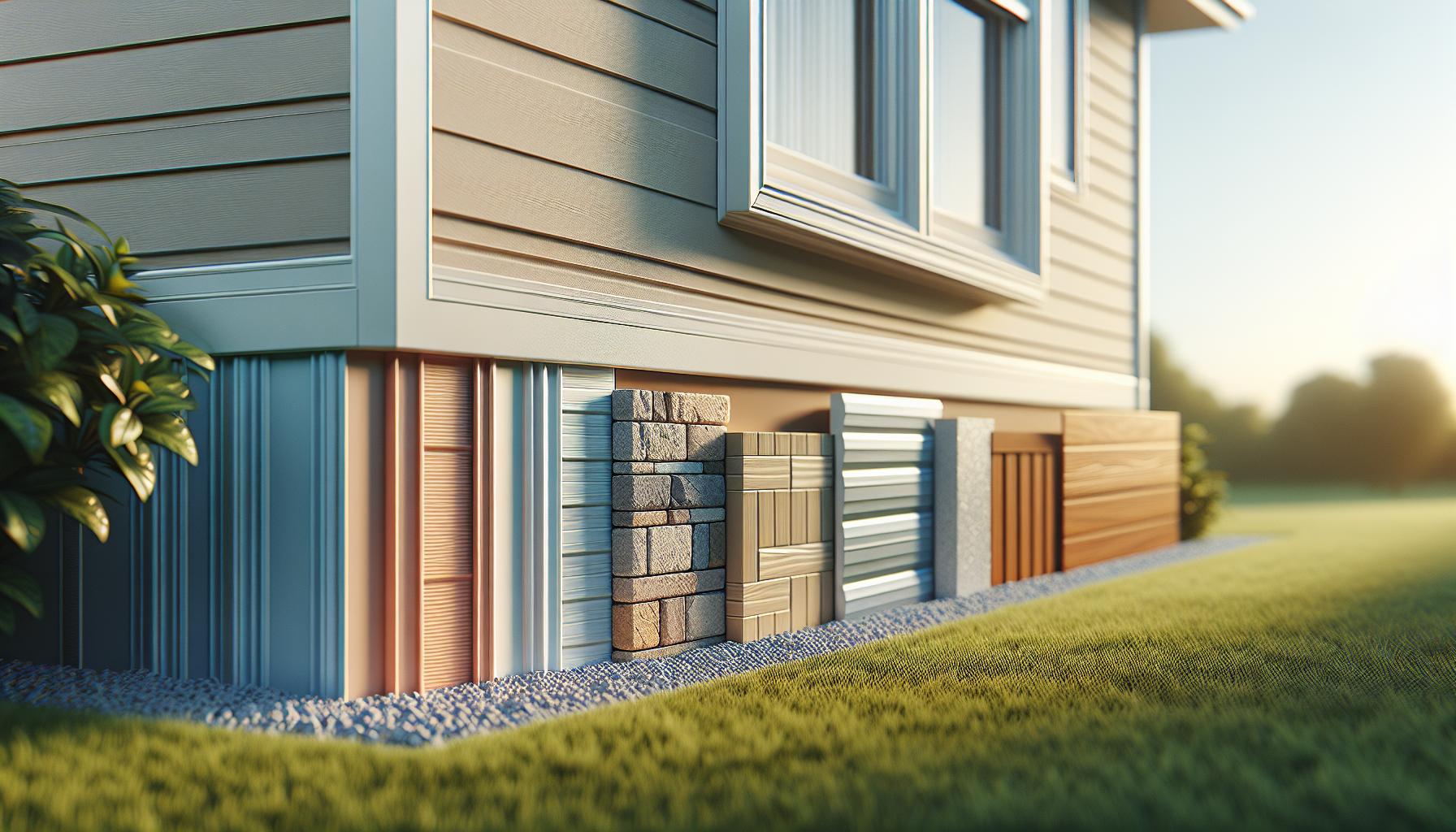
Types of Mobile Home Skirting Materials
Choosing the right skirting material is a crucial step in ensuring your mobile home maintains its aesthetics, energy efficiency, and structural integrity. Several options exist, each with its unique advantages, disadvantages, and suitability based on your specific needs, budget, and climate conditions. Understanding these variations can empower you to make an informed decision that enhances your home’s functionality and appeal.
Vinyl Skirting
Vinyl skirting is one of the most popular choices among mobile homeowners due to its affordability, easy installation, and wide variety of styles and colors. This material is lightweight and requires minimal maintenance, resisting issues like rotting and corrosion. However, being susceptible to cracking in extreme temperatures can be a downside, so it’s essential to choose high-quality vinyl designed for durability.
Aluminum Skirting
Aluminum provides a robust and long-lasting option that is resistant to rust and pests. It is particularly beneficial for homeowners in areas prone to severe weather conditions, as it can withstand high winds and impacts. However, aluminum skirting can be more expensive than vinyl and may require special coatings or painting to prevent fading over time. This option is also heavier, thus necessitating more structural support during installation.
Wood Skirting
Wood skirting offers natural beauty and can enhance curb appeal significantly. It can be custom-built and stained or painted to match your mobile home’s design. However, it requires more maintenance, including regular treatments to prevent rot and pest infestations. Homeowners need to be prepared for periodic repairs or replacements depending on local weather conditions.
Concrete Skirting
For those seeking extreme durability, concrete skirting provides an excellent option. This material can insulate the foundation of your mobile home exceptionally well while offering maximum pest protection. However, concrete can be both costly and labor-intensive to install, making it less ideal for DIY projects. Additionally, it can be prone to cracking over time, depending on the local climate.
When selecting your skirting material, consider aspects like your budget, expected maintenance, environmental factors, and how well each option complements your home’s design. Balancing these factors will not only enhance the appearance of your mobile home but also contribute to its long-term durability and efficiency.
Essential Tools for Installing Skirting
A successful mobile home skirting installation begins not just with good materials but also with the right tools. Equipping yourself with the appropriate tools can streamline the process, ensuring that your skirting is installed correctly and will stand the test of time. Here’s a rundown of essential tools you’ll need for the job.
Basic Hand Tools
First and foremost, gather your basic hand tools for the skirting project. These include:
- Measuring Tape: To accurately measure the perimeter of your mobile home, ensuring you cut the skirting panels to the correct dimensions.
- Utility Knife: Ideal for cutting vinyl or other skirting materials with precision.
- Level: Essential for making sure your skirting is installed evenly, which prevents water from pooling and ensures a neat appearance.
- Screwdriver: A basic tool required for securing your skirting panels, whether using screws or fasteners.
Power Tools
While hand tools are sufficient for many tasks, some power tools can make installation quicker and easier:
- Power Drill: Use it to create holes for screws, ensuring a secure fit.
- Jigsaw: Particularly helpful for cutting more complex shapes or curves, especially if customizing the skirting design.
Specialized Tools
Depending on the material you choose, you may want to invest in specialized tools that increase efficiency. If you are working with aluminum, for instance:
- Metal Snips: These are necessary if you’re using metal skirting, allowing for clean and precise cuts.
- Caulking Gun: Useful for applying sealants around the edges to prevent moisture buildup and pests from entering.
Safety Gear
Don’t forget about safety! Having the right gear ensures that you work without endangering yourself:
- Gloves: Protect your hands while handling sharp materials and tools.
- Safety Glasses: Prevent injury from debris or shavings, especially when cutting or drilling.
With the right tools at your disposal, you’ll not only facilitate a smoother installation process but also enhance the overall quality and durability of your mobile home skirting. Investing the time to gather these essential items can save you from potential headaches down the road, ensuring that your mobile home remains well-protected against the elements.
Preparing Your Mobile Home for Skirting Installation
Before diving into the installation of skirting for your mobile home, it’s crucial to prepare adequately. A thorough preparation not only simplifies the installation process but also lays the groundwork for optimal performance of the skirting, ensuring your home remains well-protected against environmental elements and hazards.
Start by clearing the area around your mobile home. Remove any debris, rocks, or vegetation that might obstruct the installation process. This will create a clean workspace and ensure that the skirting fits snugly against the foundation. Pay particular attention to the drainage; ensuring that water can flow away from the mobile home is essential to prevent moisture-related issues.
Next, it’s important to inspect the perimeter of your mobile home for any existing damage or structural issues. Check the foundation, as well as any installed utilities or vents. If you find areas that need repair, address them before proceeding. Properly functioned and intact utilities will work alongside the skirting to maintain the home’s integrity.
Once the area is cleared and inspected, measure the perimeter of your mobile home to determine how much skirting material you will need. Accurate measurements are key; measure each side separately, accounting for any protrusions or unique features. It helps to sketch a simple diagram indicating where each panel will go. This will guide you in cutting the skirting material to the correct dimensions, minimizing waste and preventing frustration during installation.
Lastly, consider the local climate and environmental factors that may influence your choice of skirting material. For example, if you live in an area prone to heavy winds or moisture, selecting a more robust skirting material, such as masonry or composite, can enhance stability and durability. By taking these preparatory steps, you’ll position yourself for a successful skirting installation that enhances both the appearance and functionality of your mobile home.
Step-by-Step Guide to Installing Mobile Home Skirting
To achieve a successful installation of mobile home skirting, following a methodical step-by-step approach is crucial. This not only enhances the aesthetic appeal of your home but also serves essential functions like protecting the foundation from moisture and pests.
Begin by gathering your chosen skirting material and the necessary tools. Common materials include vinyl, wood, and metal, each providing different levels of durability and insulation. Equip yourself with tools such as a measuring tape, level, saw, drill, and stakes, which are integral to ensuring accurate cuts and stable installations.
Next, set out a clear plan for installation. Start at one corner of your mobile home and work your way around. Use your measuring tape to confirm the height of the skirting; this should extend from the bottom of the mobile home down to the ground. Measure the length of each panel by using the same tape, and then cut your material accordingly. It’s essential to measure twice and cut once to minimize errors.
Once your pieces are cut, prepare for installation by placing the first panel in position. Dig a shallow trench around the base of the mobile home if needed to enhance stability and ensure proper drainage. Place the first skirting panel against the mobile home, securing it with screws or anchors depending on the material you’ve chosen. Repeat the process for all remaining panels. Ensure each piece is level before securing it, as this affects not only the visual symmetry but also the effectiveness of the skirting.
Lastly, after installing all panels, inspect for gaps or misalignments. Adjust and secure any areas that need further fastening. If your skirting system allows for ventilation openings, ensure they are placed according to the manufacturer’s recommendations to prevent moisture buildup and allow airflow underneath the mobile home. This attention to detail will not only enhance the longevity of your skirting but will also contribute to the overall health of your mobile home foundation, promoting effective climate control and structural integrity.
With careful planning and execution, installing mobile home skirting can be a satisfying DIY project that protects your home while enhancing its curb appeal.
Maintaining Your Mobile Home Skirting
Proper maintenance of your mobile home skirting is crucial not only for aesthetic appeal but also for the structural integrity and longevity of your home. Well-maintained skirting can protect against moisture intrusion, pests, and temperature fluctuations that may affect your living space. Regular checks and minor repairs can be performed easily, reducing the need for expensive replacements in the future.
Start with frequent inspections of your skirting for any signs of damage caused by weather, pests, or physical wear. Look for cracks, holes, or areas where the skirting may have come loose. The condition of the skirting should be particularly monitored after severe weather events, as rain, wind, and snow can lead to unexpected issues. Loose panels may need to be re-secured with screws or anchors, while damaged sections could require patching or replacement.
Also, consider cleaning your skirting periodically. Dust, dirt, and debris can accumulate, affecting its appearance and trap moisture which can lead to mold or rot, especially in wooden skirting. A gentle wash with soapy water can rejuvenate the look of vinyl or metal skirting without damaging it. Inspecting drainage pathways is equally important; ensure that water can flow away from the home’s foundation, preventing moisture buildup under the mobile home.
In addition to regular checks and cleaning, ensure that your skirting allows for proper ventilation. Adequate airflow beneath your mobile home is vital to prevent dampness that can lead to serious structural issues. If your skirting is not providing sufficient ventilation, consider adding vents or adjusting the positioning of existing ones to promote airflow.
In summary, routine maintenance of mobile home skirting can significantly extend its lifespan and protect your home from potential damage, thereby enhancing your living experience. With a little attention and care, your skirting can continue to maintain its functional and visual integrity for years to come.
Common Mistakes to Avoid When Skirting
When it comes to mobile home skirting installation, many homeowners inadvertently stumble into common pitfalls that can lead to inefficiencies and potential damage down the line. Understanding these mistakes not only helps ensure a smoother installation process but also enhances the longevity and performance of your skirting. One prevalent mistake is neglecting to account for the specific climate conditions in your area. For instance, using lightweight materials in regions prone to harsh winds or heavy snowfall can result in skirting being blown away or damaged, leading to costly repairs. Opting for materials that can withstand local weather patterns is crucial for durability.
Another frequent oversight is inadequate preparation of the ground before installation. Failing to level the area or clear it of debris can hinder proper fitting and create gaps that allow animals or moisture to enter. Always take the time to ensure the ground is well-prepared, leveling the area and installing any necessary foundation supports before securing the skirting. Additionally, ensuring that all components are aligned correctly during installation is essential, as misaligned panels can lead to issues with airflow and pest intrusion.
Poor ventilation is yet another common mistake that many overlook during installation. While skirting serves as a barrier against the elements, it must also allow for adequate airflow beneath the home to prevent moisture buildup, which can lead to mold and mildew issues. Homeowners should carefully consider vent placement and ensure they provide sufficient airflow without compromising the integrity of the skirting. Regularly checking vent function can help maintain a proper balance between protection and ventilation.
Lastly, many do-it-yourselfers underestimate the importance of regular maintenance. After installation, check the skirting periodically for any signs of damage or wear. Simple checks can prevent larger problems from developing, making maintenance a crucial part of ensuring the effectiveness and appearance of your skirting. Prioritizing maintenance and being mindful of these common missteps can significantly enhance your mobile home experience, both in aesthetics and function.
How to Customize Your Mobile Home Skirting Design
Creating a unique look for your mobile home skirting can elevate the overall aesthetic of your property while also offering practical benefits. Customization not only allows your home to stand out in a community but can also enhance functionality, including protection against the elements and improved ventilation. With a bit of creativity and planning, you can transform standard skirting into a personalized statement that reflects your style and values.
To begin, consider the *materials* you wish to use. While traditional options like vinyl or metal are popular for their durability, incorporating alternative materials such as wood or composite can create a distinctive look. Each type has its advantages: wood offers a rustic charm, while composite materials are excellent for showcasing vibrant colors without the need for frequent maintenance. Additionally, think about integrating decorative elements like lattice panels, which can not only provide privacy but also allow for the planting of climbing vines or flowers to add natural beauty.
Another effective way to customize is by *painting or staining*. The color of your skirting can dramatically change the appearance of your mobile home. Choosing a color that complements your home’s siding can enhance the unified look of your property. You might select a vibrant hue to make a bold statement or a more subdued shade for a classic appearance. Remember to use exterior-grade paint or stain to ensure longevity against weather conditions.
Design Features to Consider
When customizing your skirting, think about *integrating design features* that align with your lifestyle. Here are some ideas:
- Ventilation Grills: Design your skirting with ventilation grills that are both functional and stylish. These can improve airflow underneath your home, preventing moisture buildup.
- Access Panels: Include hidden access panels to make it easier to reach plumbing or electrical components without removing the entire skirting.
- Lighting: Consider incorporating lighting that highlights your skirting at night, adding safety and appeal.
- Custom Art or Signage: Personalize your space by adding custom artwork or a welcome sign that reflects your family’s identity.
Finally, don’t forget to *incorporate local climate considerations*. If you live in an area with heavy snowfall or strong winds, you may want to choose heavier materials and ensure that your design minimizes wind resistance, while still offering your desired artistic flair. By thoughtfully customizing your mobile home skirting, you not only create a visually appealing environment but also increase your property’s value and enjoyment for years to come.
Addressing Climate Considerations in Skirting Choices
When selecting skirting materials for your mobile home, considering the local climate is not just an option-it’s essential. Different environmental conditions can significantly impact the effectiveness and longevity of your skirting, making it critical to choose materials that can withstand the elements in your area. For instance, homes in high-wind regions should prioritize sturdy materials and secure fastening techniques to prevent the skirting from being easily dislodged. Similarly, homes in areas prone to heavy snowfall need skirting that can bear substantial weight without sagging or collapsing.
If you live in a humid or tropical climate, it’s wise to opt for materials resistant to mold and moisture. Vinyl skirting, for example, is a popular choice because it doesn’t warp or rot, making it ideal for areas with high humidity. Additionally, incorporating proper ventilation into your skirting design can mitigate moisture buildup, which is crucial for preventing damage to the underside of your home. Use ventilation grills or gaps to create airflow, allowing any trapped moisture to escape and reduce the risk of wood rot or pest infestations.
For those in regions that experience extreme temperature fluctuations, consider using insulated skirting materials to help regulate your home’s temperature. This can enhance energy efficiency, reducing heating and cooling costs throughout the year. Insulated options provide an extra layer of protection against cold winds in the winter and intense heat during the summer months, helping maintain a stable indoor climate.
Finally, think about the local wildlife-especially in more rural areas. Some animals might see skirting as a cozy nesting spot. Using skirting materials with a tight fit and minimal gaps can deter critters from making their home beneath yours, while features like latticework can offer a blend of airflow and protection from pests. By aligning your skirting choices with your climate and local conditions, you can enhance not only the functionality and aesthetics of your mobile home but also its overall durability and safety.
Repairing and Updating Old Skirting: Tips and Tricks
Repairing or updating old skirting can significantly enhance the appearance and functionality of your mobile home. Skirting serves critical roles, including protecting the underbelly of your home from pests, providing insulation, and improving overall energy efficiency. When your skirting shows signs of wear, damage, or age, it’s imperative to address these issues promptly to avoid more significant problems down the line.
Assessing the condition of your existing skirting is the first step. Look for cracks, holes, and areas where the material has become loose or detached. If your current skirting is vinyl, check for warping or discoloration, which may indicate exposure to harsh weather or prolonged sunlight. For wood skirting, inspect for signs of rot or insect infestation. Once you’ve identified areas needing repair or replacement, decide whether to patch up the often viable sections or replace entire panels.
Repair Techniques
- For Cracks and Holes: Use weather-resistant caulk suitable for the material of your skirting. Apply the caulk generously and smooth it out for a neat finish.
- Loose Panels: Re-attach loose vinyl with new fasteners or screws. Ensure that the panels fit snugly to prevent drafts and moisture from accumulating underneath.
- Replacing Panels: When a panel is too damaged for repair, remove it carefully and replace it with a new one. Match the color and material to maintain a cohesive look.
For those seeking a visually appealing refresh, consider updating the design of your skirting rather than merely repairing it. Staining wood panels or painting vinyl skirting a new color can invigorate the exterior of your home. Take the opportunity to incorporate decorative elements such as lattice or an accent trim to add personality and style while still fulfilling practical needs. Additionally, ensure that your updated skirting aligns with local regulations, including any requirements for ventilation and drainage.
Preventive Measures
Taking steps to maintain your skirting is crucial in prolonging its lifespan. Regularly clean the material to prevent dirt and debris buildup, and check for any signs of damage before they worsen. Apply a protective sealant to wooden skirting every few years to guard against moisture and pests. If your area experiences extreme weather, consider upgrading to more robust skirting materials designed to withstand harsh conditions.
By embracing these repair and update techniques, you not only bolster the aesthetic appeal of your mobile home but also enhance its protection against the elements. Careful attention to maintenance will extend the life of your skirting and contribute to a more comfortable living environment overall.
Budgeting for Skirting Installation and Maintenance
When it comes to installing and maintaining skirting for your mobile home, budgeting effectively can make a significant difference in both your immediate and long-term costs. Many homeowners underestimate the expenses involved, which can lead to rushed decisions and potentially less durable materials. By taking the time to create a detailed budget, you can ensure that you choose the best options for your home while avoiding unnecessary expenditures.
Start your budget by researching the various types of skirting materials available, as costs can vary widely. For example, vinyl skirting tends to be more affordable and easier to install, while brick or stone skirting may provide better durability and insulation but at a higher price point. Here’s a basic breakdown of potential costs:
| Skirting Material | Cost per Linear Foot | Durability |
|---|---|---|
| Vinyl | $3 to $5 | Moderate |
| Wood | $5 to $10 | Moderate (requires maintenance) |
| Metal | $7 to $12 | High |
| Brick/Stone | $10 to $20 | Very High |
In addition to material costs, it’s important to account for tools and supplies you may need, such as nails, screws, fasteners, and adhesives. If you don’t already own the necessary tools, consider renting or borrowing them, which can help keep your budget in check. Another cost to factor in is potential professional installation, especially if you’re not confident in your DIY skills. Depending on the complexity of the project, hiring a contractor could range from a few hundred to several thousand dollars.
To keep maintenance costs manageable, it’s wise to consider preventive measures during installation. For instance, investing in high-quality materials that resist weathering can save you money in the long run. Furthermore, regularly scheduled maintenance-such as cleaning and inspecting for damage-can prevent costly repairs later.
By setting a realistic budget that encompasses both installation and future maintenance, you empower yourself to make informed choices that enhance both the aesthetics and functionality of your mobile home. With careful planning, you can achieve a skirting solution that complements your living space while adhering to your financial goals.
Regulations and Permits for Mobile Home Skirting
Understanding the regulations and permits required for mobile home skirting can significantly streamline your installation process and enhance your home’s safety and compliance. Local building codes often dictate materials, height requirements, and installation methods, reflecting the need for specific standards to protect both the homeowner and the community. By familiarizing yourself with these guidelines, you can avoid potential fines or enforcement actions that may arise from non-compliance.
Before beginning your skirting project, it’s essential to check with your local zoning office or building department. They can provide detailed information on the necessary permits, which may vary greatly between municipalities. For example, some areas may require a permit for any type of permanent skirting installation, while others could have relaxed regulations for temporary coverings. Here are a few common regulations to consider:
- Material Restrictions: Specific materials may be required to ensure durability and safety, especially in areas prone to harsh weather.
- Ventilation Requirements: Building codes often mandate that skirting includes adequate ventilation to prevent moisture buildup, which can lead to mold and structural issues.
- Height Limitations: There may be minimum and maximum height requirements for skirting, which can affect your choice of design and installation method.
- Licensing for Contractors: If you hire a contractor to install your skirting, ensure that they are licensed and familiar with local regulations.
Additionally, while permits may take time to obtain, they are a crucial step in ensuring that your skirting meets all legislative requirements. By doing so, you not only guarantee your investment is protected but also contribute to the overall value and appeal of manufactured housing. Being proactive about these regulations positions you for a successful installation and adds peace of mind as you enhance your mobile home’s functionality and appearance.
Q&A
Q: What tools do I need to install mobile home skirting?
A: To install mobile home skirting, you’ll need essential tools such as a measuring tape, level, utility knife, hammer, and screws. A drill and a saw may be necessary if you are customizing the skirting panels. Consult the “Essential Tools for Installing Skirting” section for a detailed list.
Q: How do I prepare my mobile home for skirting installation?
A: Preparing your mobile home involves assessing the ground level, cleaning the area beneath the home, and ensuring there are no obstructions. It’s crucial to check for proper ventilation and to take measurements for your skirting panels to ensure a snug fit. See the “Preparing Your Mobile Home for Skirting Installation” section for more guidelines.
Q: What are the common mistakes to avoid when installing mobile home skirting?
A: Common mistakes include not measuring accurately, failing to anchor the skirting properly, and neglecting ventilation. These errors can lead to damage and increased maintenance needs. The “Common Mistakes to Avoid When Skirting” section offers further insights into preventing issues during installation.
Q: How do I customize my mobile home skirting design?
A: Customizing your mobile home skirting can be achieved by selecting different materials, colors, and decorative elements. Incorporate faux stone or paint to enhance aesthetic appeal. The “How to Customize Your Mobile Home Skirting Design” section has tips for achieving a unique look.
Q: When should I check and maintain my mobile home skirting?
A: Regularly inspect your skirting, especially after severe weather. Look for cracks, gaps, or signs of wear. Aim for maintenance checks at least twice a year, or more frequently in extreme climates. The “Maintaining Your Mobile Home Skirting” section provides a maintenance checklist.
Q: Are there specific regulations for mobile home skirting installation?
A: Yes, local regulations may dictate skirting height, materials, and ventilation requirements. It’s vital to check zoning laws or consult your local building authority to ensure compliance. Refer to the “Regulations and Permits for Mobile Home Skirting” section for further details.
Q: How can I save on costs for mobile home skirting installation?
A: To save costs, consider DIY installation, use affordable materials, or shop sales. Planning your project during off-peak seasons can also lead to discounts. The “Budgeting for Skirting Installation and Maintenance” section offers budgeting tips to keep expenses in check.
Q: What materials are best for winter mobile home skirting?
A: For winter climates, insulated vinyl or wood skirting may offer better protection against freezing temperatures. Look for materials with high durability and insulation properties. The “Types of Mobile Home Skirting Materials” section provides insights into choosing the right material for your needs.
In Conclusion
Now that you have the step-by-step guide to installing mobile home skirting, it’s time to take action and elevate your home’s appearance and insulation. Remember, proper skirting not only enhances curb appeal but also protects your home from moisture and pests. If you still have questions or want to explore your options further, check out our in-depth articles on the pros and cons of different mobile home skirting materials and installation tips for accessories.
Don’t forget to share your DIY skirting experience in the comments below-we love hearing from you! And if you’re interested in learning more about mobile home renovations or maintenance projects, consider subscribing to our newsletter for the latest tips and expert advice. Equip yourself with knowledge on essential topics like mobile home siding options and awning installations to maximize your home’s potential and value. Your journey towards an expertly maintained mobile home begins now!