Did you know that an unlevel double wide mobile home can lead to a host of problems, from structural damage to plumbing issues? Proper leveling is essential for maintaining the safety and comfort of your home. In this guide, we’ll provide you with a professional approach to leveling your mobile home, ensuring that you understand the importance of a stable foundation. Whether you’re a current homeowner or considering a purchase, mastering this process will empower you to protect your investment and enhance your living experience. Stay with us as we explain the methods, tools, and steps you need to take for successful leveling, all while giving your double wide the attention it deserves.
Understanding the Importance of Leveling Your Mobile Home
Leveling a mobile home isn’t just a matter of aesthetics; it’s a critical aspect of maintaining structural integrity and ensuring a safe and comfortable living environment. Many owners underestimate the importance of proper leveling, not realizing that an unlevel home can lead to a myriad of issues, including foundation damage, plumbing problems, and costly repairs. When a double wide mobile home settles, it can cause doors and windows to become misaligned, result in cracks in walls, and create significant stress on the overall structure.
Proper leveling is particularly essential in areas prone to extreme weather conditions, where the ground may shift over time due to erosion or subsidence. Without attention to leveling, the home may be at risk of damage from heavy rains or floods, as improper drainage can exacerbate these issues. Additionally, many housing regulations require that mobile homes be properly leveled to meet safety standards. Ensuring your double wide is level not only enhances its longevity but also helps maintain its value-an essential consideration for homeowners and investors alike.
Furthermore, leveling affects not just the physical structure, but also the comfort and livability of the home. A level home ensures that appliances function correctly, prevents excess wear on furniture, and provides a more stable and enjoyable living environment. For families, these benefits translate into better quality of life and peace of mind. Thus, understanding and prioritizing the leveling of your double wide mobile home is a smart investment in your property and your satisfaction.
Common Signs Your Double Wide Needs Leveling
Recognizing when your double wide mobile home needs leveling is essential to maintaining its comfort and structural integrity. Ignoring the signs can lead to significant issues down the line, making it vital for homeowners to stay vigilant. One of the most noticeable indicators is the misalignment of doors and windows. If you find that your doors are sticking or won’t close properly, or if windows become difficult to open or close, these may be symptoms of a foundation that’s settling or shifting.
Another common sign is the presence of cracks in walls or ceilings. As a home settles, it can create stress points that result in fractures. If you notice horizontal or vertical cracks appearing, especially in corners or around door frames, it’s a clear indication that your home may not be level. Similarly, uneven floors can signal a problem; if you notice noticeable sloping or feel instability when walking, this is a strong indicator that leveling might be necessary.
In some cases, homeowners may also observe ongoing issues with plumbing. If you notice persistent leaks, particularly in areas near external walls or bathrooms, this could be due to improper leveling that places undue stress on plumbing lines. Moreover, exterior signs, such as a sloped or tilted home appearance, may also indicate that leveling is needed.
Paying careful attention to these signs not only helps in maintaining the value of your investment but also enhances your living experience. Early detection of leveling issues can make a significant difference, preventing costly repairs and ensuring that your home remains a safe and enjoyable space. Always consider consulting with a professional if you suspect your double wide is not level, as they can provide expert assessments and solutions tailored to your specific needs.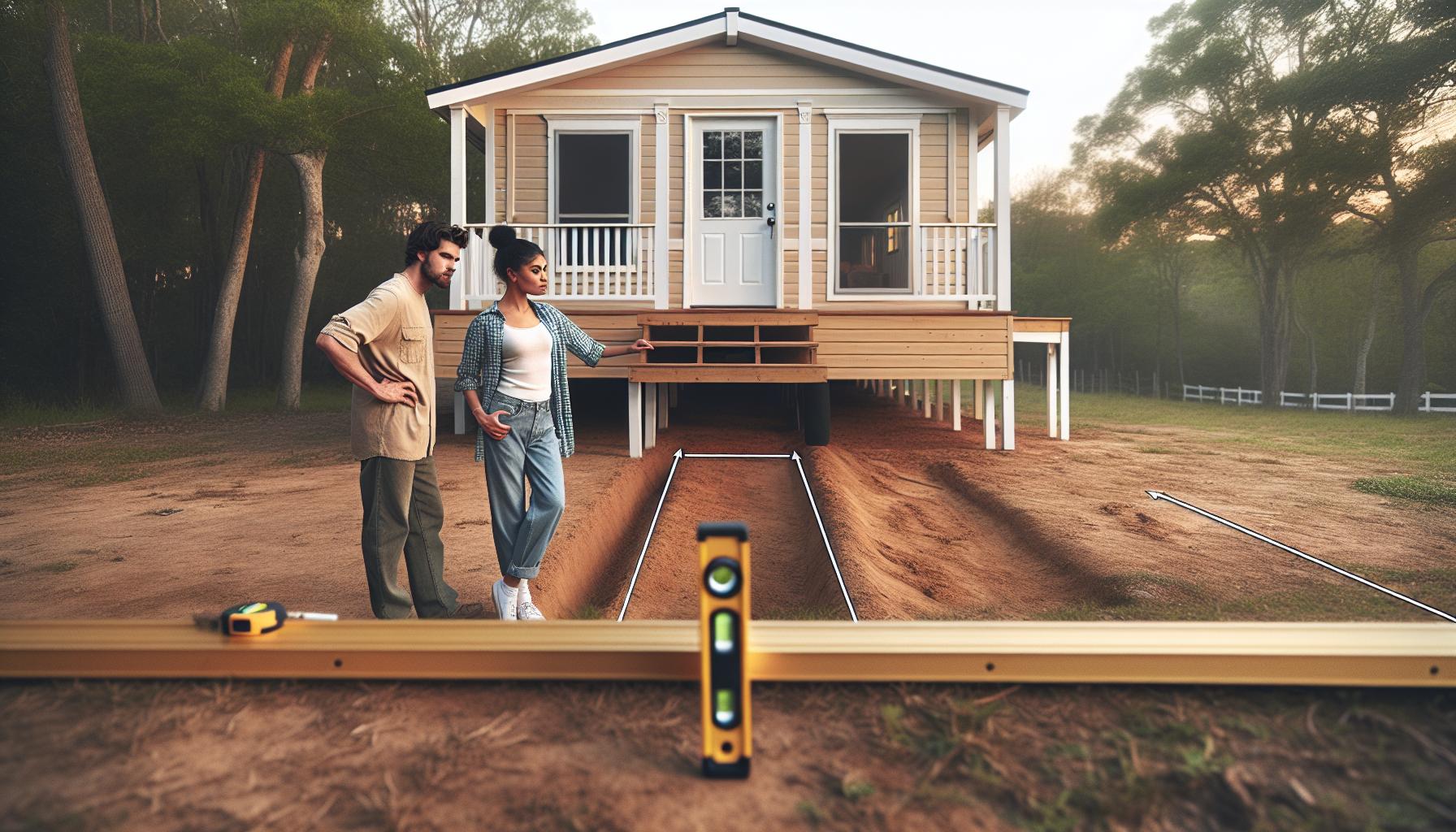
Step-by-Step Guide to Leveling a Double Wide Mobile Home
Achieving a level double-wide mobile home is essential for both structural integrity and comfort. When the foundation shifts, it can lead to a myriad of problems, including cracks, misaligned doors and windows, and even plumbing issues. To effectively level your mobile home, a structured approach is key. The process generally involves a few essential steps that professional service providers often follow.
Assess the Current Level
Before beginning any leveling work, it’s crucial to determine the extent of the problem. Use a level or laser level to evaluate the foundation’s slope at various points throughout the home. This step helps in identifying specific areas that require adjustment.
Gather Your Tools
To prepare for the leveling process, ensure you have the necessary tools on hand. This includes:
- Hydraulic jacks
- Concrete blocks or piers for support
- A measuring tape
- A level or laser level
- Shims (if needed)
- Screwdriver and other hand tools for adjustments
Elevate the Home
After assessing the site and gathering your tools, the next step is to raise the sections of the mobile home that are low. Position the hydraulic jacks carefully under the home’s frame, particularly at the low points identified earlier. Slowly lift the home until it reaches the desired level, continually checking with your level during this process to ensure accuracy.
Install Support Beams or Piers
Once the mobile home is level, it’s time to add new support. This may involve installing additional support beams or piers at crucial points to help maintain stability. Ensure that these structures are securely placed and designed to withstand the weight of the home.
Final Checks and Adjustments
After the leveling and support installation, conduct one last round of checks to confirm everything is even and secure. Reassess with a level to confirm that all areas are up to standard, making any necessary adjustments.
Following these steps can help ensure your double-wide mobile home is properly leveled, preventing future issues and enhancing comfort. If the task seems daunting, or if you encounter significant structural concerns, enlisting professionals is always a wise decision. The peace of mind that comes from having experts handle the work can be invaluable, ensuring the long-term stability and safety of your home.
Essential Tools and Materials for Leveling
Achieving a level double-wide mobile home requires the right tools and materials to ensure that the process is done safely and effectively. Armed with the appropriate equipment not only facilitates a smoother leveling experience but also enhances the overall stability and longevity of your home. Here’s what you’ll need to gather before starting the leveling process.
Essential Tools
Using the correct tools is crucial for efficiently leveling your mobile home. Here’s a list of items you should have at your disposal:
- Hydraulic Jacks: These are vital for lifting the home to the appropriate level. Choose jacks that can support the weight of your mobile home and are capable of reaching the necessary height.
- Concrete Blocks or Piers: Once the home is elevated, additional support is essential. Concrete blocks or adjustable piers provide a solid foundation that can help stabilize the structure.
- Level or Laser Level: A laser level ensures precision. By measuring the slope and alignment, it helps you identify the areas that require adjustment.
- Measuring Tape: This tool is fundamental for verifying the height and positioning of your supports. Accurate measurements are key to effective leveling.
- Shims: These are used for fine-tuning the height of your home. Shims can help achieve exact leveling and fill in any gaps that may be present.
- Hand Tools: A screwdriver and various hand tools will help make necessary adjustments to the supports and frame of your mobile home.
Materials for Support
In addition to tools, specific materials are necessary to support the leveling process. Having the right materials ready can save time and prevent potential mishaps during the leveling task:
- Wood Blocks or Steel Bracing: These materials can serve as additional support if you need to reinforce specific sections of your double-wide.
- Gravel or Compacted Soil: If you’re placing piers or blocks directly on the ground, a solid base of gravel or compacted soil is crucial for preventing settling in the future.
- Protective Gear: Safety should never be overlooked. Gloves, safety goggles, and steel-toed boots will help protect you from potential injury while working.
By gathering these tools and materials, you set yourself up for a successful leveling project, ensuring your double-wide mobile home is stable and secure. Attention to detail during the leveling process not only improves your living conditions but also protects your investment in the long term.
Professional Techniques for Effective Leveling
Successfully leveling a double-wide mobile home requires not just the right tools, but also an understanding of effective professional techniques that ensure a stable and secure foundation. Experts often emphasize the significance of assessing the ground conditions before beginning any leveling work. A thorough evaluation will help in identifying potential challenges such as uneven terrain or moisture issues that can undermine the leveling process.
Assessment and Preparation
Before any lifting or adjustments take place, professionals recommend conducting a comprehensive assessment of the mobile home and its surroundings. This involves checking for any visible signs of sagging, cracks in the walls, or doors and windows that stick-indicators that the home may be out of level. In addition, looking at the soil to determine its stability is crucial. Properties with clay or sandy soils may require additional measures, such as installing deeper piers or using heavier support blocks, to provide adequate stabilization.
Lifting and Leveling Techniques
When it comes to the lifting process, experts utilize hydraulic jacks strategically placed beneath the home’s frame. The goal is to raise the home slowly and uniformly to avoid structural damage. Professionals will often work from opposite corners and move towards the center, ensuring balanced support. Once lifted, they insert adjustable piers or concrete blocks to maintain the required height and make fine adjustments with shims as necessary. This delicate balance is key, as even a slight miscalculation can lead to further issues down the line.
Final Adjustments and Inspections
After the basic leveling is completed, skilled technicians perform meticulous checks using laser levels. This ensures that the home sits perfectly flat and that each section aligns with the rest. Additionally, professionals will recommend a follow-up inspection within a few months to confirm that the foundation remains stable. They often advise homeowners to be vigilant about signs of settling or movement, which can indicate that further adjustments may be needed.
By leveraging such professional techniques, mobile home owners can safeguard their investments and ensure a comfortable living environment. Ultimately, understanding the comprehensive process behind leveling can empower residents to make informed decisions, whether they decide to take the DIY route or hire experts for assistance.
DIY vs. Professional Leveling: Which is Best?
When considering the best approach to leveling a double-wide mobile home, the decision often boils down to whether to undertake the task as a DIY project or to hire a professional. This choice can significantly affect not only the quality of the leveling but also your long-term satisfaction with your home. On one hand, DIY leveling may appeal to those looking to save money or gain hands-on experience; on the other hand, the expertise and assurance offered by professionals can make a substantial difference in achieving a stable foundation.
For the DIY enthusiast, leveling your mobile home can be a rewarding challenge. However, successful execution requires a solid understanding of the process. Proper evaluation of the site, the right tools-such as hydraulic jacks, shims, and levels-and safety protocols are paramount. DIYers should be prepared for potential complications, such as encountering uneven terrain or unforeseen structural issues that could complicate the leveling process. A comprehensive guide or tutorial is essential, and it’s wise to consult resources or forums specifically focused on mobile home maintenance.
Conversely, hiring professionals brings a level of expertise that is hard to match. Experienced technicians not only have the right equipment but also the knowledge to identify subtle signs of instability that an untrained eye might overlook. They are equipped to handle various site conditions and can implement time-tested methods to ensure that the home is not just level but secure for years to come. Furthermore, professionals can often provide warranties on their work, giving homeowners peace of mind.
Ultimately, the choice between DIY and professional help hinges on one’s confidence in their skills, the complexity of the leveling needed, and the value placed on time and safety. For those uncertain about their abilities or facing significant leveling challenges, enlisting the help of experts may be the best investment in ensuring the structural integrity and comfort of their living space.
Preventative Measures to Avoid Future Leveling Issues
To ensure the long-term stability and comfort of your double-wide mobile home, implementing preventative measures is essential. Proper planning and regular maintenance can significantly mitigate the need for future leveling, preserving the structural integrity of your home. While leveling might be a necessary task every few years or so, understanding how to prevent issues can save you both time and money.
One of the primary factors in maintaining a level mobile home is managing water drainage around the foundation. It’s crucial to keep the area around your home clear of standing water, as excess moisture can erode the ground beneath and lead to settling. Here are some practical steps to consider:
- Grade the Land: Ensure the ground slopes away from your home. This promotes proper drainage and prevents water accumulation.
- Maintain Gutters and Downspouts: Regularly clean gutters to prevent clogs and direct downspouts away from the foundation to channel rainwater safely.
- Use Proper Skirting: Installing durable skirting can help protect the underbelly of your mobile home from water intrusion and pests.
In addition to managing moisture, periodic inspections can catch potential leveling issues early. Areas to focus on include:
Regular Inspections
- Pier and Beam Condition: Check for signs of wear, rust, or damage on support piers and beams, as these are vital for maintaining your home’s level.
- Cracked Walls or Floors: Inspect your interior for cracks in walls or floors, which can indicate uneven settling.
- Doors and Windows: If you notice doors or windows sticking, it might be a sign of shifting that warrants further inspection.
Moreover, consider scheduling a professional leveling check every few years, especially if you live in an area prone to extreme weather changes or have a history of leveling issues. By proactively addressing potential problems and implementing these preventative strategies, you can enhance your mobile home’s stability and enjoy peace of mind in your living environment. Each step you take today not only protects your investment but also contributes to a more comfortable and secure home in the long run.
How to Maintain Your Mobile Home’s Level Over Time
To ensure your double wide mobile home remains level over time, a proactive approach to maintenance is essential. Shifting soil, moisture fluctuations, and general wear and tear can all contribute to uneven settling, but with vigilant care and regular inspections, these issues can often be mitigated. By instituting a well-established maintenance routine, mobile homeowners can extend the life of their structures while maintaining comfort and safety.
Regularly monitor the condition of your support system, including piers and beams. It’s important to inspect for rust, moisture damage, or movement that could compromise stability. Using a level, check that your home sits evenly across all points, and be attentive to physical signs of settling such as cracks in walls or floors. If you notice that doors or windows are difficult to open, they may also indicate that your mobile home is no longer level and should be addressed promptly.
Preventative Measures
Maintaining proper drainage around the base of your home is a critical strategy. Here are several practical steps to help you prevent leveling issues:
- Regular Drainage Checks: Ensure that gutters and downspouts are unobstructed, channeling water away from your mobile home’s foundation.
- Landscaping and Grading: Maintain the land surrounding your home to slope away from the foundation, helping to direct excess rainwater away from piers.
- Skirting Maintenance: Inspect and repair skirting, which prevents moisture from rising underneath your home and causing damage.
By investing in these maintenance activities, you cultivate a in a safe environment that minimizes risk and enhances comfort. Additionally, it may be beneficial to schedule professional inspections regularly. Experts can provide insights that homeowners might overlook, ensuring that your mobile home’s level remains secure. The combination of vigilant maintenance and the readiness to address any early signs of trouble will ultimately safeguard your investment and promote longevity in your mobile living experience.
Key Regulations and Permits for Leveling Mobile Homes
In the realm of mobile home ownership, understanding local regulations and permitting requirements is crucial for ensuring the safety and legality of your living situation. Every state and community may have its specific regulations regarding the leveling of mobile homes, which can influence everything from the procedures you must follow to the professionals you may need to hire. In many areas, mobile homes are considered structures that must adhere to specific building codes, especially when significant alterations or foundational work is involved.
Before beginning any leveling project, it’s important to check with your local building department or zoning office to determine whether a permit is necessary. In some jurisdictions, minor leveling adjustments may not require a formal permit; however, more extensive work, such as leveling involving changes to the foundation or supports, could necessitate one. Failing to secure the appropriate permits can lead to fines, and in some cases, you may be required to redo the work, adding unnecessary costs and delays.
Moreover, many areas also have zoning laws that dictate where mobile homes can be placed, how they should be anchored, and the necessary clearances from property lines. It’s also wise to consult the manufacturer’s installation guidelines, which often include specific requirements for leveling and support systems that comply with local regulations.
To avoid complications, consider following these practical steps:
- Research Local Laws: Start by visiting your local zoning office or website to understand the regulations affecting mobile home leveling procedures.
- Contact Professionals: If you’re unsure about the requirements, consulting with a local contractor who specializes in mobile homes can provide clarity and ensure compliance.
- Documentation: Keep all permits and inspection reports on file, as these documents can be essential for future real estate transactions or insurance claims.
Navigating the landscape of regulations and permits can appear daunting, but it’s a crucial step that not only protects your investment but also contributes to the overall stability and longevity of your mobile home.
The Cost of Leveling a Double Wide Mobile Home
can vary significantly based on several factors, including location, the complexity of the leveling required, and whether you choose to hire a professional or tackle the job yourself. Generally, for double wide mobile homes, professional leveling services tend to average around $900. However, depending on the specific circumstances, costs can range from as low as $600 to over $1,000.
When considering the expenses associated with leveling, it’s important to factor in potential additional costs such as permits, inspection fees, or any necessary repairs to the anchoring system or foundation. For instance, if your home has been significantly affected by weather or soil changes, such as excessive moisture or frost heave, this might necessitate more extensive work that could increase overall costs.
Cost Breakdown
Here’s a quick overview of what you might expect when budgeting for leveling your double wide:
- Professional Leveling: $600 – $1,500
- DIY Leveling Equipment: $100 – $300 (for tools if you don’t already own them)
- Permits and Inspections: Variable, often $50 – $200 based on local regulations
Investing in proper leveling is not just about immediate costs but also the long-term benefits it brings. An unlevel mobile home can lead to further damages, such as issues with plumbing, cracks in the walls, and damage to the flooring. By addressing leveling issues promptly and properly, you can protect your investment and ensure a comfortable living environment.
Ultimately, whether you choose to handle the leveling independently or hire a professional, understanding the costs involved will equip you to make informed decisions that suit your budget and needs.
Troubleshooting Common Leveling Problems
It’s not uncommon for double wide mobile homes to experience leveling issues, especially as they age or endure changing environmental conditions. Addressing these problems promptly can help avert more significant structural issues down the line. Recognizing and is key to maintaining a safe and comfortable living environment.
One common issue is the settling of the home due to moisture absorption by the ground or shifting soil. This can lead to sagging floors or cracks in the drywall. If you notice these signs, it’s essential to inspect your home’s support system, which is comprised of piers and blocking. Ensure that all supports are intact and free of damage. Replacing damaged shims or adjusting them can often alleviate some of the associated problems. Checking for adequate drainage around your home can also prevent future settling due to water accumulation.
Another common problem arises from improper installation of the foundation or moving the mobile home. Over time, shifts in the foundation or pier settling can create unlevel areas. If you suspect this is an issue, using a level tool can help you determine where adjustments are needed. In such cases, it’s advisable to hire a professional who specializes in mobile home leveling to assess and correct the issue. They can provide a comprehensive alignment of your structure, ensuring it meets all safety standards.
In some instances, previous DIY repairs might have aggravated the problem, especially if subpar materials were used. It’s crucial to make sure that all materials, particularly joists and blocks, are suitable for mobile home applications. If you’re dealing with persistent leveling issues, take a look at your home’s anchoring system. Loose anchors can prevent your home from staying stable and lead to further complications.
To minimize future leveling problems, regular maintenance is crucial. Check the level of your home periodically, especially after heavy rain, snowmelt, or changes in the surrounding land. By staying proactive, you can address minor concerns before they escalate into costly repairs.
Resources for Mobile Home Owners: Tips and Support
Living in a double wide mobile home can be a fulfilling experience, offering both comfort and flexibility. However, maintaining the proper level of your home is crucial for ensuring safety and longevity. Numerous resources are available to help you navigate the complexities of mobile home ownership, especially concerning leveling and structural integrity. Whether you’re a new owner or a seasoned resident, being equipped with the right information can empower you to keep your home in optimal condition.
One valuable resource is the National Manufactured Home Owners Association (NMHOA), which provides guidance on best practices for mobile home management. Their website offers informational articles, member forums, and advocacy resources to assist owners in understanding their rights and responsibilities. Additionally, many local governments have regulations or permits concerning mobile home leveling. Be sure to check local building codes and zoning laws to stay compliant while addressing any leveling issues.
For hands-on assistance, consider engaging professionals who specialize in mobile home leveling. They can offer tailored solutions ensuring your home is adequately supported and leveled according to industry standards. Companies like On Level Pros employ advanced tools and techniques to assess and correct leveling issues effectively, as seen in their informative demonstrations online [[1]]. This can be particularly beneficial if you’re not comfortable with DIY methods or are facing extensive structural challenges.
When it comes to DIY solutions, numerous online platforms provide step-by-step guides and videos on leveling mobile homes. Websites like wikiHow feature illustrated instructions that cover essential techniques and safety tips [[3]]. Community forums and social media groups dedicated to mobile home living can be excellent venues for sharing experiences and receiving advice from fellow owners who have successfully tackled similar issues.
Lastly, stay proactive about maintenance. Regularly checking the level of your home after significant weather events or soil shifts can help catch problems early. Keep a log of inspections, findings, and any repairs made; this can be useful for both your records and any future resale. By utilizing the available resources and maintaining vigilance, you can ensure that your double wide remains a safe, stable, and pleasant place to call home.
Q&A
Q: How often should I level my double wide mobile home?
A: You should level your double wide mobile home at least once every 1-2 years or sooner if you notice signs of instability, such as uneven floors or door misalignment. Regular maintenance helps ensure a stable living environment and prolongs the lifespan of your home.
Q: What are the signs that my double wide mobile home needs leveling?
A: Signs your mobile home may need leveling include doors that stick or are difficult to open, visible gaps between walls and the floor, and tilted or uneven floors. Addressing these issues promptly can prevent further damage.
Q: Can I level my double wide mobile home myself?
A: Yes, you can level your double wide mobile home yourself if you have the right tools and knowledge. However, for best results, consider hiring a professional who can ensure proper leveling and compliance with local regulations.
Q: What tools do I need to level a double wide mobile home?
A: Essential tools for leveling a double wide mobile home include a level, hydraulic jacks, shims, a measuring tape, and possibly a drill for adjusting piers. Familiarizing yourself with these tools can facilitate a smoother leveling process.
Q: How does weather affect the leveling of my mobile home?
A: Weather can significantly impact your mobile home’s level as soil shifts due to freezing and thawing cycles, heavy rains, or droughts. Monitor your home regularly and re-evaluate its level after extreme weather events.
Q: What are common mistakes to avoid while leveling a double wide mobile home?
A: Common mistakes include not checking vertical alignment, failing to use shims properly, and neglecting to level all corners of the home. Follow a comprehensive guide to avoid these pitfalls and ensure effective leveling.
Q: How can I prevent future leveling issues in my mobile home?
A: Prevent future leveling issues by regularly inspecting your home for signs of settlement, ensuring proper drainage around the foundation, and maintaining consistent soil moisture levels. Routine maintenance can significantly reduce leveling needs.
Q: When should I hire a professional to level my double wide mobile home?
A: Hire a professional if you lack the necessary experience, tools, or if your home shows significant signs of settling like cracks in walls or uneven floors. A professional will ensure that your home complies with safety and local code regulations.
These questions and answers provide valuable information for mobile home owners and can enhance engagement while being optimized for search visibility. For additional details, consider exploring the sections on “Signs Your Double Wide Needs Leveling” and “Professional Techniques for Effective Leveling” in your article.
Closing Remarks
As you navigate the essential steps to level your double wide mobile home, remember that this investment enhances not just your comfort but also the long-term value of your property. Don’t wait-take action today to ensure your home is stable and safe. If you have lingering questions or want to learn about additional maintenance practices, check out our detailed articles on utility setups and storm preparedness.
For those eager to stay informed, consider subscribing to our newsletter for expert tips delivered directly to your inbox. Remember, every home deserves the best care, and by leveling your mobile home, you’re making a solid choice for durability and livability. Engage with us in the comments below and share your experiences or challenges, so we can continue to support each other in the journey of mobile home ownership.