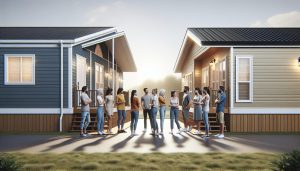
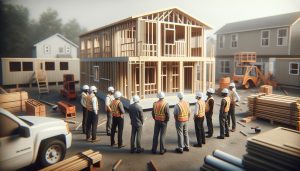
Expanding your mobile home can transform your living space and enhance your quality of life. Did you know that strategic additions can significantly increase both comfort and property value? Whether you’re seeking a more functional family area or adding a home office, understanding how to build thoughtfully onto your mobile home is essential. This guide will walk you through the necessary steps and considerations to ensure your expansion not only meets your immediate needs but also aligns with best practices for safety and compliance. With the right approach and knowledgeable guidance, you’ll be able to create a space that feels like home while maximizing your investment. Dive in to discover how to expand smart and elevate your mobile living experience!
Understanding Mobile Home Architecture and Layouts
Mobile homes have evolved significantly over the years, yet many prospective owners and current residents often grapple with understanding their unique architectural features. Unlike traditional homes, mobile homes typically have a modular layout-planned with a strong emphasis on maximizing space and efficiency. The design usually consists of one or two-story configurations, compact and optimized to fit various living needs, making them an adept choice for those seeking flexibility and mobility.
An important aspect of mobile home architecture is the construction materials and techniques. Usually built with lighter materials and modular components, these homes are designed to be transportable. The exterior often showcases vinyl siding or metal skirting, while the interiors utilize plywood and manufactured wood materials for a balance of affordability and durability. It’s essential to choose the right materials not only for aesthetics but also for enhancing energy efficiency and resilience against environmental elements.
When contemplating an addition, understanding how these architectural elements integrate with your existing structure is crucial. For effective expansion, one must consider the home’s foundation type; many mobile homes rest on piers or blocks, which may necessitate additional reinforcement or adjustments to accommodate an extension. Additionally, roof pitches can vary significantly among mobile homes, impacting how seamlessly an addition blends with the original design. Attention to these details ensures that the space feels cohesive and functional.
In summary, a well-planned addition to a mobile home involves recognizing its unique architectural aspects, optimizing the use of materials, and ensuring structural integrity while enhancing the living experience. With the right approach, expanding your mobile home can not only provide added space but also increase its overall value and livability.
Key Considerations Before Building an Addition
Before embarking on the journey of adding an expansion to a mobile home, it’s essential to take a step back and examine several critical factors that can influence both the process and the outcome. Mobile homes, known for their flexibility and efficiency, also come with specific architectural nuances that can complicate additions if not properly addressed. By understanding these key considerations, you can ensure a seamless transition from your current layout to your desired expanded space.
One of the first steps is to evaluate the current structure of your mobile home. This includes the foundation type-whether your home is set on piers, blocks, or a more permanent foundation-and the height of the existing structure. Many mobile homes have a unique setup that may require additional reinforcement or underpinnings to support the added weight of an extension. Furthermore, roof designs differ significantly between models; thus, a careful assessment of pitch and overall compatibility with the new addition will help in delivering an aesthetically pleasing and structurally sound outcome.
Consideration of local zoning laws and permitting processes cannot be overstated. Regulations can vary significantly by area and are designed to ensure safety and adherence to community standards. Prior to any construction, check with local authorities to ascertain what permits are necessary for your project. Additionally, always keep in mind the potential impacts of your addition on your neighbors and the surrounding environment to maintain positive community relations.
Another essential point to address is the budget. Whether you plan on hiring professional contractors or tackling some aspects of the project yourself, it is vital to create a comprehensive budget that covers all phases of construction, from design to finishing touches. Unexpected costs can arise, so incorporating a contingency fund can provide a cushion against overruns. Be sure to factor in expenses related to materials specifically suited for mobile homes, such as lightweight but sturdy options that comply with the home’s original design.
By taking these considerations into account-foundation integration, regulatory compliance, and budget planning-you will lay a strong foundation not just for your addition, but also for an enriched living experience in your mobile home. Preparing comprehensively upfront helps navigate potential pitfalls, ensuring your expansion aligns beautifully with your lifestyle needs.
Planning Your Mobile Home Expansion Project
Planning an expansion for your mobile home is a significant endeavor that can enhance your living space and improve your quality of life. As you embark on this journey, consider that proper planning is essential to ensure a successful and efficient addition. Understanding your home’s unique characteristics and the available expansion options will allow you to create a seamless transition between your existing mobile home and the new space.
First, it’s crucial to develop a clear vision of your expansion goals. Are you looking to add a spare bedroom, an office space, or perhaps a larger living area? Define the primary function of your addition, as this will guide your design choices and help prioritize your needs. Consider factors such as the layout of your current home, accessibility, and how the new space will be integrated. Also, think about the flow between rooms and the overall aesthetic to ensure cohesion throughout your living environment.
Next, conduct a thorough evaluation of your property’s specific zoning regulations and requirements. Different areas may have unique building codes, height restrictions, and setback laws that could affect your plans. Consult with your local planning department to gather necessary information and secure any required permits. Additionally, check for any community guidelines or homeowner association rules that might impact your project.
Budgeting is another critical component of the planning process. Outline your expected expenses, including materials, labor (if hiring contractors), and permits. It’s essential to account for unexpected costs-aim to set aside at least 10-15% of your total budget as a contingency fund. This approach allows for flexibility in case of unforeseen circumstances that could arise during construction.
Finally, consider the construction timeline. A well-thought-out schedule can keep your project on track and minimize disruption to your daily life. Start by determining the best time of year for construction, considering weather patterns that might influence your project. Create a realistic timeline with milestones to help you stay organized and motivated.
By strategically planning your mobile home expansion, you not only enhance your living space but also ensure that the process goes smoothly. This thoughtful approach sets the stage for a successful addition that aligns perfectly with your lifestyle and home needs.
Designing an Efficient and Functional Space
Creating a well-designed space when adding an extension to your mobile home is crucial for maximizing both functionality and efficiency. Mobile homes often benefit from thoughtful consideration of layout and flow, as space can be limited. It’s important to envision how your addition will integrate with your existing structure while addressing the specific needs of your household.
Begin by identifying the primary purpose of the addition. For instance, if you’re adding a dining area, think about how it will relate to the kitchen and living spaces. Open-plan designs can enhance the sense of space, allowing for better light and movement. Incorporate features like large windows or sliding doors that connect to outdoor areas, bringing in natural light and expanding the sense of space. You might also consider multi-functional furniture, such as extendable tables or built-in storage, which can help maximize the usable area within the addition.
Efficient Layout Strategies
When designing the layout, pay attention to traffic patterns-how people will move through the space. Aim for a layout that minimizes clutter and makes it easy to move from one area to another. Rearranging existing furniture or even altering the flow of rooms in your current layout might be necessary to create a cohesive transition to the new space.
Consider employing vertical space as well. Utilizing shelves, cabinets, and other forms of storage that reach upwards can help keep the floor area open, reducing a cramped feeling. This is particularly beneficial if you’re working with a smaller footprint for your addition. Additionally, consider low-profile furniture that allows sight lines between rooms to remain unobstructed.
Design Elements to Consider
When it comes to aesthetics, strive for a design that complements your existing mobile home style while still reflecting your personal taste. Choosing a consistent color palette and materials for both the new and existing parts of your home will create visual harmony. Elements like matching flooring or wall treatments can nicely bridge old and new spaces.
Ensure that the addition has adequate insulation and airflow, as mobile homes can be prone to temperature fluctuations. Engaging with energy-efficient materials and smart building techniques can provide long-term savings and comfort. Consult with an architect or designer experienced in mobile home construction to explore options that cater to your vision while complying with building regulations.
An addition to a mobile home is not just about expanding the physical space; it’s about enhancing your living environment. With intentional design, thoughtful layouts, and attention to detail, your new addition can serve as a functional and welcoming extension of your home, ensuring both efficiency and comfort for years to come.
Permits and Zoning Regulations for Additions
Before diving into an expansion project for your mobile home, it’s essential to navigate the complex landscape of permits and zoning regulations. Underestimating these legal requirements can lead to costly delays and complications. Each locality has its own set of rules governing construction and modifications to existing structures, particularly when it comes to manufactured homes, which often have additional stipulations.
Understanding Zoning Regulations
Zoning laws are implemented by local governments to regulate land use and ensure development aligns with community plans. Before starting your addition, check whether your property is zoned for residential use and if there are specific restrictions on building size, height, and proximity to property boundaries. Here are some key steps to consider:
- Contact Local Authorities: Visit or call your local zoning office to inquire about the specific requirements and restrictions in your area.
- Gather Documentation: Prepare to present your plans along with necessary documents, such as your property deed and any previous building permits.
- Community Input: In some instances, public hearings may be required, where neighbors can voice their opinions on your proposed project.
Permit Acquisition Process
Once you have a solid grasp of the zoning regulations, the next step is to apply for the necessary permits to legally proceed with your addition. Depending on the scale of your project, a variety of permits may be needed, including:
- Building Permit: Typically required for structural changes, this permit ensures that your construction meets safety and building codes.
- Electrical and Plumbing Permits: If your project involves changes to your home’s electrical or plumbing systems, separate permits are necessary.
- Environmental Permits: In some areas, particularly those near wetlands or other sensitive environments, additional permits may be required to assess environmental impact.
To acquire your permits, complete the required application forms, pay any associated fees, and submit detailed plans for your expansion. Ensure that your plans comply with local building codes to avoid unnecessary revisions.
In conclusion, understanding and navigating the maze of permits and zoning regulations is a critical step when planning an addition to your mobile home. By being informed and prepared, you not only streamline the process but also enhance the likelihood of a successful and compliant expansion, allowing you to transform your living space while adhering to local laws. Remember, patience and thoroughness at this initial stage can lead to a smoother construction experience.
Essential Budgeting Tips for Your Project
Crafting a budget for your mobile home addition is crucial for ensuring a successful project that aligns with your financial capabilities. Surprisingly, many homeowners overlook the calculations necessary to accurately forecast costs, which can lead to unexpected expenses or financial strain. To avoid this, it’s imperative to have a clear understanding of all potential costs associated with the expansion before breaking ground.
Begin by creating a detailed list of all required materials and labor costs. This should include everything from foundation work and framing to roofing, siding, and interior finishes. If you opt for professional help, seek multiple quotes from local contractors to ensure competitive pricing. Remember to also factor in additional costs such as permits, design fees, and unexpected contingencies, ideally budgeting an extra 10-20% for unexpected expenses.
Breakdown of Budget Categories
A well-organized budget should feature categorized expenses that reflect each stage of the project. Here’s a helpful breakdown to consider:
- Materials: Estimate costs for lumber, roofing, insulation, and any interior finishes.
- Labor: If hiring professionals, include estimates for contractors, electricians, and plumbers.
- Permits and Fees: Account for all necessary local permits, which can vary significantly depending on your location.
- Unexpected Costs: Designate a percentage of your total budget for potential overruns due to unforeseen issues like weather delays or additional materials.
Engaging a financial advisor can also be beneficial, especially for larger projects, as they can help you evaluate financing options and the potential return on investment. Always keep communication open with your contractors about your budgetary constraints and preferences. Transparent discussions can foster a cooperative relationship that can lead to cost-saving suggestions during construction.
Maintaining strict adherence to your budget throughout the project not only helps keep overall costs down but also provides peace of mind, knowing that your expansion will enhance your living space without compromising your financial health. By integrating these essential budgeting strategies, you’ll be better prepared for a smooth and successful addition to your mobile home.
Construction Materials Best Suited for Mobile Homes
Selecting the right construction materials for your mobile home addition is crucial not only for the longevity of the expansion but also for maintaining the structural integrity and style of your existing home. Mobile homes, designed for flexibility and efficiency, often require specific materials that adhere to standards of weight and durability while also accommodating the unique elements of manufactured housing. When planning your addition, consider materials that blend performance with aesthetics, and that can withstand various environmental conditions.
Going with lightweight yet strong materials is a practical choice. Wood framing is a popular option, as it is readily available and easy to work with, but ensure to use treated lumber, especially for areas exposed to moisture. Vinyl siding is another excellent choice for exterior finishes due to its low maintenance and resistance to rotting, contrasting nicely with the metal exteriors commonly found on mobile homes. For roofing, consider using lightweight metal or asphalt shingles, which can both offer significant longevity and handle extreme weather better than traditional materials.
Insulation Considerations
Proper insulation is vital for energy efficiency and comfort. Use foam board insulation or spray foam insulation in your walls and under the flooring to maintain temperature control and reduce energy costs. This will establish a cozy environment while also potentially lowering heating and cooling expenses over time.
Flooring Options
Don’t overlook the importance of flooring materials in your addition. Laminate and vinyl plank flooring are highly recommended because they are durable, easy to clean, and resistant to moisture, making them suitable for high-traffic areas or spaces that may be exposed to spills. Additionally, they can help create continuity with your existing home’s interior.
Ultimately, when selecting materials for your mobile home addition, prioritize choices that combine durability, efficiency, and visual appeal while being mindful of the overall integration with your existing structure. This thoughtful approach will ensure a seamless expansion that not only enhances your living space but also elevates the entire home’s value.
Step-by-Step Guide to Building Your Addition
Building an addition to a mobile home can significantly enhance your living space and improve your quality of life. However, navigating through construction requires a well-structured plan to ensure that the expansion meets your needs and complies with regulations. Here is a step-by-step approach to guide you through the process.
Start with careful planning and design. Begin by determining the purpose of your addition-whether it’s a new bedroom, an expanded living area, or a utility space-and how it will fit into your existing layout. Sketch your ideas, focusing on functionality and flow. Once you have a clear concept, create scaled drawings to help visualize the addition, considering factors like natural light and privacy.
Next, securing the necessary permits is essential. Research your local zoning laws and building codes, as these regulations can vary widely. Obtain the required permits before commencing work, as failure to do so can result in fines and required demolition of your project. Communicate with local authorities to ensure compliance and get professional advice if needed.
Once you’re ready to start construction, prepare the site by clearing it of any obstacles and leveling the ground. This preparation may involve digging for a foundation if it’s required, so think carefully about whether to opt for a permanent foundation or a simple skirting fix, particularly customized for mobile homes. Utilize treated lumber for framing, ensuring it withstands moisture and offers robust structural support.
As you frame the new space, be attentive to the roof connection with the existing structure. Proper sealing and insulation will mitigate energy loss and ensure a cohesive look. After framing, install electrical, plumbing, and HVAC systems if your addition requires them. Consult professionals as needed to ensure safety and compliance with building codes.
Finally, finish the interior with durable materials, focusing on flooring, drywall, and insulation. Use lightweight vinyl flooring or laminate, as they complement mobile home styles and withstand wear effectively. Once the construction is complete, allow for a thorough inspection to ensure everything meets safety regulations before enjoying your new space.
By following these steps, you can successfully expand your mobile home, creating a space that meets your needs and enhances the functionality of your home. Each phase, from planning to execution, should be approached with care and diligence to ensure a satisfying and lasting addition.
Hiring Professionals vs. DIY: What to Choose
When considering an addition to your mobile home, one of the biggest decisions you face is whether to hire professionals or take the DIY route. Both options have their advantages, and assessing them carefully can save you time, money, and stress in the long run. Many successful homeowners have discovered that while DIY projects can be rewarding and cost-effective, the expertise and efficiency that professionals bring can often outweigh the initial price tag.
Opting for professionals means you’re likely to benefit from their experience and skill set. Contractors understand the unique requirements of mobile homes, including structural integrity, local building codes, and proper zoning. Their insight can be invaluable, particularly for more complex projects that involve electrical or plumbing work-fields where improper installation can lead to safety hazards and costly repairs. Furthermore, hiring a professional can also offer you peace of mind, ensuring that the project meets regulatory standards and passes necessary inspections. It’s essential to seek licensed contractors who specialize in mobile home renovations; their tailored experience will provide you with guidance on best practices for your specific situation.
On the other hand, taking a DIY approach can be an appealing option, especially if you’re handy and enjoy working with your hands. It can significantly reduce labor costs, allowing you to allocate more of your budget toward materials or other aspects of the project. For smaller additions or cosmetic changes, DIY can also be straightforward and manageable. It also grants you the freedom to make design choices that align wholly with your vision without negotiating with a contractor. Before diving in, it’s vital to honestly evaluate your skill levels, assess the scope of the project, and consider your time commitment; DIY isn’t always as quick as one might think, especially when unexpected challenges arise.
Ultimately, the decision hinges on multiple factors: your budget, your experience, and the complexity of the project. If you go the DIY route, ensure to research thoroughly and perhaps consult professionals for advice on critical phases of the build. Conversely, if you hire experts, take the time to vet potential contractors, check references, and confirm their understanding of mobile home construction. This decision carries weight, impacting both your immediate living arrangement and long-term property value, so choose wisely and with confidence.
Financing Your Mobile Home Addition: Options Available
When planning an addition to your mobile home, understanding your financing options can make a significant difference in your project’s success. Many homeowners may overlook available financial pathways, thinking they must rely solely on savings or personal loans. However, there are several specialized options tailored for mobile home expansions that can empower you to realize your vision without financial strain.
First, consider personal loans specifically designed for home improvements. These loans typically come with fixed interest rates and can be a straightforward way to fund your addition, allowing you to borrow a set amount and repay it over a predetermined period. It’s essential to shop around for loans that suit your financial situation; some lenders may offer favorable terms for home improvement projects related to manufactured housing.
Alternative financing includes home equity loans or lines of credit. If your mobile home is on a permanent foundation and has accrued equity, tapping into this asset can provide funds while leveraging the value of your home. A home equity loan offers a lump sum, whereas a line of credit allows you to withdraw funds as needed, providing flexibility throughout your project. Remember, equity financing can involve risks, as failing to repay could jeopardize your home.
Additionally, specialized lenders like those from the FHA or other state housing programs may offer assistance specifically for mobile homes. They provide low-interest loans or grants for renovation purposes, which can include structural additions. These options can be particularly advantageous, as they often come with more lenient qualification requirements compared to conventional loans.
Lastly, for those considering energy-efficient upgrades as part of their addition, various government incentives and tax credits may be available to subsidize costs. Research local and federal programs aimed at promoting sustainable building practices, which can ease the financial burden while improving your home’s efficiency and comfort.
By exploring these financing avenues, homeowners can approach their mobile home addition project with greater confidence and financial clarity. Whether opting for a straightforward personal loan or leveraging your home’s equity, being well-informed will allow you to make choices that align with your budget and long-term goals.
Insurance Implications for Mobile Home Additions
When expanding your mobile home, understanding the insurance implications is crucial to protect your investment and ensure compliance with local regulations. A significant addition can change the structure’s risk profile, which may affect your coverage needs. First and foremost, it’s necessary to contact your insurance provider before beginning construction. This proactive step can help you understand how the addition will impact your premium and coverage levels.
Types of Coverage to Consider
Mobile home insurance typically includes several coverage options that may be influenced by your remodel. Key aspects to focus on include:
- Dwelling Coverage: This covers the structure of your home, including additions. Ensure that your policy reflects the new square footage and materials used in the addition to avoid underinsurance.
- Liability Coverage: If you hire contractors for the addition, verify that they carry liability insurance. Otherwise, your policy may be held liable for any injuries that occur during the construction phase.
- Personal Property Coverage: Don’t forget to update this aspect if you plan to furnish your newly expanded space. Ensure your policy covers any new appliances, furniture, or other valuables added.
- Loss of Use Coverage: If your existing mobile home is temporarily unlivable due to construction, this coverage can help you afford alternative living arrangements.
Documenting Your Project
Documentation is vital throughout your addition project. Maintain records of all construction contracts, materials purchased, and any correspondence with your insurance provider. Photographic evidence of the addition can also be beneficial when filing claims or updates to your policy. In some cases, your insurer may require a complete update of your home appraisal to reflect the increased value accurately.
Ultimately, staying informed and proactive about your insurance needs can help you navigate the complex landscape of mobile home additions. Remember, the update to your policy not only safeguards your investment but also provides peace of mind as you enhance your living space. By taking these steps, you will ensure that your mobile home addition is not only functional and beautiful but also secure and appropriately protected.
Tips for Maintaining Your Expanded Mobile Home Space
To keep your newly expanded mobile home in top shape, establishing a regular maintenance routine is essential. Maintaining both your original structure and the new addition is crucial to promoting longevity and preserving your investment. This includes not only aesthetic upkeep but also proactive steps that safeguard against potential issues, ensuring that your living space remains functional and comfortable.
Regular Inspections
Conducting routine inspections can identify problems before they escalate. Check for signs of wear and tear, such as cracks in walls or ceilings, leaks around windows and doors, and potential pest infestations. Pay particular attention to the areas connecting the original mobile home and the new addition-these junctions can often experience settling and shifting. Keeping a meticulous inspection log can help track issues over time and streamline repairs.
Maintain the Exterior
The exterior of your mobile home plays a vital role in protecting it from the elements. Regularly clean gutters and downspouts to prevent water buildup, which can lead to flooding and structural damage. Pay close attention to your roof, considering a biannual cleaning to avoid debris accumulation that can trap moisture. Additionally, inspect the exterior siding and paint; touch up areas where paint has chipped or faded to prevent water damage and enhance curb appeal.
Energy Efficiency Practices
An expansion can lead to increased energy costs if not managed properly. To ensure your mobile home remains energy-efficient post-expansion, consider resealing doors and windows when necessary, and evaluate the insulation levels in both the original home and the addition. Installing energy-efficient appliances and proper ventilation can also contribute to lower utility bills and enhance comfort.
Documenting Maintenance Efforts
Keep detailed records of all maintenance and repairs you undertake. This documentation can prove invaluable not only for your peace of mind but also for future insurance assessments, property valuations, or potential resale. Include receipts for materials purchased, photographs of work completed, and notes on any professional services employed. This organized approach will assist in maintaining the integrity and value of your mobile home long-term.
By implementing these maintenance tips, you can enjoy the benefits of your expanded mobile home while safeguarding your investment against common issues. This proactive stance ensures that your home remains a welcoming, efficient, and safe space for you and your family.
Faq
Q: What are the best materials for building a mobile home addition?
A: The best materials for a mobile home addition include treated wood for framing, fiberglass insulation for energy efficiency, and vinyl siding for low maintenance. Consider lightweight options like aluminum or vinyl for roofing, which can minimize stress on the existing structure. Explore more in the “Construction Materials Best Suited for Mobile Homes” section.
Q: How do I ensure my mobile home addition meets local codes?
A: To ensure your addition meets local codes, consult your local building department before starting. Obtain all necessary permits and guidelines relevant to mobile home additions, which may vary by area. Check the “Permits and Zoning Regulations for Additions” section for further details on compliance.
Q: What are some common mistakes to avoid when adding onto a mobile home?
A: Common mistakes include underestimating the importance of permits, ignoring structural integrity, and neglecting to match the new addition’s aesthetic with the existing home. Proper planning can help avoid these pitfalls. For detailed advice, refer to the “Key Considerations Before Building an Addition” section.
Q: How can I finance my mobile home addition?
A: Financing options for a mobile home addition include personal loans, home equity loans, or specialized mobile home renovation loans. Consult financial institutions for the best rates and terms. More financial details can be found in the “Financing Your Mobile Home Addition: Options Available” section.
Q: When is the best time to build an addition onto a mobile home?
A: The best time to build an addition is during dry and moderate weather, typically in spring or early fall. This ensures better working conditions and protects the integrity of materials. Learn more about planning timelines in “Planning Your Mobile Home Expansion Project.”
Q: Can I DIY my mobile home addition?
A: Yes, you can DIY your mobile home addition if you have the right skills and tools. However, it’s crucial to understand local regulations and structural requirements. For guidance on hiring professionals versus DIY, see the “Hiring Professionals vs. DIY: What to Choose” section.
Q: What are the insurance implications of adding onto my mobile home?
A: Adding onto your mobile home might affect your insurance premiums and coverage. Notify your insurance provider of changes to ensure adequate coverage for your expanded structure. For more on this topic, refer to the “Insurance Implications for Mobile Home Additions” section.
Q: How do I maintain my mobile home after an addition?
A: To maintain your mobile home after an addition, regularly inspect for leaks, keep up with routine repairs, and ensure landscaping doesn’t damage the foundation. Find more maintenance tips in the “Tips for Maintaining Your Expanded Mobile Home Space” section.
Final Thoughts
Ready to take your mobile home to the next level? Expanding your space is not just about doubling your square footage; it’s about enhancing your lifestyle. By following the strategies discussed in our guide, from planning and permits to construction techniques, you can transform your mobile home into a spacious haven tailored to your needs. Don’t delay-start your addition today and embrace the comfort of a larger living space!
For further insights, check out our articles on financing options for mobile home renovations and tips for maintaining your mobile home’s structural integrity. Also, consider exploring our guide on landscaping ideas that complement your expanded home, ensuring your outdoor space is just as inviting as the inside. Share your thoughts below or reach out for personalized consultation; your dream home is closer than you think!