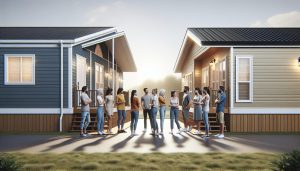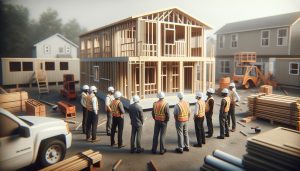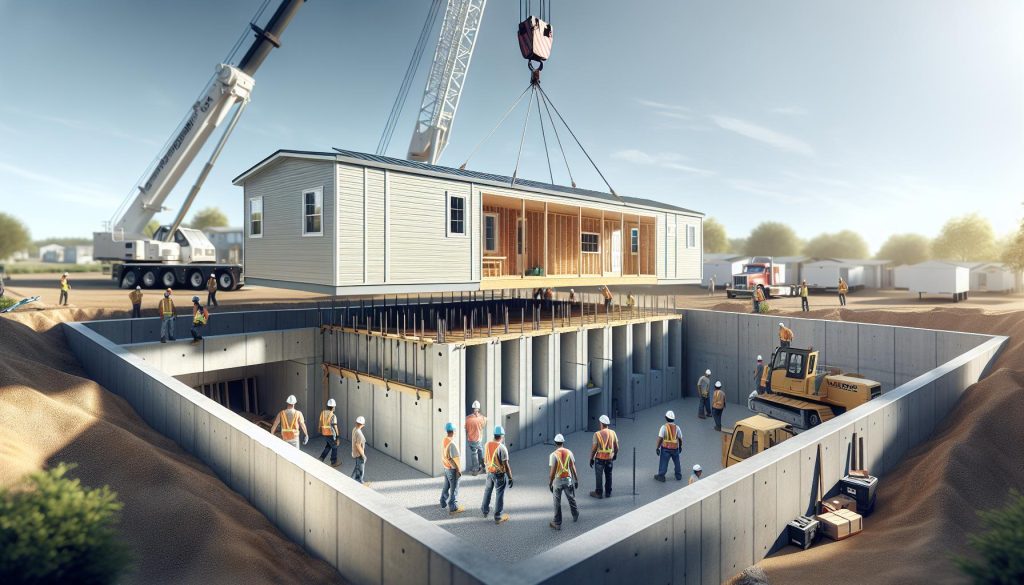
Many prospective homeowners are often unaware that modular homes can be placed on basement foundations, opening up a world of design possibilities and increased living space. This option not only enhances the stability and durability of your home but also provides additional storage, a workshop, or even rental space. As housing needs evolve, understanding the various foundation options for modular homes can empower you to make informed decisions that align with your lifestyle and investment goals. Whether you’re contemplating a new modular home or considering an upgrade, exploring the benefits of a basement foundation might be the solution you’ve been searching for. Dive into this article to learn how you can make the most of your modular home setup and what steps are needed to achieve this foundation style successfully.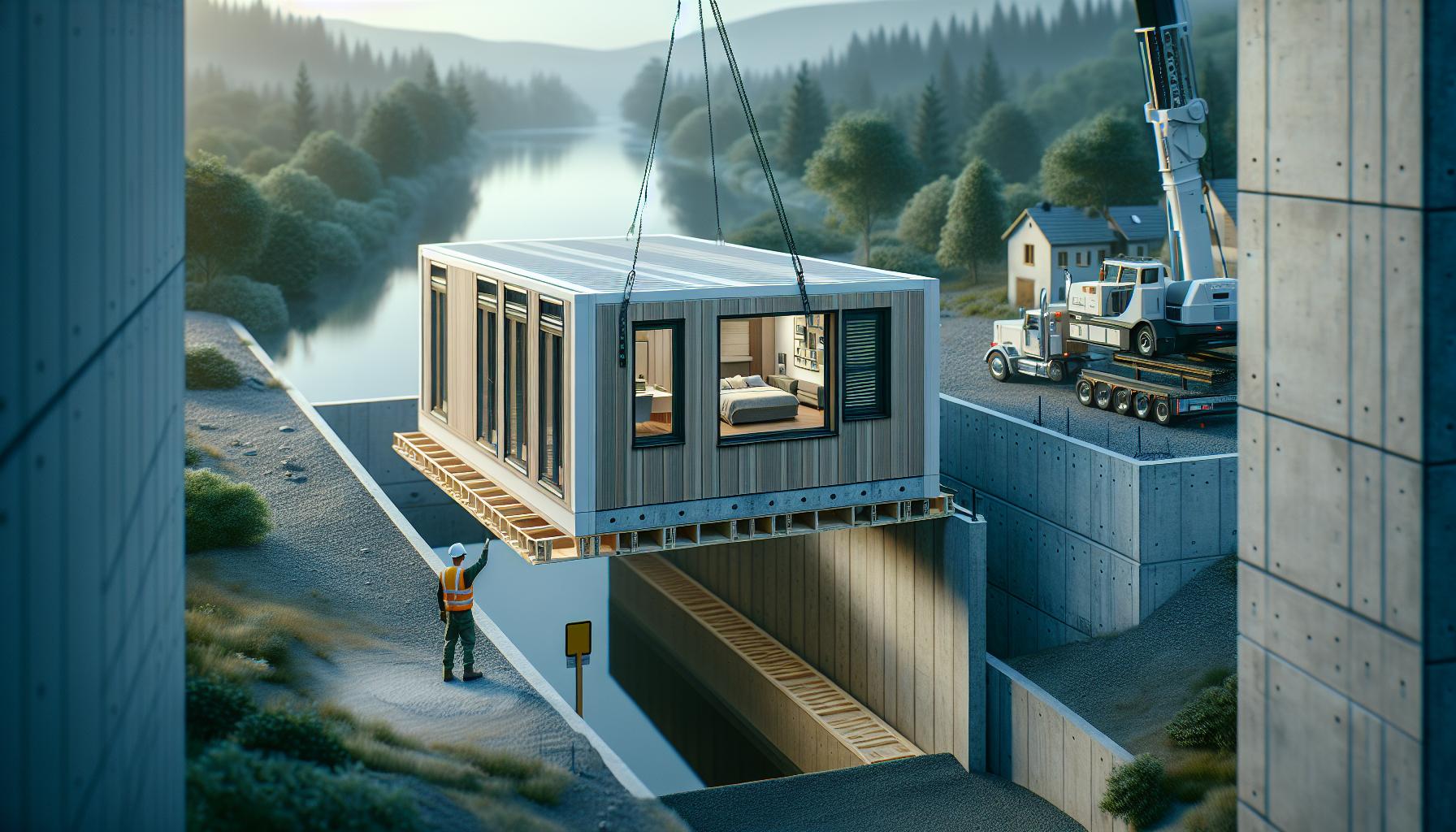
Can a Modular Home Be Placed on a Basement Foundation?
Yes, a modular home can be effectively placed on a basement foundation, offering homeowners additional space and unique benefits that are particularly valuable. Many homeowners choose this combination because it enhances structural integrity, provides extra living or storage space, and integrates seamlessly with the overall landscape. Moreover, building on a basement can help mitigate issues related to flooding and storm damage, as it raises the living space above potential water levels.
One of the primary advantages of placing a modular home on a basement foundation is the increased usable space. This subterranean area can be transformed into anything from additional bedrooms and family rooms to offices or recreational spaces. Additionally, a basement can serve as a storage area, reducing clutter in living areas. The thermal mass of a basement can also improve energy efficiency, helping to maintain comfortable indoor temperatures year-round.
When considering a basement foundation for a modular home, several key factors should be taken into account. First, evaluating local zoning laws and building codes is crucial, as these regulations can dictate your home’s design, placement, and foundation type. Additionally, understanding the soil type and drainage patterns in your area will inform necessary site preparation and ensure the longevity of your home. Engaging with a professional builder or contractor experienced in modular homes can provide tailored solutions that meet both aesthetic and structural needs.
While integrating a basement with modular homes presents numerous benefits, careful planning and consideration are vital. The preparation of the basement must adhere to building codes, which may require permits and inspections. Prospective homeowners should conduct a thorough cost analysis to compare the financial implications of a basement foundation against other foundation options, factoring in potential future repairs, waterproofing measures, and more.
Benefits of a Basement Foundation for Modular Homes
Placing a modular home on a basement foundation can unlock a wealth of possibilities for homeowners, combining practicality with enhanced functionality. One of the standout benefits of this foundation type is the additional space it provides. This extra area can serve various purposes, such as additional living quarters, a game room, or even a home office, significantly increasing the livable square footage of your home. Homeowners often find that basements can also be transformed into storage spaces, alleviating clutter in common areas and creating a more organized living environment.
Moreover, a basement foundation improves the structural integrity of the home. By elevating the living space, it reduces the risks associated with flooding and moisture damage, protecting your investment in the long run. This elevation also aids in maintaining energy efficiency, as the thermal mass of a basement can contribute to more stable indoor temperatures, keeping homes warmer in the winter and cooler in the summer. Couples and families alike appreciate the practicality of basements not only for their physical space but also for the comfort they add throughout the seasons.
Another significant advantage is the potential for increased property value. Homes with basements often appear more desirable in the real estate market, appealing to buyers seeking flexible living options and additional storage. This aspect can be particularly advantageous for future resale, as potential buyers may be willing to pay a premium for homes that offer versatile spaces.
In addition, basements provide excellent opportunities for customization. Homeowners can create their own unique environments tailored to their needs, from finished media rooms to personal gyms, thereby enhancing their living experience. Whether investing in a cozy family space or functional work area, the basement can be a blank canvas for creativity and personal expression.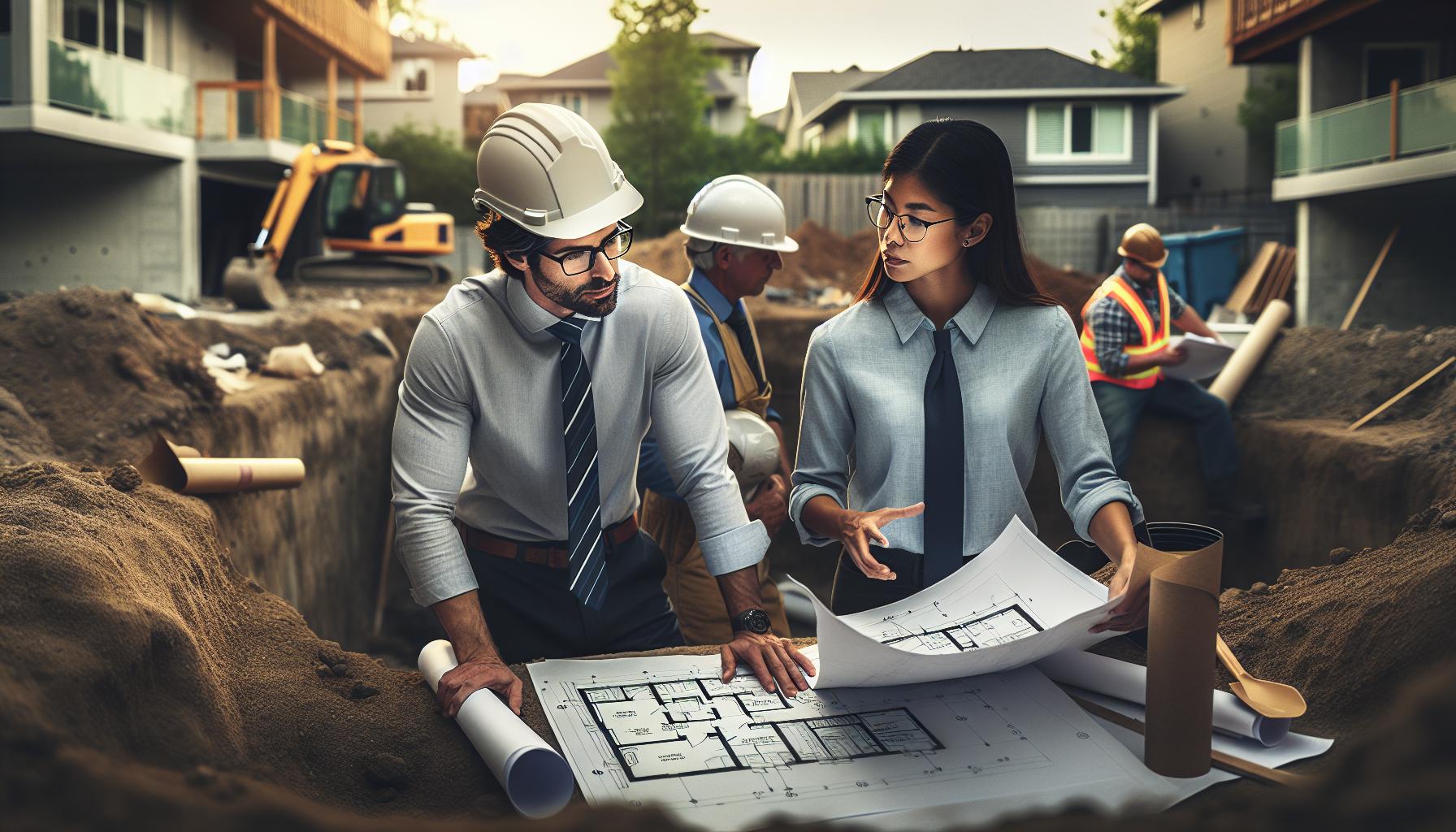
Key Considerations Before Placing on a Basement
Deciding to place a modular home on a basement foundation is a significant commitment that can enhance both the functionality and value of your property. Before taking the plunge, there are several key considerations that you should carefully assess. Understanding these elements will help ensure that your project proceeds smoothly and meets your expectations.
First and foremost, you need to evaluate the structural integrity of your planned basement foundation. Not all basements are created equal; factors such as soil composition, water table levels, and local climate conditions can greatly impact your foundation’s stability. Engaging with a professional engineer or contractor will provide insights into whether your site is suitable for a basement and how best to construct it. Additionally, consider the drainage and waterproofing of the basement, as improper management can lead to moisture issues, mold growth, and costly repairs down the line.
Another important factor is access to utilities. Make sure that plumbing, electrical, and HVAC systems can be easily integrated into your new setup. Positioning these utilities correctly can simplify future maintenance and reduce the risk of service interruptions. Familiarize yourself with local building codes and regulations related to modular homes and basements; securing the necessary permits prior to construction is crucial to avoid fines and operational delays.
Lastly, consider the long-term maintenance that a basement will require. Regular inspections for signs of water damage or structural issues should be part of your routine. If you plan on using the basement for more than just storage, think about how climate control and ventilation might affect your living conditions in that space. Integrating energy-efficient systems can not only enhance comfort but also lower energy costs over time.
Making informed decisions by considering these factors will help you navigate the complexities of placing a modular home on a basement foundation, ensuring that your investment brings a wealth of benefits for years to come.
Steps to Prepare a Basement for Modular Homes
Preparing a basement for a modular home requires careful planning and execution to ensure that the foundation is not only strong but also suited to your living needs. An effective basement setup allows for better ventilation, increased space utility, and can even enhance the property value. The first step is to conduct a comprehensive site assessment. Engage professionals to evaluate soil conditions, including moisture levels and drainage capabilities, which can significantly influence your basement’s durability and functionality.
Once you have established that your site is suitable, the next stage involves excavation and waterproofing. This step is crucial as it prevents water intrusion and protects your home from potential mold growth. Installing a robust drainage system, including sump pumps and French drains, will help redirect any water away from the basement. Make sure to integrate insulation solutions to combat cold temperatures and enhance the energy efficiency of your home. Proper insulation will keep your basement warmer in the winter and cooler in the summer, boosting comfort levels.
Utility Access and Infrastructure
Planning for utilities is a vital component of basement preparation. You should ensure that plumbing, electrical, and HVAC systems can seamlessly integrate into the basement layout. Positioning these utilities correctly not only simplifies installation but also enhances accessibility for future maintenance. When setting up the plumbing, consider whether you will install a bathroom or laundry facilities in the basement; this will dictate the layout and piping requirements. Additionally, evaluate your electrical needs; placing outlets strategically and discussing with your electrician the potential for future expansions will save time and hassle down the road.
Finally, before the placement of your modular home, ensure compliance with local building codes and regulations. This includes obtaining the proper permits and inspections at various stages of your construction. Keep well-documented records of your construction processes, as these can be vital during resale or if any issues arise in the future. With thorough planning and attention to detail, your basement can become a valuable addition to your modular home, offering expanded space and function while maintaining structural integrity.
Cost Analysis: Basement Foundation vs. Other Options
When considering the installation of a modular home, the choice of foundation plays a pivotal role in both budgeting and functionality. A basement foundation, while potentially more expensive upfront, offers numerous advantages that can justify the additional costs. These include enhanced living space, potential energy efficiency, and increased property value. Moreover, a basement can serve multiple purposes, such as storage, a utility area, or even additional living space, making it a versatile investment.
When weighing the costs of a basement foundation against other options, such as crawl spaces or slab foundations, it’s important to consider several factors. Typically, the cost to build a basement can range from $10,000 to $50,000 or more, depending on local labor rates, soil conditions, and the complexity of the design. In contrast, slab foundations usually fall in the $5,000 to $15,000 range, while crawl spaces might cost between $7,000 and $20,000. However, the long-term benefits of a basement, including superior insulation, durability, and potential for added living space, can offset the initial extra expenditure over time.
Additional Considerations
When conducting a cost analysis, further elements come into play:
- Local Real Estate Market: Properties with basements often have a higher resale value, which can be an important factor for homeowners considering an exit strategy.
- Insurance Costs: Basements may require additional insurance considerations, particularly in flood-prone areas, which could impact long-term expenses.
- Energy Efficiency: Basements can provide thermal mass, which helps stabilize temperatures and reduce energy costs, leading to savings over the lifespan of the home.
- Financing Options: Understanding available financing for foundation types can also influence overall costs and affordability.
Investing in a basement foundation may represent a higher initial investment compared to other options, yet the multifaceted benefits it offers, potentially translate into substantial long-term gains. As such, when planning for a modular home, a comprehensive approach that considers immediate and future costs is crucial for making a sound financial decision.
Common Challenges of Modular Homes on Basements
Placing a modular home on a basement foundation can open up a world of extra living space and increased property value, but it does come with its challenges. One primary concern is the complexity of the installation process itself. Unlike traditional homes that may simply sit atop a slab, modular homes require careful alignment with the basement’s structural integrity. This necessitates meticulous planning and possibly specialized labor to ensure that the home is properly anchored and leveled. Any misalignment can lead to significant issues down the line, including structural deformation or water intrusion.
Another challenge that soon becomes apparent is the potential for moisture and water control. Basements, depending on their age, construction quality, and local climate, can be susceptible to dampness or flooding. This necessitates robust waterproofing measures prior to installing the modular home. Homeowners should also consider the installation of a sump pump and drainage systems to redirect water away from the foundation, ensuring that the basement remains a safe and dry space for years to come.
Additionally, building codes and zoning regulations can present hurdles when installing a modular home on a basement. Different municipalities have varying requirements regarding height restrictions, foundation specifications, and seismic or wind load standards. It is critical to engage with local authorities early in the planning process to ensure compliance, as failure to adhere to these regulations can lead to costly delays and modifications.
Another point to consider is the ongoing maintenance required for both the modular home and the basement itself. Homeowners will need to commit to regular inspections of the foundation and waterproofing systems to catch any potential issues, such as cracking or water seepage, before they escalate. Providing proper ventilation within the basement is also vital, as moisture buildup can lead to mold and mildew, posing health risks and damaging the home.
In summary, while the concept of placing a modular home on a basement foundation is appealing for its benefits, addressing the challenges of installation, moisture management, regulatory compliance, and ongoing maintenance is fundamental to ensuring a successful and enduring investment. By carefully planning and implementing these considerations, homeowners can maximize both functionality and durability.
Building Codes and Permits for Basement Installations
Building a modular home on a basement foundation can be an exciting prospect, but it comes with a formidable requirement: understanding and navigating the landscape of building codes and permits. Each locality enforces a specific set of regulations designed to ensure safety, structural integrity, and compliance with zoning laws. As a prospective homeowner, familiarizing yourself with these codes isn’t just beneficial-it’s essential.
When planning your project, start by contacting your local building department. They can provide a comprehensive overview of the specific codes applicable to modular homes and basement foundations in your area. This often includes regulations concerning the minimum depth and type of foundation, which can vary significantly based on soil type and seismic considerations. Be prepared to submit detailed plans that outline the proposed construction, including the type and size of your modular home and the structural specifications of the basement. A consultation with a structural engineer can also be valuable, as they can assist in ensuring your plans meet local safety standards.
Another crucial aspect involves obtaining the necessary permits. Skipping this step can result in fines, forced alterations, or even removal of the structure. Generally, you will need to secure several permits, including:
- Building Permit: This is essential for most construction projects and signifies that your plans have been reviewed and approved.
- Electrical and Plumbing Permits: If your basement will include utilities, you’ll need additional permits to cover electrical work and plumbing installations.
- Land Use Permit: Some areas require this permit to ensure your project conforms to local zoning laws.
The timeline for acquiring these permits can vary; thus, it’s prudent to factor in these delays when planning your construction schedule. Once you have received your permits, keep them on hand throughout the construction process, as inspectors will need to verify compliance during various stages of the project.
Staying informed on local building codes and securing the proper permits may seem daunting, but taking these steps seriously ensures the safety and success of your modular home on a basement foundation. Being proactive not only helps avoid legal complications but also contributes to the overall quality and longevity of your investment.
Design Ideas for Modular Homes with Basement Foundations
Integrating a basement foundation into a modular home can significantly enhance both functionality and aesthetics. By utilizing the basement space creatively, homeowners can maximize their living area while ensuring the modular home maintains an inviting atmosphere. Here are some innovative design ideas to consider.
One approach is to transform the basement into a multi-functional space that serves your family’s needs. Consider designing a home gym that utilizes the lower level’s square footage, allowing for equipment without sacrificing valuable floor space in the main living areas. Adding large windows or glass doors can provide natural light and a view of your backyard, creating an inviting atmosphere for workouts.
Another appealing option is to create a guest suite or in-law apartment in the basement. This idea not only increases privacy for visitors but also adds value to your property. Incorporate an en-suite bathroom and a small kitchenette, which will provide guests with all the amenities they might need. Use tailored design elements, like cozy lighting and warm colors, to make the space feel homey and welcoming.
For families with children, consider transforming the basement into a playroom or game room. This can serve as a dedicated space for games, crafts, and educational activities, keeping the mess contained and separate from the main living areas. Including built-in storage solutions such as shelves or cabinets helps maintain organization while emphasizing a playful design.
In terms of decor, embrace the unique characteristics of a basement environment. Use darker tones and textures to create a cozy atmosphere, complemented by bright accent pieces to uplift the space. Consider using local materials or sustainable options that not only resonate with the aesthetics of a modern home but also align with eco-friendly philosophies.
Finally, make sure to focus on functional aspects while designing your basement. Proper insulation and moisture control are paramount to ensure comfort and durability in spaces that are typically underground. Invest in smart heating and cooling solutions to regulate temperature efficiently and incorporate large windows to bring in light and create a connection with the outdoors.
With thoughtful design, modular homes on basement foundations can thrive in comfort, style, and functionality, proving to be both practical and aesthetically pleasing.
Long-term Maintenance Tips for Basement Modular Homes
To ensure that your modular home on a basement foundation remains in great condition for years to come, establishing a solid long-term maintenance routine is essential. Basements can introduce unique challenges due to their underground nature, with moisture, temperature variations, and structural integrity being key factors to manage. By implementing proactive maintenance strategies, you can protect your investment and enjoy the additional living space that a basement provides.
Regular inspection of your basement is crucial. Check for signs of water intrusion, which can cause damage not only to the basement itself but also to the modular home above. Look for damp spots, mold growth, or musty odors, as these can indicate issues with drainage or hydrostatic pressure. Investing in a good sump pump and ensuring that your gutters direct water away from the foundation can mitigate many moisture-related issues. Additionally, consider waterproofing the basement walls to further enhance protection against moisture.
Ventilation is another critical aspect of basement maintenance. Proper airflow helps to minimize humidity levels, which can prevent mold and mildew growth. Installing ventilators or using dehumidifiers can significantly improve air quality, making the basement a more pleasant environment for activities, whether it’s a playroom, gym, or extra living space. Regularly clean and replace air filters in any heating or cooling systems to maintain efficient operation and a healthy environment.
Lastly, do not overlook the structural integrity of your home. Periodically inspecting the foundation for cracks or signs of settling is vital. If you notice significant issues, consulting with a structural engineer or professional contractor may be necessary to address potential problems early before they escalate. Keeping the exterior landscaping in check can also help; avoid planting trees too close to the foundation, as their roots can cause damage or displacement over time.
In summary, maintaining a modular home on a basement foundation involves regular inspections, effective moisture control measures, and vigilant care of the structural elements. By addressing these factors, you will not only extend the life of your home but also create a safe and pleasant space to enjoy.
Case Studies: Successful Basement Modular Home Projects
A growing trend in modular home construction is the integration of basement foundations, which provides enhanced living space, stability, and potential financial advantages. Several homeowners have successfully navigated this process, showcasing the versatility and benefits of placing modular homes on basements.
One impressive example is a family in Pennsylvania who opted for a modular home on a walk-out basement. This design not only offered them a beautiful landscape view but also allowed for easy access to their lower-level living space, which they converted into a guest suite. They emphasized the importance of proper waterproofing and venting to address moisture concerns, enabling them to enjoy a dry and pleasant basement year-round. Their successful experience highlights how strategic planning can turn potential challenges into valuable assets.
Another noteworthy case involves a couple in North Carolina who designed their modular home with a finished basement meant for their home office and recreational area. By collaborating closely with their builder, they ensured the basement was insulated effectively, which helped maintain optimal temperatures despite the underground location. They particularly appreciated the increased property value and argued that a well-designed basement adds significant equity compared to typical modular setups on slabs.
Additionally, a project conducted in Colorado showcases a modular home placed on a poured concrete basement foundation, equipped with ample egress windows and smart drainage systems. The homeowner reported considerable energy savings due to the thermal mass of the concrete, which helped regulate the indoor climate. This case illustrates how careful consideration of local climate conditions and building materials can lead to an energy-efficient and functional living space.
When embarking on a similar journey, it is essential for prospective buyers to research local building codes and consult experienced builders. By learning from existing projects and understanding the nuances of building on a basement, homeowners can enjoy the full spectrum of benefits that a modular home with a basement foundation can offer.
Financing Options for Installing a Modular Home on a Basement
Financing a modular home that utilizes a basement foundation can be a strategic decision, combining potential livability improvements with enhanced property value. Various options exist to assist prospective homeowners in covering the uniquely structured costs associated with this type of setup.
One primary avenue for financing is traditional home loans, including conventional mortgages. It’s crucial to communicate with lenders whether the loan can encompass both the home and the basement foundation costs. While standard mortgages can cover modular homes, many lenders may require that the home is classified as real property rather than personal property, particularly if it will be on a permanent foundation.
For those considering government-backed loans, programs like FHA or VA loans may also be applicable. These loans often provide favorable terms, including lower down payments and interest rates, which can help offset overall costs. FHA loans, in particular, are beneficial because they allow for the inclusion of the basement in the overall construction financing, making it easier to secure funds without needing a separate loan for the foundation.
Another option is construction-to-permanent loans, which provide money for both the construction of the home and the foundation. This type of loan converts into a traditional mortgage once the home is completed, streamlining the financing process. This can alleviate the financial burden during the construction phase, allowing homeowners to focus on the building process itself.
Home equity loans or lines of credit (HELOC) are additional financial tools that some homeowners consider, especially if they already own property. Leveraging existing equity can support the cost of the modular home and the basement foundation installation. However, it’s crucial to assess the risks involved with borrowing against your current home equity before proceeding.
In conclusion, while financing a modular home on a basement foundation may come with its own set of challenges, a variety of financing options can ease the process. Prospective buyers should engage in comprehensive discussions with lenders and explore all available avenues to secure funding that aligns with their financial strategies and long-term goals. By understanding these financing options, homeowners can make informed decisions that support their aspirations for enhanced living spaces-adding both functionality and value to their property.
Frequently Asked Questions
Q: Can a modular home be installed on a basement foundation?
A: Yes, a modular home can be installed on a basement foundation, offering added living space and utility. Ensure your chosen model is designed for this type of foundation and consult with a professional to meet local building codes.
Q: What are the advantages of placing a modular home on a basement?
A: Placing a modular home on a basement foundation provides extra living space, increased property value, and protection from flooding. It allows for efficient use of land and better energy efficiency, as basements can help regulate temperature.
Q: Are there special requirements for installing modular homes on basements?
A: Yes, ensure compliance with local building codes, obtain necessary permits, and consider drainage and waterproofing solutions. Consult professionals for site preparation and foundational support tailored for a modular home.
Q: How do I prepare my basement for a modular home installation?
A: Preparing a basement for a modular home requires assessing site conditions, ensuring proper drainage, waterproofing the foundation, and installing necessary utilities like plumbing and electricity. Consulting a contractor can streamline this process.
Q: What costs should I expect when installing a modular home on a basement?
A: Expect costs related to site preparation, foundation work, and utilities installation. While basement foundations can be more expensive initially, they may enhance long-term value and energy savings.
Q: How does a basement foundation affect the design of a modular home?
A: A basement foundation allows for various architectural designs and features such as walkout basements or larger windows. These elements can enhance light and accessibility, providing a more spacious feel.
Q: What are the common challenges when placing a modular home on a basement?
A: Common challenges include ensuring proper drainage, potential moisture issues, and adhering to zoning laws. Working with experienced builders can help mitigate these challenges effectively.
Q: How can I maintain a modular home on a basement foundation?
A: Regular maintenance involves monitoring for water leaks, maintaining drainage systems, and checking for signs of mold and mildew. Consider seasonal inspections to ensure the integrity of the foundation and interior spaces.
In Retrospect
In conclusion, placing a modular home on a basement foundation not only enhances its structural integrity but also provides additional living space and protection. As you consider this pathway, remember the value of thoughtful planning and expert advice in navigating your options. If you’re ready to dive deeper, explore our guides on financing modular homes and best practices for site preparation to ensure a successful project.
Don’t hesitate to reach out if you still have questions or need guidance tailored to your unique situation. Sign up for our newsletter for the latest tips and insights on modular home ownership, and join our community discussions to connect with other homeowners. Your dream of a modular home on a solid foundation is just the beginning-let’s get started on your journey today!