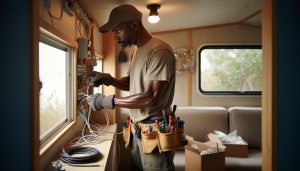
As modular homes gain popularity for their efficiency and sustainability, questions about their quality and construction standards become paramount. Understanding whether these homes are built well impacts not only potential buyers but also existing residents concerned about longevity and safety. With a commitment to quality, modular construction processes utilize rigorous standards that promise durability and reliability. This article delves into the essential aspects of modular home quality, helping you make informed decisions and appreciating the craftsmanship involved. Discover how modular homes can be a viable and high-quality housing choice that meets modern needs while addressing common concerns about safety, durability, and investment value. Let’s explore the foundations of quality in modular homes and what it means for your living experience.
Are Modular Homes Really Quality Built?
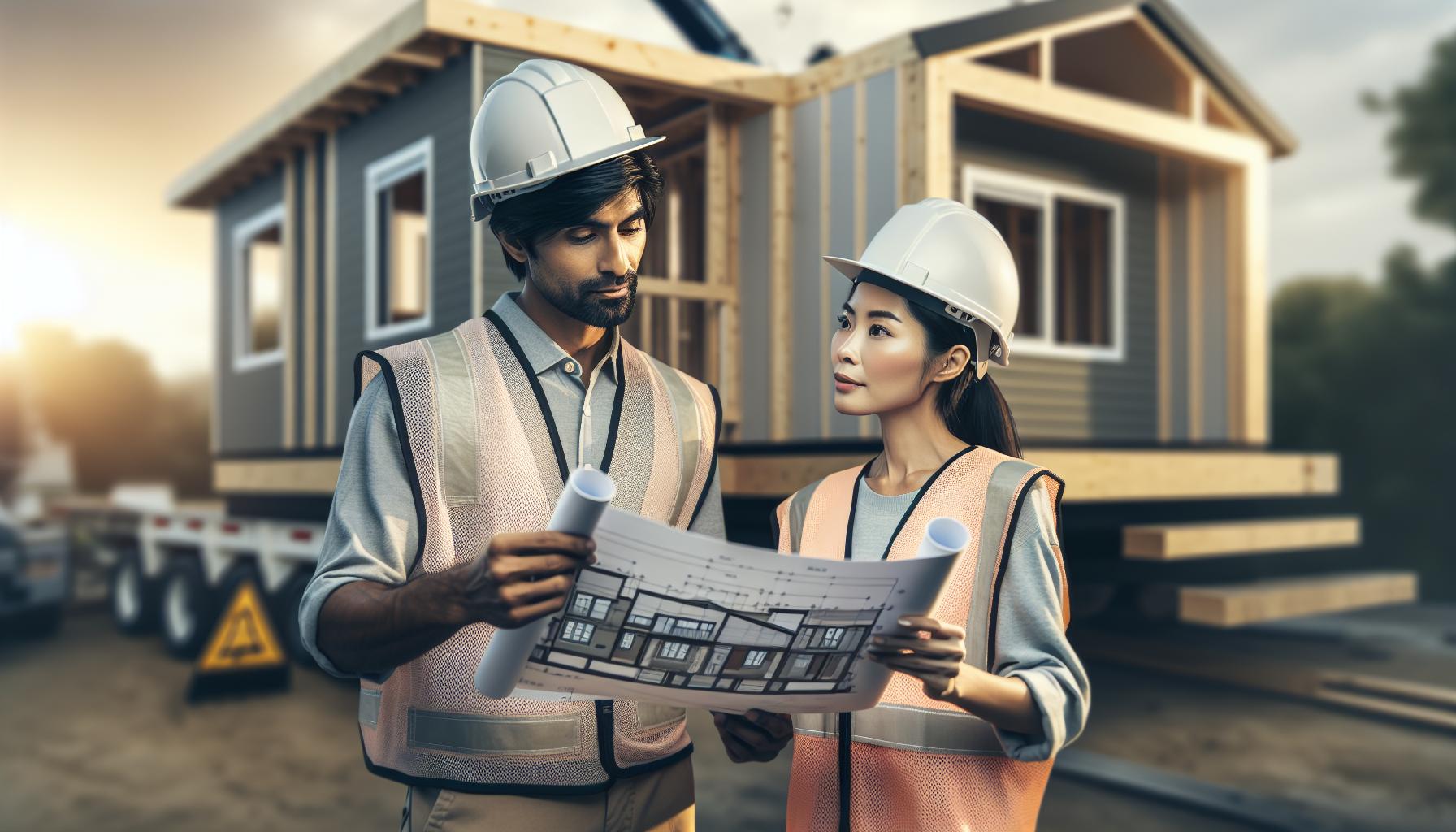
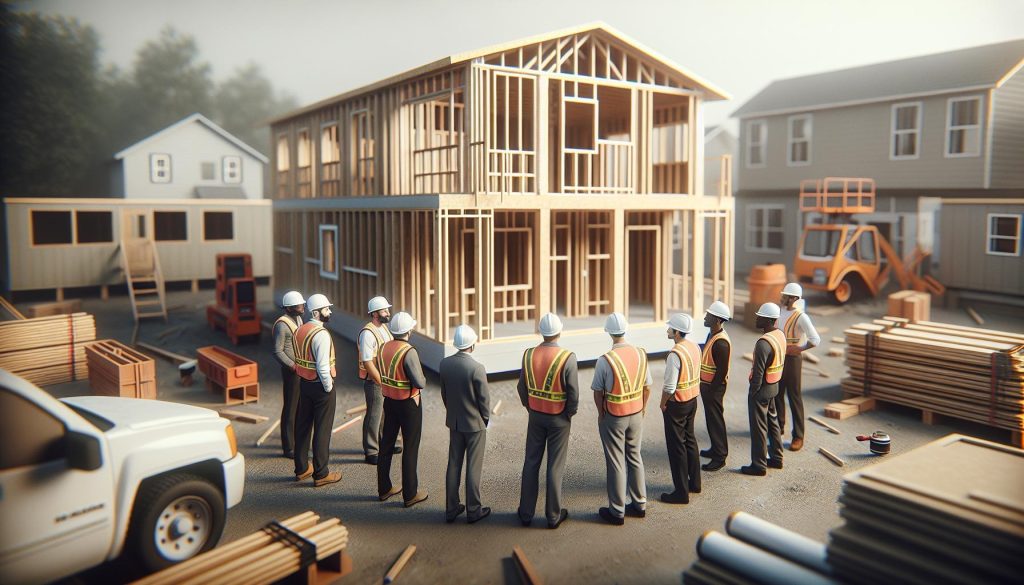
Modular homes have increasingly gained popularity for their quick build times and affordability, but potential buyers often question their quality relative to traditional homes. The truth is that modular homes are built to stringent safety and quality standards, making them a viable housing option for many. They are constructed in a controlled environment, which minimizes weather-related delays and inaccuracies in building processes. This factory-based construction allows for consistent quality and often better materials compared to those used in site-built homes.
Construction Standards and Quality Assurance
One of the key factors that ensures modular homes are well-built is the adherence to rigorous construction standards. Modular homes are required to meet the same building codes and regulations as traditional homes, which are enforced by local authorities. This includes standards related to electrical work, plumbing, and structural framing. Furthermore, inspections occur throughout the construction process, with each module being evaluated before it leaves the factory.
To add another layer of assurance, many modular home manufacturers invest in third-party inspections. These independent evaluations provide an extra assurance of quality, ensuring that homes meet both safety and structural integrity standards. Buyers can request information about these inspections, adding to their confidence in the home they’re purchasing.
Debunking Myths About Modular Quality
One of the persistent myths surrounding modular homes is that they are of inferior quality compared to stick-built homes. However, this perception often stems from outdated notions of what modular construction entails. Today’s modular homes can be customized to include high-quality finishes and modern designs, allowing for a diverse range of styles and layouts that often surpass traditional homes in aesthetic appeal.
Moreover, many modular homes utilize advanced building technologies and high-grade materials, ensuring not only that they are energy-efficient but also that they can withstand the test of time. With options for energy-efficient upgrades such as improved insulation, smart home technology, and durable roofing materials, modular homes can be as robust as any other home on the market.
As you consider a modular home, it’s essential to evaluate builders carefully to ensure you are selecting a reputable company. Research customer reviews, check for industry certifications, and visit model homes. When chosen wisely, a modular home can offer both the quality and satisfaction that homeowners expect and desire.
Understanding Modular Home Construction Standards
When considering the quality of modular homes, it’s essential to understand the stringent construction standards they adhere to throughout the building process. Modular homes are not only designed to meet local, state, and federal building codes, but they must also pass rigorous inspections at various stages of construction. This ensures each home is built under conditions that are often more controlled than those on traditional construction sites. Here’s a closer look at the factors contributing to the high building quality of modular homes.
One of the primary distinctions between modular homes and traditional ones is the factory-based construction. In a controlled environment, workers can manage materials and processes which reduces the risk of common site-related issues, such as rain delays or temperature fluctuations affecting the drying times of materials. Conducting construction indoors leads to greater efficiency in quality control, which is often reflected in superior craftsmanship. Each module undergoes thorough inspections before it leaves the factory, and these inspections cover various elements such as structural integrity, electrical systems, plumbing, and insulation quality.
Third-Party Inspections
To bolster buyer confidence, many reputable modular home manufacturers engage third-party inspectors who evaluate the homes’ compliance with industry standards. This additional oversight provides an independent verification of quality, ensuring that modular homes stand up to safety and structural integrity requirements. Buyers are encouraged to request documentation that outlines the results of these inspections, which can provide peace of mind and detailed insight into the home they are considering.
Customized Build Standards
Moreover, modular homes can be tailored to an extensive range of specifications and finishes based on buyer preferences. Advanced technologies in modular construction allow homeowners to incorporate features that enhance energy efficiency and long-term durability, making them an eco-friendlier option without compromising aesthetic appeal. From energy-efficient windows to high-grade insulation systems, modular homes are designed with longevity and sustainability in mind.
Investing in a modular home does not mean sacrificing quality for the sake of affordability. Instead, with proper research and due diligence when choosing a builder, buyers can find a modular home that meets their expectations for quality, durability, and style. Owning a modular home can indeed offer a satisfying and reliable housing solution.
Key Differences: Modular vs. Traditional Homes

When evaluating the quality of construction in modular homes, it’s important to recognize the fundamental differences between modular and traditional homes. One significant difference lies in the construction process itself. Modular homes are constructed in a factory setting, allowing for enhanced control over construction variables such as weather and material handling. This creates an environment where skilled tradespeople can consistently apply best practices, which significantly reduces the risk of errors that may occur in traditional site-built homes where construction is subject to local conditions.
Additionally, the level of quality control in modular home construction is often superior. Each module or section of a modular home undergoes meticulous inspections throughout the building process. These inspections encompass structural integrity, plumbing, electrical systems, and insulation, ensuring that each component meets or exceeds national and local building codes. In contrast, traditional homes typically experience variability in construction quality due to working conditions and the varying expertise of different contractors involved in the process.
Another noteworthy aspect is customization. Modular homes can be tailored extensively to meet the preferences of buyers, allowing for a wide range of features and finishes that can enhance both functionality and aesthetics. Builders often utilize advanced technologies that facilitate energy efficiency and sustainability, making modular homes an eco-friendlier option without compromising quality. From high-performance windows to comprehensive insulation solutions, buyers can choose features that suit their lifestyles and needs.
Furthermore, modular homes typically offer a quicker turnaround from design to moving in. This is largely due to the streamlined manufacturing process, which reduces the overall construction time. While traditional homes can be delayed by weather, permit issues, and other site-specific factors, modular homes can be completed in a fraction of that time, leading to faster occupancy.
In summary, the primary differences in quality assurance, construction methods, customization options, and scheduling responsiveness distinguish modular homes as a viable choice for those seeking reliable and high-quality housing solutions. By understanding these differences, prospective homeowners can make informed decisions in navigating the modular housing market with confidence.
Comprehensive Review of Manufacturing Processes
In the world of housing, modular homes represent a fascinating blend of efficiency and quality, setting them apart from traditional construction methods. The manufacturing process for these homes is far from simple; it is a well-structured system designed to uphold high standards while ensuring quicker build times. Understanding this innovative process is key for prospective buyers looking for cost-effective yet durable housing solutions.
Modular homes are constructed in large, climate-controlled factories, which allows for meticulous control over quality. The manufacturing process generally unfolds in several stages:
1. Design and Engineering
The journey begins with design and engineering. Modular home plans are often fully customizable, allowing buyers to tailor layouts, materials, and features to their specific preferences. Advanced software aids in this process, ensuring precise calculations and adherence to local building codes.
2. Fabrication of Modules
Once the design is finalized, the factory begins fabricating the modules. This involves assembling walls, floors, and roof sections using high-quality materials such as engineered wood products, thermally efficient insulation, and sustainable building materials. The use of these materials not only enhances durability but also contributes to energy efficiency.
3. Quality Assurance Inspections
Each module undergoes rigorous quality assurance inspections at several points during the manufacturing process. These evaluations check for compliance with national and local building codes, focusing on vital areas like structural integrity, plumbing, electrical systems, and insulation. Inspections help identify any issues early, which minimizes costly repairs after installation.
4. Transportation and On-Site Assembly
After fabrication, the completed modules are carefully transported to the building site. This phase requires attention to detail, as the modules must be transported safely and securely to prevent any damage. Once on-site, experts work to assemble the modules, completing connections for utilities, roofing, and exterior finishing.
5. Final Inspections and Occupancy
Upon completion, final inspections are conducted to ensure everything is up to standard before occupancy. Similar to traditional homes, modular homes must comply with local zoning and safety regulations, ensuring that homeowners can move in with confidence.
Through this streamlined manufacturing process, modular homes achieve remarkable quality and efficiency. Buyers benefit not only from rapid construction times but also from a product that meets or even surpasses traditional building standards. Furthermore, the ability to customize and incorporate energy-efficient technologies in these homes emphasizes their appeal in the sustainable living market. As more individuals consider modular homes, understanding this manufacturing process can guide them toward making informed decisions about their housing investments.
Materials Used in Modular Home Construction
When it comes to modular home construction, the materials used play a crucial role in determining not only the aesthetic appeal but also the longevity and energy efficiency of the home. Unlike traditional homes, which often encounter variability due to on-site weather conditions and differing labor skills, modular homes benefit from controlled factory conditions that optimize the use of quality materials. This results in structures that are built to last and designed for energy efficiency.
One of the fundamental materials used is engineered wood products, which include laminated veneer lumber (LVL) and oriented strand board (OSB). These materials are favored for their strength and stability, as they are designed to resist warping and shrinking, common issues seen with traditional lumber. Furthermore, engineered wood supports energy-efficient building designs, allowing for larger open spaces without compromising structural soundness.
Insulation Types
In terms of insulation, many manufacturers utilize spray foam insulation or fiberglass insulation, both known for their excellent thermal performance. Spraying foam into the cavities allows for a tighter seal and better energy efficiency, leading to fewer drafts and lower heating and cooling costs. This is particularly important in settings with extreme weather conditions, as it helps maintain a comfortable indoor climate.
Exterior Finishes
Additionally, modular homes often feature high-quality siding materials such as vinyl, fiber cement, or wood composite. These materials not only enhance the curb appeal but also provide durability against the elements. Many manufacturers offer a variety of finishes and colors, allowing homeowners to personalize their investment while ensuring exposure to harsh environmental factors like wind and rain is minimized.
Energy-Efficient Technologies
Modular homes can also incorporate energy-efficient technologies such as solar panels and energy-efficient windows. The ability to integrate these technologies during the factory production phase positions modular homes as an attractive option for those pursuing sustainable living.
Overall, the selection of materials in modular home construction is intentional and strategic, aimed at delivering a quality product that meets or exceeds the standards found in traditional building methods. By focusing on robust, high-performance materials, buyers can feel confident in their investment, not just in terms of aesthetics but also regarding safety, comfort, and energy efficiency.
Quality Assurance and Inspections Explained
When investing in a modular home, understanding the quality assurance processes and inspections that occur during construction is crucial to making an informed decision. Modular homes are subjected to strict guidelines that ensure they meet or exceed local and national building codes, often resulting in a product that is both durable and compliant with safety standards. Each modular unit undergoes a comprehensive series of quality checks throughout the manufacturing process, which helps mitigate concerns typically associated with off-site construction.
One of the critical components of quality assurance in modular homes is the rigorous inspection protocol mandated by various organizations. Homes are assessed at different stages of production, often including inspections for plumbing, electrical systems, structural integrity, and insulation. Manufacturers typically adhere to standards set forth by groups like the International Code Council (ICC) and the American National Standards Institute (ANSI), ensuring that each home is not only built to code but also constructed using high-quality materials. Furthermore, inspection results must be documented and are often available for prospective buyers to review, providing transparency in the construction process.
Importance of Third-Party Inspections
In addition to manufacturer-led inspections, many buyers opt for independent third-party inspections. These inspectors can provide an unbiased assessment of the home’s quality, highlighting any areas of concern before finalizing the purchase. This additional layer of scrutiny can offer peace of mind, ensuring that the home is ready for occupancy and will stand up to the test of time. Buyers should seek out inspectors who are familiar with modular construction specifically, as this expertise is essential for a thorough evaluation.
Common Quality Assurance Practices
The process of ensuring quality in modular homes includes several best practices:
- Pre-Construction Planning: Detailed architectural designs and pre-manufacturing assessments are essential for a successful build.
- Material Selection: Manufacturers prioritize high-performance materials that contribute to the overall safety and durability of the home.
- In-Factory Inspections: Regular checkpoints for quality control during every construction phase ensure adherence to specifications.
- Final Quality Review: Before shipping, a final review is conducted to ensure the home meets quality and code requirements.
Understanding the breadth of quality assurance and inspections for modular homes enables buyers to navigate their purchasing decision with confidence. By recognizing the commitment to quality throughout the construction process, prospective homeowners and investors can appreciate the advantages of choosing a modular home, knowing that adherence to stringent standards leads to a safe and durable living environment.
Common Myths About Modular Home Quality
Despite the growing popularity of modular homes, several myths about their quality persist in the minds of potential buyers and the broader public. One widespread misconception is that modular homes are fundamentally inferior to traditional site-built homes. In reality, modular homes are constructed under stringent regulations and quality control measures that often exceed those of conventional homes. These homes are subjected to robust inspections at multiple stages of the building process to ensure they comply with relevant codes and standards, providing a level of assurance that often surpasses traditional construction methods.
Another common myth is that modular homes lack customization options. Many buyers believe they have to compromise on aesthetics or functionality, but today’s modular builders offer a wide range of designs and finishes. From open floor plans to energy-efficient features, prospective homeowners can choose layouts and materials that fit their personal tastes and needs. This flexibility challenges the stereotype of modular homes being a one-size-fits-all solution, showcasing them instead as a viable choice for unique and modern living spaces.
Some people also worry that the materials used in modular construction are of lower quality. However, reputable manufacturers employ high-quality materials that meet or exceed local building codes. Many builders select materials that enhance the durability and energy efficiency of the home, ensuring that they stand the test of time. Buyers should be diligent in researching manufacturers and understanding the specific materials used, as this can greatly influence their home’s performance and longevity.
Lastly, potential buyers often question the long-term durability of modular homes, fearing they might not fare well in extreme weather conditions. While older models may have had limitations, today’s modular homes are designed and built to withstand harsh climates, including high winds and heavy snowfall. Advanced engineering techniques and robust building practices now ensure that these homes are not only aesthetically pleasing but also capable of enduring the elements effectively.
By dispelling these myths, potential buyers can approach the modular home market with a clearer, more informed perspective. Understanding the actual standards and practices of modular construction helps individuals feel more confident in their choice, recognizing that modular homes can be both high-quality and customized to individual needs, offering a safe and stylish living environment.
Addressing Safety Standards in Modular Homes
Safety is a paramount concern for any homebuyer, and modular homes are built to meet strict safety standards that ensure a secure living environment. One of the key aspects of modular home safety is that these homes are constructed in accordance with both federal and local codes, which are often more rigorous than those for traditionally built homes. As a result, modular homes undergo a comprehensive series of inspections throughout the manufacturing process. These inspections ensure compliance with safety regulations concerning structure, electrical systems, plumbing, and HVAC systems, significantly enhancing overall safety.
Compliance and Inspections
During the manufacturing phase, modular homes are built in a controlled environment, which allows for meticulous attention to detail and standardized quality control. Each modular unit is evaluated at various stages of construction, including framing, electrical rough-ins, insulation, and final assembly. This structured approach reduces the margin for error, and all units must pass several inspections before they reach the construction site for assembly. Many manufacturers comply with the International Building Code (IBC) and other regulations tailored for their specific locations, ensuring that every aspect of the home is safe and reliable.
Safety Features Included in Design
Today’s modular homes are not only built to comply with safety standards but also incorporate various design features that enhance safety. For instance:
- Fire Safety: Many modular homes come equipped with smoke detectors and fire alarms installed as standard features, helping to alert residents of any potential danger.
- Wind and Storm Resistance: Advanced engineering techniques allow modular homes to withstand severe weather conditions. Homes designed for hurricane-prone areas often include storm tie-downs and reinforced structures.
- High-Quality Materials: Modular builders use materials that meet or exceed safety standards, contributing to the overall durability and longevity of the home. This includes impact-resistant windows and doors among other upgrades.
Long-Term Safety and Structural Integrity
When properly assembled and maintained, modular homes can offer the same, if not enhanced, safety standards as traditional homes. It’s vital, however, for homeowners to follow specific installation procedures, such as ensuring proper anchoring and leveling, which can affect the home’s ability to endure extreme weather conditions.
Modular homes also benefit from continuous innovations in safety technology and building practices. Homebuyers should seek modular builders who prioritize these advancements and provide transparent documentation regarding safety standards and compliance. By selecting a reputable builder, buyers can be assured that their modular home is not only an economical choice but also a safe and secure place to live. This approach not only addresses immediate safety concerns but also fosters confidence in the durability and structural integrity of the home in the long run.
Long-Term Durability of Modular Homes
Modular homes are designed with durability in mind, often outperforming traditional houses in longevity under certain conditions. Constructed in a controlled factory environment, these homes benefit from the rigorous oversight of materials and assembly processes. This level of attention not only enhances resistance to common issues like moisture and pests but also ensures that the structural integrity of the home can withstand environmental challenges over time. Consequently, buyers can often expect their modular home to provide enduring value with proper maintenance and care.
Construction Techniques and Materials
One of the key factors contributing to the is the advanced construction techniques utilized during the building process. These homes are often built with durable materials that are specifically chosen for their strength and resistance to wear and tear. For example, the use of higher-grade lumber, reinforced steel framing, and robust insulation techniques can significantly improve durability. Modular homes also often feature seamless joints and better weatherproofing, reducing the chance of leaks and environmental damage.
Maintenance Guidelines
To ensure the longevity of a modular home, regular maintenance is crucial. Homeowners should establish a seasonal maintenance routine that includes:
- Regular Inspections: Check for signs of moisture intrusion or pest infestation, which can impact the structural integrity over time.
- Utility Checks: Ensure that plumbing and electrical systems are functioning correctly to avoid larger problems later on.
- Exterior Care: Keep gutters clear, and inspect the roof and siding for damages that can lead to long-term issues.
By adhering to these guidelines, homeowners can significantly extend the life of their modular homes and maintain their value over time.
Weather Preparedness
In addition to routine maintenance, specific preparedness strategies can further enhance the durability of modular homes against harsh weather conditions. Homes located in areas prone to severe weather should be equipped with appropriate measures, such as:
- Storm Tie-Downs: Ensure proper installation of tie-downs designed to secure the structure during high winds.
- Ventilation Systems: Proper ventilation not only helps regulate temperature but also reduces humidity, which is crucial in avoiding mold and rot.
- Foundational Adjustments: For properties in flood-prone areas, consider elevating the home or using a pier and beam foundation to mitigate water damage risks.
By thoughtfully considering these aspects of modular home construction and maintenance, homeowners can confidently invest in their homes, knowing they are built to last and prepared to withstand the tests of time and nature.
How to Choose a Quality Modular Home Builder
Choosing the right builder for your modular home can have a profound impact on the overall quality, durability, and longevity of your investment. A quality modular home builder should not only construct a well-built home but also help navigate the complexities of customization, financing, and local regulations. Start your journey by researching potential builders thoroughly; check their credentials, and reviews, and seek out past client testimonials. This foundational step can provide valuable insights into their reputation and the quality of homes they produce.
When evaluating builders, inquire about their experience and what sets them apart. A reputable builder will have a solid track record, ideally with several years in the modular home industry. Ask to see examples of previous projects and whether they can offer references from satisfied customers. Additionally, assess their communication style. A builder who is easy to reach and responsive to inquiries will ensure that you are kept informed throughout the entire process.
Examine the types of materials and construction methods the builder utilizes. Quality builders typically offer higher-grade materials, which contribute to the overall quality of the home. Discuss their approach to energy efficiency, insulation, and technology options. Builders should be well-versed in the latest industry standards and able to articulate how their building methods contribute to energy savings and sustainability.
Finally, consider the warranty and post-construction support offered by the builder. A good warranty can provide peace of mind and ensure that you are protected in the event of construction-related issues after the home is complete. Look for builders who offer extensive warranties and a structured post-sale support system. By taking these steps, you can confidently choose a builder who will deliver a modular home that not only meets your expectations but stands the test of time.
Customer Experiences: Satisfaction Ratings and Reviews
Customer feedback plays a crucial role in understanding the actual quality and satisfaction of modular homes. Many homeowners report strong contentment with their modular home experiences, often highlighting the combination of affordability and quality construction. These homes are built under strict quality standards and are subject to comprehensive inspections during the manufacturing process, which can create a higher initial confidence for buyers when compared to traditional homes.
Real Experiences: Ratings and Reviews
Many prospective buyers investigate customer reviews and satisfaction ratings before making a purchase. According to various surveys, modular homes often receive ratings in the range of 4 to 5 stars for overall satisfaction. For instance, delighted customers frequently mention the speed of construction, with homes generally assembled within a matter of weeks rather than months. Homeowners also appreciate the energy efficiency-an essential factor when it comes to long-term cost savings.
Key positive sentiments include:
- Quality of Construction: Many modular homeowners reported higher-than-expected quality in their homes, especially when comparing to site-built homes. Insulated and energy-rated materials tend to outperform traditional standards.
- Customization: Reviews often highlight the ease of custom design options that allow homeowners to personalize their space without prohibitive costs.
- Minimal Delays: The streamlined manufacturing process significantly reduces common construction delays, earning praise from many clients who value prompt project completion.
However, it’s important to consider negative experiences as well. Some customers express concerns about post-construction service and warranty issues; these can vary widely between builders. High-quality builders often provide solid warranty support and maintenance services, establishing long-term relationships with their clients. Engaging with previous customers directly can often offer insights into how these concerns are managed.
In sum, examining customer ratings and testimonials is essential for prospective modular home buyers. They provide valuable real-world insights into quality, customer service, and satisfaction levels, helping inform the decision-making process and ensuring that the chosen builder aligns with particular needs and expectations. By listening to the voices of existing homeowners, future buyers can navigate their journey with greater confidence and clarity.
Maintaining Your Modular Home: Best Practices
Maintaining a modular home is crucial for ensuring its longevity and performance. Unlike traditional homes, modular units provide owners with unique advantages, including efficiency and often higher build quality. However, understanding how to care for these structures can help you maximize your investment and enjoy your home for years to come.
One of the foundational aspects of maintenance involves regular inspections and repairs. It’s essential to check for any areas where water may accumulate, such as around the roof, gutters, and downspouts. Ensuring proper drainage prevents water damage, which is vital in maintaining the integrity of your modular home. Regularly inspect appliances and systems within the home, such as HVAC units, plumbing, and electrical systems, to catch issues early.
Another important consideration is performing seasonal maintenance. Ideally, schedule these checks at least twice a year. In the spring and fall, inspect insulation, check for pests, and ensure windows and doors seal tightly. Performing a roof inspection is also beneficial; consider hiring a professional if there are signs of wear or damage. In colder climates, be particularly vigilant about winterizing your home to prevent freezing pipes, which can lead to significant problems.
You should also focus on the exterior of your modular home. Clean and seal any decks and patios regularly to prevent rotting, and inspect siding for wear and tear. Additionally, consider landscaping elements, such as keeping trees trimmed away from the structure, to reduce the risk of storm damage.
When it comes to specific tasks, owners should know how to perform minor repairs themselves, like patching small holes and repainting. Keeping branded materials and tools handy can help you address simple wear-and-tear without the need to call a professional. For more complex issues, such as structural concerns or major system failures, always consult with a qualified professional who understands modular home construction standards to ensure any repairs comply with local codes.
By following these best practices, modular home owners can ensure a robust maintenance routine that preserves the quality and value of their homes. The goal is not only functional stability but also creating a comfortable and sustainable living environment that can be enjoyed for many years.
Frequently asked questions
Q: Are modular homes built to last?
A: Yes, modular homes are built to last, often using higher quality materials and standards than traditional homes. They are constructed in controlled environments, ensuring consistent quality and durability. Proper maintenance can extend their lifespan significantly, making them a viable long-term housing solution.
Q: What quality standards govern modular home construction?
A: Modular homes must adhere to relevant building codes and standards set by organizations such as HUD and local building codes. This includes quality assurance practices and inspections throughout the construction process, ensuring that safety and quality are prioritized.
Q: How do modular homes compare in quality to traditional homes?
A: Modular homes often exceed traditional homes in construction quality, as they are built in a factory setting with precise control over materials and processes. Additionally, they undergo rigorous inspections, which are less common in traditional site-built homes, ensuring a higher quality finish.
Q: What common misconceptions exist about the quality of modular homes?
A: A common misconception is that modular homes are inferior in quality to traditional homes. In reality, they are built to strict standards and can include high-end finishes and durable materials, often outperforming many site-built homes in quality.
Q: Are there warranty options for modular homes?
A: Yes, most modular home builders offer warranty options that cover various aspects of the home, including structural and system components. It’s important to review the specific terms of the warranty when purchasing to understand what is covered.
Q: How can I ensure I’m choosing a quality modular home builder?
A: Research potential builders by checking their reputation, customer reviews, and credentials. Visit previous projects if possible, and inquire about their construction practices and quality assurance procedures to ensure they meet industry standards.
Q: What maintenance practices help maintain the quality of a modular home?
A: Regular maintenance, such as roof inspections, plumbing checks, and exterior upkeep, is crucial for preserving modular home quality. Implementing these practices can prevent issues and extend the home’s lifespan, aligning with best practices for all residential properties.
Q: How do I find customer reviews for modular homes?
A: Customer reviews can be found on builder websites, social media platforms, and review sites like Yelp or Google. Engaging with online communities and forums focused on modular homes can also provide insights from current owners about their experiences.
Future Outlook
As we’ve explored the quality standards of modular homes, it’s clear that they can be built to last with the right specifications and professional oversight. If you’re considering investing in a modular home, remember that understanding these standards is crucial for making an informed decision. Don’t wait too long-connect with a trusted manufacturer or broker today to discuss your options and see how you can get started on your journey to homeownership.
For more insights on modular and manufactured homes, check out our guides on financing options and essential maintenance tips. You can also explore our resource on the benefits of investing in factory-built homes for additional information. Have questions or thoughts? We encourage you to share in the comments below! Your experience could help fellow readers navigate their own choices, creating a community that thrives on shared knowledge. Embrace the possibilities of modular living and take the next step toward a quality home that fits your lifestyle!