When considering a modular home, most people envision stylish interiors and modern designs. However, what lies beneath the surface can be equally fascinating and crucial to your understanding of long-term home ownership. Exploring the hidden aspects of a modular home not only reveals its structural integrity but also addresses essential concerns like foundation stability, moisture control, and overall durability. Many prospective buyers may overlook these critical elements, leading to future maintenance issues or unexpected expenses. In this article, we’ll delve into the often-overlooked secrets of what a modular home looks like underneath. By understanding these underlying components, you can make informed decisions, ensure your home remains a safe haven, and optimize your investment for years to come. Join us as we uncover the hidden truths that every modular homeowner should know.
What Are Modular Homes Made Of? Discovering the Materials
Modular homes are crafted with a variety of materials that not only adhere to building codes but also optimize strength, durability, and energy efficiency. Typically, these homes consist of a combination of wood, steel, and fiberglass, which are chosen for their lightweight yet sturdy properties. The framing often utilizes high-quality timber, which is engineered for better structural integrity and resilience to weather conditions. Additionally, modern modular homes frequently integrate advanced materials like engineered wood which significantly minimizes the chance of warping, splitting, or sagging over time.
When it comes to exterior finishes, modular homes can be clad in various materials, such as vinyl siding, wood, or fiber cement, providing both aesthetic appeal and weather resistance. The roofing materials are equally important; options like asphalt shingles, metal, or even tile are commonly used to protect the home from the elements while complementing the overall design. Inside, the use of drywall and high-efficiency, non-toxic insulation contributes to a safer and healthier living environment, helping to regulate indoor temperatures and minimize energy costs.
Every component, from the HVAC systems to the wiring and plumbing, is integrated into the modules during factory assembly, ensuring that everything meets strict quality guidelines before transportation. This attention to detail, combined with the use of durable materials, not only enhances the longevity of modular homes but also ensures a sound investment for prospective buyers or investors. Understanding these material choices can empower future homeowners to appreciate the quality and potential of modular construction, reinforcing its place as a reputable housing solution in today’s market.
The Construction Process: Building a Modular Home
Constructing a modular home is a fascinating process that combines precision engineering with innovative design, often resulting in a quality living space that exceeds traditional construction standards. One of the most notable aspects of building a modular home is the use of factory-based production techniques. Homes are crafted in a controlled environment where modules are constructed simultaneously, allowing for faster build times and reduced labor costs compared to traditional site-built homes. This method minimizes potential delays caused by adverse weather or other site issues, ensuring that projects stay on schedule.
During construction, each module is built according to rigorous standards, with quality assurance checks at various stages. This includes framing with engineered wood for durability, insulating with high-efficiency materials, and integrating electrical and plumbing systems before the modules are transported to the site. This off-site assembly not only reduces waste but also facilitates a higher degree of customization based on homeowner specifications. In fact, many homeowners engage in the design phase, selecting finishes and layouts while the modules are being constructed, ensuring their new home aligns perfectly with their lifestyle and needs.
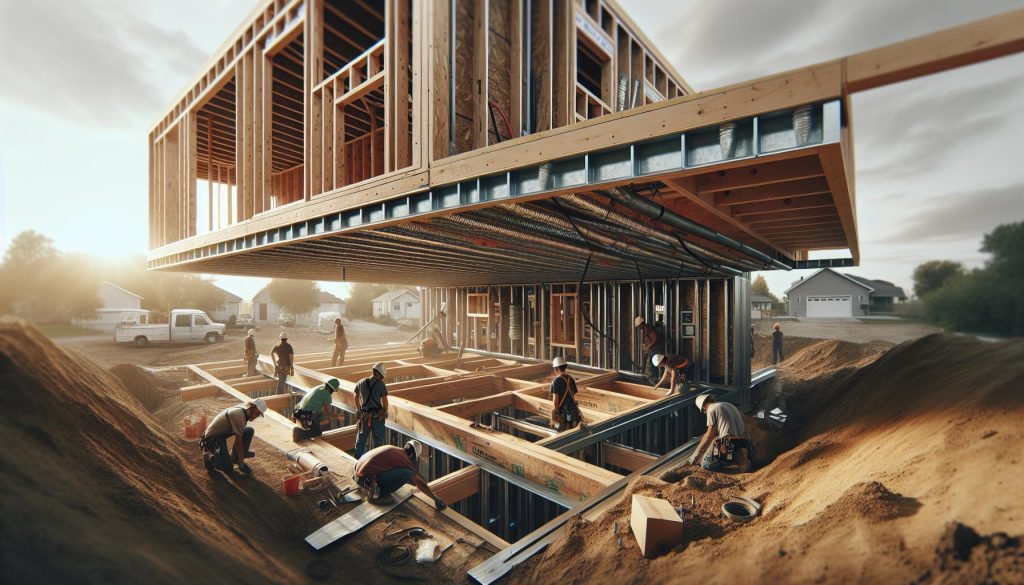
Once the modules arrive on-site, they are meticulously positioned on a pre-prepared foundation-whether a slab, crawl space, or basement-which is essential for the home’s stability and can also affect its long-term energy efficiency. The seamless joining of the modules is a critical step, where skilled craftsmen ensure that connections are watertight and structurally sound. Homeowners are often surprised at how this system of construction allows for hidden elements such as plumbing and electrical components to be easily accessible yet unobtrusive, all while maintaining aesthetic appeal.
Understanding this construction process is crucial for potential buyers and existing homeowners as it reveals the underlying quality and complexity of modular homes. The emphasis on efficiency, time savings, and sustainability not only benefits the homeowners but also sets a benchmark in the housing market for modern living. Investing in a modular home is not just about acquiring a property; it’s about embracing a forward-thinking approach to housing that meets the demands of contemporary life.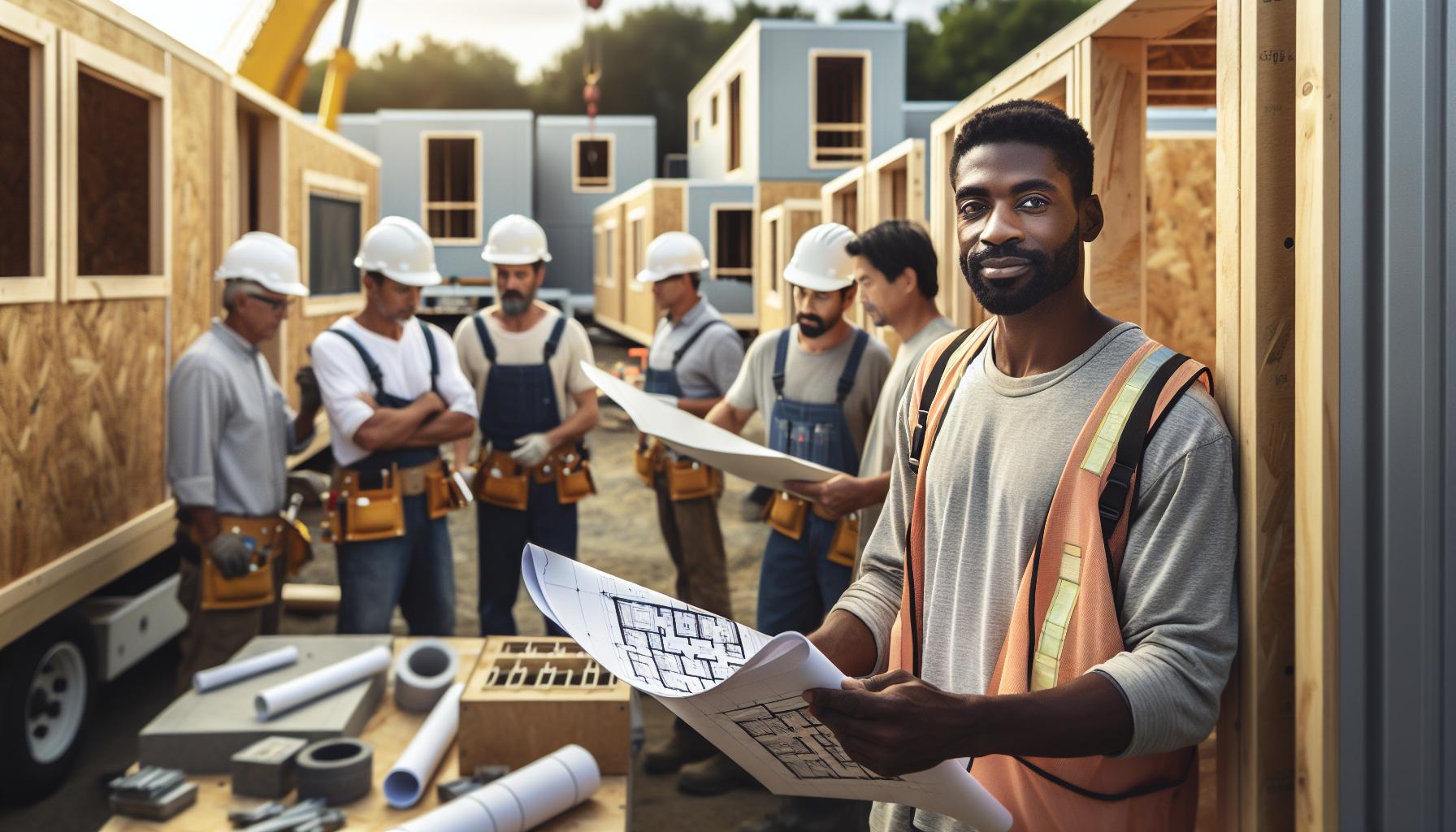
Unique Features of Modular Homes: Beyond the Surface
Living in a modular home often surprises newcomers due to the multitude of unique features hidden beneath the surface. These homes are a model of efficiency and modern design, and their innovative construction methods provide advantages that set them apart from traditional homes. One significant aspect of modular homes is the integration of advanced materials and engineering techniques, resulting in structures that are not only aesthetically pleasing but also built for resilience and longevity.
Modular homes utilize high-quality materials such as engineered wood and eco-friendly insulation which contribute to enhanced strength and superior energy efficiency. Below the visual appeal, the hidden framework supports customization while prioritizing durability and safety. For instance, the use of steel in the structural design also allows for large open spaces within the home, promoting flexibility in living arrangements. This thoughtful approach to construction ensures that each modular unit is tailored to meet the individual needs of homeowners without compromising on quality.
Another intriguing feature is the meticulous planning of spaces that often goes unnoticed. The plumbing and electrical systems are expertly designed to be both efficient and accessible. This strategic placement not only simplifies access for maintenance but also ensures that crucial systems are integrated seamlessly into the design of the home. Homeowners can enjoy a living space with optimized function, as these essential systems do not detract from the home’s overall aesthetics.
Moreover, the technology used in constructing modular homes often includes sustainability-focused elements, like energy-efficient appliances and smart home technology, which are integrated from the get-go. These features promote not just comfort and convenience but also cost savings over the long term, making modular homes a wise investment for potential buyers. The beauty of modular living is not only in their exterior charm but also in the thoughtful, hidden features that cater to modern living needs and sustainable practices.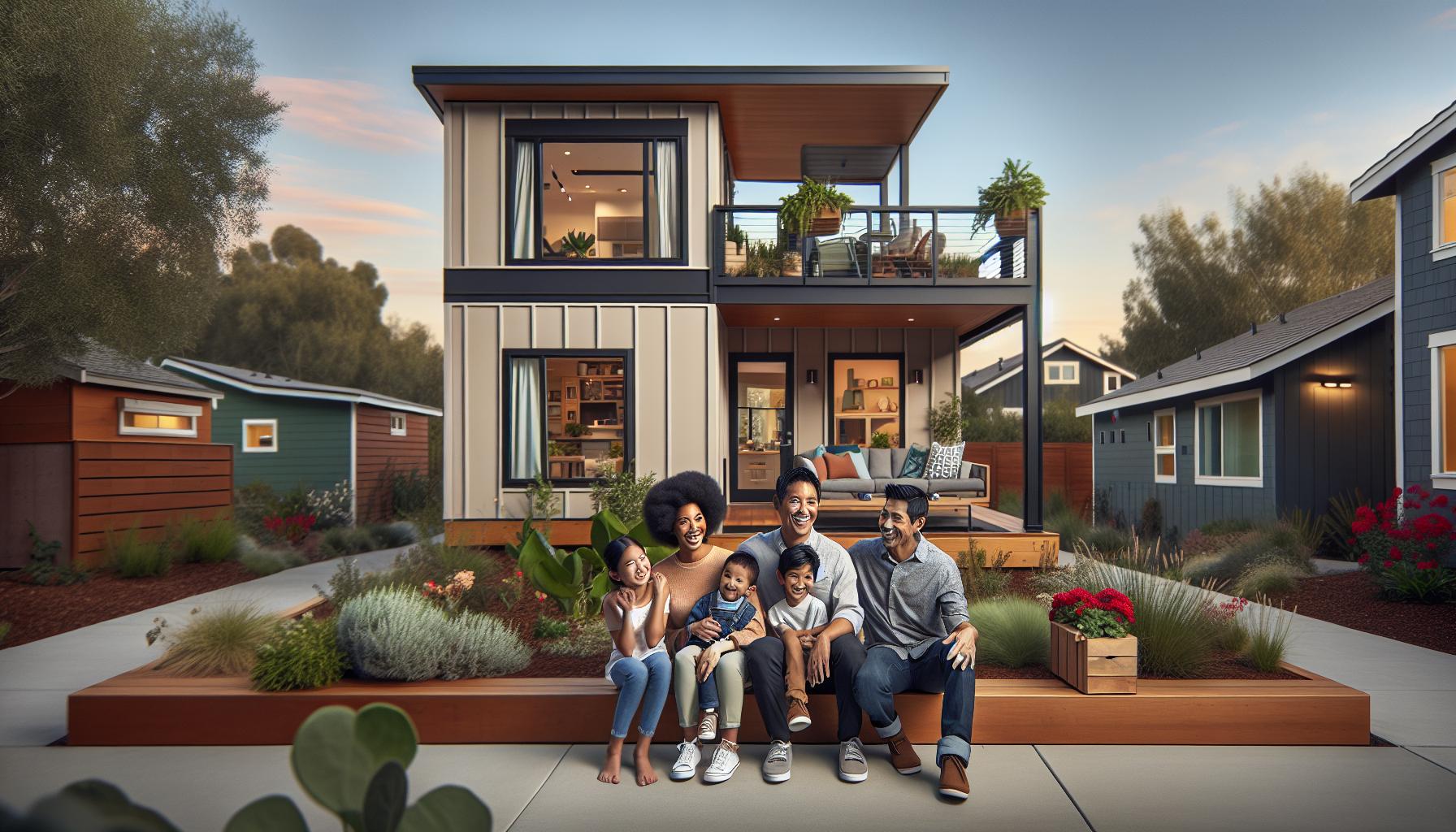
Understanding the Foundation: What Lies Beneath
The foundation of a modular home is not just a structural necessity; it is the backbone that supports the entire living environment and all the hidden systems within. What lies beneath reveals critical aspects that homeowners and potential buyers should understand. Modular homes often rest on a variety of foundations, each designed to suit specific environments and homeowner preferences. Understanding these options enhances appreciation for modular living and underscores its viability as a modern housing solution.
Foundation Types
Modular homes can be installed on several types of foundations, which generally include:
- Crawl Space Foundations: These elevate the home off the ground, providing a space that allows for easy access to plumbing and electrical systems. This setup is common in areas with potential flooding issues, as it helps prevent damage during heavy rains.
- Basement Foundations: For those seeking additional living or storage space, a basement foundation is an excellent option. This type offers enhanced living space potential while boosting the home’s structural integrity.
- Slab Foundations: Simple and cost-effective, a slab foundation consists of a concrete pour directly on the ground. While it eliminates the need for a crawl space or basement, it may limit access for repairs or installations of utilities.
No matter the foundation type, proper installation is crucial. The home must be leveled correctly to avoid structural issues later on, including water drainage problems or even stress fractures in walls.
Site Preparation and Anchoring
Before a modular home can be set on its foundation, site preparation is necessary. This involves clearing the area and ensuring it is stable and level. For many regions, particularly those prone to severe weather, additional measures like anchoring help secure the foundation against wind and earthquake damage.
Homeowners should prioritize compliance with local codes and regulations to guarantee that the foundation meets safety standards. Consulting with professionals who specialize in modular homes can provide crucial insights and ensure that the installation is handled efficiently.
Long-term Maintenance and Inspections
Foundational stability is not a set-and-forget aspect; routine inspections are important. Homeowners should regularly check for signs of settling or shifting, which can lead to more severe issues down the line. Additionally, with crawl space foundations, ensuring that moisture barriers are in place can help prevent mold and other moisture-related damages that can arise from poor ventilation or water intrusion.
In summary, understanding the importance of the foundation in modular homes helps to appreciate the complexity and durability of their design. The right foundation not only supports the structure but also plays a vital role in the overall longevity and maintenance ease of the home. By being informed about these hidden elements, homeowners can enjoy the peace of mind that comes with knowing their investment is built on solid ground.
Insulation and Energy Efficiency in Modular Homes
Modern modular homes are designed with energy efficiency in mind, showcasing advanced insulation techniques that enhance comfort while minimizing energy costs. One compelling fact is that well-insulated homes can save homeowners up to 30% on utility bills, making the choice of insulation vital for both financial and environmental reasons. The essence of insulation in modular homes is not merely about keeping the interior warm during winters or cool during summers; it’s about creating a sustainable living environment that balances comfort with cost-effectiveness.
A variety of insulation materials are commonly used in modular homes, each having distinct advantages.
- Fiber Glass Insulation: One of the most prevalent types, fiberglass is known for its efficiency and soundproofing qualities. It is available in batts and loose-fill forms, making it adaptable for various areas within the structure.
- Foam Board Insulation: This provides excellent thermal resistance and is particularly effective in foundation walls, which helps prevent heat loss through contact with colder ground.
- Spray Foam Insulation: Known for its high R-value per inch, spray foam expands upon application, sealing gaps and crevices effectively to minimize air leaks.
Implementing effective insulation techniques contributes significantly to the overall energy efficiency of a modular home. Builders and owners should consider the following strategies:
Strategic Insulation Placement
Properly placing insulation in key areas such as attic spaces, walls, and crawl spaces is crucial. It’s recommended to consult with professionals who understand local climate conditions and can suggest suitable R-values for different regions.
Sealing Gaps and Cracks
In addition to proper insulation, sealing any gaps around windows, doors, and penetrations for pipes and wires can further enhance energy conservation. Utilizing caulk and weather-stripping is a straightforward DIY method to improve efficiency without incurring significant costs.
Regular Maintenance
Homeowners should conduct regular checks for insulation integrity. Insulation can settle or get damaged over time, leading to reduced efficiency. Investing in periodic professional inspections can help maintain the home’s energy performance.
Ultimately, high-quality insulation not only contributes to reducing energy usage and costs, but it can also positively impact the environmental footprint of modular homes. By prioritizing insulation and energy efficiency, homeowners can enjoy a more comfortable living space while making a sustainable choice for their future.
Plumbing and Electrical Systems: Hidden Infrastructure
The plumbing and electrical systems in modular homes, often perceived as mere utilities, play a crucial role in a home’s functionality and safety. Understanding these systems goes beyond appreciation; homeowners can actively ensure their efficiency, longevity, and compliance with safety standards. Typically housed within the walls and beneath floors, these hidden infrastructures are meticulously designed to meet the specific needs of modular living, making them both practical and adaptable.
Plumbing systems generally consist of a network of pipes that handle both freshwater supply and wastewater removal. Most modular homes utilize PEX (cross-linked polyethylene) or PVC (polyvinyl chloride) piping, each with unique benefits. PEX is known for its flexibility and resistance to freezing, making it ideal for colder climates. Meanwhile, PVC is lightweight and affordable, often used for drain lines. When considering the maintenance of your plumbing, it’s essential to regularly inspect for leaks, clogs, or unusual noises, as these can indicate issues that need addressing before they escalate.
Electrical Systems: The Heart of Your Home
Electrical systems in modular homes are designed for efficiency and safety, adhering to the National Electrical Code (NEC) and any local regulations. Wiring options typically include copper or occasionally aluminum, with copper being the standard due to its superior conductivity and durability. These systems not only power your home’s lighting and appliances but also integrate technology for optimal energy management. Conducting periodic evaluations, such as checking outlets and breakers, can prevent potential electrical hazards.
Homeowners should also consider how their plumbing and electrical systems interface with the overall building structure. For instance, ensuring that venting for plumbing systems is properly addressed helps to mitigate odors and maintain air quality. Meanwhile, proper grounding and bonding of electrical systems are necessary to reduce shock hazards and improve overall safety. Regular maintenance checks from qualified professionals can provide peace of mind, ensuring that all systems are functioning well and complying with safety codes.
In summary, being proactive about the plumbing and electrical systems in a modular home not only enhances comfort and convenience but also protects the home from potential damage and safety risks. By staying informed and engaged with these hidden infrastructures, homeowners can enjoy a secure and efficient living environment.
Codes and Regulations: Complying with Standards
In the world of modular homes, compliance with local, state, and federal codes ensures that your investment is not only safe but also of high quality. These regulations govern every facet of construction, from electrical systems and plumbing to foundation installations and energy efficiency. Understanding these standards helps you navigate the complexities of home ownership and safeguards your living environment.
One key aspect of modular home construction is adherence to the International Building Code (IBC) and the National Electrical Code (NEC). These codes dictate minimum standards for design and safety to protect you and your family. For instance, electrical installations must meet strict requirements regarding wiring, circuit breakers, and safety features like ground fault circuit interrupters (GFCIs) in wet areas, to prevent electrical shock hazards. Regular inspections during and after construction verify compliance, ensuring that the home is built to last.
Additionally, modular homes must often fulfill specific zoning regulations that vary by locality. These rules can cover everything from the height and placement of your home on the lot to the materials used in exterior finishes. It’s crucial to consult local zoning ordinances before purchase, as failing to comply can result in fines or even forced removals. Always work with reputable builders who understand and adhere to local compliance requirements, ensuring that your new home won’t run into legal or safety issues down the line.
Beyond initial construction, ongoing maintenance must also meet specific codes. Electrical systems may require periodic inspections, while plumbing should be assessed for leaks and proper drainage to comply with health and safety standards. Homeowners should keep abreast of updates to building codes and work closely with contractors who are informed of the latest local regulations. By doing so, you enhance not only your home’s safety but also its overall value and longevity. Staying informed is your best defense against potential issues that could arise from neglecting these important standards.
Maintenance Tips for the Hidden Parts of Your Home
Ensuring the hidden parts of your modular home are well-maintained is crucial for the longevity and safety of your living space. Routine inspections and proactive care of essential systems like plumbing, electrical, and insulation can help prevent costly repairs down the road. While these elements are often out of sight, their functioning is vital to the comfort and efficiency of your home.
Start by prioritizing regular inspections. For plumbing, check for signs of leaks under sinks and around appliances. Ensure that water drains effectively and that there’s no pooling-this can indicate clogs or drainage issues. For electrical systems, keep an eye on outlets and light switches; any flickering lights or burning smells warrant immediate professional attention. Incorporating a schedule for these checks can help catch potential issues early, often before they escalate into larger problems.
Insulation is another crucial area often overlooked. Ensure that your insulation remains effective by checking for dampness and mold, particularly in areas prone to moisture buildup, like basements or attics. Proper insulation not only improves energy efficiency but also prevents potential heating and cooling problems, enhancing overall comfort. Consider upgrading to more efficient materials if you notice wear and tear.
Additionally, familiarize yourself with local codes and regulations. Maintenance practices must comply with these standards, especially when modifications are needed. For example, if you decide to renovate or update hidden areas, understand what permits might be required to ensure compliance and maintain your home’s value. Engaging with a local modular home expert can provide insights specifically tailored to your community’s regulations.
Finally, it’s essential to keep your home environment healthy and safe. Regularly change air filters and ensure that ventilation remains unobstructed. Consider investing in a professional HVAC inspection annually to maintain air quality and efficiency, as well as to extend the lifespan of heating and cooling units. An organized maintenance plan can significantly enhance not only your home’s functionality but also your overall quality of life.
Innovative Design Elements Under the Skin
Beneath the surface of modular homes lies a world of innovative design elements that enhance functionality, efficiency, and flexibility. Modular construction employs advanced engineering techniques and materials that maximize space and provide homeowners with greater control over their living environments. For instance, open floor plans are not just aesthetically pleasing; they also allow for more effective use of HVAC systems, promoting better airflow and energy efficiency throughout the home.
One remarkable feature of modular homes is their use of high-quality materials that often outlast traditional building methods. Lightweight steel frames and engineered wood products contribute to structural integrity while offering resistance to pests and moisture. These materials are designed to reduce the need for maintenance and repairs, proving advantageous for long-term homeowners seeking reliability and durability. Beyond the basics, modular homes can incorporate features like energy-efficient windows and sustainable roofing materials that not only save on energy costs but also promote environmental stewardship.
Smart Home Technology
The integration of smart technology is another innovative aspect of modern modular homes. Home automation systems allow residents to control lighting, heating, and security with ease, often via a smartphone or tablet. This convenience extends to monitoring your home’s energy usage, helping homeowners identify ways to lower consumption and save on utility bills. Additionally, many modular designs come pre-wired for high-speed internet and entertainment systems, ensuring that technology is seamlessly integrated from the outset, catering to the contemporary lifestyle.
Versatile Room Configurations
The versatility of room configurations is another highlight of modular design. Many modular homes can be customized to include features such as built-in storage, movable walls, and multipurpose spaces that adapt to changing needs over time. For example, an office can double as a guest room, or a nursery can evolve into a play area as children grow. This adaptability not only maximizes the functionality of smaller spaces but also allows homeowners to personalize their environments according to their unique lifestyles.
Incorporating these innovative design elements, modular homes affirm their position as a modern and flexible housing option, encouraging a lifestyle marked by efficiency and comfort. Whether you are a prospective buyer or an existing homeowner, understanding these attributes can help you appreciate the myriad possibilities that modular living has to offer, making it a worthy consideration in today’s dynamic real estate landscape.
Renovation Possibilities: Uncovering Hidden Potential
Renovating a modular home might seem daunting, especially for first-time homeowners. However, with their efficient construction and adaptable designs, these homes often present fantastic opportunities for transformative upgrades. One of the most appealing aspects of modular homes is their inherent flexibility, allowing you to creatively maximize living spaces and enhance functionality without significant structural challenges. Whether it’s a simple cosmetic update or a more substantial remodel, understanding the hidden potential within these homes can make the renovation process both exciting and achievable.
When considering renovations, start with a comprehensive evaluation of your goals. Think about the areas that feel cramped or outdated-perhaps an open-concept design can vastly improve the flow of your living space. Frequent modifications include removing non-load-bearing walls to create larger communal areas that feel airy and inviting. Additionally, consider updating the aesthetics with new flooring, fresh paint, or modern fixtures; these relatively simple changes can have a dramatic impact on the overall appeal of your home.
Furthermore, smart technology integration remains a prime renovation avenue. This can involve retrofitting homes with advanced energy-efficient appliances, programmable thermostats, and home automation systems. These updates not only contribute to a more convenient lifestyle but also result in substantial savings on energy bills in the long run. Moreover, many modular homes come pre-wired for technology, making it easier to implement these innovations.
Lastly, don’t overlook the outdoor space. Enhancing curb appeal with landscaping or decking can extend your living area outdoors, making it ideal for entertaining or relaxing. Investing in durable outdoor furniture and decorative elements can transform your yard into a welcoming retreat. As you embark on your renovation journey, prioritize functionality and personalization to uncover the full potential of your modular home, creating a space that truly reflects your lifestyle and preferences.
Preparing for Natural Disasters: Safety Features in Modular Homes
Natural disasters can be unpredictable and devastating, but modular homes are designed with safety and resilience in mind. Understanding the robust safety features embedded in these homes can provide peace of mind for current residents and prospective buyers alike. Modular homes benefit from stringent building codes that often exceed those applied to traditionally built houses, resulting in enhanced durability and structural integrity.
One significant feature of modular homes in disaster-prone areas is their ability to be anchored securely to their foundations, which is critical for stability during high winds or earthquakes. Proper anchoring systems can mitigate the effects of strong storms, such as hurricanes or tornadoes, by restraining the home against lateral forces. Homeowners can also invest in options like tie-downs or storm braces, which are specifically designed to enhance the resilience of the structure.
Another aspect to consider is the elevation of modular homes. Many modular designs are available with elevated foundations, which can protect against flooding in susceptible regions. Elevating a home above base flood elevation not only aligns with safety standards but also can lead to lower insurance costs. Additionally, using materials that resist mold and water damage is crucial; many manufacturers offer modular homes with water-resistant materials for added protection against storm damage.
Lastly, energy-efficient design and smart technology integration can enhance safety during natural disasters. Advanced electrical systems, backup power options such as generators, and solar energy panels ensure that essential services remain operational during and after adverse weather events. As you prepare your modular home for potential natural disasters, understanding these safety features can help you create a secure and resilient living environment, thereby enhancing your peace of mind as a homeowner.
Real Experiences: Homeowner Insights on Modular Living
Understanding the nuances of modular living can transform the perception of what it means to own a modular home. Many homeowners share that their experiences have exceeded their expectations, revealing a hidden world of efficiency, quality, and modern design that often goes unnoticed from the outside. Modular homes, crafted in controlled factory environments, utilize high-quality materials and techniques that enhance their resilience and appearance.
Homeowners frequently express gratitude for the *customizability* of modular designs. For instance, many have opted for upgrade features such as energy-efficient windows and insulation, directly impacting their comfort levels and utility costs. One owner shared, “I never realized how much the insulation would affect my heating and cooling bills. Our modular home stays comfortable without running the HVAC constantly.” This kind of energy efficiency is particularly appealing to buyers in areas with varying climates, providing long-term savings that traditional homes sometimes lack.
The *community aspect* of modular home living also plays a significant role. Many residents report a sense of camaraderie among neighbors, often stemming from shared experiences in the modular setup process. As one homeowner recounted, “When my home was delivered, my neighbors came out to help. We all bonded over the excitement. It’s been a wonderful support system.” Such connections can enhance the living experience, creating a sense of belonging that some may find lacking in more conventional neighborhoods.
Moreover, homeowners have noted the ease of maintenance that modular homes offer. The accessibility of plumbing, electrical systems, and foundational elements often allows them to perform routine checks or repairs with ease, furthering the appeal of modular living for those who appreciate hands-on involvement in homecare. From straightforward plumbing access to the durability of modular components, residents often feel empowered to navigate these aspects independently, contributing to overall satisfaction with their homes.
In sum, the insights shared by modular homeowners illuminate the many hidden strengths of these unique residences. From energy efficiency and customizability to community spirit and ease of maintenance, their experiences provide compelling reasons for prospective buyers to consider the advantages of modular living. These personal stories not only validate the choice of modular homes but also encourage others to explore the potential benefits of this often-overlooked housing option.
Frequently Asked Questions
Q: What should I know about the foundation of a modular home?
A: The foundation of a modular home is crucial for its stability and longevity. It typically consists of a permanent foundation, which may include a crawl space, basement, or slab, ensuring proper support. Understanding the foundation helps in maintenance and prevents structural issues over time. Refer to the “Understanding the Foundation: What Lies Beneath” section for more details.
Q: How can I access the plumbing and electrical systems in a modular home?
A: Accessing plumbing and electrical systems in a modular home usually involves locating access panels or crawl spaces. These hidden systems can often be found beneath floors or behind walls, providing crucial access for maintenance. Explore the “Plumbing and Electrical Systems: Hidden Infrastructure” section for a deeper understanding.
Q: Do modular homes have insulation and what types are used?
A: Yes, modular homes are typically well-insulated for energy efficiency. Common insulation materials include fiberglass, foam board, or spray foam, which is installed within walls and ceilings. This insulation contributes not only to lowering energy costs but also to maintaining comfortable indoor temperatures. Check the “Insulation and Energy Efficiency in Modular Homes” section for more insights.
Q: What are some common hidden features in modular homes?
A: Modular homes often include innovative design elements such as integrated storage solutions, energy-efficient appliances, and flexible room layouts. These hidden features enhance functionality and optimize space, making modular living convenient. Discover more in the “Unique Features of Modular Homes: Beyond the Surface” section.
Q: How is compliance with building codes ensured in modular homes?
A: Compliance with building codes in modular homes is ensured through rigorous factory inspections and adherence to local regulations. Each module must pass inspections before being transported to the site, ensuring safety and quality standards are met. Refer to the “Codes and Regulations: Complying with Standards” section for detailed information.
Q: What maintenance should I consider for hidden parts of my modular home?
A: Regular maintenance for hidden parts of a modular home includes checking for leaks in plumbing, ensuring electrical systems are up-to-date, and inspecting insulation for wear. Proactive maintenance can prevent costly repairs later. More advice can be found in the “Maintenance Tips for the Hidden Parts of Your Home” section.
Q: Can I renovate hidden areas in a modular home?
A: Yes, renovating hidden areas of a modular home is possible and can enhance functionality and aesthetics. Common renovations might include updating electrical and plumbing configurations or improving insulation. Explore the “Renovation Possibilities: Uncovering Hidden Potential” section for ideas and guidance.
Q: What safety features are designed into the hidden parts of a modular home?
A: Modular homes often incorporate safety features like fire-rated barriers, secure electrical connections, and flood-resistant designs in hidden areas. These components are crucial for overall safety and resilience. Learn more from the “Preparing for Natural Disasters: Safety Features in Modular Homes” section.
The Way Forward
Uncovering the hidden secrets of what lies beneath a modular home not only demystifies this innovative housing option but also empowers you as a potential homeowner. As you consider your next steps, don’t miss our in-depth guides on maintenance essentials and setup procedures for modular living. Whether it’s leveling, anchoring, or understanding legal requirements, we’ve got your back.
Act now-explore our resources on financing and insurance considerations to ensure you’re fully prepared for your modular home journey. If you have questions or want to connect with like-minded individuals, drop a comment below or share this article with friends. For ongoing insights and expert advice, sign up for our newsletter. Stay informed, stay engaged, and embrace the possibilities of modular home ownership!