While modular homes have surged in popularity as a practical and cost-effective housing solution, navigating the purchasing process can seem daunting. Understanding the steps to buying a modular home is crucial for making informed decisions and ensuring a smooth experience. From selecting the right model to financing options and legal requirements, each phase is packed with important considerations. Whether you’re a first-time buyer or looking to invest in rental properties, knowing what to expect can significantly reduce stress. This comprehensive checklist will guide you through every critical step, empowering you to embark on your modular home journey with confidence. Discover how to turn your dream of owning a modular home into a reality, and equip yourself with the knowledge to make the best choices along the way.
Understanding Modular Homes vs. Traditional Homes
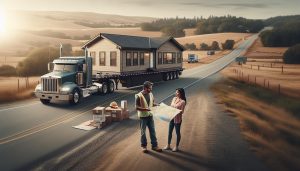
Understanding the differences between modular homes and traditional homes can empower buyers to make informed decisions that suit their needs and lifestyles. Modular homes, often referred to as prefabricated homes, are constructed in sections at a factory and then transported to the building site for assembly. This method of construction allows for greater efficiency and often a faster build time compared to traditional homes, which are built entirely on-site.
One of the key aspects to consider is the quality of construction. Modular homes are subject to stringent building codes and regulations, typically resulting in higher quality control compared to some traditional builds. As a result, modular homes can often provide better insulation and energy efficiency, which ultimately leads to lower utility costs for homeowners. Furthermore, the use of factory-based construction minimizes weather-related delays, ensuring that the building process is less susceptible to the elements.
Another significant difference lies in customization. Many modular home builders, such as those in North Carolina, offer an extensive range of floor plans and customization options, giving buyers the flexibility to tailor design features to their preferences. In contrast, while traditional homes can also be customized, the process can be more complex and time-consuming, often impacting the overall price and timeline of the project.
Ultimately, choosing between a modular home and a traditional home depends on your unique needs, budget, and preferences. By understanding these fundamental differences, prospective buyers can weigh the benefits of modular living against the more conventional home purchasing experience, making a choice that best aligns with their future goals and lifestyle preferences.
Key Benefits of Buying a Modular Home
Purchasing a modular home can be a transformative experience, offering a unique blend of efficiency, affordability, and customizability. One of the standout benefits of going modular is the significantly reduced construction time. With sections built in a controlled factory environment, modular homes can be assembled on-site much faster than traditional homes, often allowing families to move in within weeks instead of months. This rapid turnaround is increasingly attractive for buyers needing a quicker solution to their housing needs.
Another compelling advantage is the cost-effectiveness of modular homes. Due to streamlined production and lower labor costs, these homes generally come with less expensive price tags compared to their traditionally built counterparts. Additionally, many modular homes are constructed with energy efficiency in mind, featuring better insulation and energy-saving systems. This not only reduces initial investment but also translates into lower utility bills, further enhancing long-term affordability. For those on a budget, this means less financial stress over time.
Customization is also a key benefit, allowing buyers to tailor their homes to fit their unique needs and aesthetics. Many manufacturers offer an extensive array of floor plans, finishes, and design options. Whether it’s selecting materials that align with personal tastes or adjusting layouts to accommodate family dynamics, the flexibility in design can make a modular home feel genuinely personal.
Lastly, the rigorous quality control in the manufacturing process ensures a higher standard of construction, contributing to durability and longevity. Modular homes are built to meet or exceed local building codes, often resulting in fewer maintenance issues in the long run. This oversight not only provides peace of mind but also sets a solid foundation for assessing long-term resale value, making modular homes a savvy investment choice for both new buyers and seasoned property investors.
In summary, buying a modular home offers a compelling mix of speed, affordability, customizable options, and quality assurance, making it an increasingly popular choice for modern homebuyers seeking practicality without sacrificing style or comfort.
Essential Steps in the Modular Home Buying Process
Purchasing a modular home can be a streamlined experience, providing an efficient path to homeownership while catering to modern needs. Understanding the essential steps in this process can empower buyers and ensure a successful transaction. Start by defining your budget, which encompasses construction costs as well as additional expenses such as land preparation, utilities, and landscaping. Knowing your financial limits can help you focus on homes that meet your criteria, saving time and stress later on.
Next, conduct thorough research on various manufacturers and models. Visit websites, read reviews, and check out local shows or displays to assess the variety of configurations and design options. Engaging with reputable dealers can also provide insights into local zoning laws and specific site requirements. Once you’ve pinpointed a few homes of interest, arrange for a tour or an in-person visit to get a feel for the layout and quality of construction.
After selecting the right model, it’s time to dive into financing. Modular homes generally qualify for conventional loans, but it’s crucial to confirm this with financial institutions experienced in manufactured housing. Prepare necessary documentation, such as income verification and credit history, to streamline the approval process. Don’t shy away from investigating government-backed loans, which can offer favorable terms for first-time buyers.
When financing is secured, the next step involves securing land if you haven’t already. Conduct a title search and ensure the land is zoned for modular home placement. Preparing the site includes planning for utilities like water and electricity, and understanding local building requirements, which often dictate foundational needs. Finally, once all elements align, you’ll work closely with your chosen manufacturer to finalize designs and timelines, setting the stage for the construction and installation of your new home.
By navigating these key steps, you can ensure that your journey to owning a modular home is as smooth and rewarding as possible. Each stage is crucial, from budgeting and research to financing and site preparation, ultimately leading to a customized living space that suits your lifestyle.
Navigating Financing Options for Modular Homes
Navigating the financial landscape for a modular home can seem daunting, but understanding your options can pave the way for a smoother purchasing experience. The flexibility and affordability of modular homes often translate into favorable financing opportunities, allowing you to achieve homeownership without the burdens traditionally associated with conventional homes. Whether you’re a first-time buyer or looking to invest, it’s crucial to familiarize yourself with the different financing avenues available specifically for modular homes.
When exploring financing options, begin by considering conventional loans, as many modular homes qualify for these types of mortgages. Traditional lenders are typically familiar with modular homes, but it’s advisable to connect with financial institutions that have experience in manufactured housing. This expertise can streamline the process and ensure that you receive accurate information about loan terms, interest rates, and eligibility criteria. Prepare key documentation such as income verification, credit histories, and details about the specific model you’re interested in to facilitate a smooth application process.
In addition to conventional financing, various government-backed programs can offer attractive terms. Programs such as FHA loans are specifically designed to help first-time homeowners, providing lower down payment options and flexible credit requirements. Additionally, USDA loans may be available for those purchasing in eligible rural areas, while VA loans serve veterans and service members without requiring a down payment. These options present great opportunities to reduce upfront costs and manage long-term payment commitments.
While securing financing, be aware of the possibility of additional costs unique to modular home purchasing. These may include land acquisition, site preparation, and installation expenses. It’s advisable to factor these costs into your budget and discuss them openly with your lender. A complete understanding of your financial landscape will not only assist in securing the best loan but also enhance your confidence as you move forward in designing and customizing your new modular home. Ultimately, knowledge is power, and equipping yourself with the right information will help you make informed decisions and achieve your dream of homeownership.
Exploring Legal Requirements and Zoning Laws
Understanding the legal requirements and zoning laws is crucial for anyone considering the purchase of a modular home. Each locality has its own specific regulations that can impact everything from where you can place a modular home to what amenities you can include. It’s essential to do your homework early in the buying process to avoid any unexpected issues down the road.
First and foremost, check with your local zoning office to determine if modular homes are permitted in your desired location. Zoning laws can differentiate between manufactured homes and modular homes, often subjecting them to varying regulations. It’s common for some areas to have restrictions or specific requirements based on the type of foundation, size, and even the architectural style of the home. Understanding these nuances will help ensure that your home is compliant with local regulations.
Next, review any building codes that may apply to your construction. Different jurisdictions may have distinct requirements for the construction standards of modular homes, such as insulation values, structural integrity, and safety measures. These codes are designed to ensure that all homes, including modular units, are built to a standard that guarantees safety and livability. It may be beneficial to work with a modular home manufacturer who is familiar with the local requirements and can ensure that your home meets all necessary standards.
Lastly, you’ll need to consider any other legal factors that could influence your purchase. For instance, if you plan to place your modular home on a leased plot of land, thoroughly review the lease agreement for any stipulations specifically addressing modular home placement. Additionally, it’s wise to check if you need permits for utility connections or any modifications to the land, such as grading or foundation work. Engaging a local attorney or real estate professional with experience in modular homes can provide guidance and clarity on these legal aspects.
In summary, is vital for a successful modular home purchase. Thorough research and proactive communication with local authorities and housing professionals will empower you to make informed decisions, ensuring a smooth transition into your new home.
Creating a Customized Modular Home Design
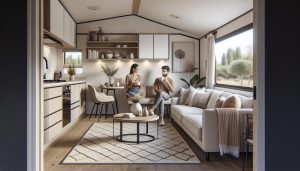
When it comes to modular homes, one of the most appealing aspects is the ability to create a customized design that reflects your unique tastes and lifestyle needs. Unlike traditional homes, where options can be limited by pre-existing structures, modular homes offer a wealth of choices, ranging from floor plans and layouts to finishes and amenities. This flexibility allows you to tailor every element of your home, ensuring it meets your specific requirements.
To begin the customization process, consider your lifestyle and how it can be brought into your home’s design. For instance, if you value open living spaces, you might opt for an open floor plan that combines the kitchen, dining, and living areas. If you have a growing family or frequently entertain guests, additional bedrooms or a larger communal space could be beneficial. Many manufacturers, such as Franklin Homes, provide versatile floor plans that can easily be adapted to suit your needs, allowing you to envision your perfect space [1[1].
Once you have a general idea of the layout, it’s time to explore the myriad of design finishes and features at your disposal. Modular home builders typically offer a range of options for kitchen cabinetry, countertops, flooring materials, and fixtures. Don’t hesitate to ask for samples or visit model homes to see different combinations in action. Engaging with professionals at companies like Next Modular can provide insights into current trends and practical advice on selecting materials that combine aesthetics with durability [2[2].
Additionally, consider your future needs when finalizing the design. This approach ensures your home remains functional and comfortable for years to come. For instance, incorporating universal design principles can provide accessibility for all family members and guests, particularly if you anticipate aging in place or accommodating visitors with mobility challenges. As you navigate the design process, maintaining open communication with your builder is crucial to ensure your vision is realized while aligning with your budget constraints.
In conclusion, is not just about choosing what looks good; it’s about crafting a space that enhances your everyday life. By carefully considering your lifestyle preferences and future needs, exploring various options, and collaborating with a knowledgeable builder, you can create a modular home that is truly one-of-a-kind. With the right planning, your new home can be a perfect blend of form and function, catering to both your immediate needs and long-term aspirations.
Preparing Your Site: Land and Utilities
When preparing for the arrival of your modular home, the site where it will stand plays a crucial role in ensuring its stability, functionality, and your overall satisfaction. Selecting the right piece of land and effectively setting it up not only enhances the home’s structural integrity but also contributes to a comfortable living environment.
Assessing the Land
Begin with a thorough evaluation of the land you’ve chosen. Key factors to consider include soil quality, drainage patterns, and proximity to essential services. A soil test can reveal whether the ground can support a foundation, while proper drainage is essential to avoid water pooling, which can lead to significant issues, including mold and damage to your home. Additionally, consider the accessibility of utilities such as water, electricity, and sewage systems. If your site lacks direct access to municipal services, you may need to consider alternative solutions, such as constructing a septic system or installing a well.
Utility Connections
Once the land is assessed and secured, the next step involves planning for utility connections. Here’s what to include in your preparation:
- Water Supply: Connect to municipal water or plan for a well. Ensure proper trenching and installation of pipes to prevent any future leaks.
- Electrical Service: Coordinate with your local power company to have the necessary electrical lines brought to your home site. This includes a designated meter base and any potential upgrades to accommodate your home’s energy needs.
- Sewage and Waste Disposal: If local sewer service is unavailable, explore options for a septic system, which must meet local health regulations. Consult with a professional to ensure proper design and placement.
Don’t forget about communications technology; grounding your home with internet and TV services adds comfort and convenience.
Site Preparation Steps
Preparation of the physical site for your modular home should include the following steps:
- Leveling the Ground: Ensure the ground is appropriately leveled to support the weight of your home. This process often involves heavy machinery, depending on the site’s natural slope and terrain.
- Foundation Installation: Based on your modular home design, select the appropriate foundation type-such as a slab, crawl space, or basement-and have it installed prior to your home’s arrival.
- Anchoring Systems: Depending on your geographical area, implementing proper anchoring systems will protect your home against high winds and potential flooding.
Planning and preparing your site meticulously not only safeguards your investment but also ensures that you can enjoy your modular home to its fullest potential, free from unforeseen challenges as you settle in. By addressing these key factors, you are setting a solid foundation for a long-lasting and satisfying homeownership experience.
Understanding Modular Home Insurance Needs
Navigating the world of insurance for modular homes might seem daunting at first glance, but understanding your specific needs as a homeowner can make the process straightforward and rewarding. Modular homes, while constructed in pieces off-site, require adequate protection just like traditional homes. In fact, insuring your modular home isn’t only about safeguarding your investment; it’s also about ensuring your peace of mind.
When selecting insurance for your modular home, consider the following key aspects:
Types of Coverage
- Dwelling Coverage: This protects the structure of your home, including the modular components themselves. Ensure that the policy covers replacement costs to reflect current market values.
- Personal Property Coverage: This covers your belongings inside the home, such as furniture, appliances, and electronics. Assess the value of your personal items to choose an adequate limit.
- Liability Protection: Important for any homeowner, this provides protection if someone gets injured on your property and decides to sue. A higher limit is advisable to shield against potential legal costs.
- Additional Living Expenses (ALE): If your home becomes uninhabitable due to a covered peril, ALE insurance helps cover temporary housing costs and daily living expenses.
Specific Considerations for Modular Homes
Modular homes have distinct characteristics, like being built off-site and transported to your property, which can impact your insurance requirements. It’s crucial to ensure that your policy explicitly covers the unique features of your modular unit. Additionally, consider any local hazards, such as hurricanes or floods, which may necessitate supplemental coverage like flood insurance.
Finding the Right Insurer
Not all insurance companies are equipped to handle modular homes effectively. Look for insurers with expertise in this niche market, and consider obtaining quotes from multiple providers to find the best rates and coverage options. Reading customer reviews and checking financial stability ratings can also guide your decision.
Understanding your insurance needs allows you to protect your modular home effectively. By ensuring comprehensive coverage, you not only guard against unexpected incidents but also reinforce the value and comfort of your living space. Whether you are settling in for the long haul or considering future resale, having the right insurance can make all the difference.
Maintenance Tips for Your New Modular Home
Owning a modular home combines the charm of a traditional residence with the modern efficiencies of prefabricated construction. As a homeowner, understanding how to maintain your modular home effectively not only enhances its longevity but also supports a comfortable living environment. Regular maintenance ensures that your investment remains secure and can save considerable costs over time by preventing larger issues from developing.
To keep your modular home in top shape, start with consistent inspections and servicing of critical systems. For example, check the heating, ventilation, and air conditioning (HVAC) system at least once a year to ensure they are running efficiently. Changing filters regularly can lead to improved air quality and reduced energy bills. Additionally, inspect your plumbing for leaks or signs of wear, especially in areas where pipes may be exposed to the elements, as modular homes often utilize designs that can highlight vulnerable plumbing.
Exterior Care
The exterior of your modular home requires attention too. Regularly clean gutters to prevent water buildup, which can lead to structural damage. Also, inspect siding and roofing materials for damage or deterioration, as modular homes are often subject to specific weather conditions depending on their location. Applying weather-resistant sealants and paints can enhance protective barriers that keep moisture out and aesthetics intact.
Foundation and Anchoring
Another vital aspect to consider is the foundation and anchoring of your modular unit. Ensure that the home remains level and aligned, particularly after inclement weather. Regularly check tie-downs and anchors, as these are crucial for stability, especially in hurricane-prone areas. If you notice any shifting or loosening, consult with a professional to make necessary adjustments to maintain safety.
A little proactive care can go a long way in preserving the integrity and value of your modular home. By setting a routine maintenance schedule and being attentive to both interior and exterior needs, you can ensure that your modular living experience remains enjoyable and worry-free for years to come.
Renovation Ideas to Personalize Your Space
The beauty of living in a modular home is the flexibility it offers for personalization. Unlike traditional homes, where major renovations can be complex and costly, many enhancements in modular homes can be achieved with relative ease. This makes it fun and feasible to express your personal style and adapt your living space to fit your evolving needs. Here are several renovation ideas to help you transform your modular home into a tailored oasis that reflects your taste.
Color and Texture Updates
Start with a fresh coat of paint in vibrant or soothing colors, depending on your preference. Consider two-tone options or accent walls to create depth and interest. Additionally, introducing various textures through wallpapers, wood paneling, or fabric treatments on walls and ceilings can enhance visual appeal. For an even more unique touch, peel-and-stick wallpaper offers a wide array of designs and is a low-commitment way to add character.
Open Up the Space
Many modular homes can benefit from creating open-concept spaces. If your home has walls that are non-load-bearing, consider removing them to foster a more spacious atmosphere. This can be especially effective in areas like kitchens and living rooms. If structural changes aren’t feasible, use open shelving to create a feeling of openness and invite light into your modular space.
Kitchen and Bathroom Upgrades
Kitchens and bathrooms are focal points for homeowners, and you can enhance these spaces with strategic renovations. Swap out dated cabinetry hardware for something modern and chic, or paint your cabinets for a fresh, new look. Upgrading your sink and fixtures can instantly elevate your kitchen or bathroom’s functionality and aesthetics. In your kitchen, consider adding a stylish backsplash; in the bathroom, new lighting or mirrors can make a substantial impact.
Adding Smart Home Features
Integration of smart technologies is an exciting way to modernize your living experience. From smart thermostats and lighting systems to smart locks and security cameras, these features not only enhance comfort but also increase energy efficiency and security. Many of these installations can be done with minimal fuss and can be controlled via mobile apps, giving you convenience at your fingertips.
Landscaping and Outdoor Spaces
Don’t forget the exterior of your modular home! Upgrading your landscape not only adds curb appeal but also creates an inviting environment for relaxation and entertainment. Incorporate native plants that require minimal upkeep, and add walkways or outdoor decks to extend your living space outside. Consider creating a cozy fire pit area or a garden space that can be tailored to your family’s needs and activities.
By thoughtfully personalizing your modular home, you can craft a space that truly reflects who you are while enhancing your overall living experience. Whether through small changes or more significant renovations, each choice allows you to improve comfort and functionality while embracing the possibilities that modular living offers.
Hurricane Preparedness for Modular Homeowners
Understanding how to prepare your modular home for hurricanes is essential, especially for homeowners residing in high-risk coastal areas. While modular homes are designed to withstand various challenges, it’s crucial to take proactive measures to safeguard your investment and ensure the safety of your family. By following a few fundamental steps, you can enhance your home’s resilience against storm damage and enjoy peace of mind during hurricane season.
Strengthen Your Home’s Structural Integrity
A vital aspect of hurricane preparedness involves ensuring your modular home is securely anchored and equipped to resist strong winds. Proper tie-downs are essential; consider investing in upgraded hurricane tie-down systems that comply with local building codes. These systems utilize straps or anchors that connect your home’s frame to the foundation, significantly reducing the risk of displacement during severe weather. Regularly inspect these ties and any visible foundation supports for signs of wear or damage.
Create an Emergency Plan
It’s important to have a well-thought-out emergency plan in place. This includes identifying evacuation routes and knowing where local shelters are located. Gather essential supplies such as water, non-perishable food, medications, and documents in a water-resistant container. Establish a communication plan with family members and friends who can assist or coordinate help when needed. Having a checklist can streamline last-minute preparations and ensure nothing is overlooked.
Protect Windows and Doors
Investing in storm shutters or impact-resistant windows can provide an extra layer of protection against flying debris. If replacing windows isn’t feasible, plywood boards can be cut to fit and secured over glass areas before a storm. Ensure that exterior doors are reinforced, and use weather stripping to seal gaps that may allow wind and rain to enter. These preemptive measures can significantly decrease the likelihood of water damage and structural compromise.
Review Your Insurance Coverage
Not all home insurance policies cover flood damage or windstorm damage, which are critical in hurricane-prone areas. Review your existing policy and speak with your insurance agent about any necessary adjustments to ensure comprehensive coverage. Consider obtaining additional flood insurance through programs like the National Flood Insurance Program (NFIP) if your home is located in a designated flood zone. Having the right financial protection can aid in recovery should disaster strike.
Preparing your modular home for hurricane season may require some effort and planning, but these actions are worthwhile investments in safety and security. By following these guidelines, you’ll not only bolster your home against potential storms but also cultivate peace of mind in your living environment. Remember that vigilance and preparation are key to enduring the challenges that nature may bring.
Long-Term Value: Resale and Property Assessment
Understanding the long-term value of a modular home is crucial for anyone considering this type of housing. Many prospective buyers assume that modular homes depreciate similarly to mobile homes, yet data show that these structures often retain their value surprisingly well. As the reputation of modular homes improves, they are increasingly seen as sound investments that can appreciate in value over time. This potential for appreciation stems from several factors, including sturdy construction, energy efficiency, and customizable features, which make them appealing in the real estate market.
Key Factors Influencing Resale Value
Several factors can significantly impact the resale value of a modular home. Firstly, location plays a pivotal role. Homes situated in desirable neighborhoods or regions with growing job markets tend to appreciate more than those in less sought-after areas. Secondly, the quality of construction cannot be overlooked. Modular homes built to higher standards with durable materials often stand up better to wear and tear, aiding in value retention. Lastly, ensuring compliance with local zoning laws and building codes enhances a home’s marketability, making it more attractive to future buyers.
Property Assessment Essentials
When it comes to assessing the value of your modular home, several essential considerations come into play:
- Comparable Sales: Investigate recent sales of similar homes in your area to gauge market trends.
- Condition and Upgrades: Regular maintenance and thoughtful renovations can significantly boost value. Keep records of all improvements made to the property.
- Market Trends: Stay informed about local real estate trends; an upward trend may indicate a good time to sell.
Furthermore, potential buyers often appreciate energy-efficient features. Investing in sustainable practices-like solar panels or high-efficiency appliances-not only enhances your living experience but also translates to long-term savings and increased home value.
Maximizing Long-Term Value
To maximize the long-term value of your modular home, consider implementing ongoing maintenance and improvements. Regularly updating interiors, landscaping, and outdoor areas can make a significant difference when it comes time to sell. Additionally, keeping all documentation related to warranties, inspections, and upgrades at hand will facilitate smoother transactions and provide prospective buyers with assurance regarding the quality of the home.
With the right approach and understanding, owning a modular home can be a gratifying experience that holds its value well over time. By focusing on quality, location, and maintenance, you not only enrich your living experience but also secure a solid investment for your future.
FAQ
Q: What is the first step in buying a modular home?
A: The first step in buying a modular home is to assess your needs and budget. Determine the size, style, and features you want in your home, and establish a realistic financial plan that includes not just the home itself, but also land costs, permits, and utilities. Explore the “Essential Steps in the Modular Home Buying Process” for detailed guidance.
Q: How do I find a reputable modular home builder?
A: To find a reputable modular home builder, research local manufacturers and read customer reviews. Check credentials and ask for references or completed projects to assess their quality and reliability. Consider visiting a model home and discussing your options with their sales team to ensure they meet your design requirements.
Q: Can I customize my modular home design?
A: Yes, you can customize your modular home design! Many builders offer a variety of floor plans and allow modifications to fit your personal style and needs. Discuss your ideas with your builder to understand the possibilities and limitations during the design phase. Refer to the “Creating a Customized Modular Home Design” section for more details.
Q: What financing options are available for modular homes?
A: Financing options for modular homes typically include traditional mortgages, FHA loans, and specialized modular home loans. Some lenders may require a higher down payment for modular homes, so it’s important to shop around for the best rates and terms. Explore the “Navigating Financing Options for Modular Homes” section for deeper insights.
Q: Are there zoning laws I must consider when buying a modular home?
A: Yes, zoning laws are crucial when buying a modular home. Check local regulations regarding land use, building codes, and any restrictions that may apply. Consulting with local planning departments can help you navigate these legal requirements smoothly. For a comprehensive overview, see the “Exploring Legal Requirements and Zoning Laws” section.
Q: How long does it take to build and deliver a modular home?
A: The timeline for building and delivering a modular home typically ranges from a few weeks to several months, depending on factors such as design complexity and site preparation. Prompt communication with your builder and timely completion of necessary site work can shorten this timeframe.
Q: What should I do to prepare the site for my modular home?
A: Preparing the site involves clearing the land, leveling the ground, ensuring proper drainage, and setting up utilities. It’s essential to hire professionals for these tasks to ensure your home is placed safely and meets local building codes. Refer to the “Preparing Your Site: Land and Utilities” section for a step-by-step guide.
Q: What are the maintenance requirements for a modular home?
A: Maintenance for a modular home includes regular inspections, HVAC servicing, plumbing checks, and roof maintenance. Like any home, timely repairs and upkeep are essential for longevity. Implementing a seasonal maintenance checklist can help you stay on top of necessary tasks. Check the “Maintenance Tips for Your New Modular Home” section for specifics.
The Conclusion
Now that you’re equipped with the steps to buying a modular home, it’s time to take the next step toward making your dream a reality. Modular homes offer a unique blend of speed, sustainability, and customization that can meet a variety of needs and budgets. Whether you’re considering financing options or seeking advice on long-term maintenance, we’ve got you covered! Explore our in-depth resources on financing your modular build and essential maintenance tips to ensure your investment pays off for years to come.
Don’t wait-your ideal living space is just a decision away! Dive deeper into our articles about modular living solutions and expert renovation techniques to stay ahead in your home journey. We invite you to share your thoughts in the comments and let us know how we can support you further. With the right knowledge, your modular home experience can be both rewarding and fulfilling. Embrace this exciting opportunity and explore your options today!