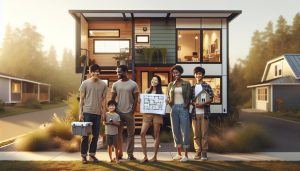
Did you know that mobile homes now account for nearly 10% of the U.S. housing market? As more individuals and families consider the benefits of mobile home living-such as affordability and flexibility-the question arises: can you secure a mortgage on a mobile home? Understanding the various loan options available is crucial for potential buyers who want to navigate the complexities of financing manufactured housing. This article aims to clarify the process, highlighting essential information on types of loans, eligibility criteria, and tips for securing financing. Whether you’re a first-time buyer or looking to refinance, getting the right mortgage can ease your journey into mobile homeownership and make your investment worthwhile. Continue reading to discover how you can make informed decisions and achieve your homeownership goals with confidence.
Understanding Mobile Home Mortgages: Key Concepts
Mobile home mortgages can be a viable option for many prospective homeowners, but understanding the key concepts is crucial in navigating this specialized lending landscape. First, it’s essential to recognize that mobile homes differ from traditional homes; they are often titled as personal property rather than real estate, which can affect financing. Consequently, financing options for mobile homes may include chattel loans, which are typically used for personal property, and conventional mortgages when the home is permanently affixed to the land.
When considering financing a mobile home, it’s vital to be aware of the various factors that influence loan eligibility. Loans for mobile homes often require a minimum down payment, which can vary significantly based on the lender and type of loan. Lenders will closely examine the borrower’s credit history, income, and debt-to-income ratio, making it essential for buyers to have a clear understanding of their financial standing before applying. Furthermore, it’s important to ensure that the mobile home is properly anchored and installed, as these factors can impact both the loan approval process and insurance costs.
In addition to typical mortgage requirements, mobile home buyers might encounter unique challenges such as higher interest rates and shorter loan terms. These factors can influence the affordability of homeownership, so it’s crucial to calculate these costs accurately. For prospective buyers, understanding the distinctions between mobile home loans and traditional mortgages can empower them to make informed decisions that align with their financial goals. This includes evaluating the benefits of specialized loan programs like FHA and VA loans, which may offer more favorable terms for eligible applicants. Ultimately, with the right knowledge and preparation, mobile home ownership can represent an affordable and appealing housing solution for many.
Types of Mobile Home Loans Available
Mobile home financing offers several options tailored to suit various needs, and understanding these types is key for prospective buyers. Just like traditional homes, mobile homes can be financed through a variety of loans, each with unique features and requirements. Here’s a breakdown of the most common .
Chattel Loans
Chattel loans are one of the primary financing options for mobile homes that are not permanently attached to land. These loans treat the mobile home as personal property rather than real estate, making them a common choice for buyers who plan to place their homes in a mobile home park or on rented land. Chattel loans typically require a lower down payment and have shorter loan terms than traditional mortgages, but they often come with higher interest rates due to the perceived higher risk.
Conventional Mortgages
When a mobile home is permanently affixed to a plot of land, buyers may qualify for a conventional mortgage. This type of loan allows the mobile home to be financed similarly to a traditional home. To be eligible, the home must meet specific criteria, including being built after June 15, 1976, and being classified as real property. Conventional mortgages generally offer more favorable interest rates and longer terms, which can make monthly payments more manageable.
FHA Loans
The Federal Housing Administration (FHA) offers specialized loan programs for mobile and manufactured homes, which can be an excellent choice for first-time homebuyers or those with less-than-perfect credit. FHA loans are available for both homes on owned land and those on leased lots, providing flexibility for various living arrangements. They often require lower down payments (as low as 3.5%) and allow for higher debt-to-income ratios, making homeownership more accessible.
VA Loans
Veterans and active military members may be eligible for VA loans, which provide excellent financing options for mobile homes. These loans typically do not require a down payment and come with competitive interest rates and no private mortgage insurance (PMI) requirement. To qualify, the mobile home must be affixed to a permanent foundation and meet specific property and occupancy standards set by the VA.
USDA Loans
For those looking to buy mobile homes in rural areas, USDA loans may be a viable option. These loans are designed to support homebuyers in designated rural zones and do not require a down payment. Similar to FHA loans, USDA loans offer competitive interest rates and can be used for purchasing a mobile home affixed to land. However, buyers must meet certain income eligibility requirements to qualify.
Financing Considerations
When selecting a financing option, buyers should consider factors such as credit score, income level, and how the mobile home will be situated (whether on owned land or in a park). Additionally, understanding the implications of the loan type on future resale value and space for expansion is vital. Conducting thorough research and consulting with lenders specializing in mobile home loans can help streamline the process and lead to more informed decision-making.
By recognizing these financing avenues and their associated terms, prospective buyers can make empowered choices that align with their financial goals and lifestyle preferences.
Requirements for Mobile Home Financing
Navigating the financing landscape for mobile homes can seem daunting, but understanding the basic requirements can help streamline the process. The criteria for securing a loan for a mobile home vary based on the type of financing chosen-whether it’s a chattel loan, conventional mortgage, or specialized loans like FHA and VA. Generally, lenders will look for solid evidence of your ability to repay the loan, which often encompasses a blend of financial documentation and property specifications.
General Eligibility Criteria
- Credit Score: Most lenders typically require a minimum credit score that can range from 580 (for FHA loans) to higher standards for conventional options. A better credit score often correlates with lower interest rates and improved loan terms.
- Income Verification: Borrowers must provide proof of income to demonstrate their ability to pay monthly mortgage payments. This could involve recent pay stubs, tax returns, or bank statements that are evaluated in relation to total debts.
- Debt-to-Income Ratio (DTI): Lenders usually consider a DTI ratio of 43% or lower as favorable. This ratio measures your total monthly debt payments against your gross monthly income. A lower DTI suggests that you are less overwhelmed by debt, making you a more attractive candidate for financing.
- Down Payment: Depending on the loan type, down payment requirements can vary significantly. FHA loans may allow down payments as low as 3.5%, while conventional loans might require 5% or more. Chattel loans often demand a smaller down payment but may carry higher interest rates.
Specific Requirements for Various Loan Types
- Chattel Loans: These loans require that the mobile home is not permanently affixed to land. Buyers should have documentation proving ownership of the home, such as a title and registration. Interest rates can be higher due to the perceived risk, but the process tends to be quicker.
- Conventional Mortgages: To qualify, the mobile home must meet property standards, including being built after June 15, 1976-this is the cut-off date for HUD certifications. The home must also sit on a permanent foundation, and the borrower must present a clear title to both the home and the land.
- FHA Loans: For these loans, both the home and lot must meet specific requirements set by the FHA. This includes obtaining a proper installation certification and adhering to zoning regulations, which can vary state by state.
- VA and USDA Loans: For VA loans, the home must be permanently affixed and undergo inspection to meet agency standards, while USDA loans require the property to be located in eligible rural areas and meet specific conditions regarding income and location.
While financing a mobile home is indeed possible, taking the necessary steps to prepare your financial documentation and ensuring your chosen mobile home meets the required specifications can lead to a smoother loan approval process. Engaging with knowledgeable lenders who specialize in mobile home financing can further enhance your chances of securing favorable terms tailored to your unique situation.
Advantages of Buying a Mobile Home
Living in a mobile home can be an appealing choice for many, offering a range of benefits that traditional housing might not provide. For starters, affordability stands out as one of the most significant advantages. Mobile homes typically come with a lower market price than site-built homes, making them an accessible option for first-time buyers or those looking to downsize. This affordability not only extends to the initial purchase price but often translates into lower property taxes and insurance costs, which can significantly reduce long-term financial commitments.
Another compelling reason for opting for a mobile home is the flexibility and mobility they offer. Many mobile homes are designed for easy relocation, which can be particularly valuable for individuals or families who anticipate changes in lifestyle or job location. Additionally, with various models available, buyers can often choose a layout that reflects their personal preferences, which enhances their living experience. This ability to customize living spaces allows residents to create a home that is truly theirs, maximizing satisfaction and comfort.
Purchasing a mobile home also provides an opportunity for community and lifestyle that’s often unique to mobile home parks or developments. Many of these communities foster a sense of belonging, where neighbors become friends and social activities abound. Residents can engage in community events or gatherings, which can be particularly appealing for those seeking a close-knit environment.
Lastly, the maintenance and upkeep of a mobile home can often be more manageable compared to traditional homes. With less square footage to maintain and generally simpler construction, homeowners may find they can invest less time and money into maintenance tasks. Moreover, modern mobile homes are built with efficiency in mind, often featuring energy-efficient materials and appliances, which contribute to lower utility bills and a smaller environmental footprint.
In summary, mobile homes not only provide a budget-friendly alternative to traditional housing but also promote a lifestyle that emphasizes flexibility, community, and efficient living. These advantages make mobile homes a legitimate and appealing choice for a variety of buyers navigating the housing market.
Challenges of Securing a Mortgage for a Mobile Home
Securing a mortgage for a mobile home can often be a complex endeavor, filled with obstacles that potential buyers may not anticipate. Unlike traditional homes, mobile homes are frequently categorized as personal property rather than real estate, leading lenders to treat them differently. This distinction can severely limit financing options, increase interest rates, and result in higher down payment requirements. Many lenders may also impose stricter criteria, such as higher credit score thresholds and the need for additional insurance, making the mortgage process for mobile homes more challenging than for site-built houses.
Compounding these difficulties is the fact that mobile homes depreciate in value similar to vehicles rather than appreciating like traditional homes. This depreciation can deter lenders from approving loans since they may perceive a higher risk of losing money should the homeowner default. Additionally, many mobile homes are located in parks or communities where land ownership is separate from the structure itself. This can add further complications to the loan approval process, as lenders often prefer properties that carry clear titles and ownership.
Given these challenges, prospective buyers should consider exploring various specific financing options tailored to mobile homes. For instance, government-backed loans such as FHA and VA loans can help alleviate some of the financial barriers by offering lower down payment requirements and more lenient credit requirements. However, even these loans have stringent criteria that must be met, such as ensuring that the mobile home meets certain standards regarding age and location. Buyers interested in pursuing such options should be diligent in understanding the eligibility requirements and ensuring their mobile homes meet necessary guidelines.
Additionally, engaging with knowledgeable lenders who specialize in mobile home financing can make a significant difference. These lenders often have a better understanding of the unique characteristics associated with mobile home mortgages and may provide better rates and terms than conventional mortgage providers. Ultimately, being informed and prepared to tackle these challenges can lead to a successful and rewarding experience in financing a mobile home, making it a legitimate and comfortable living option.
Exploring FHA and VA Loan Options for Mobile Homes
The use of government-backed loans can be a significant advantage for those looking to finance mobile homes, making homeownership more accessible for many. FHA (Federal Housing Administration) and VA (Veterans Affairs) loans are among the most popular options available, each providing unique benefits tailored to different groups of borrowers.
The FHA loan program is particularly appealing since it offers flexible underwriting standards compared to traditional mortgage lending. To qualify for an FHA loan, the mobile home generally needs to be classified as real property, meaning it has been permanently affixed to land that you own or are leasing with long-term intent. FHA loans can help buyers secure financing with as little as 3.5% down, making it easier for those on a tighter budget to enter the housing market. Additionally, FHA loans are available for both new and existing mobile homes, provided they meet necessary safety and livability standards.
For qualified veterans, active-duty service members, and some surviving spouses, VA loans provide a fantastic no-down payment option, allowing for 100% financing. VA loans also boast competitive interest rates and do not require private mortgage insurance (PMI), which can save borrowers a significant amount over the life of the loan. However, to be eligible for a VA loan on a mobile home, it must meet specific criteria regarding age, type, and location, similar to FHA requirements.
To successfully navigate the FHA and VA loan processes, potential buyers should gather necessary documentation, such as proof of income, credit history, and details about the mobile home. Working with experienced lenders who specialize in these loan products can also provide valuable insights and assistance in meeting the respective requirements. Overall, by understanding the unique features and requirements of FHA and VA loans, prospective mobile home buyers can find a path to affordable housing that suits their needs.
What Lenders Look For in Mobile Home Buyers
When embarking on the journey to finance a mobile home, understanding what lenders seek in potential buyers can be a game-changer. Lenders are often cautious with mobile home loans due to the unique challenges presented by this type of housing. Therefore, being prepared to meet specific criteria can significantly enhance your chances of obtaining a mortgage.
One critical factor lenders examine is your credit history. A solid credit score, typically above 580, can open doors to favorable loan terms, including lower interest rates. Lenders want to ensure you have a track record of managing debt responsibly, so it can be helpful to check your credit report for errors and address any outstanding issues before applying. Additionally, consistent income sources and employment stability play a vital role. Lenders typically seek proof of steady income over the past two years, which may include pay stubs, tax returns, or bank statements to establish your financial stability.
Another key consideration for lenders is the classification of the mobile home itself. To qualify for certain types of mortgages, such as FHA loans, the home must be classified as real property, which usually means it has been permanently affixed to land that you own or lease. This distinction matters because it affects the asset’s perceived value and the loan’s security.
Lenders also look at the debt-to-income (DTI) ratio when evaluating an applicant. This ratio enables lenders to assess how much of your monthly income goes toward paying existing debts compared to what remains for additional mortgage payments. Ideally, a DTI ratio below 43% is preferred, as this suggests you can comfortably manage your financial obligations without overextending yourself.
In addition to these factors, it’s wise to be prepared with a down payment. While some loans allow for low or even zero down payment options, a larger down payment can reassure lenders of your commitment and financial capability. Overall, being organized with documentation, understanding your financial standing, and acknowledging the unique considerations linked to mobile home finance will empower you as a prospective buyer in this specialized market.
Calculating Costs: Down Payment and Monthly Payments
Navigating the costs associated with financing a mobile home is essential for prospective buyers to understand their financial commitments completely. When considering a mobile home, two significant elements to evaluate are the down payment and monthly payments. Unlike traditional homes, financing options for mobile homes can vary, leading to different down payment requirements and monthly obligations that may be more or less demanding based on the type of loan secured.
Typically, the down payment for a mobile home can range from 5% to 20% of the purchase price, although some specialized loans may allow for even lower or zero down payment. A larger down payment can benefit buyers by lowering monthly payments and interest rates, ultimately making the loan more manageable. Here’s a quick breakdown of typical down payment requirements based on different loan types:
| Loan Type | Typical Down Payment |
|---|---|
| FHA Title II | 3.5% |
| VA Loan | 0% |
| Conventional Loan | 5%-20% |
Monthly payments consist of several components that buyers should consider, including the principal loan amount, interest, property taxes, and insurance. The total amount varies based on loan terms, interest rates, and the size of the loan. Using a mortgage calculator can help potential buyers estimate their monthly payments accurately by inputting their expected loan amount, interest rate, and term length.
For instance, if you finance a $100,000 mobile home with a 4% interest rate over a 30-year term, your estimated monthly payment could be around $477, not including taxes and insurance. These additional costs can range significantly but budgeting for them is crucial. Overall, the structure of mobile home financing can differ significantly from traditional housing, warranting diligent research and planning. This is especially important when considering the long-term financial implications and ensuring that homeownership remains an affordable and realistic goal.
Credit Score Impact on Mobile Home Loans
A good credit score plays a crucial role in securing favorable financing options for a mobile home, just as it does for traditional homes. Financial institutions typically view a higher credit score as indicative of lower risk, which can translate to lower interest rates and more attractive loan terms. While specific requirements may vary by lender, many will expect a credit score of at least 620 for conventional loans, while FHA loans may accept scores as low as 500 with additional criteria.
When assessing how credit scores impact loan approvals, it’s essential to recognize the different types of financing available. For example, borrowers with excellent credit (generally a score of 740 or above) may qualify for the best rates and the lowest monthly payments. This can result in significant savings over the life of the loan. Conversely, those with poor credit may face higher interest rates or, in some cases, may struggle to secure financing entirely.
Improving Your Credit Score
If you’re looking to enhance your credit standing before applying for a mobile home loan, consider the following steps:
- Pay Bills on Time: Establish a consistent payment history by settling all bills promptly, including loans, credit cards, and utility payments.
- Reduce Debt: Aim to lower your credit card balances to improve your credit utilization ratio. A lower ratio signals to lenders that you’re a responsible borrower.
- Check Your Credit Report: Regularly reviewing your credit report can help identify any inaccuracies or fraudulent activities that may negatively impact your score.
- Avoid Opening New Credit Lines: Limit new credit inquiries in the months leading up to your mortgage application, as multiple inquiries can lower your score.
Examples of Credit Score Requirements by Loan Type
Different loan programs may have varying expectations regarding creditworthiness. Below is a summary of typical credit score requirements:
| Loan Type | Minimum Credit Score |
|---|---|
| Conventional Loan | 620 |
| FHA Loan | 500 (with 10% down payment) |
| VA Loan | No minimum; credit scores generally above 620 preferred |
Understanding the impact of credit scores on mobile home financing empowers prospective buyers to take charge of their financial health. By being proactive about improving their credit standing, buyers not only enhance their chances of mortgage approval but also position themselves to benefit from better loan terms, making mobile home ownership an attainable goal.
USDA Financing for Rural Mobile Homes
For those looking to finance a mobile home in rural areas, USDA financing offers a unique opportunity tailored specifically for this segment. The USDA Rural Development program aims to promote homeownership in less densely populated regions, making it an ideal solution for buyers considering mobile homes situated in these areas. With benefits such as zero down payment options and favorable interest rates, USDA loans make home ownership more accessible for lower-income families and individuals.
The USDA provides loans specifically for mobile homes that meet eligibility requirements regarding location, condition, and even the method of construction. To qualify, the home must be located in a designated rural area and meet specific health and safety standards. Additionally, buyers must meet income thresholds, which are generally set at 115% of the median income for the area, ensuring that the program serves its intended audience.
Key Features of USDA Financing
- No Down Payment: One of the most attractive features of USDA financing is that it allows qualified buyers to finance 100% of the purchase price, which significantly lowers the barrier to entry for homeownership.
- Low Mortgage Insurance: Compared to traditional loans, USDA loans feature lower mortgage insurance premiums, making monthly payments more manageable in the long run.
- Flexible Credit Guidelines: While a credit score of 640 is generally required, USDA financing can be more lenient in certain circumstances, allowing buyers with lower scores to possibly qualify.
Despite the benefits, it’s essential for potential buyers to thoroughly research and prepare for the specific requirements of USDA financing. Buyers should verify that their chosen mobile home meets the program’s criteria and understand that maintaining the property can further safeguard their investment. Engaging with a lender experienced in USDA loans can also provide invaluable guidance throughout the application process, ensuring all necessary steps are taken for approval. By leveraging these financial options, future homeowners can find success in the rural mobile home market, paving the way for a stable and fulfilling living environment.
Insurance Considerations for Mobile Homes
One critical aspect of mobile home ownership that often gets overshadowed is the necessity of obtaining adequate insurance coverage. Without the right policy, unexpected events, such as natural disasters or accidents, can lead to significant financial loss. Mobile homes are particularly vulnerable to damage from severe weather conditions like hurricanes and tornadoes, especially if they are not securely anchored. Therefore, understanding your insurance options is essential for safeguarding your investment and providing peace of mind.
Types of Coverage for Mobile Homes
Mobile home insurance typically includes several key coverage components to protect against a range of risks:
- Dwelling Coverage: This protects the structure of your mobile home in case of damage from fire, windstorms, hail, or other disasters. It’s crucial to have enough coverage to rebuild your home in the event of a total loss.
- Contents Coverage: This ensures that your personal belongings, such as furniture, appliances, and electronics, are covered against theft or damage. Depending on your policy, you may have the option to insure these items for their actual cash value or replacement cost.
- Liability Coverage: This aspect of your policy protects against legal claims for injuries or property damage that occur on your property, safeguarding you against costly lawsuits.
- Additional Living Expenses: If your home is damaged and becomes uninhabitable, this coverage helps pay for temporary housing costs, such as hotel bills or rental fees.
When shopping for insurance, consider policies from companies specializing in manufactured and mobile home coverage, as they may offer terms tailored to your needs. Reviewing customer feedback and comparing quotes can help identify the best value.
Special Considerations
Since mobile homes are often located in areas prone to extreme weather, it’s important to think about additional coverage options. For instance, flood insurance might be a necessity depending on your location, as most standard policies do not include this coverage. Engaging in proactive measures, such as installing storm tie-downs and ensuring that your mobile home is properly anchored, can also be helpful.
Moreover, when financing a mobile home, lenders may require proof of insurance as part of the mortgage agreement. It’s wise to consult with your mortgage provider about the minimum insurance requirements prior to finalizing your purchase. Additionally, maintaining good insurance coverage can enhance your mobile home’s resale value, making it more attractive to future buyers.
By proactively addressing insurance considerations, you can significantly enhance your safety and financial security as a mobile home owner. Balancing affordability with adequate protection will allow you to enjoy the many benefits of mobile living without the worry of devastating financial setbacks.
Long-Term Maintenance and Value Retention Strategies
The longevity and value of a mobile home depend significantly on regular maintenance and informed decisions regarding upgrades. Like any home, mobile homes require a proactive approach to maintenance to ensure they remain safe, comfortable, and financially valuable over time. By implementing strategic maintenance routines and making thoughtful enhancements, you can preserve your investment and potentially increase your property’s resale value.
One of the foundational aspects of mobile home upkeep is ensuring proper leveling and anchoring. Homes can settle over time, leading to uneven floors and structural issues. Periodically checking the foundation for stability and adjusting the leveling jacks when necessary can prevent major complications. Additionally, anchor straps should be inspected and replaced if worn, especially in areas prone to severe weather. This foundational maintenance is essential, as it not only protects the home but also satisfies lenders and insurers regarding the safety of the structure.
Routine inspections and immediate repairs are critical for systems that can impact the comfort and safety of your mobile home. These include plumbing, electrical, and HVAC systems. Regularly check for leaks in plumbing, assess the electrical panels for signs of corrosion, and service the heating and cooling units annually. Simple tasks like cleaning gutters, clearing debris from around the home, and inspecting the roof can also extend its lifespan. These small efforts can prevent costly repairs and enhance energy efficiency, which is particularly valuable in maintaining low monthly utility costs.
Upgrading features of your mobile home can be as impactful as maintenance; for example, enhancing insulation can dramatically improve energy efficiency, reducing the costs of heating and cooling. Consider options such as skirting replacement, which protects plumbing from freezing while improving aesthetics. Installing modern fixtures in kitchens and bathrooms not only adds style but can also attract future buyers. Each improvement should be chosen with the goal of adding value and appeal to the property, which can be quite beneficial when looking to secure financing or attract potential buyers in the future.
Overall, committing to a comprehensive maintenance plan while thoughtfully considering upgrades will not only protect your mobile home but can also set the stage for its long-term appreciation and overall satisfaction as a homebuyer or investor in the manufactured housing market.
Q&A
Q: Can I get a traditional mortgage for a mobile home?
A: Yes, it’s possible to get a traditional mortgage for a mobile home, especially if it’s permanently fixed to a foundation and classified as real estate. However, traditional lenders may have stricter requirements compared to specialized mobile home loans. It’s essential to check with lenders about their specific criteria.
Q: What are the requirements for a mobile home loan?
A: Requirements for a mobile home loan vary but generally include proof of income, a good credit score, and the home’s title as real estate. Specific lenders may also consider the home’s age and location. Review lenders’ guidance for precise requirements to streamline your application process.
Q: What types of loans are available for manufactured homes?
A: Various loans are available for manufactured homes, including FHA loans, VA loans, conventional loans, and chattel loans. Chattel loans are specifically for homes not on a permanent foundation, while FHA and VA loans are government-backed options that may offer favorable terms.
Q: How does my credit score affect my mobile home loan options?
A: Your credit score significantly impacts your mobile home loan options. A higher credit score can qualify you for better interest rates and loan terms, while lower scores may limit your choices or result in higher monthly payments. Check and improve your score to enhance eligibility.
Q: Can I refinance a mobile home loan?
A: Yes, refinancing a mobile home loan is possible and can lead to lower interest rates or reduced monthly payments. Make sure to compare options and consider the terms of refinancing, including closing costs and potential benefits, to determine if it’s advantageous for your financial situation.
Q: Are there government programs for financing mobile homes?
A: Yes, several government programs assist with financing mobile homes. The FHA offers loans for eligible manufactured homes, and the VA provides terms for veterans. Additionally, USDA loans may be available for rural mobile home purchases, making homeownership more accessible for those in eligible areas.
Q: What should I know before applying for a mobile home loan?
A: Before applying for a mobile home loan, research various loan options, understand your credit score, and prepare necessary documentation. Familiarize yourself with lender requirements and the differences between loan types to find the best fit for your situation and financial goals.
Q: What is the difference between a chattel loan and a traditional mortgage?
A: A chattel loan is used specifically for mobile homes on land that isn’t owned (personal property), while a traditional mortgage is for real estate (land and house together). Chattel loans usually have shorter terms and higher interest rates compared to traditional mortgages.
The Conclusion
Understanding that financing your mobile home can open doors to a lifestyle filled with flexibility and comfort is crucial. Whether you’re considering a purchase or looking to refinance, there are options tailored to meet your needs. To explore these financing avenues further, check out resources on mobile home loans CountryPlace Mortgage or begin your application process with 21st Mortgage Corporation.
Take the next step toward making your mobile home ownership dreams a reality-get in touch with a lender today or browse our guides on mobile home maintenance and renovation. Remember, you deserve a home that fits your lifestyle! If you have any questions or want to share your experiences, leave a comment below. Your journey in manufactured housing doesn’t end here; delve deeper into our related articles for a comprehensive understanding and continued support.