When considering the unique world of trailer homes, it’s essential to understand who buys them and why. Millions of Americans are turning to manufactured housing as an affordable solution to rising living costs and housing shortages. This article delves into the target market for trailer homes, unveiling insights that can help current and prospective buyers make informed decisions. By exploring motivations-such as financial flexibility, lifestyle choices, and community dynamics-you’ll uncover the real reasons why this housing option is gaining traction. Whether you’re curious about joining this trend or searching for investment opportunities, understanding the demographics and needs of trailer home buyers will equip you with the knowledge to navigate this specialized market with confidence. Let’s explore the secrets behind who buys trailer homes and why this choice continues to resonate with a diverse audience.
Understanding the Trailer Home Market Trends
In recent years, the trailer home market has seen a remarkable evolution, shaped by shifting economic factors, lifestyle changes, and an increasing acceptance of alternative housing options. Today, more individuals are recognizing the benefits of trailer homes, leading to robust market trends that appeal to a wide array of potential buyers. Notably, in the face of rising housing costs, trailer homes present a more affordable pathway to homeownership. They are particularly attractive to millennials and first-time buyers seeking economical solutions without sacrificing comfort or modern amenities.
The demographics of trailer home buyers have expanded significantly, encompassing diverse age groups and income levels. While traditionally associated with retirees and lower-income families, there is a growing trend of younger buyers looking for flexibility and mobility. Many are drawn to the minimalist lifestyle, sustainability practices, and the ability to customize their living spaces to suit their personal tastes. Additionally, the rise of remote work has fueled interest in mobile living, as individuals and families can now live in scenic areas without being tethered to a traditional office environment.
As buyers navigate this evolving market, it’s crucial that they understand common motivations driving the purchase of trailer homes. Aside from financial incentives, factors such as lifestyle preferences, proximity to nature, and community aspects play significant roles in buyers’ decisions. They often seek cohesive communities that offer social engagement and shared values, which are increasingly available in many trailer parks and manufactured home communities.
Understanding these market trends is essential for prospective buyers, investors, and industry stakeholders who wish to capitalize on the growing acceptance and demand for trailer homes. By staying informed about consumer preferences and economic shifts, they can make strategic decisions that align with this changing landscape and ensure they meet the needs of a diverse buyer pool.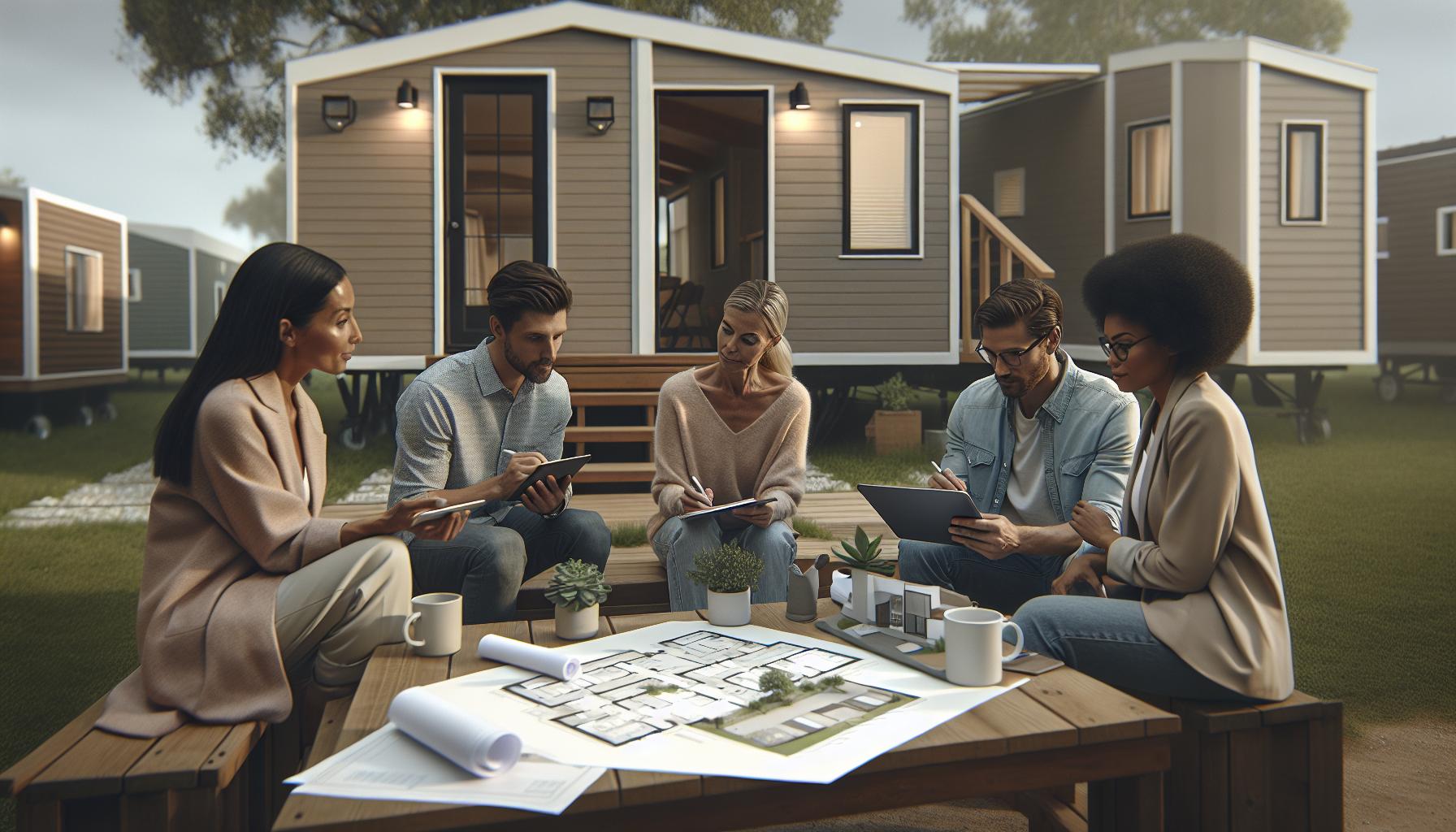
Demographics of Trailer Home Buyers
In recent years, the trailer home market has emerged as an appealing option for a diverse set of buyers, each with unique aspirations and circumstances. Understanding the changing is vital for both current homeowners and those contemplating a purchase. No longer confined to retirees or low-income families, the demographics have indeed broadened, revealing a mix of ages, backgrounds, and financial situations.
Younger buyers, particularly millennials and Gen Z, are leading this transformation. Driven by a desire for economic independence and flexibility, many are choosing trailer homes as a viable alternative to traditional housing. This shift is significantly influenced by the rising costs of conventional homes and the increasing acceptance of a minimalist lifestyle. The small footprint of trailer homes aligns perfectly with their values of sustainability and efficiency, offering the chance to own their space without overwhelming financial burdens. Moreover, the rise of remote work has allowed younger generations to explore mobile living options, where they can reside in beautiful, serene locations while still enjoying the benefits of modern connectivity.
Key Demographic Insights
- Age Groups: Trailer home buyers now include young professionals, families, and retirees, showcasing a wide span from 20s to 70s.
- Economic Diversity: Buyers come from various income levels, emphasizing affordability and budget-friendly ownership.
- Lifestyle Choices: Many buyers are attracted to the low-maintenance lifestyle that trailer homes offer, enabling them to spend more time pursuing hobbies and community activities.
As trailer homes gain popularity, the communities in which they are located are also evolving. Many buyers are not only investing in a home but also in a lifestyle that promotes social engagement and communal values. They seek neighborhoods that offer amenities and a sense of belonging, further making trailer homes an attractive market segment. By tapping into these demographic trends and preferences, stakeholders can formulate strategies that resonate with prospective buyers and cater to their evolving needs in this lively housing market.
Motivations Behind Buying Trailer Homes
The reasons people choose trailer homes are multifaceted and often deeply personal. Increasingly, buyers are motivated by the desire for financial freedom, ease of maintenance, and a simpler lifestyle. These considerations reflect a broader cultural shift towards minimalism and mobility. For many, trailer homes offer an inviting pathway to homeownership that aligns with their values and lifestyle choices.
One primary motivation is the affordability factor. With the skyrocketing prices of traditional homes, trailer homes present a significantly lower barrier to entry. Many buyers, especially younger adults and first-time homeowners, are drawn to the possibility of living without being tethered to a lifetime of debt. They appreciate the practicality of investing in a trailer home, enabling them to allocate finances towards travel, education, or savings, rather than a mortgage. This financial relief promotes a sense of security and freedom that resonates with a generation seeking to break free from conventional expectations.
Beyond financial considerations, the appeal of low maintenance is a major draw. Trailer homes typically result in lower upkeep costs, both in terms of time and money. Many buyers desire a lifestyle that allows them to spend more time enjoying leisure activities or exploring nature rather than focusing on home repairs. This presents an attractive alternative for those who prioritize experiences over possessions, allowing for a greater focus on community engagement and outdoor adventures.
Moreover, a growing number of buyers seek the flexibility that comes with mobile living. Remote work has made it possible for individuals to live in diverse locations, from bustling cities to quiet rural settings, all while maintaining their careers. Trailer homes facilitate this mobility, enabling homeowners to relocate more easily without significant disruption to their lives. This flexibility not only enhances personal lifestyles but also fosters a sense of adventure and spontaneity, as buyers can choose environments that best suit their evolving needs.
In summary, the motivations behind purchasing trailer homes reflect a confluence of financial pragmatism, a desire for low-maintenance living, and the pursuit of a flexible lifestyle. Understanding these motivations can help current and prospective homeowners appreciate the myriad reasons why trailer homes serve as an appealing and viable housing option in today’s evolving market.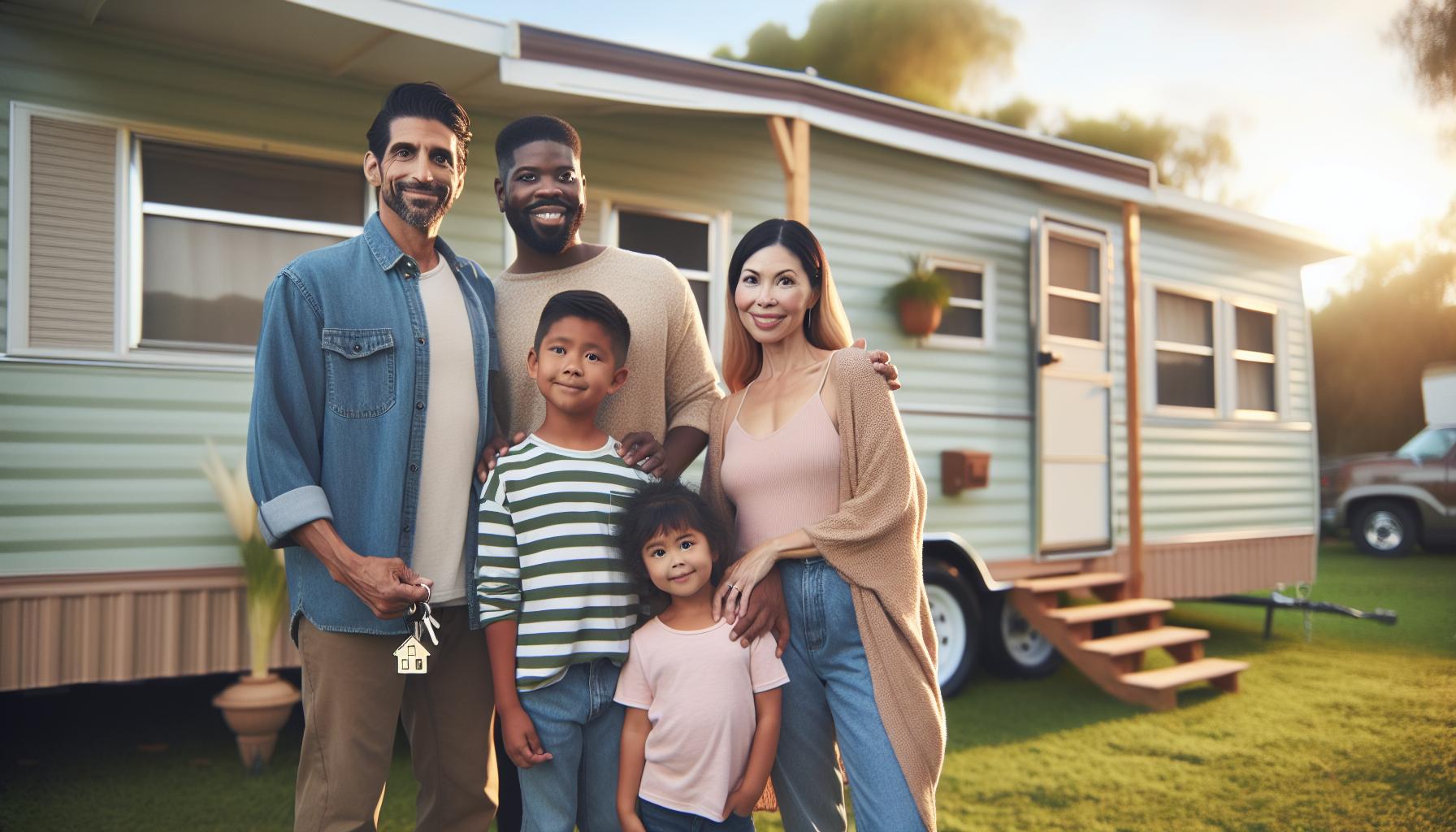
Financial Aspects of Purchasing Trailer Homes
When it comes to purchasing trailer homes, understanding the financial aspects is crucial for making informed decisions. Trailer homes often present a more affordable alternative to traditional housing options, with lower upfront costs and ongoing expenses. Many prospective buyers, particularly those new to homeownership, find that trailer homes offer a financially viable way to secure a place to live without the burdensome expenses associated with conventional houses. In fact, the affordability of trailer homes can significantly improve one’s financial health, allowing for the potential allocation of funds towards savings, investments, or leisure activities.
Cost and Budget Considerations
When calculating the total cost of ownership, buyers should consider various factors beyond the purchase price of the trailer home itself. Essential expenses include land acquisition, setup costs (which may involve leveling and utility installation), property taxes, and ongoing maintenance expenses. Additionally, prospective buyers should be aware of financing options available to them. Traditional mortgages may not always be applicable, and specialized loans for manufactured homes exist, including personal loans, chattel loans, or specific FHA loan programs designed for mobile homes. These financing methods can provide flexibility and opportunity, allowing buyers to explore various payment structures and interest rates suitable for their budget.
Potential for Long-Term Value
Investing in a trailer home can also lead to long-term financial benefits. While the depreciation of mobile homes is commonly discussed, many factors contribute to their value retention or appreciation over time. Well-maintained homes in desirable locations may appreciate as the surrounding community grows. Additionally, upgrading features such as energy-efficient appliances or adding outdoor living spaces can enhance property value. It’s essential for buyers to stay informed about market trends and community developments to maximize their investment potential.
Insurance and Warranty Considerations
Having proper insurance coverage is non-negotiable for trailer home owners. Mobile homes might require specialized insurance to cover unique risks associated with their structure and location. Homeowners should research different policies to find adequate protection for their investment, covering potential damages from storms, theft, or other unforeseen incidents. Furthermore, new trailer homes often come with manufacturer warranties that can shield buyers from costly repairs in their early years of ownership, providing additional peace of mind as they navigate the responsibilities of homeownership.
In conclusion, understanding the financial aspects of trailer home purchasing allows buyers to engage with the market with confidence. By carefully considering costs, available financing options, potential value growth, and essential insurance, individuals can make sound decisions that align with their financial goals while enjoying the unique lifestyle that trailer homes can offer.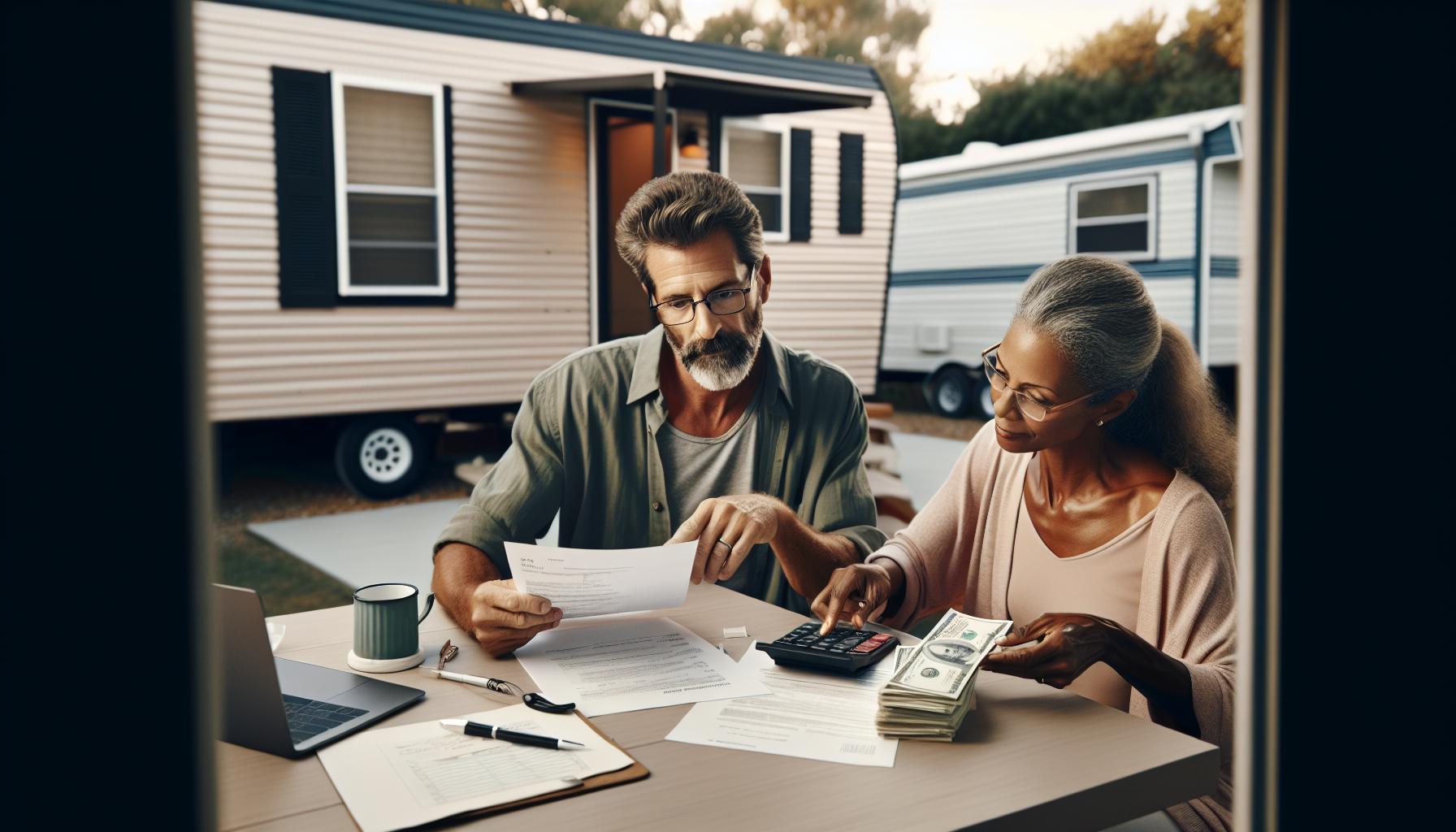
Essential Features Buyers Look for in Trailer Homes
When exploring the world of trailer homes, future buyers often seek specific features that enhance their living experience while aligning with their lifestyle and budget. The appeal of trailer homes lies in their versatility and practicality, but understanding what essential attributes to look for can make a significant difference in satisfaction and daily comfort.
One of the most sought-after features includes energy efficiency. Many potential owners prioritize homes equipped with modern insulation, double-pane windows, and energy-efficient appliances. These elements not only reduce monthly utility expenses but also contribute to a more sustainable living environment. Buyers are increasingly drawn to homes that offer solar panel options as well, catering to a growing interest in renewable energy sources.
Another key consideration is layout and design. Open floor plans with ample natural light are typically favored, as they create an inviting atmosphere and maximize space. Buyers should look for flexible living spaces that can adapt to changing needs, such as multi-functional rooms that can serve as home offices or guest accommodations. Quality of materials used in construction, including durable siding and flooring choices, also plays a vital role in longevity and ease of maintenance.
Additionally, outdoor spaces have become a crucial element of buyer preference. Many individuals want homes that include decking or patio areas, allowing for outdoor living and entertainment. Prospective buyers should also consider the availability of storage solutions, both inside and out, such as sheds, carports, and built-in cabinetry, to maximize their living space effectively.
Lastly, community amenities can significantly influence the buying decision. Neighborhoods that offer recreational facilities, friendly communal spaces, and access to local resources such as shopping and healthcare are particularly appealing. Buyers are encouraged to evaluate the environment surrounding the trailer home to ensure it aligns with their lifestyle preferences and values, making their new living arrangement not just a home, but a vibrant community experience.
By focusing on these essential features, potential buyers can navigate the market confidently, ensuring they select a trailer home that not only meets their fundamental needs but enhances their overall quality of life.
Navigating Trailer Home Financing Options
Navigating the landscape of financing for trailer homes can be daunting yet rewarding, particularly as these properties continue to gain popularity for their affordability and flexibility. Unlike traditional homes, securing financing for a mobile or manufactured home often requires navigating unique loan options tailored to these specific property types. Understanding these choices can empower potential buyers, turning this often-overlooked housing option into a feasible and attractive living solution.
To begin, it’s essential to recognize that financing for trailer homes typically falls under two major categories: installment loans and traditional mortgages. Installment loans, often used for homes placed on rented land or personal property, function similarly to auto loans, requiring a down payment and structured monthly payments. However, for those placing their manufactured homes on owned land, traditional mortgages can be a viable option, often facilitated through unique lending programs offered by agencies such as the Federal Housing Administration (FHA) or private entities like Fannie Mae and Freddie Mac. These options can often provide better terms and lower interest rates, making them appealing choices for savvy buyers seeking long-term investment.
When selecting the best financing method, it’s crucial to consider factors such as your credit score, down payment capability, and specifically the type of home you are purchasing. For instance, homes classified as real estate (usually those permanently affixed to land) may qualify for more favorable loan terms, including lower interest rates. Additionally, some lenders exclusively focus on manufactured housing, which can simplify the process and increase the likelihood of approval.
Another critical aspect to consider is the total cost of ownership, which includes not just the price of the home but also the costs associated with settling utilities, insurance, and maintaining the property. Buyers should approach lenders with a thorough understanding of their financial picture, which includes potentially factoring in the cost of insurance policies that cater specifically to mobile homes, as well as reviewing legal requirements surrounding the ownership of such properties.
In conclusion, by equipping themselves with knowledge about the financing landscape, potential buyers of trailer homes can confidently explore their options, ensuring they make informed decisions that align with their budget and lifestyle. Whether seeking a manageable installment loan or qualifying for a more traditional mortgage, a clear understanding of the available paths to financing can facilitate a smoother purchase process and lead to enjoying the multifaceted benefits of mobile home living.
Insurance Considerations for Trailer Homeowners
Understanding the right insurance coverage is essential for trailer homeowners, especially considering the unique challenges these properties can face. Many people may not realize that traditional homeowners’ insurance often isn’t sufficient for mobile or manufactured homes. Instead, specialized insurance policies are usually necessary to cover the specific risks and circumstances associated with trailer living, including issues related to mobility, foundation (if applicable), and location.
Types of Insurance to Consider
When exploring insurance options, trailer homeowners should look into these main types of coverage:
- Replacement Cost Insurance: This type provides coverage to replace your home at its current value without depreciation deductions, ensuring you receive adequate funds for repairs or rebuilding.
- Liability Insurance: Essential for protecting against accidents that may occur on your property, this coverage is important for anyone hosting guests or living in tight-knit mobile home communities.
- Flood Insurance: Given that many trailer homes are located in flood-prone areas, this coverage can be crucial for safeguarding against environmental risks that standard policies may not cover.
- Personal Property Insurance: This protects the items inside your home, such as furniture and electronics, which can be particularly important in manufactured homes where space is often limited.
It’s important for homeowners to review and understand the terms of each policy. Unlike traditional homes, policies for manufactured housing can include specific exclusions related to moving or installation damages, necessitating close examination of what’s included.
Best Practices for Insurance Selection
- Shop Around: Various insurance providers offer different rates and policies tailored for manufactured homes. Comparing quotes and services can help find the best fit for your needs and budget.
- Evaluate Your Location: Factors such as regional climate risks (hurricanes, tornadoes, floods) heavily influence insurance requirements. Ensure your policy accounts for these specific hazards.
- Update Your Coverage: As the value of your home and personal belongings increases, revisiting your policy every few years ensures you maintain adequate coverage.
- Consult Professionals: Engaging with an insurance agent who has specific experience in manufactured housing can provide valuable insights into the best coverage options for your unique situation.
Navigating the complexities of insurance as a trailer homeowner may seem daunting, but understanding your needs and exploring specialized options can pave the way to peace of mind. Protecting your mobile home investment is vital, enabling you to enjoy the benefits of this versatile living option with confidence and security.
Legal Requirements for Trailer Home Ownership
Navigating the legal landscape of trailer home ownership can often seem complex, but understanding the essential requirements can empower owners and prospective buyers to make informed decisions. Each state and locality may have distinct regulations governing trailer homes, including aspects of zoning, titling, and land use, which can significantly impact ownership experience and obligations.
Among the first steps for potential owners is ensuring that the desired trailer home complies with local zoning laws. Zoning regulations may dictate where mobile homes can be located, whether on private land or within designated mobile home parks. Checking with local municipal planning offices is crucial to confirm that the chosen site is zoned appropriately for manufactured housing. Failure to adhere to these regulations may result in fines or enforcement actions, making this due diligence a necessary priority.
But zoning is just the beginning. Once a trailer home is purchased, legal ownership is typically documented through a title transfer, similar to the process for vehicle ownership. This title must be registered with the state’s motor vehicle department, which may also require inspections to ensure compliance with safety and construction standards. Legal documents such as sales contracts and warranties play a vital role in establishing ownership rights and responsibilities, not to mention protecting the owner’s interests in the event of disputes.
Additional Legal Considerations
When considering the legal requirements, several other facets come into play that every trailer homeowner should be aware of:
- Community Regulations: If situated in a mobile home park, homeowners must adhere to community rules and regulations, which govern aspects such as maintenance, property boundaries, and common areas.
- Rental Agreements: If the lot is rented, understanding the lease terms, including duration, renewals, and rent increases, is essential for long-term planning.
- Health and Safety Codes: Compliance with local health and safety regulations protects residents from hazards, requiring knowledge of what constitutes acceptable living conditions for manufactured homes.
- Homeowner Associations: In some areas, especially those with newer developments, HOAs may impose additional rules that affect the use and appearance of trailer homes.
Being aware of these legal dimensions not only protects potential buyers during the purchasing process but also enhances their ability to navigate future challenges that may arise during ownership. Mobile home living is a legitimate and vibrant option, offering affordability and flexibility, though it’s crucial to approach it with a solid understanding of the legal framework that supports successful and sustainable living.
Property Valuation: What You Need to Know
Determining the value of a trailer home is both an art and a science, influenced by various factors that can significantly impact its market price. Unlike traditional houses, which often appreciate over time, the value of manufactured homes can fluctuate due to market demand, location, and even the home’s age and condition. Understanding these dynamics is crucial for buyers and sellers alike, as it helps set realistic expectations when entering the market.
When evaluating a trailer home, several key aspects come into play. Location is paramount; homes situated in desirable areas typically command higher prices. Proximity to amenities such as schools, parks, and shopping centers can enhance a property’s appeal. Additionally, the community infrastructure, including the availability of local services and transportation, plays a significant role in determining value. Condition is another critical factor-older homes may require more maintenance, which can detract from their value. Upgrades such as new roofing, modern appliances, and improved energy efficiency can positively influence the valuation.
Buyers should also consider the size and layout of the home. Generally, larger homes with well-thought-out floor plans can demand higher prices. The presence of added features such as decks, updated landscaping, or premium interior finishes further enhances a home’s value. Additionally, understanding the historical price trends in the area can provide insight into potential future value, guiding decisions on investments or purchases.
Factors Influencing Trailer Home Valuation
- Location: Assessing nearby amenities and community features.
- Condition: Evaluating the state of the home and recent upgrades.
- Size and Layout: Considering square footage and design efficiency.
- Market Trends: Analyzing historical price movements in the area.
For anyone looking to buy or sell, it’s beneficial to consult with a real estate professional experienced in manufactured homes. They can provide a comprehensive market analysis and assist in setting a competitive price based on current market conditions. By arming yourself with knowledge about property valuation, you can navigate the trailer home market with greater confidence and make informed decisions that align with your financial goals.
Maintenance and Renovation Tips for Trailer Homes
Keeping a trailer home in top form is essential for ensuring longevity and comfort. With proper maintenance and thoughtful renovations, residents can enjoy a space that meets their needs while preserving its value. Maintenance should be approached systematically, focusing on regular inspections and preventive measures. For instance, checking for leaks in the roof and around windows should become part of an annual routine. A small leak can lead to significant damage if not addressed promptly, including mold growth and structural issues.
Regular Maintenance Tips
- Inspect Roof and Gutters: Regularly check for damaged or missing shingles and ensure gutters are clean and functioning properly to avoid water accumulation.
- Seal Cracks: Use caulk to seal cracks around windows and doors to improve energy efficiency and prevent pests from entering.
- Check Plumbing: Inspect for leaks under sinks and around toilet connections. Insulate pipes to prevent freezing in colder climates.
- Maintain HVAC Systems: Change air filters regularly and schedule annual maintenance for heating and cooling systems to ensure optimal performance.
In terms of renovations, focusing on areas that enhance functionality while adding visual appeal can greatly benefit the living experience. Consider modernizing kitchen and bathroom fixtures; these small updates can drastically improve both aesthetics and efficiency. Upgrading to energy-efficient appliances not only adds value but also reduces long-term utility costs. Additionally, installing new flooring can revitalize the space and make it feel more like a traditional home.
Renovation Ideas
- Kitchen Updates: Replace old cabinets with stylish, space-saving options or install a backsplash for an instant facelift.
- Bathroom Improvements: Consider swapping out old vanities and installing new fixtures or even a small shower upgrade.
- Outdoor Enhancements: Adding a deck or patio can expand living space and provide a perfect area for entertaining.
Preparing for extreme weather conditions is another critical aspect of trailer home maintenance. Residents should ensure that their home is properly anchored and consider additional tie-downs to mitigate wind damage during storms. Regularly check for weather-related wear, and stock emergency supplies to ensure safety during severe weather conditions.
With a proactive approach to maintenance and thoughtful renovations, trailer homeowners can create a comfortable, appealing environment that stands the test of time. Whether you are a current resident or considering a purchase, treating your mobile home with care and attention will always pay off in the long run.
Preparing for Extreme Weather and Safety Measures
When it comes to trailer homes, ensuring safety and preparedness for extreme weather events is not just a good practice; it’s essential. Unlike traditional houses, trailer homes can be more vulnerable to high winds and severe storms, making it crucial for residents to adopt preventive measures. One key strategy is securing the home through proper anchoring and tie-downs to minimize movement during heavy winds. This involves using anchors specifically designed for manufactured homes to keep your dwelling stable.
Essential Safety Measures
- Ensure Proper Anchoring: Install anchor systems according to the manufacturer’s specifications. These usually include over-the-top straps and ground anchors that can withstand high winds.
- Conduct Routine Inspections: Regularly check your home for any wear and tear that could exacerbate vulnerabilities, such as damaged siding or roof shingles.
- Create an Emergency Plan: Develop a safety plan that includes evacuation routes, important contacts, and a list of emergency supplies, such as water, food, medications, and flashlights.
- Stock Emergency Supplies: Keep a well-stocked emergency kit that can sustain your household for at least three days. Include items like batteries, non-perishable food, water, and a first-aid kit.
In areas prone to hurricanes or tornadoes, it may be beneficial to closely monitor weather reports and have an action plan in place. Knowing when to evacuate is crucial; make sure to discuss and practice your plan with family members. For mobile homes, particularly those in flood-prone areas, elevate the structure and utilize skirting that can withstand water damage to prevent potential flooding impacts.
During Severe Weather
- Listen to Warnings: Always heed weather alerts and warnings. It’s vital to stay informed via local radio, mobile apps, or NOAA Weather Radio.
- Secure Outdoor Items: Before a storm, bring in or securely fasten any outdoor furniture, decorations, or tools that could become projectiles in strong winds.
- Prepare for Loss of Power: Have a plan in place for energy loss. Battery-operated lights and a portable charger for your mobile devices can help during outages.
By taking these precautions, trailer homeowners can enhance their safety and peace of mind, ensuring that they are well-prepared to face whatever extreme weather conditions may arise. It’s about balancing practicality with readiness, acknowledging that while trailer homes are a flexible and appealing living choice, they also require diligent care and preparation.
Community and Lifestyle: The Trailer Home Experience
Living in a trailer home often fosters a unique sense of community that many homeowners cherish. Unlike conventional neighborhoods where houses are spaced far apart, trailer parks frequently cultivate an environment of camaraderie among residents. People often engage in shared activities, which can include community events, potlucks, or simple casual gatherings, reinforcing connections that are sometimes missing in more traditional housing settings. This communal aspect not only enriches the living experience but also provides support systems that can be particularly beneficial, especially for first-time homeowners or seniors.
Trailer home living typically appeals to a diverse demographic, ranging from young families seeking affordable housing to retirees looking for a simpler lifestyle. This diversity can lead to a vibrant mix of ages and backgrounds, fostering an inclusive atmosphere that encourages understanding and friendship. Residents find that living in close proximity promotes interaction and collaboration, whether through neighborhood watch programs or shared gardening efforts. Many trailer parks also provide amenities such as community centers, pools, or recreational areas that enhance social engagement.
The Lifestyle Benefits
For many, opting for a trailer home means embracing a lifestyle rooted in simplicity and minimalism. With smaller living spaces, homeowners often prioritize experiences over material possessions, which can lead to more meaningful relationships and connections. The ability to relocate with relative ease can also appeal to those who enjoy travel or seasonal living, allowing for exploration without the burdens of traditional homeownership.
- Cost-Effective Living: Lower overall costs for housing, utilities, and maintenance can free up funds for leisure activities, education, or savings.
- Accessible Communities: Many trailer parks are located near essential services, recreation, and job opportunities, making them highly convenient.
- Flexible Lifestyle Choices: The ability to downsize or relocate to different parks offers versatile living options tailored to personal preferences.
Choosing trailer home living means embracing a lifestyle that balances affordability and community spirit. As homeowners navigate their unique paths, they often discover that the connections made within these closely-knit communities lead to enriching experiences they carry with them beyond the boundaries of their homes.
FAQ
Q: Who typically buys trailer homes?
A: Trailer homes are often purchased by a diverse range of buyers, including first-time homeowners, retirees seeking affordable living options, and individuals looking for temporary housing. Many buyers appreciate the flexibility and lower costs associated with trailer homes.
Q: What are the main reasons people choose trailer homes?
A: Buyers are motivated by affordability, lower maintenance costs, and the opportunity for a simpler lifestyle. Trailer homes also appeal to those who value mobility and the ability to downsize or relocate easily as their needs change.
Q: Are trailer homes a good investment?
A: Yes, trailer homes can be a good investment, particularly in areas with high rental demand. Their affordability and potential for steady rental income make them appealing to investors. However, market conditions and location significantly impact their value.
Q: How do demographics influence trailer home sales?
A: Demographics play a crucial role; for example, younger buyers may seek affordable starter homes, while older adults might look for downsizing options. Additionally, geographical areas with higher housing costs often see a more substantial interest in trailer homes.
Q: What features do buyers prioritize when selecting a trailer home?
A: Buyers often prioritize features like energy efficiency, space layout, and amenities such as modern kitchens and updated bathrooms. Customization options and community amenities can also sway buyer decisions.
Q: What financing options do trailer home buyers have?
A: Trailer home buyers can consider various financing options, including personal loans, specialized manufactured home loans, and FHA loans for eligible buyers. Each option has different terms and rates, so comparing them is essential for optimal financing.
Q: What challenges do trailer home buyers face?
A: Common challenges include securing financing, understanding zoning laws, and navigating insurance requirements. Buyers should thoroughly research their specific situation and consult experts to address these aspects effectively.
Q: How can buyers prepare for extreme weather when living in a trailer home?
A: Buyers can enhance safety by investing in proper anchoring systems, installing storm shutters, and creating an emergency plan. Familiarizing themselves with local weather conditions and preparation strategies is essential for safety and peace of mind.
For more information about the trailer home market and buying tips, explore sections on financing options and maintenance strategies in the main article.
In Conclusion
Understanding the target market for trailer homes offers invaluable insights for making informed purchasing decisions or investments. As we explored, aspiring homeowners and renters are drawn to the affordability, flexibility, and community aspects of manufactured housing. If you’re considering this unique housing option, don’t wait-start your journey today by exploring financing options and insurance considerations that best suit your needs.
To deepen your knowledge, check out our comprehensive guides on the essentials of mobile home maintenance and setup techniques, where you’ll find step-by-step tutorials on leveling and anchoring. Join our newsletter for expert tips that can enhance your mobile home experience and offer long-term value to your investment. Together, we can navigate the exciting world of manufactured housing, ensuring you are well-equipped for success. Feel free to leave your questions or thoughts in the comments; we’re here to help!