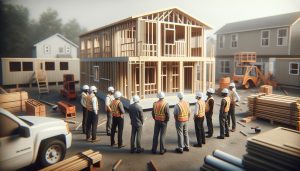
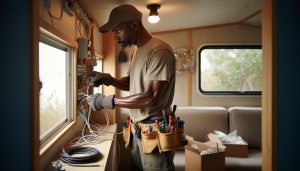
As modular homes gain popularity for their affordability and efficiency, many potential homeowners wonder about their longevity. Understanding the life expectancy of a modular home is crucial for anyone considering this housing option, as it impacts maintenance costs and long-term investment value. Typically built with high-quality materials and adhering to strict building codes, these homes can last anywhere from 30 to 100 years with proper care. Are you curious about what factors influence durability and how to maximize the lifespan of your modular home? Stay tuned as we explore essential insights and practical tips to ensure your investment stands the test of time, providing comfort and security for years to come.
What Factors Influence Modular Home Lifespan?

The lifespan of a modular home can vary significantly based on several integral factors that influence its durability and longevity. Understanding these factors is crucial for homeowners and potential buyers who wish to make informed decisions about modular housing. While modular homes are built with advanced technological processes, their life expectancy is dependent on aspects such as quality of materials, construction techniques, environmental factors, and regular maintenance.
Quality of Materials
The choice of materials used in the construction of a modular home plays a pivotal role in its overall longevity. Higher quality materials, such as durable siding, robust roofing systems, and superior insulation, can greatly enhance the lifespan of the home. Additionally, homes constructed with materials that are resistant to moisture, pests, and fire tend to withstand time better than those that do not adhere to these standards.
Construction Techniques
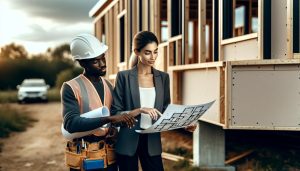
The construction methods employed during the building process also impact a modular home’s durability. Homes built to meet or exceed local building codes are inherently more stable and resilient against various stressors. Companies that incorporate advanced manufacturing processes and strict quality controls tend to produce modular homes with a longer lifespan. It’s advisable to research and choose manufacturers with a reputation for excellence and adherence to industry standards.
Environmental Factors
Environmental conditions where a modular home is located significantly influence its durability. Homes in areas prone to extreme weather, such as hurricanes or heavy snowfall, require additional reinforcement. Factors such as proper anchoring, elevated foundations, and resilience against moisture intrusion can help mitigate damage from environmental stressors. Understanding the specific challenges posed by your local climate is essential for ensuring a long-lasting modular home.
Regular Maintenance
Like any home, modular homes benefit from regular upkeep and maintenance. Conducting routine inspections and addressing minor repairs proactively can prevent more significant issues down the line. Tasks such as inspecting the roof, checking for water leaks, ensuring proper drainage, and maintaining the foundation can greatly enhance the lifespan of a modular home. Homeowners should establish a maintenance schedule and be vigilant about preserving their property.
By paying attention to these factors-quality of materials, construction techniques, environmental influences, and regular maintenance-homeowners can enhance their modular home’s lifespan, ensuring it remains a safe and comfortable living environment for many years.
Understanding the Durability of Modular Homes

Understanding how modular homes stand up to the test of time is essential for homeowners and potential buyers alike. This knowledge not only highlights the advantages of modular construction but also equips individuals with the necessary tools to ensure their investment remains durable and resilient. Modular homes are often built using modern engineering methods that enhance their lifespan, but various factors ultimately determine their long-term durability.
Quality of Construction is a cornerstone of durability in modular homes. Homes that are built according to high standards often utilize advanced materials that outperform conventional options. Quality-level components – such as reinforced roofing and siding materials designed to withstand weather extremes – significantly influence a home’s ability to resist wear and tear. Therefore, when considering a modular home, it is beneficial to investigate manufacturers’ reputations and their compliance with local building codes. Opt for those who demonstrate a commitment to quality and safety.
Maintenance and Upkeep play a crucial role in the longevity of any home, including modular structures. Like traditional homes, modular homes require regular inspections and maintenance to identify and remedy potential issues before they escalate. A proactive approach includes:
- Regular roof inspections to prevent leaks.
- Checking foundations and anchors, especially in high-wind areas.
- Ensuring proper drainage around the home to avoid water damage.
Establishing a routine maintenance schedule can save significant costs in repairs and enhance overall home durability.
Environmental Considerations also come into play when assessing the durability of modular homes. Homes located in extreme climates – such as hurricane-prone or heavy snowfall regions – should include specific features that fortify them against potential weather-related damage. Elevated foundations, proper tie-down systems, and moisture-resistant materials are examples of adaptations that increase a modular home’s resilience, ensuring it remains sound and livable for years to come.
By understanding the intertwined relationship between construction quality, upkeep, and environmental factors, prospective buyers and current homeowners can make informed decisions that enhance the durability and longevity of their modular homes. Embracing these practices not only aids in maintaining structural integrity but also fosters a safe and comfortable living environment.
Comparing Modular Homes to Traditional Homes

When considering the longevity and durability of a home, modular houses often emerge as a compelling alternative to traditional site-built homes. Built using a streamlined assembly process that emphasizes efficiency and modern engineering techniques, modular homes can offer comparable, if not superior, life expectancy under certain conditions. These homes begin their journey in a factory setting, where components are constructed with precision, ensuring consistency in quality. As a result, many modular homes can last 50 years or more, matching the lifespan of conventional houses, when properly maintained.
One of the decisive factors that sets modular homes apart is their construction methodology. Unlike traditional homes, which often face site-specific challenges like weather delays and inconsistent craftsmanship, modular homes benefit from controlled factory conditions that enhance structural integrity and reduce construction-related errors. Furthermore, manufacturers often adhere to strict building codes and standards, which can lead to higher quality finishes and materials. Newer modular designs often incorporate energy-efficient features and sustainable materials, which not only contribute to the structure’s lifespan but also reduce long-term operational costs.
Another important aspect to consider is the flexibility of modular homes. Homeowners can select from a wide array of customizable options, allowing them to tailor the structure to their needs and climate considerations. For example, in areas prone to extreme weather-such as hurricanes or heavy snowfall-features like reinforced roofs and moisture-resistant materials can be integrated during the manufacturing process, enhancing the home’s resilience and longevity. Conversely, traditional homes may require costly renovations to meet these demands, potentially diminishing their value over time.
In terms of maintenance, both modular and traditional homes require diligent upkeep to ensure longevity. However, modular homes are often designed with maintenance in mind, featuring durable exterior materials and thoughtful design that facilitates easier access to underbelly systems and roofs for inspections and repairs. Ultimately, choosing a well-constructed modular home designed for your specific environment can ensure a lasting investment that stands the test of time, while also providing a modern and comfortable living space.
Common Misconceptions About Modular Home Durability
While modular homes have gained significant popularity for their innovative design and affordability, misconceptions about their durability often deter potential buyers. One prevalent myth is that modular homes are of lower quality compared to traditional site-built homes. This belief is largely unfounded; modern modular homes are constructed in factory settings under strict regulations and building codes, ensuring they meet or even exceed the structural integrity of conventional homes. Many manufacturers utilize high-quality materials and advanced engineering techniques that enhance longevity and robustness.
Another common misconception is that modular homes are less durable in adverse weather conditions. Although there is a perception that these homes are temporary structures, many are designed specifically to withstand challenging environmental factors. Customizable options-such as reinforced roofs, moisture-resistant materials, and enhanced insulation-allow homeowners to tailor their modular homes for maximum resilience against hurricanes, heavy snowfall, or strong winds. In fact, the building process often includes rigorous testing for durability, making these homes just as capable, if not more so, than traditional houses.
A third misconception revolves around the idea that modular homes have a limited lifespan. People often assume they will degrade faster than stick-built houses, but this is not necessarily the case. With proper maintenance and care, modular homes can easily last 50 years or more, similar to their traditional counterparts. Homeowners benefit from design features that not only improve aesthetics but also enhance durability and reduce long-term repair needs. Investing in quality materials and conducting routine maintenance are key factors in ensuring the longevity of any home, modular or not.
Finally, some buyers believe that financing options for modular homes are significantly less favorable compared to traditional homes. However, financing for modular homes has evolved considerably, and many lenders now offer competitive rates and terms similar to those for site-built homes. This change reflects the growing acceptance of modular homes in the real estate market. By addressing these misconceptions, prospective buyers can make informed decisions about choosing modular living, knowing they are investing in a durable, long-lasting home.
Maintenance Tips for Prolonging Modular Home Life
To ensure that a modular home provides long-lasting comfort and resilience, proper maintenance is key. Modular homes, constructed with modern techniques and materials, can offer the durability of traditional homes, but they require regular care to maximize their lifespan. Simple practices and proactive measures can significantly enhance the integrity and aesthetic of your home over the years.
Regular Inspections
Conducting routine inspections is essential for early detection of potential issues. Check for any signs of wear and tear, such as:
- Roofing: Inspect for missing shingles or signs of leaks.
- Siding: Look for damage, rot, or mold on exterior walls.
- Foundation: Ensure there are no cracks or settling issues.
- Plumbing: Check for leaks, water stains, or unusual sounds in pipes.
By routinely assessing these areas, you can address minor problems before they escalate into costly repairs.
Maintain Proper Ventilation
Maintaining adequate ventilation is crucial to prevent moisture buildup, which can lead to mold growth and structural issues. Ensure that your home’s HVAC system is serviced regularly and that vents are unobstructed. Using dehumidifiers in damp areas can also help manage humidity levels, particularly in climates prone to heavy rainfall or snow.
Seasonal Maintenance Tasks
Performing seasonal maintenance can help prepare your home for varying weather conditions. Consider the following tasks:
- Winter: Insulate pipes to prevent freezing, inspect heating systems, and clear snow from the roof.
- Spring: Inspect gutters and downspouts, clean out debris, and check for signs of water damage.
- Summer: Service the air conditioning unit and check for insect infestations.
- Fall: Clean chimneys and check insulation.
These seasonal checks not only maintain home health but also reward you with lower utility bills and fewer emergency repairs.
Invest in Quality Upgrades
Upgrades to your modular home can enhance its durability and energy efficiency. Consider features like:
- Energy-Efficient Windows: Enhance insulation and reduce heating and cooling costs.
- Quality Siding: Opt for materials that withstand harsh weather.
- Moisture Barriers: Properly applied barriers can prevent moisture penetration.
Such improvements pay dividends over time by reducing maintenance needs and improving the home’s overall value.
By integrating these maintenance tips into your routine, you can ensure your modular home not only stands the test of time but also remains a safe and inviting sanctuary for years to come. Embracing modular living doesn’t mean compromising on quality; with the right care, these homes offer a sustainable and stylish living solution well worth the investment.
Signs Your Modular Home Needs Repairs
Identifying when your modular home needs repairs may not always be straightforward, as some issues can develop gradually, potentially leading to more significant problems if not addressed timely. Regular vigilance can save you considerable time and money, ensuring your home remains a safe haven. Members of the community often note that early intervention is paramount; therefore, familiarizing yourself with the common indicators of wear and tear is essential.
A frequent area of concern for many homeowners is the roofing system. Missing shingles, visible wear, or signs of leaks can compromise your roof’s integrity, leading to water damage within the home. For example, a homeowner in Maryland discovered extensive damage after ignoring small leaks that escalated after heavy rain, resulting in costly repairs. Schedule annual inspections or check your roof after severe weather events to catch issues early.
Next, pay close attention to the siding and foundation. Look for cracking in the siding or foundation, as these can lead to substantial structural problems. Damage to siding can not only affect your home’s aesthetics but also expose it to moisture, leading to issues like mold growth. Moreover, a sagging or uneven foundation could indicate drainage problems, which, if left unchecked, can worsen over time. Regularly inspect your home for any signs of shifting or gaps where the foundation meets the structure.
It is also important to be aware of plumbing issues that signal repair needs. Unexplained water stains, dripping faucets, and unusual sounds from pipes can be red flags. For instance, a homeowner in Florida faced a devastating flood due to undetected pipe corrosion, resulting in damages that could have been avoided with proactive maintenance checks. Regular checks can help you spot these concerns before they escalate.
Lastly, keep an eye on energy bills and any noticeable drafts or temperature inconsistencies throughout your home. A sudden increase in heating or cooling costs could point towards inadequate insulation or failing windows, both of which are signs that upgrades might be necessary for improved energy efficiency and comfort.
By staying alert to these signs and addressing repairs promptly, you can ensure that your modular home remains a durable and enjoyable living space for many years to come. Engage in routine maintenance and don’t hesitate to consult experts when in doubt-after all, a proactive approach to home care is the key to longevity in any residence.
Weather Resilience: Modular Homes in Extreme Conditions
When faced with extreme weather conditions, modular homes can be built to withstand considerable challenges, often matching or exceeding the resilience of traditional homes. Made in controlled environments and adhering to rigorous building standards, modern modular homes incorporate advanced materials and construction techniques that enhance their durability. For instance, homes in hurricane-prone areas are often designed with features that can withstand high winds and flying debris. These include reinforced roofs, impact-resistant windows, and storm tie-downs that secure the structure firmly to its foundation.
Building for Weather Resistance
One of the primary factors that influence the weather resilience of modular homes is the quality of construction. Leading manufacturers prioritize using durable materials, such as high-grade vinyl siding and insulated doors, capable of resisting harsh weather conditions. In regions prone to snow and ice, homeowners can opt for roofs engineered to handle heavy snow loads, ensuring safety and structural integrity. Furthermore, the use of sealed crawl spaces or basements that prevent moisture intrusion reduces the likelihood of mold and structural damage during flooding events.
Proactive Measures for Extreme Conditions
Beyond construction quality, there are proactive measures that homeowners can take to enhance their modular home’s weather resilience. Regular inspections and maintenance, such as checking seals on windows and doors or ensuring gutters and drainage systems are functioning properly, can prevent long-term damage. During severe weather seasons, it can also be beneficial to evaluate the landscape around the home; installing proper drainage systems and ensuring positive grading away from the foundation helps mitigate water-related issues.
For those in hurricane zones, preparing for storms is vital. This includes securing outdoor furniture, using storm shutters, and having an emergency preparedness plan in place. Investing in insurance tailored specifically for modular homes provides additional peace of mind, as it covers potential damages that may not be included in standard homeowners’ policies.
By understanding the factors that influence the durability of modular homes and taking the necessary precautions, homeowners can ensure their living spaces remain safe and comfortable, even in the face of extreme weather conditions. With the right approach, modular homes can offer a resilient and sustainable housing solution that stands the test of time.
Financing and Insurance Considerations for Modular Homes
Navigating the financial landscape of modular home ownership is crucial for both prospective buyers and current owners. Modular homes, often perceived as a more affordable housing option, come with unique financing and insurance considerations that can significantly impact your investment’s longevity. Understanding these aspects can not only help you secure better financing terms but also ensure your investment is well-protected against unforeseen circumstances.
When it comes to financing a modular home, many options are available, including conventional mortgages, FHA loans, and specialized loans for manufactured housing. It’s essential to shop around for lenders experienced in modular home financing, as they will better understand the specific needs and valuation challenges associated with these properties. For instance, if you’re looking at a modular home built after 1976, you might qualify for a more favorable interest rate compared to older models, which can often be categorized differently by lending institutions. Additionally, make sure to maintain a strong credit score, as this can greatly enhance your chances of securing financing at competitive rates.
Insurance Considerations for Modular Homes
Finding the right insurance is just as important as securing financing. Modular homes should be insured under a policy designed explicitly for manufactured or modular housing, as standard homeowners’ insurance may not cover many specific risks. Factors such as location, home style, and the materials used in construction will influence your insurance premiums. For homeowners in areas prone to extreme weather, consider additional coverage for natural disasters, such as floods or hurricanes. It’s beneficial to discuss these details with an insurance broker who specializes in modular homes to ensure adequate coverage.
Another crucial point to consider is the warranty options available. Many new modular homes come with warranties that cover structural integrity and major systems like plumbing and electrical. Familiarize yourself with what’s included in these warranties and how they can affect your insurance decisions. Additionally, documenting any upgrades or renovations can help in accurately assessing your home’s value and securing adequate insurance coverage.
By proactively addressing financing and insurance, you can significantly enhance the security and longevity of your modular home investment. With careful planning and informed decisions, owning a modular home can be both a financially sound and fulfilling choice.
Legal Requirements Affecting Modular Home Longevity
Understanding the legal landscape surrounding modular homes is critical for homeowners aiming to enhance the longevity of their investment. State and local regulations can significantly influence various aspects of modular home construction, installation, and maintenance. For instance, obtaining the proper permits before installation is crucial. This ensures that your modular home adheres to local building codes, zoning laws, and safety standards, which can prevent costly modifications or even legal issues down the line.
Building Codes and Zoning Regulations
Different regions have specific building codes that dictate the minimum standards for construction to ensure safety and longevity. Familiarizing yourself with these codes can help you avoid pitfalls that may arise during the home development process. For example, some areas have zoning regulations that restrict the types of structures that can be placed on certain parcels of land. Always consult with local authorities to ensure compliance before moving forward with your modular home plans.
Inspections and Compliance
Once your modular home is manufactured and set on your property, several inspections may be mandated. These inspections, covering electrical, plumbing, and foundation systems, help verify compliance with local codes. Regular maintenance and adherence to these requirements not only safeguard your home against potential hazards but also ensure that your home retains its value over time. Failure to comply with these inspections can lead to serious repercussions, including fines or complications when selling the home in the future.
Ownership and Titles
Legal classifications of modular homes can differ. Some states may categorize them similarly to conventional stick-built homes, while others may treat them like vehicles or mobile homes. Understanding how your modular home is classified is essential for registration, resale, and insurance purposes. Typically, modular homes retain their value better when classified as real property, so it’s beneficial to pursue changing the classification if it applies to your situation.
By grasping the intricate web of legal requirements that affect modular home ownership, homeowners can proactively safeguard their investment. Taking the time to understand and comply with local laws and requirements serves not only as a protective measure but can also enhance the overall durability and longevity of the structure itself.
The Role of Quality in Modular Home Construction
The craftsmanship of modular homes has evolved significantly, positioning them as a durable and appealing housing choice. The quality of materials and construction processes directly impacts not only the lifespan of a modular home but also the living experience within it. Homes built with high-quality materials and precision engineering often resist wear and climate impacts better than those constructed with lesser standards. This attention to quality translates into a longer lifespan, fewer repairs, and, ultimately, a better investment for homeowners.
Material Selection
Choosing the right materials is paramount in modular construction. High-grade lumber, durable siding, advanced roofing materials, and energy-efficient windows can enhance both the structural integrity and thermal performance of a modular home. For instance, opting for energy-efficient installations not only reduces utility bills but also minimizes wear and tear over time. Homeowners should prioritize builders who use reputable suppliers and sustainable materials, which can offer better resistance to moisture, pests, and even fire.
Construction Techniques
The methods used to construct modular homes also play a critical role in their overall durability. Modular homes are built to meet stringent building codes, often exceeding those of traditional homes due to their factory settings. Each module is constructed in a controlled environment, ensuring consistent quality and reduced risks from weather-related delays. Advanced techniques such as precision carpentry and robust fastening systems can significantly enhance the stability of these homes. Homeowners should inquire about the construction processes of potential builders, ensuring they adhere to best practices that promote long-lasting structures.
Hiring Reputable Builders
When considering a modular home, selecting a reputable builder with a solid track record of quality and satisfaction is essential. Builders affiliated with recognized industry associations often implement best practices and maintain high standards. Researching client testimonials, inspecting previous projects, and examining warranties can provide insight into the builder’s quality assurance processes. Knowledgeable builders not only ensure good construction but also offer valuable advice on maintenance and upgrades that can further enhance the home’s longevity.
By investing in quality construction and materials, homeowners can comfortably enjoy the longevity of their modular homes, knowing they made a sound investment. This diligence not only protects their financial investment but also contributes to a safer and more enjoyable living environment.
Upgrades and Renovations that Enhance Durability
Investing in the longevity and durability of a modular home is not just about the initial construction; it also significantly involves the upgrades and renovations you make over time. Making strategic improvements can enhance your home’s resilience against environmental factors, reduce ongoing maintenance, and contribute to its overall aesthetic appeal. Here are some key upgrades that can fortify your modular home for years to come.
Structural Enhancements
Strengthening the structure of your modular home is a primary step in prolonging its lifespan. One effective upgrade is to reinforce the foundation. Depending on your location, you might consider converting to a permanent foundation, such as a slab or crawl space, which can improve stability and help resist natural elements like flooding or shifting ground. Additionally, incorporating storm tie-downs can significantly increase its wind resistance, making your home better equipped to withstand severe weather conditions, especially in hurricane-prone areas.
Energy Efficiency Improvements
Upgrading windows and insulation can have profound effects on both durability and energy efficiency. High-quality, energy-efficient windows not only enhance comfort and reduce utility bills, but they also help minimize potential water intrusion and air leaks, factors that can lead to structural damage over time. Improving insulation – whether through better materials or techniques – helps maintain internal temperatures and reduces the strain on HVAC systems, adding to the longevity of these systems and minimizing wear on your modular home.
Exterior Upgrades
Investing in durable exterior materials is crucial for protecting your home from the elements while enhancing its curb appeal. Opt for siding options that are resistant to moisture, pests, and UV damage, such as fiber cement or vinyl. Upgrading roofing materials to those designed for extreme temperatures and high winds can also improve resilience. Simply using quality gutters and downspouts can protect your home’s foundations by ensuring that water is diverted away from the structure, preventing water damage in the long run.
Interior Changes
On the interior, modernizing the plumbing and electrical systems can significantly affect the overall safety and functionality of your home. Considering upgrades such as installing PEX piping, which is resistant to freezing and bursting, or replacing outdated wiring, can enhance both safety and reliability. Moreover, choosing moisture-resistant materials for areas prone to humidity, such as kitchens and bathrooms, is essential for preventing mold and ensuring a safe living environment.
By focusing on these strategic upgrades and renovations, modular homeowners can significantly enhance durability and longevity, reinforcing their investment while creating a comfortable living space that stands the test of time. Taking these steps not only ensures a safer environment but also enhances overall property value, making modular living a sound choice for the future.
Long-Term Value: Investing in a Modular Home
Investing in a modular home goes beyond the initial purchase price; it is about understanding the long-term benefits and value it can bring as a sustainable living option. With increasingly advanced construction techniques and materials, modular homes have exhibited impressive longevity-many lasting as long as traditional homes. Their ability to be customized offers homeowners the flexibility to design a space that not only meets immediate needs but also accommodates future changes in lifestyle and family dynamics.
One of the most attractive aspects of modular homes is their typically lower cost compared to traditional builds, which can significantly reduce the financial burden on owners. Modular homes are often constructed faster and with greater efficiency, meaning you can save not just on labor costs but also on utilities during the building process. Additionally, many manufacturers offer warranties on their structures, ensuring that your investment is protected against defects or issues that may arise shortly after purchase.
To maximize the long-term value of a modular home, owners should focus on regular maintenance and strategic upgrades. For instance, prioritizing high-quality materials for roofing and siding can lead to significant cost savings in repairs down the road. Solar panel installations can enhance energy efficiency, providing substantial savings on utility costs while increasing property value. Moreover, keeping abreast of local real estate trends can inform owners about potential resale opportunities, especially in markets that favor energy-efficient and environmentally friendly homes.
Understanding the unique legal and financing aspects of modular homes is also crucial. Financing options may differ from traditional homes, so potential buyers should consult with lenders knowledgeable in modular construction. Insurance considerations, including coverage for transport and installation, are important factors that can impact long-term ownership costs.
By recognizing the multifaceted value of modular homes-including their design flexibility, potential for energy savings, and developing real estate markets-homeowners can not only enjoy their living space but also secure a financially sound investment for years to come.
Q&A
Q: What is the average lifespan of a modular home?
A: The average lifespan of a modular home is typically between 30 to 50 years, depending on construction quality, maintenance, and environmental conditions. Proper care can significantly extend its durability, making regular inspections and maintenance essential for longevity.
Q: How does weather affect the lifespan of a modular home?
A: Weather conditions can greatly influence a modular home’s lifespan. Homes built with proper weather-resistant materials can withstand extreme conditions better. Regular maintenance and weatherproofing measures, such as sealing and insulating, can enhance resilience against harsh climates.
Q: Are modular homes durable against natural disasters?
A: Yes, modular homes can be quite durable against natural disasters when constructed to meet local building codes. Features like hurricane tie-downs and reinforced structures can increase safety. However, it’s crucial to evaluate specific design and material choices to ensure proper protection.
Q: What upgrades can improve the durability of a modular home?
A: Upgrades such as energy-efficient windows, robust roofing systems, and high-quality insulation can improve a modular home’s durability. Additionally, investing in sturdy foundation options and regular exterior maintenance can further enhance longevity. Refer to the “Upgrades and Renovations that Enhance Durability” section for more ideas.
Q: How does regular maintenance influence a modular home’s longevity?
A: Regular maintenance directly impacts a modular home’s longevity. Routine inspections, timely repairs, and seasonal upkeep, like gutter cleaning and weatherproofing, help prevent larger issues, thereby extending the home’s lifespan. For a comprehensive guide, see the “Maintenance Tips for Prolonging Modular Home Life” section.
Q: What are common misconceptions about modular home durability?
A: A common misconception is that modular homes are less durable than traditional homes. In reality, modular homes can be engineered to meet or exceed the same durability standards as site-built homes. Understanding this can improve perceptions and inform better purchasing decisions.
Q: Can modular homes be renovated to increase their lifespan?
A: Yes, modular homes can be renovated to increase longevity. Renovations such as reinforcing the structure, upgrading plumbing and electrical systems, and improving insulation can significantly enhance durability. Consider consulting professionals for detailed renovation strategies.
Q: What legal requirements affect the lifespan of a modular home?
A: Legal requirements, including local building codes and regulations, play a crucial role in a modular home’s lifespan. Compliance with these standards ensures proper construction and safety measures, ultimately affecting durability. Check the “Legal Requirements Affecting Modular Home Longevity” section for detailed insights.
Final Thoughts
Understanding the life expectancy of a modular home is crucial for current and prospective owners alike. By recognizing that these homes can last for several decades with proper care and maintenance, you empower yourself to make informed decisions about your investment. If you’re considering financing options or exploring the best practices for maintaining your modular home, check out our related articles on financing modular homes and essential maintenance tips.
Don’t leave your modular home’s potential untapped; take action today by subscribing to our newsletter for valuable insights directly to your inbox. If you have questions or want to share your experiences, we’d love to hear from you in the comments below! Explore more about the ins and outs of modular living and discover how you can enhance your home’s longevity. Your journey in modular home ownership starts here-dive deeper into our resources and unlock the full benefits of this housing choice!