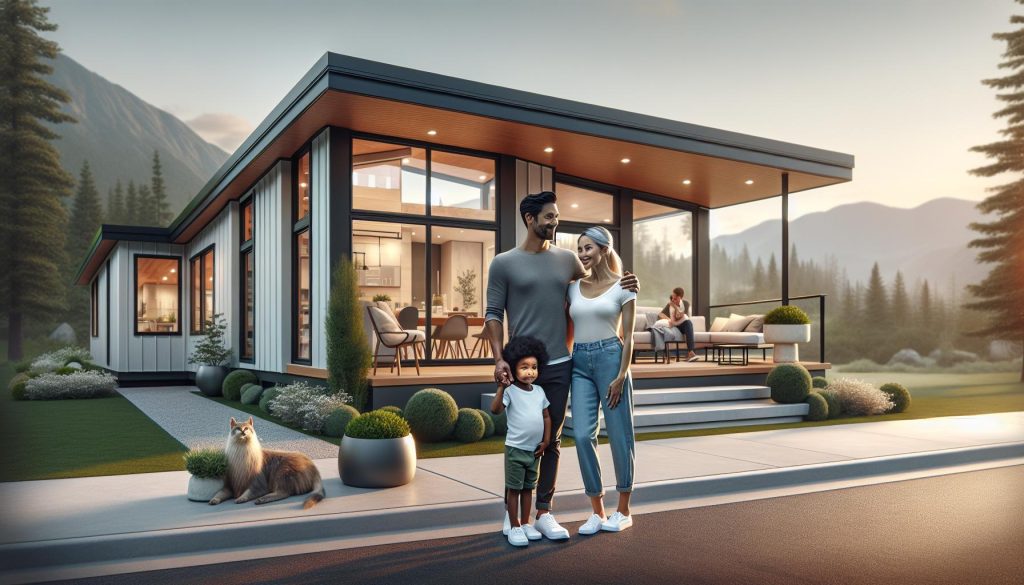
Luxury modular homes represent a fresh wave of elite living, combining modern design with efficiency and affordability. As more families seek comfortable yet stylish housing solutions, the allure of these homes becomes increasingly clear. They offer flexibility in customization, quick construction times, and a sustainable lifestyle, addressing both aesthetic desires and practical needs. Whether you’re a prospective homeowner dreaming of a personalized retreat or an investor looking for innovative property solutions, understanding the nuances of luxury modular homes is essential. Dive into this exploration of how these remarkable structures are redefining premium living and discover why they might be the perfect fit for your future.
What Defines Luxury Modular Homes?
What sets luxury modular homes apart from traditional housing options is their unique blend of elegance, functionality, and modern construction techniques. These homes are designed not only to be aesthetically pleasing and spacious but also to provide high-quality living experiences with an emphasis on personalization and sustainability. Unlike conventional homes built on-site, luxury modular homes are constructed using advanced modular techniques that ensure exceptional build quality, rapid turnaround times, and lower overall costs without sacrificing luxury.
One defining feature of luxury modular homes is the extensive range of customization options available to buyers. Homeowners can select everything from the layout and square footage to high-end finishes and smart home technology. This ability to tailor every aspect of the home to individual preferences is a hallmark of luxury living, allowing for unique designs that align with the homeowner’s lifestyle. Additionally, luxury modular homes often include upscale amenities such as gourmet kitchens, spa-like bathrooms, and open-concept living spaces that enhance the comfort and enjoyment of everyday life.
Furthermore, luxury modular homes are frequently built with sustainability in mind. Many manufacturers incorporate energy-efficient systems, sustainable materials, and advanced insulation techniques to create homes that reduce environmental impact while providing long-term savings on utility bills. This commitment to eco-friendliness not only elevates the living experience but also positions luxury modular homes as a progressive choice in modern housing. In essence, the defining characteristics of luxury modular homes lie in their innovative design, customization potential, and dedication to both luxury and sustainability.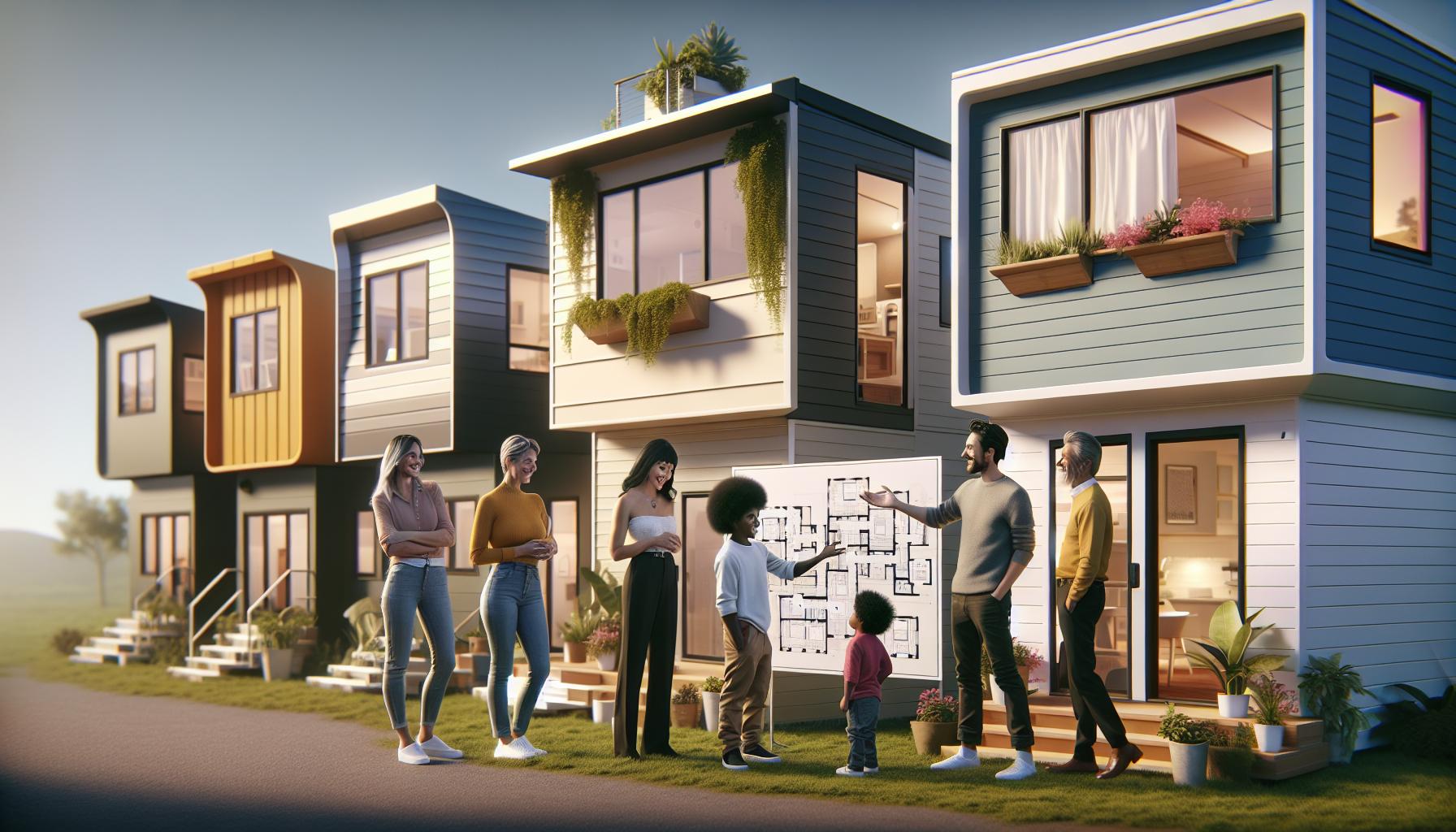
The Evolution of Modular Home Design
The journey of modular home design is a fascinating evolution, showcasing how innovation has transformed what once was perceived as a simplistic housing option into a sophisticated living experience. In the mid-20th century, modular homes were often associated with affordability and basic designs, primarily serving the mass housing market. However, as architectural trends and construction technology advanced, so too did the perception and execution of modular design. Today, luxury modular homes embody elegance, modernity, and an array of customizable features that cater to discerning homeowners.
One pivotal moment in this evolution was the introduction of advanced building materials and construction techniques that allowed for improved structural integrity and aesthetic appeal. Modern modular homes can now be constructed with high-quality materials such as engineered wood, steel, and eco-friendly composites that enhance both durability and visual impact. This shift resulted in expansive open floor plans, high ceilings, and large windows that foster a seamless connection with the outdoors, which are highly sought after in luxury living.
Moreover, the emergence of smart home technology has played a significant role in elevating modular home design. Today’s luxury modular homes frequently integrate cutting-edge technologies, allowing homeowners to control lighting, security systems, and climate with ease. These features not only provide convenience but also enhance energy efficiency, aligning with the growing consumer demand for sustainable living solutions.
The design flexibility of luxury modular homes has also continuously improved, allowing builders to offer a wide array of layouts and finishes that can be tailored to individual tastes. Buyers can now collaborate with architects and designers to create unique spaces that reflect their lifestyles, preferences, and aesthetic desires. This level of customization makes luxury modular homes a viable option for those seeking personalized living spaces without the traditional drawbacks of lengthy on-site construction.
Ultimately, has redefined the parameters of what luxury living entails. With an emphasis on sustainability, technology, and unique personalization, luxury modular homes stand as a testament to innovation in modern residential living, appealing to a growing market of homeowners who seek both quality and character in their homes.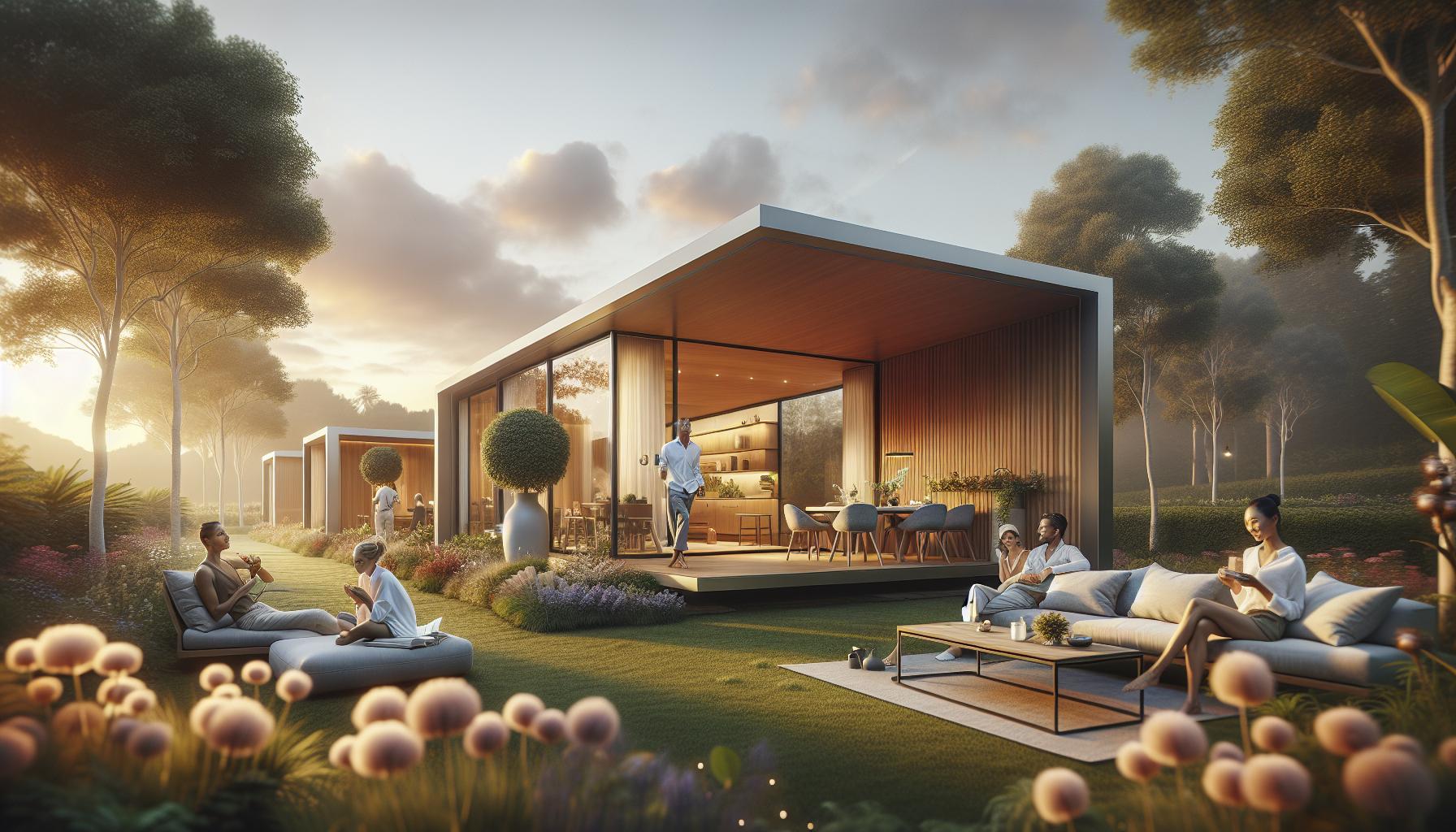
Key Benefits of Luxury Modular Living
Luxury modular homes are not just a novel housing option; they represent a transformative lifestyle that offers multiple advantages to discerning homeowners. One of the standout benefits is the incredible combination of quality and speed in construction. Unlike traditional methods, luxury modular homes are built in controlled factory settings, allowing for precision engineering and quicker assembly on-site. This process reduces the overall timeline for moving into a new home, with many luxury models being ready in just a few months.
Another compelling aspect is the customizable nature of luxury modular living. Homeowners have the freedom to tailor every aspect of their home, from the floor plan to the finishes. This level of personalization is often likened to creating a bespoke piece of art, where each element can reflect the homeowner’s style and preferences. The integration of high-end materials, smart technology, and eco-friendly features not only enhances the aesthetic appeal but also assures durability and efficiency. For example, luxury modular homes can incorporate solar panels and energy-efficient systems that reduce long-term utility costs.
Economic Efficiency
Additionally, the economic efficiency of luxury modular homes cannot be overstated. These homes often present a more cost-effective alternative to traditional upscale properties, without sacrificing quality or style. Lower labor costs, minimized waste during construction, and the ability to scale down or expand the design according to budget help in making luxury living more accessible.
Finally, sustainability plays a crucial role in the appeal of luxury modular homes. As consumers become increasingly aware of their environmental footprint, many modular homes are constructed using sustainable practices, like utilizing recycled materials and implementing energy-efficient technologies. This conscientious design not only benefits the planet but also creates a healthier living environment for families.
In summary, the encompass rapid construction, customizability, economic efficiency, and sustainability, making them an attractive choice for today’s homebuyers seeking both comfort and sophistication.
Material Quality and Customization Options
Luxury modular homes are revolutionizing the concept of personalized living by combining high-quality materials with extensive customization options. Homeowners today are not just looking for a roof over their heads; they desire a space that reflects their individuality and lifestyle. One of the most compelling aspects of luxury modular homes is their ability to deliver this in spades.
The materials used in constructing these homes are often superior to those found in traditional homes. Manufacturers typically employ durable, high-end materials like sustainable wood, premium insulation, and advanced roofing systems that ensure longevity and energy efficiency. The key is the precision engineering that modular construction allows, enabling intricate designs and high-quality finishes that create a stunning aesthetic. For instance, you can choose stylish countertops, luxurious flooring options, and modern fixtures that elevate the entire living experience.
In terms of customization, luxury modular homes offer an exceptional degree of flexibility that traditional builds rarely match. Homeowners can personalize nearly every aspect of their modular home, from the layout to the design elements. Popular choices include open-concept living areas for ease of entertaining, large windows for maximizing natural light, and smart technology integrations that enhance comfort and efficiency. Moreover, eco-conscious buyers can opt for green features, such as energy-efficient lighting systems and sustainable material selections, ensuring that their home not only looks good but contributes positively to the environment.
Customization Options: Enhancing Your Living Experience
- Floor Plans: Choose from various layouts that suit your lifestyle – whether it’s a cozy retreat or a spacious family home.
- Finishes: Tailor your interior aesthetics, from flooring and cabinetry to countertops and wall finishes.
- Smart Technology: Incorporate the latest technology for energy efficiency and home automation.
- Exterior Features: Select from different siding materials, roofing options, and outdoor living enhancements.
This commitment to material quality and tailored solutions makes luxury modular homes an attractive option for those seeking not just a house, but a true home that meets their specific needs and dreams. The luxury modular experience is as much about design as it is about comfort and personal expression, defining a new era of elite living that caters to today’s discerning homeowners.
Understanding Luxury Modular Home Pricing
Understanding the pricing of luxury modular homes can be a complex yet essential aspect for prospective buyers. Unlike traditional homes, luxury modular homes offer unique benefits that can influence overall costs, such as customization options and high-quality materials. Generally, the price of luxury modular homes ranges from $100 to $400 per square foot, significantly impacted by the choices made during the planning and construction phases. Factors such as location, size, and design complexity can also play pivotal roles in determining final costs.
One of the first steps in understanding pricing is to recognize the various components that contribute to the overall expenditure. There are three main cost categories to consider:
- Base Costs: This includes foundational expenses such as materials and labor. High-end features, including premium appliances and architectural enhancements, can drive base costs higher but also elevate the home’s value.
- Customization: Luxury modular homes are designed to suit the buyer’s lifestyle. Increased customization, such as unique layouts, luxury finishes, and smart home installations, can lead to higher prices but provide a personalized living experience.
- Site Development: This aspect covers expenses related to preparing the land for the modular home. Considerations include utilities, grading, and landscaping, all of which can vary depending on location and the complexity of the project.
When evaluating pricing, it is essential to consider financing options as well. Unlike typical mortgages, loans for modular homes may have different terms and interest rates, affecting monthly payments and overall affordability. Potential buyers should research various financial institutions and consider working with lenders experienced in modular home financing to secure favorable terms.
Investing in a luxury modular home not only provides immediate comfort and aesthetic appeal but also lays the groundwork for long-term value. As modular construction techniques continue to advance, many homeowners find that these properties appreciate well in the market. This redefined approach to living harmonizes luxury with practical affordability, making it an attractive choice for discerning buyers seeking flexibility and customization.
In summary, understanding the pricing of luxury modular homes involves a multi-faceted approach that considers base costs, customization options, site development, and financing. By assessing these factors, potential homeowners can make informed decisions that align with their budget and lifestyle preferences, ultimately transforming their vision of luxury living into a reality.
Sustainable Features in Luxury Modular Homes
In an era where eco-consciousness shapes consumer choices, luxury modular homes are leading the way by incorporating sustainable features that not only boost their appeal but also significantly reduce their environmental footprint. With advanced building technologies and materials, these homes are becoming exemplars of sustainable living, pushing the boundaries of energy efficiency and reducing reliance on non-renewable resources.
A notable aspect of luxury modular homes is the use of sustainable materials. Builders now often source recycled, reclaimed, or rapidly renewable materials, such as bamboo or reclaimed wood, which significantly cut down on the need for fresh resources. This commitment extends to energy-efficient windows and high-quality insulation, which work together to minimize heating and cooling costs while enhancing comfort. Furthermore, many luxury modular homes are designed with the integration of solar panels, allowing homeowners to generate their own electricity and reduce energy costs over time.
The smart technology incorporated into these homes also plays a vital role in sustainability. Home automation systems allow for controlled energy management-adjusting heating, lighting, and cooling based on occupancy and time of day. Simple features like smart thermostats can drastically cut energy usage while providing maximum comfort for residents. Moreover, homeowners can monitor water usage through smart systems that detect leaks and encourage conservation, ensuring every drop counts.
Another key sustainable feature is rainwater harvesting systems. These systems collect and utilize rainwater for irrigation and non-potable uses, ultimately lowering water bills while contributing to local water conservation efforts. By integrating landscapes designed to absorb and filter rainwater, luxury modular homes not only enhance their aesthetic appeal but also contribute positively to the natural environment.
In summary, luxury modular homes not only redefine elite living but also pave the way for a sustainable future, making them an appealing option for eco-conscious buyers. By choosing these homes, residents can enjoy unparalleled comfort and style while minimizing their environmental impact, demonstrating that luxury and sustainability can indeed go hand in hand.
Top Luxury Modular Home Manufacturers
Choosing a luxury modular home opens up a world of possibilities, and selecting the right manufacturer can significantly impact your experience. The landscape of luxury modular home builders features several companies renowned for their commitment to quality, innovation, and customer satisfaction. These manufacturers stand out not only for their craftsmanship but also for their ability to personalize each build to meet the unique needs and aesthetics of their clients.
One of the leading names in luxury modular homes is Method Homes, known for their sustainable practices and high-quality materials. Their designs often emphasize modern aesthetics, combined with energy efficiency and eco-friendliness. By utilizing advanced building methods and customizable plans, they provide homeowners with the ability to create spaces that truly reflect their lifestyle.
Another prominent manufacturer is Blu Homes, which specializes in prefabricated homes with beautiful, open layouts and sustainable features. Blu Homes is particularly noted for their innovative use of folding technology, allowing for efficient transport and a quick setup process. Their commitment to green building practices ensures that each home not only meets high design standards but also contributes positively to the environment.
Connected Communities provides modular homes that embrace modern technology. They integrate smart home systems from the outset, ensuring that every home is equipped to facilitate a convenient and connected lifestyle. Their ability to integrate advanced technology seamlessly into the design differentiates them in the luxury modular market, appealing to tech-savvy buyers who desire greater control and efficiency.
Champion Home Builders also deserves mention, widely recognized for their extensive portfolio of customizable luxury modular homes. They partner with homeowners to create bespoke designs and layouts, accommodating diverse tastes and preferences. Their reputation for durability and craftsmanship has made them a trusted choice for those seeking semi-custom to fully customized luxury finishes.
Horizon Modular stands out for its design-forward approach, focusing on aesthetics while ensuring energy efficiency and sustainability. Their expertise allows customers to select from an array of modern designs, often incorporating large windows for natural light and innovative use of space.
When choosing a luxury modular home manufacturer, it’s essential to consider not only the aesthetics and floor plans but also the quality of materials, customization options, and energy efficiency. Investing time in researching and visiting these manufacturers can help potential homeowners understand the value they provide, ensuring that the final product meets all expectations for luxury living.
A Deep Dive into Modular Home Construction
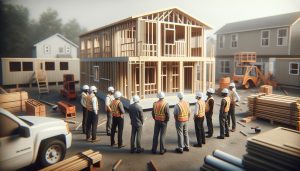
Building a luxury modular home is an exciting endeavor that combines cutting-edge technology with excellent craftsmanship. Modern modular construction involves prefabricating sections of the home in a factory setting before transporting and assembling the components on-site. This method not only accelerates the construction timeline but also enhances quality control, as homes are built in a controlled environment free from the unpredictability of weather conditions.
Construction Process Overview
The construction of luxury modular homes typically follows several key steps:
- Design and Planning: Architects and homeowners collaborate to create customized designs that meet specific needs and preferences. Advanced software allows for detailed visualizations to ensure the final product aligns with the homeowner’s vision.
- Factory Construction: Once designs are finalized, materials are sourced, and modules are built in a factory. This phase includes framing, plumbing, electrical, and finishing work, all completed under optimal conditions.
- Transportation: After construction, the modules are transported to the site using specialized trucks designed to carry the heavy loads securely. Transportation logistics must be meticulously planned, especially for larger structures.
- Assembly on-site: Once arrived, the modules are positioned using cranes and attached to the foundation with precision. This process often includes connecting utilities, ensuring everything functions seamlessly.
- Final Touches: The last steps involve interior and exterior finishing touches, landscaping, and inspections to ensure all building codes and quality standards are met.
Materials and Technologies Used
The choice of materials in luxury modular homes is crucial, as it directly influences both aesthetics and longevity. High-grade materials such as steel frames, sustainable wood, and energy-efficient windows are commonplace in luxury designs. Additionally, many companies are adopting green technologies, including solar panels and energy-efficient appliances, aligning with modern sustainability trends.
Innovative building technologies play a significant role in enhancing quality and efficiency. For example, modular homes often use advanced HVAC systems and smart home integrations, allowing homeowners to control their environments remotely. This emphasis on technology not only provides convenience but also helps reduce energy costs, further appealing to eco-conscious consumers.
Challenges and Considerations
Despite the advantages, potential buyers must also consider specific challenges associated with modular home construction. Regulatory requirements can vary widely by jurisdiction, so understanding local building codes is essential. Additionally, financing options for luxury modular homes may differ from traditional home loans, often requiring specialized lenders who understand the unique aspects of manufactured housing.
Moreover, buyers should be aware that while modular homes can be customized to a high degree, there might be limitations depending on the manufacturer. Thorough research and open communication with the builder can help clarify any constraints upfront, ensuring an informed decision-making process and a satisfying construction experience.
Embarking on the journey to construct a luxury modular home can be incredibly rewarding. By understanding the construction process, material innovations, and associated challenges, prospective homeowners can make informed decisions, ultimately enjoying a beautifully designed space that meets their lifestyle needs.
Financing Options for Luxury Modular Homes
Financing a luxury modular home requires a specialized approach due to the unique characteristics of modular construction. Unlike traditional homes, which often have straightforward financing options, luxury modular homes may necessitate creative financing strategies that cater to their prefabricated nature and customization potential. One key aspect to consider is that modular homes can sometimes be classified as personal property rather than real estate, which may impact loan eligibility and terms.
There are various financing routes available for prospective buyers of luxury modular homes:
- Conventional Loans: Some lenders offer conventional loans specific to modular homes, particularly if the home is permanently affixed to a foundation. Buyers should ensure that the lender understands the specifics of modular construction to avoid any pitfalls.
- FHA and VA Loans: Federally insured loans, such as those from the Federal Housing Administration (FHA) or the Department of Veterans Affairs (VA), can also be an option. These loans generally have more flexible credit requirements and lower down payments, making homeownership accessible to a broader audience.
- Chattel Loans: For modular homes classified as personal property, chattel loans may be appropriate. These loans are for movable items and usually come with higher interest rates compared to traditional mortgages.
- Construction Loans: If building a luxury modular home from scratch, construction loans can provide the necessary funds. These are typically short-term loans that cover the costs of construction and convert to a mortgage once the home is completed.
When pursuing financing, it’s essential to work with lenders experienced in modular housing. This expertise can make navigating the intricacies of loan types and requirements much easier. Also, potential buyers should consider the total cost of the luxury modular home, including land, installation, and any custom finishes that may elevate the home’s value. Communication with lenders about the specific details of the modular home can ensure that buyers receive the most suitable financing options available.
Ultimately, understanding the financing landscape for luxury modular homes will empower buyers, helping them secure favorable terms and smoothly transition to owning a uniquely crafted space that speaks to their lifestyle and preferences.
Insurance Considerations for Luxury Properties
When investing in luxury modular homes, understanding the nuances of insurance coverage is crucial for protecting your valuable asset. Unlike traditional homes, luxury modular properties may present unique challenges and considerations that impact insurance premiums and policy terms. For instance, modular homes classified as personal property might require specific coverage types that differ from standard homeowner’s insurance, leading to potential gaps in protection if not properly addressed.
Types of Insurance Coverage to Consider
There are several forms of insurance that luxury modular homeowners should be aware of:
- Homeowner’s Insurance: This is essential for protecting the structure itself, personal belongings, and liability for injuries that occur on the property. Be sure to specify that it covers modular construction, as some insurers may have exclusions.
- Flood Insurance: If your modular home is located in a flood-prone area, purchasing separate flood insurance is wise, as standard policies typically exclude this type of coverage.
- Extended Replacement Cost Coverage: Consider this coverage to ensure that you can replace your home should a loss occur, especially in high-cost areas where rebuilding could exceed your home’s insured value.
- Land Insurance: If you own the land on which your modular home is situated, ensuring it against natural disasters or liability claims can provide additional security.
Factors Influencing Insurance Premiums
Insurance providers will assess several factors when determining premiums for luxury modular homes, including:
- Location: Area risk factors such as crime rates, proximity to fire services, and risk of natural disasters all play a role in premium costs.
- Construction Quality: The materials and craftsmanship of your modular home can influence rates. Homes featuring high-quality materials and advanced building techniques may attract lower premiums.
- Upgrades and Customizations: Any high-end appliances, security systems, or luxury finishes can raise the home’s value, necessitating higher coverage limits.
Recommendations for Securing the Right Coverage
To ensure you have comprehensive protection, it’s advisable to work closely with insurance professionals who specialize in modular and luxury properties. They can guide you through selecting the right policies and coverage amounts:
- Conduct a Home Inventory: Catalog your belongings to determine sufficient coverage for personal property.
- Engage a Broker Experienced in Modular Homes: They can navigate the specificities of insurance relating to prefabricated structures and help you find tailored solutions.
- Review Policies Annually: Regularly reassess your coverage needs and adjust your policies as necessary, particularly after significant renovations or when market values fluctuate.
By thoroughly understanding and addressing the unique insurance implications of luxury modular homes, you can ensure your investment remains protected and your living experience reflects the elite lifestyle you desire.
Legal Regulations Surrounding Modular Homes
Navigating the legal landscape surrounding luxury modular homes is essential for buyers, owners, and investors alike. Unlike traditional housing, modular homes face distinct regulatory challenges that can vary significantly by state, county, and even municipalities. Knowledge of these regulations can save you time, money, and legal headaches, ensuring your investment complies with local standards and requirements.
At the foundation of legal regulations for modular homes is the requirement for compliance with the International Building Code (IBC) and local zoning laws. These codes dictate everything from design specifications to safety standards, ensuring that modular homes adhere to the same safety and structural considerations as traditional homes. Before setting up or purchasing a luxury modular home, it’s crucial to check local building codes that may impose additional requirements unique to manufactured structures. Some areas may also have specific zoning requirements that determine where modular homes can be installed, limiting placement based on criteria such as property type, density, and environmental impact.
Permitting and Inspections
Obtaining the necessary permits before construction is a critical step in ensuring compliance. This process often involves submitting plans for review by local building departments, which may require inspections throughout various stages of construction. Failing to secure the right permits can lead to fines or even forced removal of the home, making it imperative to approach this step with diligence.
- Building Permit: Essential for any new construction, this permit ensures the project adheres to local building codes.
- Zoning Permit: Required if the land requires specific usage permissions or if the modular home changes the land’s intended use.
- Occupancy Permit: After construction, this certifies that the home is safe for living and compliant with all regulations.
Land Use and Ownership
In addition to building permits, land use regulations also play a significant role in modular home legality. When purchasing land for a luxury modular home, it’s important to confirm that the land is zoned for residential use and can accommodate the necessary utilities. Additionally, understanding easements, property lines, and the potential impact on neighbors (including restrictions on the size and style of the home) will help avoid conflicts after installation.
Finally, prospective owners should consider addressing the legal distinctions between modular and traditional homes in their mortgages and financing agreements. Some lenders might have different criteria for modular homes, particularly if the property is classified as personal property rather than real estate.
By familiarizing yourself with these legal considerations, you can navigate the housing market with greater confidence. Always consult experienced legal counsel or a real estate professional who specializes in modular homes for the most accurate guidance tailored to your specific situation.
Future Trends in Luxury Modular Living
As the demand for innovative and adaptable living spaces grows, luxury modular homes are evolving to incorporate cutting-edge technology and sustainable practices that cater to the lifestyles of modern homeowners. Future trends indicate a shift towards prefabricated homes that not only exude luxury but also harmonize seamlessly with their surroundings. Automation is becoming pivotal, with smart home features such as energy-efficient heating systems, advanced security setups, and integrated entertainment systems being standard in luxury modular designs. This integration allows residents to control their environment through user-friendly apps, creating a tailored living experience that promotes comfort and efficiency.
Sustainability is a central theme driving the future of luxury modular living. Homebuyers are increasingly conscious of their environmental impact, leading manufacturers to emphasize eco-friendly materials and construction methods. Features like solar panels, energy-efficient appliances, and rainwater harvesting systems are being incorporated into designs, reducing the carbon footprint of luxury homes. By utilizing responsibly sourced materials and innovative building techniques, companies are not only enhancing the aesthetics but also meeting the growing demand for sustainable homes. This trend is particularly appealing to younger buyers who value sustainability in their purchasing decisions.
Moreover, customization will continue to redefine luxury modular living, offering homeowners the ability to personalize their space to reflect their individual tastes and lifestyles. Advanced technology in design and construction means that homeowners can collaborate with architects and designers to create unique floor plans and features, such as expansive outdoor living areas or high-end finishes. The ability to choose everything from fixtures to layouts ensures that each luxury modular home is not only a refuge but also a profound expression of personal style.
In conclusion, the future of luxury modular living is bright and filled with exciting innovations. As the industry grows, modular homes will not only provide beautiful and functional living spaces but also lead the way in sustainability and customization. Homeowners can anticipate a shift that embraces technology and environmental consciousness, ultimately redefining what it means to live luxuriously.
Frequently asked questions
Q: What features distinguish luxury modular homes from traditional homes?
A: Luxury modular homes often feature high-end materials, customizable designs, and advanced technology integrations. Unlike traditional homes, they are built off-site in sections, allowing for faster construction and reduced labor costs while maintaining luxurious finishes and sustainable practices.
Q: How do luxury modular homes contribute to sustainability?
A: Luxury modular homes promote sustainability through energy-efficient designs, the use of eco-friendly materials, and innovative construction methods that minimize waste. This makes them a great option for environmentally conscious buyers seeking stylish living spaces.
Q: What are the financing options available for luxury modular homes?
A: Financing options for luxury modular homes include traditional mortgages, construction loans, and personal loans. Buyers should research lenders that specialize in modular homes and consider factors such as interest rates, loan terms, and eligibility requirements to secure the best financing solution.
Q: Are there specific legal regulations that apply to luxury modular homes?
A: Yes, luxury modular homes must comply with local zoning laws, building codes, and installation regulations. It’s essential for prospective buyers to consult local authorities and ensure that their home meets all legal requirements before purchase.
Q: What customization options are available for luxury modular homes?
A: Luxury modular homes offer a wide range of customization options, including floor plans, interior finishes, and architectural styles. Buyers can often choose from various layouts, high-end materials, and cutting-edge technologies to create a unique living space tailored to their preferences.
Q: How does the construction process of luxury modular homes differ from traditional homes?
A: The construction process for luxury modular homes involves building modules in a controlled factory environment, which allows for precise craftsmanship and faster assembly. This contrasts with traditional homes that are constructed on-site, often taking longer to complete due to weather and logistical delays.
Q: What are the long-term maintenance considerations for luxury modular homes?
A: Long-term maintenance for luxury modular homes includes regular inspections of the structural integrity, updates to high-tech systems, and upkeep of energy-efficient appliances. Homeowners should establish a routine maintenance plan to preserve the quality and longevity of their luxury modular investment.
Q: Can luxury modular homes appreciate in value like traditional homes?
A: Yes, luxury modular homes can appreciate in value similarly to traditional homes, especially if they are well-maintained and located in desirable areas. Factors such as market trends, renovations, and the quality of construction impact their resale value, making them a good investment option.
Final Thoughts
Luxury modular homes represent a transformative approach to modern living, combining elegance with efficiency and design flexibility. By choosing this unique housing solution, you’re not just investing in a home; you’re embracing a lifestyle that prioritizes comfort and sophistication. For those intrigued by financing options or the latest trends in home renovation, our resources can guide you every step of the way.
Ready to explore this innovative housing market further? Don’t miss our comprehensive articles on maintaining your luxury modular home and understanding legal considerations in mobile home ownership. Join our community today by signing up for our newsletter, where you’ll receive updates and tips straight to your inbox. Remember, your dream home awaits-take that next step now and redefine the way you live!