As temperatures rise during the summer months, keeping your mobile home cool can become a challenging yet crucial task for comfort and energy efficiency. Did you know that poorly insulated homes can lead to skyrocketing energy bills? In this guide, we’ll explore practical, energy-saving tips to help you maintain a cool environment while minimizing your expenses. Whether you’re a long-time resident or considering a move to mobile home living, understanding how to manage heat effectively is essential. By implementing these strategies, you’ll not only enhance your living space but also contribute positively to your energy savings. Read on to discover simple yet effective solutions that will keep your mobile home refreshingly cool all summer long.
Energy-Efficient Cooling Systems for Mobile Homes
Keeping a mobile home comfortable during summer heat can be a challenge, but selecting the right energy-efficient cooling system can make all the difference. Traditional air conditioning units often consume a significant amount of energy, which can lead to higher bills and reduced comfort. Instead, consider options designed specifically for smaller spaces like mobile homes that not only help to maintain a cool environment but also reduce energy consumption.
One effective solution is the mini-split air conditioning system, which consists of an outdoor compressor and one or more indoor units. These systems are known for their high energy efficiency and ability to cool individual rooms without the need for extensive ductwork. Installing this type of system gives you the flexibility to cool only the areas of your home that you frequently use, further optimizing energy savings.
Another option is the evaporative cooler, also known as a swamp cooler. This system works best in dry climates and uses the natural process of evaporation to cool the air. It consumes up to 75% less energy than traditional air conditioning units and can also add moisture to the air, which can be especially beneficial during hot, dry summers. Regular maintenance, such as cleaning the pads and ensuring proper airflow, will enhance its efficiency and lifespan.
Consider adding thermal mass or radiant barriers to your installation. These materials can be installed in roofs and walls to reflect heat away from your living space, significantly reducing cooling load and the reliance on mechanical cooling systems. Furthermore, smart thermostats can help manage your energy usage by learning your routine and making adjustments based on when you’re home, ensuring your mobile home stays cool without unnecessary energy consumption.
Incorporating these energy-efficient cooling solutions in your mobile home not only provides comfort during sweltering months but also aligns with sustainable living practices, making your home a more eco-friendly space while saving you money on energy bills.
Effective Insulation Strategies to Combat Heat
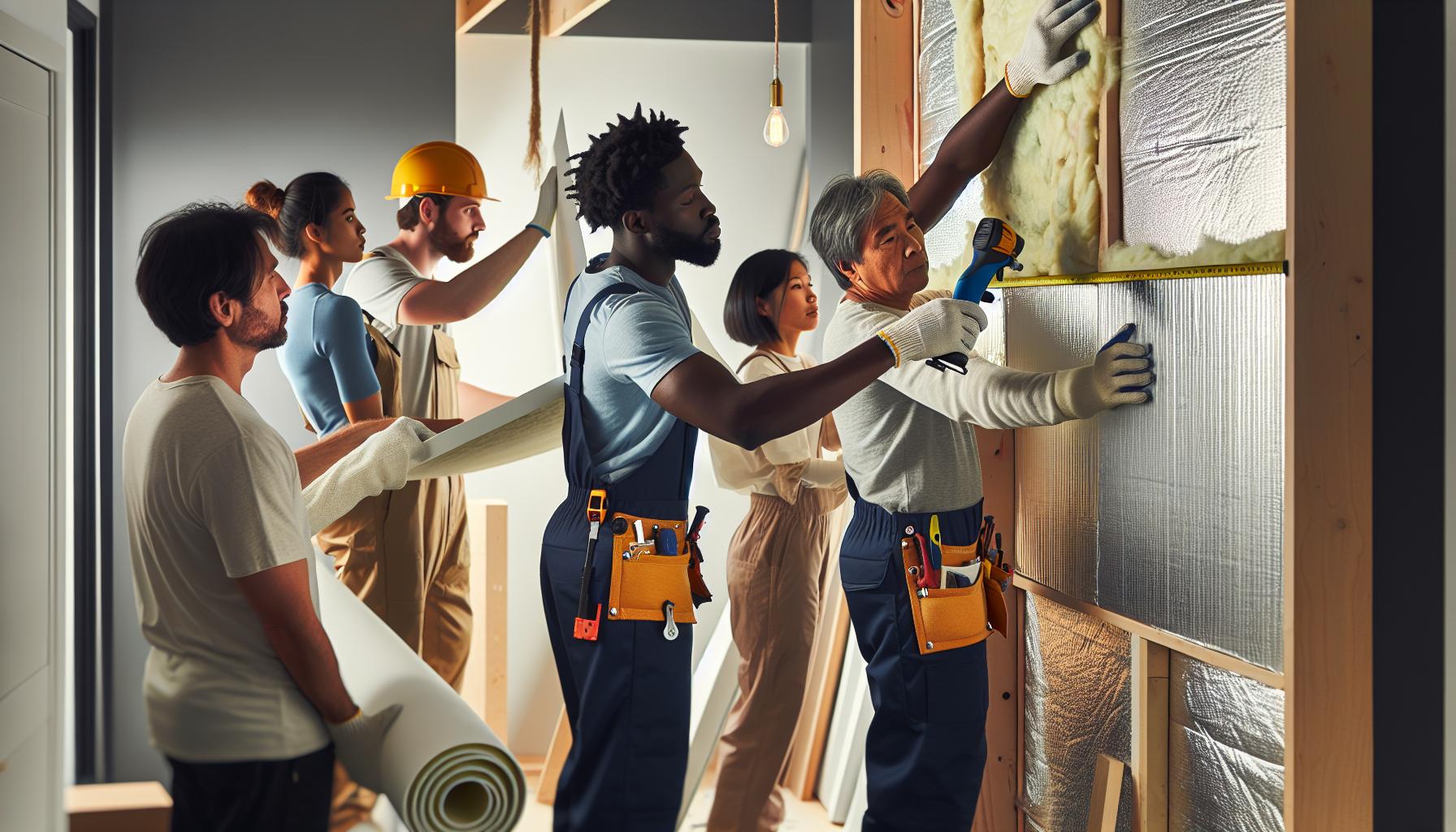
Keeping your mobile home cool during the sweltering summer months hinges largely on effective insulation strategies that combat heat entry. One of the most common culprits of heat infiltration is poorly insulated walls and ceilings. To mitigate this, consider upgrading your insulation materials. Fiberglass batt insulation is often a cost-effective choice for walls, while spray foam insulation can offer superior performance in sealing air leaks and providing a high R-value, which measures thermal resistance.
Additionally, do not overlook the importance of insulating your floor. Many mobile homes have crawl spaces that are prone to heat accumulation. By installing rigid foam board insulation beneath the mobile home or using insulated skirting, you can create a thermal barrier that reflects heat away from the living areas. This approach not only maintains cooler indoor temperatures but also enhances energy efficiency.
Another key aspect is the roof, which can absorb and transfer heat directly into your living space. Utilize reflective roofing materials or simply add a layer of radiant barrier insulation to minimize heat gain. Techniques like installing cool roofing that reflects more sunlight and absorbs less heat can significantly reduce indoor temperatures.
When choosing insulation materials, consider a blend of traditional options and advanced technologies. Cellulose insulation, made from recycled materials, is a green choice that also effectively reduces energy costs. In contrast, reflective foil insulation can provide additional benefits by redirecting heat away, making it especially suitable for regions with intense sunshine. The collective use of these strategies fosters a more comfortable living environment while promoting energy savings throughout the hotter months.
Choosing the Right Window Treatments for Shade

Selecting the right window treatments is an often-overlooked yet crucial step in maintaining a comfortable temperature in mobile homes during the sweltering summer. Windows can be a significant source of heat gain, allowing sunlight to pour into living spaces and raising indoor temperatures. Effectively managing this influx of heat not only enhances comfort but also leads to substantial energy savings.
To combat heat exposure, consider window treatments that offer excellent insulation and reflective properties. Cellular shades, for instance, consist of honeycomb-like structures that trap air and create a buffer between the window and your living space. This design not only blocks sunlight but also helps to keep hot air outside. Similarly, thermal curtains can be a powerful addition; they contain layers of insulating fabric that reduce heat transfer and can significantly lower your energy bills.
- Blackout curtains: Ideal for bedrooms, they can be drawn during the hottest parts of the day to keep spaces cool.
- Reflective films: These can be applied directly to windows, reflecting sunlight and reducing heat absorption without obstructing your view.
- Exterior shades or awnings: Installing these can shield windows from direct sunlight, which is especially helpful for south and west-facing windows.
In addition to choosing the right materials, consider the orientation of your windows and the time of day when they receive the most sunlight. Utilizing light-colored or reflective fabrics can further enhance the effectiveness of window treatments by minimizing heat absorption. This multifaceted approach to window treatment will create a more comfortable indoor environment, allowing you to enjoy your mobile home during even the hottest summer days without a significant spike in your energy consumption.
Smart Landscaping Tips to Reduce Heat Exposure

Strategically planned landscaping is one of the most effective ways to create a cooler environment around your mobile home during the hot summer months. Not only does it enhance curb appeal, but it also provides natural shade, reduces heat absorption, and can even lower your energy bills. By incorporating a few smart landscaping techniques, you can significantly mitigate the impact of rising temperatures.
Start by planting trees strategically around your mobile home. Deciduous trees, such as maples or oaks, are ideal for this purpose. These trees provide full shade during the hot summer months, helping to lower outdoor temperatures and blocking direct sunlight that can heat your mobile home’s exterior and interior. In the winter, when the trees lose their leaves, sunlight can reach your home, providing natural warmth. Aim to plant these trees on the south and west sides of your home, as these are the areas that receive the most sun during the hottest parts of the day.
In addition to trees, consider installing shrubs and tall plants around your home’s perimeter. They act as natural insulators against the heat and provide additional shade for your mobile home. Choose plants that have dense foliage to create a cooler microclimate; evergreens like holly or junipers work well for this purpose and can provide year-round benefits. Ground cover plants or vines can also help by preventing heat absorption from the soil.
Moreover, incorporating permeable patios or walkways made of materials like stone or gravel can help dissipate heat. These surfaces allow water to flow through them, reducing temperatures and minimizing heat retention compared to traditional concrete. Additionally, consider using light-colored or reflective outdoor furniture and fixtures, as they can contribute to a cooler atmosphere around your home.
Lastly, maximizing the use of mulch in garden beds not only suppresses weeds but also keeps the soil cooler by providing insulation against heat. This organic layer retains moisture in the soil, which helps to keep plants hydrated while also minimizing the need for frequent watering – a win-win for energy savings and plant health.
By finding the right balance between green spaces and hardscapes, your landscaping can play a pivotal role in creating a comfortable and energy-efficient environment around your mobile home, allowing you to enjoy a cool respite from the summer heat.
Utilizing Fans and Ventilation for Comfort
To maintain a comfortable environment in a mobile home during the sweltering summer months, leveraging fans and effective ventilation is essential. Proper airflow not only helps in cooling your living space but also promotes a healthier indoor atmosphere by reducing humidity and preventing musty odors. By employing a few strategic techniques, you can maximize the benefits of air circulation and keep your mobile home pleasantly cool without the hefty electricity bills associated with air conditioning.
One effective approach is to create a cross-ventilation system. This involves strategically opening windows and doors on opposite sides of your mobile home to allow a breeze to flow through. To enhance this effect, use fans to push the fresh air inside and draw the stale air out. Ceiling fans are particularly valuable, as they can be set to run counterclockwise in the summer to create a wind-chill effect, making the air feel cooler. In addition, place box fans in windows to help expel hot air during the hottest parts of the day, ideally during the late afternoon when outside temperatures begin to decrease.
Another simple yet effective method for cooling is the use of exhaust fans, commonly found in kitchens and bathrooms. These fans can quickly remove hot, humid air that builds up during cooking or bathing, allowing cooler air to take its place. Additionally, consider investing in portable fans for specific zones in your mobile home. Position them to directly blow air towards you while you’re reading or lounging, providing instant relief from heat.
Properly insulating your mobile home is also crucial in conjunction with these ventilation strategies. Insulation helps keep the cool air inside and the hot air outside. With improved airflow and efficient insulation, your fans will require less energy to operate, ultimately leading to reduced utility costs.
By integrating these principles of ventilation and fan usage, not only will you enjoy a more comfortable living environment, you will also harness these energy-saving practices to create an eco-friendlier and cost-effective cooling solution for your mobile home during the summer months.
Cost-Effective DIY Techniques for Summer Cooling
As temperatures rise, finding creative yet cost-effective ways to keep your mobile home cool becomes essential. Implementing DIY techniques not only safeguards your budget but also empowers you to take charge of your comfort. One prevalent approach is to utilize reflective window film. This simple addition can block out a significant portion of the sun’s heat while still allowing light in, helping to maintain a naturally bright atmosphere without the bake of direct sunlight. Applying this film to windows that face the sun can reduce indoor temperatures dramatically, making it a high-impact, low-cost solution.
In addition to window treatments, consider installing exterior shade structures. Awnings or shade sails can significantly reduce heat gain by blocking sunlight before it reaches your mobile home. A well-placed awning over a porch or window can keep the outdoor area cooler and provide a respite from direct sunlight, which translates to a more comfortable indoor temperature. Alternatively, strategic landscaping can also work wonders. Plant trees or large shrubs to create a natural shield against the sun, particularly on the west and south sides of your home. This not only enhances your living space but also contributes to energy savings over time as your air conditioning works less hard to combat incoming heat.
Another effective DIY cooling method is to apply a coat of insulating paint on your mobile home’s exterior. This paint contains reflective properties, helping to bounce sunlight away rather than absorbing it, thus keeping your home cooler. This solution is typically easy to apply and can be a weekend project that yields long-term benefits. Moreover, ensure that your mobile home’s skirting is well insulated. Proper skirting reduces heat transfer from the ground, maintaining cooler air beneath your home and effectively lowering indoor temperatures during the hot months.
Regular maintenance plays a pivotal role, too. Keeping your HVAC filters clean, ensuring vents aren’t blocked, and routinely checking for leaks in windows, doors, and ductwork can optimize your cooling system’s performance without incurring additional costs. Taking these various DIY steps can create a cooler, more enjoyable summer in your mobile home while keeping your energy bills in check.
Maintaining Optimal Thermostat Settings
Adjusting your thermostat wisely can significantly enhance your mobile home’s cooling efficiency and comfort during the scorching summer months. An effective strategy involves setting your thermostat at a higher temperature when you are away from home, but still cool enough to ensure a comfortable return. Ideally, maintaining a temperature of around 75°F to 80°F can save energy without sacrificing comfort. When you’re asleep or not occupying the home, consider raising the temperature a few degrees higher.
Smart thermostats take this a step further, offering programmable settings that allow you to automate temperature adjustments based on your daily routine. For instance, you can program it to start cooling your home shortly before you return from work, ensuring a pleasant environment without having to run the air conditioning at full blast throughout the day. Many smart thermostats can be controlled via smartphone apps, providing convenience and efficiency right at your fingertips.
It’s also wise to familiarize yourself with the concept of temperature setbacks. A strategy known as “setback cooling” can optimize your HVAC’s performance. This involves temporarily raising the thermostat setting when external temperatures are cooler, such as during the night or early morning. This method reduces the demand on your AC unit and can significantly lower your energy costs over time.
Lastly, regular maintenance is key to ensuring your cooling system operates efficiently. Clean or replace the air filters monthly to keep airflow steady and increase the system’s efficacy. Schedule professional inspections at least once a year to identify potential issues before they escalate into costly repairs. By adopting these practices, you can help your mobile home stay refreshingly cool while keeping energy expenses in check.
Understanding Mobile Home Skirting and Cooling
Many mobile home owners may not realize that proper skirting plays a crucial role in maintaining a comfortable indoor temperature during the hot summer months. Mobile home skirting serves as a protective barrier around the base of your home, effectively blocking heat from penetrating the underbelly and minimizing airflow from the gaps that could lead to excessive heat accumulation. Essentially, well-installed skirting helps to insulate your home, preventing heat from the ground and sun from driving up indoor temperatures.
To maximize the cooling effects of your skirting, ensure that it is vented correctly. This means including vents that allow for adequate airflow while still preventing debris and pests from entering. If your mobile home’s underbelly becomes too hot, it can lead to increased air conditioner use, skyrocketing energy bills, and potential damage to your HVAC system. When selecting skirting materials, consider durable options such as vinyl or composite materials that insulate better and require less maintenance than traditional skirting options.
Tips for Effective Mobile Home Skirting
- Inspect and Repair: Regularly check your skirting for gaps, cracks, or damage. Even small openings can let in hot air and insects, compromising both insulation and your comfort.
- Color Considerations: Lighter-colored skirting can reflect sunlight, leading to lower temperatures underneath your mobile home. If you’re willing to invest a bit, consider painting your skirting to enhance its reflective properties.
- Winter Preparation: While focusing on summer cooling is important, don’t forget that skirting should be adequately sealed for winter as well. Use insulation boards or foam to further reduce heat loss during colder months.
Incorporating effective skirting as part of your overall mobile home maintenance strategy can significantly enhance your cooling efforts, leading to a more energy-efficient and comfortably temperate living space. By investing in quality skirting materials and maintaining them regularly, mobile home residents can enjoy a pleasant indoor environment even on the hottest summer days.
Best Practices for Mobile Home Roof Maintenance
Proper roof maintenance is crucial for mobile home owners who wish to retain comfortable indoor temperatures during the sweltering summer months. A well-maintained roof protects against heat, helps in energy efficiency, and prolongs the lifespan of the home. Roof materials can absorb a considerable amount of heat, consequently raising indoor temperatures. Therefore, ensuring your mobile home’s roof is in optimal condition not only helps keep it cool but also lowers energy consumption, allowing for significant savings over time.
To start, conducting regular inspections is essential. Look for signs of wear such as cracks, loose seams, or any detachment issues. If your mobile home has a rubber roof, particularly inspect for punctures or tears that can allow heat infiltration. Use soft brushes and a gentle cleaning solution to remove debris and dirt that can trap heat on the roof’s surface. Additionally, if your roof is equipped with vents, ensure they are clear of obstructions to allow proper airflow, which aids in regulating indoor temperatures.
Roof Coating and Insulating Techniques
Applying a reflective roof coating can dramatically reduce heat absorption. These coatings come in various colors, with lighter shades proving particularly effective at reflecting sunlight. An added layer of insulation under the roof can also diminish heat transfer, making a significant difference in how hot the interior gets during peak heat times. For mobile homes with flat roofs, considering a trained professional for installation can ensure effective application and durability.
- Sealant Application: For added protection, regularly apply sealants around vents, skylights, and other rooftop penetrations to prevent leaks and maintain insulation.
- Gutter Maintenance: Keep gutters and downspouts clean to allow for proper drainage, preventing water pooling on the roof that can lead to deterioration.
- Professional Inspections: Schedule periodic evaluations by a professional roofing contractor to identify underlying issues you might miss during routine checks.
Incorporating these roof maintenance practices into your routine can significantly enhance the efficiency of your mobile home’s cooling system. Not only do they create a more pleasant living environment, but they also contribute to the long-term durability of your home. By prioritizing roof care, mobile home owners can achieve a cooler, more comfortable summer while enjoying substantial energy savings.
Utilizing Technology for Summer Energy Savings
In today’s tech-savvy world, utilizing smart technology can significantly enhance energy efficiency in mobile homes during the hot summer months. From smart thermostats to advanced shading solutions, these innovations can lead to a more comfortable living environment while also reducing energy expenses. One key component is the smart thermostat, which can learn your schedule and optimize cooling operations. By automatically adjusting temperatures based on your presence, you can save energy without sacrificing comfort.
Modern window treatments also leverage technology to manage heat effectively. Automated shades and blinds can be programmed to close during the hottest parts of the day, thus blocking out sunlight and reducing the heat that enters your home. Look for options with thermal lining or energy-efficient materials that further improve insulation. These automated systems not only enhance convenience but can also be integrated with other smart home devices for a cohesive cooling strategy.
Ventilation plays a crucial role in maintaining indoor temperatures, and technology gives homeowners effective control over airflow. Installing smart ceiling fans can help circulate cool air efficiently. Some models come with remote controls or smartphone apps, allowing you to adjust settings from anywhere in your home. Coupled with proper exhaust systems, this can create a balanced ventilation approach that aids in cooling while keeping humidity levels in check.
Additionally, investing in energy monitoring systems can provide insights into your energy usage patterns. These systems alert you to peak usage times, enabling you to shift power-hungry activities to off-peak hours when energy rates are lower. Such awareness can empower you to make informed decisions about your energy consumption, leading to significant savings on utility bills while keeping your mobile home comfortably cool all summer long. Embracing these technologies not only enhances the livability of your space but validates mobile home living as a practical and forward-thinking choice.
Evaluating Your Energy Provider’s Rates and Plans
When it comes to maintaining a comfortable temperature in a mobile home during the sweltering summer months, can have a significant impact on both comfort and budget. Many utility companies offer varied pricing plans that can affect your overall expenses, especially as cooling systems work harder to combat the heat. Understanding these options equips you to make more informed decisions that can lead to substantial savings.
To start, review the type of rate plans your energy provider offers. Common options include flat rates, time-of-use rates, and tiered pricing. Flat rates remain constant regardless of your usage, while time-of-use rates charge different rates according to the time of day, incentivizing lower energy use during peak hours when rates are highest. If you predominantly use energy in the evenings, switching to a time-of-use plan could be advantageous. Tiered pricing may benefit users with lower consumption thresholds, as you pay a lower rate up to a specified amount before rates increase with higher usage.
Next, consider inquiring about special discounts or programs designed specifically for mobile home residents or low-income customers. Many energy companies provide programs that let users budget their bills over the year, which can add predictability to your expenses. Furthermore, energy efficiency programs may offer rebates on energy-saving upgrades, such as installing better insulation or high-efficiency cooling systems.
It’s equally important to examine your consumption patterns. Investing in an energy monitor can help you track usage in real-time and pinpoint high-consumption habits. By identifying when and where you consume the most energy, you can adjust your habits or seek alternative plans that better suit your lifestyle.
Lastly, don’t hesitate to contact your energy provider to discuss your needs. Customer service can help indicate which plan optimally aligns with your energy consumption and cooling demands. Being proactive and informed not only enhances your comfort during the intense summer heat but also validates the mobile home lifestyle as both economical and sustainable in the long run.
Preparing for Extreme Heat Events in Mobile Homes
As summer temperatures soar, mobile home residents must be particularly diligent in preparing for extreme heat events. These events can quickly turn unbearable, making it essential to implement proactive measures to protect both your home and your well-being. Understanding how to adapt your mobile home to handle severe heat not only enhances comfort but also promotes energy efficiency, ultimately reducing utility costs during peak usage times.
One of the first steps is to ensure that your mobile home is equipped with an efficient cooling system. Whether it’s an air conditioning unit or evaporative cooler, maintaining these systems is vital. Regular maintenance checks, such as cleaning or replacing filters, will maximize their performance when it matters most. Additionally, consider installing a programmable thermostat, allowing you to schedule cooling cycles during the hottest parts of the day efficiently.
Insulation and Sealing
Proper insulation can significantly reduce heat penetration, making your dwelling cooler during extreme temperatures. Here are several strategies:
- Insulate roofs and walls: Use reflective insulation on your roof to deflect sunlight and minimize heat absorption. Consider adding insulation to walls and the underside of your mobile home, which can also assist in preventing heat from escaping during the night.
- Seal gaps and leaks: Inspect all windows and doors to seal any drafts with weatherstripping or caulk. This will keep cool air in and hot air out.
Smart Landscaping
In addition to structural modifications, strategic landscaping can provide natural shading and significantly lower outdoor temperatures around your mobile home. Planting trees or large shrubs can block direct sunlight, thus reducing the heat that reaches your home. Incorporating materials like gravel instead of concrete pathways can also decrease heat absorption.
Readiness Actions
Finally, preparing for extreme heat events means having a plan in place. Consider these actions:
- Hydration: Ensure that you have sufficient water supplies on hand, as staying hydrated is critical during heat waves.
- Educate on cooling techniques: Familiarize yourself with alternative cooling methods like utilizing ceiling fans, installing shade sails, or using evaporative coolers.
- Emergency kit: Prepare a heat emergency kit containing essentials like flashlights, batteries, and a first aid supply in case of outages.
By taking these proactive steps, mobile home owners can better weather extreme heat events, ensuring a comfortable and safe living environment.
Frequently Asked Questions
Q: How can I improve air circulation in my mobile home during summer?
A: Improving air circulation can be achieved by strategically placing fans in different rooms, opening windows during cooler parts of the day, and using exhaust fans in the kitchen and bathroom. Make sure to keep interior doors open to allow airflow, which can enhance cooling efficiency.
Q: What are effective ways to block the sun from heating my mobile home?
A: Effective ways to block sunlight include installing reflective window films, using outdoor shades, or hanging thermal curtains. Additionally, consider planting trees or installing awnings on the sun-facing sides to provide natural shade and further reduce indoor temperatures.
Q: Is it better to use an air conditioner or a swamp cooler for mobile homes?
A: The choice depends on the climate. An air conditioner is ideal for humid conditions as it lowers temperature and humidity levels, while a swamp cooler works best in dry areas, utilizing water evaporation to cool the air. Evaluate your local climate to make the right choice for your needs.
Q: Can ceiling fans help reduce cooling costs in my mobile home?
A: Yes, ceiling fans can help reduce cooling costs by creating a wind-chill effect, making the room feel cooler without significantly lowering the temperature. Run ceiling fans counterclockwise in summer to maximize airflow, which can reduce the reliance on air conditioning.
Q: How often should I check or replace the filters in my mobile home HVAC system?
A: It is recommended to check and replace HVAC filters every 1-3 months, especially during heavy usage in summer. Clean filters ensure better airflow and system efficiency, which can help maintain a cooler atmosphere and improve energy savings.
Q: What temperature setting is optimal for my mobile home thermostat in summer?
A: The optimal thermostat setting is typically around 78°F (26°C) when you are home. This temperature balances comfort and energy savings. Consider increasing the temperature by a few degrees when away to further reduce cooling costs.
Q: How does proper mobile home skirting impact summer cooling?
A: Proper mobile home skirting helps insulate the space underneath, reducing heat transfer from the ground. This can maintain a cooler temperature inside the home. Ensure the skirting is well-maintained and free of gaps to maximize cooling effectiveness.
Q: What budget-friendly tips can help keep a mobile home cool in summer?
A: Budget-friendly tips include sealing gaps in windows and doors, applying reflective window films, and using natural ventilation during cooler nights. Additionally, making use of fans effectively can provide significant cooling relief without high energy costs.
The Way Forward
Keeping your mobile home cool during those scorching summer months is not just about comfort; it’s also about saving energy and reducing costs. By implementing the tips we’ve outlined, you’ll create a more pleasant living environment while promoting efficiency. Now, don’t wait any longer-start applying these energy-saving practices today!
For further insights on mobile home care, check out our detailed guide on Mobile Home Maintenance Essentials and explore Cost-Effective Renovation Techniques to enhance your home’s value. If you have any questions or need personalized advice, feel free to reach out or leave a comment below. Don’t forget to subscribe to our newsletter for the latest tips and resources tailored for the mobile home community. Your perfect summer retreat awaits-take action now!