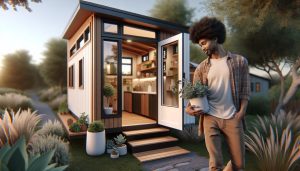
Navigating the world of modular homes can be both exciting and daunting, especially when it comes to understanding the regulatory landscape that ensures their safety and quality. Did you know that modular homes are constructed in sections in controlled factory environments before being assembled on-site? This process involves various governmental agencies overseeing standards and guidelines to protect buyers and ensure construction integrity. Understanding which agencies govern modular homes and their regulations is crucial for current homeowners, prospective buyers, and investors alike. It not only informs your purchasing decisions but also provides peace of mind about the quality and compliance of your home. Dive into this guide to uncover the key regulatory bodies and essential information that will empower you in the modular housing market.
Regulatory Bodies Overseeing Modular Homes
Understanding the regulatory landscape for modular homes is crucial for anyone interested in this type of housing. Various bodies at the federal, state, and local levels oversee the standards, safety measures, and compliance necessary to ensure quality in modular construction. This multi-layered regulatory system not only protects buyers but also enhances the credibility of modular homes as a viable housing option.
The Role of HUD in Modular Home Regulations
At the federal level, the U.S. Department of Housing and Urban Development (HUD) plays a pivotal role in regulating modular homes. HUD sets the standards for the design, construction, and performance of manufactured homes, which include modular homes. These regulations serve to ensure safety and enhance the quality of the living environment. Complying with HUD guidelines means that homes must pass various inspections throughout their manufacturing process, addressing aspects such as structural integrity, fire safety, and energy efficiency.
State Regulations: What You Need to Know
Beyond federal oversight, individual states have their own regulations that may impose additional requirements. These regulations can cover zoning laws, local building codes, and permit requirements. Prospective modular home buyers should be aware of their state’s specific rules, as they can differ significantly. For example, states like California may have stricter seismic safety requirements, while those prone to hurricanes will have regulations focused on wind resistance and storm preparedness.
Local Authorities: Zoning and Building Codes
Local authorities play an equally important role in overseeing modular homes. Zoning laws can dictate where a modular home can be placed, often specifying minimum lot sizes, community aesthetic standards, and land-use restrictions. Building codes, set by local municipalities, provide detailed guidelines for construction practices, ensuring that structures meet safety and occupancy standards. Before purchasing or placing a modular home, it is advisable to consult local regulations to avoid issues with compliance.
Safety Standards: Ensuring Quality in Modular Homes
Safety standards are integral to the quality assurance of modular homes. These standards include both factory inspections during production and on-site inspections after installation. By adhering to these rigorous safety protocols, manufacturers demonstrate their commitment to producing homes that not only satisfy aesthetic desires but also protect inhabitants from environmental hazards.
As modular housing continues to grow in popularity, understanding and navigating the regulatory framework surrounding it remains essential for anyone considering this housing option. From federal regulations ensuring safety and quality to state and local laws affecting placement and building practices, being well-informed equips buyers with the confidence to make sound housing decisions.
The Role of HUD in Modular Home Regulations
The U.S. Department of Housing and Urban Development (HUD) significantly influences the modular home industry by establishing comprehensive regulations that govern the construction and design of manufactured homes, which encompass modular homes as well. An often-overlooked aspect of HUD’s role is its commitment to ensuring that these homes not only adhere to safety standards but also enhance the overall living environment for residents. Understanding HUD’s framework helps prospective homebuyers appreciate the structured process that guarantees safety and quality in their prospective homes.
To maintain compliance with HUD regulations, modular homes must undergo various inspections throughout their manufacturing processes. These inspections cover critical aspects such as structural integrity, fire safety standards, and energy efficiency requirements. For instance, homes must pass a set of performance-based criteria that ensures each unit can withstand prevailing weather conditions, which is particularly important in regions prone to extreme weather events. This rigorous oversight facilitates the manufacture of homes that meet both national and regional standards.
Moreover, HUD provides a critical resource in the form of its “Model Manufactured Home Installation Standards,” which outlines best practices for the proper placement and setup of modular homes. This includes detailed guidelines for utilities installation, as well as leveling and anchoring, which are essential to ensure the longevity and safety of the home. For homeowners, following these standards not only protects their investment but also minimizes potential hazards associated with improper installation.
In summary, HUD’s regulatory role assures buyers that modular homes are built following stringent safety and performance guidelines. By fostering a regulatory environment that prioritizes quality, HUD enhances the credibility of modular homes as a legitimate housing option, thus empowering prospective buyers to navigate their housing choices with confidence. Understanding these regulations can assist both current residents and potential buyers in making informed decisions that align with their housing needs.
State Regulations: What You Need to Know
Understanding state regulations is essential for anyone looking to buy or live in a modular home. Each state has its own set of rules and standards that can significantly influence everything from the construction process to zoning and installation. These regulations are designed not only to ensure safety and quality but also to integrate modular homes harmoniously within local communities. Being aware of these laws will empower prospective buyers and current residents to navigate the complexities of home ownership with confidence.
State regulations primarily focus on the construction standards for modular homes, which must comply with the same codes that govern traditional site-built homes. Many states adopt the International Building Code (IBC) or have their local adaptations to ensure that homes are safe and durable. Before purchasing a modular home, it’s important to verify that the manufacturer complies with these state-specific requirements. Additionally, prospective buyers should inquire about the modular home’s certification labels, which indicate adherence to established standards.
Key Aspects of State Regulations
When looking at state regulations, consider the following key aspects:
- Building Codes: Each state mandates building codes that modular homes must meet. These codes cover structural integrity, energy efficiency, plumbing, and electrical systems.
- Zoning Laws: Local zoning laws affect where modular homes can be placed. Restrictions may relate to the size of the lot, minimum square footage, or whether you can put a modular home in a particular area.
- Permitting Requirements: Before construction, you will need various permits. The process can vary significantly from state to state, so understanding local requirements can save you time and ensure your project complies.
- Inspection Protocols: States typically require inspections during different stages of the installation of modular homes to ensure adherence to safety standards.
- Foundation Specifications: Regulations may dictate the type of foundation necessary for modular homes, particularly in areas prone to flooding or harsh weather conditions.
Navigating the landscape of state regulations can seem overwhelming, but armed with knowledge, you can expertly maneuver through the legal framework of modular home ownership. Always consult with local authorities or a knowledgeable professional who specializes in modular housing to ensure compliance and avoid potential pitfalls. By understanding and adhering to state regulations, you can secure a safe, compliant, and satisfying home that meets all your needs.
Local Authorities: Zoning and Building Codes
Local zoning and building codes play a crucial role in determining where and how modular homes can be constructed and placed within communities. Understanding these regulations is essential, not only for compliance but also for ensuring that your modular home fits harmoniously within the local environment. Most municipalities have specific guidelines governing land use, which can directly impact your options when considering modular home ownership.
Zoning laws typically focus on the allowable types of structures within certain areas, the density of housing, and other land use regulations. For instance, you may encounter restrictions on the minimum lot size for a modular home, the height of the structure, or the types of aesthetics allowed (such as siding materials and roofing styles). Engaging with local housing authorities early in your decision-making process can help clarify these regulations. They can provide vital information, such as whether your desired location is designated for residential use and what specific restrictions may apply.
Building Codes Explained
Building codes dictate the safety and construction standards for all types of homes, including modular ones. These codes address structural safety, energy efficiency, plumbing, electrical systems, and even ventilation standards to ensure the well-being of future occupants. In many areas, modular homes must adhere to the same building codes that apply to traditional homes, often based on nationally recognized standards like the International Building Code (IBC).
Before purchasing a modular home, prospective buyers should verify the homebuilder’s compliance with local building codes. This can often be confirmed through inspection certificates and documentation. Make sure to consult with a qualified inspector or building official to conduct thorough inspections during the home’s assembly stages.
Compliance Tips
To navigate the complexities of zoning and building codes effectively, consider the following practical tips:
- Research Local Regulations: Start by familiarizing yourself with your local zoning laws and building codes, which can typically be found on municipal websites.
- Consult a Local Expert: A real estate agent or a lawyer specializing in property law can help clarify regulations that may be confusing or unclear.
- Contact Local Authorities: If you have specific questions, don’t hesitate to reach out to local building or zoning departments for guidance.
- Document Everything: Keep detailed records of all permits, inspections, and correspondence with local officials to protect yourself from potential disputes down the line.
By proactively addressing zoning and building code requirements, you can set the foundation for a successful and compliant modular home experience. Proper due diligence not only ensures adherence to legal standards but can also enhance your peace of mind as you settle into your new home.
Safety Standards: Ensuring Quality in Modular Homes
Ensuring safety in modular homes is not merely a regulatory requirement; it is integral to the peace of mind and satisfaction of homeowners. Modular homes, just like traditional houses, must adhere to rigorous safety standards that ensure they are built to withstand various environmental conditions and provide a safe living space for occupants. The enforcement of these standards is overseen by multiple regulatory bodies, most notably the U.S. Department of Housing and Urban Development (HUD), which sets guidelines for the structural integrity, fire safety, and energy efficiency of modular constructions.
Modular homes are built to meet the same building codes and safety standards as conventional homes, often based on nationally recognized frameworks such as the International Building Code (IBC). These standards address essential elements including structural integrity, electrical and plumbing systems, and energy efficiency. For buyers, it’s crucial to seek homes from manufacturers that comply with these safety standards and to request inspection certificates that verify compliance. This diligence not only protects the investment but also assures that the home is safe for occupants.
Common Safety Standards for Modular Homes
Many safety standards pertain to specific aspects of health and safety within modular homes:
- Fire Safety: Modular homes must include smoke detectors, fire extinguishers, and, in some cases, specific fire-rated materials.
- Electrical Safety: Compliance with the National Electrical Code (NEC) ensures safe wiring practices, minimizing the risk of electrical fires.
- Plumbing Safety: Proper installation of plumbing systems is crucial for preventing leaks and contamination of drinking water.
- Wind and Load Resistance: Modular homes must be designed to withstand local environmental conditions, including high winds, snow loads, and earthquakes, which are particularly important in disaster-prone areas.
For those who are investing in modular homes, engaging a qualified inspector to assess the home’s compliance with these safety standards before finalizing the purchase is a savvy move. This proactive approach not only ensures adherence to all relevant codes but also helps buyers avoid costly mistakes and repairs down the line.
In addition to initial safety compliance, ongoing maintenance plays a critical role in ensuring that safety standards are upheld throughout the home’s lifespan. Homeowners should regularly inspect components such as roofing, insulation, and fire safety systems and ensure that any work done on the home complies with updated local building codes. By adhering to these safety protocols, modular home residents can enjoy the many benefits of their unique living arrangements while ensuring a safe and secure home environment for themselves and their families.
Financing Options for Modular Home Buyers
Navigating the financial landscape of purchasing a modular home can seem daunting, but understanding your options is key to making an informed decision. Modular homes, much like traditional homes, can be financed through a variety of channels, enabling prospective buyers to choose an approach that best suits their financial situation and lifestyle.
One of the most common methods for financing modular homes is through a conventional mortgage. Many lenders offer loans specifically for modular construction, treating them similarly to site-built homes as long as they meet the requisite building codes and standards. Buyers will typically need to provide a down payment, which can range from 3% to 20% depending on the lender’s requirements and the buyer’s creditworthiness.
In addition to conventional mortgages, FHA loans can be a viable option. The Federal Housing Administration (FHA) insures loans made by approved lenders, allowing buyers with lower credit scores or smaller down payments to qualify. This can be especially beneficial for first-time homebuyers looking to enter the housing market without substantial upfront costs.
Veterans and active-duty military members may also benefit from VA loans, which are guaranteed by the Department of Veterans Affairs. These loans can provide favorable terms such as no down payment and no private mortgage insurance (PMI), making them an attractive option for those who qualify.
For buyers who are looking into manufactured or modular homes, it’s essential to consider personal loans or chattel loans if the home will be placed on rented land or if it does not have a permanent foundation. These types of loans function similarly to auto loans but usually have higher interest rates and shorter terms.
Lastly, prospective homeowners should also explore state and local programs designed to assist home buyers with down payment assistance, grants, and low-interest loans. Many states have programs specifically aimed at promoting affordable housing, which can include modular homes.
In summary, securing financing for a modular home involves several avenues, each with its unique requirements and benefits. Careful research and comparison of these options can provide buyers with a financial path that aligns with their goals and enhances their homeownership experience. Always consult with a financial advisor or mortgage specialist to determine the best course of action for your specific situation.
Insurance Considerations for Modular Homes
Securing the right insurance for a modular home is critical to protecting your investment and ensuring peace of mind for you and your family. Much like traditional homes, modular homes face risks associated with various environmental factors, including storms, floods, and fires. Thus, understanding your insurance needs can significantly contribute to the longevity and safety of your home.
To start, it’s essential to choose a policy that covers the specific characteristics of modular homes. Many standard homeowner’s insurance policies can be adapted for modular homes, but it’s vital to communicate with your insurer about the home’s classification-as either a manufactured or modular home-as this affects coverage options and premium rates. Here are some key points to consider when selecting insurance for a modular home:
- Property Coverage: Ensure the policy covers the dwelling, other structures (like sheds), and personal property inside the home. Some insurance policies might exclude certain types of buildings, so confirm that your modular home is fully covered.
- Liability Insurance: This protects you against legal claims resulting from injuries or property damage that occur on your property. A comprehensive homeowners policy often includes personal liability coverage.
- Additional Living Expenses (ALE): If your home becomes uninhabitable due to a covered peril, these expenses can help cover the cost of living elsewhere while your home is being repaired.
- Natural Disaster Coverage: Depending on your location, you might need specific endorsements to cover floods, earthquakes, or harsh storms. Always check what hazards are included under your policy and consider additional coverage if necessary.
When discussing insurance options, it’s also smart to consider bundling your modular home insurance with other policies, such as auto or life insurance, which can often provide cost savings. Moreover, installation and compliance with local building codes can sometimes lead to discounts on your premiums, making it beneficial to stay updated on your local regulations and safety standards.
Ultimately, thoroughly understanding your options and keeping lines of communication open with your insurance agent will help secure the best coverage for your modular home. Investing time in researching and comparing policies ensures you’re adequately protected against unforeseen incidents, allowing you to enjoy your home without worry.
Navigating the Permitting Process
for modular homes can seem daunting, but understanding the steps involved can simplify your journey toward building or placing your home. Each locality has its own requirements, and familiarity with zoning laws, building codes, and necessary approvals is crucial. A well-prepared homeowner minimizes delays and avoids fines while ensuring compliance with local regulations.
First and foremost, it’s essential to contact your local zoning office or planning department. These agencies provide information on zoning regulations that dictate how land can be used and what types of structures can be placed where. Certain zones may have restrictions that could affect your plans, such as setbacks from property lines or limitations on the height of your home. It’s also advisable to check if there’s a need for a variance, which is a request to deviate from the current zoning requirements.
Next, prepare the necessary documentation for your building permit application. This typically includes detailed plans and specifications of the modular home, proof of land ownership or lease agreements, site plans indicating placement on the property, and any engineering certifications. Depending on the state or municipality, you may also need to submit plans for utility connections, stormwater management, and environmental impact assessments. Having these documents ready can expedite the review process.
After submitting your permit application, be prepared for inspections. Local authorities may require inspections at various construction stages, such as foundation, framing, and final occupancy. These inspections ensure your modular home adheres to safety standards and complies with local building codes. Failing to schedule or pass these inspections can lead to delays or additional costs, so keeping a record of inspection requirements and statuses is beneficial.
In conclusion, while the permitting process for modular homes involves multiple steps and coordination with local agencies, thorough preparation and proactive communication can facilitate a smoother experience. Engaging knowledgeable professionals, such as builders or inspectors familiar with local regulations, can provide invaluable support and increase your confidence as you embark on your modular home journey.
Environmental Regulations Impacting Modular Homes
Understanding the is essential for anyone considering this housing option. These regulations are designed to protect the environment while ensuring that modular homes are constructed in a manner that minimizes potential ecological disturbances. Compliance with environmental laws not only safeguards natural resources but can also enhance the long-term value and livability of your home.
One of the primary regulatory frameworks is the National Environmental Policy Act (NEPA), which requires federal agencies to assess the environmental impact of their proposed actions before making decisions. For modular home construction, this often means that if federal funding is used, developers must conduct environmental assessments to identify any adverse impacts and discuss possible mitigation strategies.
State and local environmental regulations also play a crucial role. Agencies may enforce laws concerning land use, air and water quality, and wildlife protection. For instance, regulations might mandate that homes are constructed away from flood zones or that stormwater management systems are implemented to prevent runoff that could harm local ecosystems. Before starting a project, it’s prudent to research local guidelines regarding soil erosion, wetland preservation, and protected species habitats.
Additionally, modular home builders are encouraged to adopt sustainable practices to meet environmental standards. This may include utilizing eco-friendly materials, implementing energy-efficient designs, and taking measures to reduce waste during transportation and assembly. Many buyers look for homes that are not only compliant with regulations but also environmentally friendly, reflecting a growing trend towards sustainability.
In summary, navigating the environmental regulations relevant to modular homes is a multifaceted process that involves understanding federal, state, and local laws. By prioritizing compliance with these regulations and adopting sustainable practices, modular homebuyers can contribute to environmental conservation while enhancing the desirability and sustainability of their living environment.
Best Practices for Compliance with Modular Home Laws
Ensuring compliance with the myriad regulations governing modular homes is crucial for both buyers and builders alike. A proactive approach can facilitate smoother project execution and avoid costly delays or legal issues. Here are several best practices to help navigate the complex landscape of modular home regulations effectively.
Thorough Research
Before embarking on a modular home project, it’s essential to thoroughly research local, state, and federal laws. Understanding the zoning laws in your area can help you determine if your plot of land is suitable for a modular home. Check with local planning departments to gather information on specific regulations that may impact your build, including building codes, land use restrictions, and setback requirements.
Engage Qualified Professionals
Hiring professionals such as architects, builders, and consultants who specialize in modular construction can significantly streamline the compliance process. These experts are well-versed in local building codes and can help ensure that your designs meet all necessary regulations. They can also assist in navigating the permitting process, which can often be a convoluted and time-consuming endeavor.
Utilize HUD Standards
For federally regulated modular homes, familiarize yourself with the standards set by the U.S. Department of Housing and Urban Development (HUD). Modular homes must adhere to the HUD’s Manufactured Home Construction and Safety Standards, which govern various aspects, including structural integrity and safety measures. Ensuring adherence to these regulations will not only meet legal requirements but also enhance the safety and longevity of your investment.
Regular Communication with Authorities
Maintain regular communication with your local building authority throughout the construction process. This includes submitting plans for approval and scheduling inspections at various stages of construction. Engaging with these officials can provide clarity and pinpoint any potential issues before they escalate, ensuring a smoother compliance experience.
Document Everything
Keep meticulous records of all permits, approvals, inspections, and communications related to your modular home project. This documentation can serve as crucial evidence, demonstrating compliance with regulatory requirements if any disputes or legal challenges arise down the line.
By adhering to these best practices, that can help ensure not only compliance with laws and regulations but also contribute to the successful completion of your modular home. Taking these proactive steps will lay a solid foundation for a positive living experience in your prefabricated property.
Understanding Rights as a Modular Home Resident
Living in a modular home can provide a unique sense of community and ownership, yet it’s crucial for residents to understand their rights fully. As you navigate the complexities of manufactured housing, knowing these rights empowers you to make informed decisions while protecting your investment. Modular home residents enjoy a variety of legal protections and considerations that can vary by state, making it essential to familiarize yourself with both federal and state regulations.
Tenant Rights
In general, residents of modular homes are afforded tenant rights that safeguard them from unfair practices. This includes the right to a habitable living environment, protection against discrimination, and proper notice before eviction. Understanding your rights can help you advocate for necessary repairs and improvements, ensuring that your home remains a safe and welcoming space.
Ownership & Community Regulations
If you own your modular home but rent the land (common in manufactured home communities), it’s important to review your lease agreement carefully. Many communities have specific regulations regarding modifications, maintenance, and adherence to community rules. Be sure to engage with community management and stay informed of any changes to these regulations, as they can affect your living experience significantly.
Dispute Resolution
Should disputes arise-whether related to maintenance issues or community rules- residents often have access to mediation or arbitration services provided by local housing authorities or consumer protection agencies. Utilizing these services can help address conflicts without resorting to litigation, saving time and resources while also ensuring adherence to established housing laws.
Advocacy and Resources
Numerous organizations, both governmental and non-profit, offer resources and support specifically geared toward modular home residents. Engaging with these groups can provide vital information about your rights and local regulations. Resources may include educational materials, workshops, and one-on-one assistance in navigating legal matters tied to modular home living.
By understanding your rights as a modular home resident and taking proactive steps to ensure they are respected, you create a solid foundation for enjoying your living experience and instilling trust in your community. Being informed and prepared can make all the difference in navigating your journey within the modular housing market.
Future Trends in Modular Home Regulations
As the modular home industry continues to grow, various regulatory bodies are adapting to changes in technology, consumer preferences, and environmental concerns. This ongoing evolution reflects a commitment to ensuring that modular homes meet safety, quality, and sustainability standards. One significant trend in modular home regulations is the increased focus on energy efficiency and environmental sustainability. Policymakers at both federal and state levels are championing regulations that require modular homes to meet stricter energy performance standards, which can lead to cost savings for residents and a reduced environmental footprint over time.
Integration of Smart Technology
The rise of smart home technology is influencing modular home regulations as well. New standards are emerging that address the integration of smart devices and systems into modular home construction. Regulatory bodies are beginning to evaluate how these technologies can improve energy management, enhance security, and increase overall comfort. Homebuyers can expect future regulations to provide guidelines on the installation of smart systems, ensuring that they are safe, effective, and compatible with existing housing infrastructures.
Health and Safety Standards
In addition, a trend towards heightened health and safety standards in modular housing is on the horizon. Various organizations are analyzing the materials used in construction to better understand their impacts on indoor air quality and resident health. This scrutiny is expected to lead to regulations that limit harmful chemicals and enforce the use of non-toxic building materials. As awareness of health issues related to housing increases, prospective buyers should stay informed about these potential changes, which may significantly impact modular home safety and market viability.
Increased Flexibility in Zoning Laws
Lastly, as communities recognize the benefits of affordable housing, zoning regulations may become more flexible, allowing for greater acceptance of modular homes in diverse neighborhoods. This shift could promote the integration of modular communities into traditionally single-family zones, expanding housing opportunities and combatting the housing crisis. This potential change can open doors for families seeking quality, affordable living in areas where they may not have previously considered modular homes.
Overall, being aware of these future trends in regulations can empower both current residents and potential buyers, better positioning them to make informed decisions in the evolving landscape of modular housing. Understanding and adapting to these changes not only enhances living conditions but also promotes a sustainable future for modular homes.
Frequently Asked Questions
Q: What federal agency regulates modular homes in the United States?
A: The primary federal agency that regulates modular homes is the U.S. Department of Housing and Urban Development (HUD). They set forth national construction and safety standards that modular homes must comply with to ensure safety and quality.
Q: How do state regulations affect modular homes?
A: State regulations can vary significantly and often dictate additional building codes, zoning laws, and safety standards that modular homes must meet. Homebuyers should consult their state’s specific requirements to ensure compliance alongside federal guidelines.
Q: What role do local authorities play in modular home regulation?
A: Local authorities oversee zoning laws and building permits related to modular homes. They ensure that the homes meet local codes and standards, which can include site preparation and utility connections, affecting where and how modular homes can be placed.
Q: What safety standards are required for modular homes?
A: Modular homes must adhere to strict safety standards established by HUD, which include structural integrity, fire safety, and energy efficiency requirements. These standards are designed to ensure that modular homes are as safe as traditional constructions.
Q: Are there financing options specifically for modular homes?
A: Yes, various financing options are available for modular homes, including conventional mortgages, FHA loans, and VA loans. Prospective buyers should explore options offered by lenders familiar with modular home financing to secure suitable terms.
Q: What are the typical environmental regulations for modular homes?
A: Environmental regulations for modular homes can include mandates on waste management, energy efficiency, and the use of sustainable materials. Compliance with these regulations is crucial for minimizing the environmental impact of the construction process.
Q: How can modular home residents ensure compliance with legal regulations?
A: Modular home residents can ensure compliance by staying informed about local zoning laws, securing necessary permits, and regularly consulting state and federal guidelines. Engaging with local authorities can also provide clarity on compliance needs.
Q: What rights do modular home residents have under regulatory laws?
A: Modular home residents have rights to safe living conditions, compliance with local and state regulations, and protection under housing laws. It’s essential to understand these rights to advocate for proper regulations and standards in their community.
Closing Remarks
Understanding the regulatory landscape governing modular homes is crucial for making informed decisions. By familiarizing yourself with the agencies involved, you can navigate legal requirements and ensure compliance with safety standards. Don’t leave your dream home to chance-take action now to explore our comprehensive guides on financing options and maintenance tips to safeguard your investment.
For a deeper dive, check out our articles on “Financing Your Modular Home” and “Essential Maintenance Tips for Modular Homes.” If you have any questions or need personalized advice, consider signing up for our newsletter or scheduling a consultation with our experts. Your journey to confident modular home ownership starts here! Engage with us-share your thoughts or experiences in the comments below, and let’s build a community that empowers each other in this exciting housing choice.