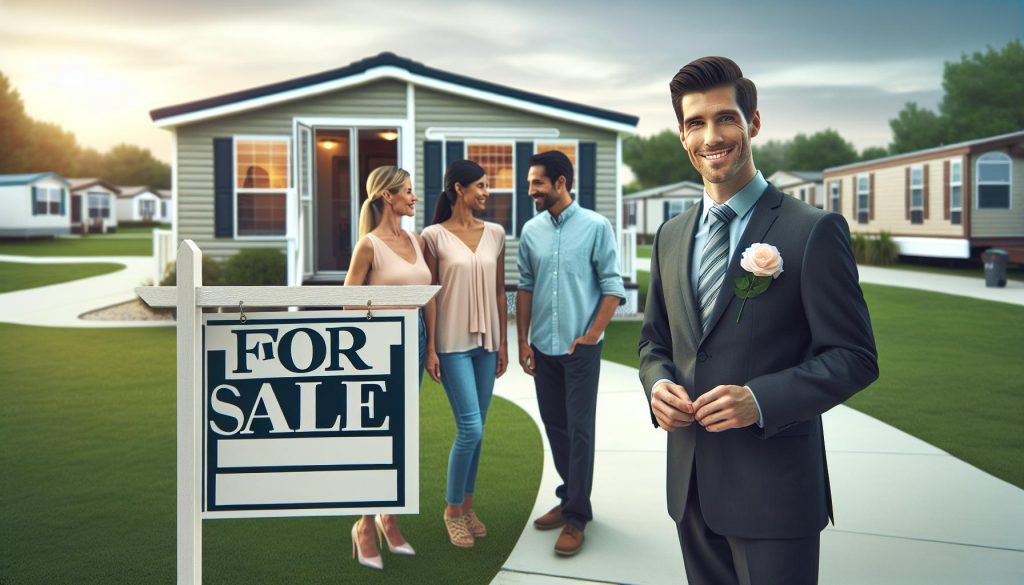
In today’s real estate market, selling a mobile home can be both an opportunity and a challenge. With an increasing number of people recognizing the benefits of manufactured housing, strategic selling can yield maximum profit. This guide, “How to Sell a Mobile Home: Maximum Profit Strategies 2025,” is designed to equip you with essential insights and actionable steps to navigate the selling process effectively. Whether you’re a current owner looking to move up, an investor seeking lucrative returns, or someone pondering the best ways to market your property, this article will address your concerns and goals. Discover proven techniques, from enhancing curb appeal to understanding market trends, that can help you attract buyers and secure the best possible price for your mobile home. Your journey towards a successful sale starts here-let’s unlock the potential of your property together!
Maximizing Profit on Your Mobile Home Sale
When it comes to selling a mobile home, strategically positioning it in the market can significantly impact your profitability. Understanding local housing dynamics and what buyers are currently seeking is crucial. For instance, areas with growing job markets or appealing amenities will likely attract more potential buyers. Conducting a competitive analysis of similar homes for sale in your area allows you to gauge demand, pricing trends, and features that are appealing to buyers, helping you tailor your sales approach to maximize profit.
One fundamental aspect of maximizing your sale price involves making informed improvements before listing. Enhancements such as upgrading fixtures, fresh paint, or even minor landscaping can yield high returns by boosting your home’s appeal. Consider focusing on energy-efficient upgrades as well; homes boasting modern efficiency often attract environmentally-conscious buyers and can justify a higher asking price. Furthermore, consider staging your home to highlight its best features and create a welcoming atmosphere that resonates with potential buyers.
Effective marketing is essential to ensure your mobile home reaches a broad audience. Utilize online platforms specifically designed for mobile homes, such as MHVillage, where thousands of potential buyers search for their next home. Highlight professional photography, detailed descriptions, and attractive pricing strategies to capture interest effectively. Also, consider leveraging social media and local community boards, as word-of-mouth can be a powerful ally in generating buzz around your property.
Finally, be proactive in addressing any potential barriers to sale, such as financing concerns. Offering clear information about available financing options and working with buyers to navigate these can increase interest in your home. Providing buyers with a comprehensive understanding of how affordable their purchase can be makes the investment more enticing and can help you secure a higher sale price.
Understanding the Real Estate Market for Mobile Homes
Understanding the intricacies of the mobile home market is essential for anyone looking to sell their property successfully. The demand for mobile homes has surged as they offer affordability and flexibility in housing. Approximately 22 million Americans live in mobile or manufactured homes, highlighting their critical role in the housing market. Being aware of the market dynamics in your area-such as supply, buyer preferences, and economic conditions-can significantly impact your sale strategy. Researching local trends, such as the popularity of mobile homes versus traditional housing, can inform your pricing and marketing decisions.
One effective way to grasp market conditions is to conduct a comparative market analysis (CMA). This process involves evaluating recently sold mobile homes in your locality to determine their selling price, features, and time on the market. Such insights can help you position your mobile home competitively. It’s also beneficial to monitor online platforms like MHVillage, which allow you to see listings, pricing, and features that attract buyers. By analyzing these listings, you can identify which upgrades or features commanded higher prices, giving you ideas on how to enhance your own home’s appeal.
Understanding your target buyer is another key element. Different demographics may be drawn to mobile homes for various reasons, from retirees seeking a lower-maintenance lifestyle to young families looking for affordable housing options. Tailoring your sales approach to these groups-highlighting aspects like energy efficiency for environmentally conscious buyers or community features for families-can increase your home’s attractiveness and selling potential. Always keep in mind that timing your sale can also influence market success, as certain seasons see more buyers in the market than others.
Ultimately, a comprehensive understanding of the real estate market for mobile homes not only equips you with the knowledge needed to set the right price but also helps in crafting a compelling narrative around your property that resonates with prospective buyers. By leveraging market trends, conducting thorough research, and understanding buyer demographics, you can maximize your mobile home sale’s profitability.
Essential Steps to Prepare Your Mobile Home for Sale
The journey to selling your mobile home can be both exciting and daunting, but ensuring that your property is well-prepared for the market is a crucial first step. A well-prepared home not only attracts prospective buyers but can also help you maximize your selling price. Here are essential steps to help you get your mobile home ready for sale.
Declutter and Clean
First impressions matter, so start by decluttering your space. Remove personal items and excess furniture to create a more open and inviting atmosphere. Next, invest time in a thorough cleaning of every nook and cranny, including carpets, floors, and windows. A clean home signals to potential buyers that the property has been well-maintained, making them more likely to see it as a worthy investment.
Make Necessary Repairs
Inspect your mobile home for any repair needs, no matter how minor they may seem. Address issues like leaky faucets, squeaky doors, or damaged walls. Consider repainting walls in neutral tones to appeal to a wider audience. Small updates like replacing old light fixtures or cabinet hardware can also make a significant difference without breaking the bank.
Enhance Curb Appeal
The exterior of your mobile home is just as important as the interior. Mow lawns, trim hedges, and tidy up any outdoor spaces. If applicable, freshen up your home’s siding or paint the door to give it a new look. Adding potted plants or outdoor furniture can create an inviting outdoor space that encourages buyers to envision their life in your home.
Gather Essential Documentation
Being prepared with all necessary documentation can streamline the selling process. Collect warranties, repair records, and maintenance logs that highlight the care and upkeep of your mobile home. This transparency can foster trust with potential buyers and ease negotiations. Familiarize yourself with local regulations pertaining to mobile home sales to ensure compliance and avoid delays.
Taking these preparatory steps can significantly enhance your mobile home’s marketability and help you achieve a successful sale. By focusing on cleanliness, repairs, and curb appeal while being transparent with documentation, you create an environment that resonates with buyers and sets the stage for a fruitful transaction.
Effective Pricing Strategies to Attract Buyers
Determining the right price for your mobile home is crucial for attracting prospective buyers and ensuring a successful sale. A well-researched and strategically set price can lead to quicker offers, while an inflated or undervalued price can result in extended days on the market or financial losses. The delicate balance between competitive pricing and profit maximization is key to a seamless selling process.
Start by conducting thorough market research to understand your local real estate landscape. Look at recent sales of comparable mobile homes in your area, commonly referred to as “comps.” Make sure to consider factors such as size, age, condition, and location. If possible, visit open houses or use online platforms to gauge the current market rates. This information will provide a solid baseline from which to determine your pricing strategy.
Consider Unique Selling Points
Highlight any unique features your mobile home may possess. If your home boasts upgrades such as energy-efficient windows, modern appliances, or a new roof, these characteristics can justify a higher price point. Knowledge of your home’s value additions, such as outdoor space improvements or enhanced amenities, allows you to not only attract buyers but position your mobile home effectively within the market.
Be Flexible with Price Adjustments
Pricing doesn’t have to be set in stone. Be prepared to adjust your price based on buyer interest or feedback from showings. If you find that your home is receiving many inquiries but no offers, it might be time to consider whether the price is too high. Conversely, if you receive quick offers, you may have room to negotiate toward the higher end of your pricing spectrum. Flexibility is key; staying in tune with buyer feedback can lead you to a more favorable transaction.
Additionally, consider the overall market conditions. In a seller’s market, where demand outstrips supply, you might find that you can price your home more aggressively. In contrast, in a buyer’s market, where competition is fierce, a more conservative pricing approach may yield better results. By keeping abreast of market trends and buyer preferences, you can position your mobile home favorably and maximize your selling potential.
Employing these strategies ensures that potential buyers recognize your mobile home’s value, setting the stage for a successful sale and optimal profit.
Enhancing Curb Appeal: Simple Fixes that Make a Difference
Creating a strong first impression is critical in the competitive landscape of mobile home sales. Curb appeal serves as the buyers’ initial encounter with your property, and it significantly influences their perception of value. A well-maintained exterior not only boosts aesthetic appeal but also reassures prospective buyers about the property’s overall condition. Simple yet effective enhancements can make a world of difference in attracting interest and securing a favorable sale price.
To start, take a close look at landscaping. A tidy yard can transform the appearance of your mobile home. Mow the lawn, trim any overgrown bushes, and add fresh mulch to flower beds. If your home has outdoor space, consider planting colorful flowers or maintaining healthy shrubs to create a welcoming atmosphere. Additionally, consider the condition of walkways and driveways; power wash any surfaces that show dirt or stains. These small initiatives can elevate the visual appeal significantly, creating an inviting entrance.
Investing time in the front door area also enhances curb appeal. A fresh coat of paint or a new door can instantly modernize the façade. Consider updating the door hardware-handles and locks-to add an extra touch of elegance. Enhance this area further with seasonal décor, like a welcoming mat or decorative plants, ensuring it reflects a well-cared-for home. A small but charming detail, such as stylish house numbers, can also contribute to the overall look and easily guide potential buyers.
Finally, lighting can elevate the visibility and attractiveness of your mobile home as well. Replace outdated fixtures and ensure all lights are in working order, particularly at entry points. If your mobile home allows, add soft outdoor lighting or spotlights to highlight architectural features or landscaping, making your home stand out, especially during evening viewings.
By focusing on these straightforward enhancements, you’ll not only attract attention but also instill buyer confidence in your mobile home, creating a pathway for maximum profit from your sale.
Marketing Your Mobile Home: Tips for Success
Marketing your mobile home effectively is essential for achieving the best possible sale price. Many mobile home owners underestimate the power of strategic marketing, but with the right approach, you can capture the attention of potential buyers and make your listing stand out in a competitive market.
One of the most impactful strategies is to utilize high-quality photographs. Buyers often make decisions based on visuals, so invest in professional photography to showcase both the interior and exterior of your home. Ensure photos highlight key features such as spacious layouts, updated appliances, and attractive landscaping. Utilize natural light by scheduling photo sessions during the day when your home is well-lit. Consider creating a virtual tour or video walkthrough to provide prospective buyers with a comprehensive view of your mobile home.
Next, leverage social media platforms to widen your reach. Share your listing on platforms like Facebook, Instagram, and even TikTok to engage a broader audience. Join local community groups or marketplace forums to further promote your sale. Highlight the unique aspects of your mobile home, such as energy-efficient upgrades, cozy outdoor spaces, or proximity to local amenities, which can make your listing more appealing. Consider running targeted ads to reach specific demographics interested in mobile home living.
Another effective approach is to craft a compelling listing description. Be descriptive yet concise, focusing on selling points such as the home’s condition, upgrades, and the lifestyle it offers. Use persuasive language to connect with the emotional aspect of homebuying; for example, emphasize the peaceful neighborhood or the enjoyment of outdoor spaces for families. Additionally, including information about the mobile home park amenities, if applicable, can provide further incentive for buyers.
Lastly, consider working with a real estate agent who specializes in mobile homes. They bring valuable market insights, can guide you in setting the right price, and often have established marketing strategies that can increase your home’s visibility. Their expertise can help you navigate the nuances of marketing a mobile home, from staging advice to promotional tactics.
By implementing these strategies, you can significantly enhance your marketing efforts, attract more potential buyers, and ultimately maximize your profit on the sale of your mobile home.
Navigating Legal Requirements for Mobile Home Sales
Navigating the complexities of legal requirements when selling a mobile home can be daunting, but understanding the necessary steps can empower sellers and ensure a smooth transaction. Each state has specific laws governing mobile home sales, so beginning with thorough research is crucial. Sellers should familiarize themselves with local regulations that pertain to titles, safety inspections, and disclosure obligations. Unlike traditional real estate, mobile homes often involve additional layers of legal considerations, such as whether the home is classified as personal property or real property, which impacts how tax liabilities and financing options play out.
Before listing your mobile home, it’s essential to verify that you have a clear title. This document proves ownership and outlines any encumbrances, such as liens. In most states, you will need to transfer the title to the new owner upon sale, which involves completing the necessary paperwork and possibly contacting your local Department of Motor Vehicles (DMV) or another governing body. Be aware that any outstanding debts associated with the mobile home must be settled before you can transfer ownership and that this process often requires a bill of sale.
Beyond title issues, sellers must also consider safety regulations and necessary inspections required in their state. Some states mandate that mobile homes undergo inspections before sale to ensure they meet certain safety and structural standards. Familiarize yourself with local codes and whether your home complies; in some cases, updates may be necessary to make the sale possible. Additionally, disclosing defects or issues with the home, even if local laws do not mandate it, can protect you from future legal disputes with buyers.
In terms of contractual agreements, collaborating with a knowledgeable real estate agent can provide significant advantages. They can help formulate a sales contract that offers clear terms for both parties, covering contingencies and payment arrangements. Ensure that you address any unique aspects relevant to mobile homes, such as whether the sale includes land or is strictly for the home itself. With meticulous planning and adherence to legal guidelines, you can streamline the selling process, paving the way for a successful and profitable sale.
Financing Options for Buyers: What to Know
Navigating the financing landscape for mobile home buyers is crucial in enhancing the marketability of your property. Understanding the types of financing available can assist potential buyers in securing loans, ultimately making your property more appealing. Mobile homes can be categorized as personal property or real estate, influencing the financing options available.
One of the most common financing methods for mobile home buyers is through traditional mortgages, which provide loans based on the value of the home, but these often apply to mobile homes classified as real estate. To qualify for a traditional mortgage, buyers usually need to prove their creditworthiness, which can include a strong credit score, a stable income, and a manageable debt-to-income ratio. This kind of loan allows for longer terms and lower interest rates, making monthly payments more affordable for buyers.
For mobile homes classified as personal property, chattel loans are a viable option. Unlike traditional mortgages, chattel loans typically require less documentation and can be obtained more quickly, but they often come with higher interest rates and shorter repayment periods. These loans are secured by the mobile home itself and can be attractive to buyers who might struggle to meet the stricter requirements of traditional mortgages.
In addition, some buyers may consider personal loans that can be used to finance a mobile home purchase. These loans are unsecured, meaning they do not require collateral, which can be beneficial for buyers with limited equity or those purchasing older mobile homes that might not qualify for traditional financing. However, personal loans often have higher interest rates and shorter repayment terms compared to secured loans.
Moreover, buyers might explore government programs such as the FHA (Federal Housing Administration) loans. These loans cater specifically to those purchasing manufactured homes, allowing for lower down payments and more flexible credit requirements. Understanding these options equips you as a seller to communicate effectively with potential buyers about financing, which can streamline the selling process and potentially lead to a quicker sale.
By providing buyers with a comprehensive overview of financing options, you not only enhance your property’s attractiveness but also empower prospective owners, creating a win-win situation in the sales process.
Choosing the Right Real Estate Agent: Key Considerations
Selecting the right real estate agent can significantly influence your mobile home selling experience and eventual profit. A knowledgeable agent not only understands the nuances of the mobile home market but also has the marketing strategies and negotiation skills necessary to attract serious buyers. Before deciding, consider some key factors to ensure you find an agent who will advocate effectively for your interests.
First and foremost, look for an agent with specialized experience in mobile homes. This niche market requires a different approach compared to traditional home sales. They should be well-versed in the unique aspects of mobile home valuations, financing options, and local zoning regulations. An experienced agent will be adept at highlighting your home’s features, ensuring it stands out amid the competition.
It’s also essential to evaluate the agent’s track record. Ask potential agents about their recent sales in the mobile home sector and inquire about the average time their listings spend on the market compared to the area average. This data not only demonstrates their effectiveness but also gives insight into how well they understand pricing strategies in your market segment. Moreover, check online reviews and references from past clients to gauge satisfaction levels and professionalism.
The agent’s marketing prowess is another key consideration. Effective marketing can significantly enhance the visibility of your mobile home. Discuss the marketing strategies they intend to employ, such as online listings, social media promotion, virtual tours, and open houses. A strong online presence is crucial, as many buyers start their home searches on the internet. The agent’s ability to present your mobile home in the best light through high-quality photos and detailed descriptions can attract more potential buyers.
Communication style is equally important; throughout the selling process, you need an agent who is accessible, responsive, and transparent about all aspects of the sale. You should feel comfortable discussing your expectations and concerns. An agent who takes the time to explain procedures and strategies empowers you as a seller and fosters a smoother transaction, ultimately leading to greater satisfaction and likely a more profitable sale.
By thoroughly vetting prospective agents based on these factors, you can make an informed choice that supports your goals and ensures a successful sale of your mobile home.
Gathering Documentation: Essential Paperwork to Prepare
Preparing to sell your mobile home involves more than just sprucing up the property; it requires a focused approach to gathering vital documentation that can enhance your credibility and streamline the sale process. Having all necessary paperwork ready can make a significant difference in attracting serious buyers and securing the best possible profit. Here’s a comprehensive overview of the essential documents to prepare.
Start with the title to the mobile home, as this is a critical piece of documentation that proves your ownership and facilitates the transfer to new owners. If there’s a lien on the home, such as a mortgage, you will also need to obtain a lien release from the lender to clear the title for sale. Additionally, having the mobile home’s VIN (Vehicle Identification Number) and any relevant registration details is essential, as these help buyers verify the home’s legitimacy and history.
Another crucial document is the maintenance and repair records. These records can demonstrate how well the home has been cared for and may reflect positively on its value. Regular upkeep, including routine inspections and significant repairs performed, can give potential buyers confidence in their purchase. This could include documentation for services like electrical work, plumbing, or HVAC systems, which reassure buyers about the integrity of the home.
You should also gather utility bills and service contracts for the home. Providing recent bills for water, electricity, and gas can help showcase the monthly living costs, essential for prospective buyers. Service contracts or warranties for any appliances that will remain with the home can also be a selling point, as they indicate ongoing support for repairs and maintenance.
Finally, keep a well-organized folder ready that includes legal documents such as zoning compliance and park rules (if applicable). Understanding local regulations can alleviate buyer concerns regarding land use and restrictions. Buyers appreciate transparency, and having these documents easily accessible can expedite the sale process.
In summary, assembling the right documentation not only supports a smooth transaction but also serves as a testament to your transparent and responsible ownership. By prioritizing this step, you can enhance trust, attract more buyers, and ultimately maximize your profit on the sale of your mobile home.
Highlighting Unique Features of Your Mobile Home
Highlighting the unique features of your mobile home can set your listing apart in a competitive market, drawing potential buyers in and increasing the offer price. Many buyers today are searching for not only affordability but also distinctive characteristics that enhance their living experience. By effectively showcasing the particular attributes that make your home special, you not only captivate interest but also instill a sense of value.
One approach is to focus on architectural or design elements that differentiate your mobile home. This could include features such as vaulted ceilings, open floor plans, or custom cabinetry that may resonate with lifestyle needs. For instance, if your home boasts large windows or a unique outdoor space like a garden or deck, be sure to highlight these perks in your marketing materials. Use descriptive language that paints a vivid picture, such as “imagine sipping your morning coffee on a sun-drenched patio framed by flowering plants.”
Additionally, consider the practicality of your home’s features. Lay out benefits that offer convenience and efficiency, such as energy-efficient appliances, quality insulation, or upgraded HVAC systems. These elements not only enhance comfort but can lead to lower utility costs, a detail that savvy buyers are likely to appreciate. If your home has undergone recent renovations or maintenance-like a new roof, updated plumbing, or modernized electrical systems-be sure to document and market these upgrades.
Finally, don’t underestimate the impact of community amenities if your mobile home is located in a park. Highlight access to shared spaces such as pools, playgrounds, or community centers, which can enhance the lifestyle of your potential buyers. By addressing both the personal and communal aspects, you’ll appeal to a broader range of prospects, amplifying the allure of your mobile home and supporting a successful sale.
Post-Sale: Smooth Transitions and Finalizing the Deal
Completing the sale of your mobile home is often just as significant as the preparations and negotiations leading up to it. A smooth transition post-sale can greatly impact the satisfaction of both buyer and seller, ensuring that the process wraps up effectively and lays the groundwork for positive future interactions-especially if your mobile home is located in a community with shared space or regulations.
One of the first steps after confirming the sale is to prepare all necessary documentation. This includes transferring the title to the buyer, which must adhere to local legal requirements. Typically, you’ll need a bill of sale and any existing warranties related to the home’s structure or appliances. Ensure that all forms are accurately filled out and submitted to the relevant authorities to avoid complications down the line. Equally important is providing the buyer with a comprehensive overview of utility arrangements and community rules, if applicable, to ease their transition.
Another crucial aspect is coordinating the move-out process. It’s wise to communicate clearly with the buyer regarding timelines and logistics. A well-planned move can minimize disruptions for both parties. For example, setting a specific date to vacate and allowing some overlap for the buyer to inspect the home prior to taking ownership can foster goodwill. If your home is situated within a mobile home park, you may need to inform the management about the change in ownership and any specific procedures they require for new residents.
Lastly, don’t overlook the importance of a formal farewell or introducing the new owner to neighbors if appropriate. This gesture can enhance the sense of community and ensure that the buyer feels welcomed and informed about their new environment. By providing a thoughtful transition experience and maintaining open lines of communication, you not only solidify a positive end to your sale but also enhance the value of mobile home living in the minds of those involved.
Q&A
Q: What are the most effective strategies to sell a mobile home quickly?
A: To sell a mobile home quickly, focus on enhancing curb appeal with minor renovations, set a competitive price based on local market analysis, and effectively market your home through online platforms and community networks. Engaging a real estate agent with mobile home experience can also expedite the process.
Q: How can I determine the fair market value of my mobile home?
A: To determine your mobile home’s fair market value, assess recent sales of similar homes in your area, consider its condition and unique features, and utilize online appraisal tools or hire a professional appraiser. This will help you set a price that attracts buyers without undervaluing your investment.
Q: What are some common mistakes to avoid when selling a mobile home?
A: Common mistakes include overpricing, failing to prepare the home for showings, neglecting to disclose necessary information about the home’s condition, and not marketing effectively. Avoiding these pitfalls can enhance your chances of a successful sale.
Q: Why is staging important when selling a mobile home?
A: Staging is important because it helps potential buyers visualize living in the space. Clean, decluttered environments create a more appealing impression and can lead to quicker offers. Simple touches like fresh paint, improved lighting, and modern decor can elevate your home’s attractiveness.
Q: What paperwork is required to sell a mobile home?
A: Required paperwork typically includes the title of the mobile home, any repair records, disclosure statements, and a bill of sale. Check local regulations for additional requirements, as they may vary by state and might include specific permits or inspections.
Q: How do I handle negotiations when selling my mobile home?
A: Handling negotiations involves being prepared to discuss price and concessions, understanding your bottom line, and remaining flexible. Communicate openly with potential buyers and consider using an agent to navigate offers and counteroffers effectively.
Q: What improvements can increase the sale price of a mobile home?
A: Improvements that can increase sale price include modernizing the kitchen and bathrooms, upgrading appliances, enhancing outdoor spaces, and ensuring all systems (like plumbing and electrical) are in good condition. These enhancements can significantly elevate buyer interest.
Q: How can I effectively market my mobile home?
A: Effectively marketing your mobile home involves using high-quality photos, crafting a compelling listing description, and leveraging online real estate platforms and social media. Consider hosting open houses and reaching out to local real estate groups to widen your reach.
Insights and Conclusions
Ready to turn your mobile home selling journey into a rewarding experience? By implementing the maximum profit strategies outlined in our guide, you can enhance your selling approach and achieve the results you desire. Remember, understanding the unique aspects of mobile home valuation, ensuring proper maintenance, and preparing your property for sale are crucial steps to attract potential buyers seeking value and quality.
Don’t let uncertainty hold you back! For more insights, explore our article on mobile home renovations to boost resale value or check our comprehensive guide on financing options to ensure you’re fully equipped for the sale. Have questions or want to share your experiences? We’d love to hear from you in the comments below!
Act now to maximize your profit-subscribe to our newsletter for more tips or connect with our experts for personalized guidance. Your successful mobile home sale begins here, and we’re here to help every step of the way!