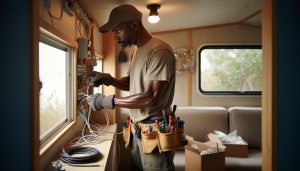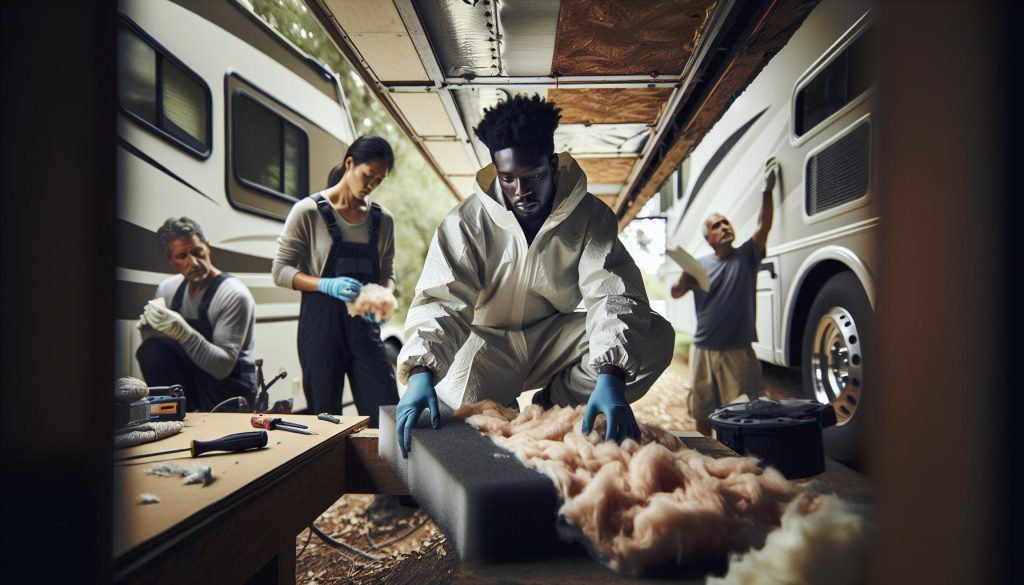
Maintaining the underbelly and insulation of your mobile home is crucial for ensuring energy efficiency and comfort. Did you know that a significant amount of heat loss in homes occurs through poorly insulated underbellies? This can lead to elevated energy bills and less protection against pests. In this guide, we’ll walk you through expert repair methods to replace your mobile home’s underbelly and insulation, covering essential materials, step-by-step procedures, and best practices. Whether you’re a seasoned homeowner or a novice in mobile home care, this information will empower you to enhance your living space while protecting your investment. Continue reading to discover how simple repairs can lead to a more comfortable and efficient home.
Understanding the Importance of Under Belly Replacement
A strong underbelly is vital for the longevity and functionality of your manufactured home. Often overlooked, the underbelly serves as a protective barrier against pests, moisture, and debris, ensuring that insulation remains effective and energy loss is minimized. Replacement of the underbelly material becomes essential not only to maintain insulation efficiency but also to protect the structural integrity of the home, which can be significantly compromised with prolonged exposure to the elements.
When moisture penetrates through an aging or damaged underbelly, it can lead to mold growth, wood rot, and even severe structural issues. Noticing signs such as sagging floors, increased utility bills, or even physical tears and holes in the underbelly material can indicate the need for immediate attention. Addressing these issues not only restores your home’s energy efficiency but also safeguards your investment by preventing more extensive repairs in the future.
Additionally, a well-maintained underbelly enhances the comfort of your living space, ensuring that your home remains warm in winter and cool in summer. It also plays a crucial role in protecting plumbing and wiring located beneath the home from environmental elements and pests. Ultimately, understanding the importance of underbelly replacement is crucial for any mobile homeowner, as it contributes significantly to overall home performance, safety, and peace of mind.
Signs You Need to Replace Your Under Belly and Insulation
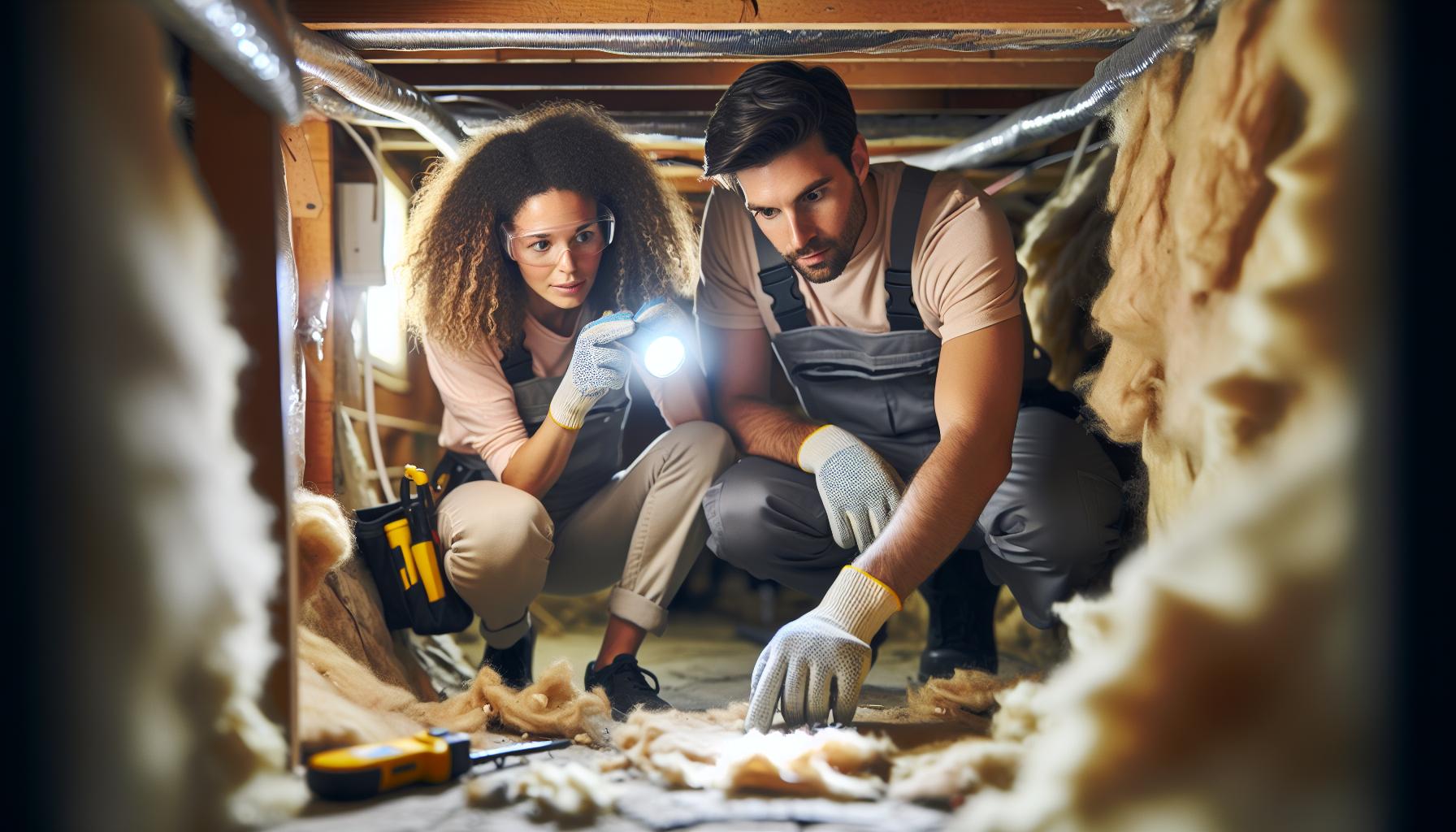
The underbelly of your manufactured home is often hidden from view, but neglecting its condition can lead to serious repercussions down the line. Recognizing the signs that indicate the need for replacement is essential for maintaining the integrity of your home. Commonly, the first hint that your underbelly may require replacement comes from noticeable changes in your living space. If you start to experience increased drafts, unexpected cold spots, or an uptick in your energy bills, it may signal that your insulation is compromised due to a failing underbelly.
Another key indicator is structural symptoms, such as sagging floors or uneven surfaces. These physical signs can be accompanied by visual cues, like tears or holes in the underbelly material itself. If you can spot any damage from underneath your home, it’s crucial to address it swiftly; failing to do so can allow moisture and pests to infiltrate, leading to mold growth and even wood rot. This not only deteriorates the insulation but can also threaten your home’s overall stability.
In addition to visible damage, unpleasant odors in your home can also hint at issues with the underbelly. If you detect a musty smell, it might be due to mold or mildew forming in the insulation, which is usually a consequence of moisture seeping in through cracks or holes in the underbelly. Taking action when you notice any of these signs can save you from more extensive repairs in the future and help maintain a safe, comfortable living environment.
Understanding these indicators can empower you to take preventive measures. Regularly inspecting the underbelly will not only prolong its life but safeguard your investment, ensuring the comfort and safety of your home for years to come.
Step-by-Step Guide to Preparing for Replacement
Preparing for the replacement of your manufactured home’s underbelly and insulation is an essential process that can significantly enhance comfort and efficiency. This step can seem daunting, but with a structured approach, you can set yourself up for a successful project. Begin by thoroughly assessing the current condition of your underbelly to identify the extent of damage. This evaluation will guide your decisions regarding materials and techniques.
Start by gathering your tools and materials to ensure a smooth workflow. Familiarize yourself with the appropriate types of insulation and underbelly materials that suit your climate and home design. Options may include foam board insulation or spray foam for difficult-to-reach areas, along with durable underbelly fabric. Having everything on hand decreases delays and increases efficiency.
Next, make arrangements to elevate your home. This might involve securing jacks beneath the frame for stability while you work underneath. Be certain to have adequate ventilation, particularly if using materials that can emit fumes, and wear protective gear to safeguard against dust and sharp edges. Prioritize safety; proper planning will ensure you’re well-prepared to tackle any unforeseen issues that may arise during the replacement process.
One common oversight is neglecting to check plumbing and electrical lines before starting the removal. Inspect for potential leaks or outdated components that should be addressed during insulation replacement. Document the setup and the route of any lines, so you can re-install them correctly after your work is completed. Lastly, consider enlisting help; having a buddy can make the stressful parts of lifting and securing materials much easier and safer. With proper preparation, your project will not only restore your home’s functionality but also enhance its longevity.
Tools and Materials Required for the Job
Replacing the underbelly and insulation of a manufactured home can seem like an overwhelming task, but having the right tools and materials at your fingertips can significantly ease the process and ensure successful completion. First, it’s crucial to assess your specific needs based on the current state of your underbelly and insulation. A well-planned approach not only enhances comfort but also improves energy efficiency, making your home more livable year-round.
To embark on this project, you will need a mix of standard and specialized tools. Here’s a helpful list:
- Safety Gear: Dust mask, gloves, goggles, and knee pads to protect against insulation and sharp edges.
- Hand Tools: A utility knife or insulation knife for cutting materials, a tape measure for accurate measurements, and a hammer or pry bar for the removal of existing underbelly materials.
- Power Tools: A reciprocating saw or circular saw for cutting heavy-duty materials with precision.
- Fasteners: Screws or nails to secure the new underbelly, as well as high-quality adhesive for insulation placement.
- Jacks or Lifting Equipment: To stabilize the home while working underneath.
- Vapor Barrier: A moisture-resistant barrier to protect against ground moisture and humidity.
- Insulation Material: Options such as fiberglass batts, foam boards, or spray foam, depending on your climate and accessibility needs.
- Underbelly Fabric: Coroplast or similar material designed to withstand elements and improve aesthetic appeal.
While your toolkit is essential, selecting quality materials for insulation and the underbelly is equally important. For insulation, consider your local weather conditions-higher R-values are better for colder climates, while vapor barriers can be indispensable in humid areas. Underbelly material should be both durable and resilient to protect against pests, moisture, and drafts.
Lastly, preparation before starting the replacement is vital. Gather all your materials and tools in one location, ensuring easy access throughout the project. Involving a friend or family member can also streamline the process, especially during heavy lifting or installation phases. With the right equipment and mindset, you can restore your home’s underbelly and insulation effectively, leading to increased comfort and energy savings for years to come.
Expert Techniques for Safe Under Belly Removal
When it comes to replacing the underbelly of a manufactured home, safety and effectiveness during the removal process are paramount. This phase sets the foundation for a successful insulation replacement, allowing you to ensure that moisture and pests are kept at bay while enhancing energy efficiency.
To begin, it’s essential to utilize proper safety gear. Equip yourself with a sturdy dust mask, goggles, gloves, and knee pads to protect against sharp materials and insulation particles. Ensure your work area is well-lit and free of clutter to minimize any hazards. Position jacks or lifting equipment to stabilize the home, especially if you’re working in crawl spaces where improper support could lead to accidents.
Next, start by carefully disconnecting the existing underbelly. Use a utility knife to cut through access points, taking care to avoid any utility lines or plumbing that may be present. As you do this, employ a pry bar to help lift sections of the underbelly material, which can frequently be secured with screws or nails. Be methodical: remove the underbelly in sections to avoid overwhelming yourself with debris and to highlight potential issues with the subfloor beneath, such as sagging or moisture damage.
During this process, keep an eye out for any signs of pests or mold, which could indicate more extensive repairs are needed. Document these findings with photos to consult with a professional if necessary, ensuring that your final replacement will be built on a solid, clean foundation. Once you have removed the underbelly, inspect the subfloor thoroughly to determine if it requires reinforcement or replacement before proceeding with new insulation installation.
By approaching the removal efficiently and safely, you not only protect yourself but lay the groundwork for a more effective installation of the new underbelly and insulation, ultimately enhancing the performance and longevity of your manufactured home.
How to Install New Under Belly and Insulation
Reinstalling the underbelly and insulation of a manufactured home is crucial not only for energy efficiency but also for protecting against moisture and pests. To start the installation process effectively, first prepare the new underbelly material. Choices often include reinforced polyethylene or even coroplast, depending on your specific requirements for durability and moisture resistance. Ensure you have the right dimensions for a snug fit, cutting the material with a utility knife to size and allowing for a couple of inches of overlap at the edges.
Next, lay the new insulation into place. If your mobile home originally utilized fiberglass insulation, consider replacing it with a moisture-resistant variety to enhance performance. Ensure the insulation is cut to fit all joist spaces snugly, avoiding gaps that could diminish its insulating qualities. It’s advisable to install the insulation with the vapor barrier facing upwards, toward the living space, to prevent moisture from condensing within the insulation layers.
Securing the Underbelly
With the new insulation in position, the underbelly material can now be secured. Use stainless steel staples or screws specifically made for underbelly installation to attach the material to the framing. Targeting joists directly ensures stability and allows for effective sealing. Ensure that there are no loose sections, which can lead to sagging that might allow moisture infiltration over time. For added security, some homeowners opt to cover the underbelly with light plywood, reinforcing both stability and protection from potential pests.
After installing and securing everything, complete the project by sealing all seams with waterproof tape. This detail is essential to prevent water from getting into the underbelly and damaging the insulation. Furthermore, it is beneficial to conduct periodic inspections of the underbelly and insulation to catch any potential issues before they necessitate a larger repair. Proper installation and maintenance will enhance the overall performance of your home, leading to improved energy efficiency and longevity of the materials used.
Common Mistakes to Avoid During Replacement
Taking on the task of replacing the underbelly and insulation of a mobile home can be daunting, but avoiding common pitfalls can significantly enhance both the efficiency and longevity of your project. One prevalent mistake is overlooking moisture management. Failing to install a vapor barrier properly can lead to trapped moisture, which damages insulation and underbelly materials over time. Always ensure that the vapor barrier is facing upward toward the living area; this simple step can prevent serious issues down the road.
Another frequent error involves the selection of materials. Many homeowners stick with the original fiberglass insulation without considering modern alternatives. While fiberglass can work, it’s often better to opt for moisture-resistant insulation, especially in climates with high humidity. Additionally, not paying close attention to fit can create gaps that diminish the insulation’s effectiveness. Make sure to cut the insulation to fit snugly between the joists, eliminating spaces where air and moisture can enter.
Accurate securing of the underbelly is also crucial. People often underestimate the importance of using appropriate fasteners designed specifically for underbelly installation. Standard nails or staples may not hold up over time, leading to sagging or detachment. Invest in stainless steel staples or screws that can withstand the elements, ensuring everything is tightly secured.
Finally, neglecting preventive measures post-installation can be a costly mistake. After the replacement is complete, be diligent about sealing all seams with waterproof tape. This step not only fortifies the barrier against moisture but also enhances durability. Remember to schedule regular inspections of the underbelly and insulation to catch any potential issues early on. By steering clear of these common errors, you can foster a warmer, more efficient, and resilient living space that reflects the quality of your mobile home investment.
Maintaining Your Under Belly and Insulation

Maintaining the underbelly and insulation of your mobile home is crucial for ensuring a comfortable living environment and preventing costly repairs down the line. Poor maintenance can lead to issues like moisture buildup, mold growth, and energy inefficiency. Regular inspections are your first line of defense; checking for sagging underbelly, loose insulation, and leaks can catch problems before they escalate. These inspections should be done at least twice a year, ideally before the start of winter and summer.
Proper ventilation is another essential aspect of maintenance. Ensure that vents are unobstructed and functioning correctly, allowing air to circulate and moisture to escape. If your home is situated in a humid climate, consider installing a dehumidifier to help control moisture levels effectively. This can be particularly crucial beneath your mobile home because excess humidity can degrade insulation materials and lead to structural issues.
Additionally, keep an eye on the condition of your insulation. If you notice any signs of dampness or deterioration, it may be time to replace it. Modern alternatives, such as foam board insulation, are often more effective at moisture resistance and energy savings compared to traditional materials like fiberglass. When replacing insulation, always remember to install a vapor barrier to protect against future moisture issues.
Neglecting routine maintenance can lead to significant problems in the long run, making it imperative to prioritize regular checks and timely repairs. By committing to a proactive maintenance schedule, you not only enhance the longevity of your mobile home’s underbelly and insulation but also contribute to a healthier and more efficient living space. Taking these simple but effective steps can make a world of difference in maintaining the quality and comfort of your mobile home.
Cost Considerations and Budgeting for This Project

Replacing the underbelly and insulation of a mobile home is an investment that can yield significant long-term benefits, including increased energy efficiency and improved comfort. However, understanding the cost implications of this project is crucial to effective budgeting. Costs can vary widely depending on several factors, including materials chosen, the size of the home, and whether you choose to DIY or hire professionals.
When estimating expenses, begin by evaluating the dimensions of the space needing repair. Here are some cost components you should consider:
- Materials: The cost of insulation materials, such as fiberglass or foam board, varies significantly. Foam board insulation, although slightly higher in price, offers better moisture resistance and energy savings.
- Underbelly Material: If the existing belly wrap is damaged, replacing it will incur additional costs. Polyethylene underbelly materials are commonly used and can cost anywhere from $0.20 to $0.50 per square foot.
- Labor Costs: If hiring professionals, labor costs can range from $40 to $100 per hour based on your location and the complexity of the work. Getting multiple quotes is advisable to find a reasonable rate.
- Tools and Supplies: If opting for a DIY approach, factor in the cost of tools like a vapor barrier, adhesive, and insulation supports, which can add up depending on what you already own.
Hidden Costs to Be Aware Of
While budgeting, don’t overlook potential hidden costs. For example, if inspections reveal structural damage or sagging floors during replacement, these issues will require additional repairs beyond the scope of insulation installation. Not accounting for such possibilities can lead to budget overruns. Similarly, if you live in a region prone to severe weather conditions, investing in more durable materials may seem more expensive upfront, but it can save money in the long run by preventing future damage.
Financing Options
Many homeowners find it necessary to finance larger repairs. Look into potential financing options such as home improvement loans or lines of credit, which can spread the financial burden over time. Some local home improvement programs or government grants may also offer assistance, particularly for energy-efficient upgrades. It’s wise to explore all options to ensure your budgeting aligns with your financial situation.
Ultimately, taking the time to plan and budget for the replacement of underbelly and insulation can not only safeguard your investment in your mobile home but also enhance your living conditions for years to come. By considering all cost facets and creating a detailed budget, you’ll be well-equipped to embark on this essential home improvement project.
When to Call in a Professional Repair Service

Replacing the underbelly and insulation of a mobile home can be a complex endeavor, fraught with challenges that may arise unexpectedly. Many homeowners may feel challenged by the intricacies involved, leading them to wonder when it’s best to call in a professional repair service. Recognizing the signs that indicate the need for expert assistance can save time, money, and hassle in the long run.
If your mobile home exhibits signs of significant water damage, mold growth, or persistent drafts, these issues often signal that professional help is necessary. Water damage, particularly, can compromise the structural integrity of the underbelly and may require extensive repairs beyond mere insulation replacement. Mold can pose health risks, and professionals are equipped to handle such hazardous materials safely, ensuring your home remains a safe environment. Additionally, if your insulation is outdated or crumbling and you’re unsure of the materials required for modern energy efficiency, consulting an expert can provide clarity and superior options.
Should you encounter underlying issues such as sagging floors or an uneven subfloor, it’s advisable to engage a professional. These conditions may indicate deeper structural problems that need attention before insulation can be effectively replaced. Moreover, professionals can conduct a thorough assessment, providing insights on the best materials suited for your specific climate and home construction, which is crucial for maximizing energy efficiency and preventing future issues.
Engaging a professional service is also beneficial if you’re inexperienced with the tools and techniques required for safe underbelly removal and installation. The risk of injury or mistake increases significantly without adequate knowledge. Ultimately, knowing when to rely on expertise can enhance the durability and comfort of your mobile home while safeguarding your investment for the long term.
Long-Term Benefits of Proper Under Belly Maintenance
Proper maintenance of your mobile home’s underbelly is not just about keeping it functional; it’s an investment in the long-term well-being of your home and your comfort. When the underbelly is well-maintained, it serves as a protective barrier against moisture, pests, and temperature fluctuations, all of which can lead to significant issues if left unaddressed. By ensuring that this crucial component is regularly checked and replaced when necessary, homeowners can avert costly repairs down the line and enhance the overall durability of their mobile home.
One of the most immediate benefits of maintaining your underbelly is improved energy efficiency. A well-insulated underbelly minimizes heat loss during winter and prevents excessive heat gain in summer, making your heating and cooling systems work more efficiently. This can lead to lower utility bills, as your home will retain a more stable temperature with less effort from HVAC systems. Additionally, by investing in modern insulation materials, such as foam board, homeowners can achieve superior thermal performance compared to outdated options that may be in place.
Another crucial aspect is health and safety. Moisture buildup beneath your mobile home can lead to mold growth, which poses health risks to the inhabitants. By regularly inspecting and replacing the underbelly and insulation, you can reduce the risk of mold developing, keeping your living environment safe for all residents. Moreover, an intact underbelly helps prevent pests such as rodents and insects from infiltrating your home, further protecting both your health and your property.
In summary, the long-term benefits of proper underbelly maintenance extend beyond mere aesthetics. They encompass enhanced energy efficiency, improved indoor air quality, and a significant reduction in maintenance costs over time. As such, investing time and resources into this often-overlooked area can yield substantial dividends for mobile homeowners, ultimately leading to a more comfortable, sustainable, and financially beneficial living experience.
Faq
Q: What materials are best for replacing under belly insulation?
A: The best materials for replacing under belly insulation include fiberglass batts, foam board insulation, or spray foam insulation. These materials provide excellent thermal resistance and moisture control. Always consider the local climate and specific requirements of your mobile home to choose the most suitable insulation type.
Q: How often should I replace my under belly insulation?
A: Under belly insulation should be replaced every 10 to 15 years or sooner if you notice signs of damage, such as water saturation or pest infestation. Regular maintenance checks can help ensure your insulation remains effective, as highlighted in the section on maintaining insulation.
Q: Can I replace under belly insulation myself, or should I hire a professional?
A: You can replace under belly insulation yourself if you have the right tools and knowledge, but hiring a professional is advisable for complex or extensive repairs. Refer to the “When to Call in a Professional Repair Service” section of the article for guidance on making this decision.
Q: What are the risks of neglecting under belly insulation?
A: Neglecting under belly insulation can lead to energy inefficiency, increased heating and cooling costs, and potential water damage. It’s crucial to replace damaged insulation to maintain a comfortable living environment and protect your mobile home’s structure.
Q: How can I identify a problem with my under belly insulation?
A: Look for visible signs such as sagging or missing insulation, moisture stains, and increased energy costs. A thorough inspection can help you identify issues early, promoting timely repairs as emphasized in the section on signs you need to replace insulation.
Q: What is the cost difference between DIY and hiring a professional for under belly insulation replacement?
A: DIY costs typically range from $200 to $600 for materials, while hiring a professional can range from $750 to $2,000, depending on the extent of the work. Consider your skill level and the project’s complexity when deciding, as detailed in the cost considerations section.
Q: What safety precautions should I take when replacing under belly insulation?
A: When replacing under belly insulation, wear protective clothing, gloves, and a mask to avoid skin irritation and inhaling dust. Ensure you have proper ventilation in your workspace. For thorough safety tips, refer to the expert techniques section of the article.
Q: Can under belly insulation affect my mobile home’s energy efficiency?
A: Yes, effective under belly insulation greatly affects energy efficiency by reducing heat loss in winter and keeping your home cooler in summer. Regularly maintaining insulation helps achieve optimal energy performance, as emphasized throughout the article.
Final Thoughts
Congratulations on taking the first steps to replace your underbelly and insulation! By following these expert methods, you’re not only enhancing your mobile home’s energy efficiency and longevity but also ensuring a comfortable living space. Don’t let uncertainties hold you back-consider reaching out for professional consultation if you encounter any challenges along the way.
To keep your home in top shape, explore our in-depth guides on mobile home maintenance and troubleshooting common issues. For insights on financing options and property valuation, check out our resources designed for prospective buyers and investors. We encourage you to subscribe to our newsletter for regular updates and tips that empower your mobile home journey.
Take ownership of your mobile living experience today. Share your thoughts or questions in the comments below and connect with a community that values smart solutions for mobile home living. Happy renovating!