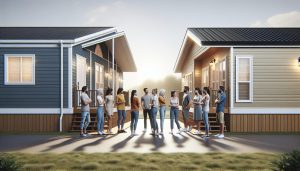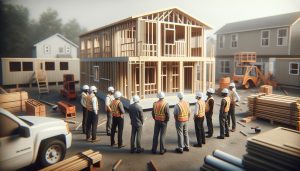
Are you feeling cramped in your modular home or simply envisioning a more spacious layout? Expanding your space can breathe new life into your living environment, offering you room to grow and enjoy the comforts of home. “How to Add on to a Modular Home: Expansion Made Simple” will guide you through the process of seamlessly integrating new spaces, whether you want an extra bedroom, a home office, or a sunroom. Many homeowners are eager to personalize their modular homes, and with the right approach, adding on can be both straightforward and rewarding. This article aims to demystify the expansion process with practical tips, expert advice, and valuable insights to help you transform your modular home into a haven that suits your lifestyle. Keep reading to discover how to make your vision a reality!
How Modular Home Expansion Works
Expanding a modular home can significantly enhance your living space and improve your lifestyle without the involvement of a complex construction process. The way modular home expansion works is unique due to the nature of their initial assembly. Modular homes are built in sections or “modules” in a factory setting, which allows for precise control over construction quality and timelines. When adding onto a modular home, it’s crucial to understand that the expansion will seamlessly integrate with the existing structure, typically employing similar construction techniques and materials.
One of the primary methods of expansion is to add a new module adjacent to the current structure. This can include additional living spaces like bedrooms, bathrooms, or sunrooms, which are crafted in a controlled environment and then transported to the site for installation. In contrast to traditional construction, modular expansions can often be completed in a fraction of the time, minimizing disruption to your daily life. Additionally, the modular setup can allow for more creative designs, such as adding multi-level spaces or open floor plans that cater to modern aesthetics and functional needs.
When planning your modular home addition, it’s essential to consider the foundational aspects of your home. The expansion must align with the existing foundation to ensure stability and local code compliance. Additionally, aspects such as plumbing and electrical systems need to be evaluated to integrate with any new additions smoothly. By engaging with a knowledgeable builder familiar with modular construction, you can ensure the expansion aligns with your long-term goals and enhances the overall value of your home.
In conclusion, the modular home expansion process is not only efficient but also provides a rewarding opportunity to customize your living environment. With proper planning, design, and execution, these additions can create welcoming spaces filled with modern conveniences, ultimately enhancing your quality of life. Whether you aim for increased functionality or simply want to amplify your home’s aesthetic appeal, expanding your modular home is a practical and beneficial choice.
Benefits of Expanding Your Modular Home
Expanding a modular home not only enhances your living space but also provides numerous practical benefits that cater to the evolving needs of homeowners. One of the most significant advantages is the flexibility that comes with modular design. Since these homes are constructed in sections, adding new modules allows for creative transformations tailored to specific requirements-whether it’s a growing family needing more bedrooms or a desire for a home office or craft space. The ability to customize your home as your lifestyle changes is a powerful incentive that traditional homes may not readily provide.
Moreover, modular home expansions typically come with shorter construction timelines compared to traditional building methods. This efficiency means that homeowners can enjoy their newly added spaces in a fraction of the time, minimizing the disruption to daily routines. For many, this quick turnaround translates into less stress and a smoother transition as the expansion is seamlessly integrated with the existing structure.
In terms of cost-efficiency, expanding a modular home can also be more economical. Since modular homes are built in controlled factory environments, this often results in reduced labor costs and less material waste. Furthermore, the ability to plan expansions with an existing structure in mind can lead to better utilization of resources compared to starting from scratch. This can be particularly appealing for homeowners looking to invest wisely in real estate.
Lastly, enhancements to your home not only improve your living conditions but can also increase the property value. Expansions that cater to modern needs-like additional bathrooms or open living spaces-are attractive features for future buyers, making your property more desirable in the competitive real estate market. Overall, the benefits of expanding a modular home are multifaceted, offering not just enhanced space and functionality, but also financial and market advantages that can significantly enrich your homeownership experience.
Key Considerations Before Expanding
Before embarking on the journey to expand your modular home, it’s crucial to carefully evaluate several key considerations that will shape the success of your project. A well-planned expansion not only enhances your living space but also ensures that you are making a sound investment in your property. One essential factor is understanding the structural integrity and design of your existing modular home. Since modular homes are built in sections, it’s important to assess how additions will integrate with the existing modules. Consulting with a professional who specializes in modular housing can provide valuable insights into load-bearing walls, roof lines, and potential challenges you may encounter.
Finances play a significant role in any expansion project. Establish a clear budget that factors in construction costs, materials, and unexpected expenses that may arise. Researching financing options, such as home equity loans or personal loans, can offer financial flexibility. It’s beneficial to consider not only the immediate costs but also the potential increase in property value as a result of your expansion. This long-term perspective can help justify the investment, especially if you aim to enhance market appeal for future resale.
Another critical aspect to consider is local zoning regulations and building permits. Every area has specific laws that govern what can be built and how expansions must be conducted. Contact your local building department to understand zoning restrictions, permit requirements, and any potential homeowner association (HOA) stipulations. Navigating the legal landscape can prevent unnecessary complications and delays in your project.
Lastly, think about your family’s needs and how they may evolve over time. Expanding your modular home should be a reflection of your lifestyle-a space that accommodates your current needs while allowing for future changes. Consider factors such as the number of occupants, lifestyle changes, and the desire for communal areas versus private spaces. Gathering input from all family members can lead to creative solutions that satisfy everyone’s needs, making the expansion a truly inclusive endeavor. By addressing these considerations thoughtfully, you can ensure that your modular home expansion is not just a project, but a meaningful enhancement to your living environment.
Planning Your Modular Home Addition
When planning a modular home addition, it’s essential to approach the project with a detailed and methodical mindset. This process involves not only the physical expansion of your living space but also ensuring that these changes align with your personal and family needs. Consider starting by envisioning the space you desire: Do you need an extra bedroom for a growing family, a dedicated home office, or a spacious family room for gatherings? Defining the purpose of your addition helps streamline the design and planning stages.
Assessing Your Current Space
Before diving into the specifics of your expansion, assess how the new addition will integrate with your existing home. Since modular homes are constructed in sections, it’s crucial to understand the structural design of your current setup. Consulting with professionals familiar with modular construction can reveal important insights into which walls are load-bearing and how best to tie in the new addition harmoniously. This understanding will help avoid issues with structural stability and aesthetics.
Creating a Detailed Plan
A well-structured plan encompasses every phase of the addition, from initial sketches to final construction. Start by creating a budget that accurately reflects the costs of materials, labor, and any unexpected expenses. It’s wise to allocate additional funds for potential overruns, as construction projects frequently encounter unforeseen circumstances. An itemized budget can help keep the project on track financially.
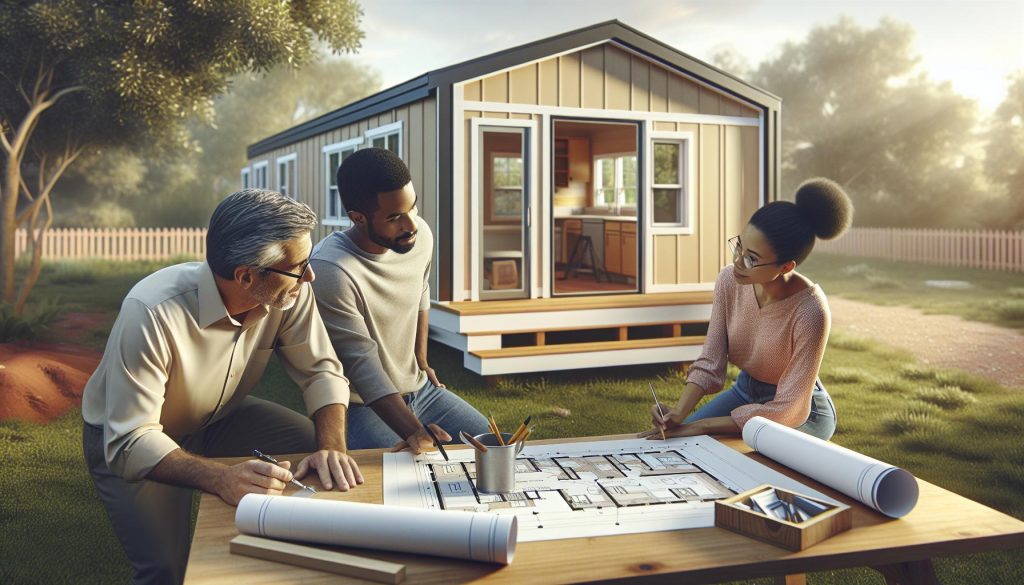
Next, sketch out your design ideas. This can be simple drawings or detailed blueprints. Visualizing how the new addition interacts with your current layout-considering flow, light, and functionality-offers a clearer picture of the final outcome. Remember to prioritize aspects like energy efficiency; integrating new, high-efficiency windows or insulation can significantly affect long-term savings.
Collaborating with Professionals
Engaging with architects or designers who specialize in modular homes can elevate your project. They can provide valuable feedback on your ideas and help refine them to fit within the existing structure seamlessly. Additionally, these professionals understand local building codes and regulations, ensuring compliance throughout your project.
In summary, the planning phase for your modular home addition is a foundational step that requires careful thought and preparation. By assessing your current space, creating a detailed plan, and collaborating with professionals, you can navigate the complexities of the expansion process with confidence, paving the way for a successful and rewarding addition that enhances your lifestyle.
Choosing the Right Type of Expansion
When contemplating an expansion for your modular home, one of the most crucial decisions you’ll make is determining the type of addition that best suits your needs. Modular homes provide unique advantages, as they can often accommodate various expansion options more flexibly than traditional homes. Understanding the different types of expansions-permanent versus relocatable, as well as design variations-can lead to more effective planning and execution.
Types of Expansions
There are principally two types of expansions you might consider: permanent additions and relocatable expansions. A permanent addition integrates seamlessly with your existing structure and is built on-site, offering an opportunity to enhance your home’s footprint drastically. This approach allows for tailored spaces, such as new bedrooms, expanded kitchens, or additional living areas. By working within your home’s existing framework, you can create a cohesive design that complements your modular home’s aesthetics.
On the other hand, relocatable expansions are an innovative option for those who value flexibility. Often made from prefabricated modules, these units can be added to your property and moved if needed. This is an excellent solution for homeowners who anticipate needing space temporarily or may want the option to redesign their property layout in the future. Relocatable expansions can work particularly well as adjunct spaces like home offices, children’s playrooms, or guest suites.
Design Considerations
When deciding on the type of expansion, consider the architectural style of your home and the desired functionality of the new space. The new addition should harmonize with your existing home’s aesthetic and provide the necessary features to enhance your lifestyle. For example, if you’re expanding your kitchen, think about the flow between spaces and whether you want an open-concept layout or defined areas.
Moreover, integrating sustainable practices into your expansion design can pay off significantly in the long run. Use energy-efficient materials and appliances to not only reduce your carbon footprint but also enhance the home’s resale value. The market increasingly appreciates energy-efficient homes, providing a potential return on investment when you decide to sell.
Ultimately, the right type of expansion aligns with your current needs, future goals, and the unique characteristics of your modular home. By carefully considering your options, you can successfully enhance your living space while bolstering the value of your property.
Cost Breakdown for Modular Home Additions
The financial aspect of expanding your modular home is a crucial consideration that can significantly influence your decision-making process. Unlike traditional homes, modular homes offer unique cost advantages, especially when it comes to additions. To achieve a successful expansion, it is essential to understand the various costs associated with both permanent and relocatable additions.
When budgeting for your expansion, you should account for the following key components:
Initial Costs
- Design and Planning Fees: Engaging an architect or designer can incur initial costs, typically ranging from $1,000 to $5,000 depending on the complexity of your project.
- Foundation Work: For permanent additions, you may require excavation, footings, or a new foundation, which can vary broadly, estimated between $5,000 and $15,000.
- Construction Costs: This encompasses labor and materials, which can hover around $100 to $200 per square foot for a standard modular addition, depending on the quality of materials and local labor rates.
Permitting and Inspection Fees
Before any work can start, securing the necessary permits can add costs of about $500 to $2,000. These fees may include zoning permits, inspections, and other local regulations that are essential for compliance.
Utility Connections
If your expansion requires new plumbing, electrical, or HVAC systems, anticipate costs ranging from $2,000 to $10,000. Modular homes typically offer robust utility integrations, but expanding may necessitate upgrades or modifications.
Financing Your Addition
Many homeowners opt for personal loans, home equity loans, or specialized modular home loans to finance their expansions. Understanding the various financing options available can help you choose the one that best suits your financial situation, balancing monthly payments, interest rates, and terms.
Given the relatively lower costs associated with modular home expansions and the variety of financing options, many homeowners find that investing in an addition can greatly enhance their living space and overall property value. By budgeting appropriately and understanding each component’s costs, you can ensure a smoother and more financially manageable expansion process.
Permits and Regulations for Expansion
When considering an expansion to your modular home, an essential step that shouldn’t be overlooked is navigating the landscape of permits and regulations. Since modular homes are subject to various local, state, and national standards, understanding the specific requirements for your area is crucial. Not adhering to these guidelines can lead to project delays, increased costs, or even potential legal complications.
Before initiating any construction, check with your local building authority to understand the required permits. Commonly needed permits include zoning, building, and occupancy permits, which ensure that your expansion adheres to local zoning laws and safety codes. The costs for these permits can vary significantly based on your location and the scope of your project, ranging from approximately $500 to $2,000. It’s beneficial to obtain a list of all necessary permits from your local authority early in the planning phase, to prevent any last-minute surprises.
Once you’ve secured the appropriate permits, remember that inspections will likely be needed throughout the construction process. These inspections are designed to verify that your work complies with local building codes and safety regulations. For example, the foundation work may require an inspection before you can proceed with construction. Keeping a schedule of required inspections and the documentation will streamline the process and ensure compliance with all regulations.
Additionally, be aware of any neighborhood covenants or homeowner association rules that might affect your expansion plans. These regulations may impose additional restrictions on dimensions, aesthetics, or specific building methods for your addition. Engaging with a local architect or contractor familiar with modular homes can provide invaluable insights into the regulatory landscape, ensuring that your additions not only enhance your living space but also comply fully with all legal requirements.
Essential Design Tips for Modular Additions
When expanding a modular home, thoughtful design is vital to ensure that the new space integrates seamlessly with the existing structure while meeting your functional and aesthetic needs. Begin by considering how the addition will flow with your current layout. Aim for continuity in materials, colors, and architectural styles to create a cohesive look. For instance, if your home features specific siding or window styles, replicate these in your expansion to maintain visual harmony.
Plan for Functionality
Identifying the primary purpose of the addition is essential. Will it serve as a larger living area, an extra bedroom, or a dedicated workspace? This clarity will influence your design decisions significantly. For example, a family room might require ample natural light and open space for gatherings, while a bedroom might prioritize privacy and comfort. Additionally, think about how the expansion will affect traffic flow within the home.
Utilize Space Efficiently
Maximizing your new area involves strategic design choices. Consider built-in cabinetry, multifunctional furniture, and open floor plans to enhance usability. Modular homes often have unique layouts; hence, custom solutions can significantly boost storage and functionality. For example, a walk-in closet could be a practical addition, providing extra storage without consuming excessive square footage.
Energy Efficiency and Sustainability
Incorporate energy-efficient features and sustainable materials into your design to contribute to long-term savings and environmental stewardship. Use high-quality insulation to keep your new space comfortable year-round, and consider solar panels if feasible. Choosing energy-efficient windows and appliances will further minimize your carbon footprint while reducing utility costs.
Stay Within Your Budget
Be mindful of your budget throughout the design process. Monitor costs for materials and labor while also factoring in potential unforeseen expenses. To help keep expenses in check, prioritize essential elements first and ensure that any additional features can be added later if finances allow. Collaborating closely with a designer or contractor familiar with modular constructions can help you avoid costly mistakes and ensure your project stays on track and within budget.
In essence, the design of your modular home extension should aim for both aesthetic appeal and functional utility. By carefully considering how your new space will fit within your existing home and your lifestyle, you can create an addition that enhances your living experience for years to come.
Building vs. Prefab Extensions: Pros and Cons
When considering an expansion for your modular home, the choice between building a traditional extension and opting for a prefab solution can significantly impact the project’s timeline, budget, and overall effectiveness. Understanding the differences between these two options will help you make an informed decision that aligns with your needs and preferences.
Building an extension on-site often offers greater customization. You can tailor every aspect to fit seamlessly with your existing modular structure, ensuring that materials and styles match perfectly. However, this method can be time-consuming and may involve more extensive labor costs. Additionally, local weather conditions or construction regulations can affect the project timeline, possibly extending it beyond initial expectations.
On the other hand, opting for a prefab extension can bring about a quicker installation. These extensions are constructed off-site, allowing for consistent quality control and reduced waste. Since they are built in a controlled environment, there are fewer weather-related delays. Prefab solutions can also be more cost-effective in the long run because they often require less labor and can simplify the permitting process. However, they may limit your design flexibility; customizing a prefab unit to fit your existing home’s aesthetic might require additional adjustments or compromises.
Ultimately, both options have their merits. Assessing your specific needs, budget constraints, and desired timeline can help you decide which approach is best for expanding your modular home. As trends in modular construction continue to evolve, many homeowners are finding that the convenience of prefab extensions does not compromise quality or aesthetics. Balancing your priorities against the pros and cons of each method will empower you to create a space that enhances your living experience.
Hiring Professionals vs. DIY Expansion
When contemplating the expansion of a modular home, one of the most significant decisions is whether to hire professionals or take on the project as a DIY endeavor. This choice can influence not only the cost and timeline of your expansion but also the quality and overall outcome of the work. Understanding the strengths and weaknesses of each approach allows you to make an informed decision that aligns with your skills, budget, and vision for your home.
Hiring professionals for your modular home expansion typically ensures a higher level of expertise, which can be particularly advantageous for complex projects that require specialized skills, such as electrical, plumbing, or structural engineering. Experienced contractors can navigate local building codes and regulations effectively, reducing the risk of costly mistakes. Furthermore, they often have established relationships with suppliers and subcontractors, potentially leading to better pricing on materials and faster completion times. However, professional services can come with a premium price tag, and the added labor costs may stretch your budget.
On the flip side, embracing a DIY approach can be rewarding and cost-effective, particularly for homeowners with a solid understanding of construction and design principles. If you’re handy and willing to invest the time, a DIY expansion allows for greater creative control over every detail, such as layout and design elements. However, consider the challenges that come with this route: time commitment, the need for proper tools, and potential setbacks due to inexperience. If the project becomes too complex or you encounter unexpected issues, you might need to pivot and enlist professional help, which could strain your budget and timeline.
Ultimately, the decision comes down to your unique circumstances-assess your own skills, the scope of the project, and how much time you can dedicate to the expansion. If you choose to take the DIY route, make sure to do thorough research and perhaps consult with professionals for critical aspects of the project. On the other hand, if you opt to hire experts, vet contractors carefully and ensure they have experience with modular home additions to get the best results possible.
Financing Options for Home Extensions
Financing an expansion to your modular home can be a pivotal step in enhancing your living space, but understanding the available options is crucial to avoid surprises down the line. Whether you aim to add a sunroom, extra bedrooms, or a more significant structure, various financing methods can help you realize your vision without stretching your budget too thin. Here are some popular financing options tailored to homeowners considering an expansion.
One of the most common avenues is a home equity loan or a home equity line of credit (HELOC). These allow homeowners to borrow against the equity they’ve built up in their modular homes. Many homeowners find this option appealing due to generally lower interest rates compared to personal loans, as the loan is secured against the property. Using this financing method can provide flexibility and funding for your modular home expansion, ensuring you have the capital needed when unexpected costs arise.
Another viable financing alternative is to consider a personal loan. These are unsecured loans that don’t require any collateral, making them a good choice for smaller renovation projects where the overall funds needed are less. Interest rates can be higher than home equity options, but for many, the simplicity and speed of securing a personal loan can outweigh the costs, especially if the project timeline is tight.
For those looking into more extensive expansions, a construction loan could be ideal. This type of loan allows the borrower to finance the construction of new structures or significant renovations. Typically, funds are released in stages as the project progresses (also known as a draw schedule), which can be beneficial for closely managing your budget. However, it’s essential to note that construction loans may require more stringent approval processes, including detailed project plans and timelines.
When planning your financing strategy, always be mindful of the total cost of your expansion, which includes not just the direct construction costs, but also potential increases in your property taxes and insurance. Prepare a comprehensive budget that outlines all aspects of the project to avoid financial strain. Additionally, consider applying for government grants or programs designed to assist with home renovations, particularly if your project incorporates energy-efficient upgrades.
Ultimately, digging into these various financing options can empower you to transform your modular home into a more enjoyable and functional living space. It’s crucial to assess your financial situation, project scope, and personal comfort with debt before making a decision. Consulting with a financial advisor or mortgage expert can provide further guidance tailored to your specific needs, helping you embark on your expansion journey with confidence.
Maintaining Your Expanded Modular Home
Maintaining an expanded modular home requires a proactive approach, ensuring that both the original and new sections function harmoniously while preserving the integrity of the entire structure. One of the most critical aspects of maintenance is regularly checking the connection points between the original home and any additions. This includes inspecting seals, caulking, and weatherstripping to prevent drafts and moisture intrusion, which can lead to mold and other structural issues.
To start, it’s essential to establish a consistent maintenance schedule. Consider a quarterly inspection where you assess both the interior and exterior of your home. This should include:
- Roof and Gutters: Regularly inspect the roof for any damage, especially where the addition joins the existing structure. Clean gutters to prevent water damage that could affect the new addition.
- Foundation: Check the foundation of the new addition, looking for cracks or settling issues. A well-maintained foundation is critical to supporting any additional weight safely.
- Pipes and Wiring: Ensure that plumbing and electrical systems are functioning as intended. Look for any leaks or malfunctions, especially where they transit from older sections to newer ones.
- HVAC System: Maintain your heating and cooling system by replacing air filters regularly and ensuring ducts are free of blockages, especially if the expansion has altered airflow patterns.
Additionally, upgrading insulation in the newly added spaces can significantly enhance energy efficiency, which not only improves comfort but also reduces utility bills. If you’ve expanded your modular home to include new living spaces, consider professional energy audits that can identify areas for improvement.
As your needs change, the functionality of your home might require further adjustments. Keep an eye on wear and tear that may arise with added usage patterns in new rooms. For example, kitchens and bathrooms often require more frequent maintenance due to their utility. Regularly check appliance performance, tighten fittings to avoid leaks, and plan for periodic professional inspections, especially if you’re in a climate prone to extreme weather conditions, which can impact structural integrity.
In conclusion, effective maintenance of your expanded modular home is vital for both longevity and comfort. By staying proactive, regularly assessing both new and existing areas, and addressing any issues promptly, you can ensure that your home remains a safe and enjoyable space for many years to come.
Q&A
Q: How can I determine if my modular home can be expanded?
A: To determine if your modular home can be expanded, consult with a qualified contractor or architect. They will assess your home’s foundation and structure, reviewing local zoning laws and regulations outlined in the section on “Permits and Regulations for Expansion” in our detailed guide.
Q: What types of additions are best for modular homes?
A: The best types of additions for modular homes are those that complement the existing structure, such as bump-outs, sunrooms, or full second-story extensions. Considerations on what fits your space and style are discussed in the “Choosing the Right Type of Expansion” section of our article.
Q: How do I finance an addition to my modular home?
A: Financing options for adding onto a modular home include home equity loans, personal loans, or construction loans. It’s essential to evaluate your financial situation and to check the “Financing Options for Home Extensions” section for more detailed guidance.
Q: What permits do I need for a modular home expansion?
A: Typically, you will need building permits, zoning permits, and possibly environmental permits for a modular home expansion. Check local regulations to ensure compliance, as covered in the “Permits and Regulations for Expansion” section of our guide.
Q: How does the cost of modular home expansions compare to site-built additions?
A: Modular home expansions can often be cost-effective compared to site-built additions due to reduced labor costs and material waste. For a detailed cost breakdown, refer to the “Cost Breakdown for Modular Home Additions” section in our article.
Q: What are the common design challenges when expanding a modular home?
A: Common design challenges include ensuring architectural harmony between the addition and the existing structure, as well as complying with building codes. For essential tips, review the “Essential Design Tips for Modular Additions” part of our comprehensive guide.
Q: Should I hire professionals or do it myself when adding to my modular home?
A: Hiring professionals ensures a compliant and structurally sound addition, while a DIY approach can save costs if you have the skills. Weigh these options further in the “Hiring Professionals vs. DIY Expansion” section.
Q: How do I maintain my expanded modular home?
A: Maintaining your expanded modular home involves regular inspections, appropriate weatherproofing, and routine upkeep of new infrastructure. For comprehensive guidance, see the “Maintaining Your Expanded Modular Home” section of our article.
Final Thoughts
Now that you’re equipped with practical insights on expanding your modular home, there’s no better time to start planning your dream space. Adding on to your home not only enhances your lifestyle but also increases your property value. If you have any lingering questions about financing options or construction tips, don’t hesitate to explore our related content on Financing Your Modular Home Expansion and Essential Renovation Techniques for Mobile Homes.
Join our community of homeowners and share your expansion journey in the comments below! Whether you’re looking to tackle a DIY project or considering professional help, we provide the resources and support you need to make informed decisions. Don’t forget to subscribe to our newsletter for the latest updates and expert advice on maximizing your modular living experience. Take the next step towards your ideal home today!