Did you know that factory-built modular homes undergo rigorous quality control processes before they ever reach your site? This controlled environment not only enhances construction efficiency but also ensures that each home meets high safety and quality standards. Understanding what factory-built modular homes are and their quality control advantages is essential for anyone considering this housing option. These homes offer a blend of affordability and craftsmanship that traditional construction often struggles to match. As you explore the benefits of modular living, you’ll discover how these homes can truly provide peace of mind and a solid investment for your future. Dive in to uncover the unique advantages that make modular homes a smart choice for today’s savvy buyers.
What Sets Factory-Built Modular Homes Apart?
The world of housing is evolving, and factory-built modular homes are at the forefront of this transformation. Unlike traditional site-built homes, which can take months to construct in varying weather conditions, modular homes are built in controlled factory settings. This environment allows for precise construction techniques and minimized delays, leading to faster build times. A critical aspect of what sets these homes apart is their innovative design and engineering, allowing them to be tailored to fit the unique needs and aesthetics of homeowners.
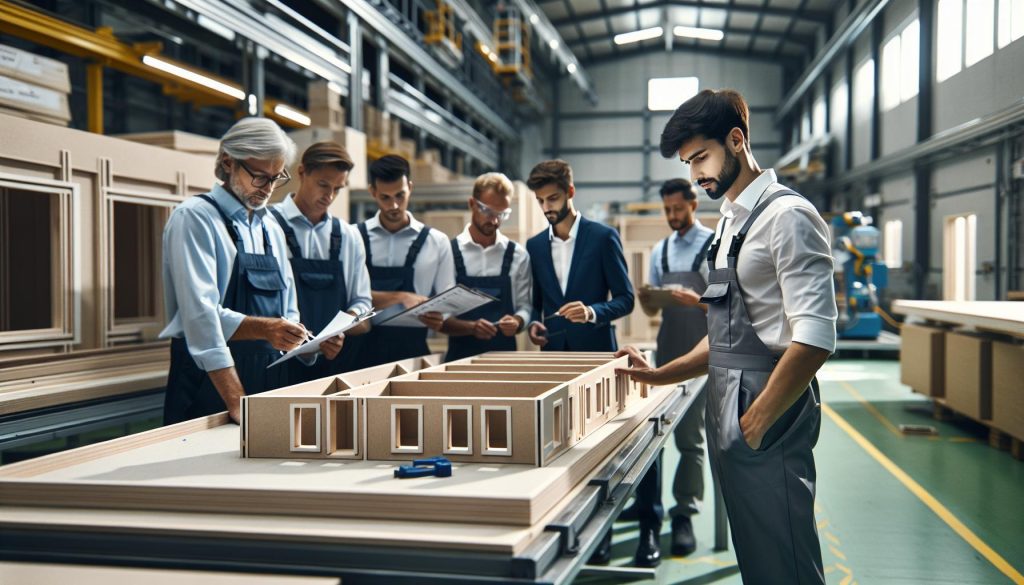
One of the standout features of factory-built modular homes is their commitment to stringent quality control measures. Each module undergoes extensive inspection and testing during the manufacturing process, ensuring that all materials and construction meet or exceed local building codes. This level of oversight not only contributes to higher-quality construction but also enhances the safety of the final product. Factory-built homes are designed with longevity in mind, and many manufacturers use materials that provide superior insulation and protection against the elements, making these homes both energy-efficient and durable.
Moreover, the customization options available for modular homes are expansive. Homebuyers can choose from various layouts, styles, and finishes to create a living space that reflects their personal taste. This level of customization isn’t usually feasible with traditional construction methods due to increased costs and time constraints. Furthermore, manufacturers often provide a broad array of floor plans that can be modified, giving prospective owners the flexibility to design their dream home without the hefty price tag typically associated with custom builds.
In summary, factory-built modular homes represent a carefully crafted solution that combines innovative construction methods with high standards for quality and safety. Their distinct advantage lies in their design flexibility, controlled manufacturing processes, and enhanced durability, making them an increasingly popular choice for modern homeowners.
Understanding the Factory-Built Construction Process
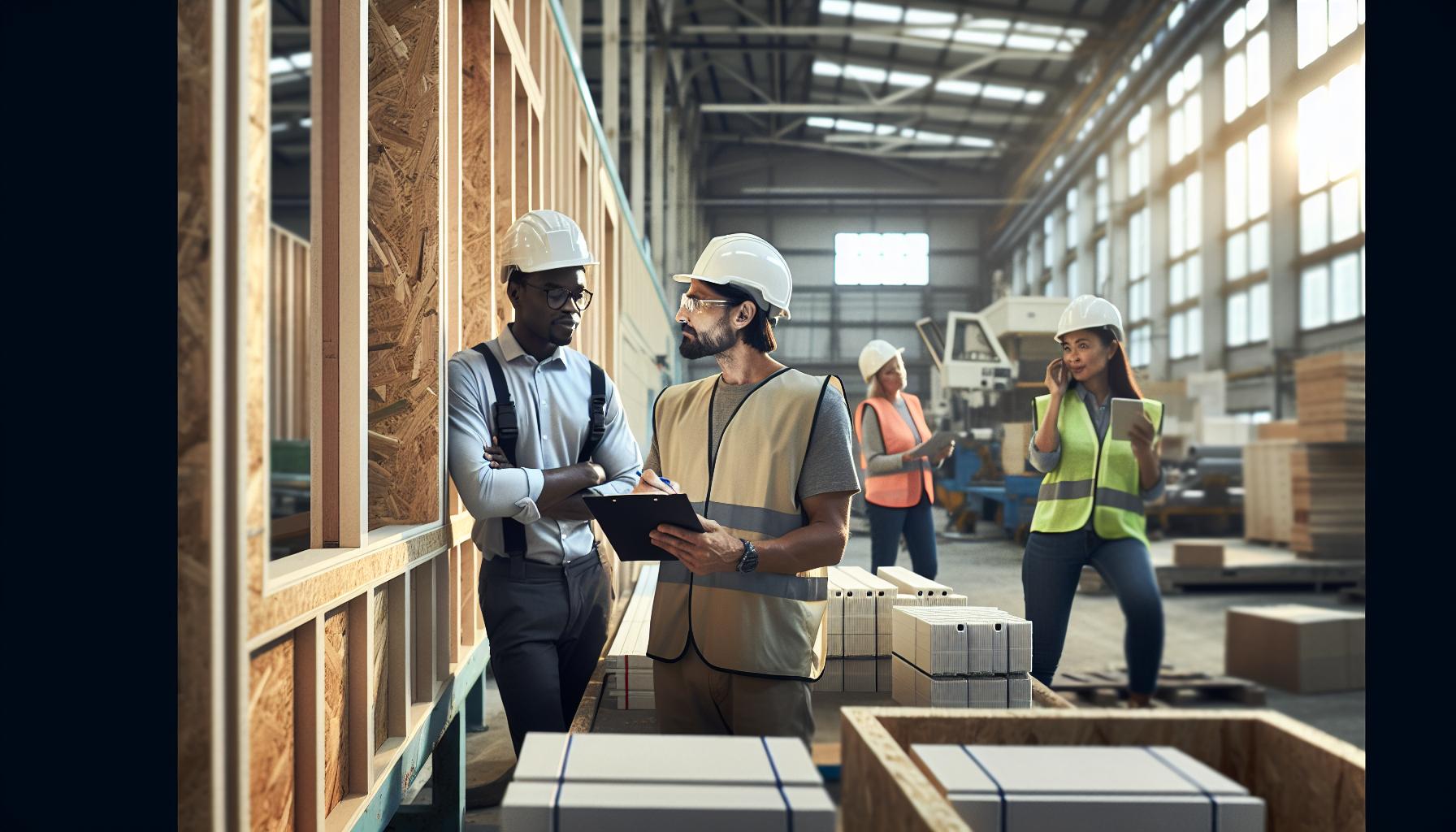
The factory-built construction process for modular homes is a marvel of modern engineering, capable of transforming building concepts into reality with remarkable efficiency and precision. In controlled environments, skilled workers assemble home modules using sophisticated machinery and techniques, which greatly reduces construction time compared to traditional methods. This efficiency is particularly appealing for homeowners looking to expedite their move-in dates without sacrificing quality.
One of the major advantages of this construction method is the assembly line approach, which mimics that of automobile manufacturing. Each stage of the build-from framing to exterior sheathing, electrical installation, and plumbing-is executed in a systematic manner, ensuring that each component meets rigorous standards. The result is a higher level of consistency and quality across all built units.
In addition, the factory setting shields the construction process from the unpredictability of weather, which can cause significant delays and additional expenses on-site. By constructing homes under a roof, manufacturers not only protect materials from the elements but also maintain a continuous workflow, allowing for quicker turnaround times and fewer interruptions.
Quality control is paramount throughout the entire construction cycle. Every module undergoes comprehensive inspections at various stages, focusing on everything from structural integrity to compliance with local building codes. This relentless attention to detail enhances home safety, reducing future maintenance costs and providing homeowners with peace of mind.
Ultimately, is crucial for prospective buyers and property investors. It enables them to appreciate the advantages of modular homes, including significant time savings, improved quality, and a strong commitment to safety-all critical factors in making an informed purchasing decision.
The Key Benefits of Modular Home Quality Control
Ensuring high quality in modular homes is not just an industry standard but a fundamental part of the construction process that benefits homeowners and investors alike. Modular home quality control begins before foundation work has even commenced, as rigorous measures are taken during the manufacturing phase to maintain structural integrity, safety, and compliance with local building regulations. This proactive approach minimizes disruptions typically associated with traditional home construction, where inspections may occur at irregular intervals and often rely on contractors’ schedules.
One of the most significant advantages of this systematic quality control is the detailed inspections conducted at every stage of production. These inspections guarantee that each component-from flooring to roofing-is evaluated for consistency and durability, which directly contributes to the overall lifespan and resale value of the home. Building in a controlled environment means that builders can respond quickly to potential defects, ensuring that issues are addressed promptly before modules leave the factory for assembly on site. This mitigates the risk of encountering unexpected problems that could arise during traditional construction, offering peace of mind to future homeowners.
Moreover, the quality control processes build an environment of accountability. Modular manufacturers invest in specialized training for their workforce, familiarizing them with the latest safety protocols and quality standards. By fostering a culture of excellence within the assembly line, manufacturers not only ensure that their homes comply with stringent regulations but also that their teams are equipped to deliver high-quality craftsmanship. This translates to enhanced home safety and long-term reliability, factors that should be at the forefront for anyone considering a modular home purchase.
Finally, the modular building process emphasizes sustainability through quality control efforts. By reducing waste through optimized production techniques and ensuring all materials meet strict environmental standards, modular manufacturers not only create durable homes but also foster construction practices that are kinder to the planet. This eco-conscious approach resonates well with today’s buyers, who increasingly seek homes that reflect their values and commitment to sustainability. As a result, the advantages of comprehensive quality control in modular construction not only enhance safety and longevity but also contribute positively to environmental stewardship, making factory-built homes a compelling choice in the housing market.
Comparing Modular Homes to Traditional Construction
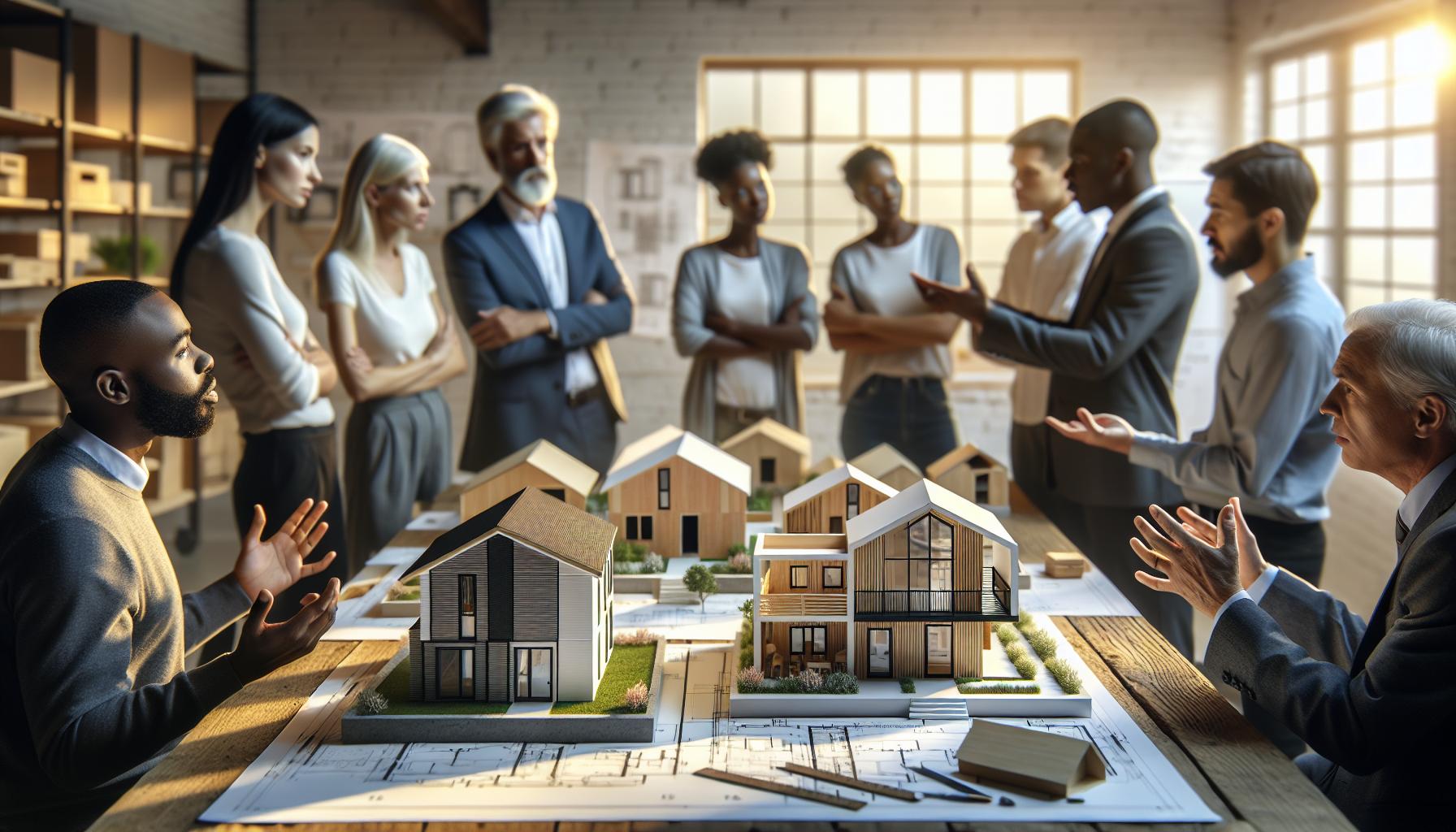
The rising popularity of factory-built modular homes is not merely a trend; it reflects a significant shift in housing preferences that often centers on quality, efficiency, and sustainability. Unlike traditional construction methods, which can be plagued by delays, weather interruptions, and variable labor quality, modular homes provide a streamlined and predictable building experience. The modular construction process allows for homes to be built in a factory setting, which ensures consistent quality control at every stage of production.
One of the most striking differences between modular and traditional homes is the speed of construction. Modular homes can be assembled and completed in a fraction of the time it takes to build a home on-site. While traditional homes may take several months, modular homes can often be ready for occupancy within weeks. This efficiency not only reduces construction timelines but also minimizes costs related to labor and financing incurred during lengthy construction processes. Furthermore, because the building takes place indoors, factory conditions are less susceptible to the unpredictable elements of nature, leading to fewer construction delays.
Quality Control and Inspections
In modular construction, modern techniques such as computerized manufacturing and robotic assembly enhance precision, resulting in higher-quality craftsmanship. Each module undergoes rigorous quality checks before it ever leaves the factory, conducting detailed inspections to ensure that all components-from plumbing to framing-meet or exceed regulatory standards. In traditional construction, the quality assurance process can be less rigorous and more reliant on individual contractor practices, which can lead to variability in the final product.
Cost-Effectiveness
When it comes to cost, modular homes often have the upper hand. Due to reduced labor costs, shorter construction times, and bulk purchasing for materials, builders can pass savings on to the buyer. The controlled environment of a factory also helps reduce waste, as materials can be better tracked and utilized. Traditional construction, by contrast, can face budget overruns and unexpected costs associated with weather delays, rework, and inefficiencies inherent in on-site builds.
Customization and Sustainability
Moreover, modular homes offer a degree of customization that meets modern homeowner demands while being inherently sustainable. From energy-efficient designs to innovative layouts and materials that minimize environmental impact, factory-built homes can be tailored without sacrificing quality or efficiency. Traditional homes, while often customizable, face limitations imposed by site constraints and building regulations that can complicate unique designs.
In sum, reveals not only advantages in time and cost but also in quality and sustainability. As more homebuyers seek efficient, economical housing solutions, modular construction stands out as a reliable choice that meets contemporary needs while providing an alternative to traditional building methods.
Cost-Effectiveness of Factory-Built Modular Homes
One of the most compelling aspects of factory-built modular homes is their cost-effectiveness. These homes offer potential buyers an appealing alternative to traditional construction methods, which can often lead to inflated costs due to various unforeseen issues. The streamlined construction process, from design to delivery, dramatically reduces the overall expenses associated with building a home. Modular homes can be produced at a fraction of the cost of site-built homes, making them an attractive choice for budget-conscious buyers.
The cost savings begin with reduced labor expenses. Since modular homes are primarily built in a factory setting, the need for on-site labor is significantly diminished. This controlled environment allows for efficient scheduling and the use of skilled labor, which minimizes labor costs. Additionally, because modular construction is less impacted by weather conditions, projects remain on schedule, avoiding the cost overruns that typically accompany delays in traditional builds.
Furthermore, factory-built homes benefit from bulk purchasing of materials, which translates to lower prices per unit for builders. These savings are often passed down to the consumer, making modular homes not only an affordable option but also one that offers quality materials without the premium price. By reducing waste and closely monitoring material use, manufacturers ensure that costs are kept low throughout the process.
Another factor contributing to the cost-effectiveness of modular homes is the rapid construction timeline. While traditional homes can take several months to complete, modular homes can often be ready for occupancy within weeks. This quick turnaround minimizes costs associated with financing, allowing homeowners to move in sooner and start building equity without incurring long waiting periods.
Options for potential financing are also favorable. Many financial institutions recognize the benefits and growing popularity of modular homes, offering competitive loan options tailored to these types of purchases. These financing options can make homeownership more attainable for first-time buyers and seasoned investors alike.
In summary, the is driven by lower labor costs, efficient construction timelines, bulk material savings, and favorable financing options. By choosing a modular home, buyers not only find an affordable housing solution but also one that represents a smart investment in today’s dynamic real estate market.
Long-Term Durability of Modular Homes
When considering the , one fact stands out: these homes are built to last. Unlike traditional structures that can face delays and quality inconsistencies due to varying on-site conditions, modular homes benefit from a controlled factory environment that enhances structural integrity. Each module is constructed using robust materials and adheres to stringent building codes, ensuring that every aspect of the home is optimized for longevity.
The durability of modular homes is further supported by rigorous quality control processes that occur throughout the manufacturing phase. Every unit undergoes inspections at various stages of construction, which minimizes the risk of defects that can occur in site-built homes. For instance, because the modules are assembled indoors, they’re protected from harsh weather conditions that might otherwise compromise traditional building materials. This results in fewer issues like water damage, mold, or wood rot, which can severely affect the lifespan of a home.
Moreover, modular homes are designed with resilience in mind, often incorporating energy-efficient features that not only support environmental sustainability but also contribute to long-term functionality. High-quality insulation, fortified roofing, and advanced HVAC systems are standard in modern modular homes. These elements help to maintain comfortable living conditions while reducing wear and tear over the years. As a result, homeowners can expect lower maintenance costs and fewer repairs when compared to traditional homes.
### Key Factors Supporting Long-Term Durability
- Quality Materials: Factory-produced homes use top-notch materials that are resistant to elemental damage.
- Controlled Environment: Construction indoors limits exposure to the elements during the building phase.
- Regulatory Compliance: Adherence to local building codes ensures that all structures meet high durability standards.
- Inspections and Testing: Regular inspections during the construction process help identify and rectify potential issues before completion.
Investing in a modular home not only provides an immediate living space but also represents a proactive choice for future-proofing your housing investment. With proper maintenance and care, these homes can withstand the test of time, ensuring that your financial commitment remains sound for years to come. Whether you are a current owner or contemplating your first modular home purchase, embracing the durability of factory-built housing is a smart path towards sustainable living.
Customization Options in Modular Home Designs
The opportunity for customization in modular home designs is one of the most appealing aspects for many buyers, allowing homeowners to tailor their living spaces to meet specific needs and preferences. Unlike traditional construction methods where change orders can be inconvenient and costly, the modular building process encourages personalization from the start. This flexibility is achieved through a combination of factory-standard models and diverse design options, ensuring that your new home reflects your lifestyle and taste.
Homebuyers exploring modular options can choose from a wide range of layouts, sizes, and architectural styles. From contemporary open plans to cozy cabins, there’s something for everyone. Many manufacturers offer extensive catalogs that allow you to select finishes, colors, and materials that suit your aesthetic. Interior customization options often include choices for flooring, countertops, cabinetry, and appliances, giving you the opportunity to create a cohesive look that is uniquely yours. Moreover, exterior choices, such as siding and roofing styles, enhance curb appeal while aligning with the homeowner’s vision.
Unique Additions and Features
Beyond basic design choices, many modular homes can accommodate unique features that elevate comfort and functionality. Homebuyers may consider integrating energy-efficient technologies such as solar panels, smart home systems, or high-performance HVAC units during the construction process. Additionally, layout alterations can be made for specific needs, such as the inclusion of wheelchair accessibility features or multi-generational living spaces, ensuring that your home is both practical and welcoming.
Another advantage to factory-built homes is the potential for quick upgrades that can be made without extensive remodeling later on. For example, if you envision a future addition, many modular designs facilitate expansion, allowing new modules to be seamlessly integrated into the existing structure. This adaptability supports long-term living arrangements and can increase property value, making it a wise investment for prospective homeowners.
As you navigate the myriad of options, it’s essential to work closely with your modular home builder or a knowledgeable consultant who can guide you through available choices and help realize your vision. By taking the time to express your preferences and needs at the outset, you can craft a home that not only meets your aesthetic desires but also enhances your quality of life for years to come.
The Role of Quality Control in Home Safety
Quality control plays a vital role in the safety and reliability of factory-built modular homes, ensuring that they meet stringent standards throughout the building process. Unlike traditional construction, where variables such as weather and site conditions can affect quality, modular homes are constructed in a controlled factory environment. This setting allows for more consistent monitoring and adherence to safety protocols. Each module undergoes a thorough inspection during manufacturing, focusing on structural integrity, electrical systems, plumbing, and insulation.
One significant advantage of this method is the use of advanced technology and skilled labor in the assembly process. Automated machinery and specialized equipment contribute to precision, reducing human error, which is often prevalent in conventional methods. Furthermore, many manufacturers implement third-party inspections during various phases of construction. This practice not only enhances the safety features of the home but also builds trust with prospective buyers, who can feel confident that their new residence has undergone rigorous testing and quality checks.
Additionally, factory-built homes are constructed to comply with national and local building codes, which demand high safety standards. These regulations cover everything from the materials used to the design specifications intended to withstand various environmental challenges, including wind resistance and seismic loads. As a result, modular homes can often achieve higher ratings in safety and durability than their site-built counterparts.
To maximize the benefits of quality control, prospective homeowners should engage with reputable manufacturers who prioritize safety and stand behind their products with warranties. Understanding the quality control practices of your chosen builder can provide peace of mind, knowing that each aspect of your new home has been carefully designed and constructed to ensure a safe and lasting living environment.
Regulatory Standards for Modular Homes
Modular homes are built under strict regulatory standards that ensure safety, quality, and sustainability, making them a compelling choice for homebuyers. These standards vary by location but generally align with national guidelines, including the International Building Code (IBC) and the modular home industry’s robust quality assurances. Each modular home is required to undergo a rigorous inspection process both during construction and upon its installation on-site, which guarantees that every unit is compliant with local building codes.
The regulatory framework for modular homes encompasses numerous critical components, including safety tests for structural integrity, environmental impact assessments, and compliance with energy efficiency standards. For example, in many areas, these homes must meet specifications for wind resistance and thermal performance to withstand local environmental conditions. This comprehensive approach not only enhances the reliability of modular homes but also provides a significant assurance of quality compared to traditional on-site construction methods, where adherence to such regulations may be less consistent due to various external factors.
Key Regulatory Considerations
- Certification: Most modular homes must bear a certification label indicating compliance with standards set forth by the relevant building authorities.
- Local Codes: Homebuyers should verify that the modular homes meet specific local zoning and building codes that may include setbacks, height restrictions, and land use regulations.
- Environmental Compliance: Homes may require checks for sustainability features, including water conservation and energy efficiency measures.
Understanding these standards is vital for prospective buyers, as compliance not only ensures the safety and durability of their investment but can also affect insurance premiums and property values over time. Engaging with manufacturers who can provide clarity on their compliance practices helps buyers navigate the regulatory landscape with confidence. This knowledge empowers homeowners to make informed decisions, ensuring that their modular homes not only meet today’s quality assurance standards but are prepared for long-term sustainability in their communities.
Financing Your Modular Home Purchase
Navigating the financing landscape for a modular home can seem daunting, but understanding available options can empower buyers to make informed decisions. Unlike traditional homes, modular homes often require a unique approach to financing due to their construction process and the fact that they are often categorized differently by lenders. Many prospective homeowners find themselves wondering how they can secure financing that meets their needs while ensuring that they get the best deal possible.
When considering financing for a modular home, it’s essential to start by identifying the type of home you are purchasing. Modular homes can fall under two primary categories for financing: personal property (often treated similarly to mobile homes) or real property (when the home is permanently affixed to a foundation). Many lenders offer specialized loans for modular homes, such as FHA loans, USDA loans, or conventional mortgages designed specifically for factory-built systems. Buyers should also consider whether they will need a construction loan, which typically covers the cost of building until the home is completed and can be converted into a permanent mortgage afterward.
Factors Influencing Financing Options
- Credit Score: A good credit score can significantly impact your financing options, potentially allowing for lower interest rates and better loan terms.
- Location: The government’s zoning laws and local regulations regarding modular homes can affect financing availability and can result in unique lending considerations.
- Down Payment: Many lenders require a down payment that ranges from 3.5% for FHA loans to higher percentages for conventional loans. Understanding your budgeting capacity is crucial in this regard.
Before making any commitments, conduct thorough research by comparing multiple lenders and loan products. Consulting with experienced brokers who understand the nuances of modular home financing can also yield beneficial insights tailored to your specific situation. In addition, seeking pre-approval can provide a clear picture of your budget and strengthen your position during negotiations with sellers.
Financing a modular home isn’t just about securing a loan; it also involves understanding the long-term implications of your choice. Engage with lenders who offer competitive rates and favorable terms for factory-built housing. Moreover, staying updated on regulatory standards can influence homeowner’s insurance costs and property values, contributing to the overall financial strategy for your new home.
Maintenance Tips for Modular Home Owners
Maintaining a modular home involves understanding its unique construction and the environments it inhabits, ensuring that it remains a safe and comfortable space for you and your family. Unlike traditional homes, modular homes’ components are built in a factory setting, which often results in higher quality and consistency. However, regular maintenance is critical to enjoy these benefits fully.
One essential aspect of upkeep is checking for any signs of moisture or water damage, particularly around windows, doors, and plumbing fixtures. Given the factory-built nature of modular homes, ensure that seals and caulking are intact to prevent leaks. Regular inspections of the insulation and ventilation systems also play a pivotal role in maintaining energy efficiency. A well-ventilated home reduces the chance of mold growth and enhances indoor air quality. Consider scheduling seasonal maintenance checks, ideally at the beginning of winter and summer, to prepare your home for the shifting temperatures and corresponding challenges.
In addition to moisture control, pay attention to the foundation of your modular home. If your home is placed on a crawl space or a slab, keep an eye on the supports and vents. Ensure that nothing obstructs airflow and that the crawl space remains dry. Proper anchoring is also crucial, especially in areas prone to storms or extreme weather; ensure that your home is securely anchored according to your local building codes. For those in hurricane-prone areas, periodically inspect your tie-downs and other storm-preparedness features, making sure they remain intact and functional.
Lastly, establish a routine for cleaning and servicing essential systems in your home, such as HVAC and plumbing. Routine maintenance not only extends the lifespan of these systems but also ensures they operate at peak efficiency. By actively engaging in preventive care, you can protect your investment while enjoying the benefits and comforts of your modular home for years to come.
The Future of Factory-Built Modular Housing
With advancements in technology and changing societal needs, appears promising and dynamic. As the demand for affordable and sustainable housing solutions increases, modular homes emerge as an attractive option for families and investors alike. Innovative designs, energy-efficient materials, and enhanced construction processes position these homes not just as alternatives to traditional builds but as viable, forward-thinking choices.
One significant trend is the incorporation of smart home technology, which allows homeowners to manage their energy consumption more effectively. Features such as smart thermostats, energy-efficient appliances, and integrated solar solutions enhance the modular home’s sustainability, making it easier for residents to reduce their carbon footprint. According to recent studies, homes equipped with such technologies not only save on utility bills but also contribute positively to the environment, aligning with a growing public interest in eco-friendly living.
Moreover, the flexibility of modular construction enables customization to meet the specific needs of different families. Whether it’s a larger kitchen for culinary enthusiasts or dedicated spaces for remote work, factory-built homes can be tailored during the manufacturing process. This level of customization, combined with the inherent quality control benefits of factory production, ensures that homeowners receive a product that meets their lifestyle demands without compromising on quality or safety.
Innovation and Regulatory Support
As the modular housing industry grows, regulatory bodies are also becoming more supportive. Recent legislation has been introduced in various regions to facilitate easier permits and streamline building codes specifically for modular homes. This evolution makes it not only easier to buy and build modular homes but encourages manufacturers to invest in research and development, leading to more innovative designs and construction methods.
In conclusion, is bright, driven by technological innovation, customizable options, and supportive regulations. By choosing modular homes, buyers are not merely purchasing a house but are investing in a sustainable, quality-driven living experience that adapts to their needs and contributes positively to the environment. As this trend continues, it’s essential for prospective homeowners and investors to keep abreast of developments in this evolving field, ensuring they make informed decisions for their housing needs.
Frequently asked questions
Q: What are the key advantages of choosing a factory-built modular home?
A: Factory-built modular homes offer several advantages, including high quality control, faster construction times, and cost-effectiveness. The building process is closely monitored, ensuring that homes meet specific standards and regulations, which enhances durability and safety. Additionally, manufacturers can streamline operations to minimize waste and reduce overall costs.
Q: How does quality control in modular homes compare to traditional homes?
A: Quality control in modular homes is generally more rigorous than in traditional construction. Each module is built in a controlled factory environment, allowing for consistent quality checks throughout the manufacturing process. This leads to fewer defects and ensures that all homes comply with local building codes more reliably.
Q: What certifications should I look for in a modular home?
A: When purchasing a modular home, look for certifications from recognized organizations such as the Modular Building Institute (MBI) or the International Code Council (ICC). These certifications indicate that the home meets specific quality and safety standards, ensuring a reliable and durable structure.
Q: Are factory-built modular homes customizable?
A: Yes, factory-built modular homes offer a variety of customization options, from floor plans to finishes. Buyers can work with manufacturers to create designs that fit their specific needs and preferences, making it possible to personalize key aspects of their homes.
Q: What impact do factory-built homes have on the environment?
A: Factory-built homes can have a lower environmental impact compared to traditional construction. The factory setting allows for efficient resource use, reduced waste, and lower energy consumption during the building process. Additionally, many manufacturers employ sustainable practices, such as using eco-friendly materials.
Q: How long does it take to build a factory-built modular home?
A: Building a factory-built modular home typically takes between a few weeks to a few months, depending on the design complexity and customization options. This is significantly faster than traditional home construction, which can take much longer due to various external factors.
Q: What are the maintenance requirements for a modular home?
A: Maintenance requirements for modular homes are similar to those of traditional homes and include regular checks on roofing, plumbing, and electrical systems. Owners should also ensure proper site maintenance and inspect the exterior for wear due to weather conditions.
Q: What financing options are available for modular homes?
A: Financing options for modular homes include traditional mortgages, personal loans, and specialized financing programs through manufacturers. It’s advisable to consult with lenders who understand the specific nuances of modular home financing to secure the best terms available.
To Conclude
Understanding the quality control advantages of factory-built modular homes can transform your housing experience. Unlike traditional construction, modular homes undergo rigorous inspections, ensuring they meet high standards for safety and durability. If you’re considering a modular home, now is the perfect time to explore your options further. Check out our comprehensive guides on modular home financing and maintenance tips to empower your journey.
Don’t hesitate to dive deeper into our resources on modular home floor plans, or discover custom manufactured homes that fit your family’s needs. Ready to take the next step? Reach out for a consultation today and uncover the possibilities that await you in the world of factory-built homes. Share your thoughts or questions in the comments, and join our community of informed homeowners as we navigate this exciting market together!