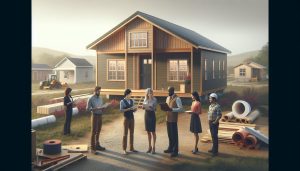
As the demand for flexible living solutions continues to rise, triple-wide modular homes emerge as a remarkable option for those seeking spacious and customizable housing. With their unique design, these expansive homes can offer the comfort of traditional housing while bringing innovative features that cater to various lifestyle needs. Whether you’re a growing family needing extra room or a retiree desiring an open layout, triple-wide homes provide an ideal configuration to meet your desires.
Understanding the layout and benefits of triple-wide modular homes is essential for making informed choices in today’s evolving housing market. With this guide, you will uncover crucial insights into maximizing living space, smart design choices, and logistical considerations. Explore the world of triple-wide modular homes, where maximum space configuration meets modern convenience, ensuring that every square foot serves you well. Continue reading to discover how these homes can transform your living experience.
Understanding Triple-Wide Modular Homes
Triple-wide modular homes represent the apex of spacious living in manufactured housing, designed to offer the most generous layout possible within a single structure. Typically measuring 24 feet or more in width and extending up to 80 feet in length, these homes provide a remarkable amount of interior space that allows for a range of configurations and amenities. Their expansive floor plans often include multiple bedrooms, large living areas, and often, open-concept designs that seamlessly incorporate kitchens and dining spaces.
In addition to their size, triple-wide homes are engineered for flexibility. This means homeowners can customize layouts to fit specific needs, whether that’s creating an impressive entryway or designing a home office that suits remote work requirements. The spacious interiors are often complemented by large windows, enhancing natural light and making the living areas feel even more expansive. Moreover, these homes typically incorporate modern features and are built to meet or exceed local building codes, ensuring safety and durability.
Understanding the construction and delivery process is crucial for anyone considering a triple-wide modular home. These homes are manufactured in sections at a factory and assembled on-site, allowing for quicker build times compared to traditional homes. The process usually involves significant planning and coordination, particularly when it comes to logistics and site preparation, such as leveling the foundation, securing utilities, and ensuring compliance with local zoning laws. This efficiency, combined with the added space, makes triple-wide homes an attractive option for families looking to invest in a comfortable, spacious, and modern living environment.
In sum, triple-wide modular homes not only provide expansive living options but also offer flexibility in design and quick construction timelines. They are an excellent choice for prospective homeowners seeking a balance of style, functionality, and value in the manufactured housing market.
Key Benefits of Triple-Wide Modular Homes

The appeal of triple-wide modular homes lies in their ability to deliver an unprecedented amount of space, comfort, and versatility for modern living. With widths typically exceeding 24 feet and lengths that can reach up to 80 feet, these homes not only accommodate growing families but also promote a lifestyle of open-concept living. One of the foremost benefits of a triple-wide home is the potential for multiple living spaces, enhancing both privacy and functionality. Homeowners can design expansive great rooms, create cozy nooks, or even dedicate areas for home offices and playrooms, all while maintaining the charm of a cohesive living environment.
In addition to generous interior space, triple-wide homes often come with customizable options that can tailor the layout to meet specific needs. For instance, the flexibility in designs allows the incorporation of features like expansive kitchens with islands that serve as social hubs, spacious master suites with attached bathrooms, and utility rooms with ample storage. Such customization ensures that homeowners can create a dwelling that reflects their lifestyle while maximizing usability, which is especially beneficial for large or multi-generational families.
Moreover, the construction process for these homes is streamlined to cater to the demand for quick living solutions without sacrificing quality. Built in sections at a factory, these homes are then assembled on-site, significantly reducing the time it takes to establish a residence compared to traditional build methods. This efficiency not only leads to cost savings but also minimizes the disruption typically associated with home building. Many manufacturers ensure that homes are equipped with modern amenities and innovative technologies, making them not only a pleasing choice for buyers but also an environmentally conscious one.
The overall financial aspect of purchasing a triple-wide modular home can also represent a savvy investment opportunity. With the growing acceptance and appreciation of manufactured homes in the real estate market, these properties often maintain stable or appreciating values and can be an attractive option for both primary residence seekers and investors looking to expand their portfolios. As such, choosing a triple-wide modular home blends practicality with modern aesthetics, providing a thriving living arrangement that meets a wide array of personal and financial needs.
Space-Saving Designs for Modern Living

Triple-wide modular homes are designed to maximize livable space without sacrificing style or comfort. With their expansive layouts, these homes challenge the conventional notion that smaller living must be confining. Instead, they embrace an open-concept design, providing families with the flexibility to create distinct areas tailored to their needs, all within a cohesive framework. One of the most appealing aspects of triple-wide homes is their capacity for innovative space-saving features that enhance both functionality and aesthetic appeal.
Customizable Layouts and Multi-Functional Spaces
Homeowners can leverage the generous width of triple-wide homes to incorporate versatile rooms that serve multiple purposes. For instance, a large living area can easily transition into a game room or a craft space, fostering a dynamic environment for families. Additionally, the option to design common areas with built-in storage solutions-like benches with hidden compartments or wall-mounted shelves-can effectively reduce clutter while maintaining a harmonious atmosphere.
Efficient Use of Vertical Space
The ability to utilize vertical space is another hallmark of space-saving design in triple-wide homes. Opting for tall cabinetry in kitchens or built-in shelving units in living rooms can help maximize storage options without encroaching on floor space. This approach is not only practical but also stylish, allowing homeowners to create striking focal points that draw the eye upward, enhancing the sense of space.
Smart Design Elements
Incorporating smart design elements such as sliding doors, which require less clearance compared to traditional hinged doors, can further optimize space within these homes. Moreover, open passages and clear sight lines can create an illusion of more room, making areas feel less cramped. Features like a large island in the kitchen not only serve as a gathering spot but can also function as a prep area, dining surface, or even a workspace.
Overall, the thoughtful design of triple-wide modular homes allows families to enjoy spacious, flexible living environments that promote both comfort and practicality. By embracing innovative space-saving ideas, these homes stand as a testament to modern living that prioritizes both style and functionality.
Construction Process Overview for Triple-Wide Homes
The construction of triple-wide modular homes is a fascinating process that blends engineering precision with customizable design elements. Understanding this process is crucial for potential homeowners to appreciate how these expansive structures are built and assembled with efficiency and durability in mind. Unlike traditional site-built homes, which can take months or even years to complete, triple-wide homes are manufactured in controlled factory environments, allowing for a streamlined production timeline and reduced waste.
Once a design plan is finalized, the construction begins with the framing and assembly of the three sections, or “modules,” that will make up the final home. Each module is crafted using quality materials, adhering to stringent building codes, and is equipped with essential systems such as plumbing, electrical, and insulation before it’s transported to the site. The construction process can typically be broken down into several key stages:
Stages of Construction
- Design and Engineering: Before any physical work begins, detailed architectural plans are created. This phase often involves collaboration with architects and engineers to ensure that the home meets the buyer’s specifications and local building regulations.
- Manufacturing: Inside the factory, modules are constructed using wooden or steel frames. Walls, roofing, and flooring are installed while the modules are still horizontal, allowing for efficient labor practices and quality control.
- Transport: Once the modules are finished, they are transported to the building site. This requires careful planning to navigate roads and highways while ensuring that the homes arrive in optimal condition.
- Installation: Upon arrival, the foundation is prepared (usually concrete piers or a full foundation), and each module is carefully placed and aligned. This process often involves cranes and specialized equipment to ensure precision.
- Final Assembly: After the modules are positioned, they are connected to one another and to utility lines, including water, electricity, and sewer. This is also when finishing touches such as siding, roofing, and interior fixtures are completed.
- Inspection and Handover: Final inspections are conducted to ensure that everything is up to code. Once approved, the home is officially handed over to the homeowner, ready for them to move in.
The factory-based construction of triple-wide homes not only accelerates the building process but also enhances the overall quality of the home. Weather conditions do not impede the construction timeline, and potential issues can be easily addressed in the controlled environment of a factory. This method results in homes that are durable, energy-efficient, and tailored to the specific needs and styles of their new owners.
Considering these factors, prospective buyers can confidently navigate their home-building journey, appreciating the unique advantages that triple-wide modular homes offer in terms of construction efficiency, customizable layouts, and energy conservation.
Financing Options for Buying Modular Homes
When considering the spacious allure of triple-wide modular homes, understanding your financing options becomes a critical step toward homeownership. Unlike traditional mortgages, financing for these homes may involve specific methods tailored to their unique structure and classification. Triple-wide homes, often categorized under chattel loans or conventional mortgages, may require distinct financial approaches depending on your property type and personal circumstances.
For many buyers, obtaining a loan to purchase a triple-wide modular home means exploring both traditional financing options and specialized loans. Most commonly, buyers can secure a conventional mortgage if the home is placed on a permanent foundation and classified as real property. This option often offers favorable interest rates and longer repayment terms. Additionally, lenders typically require a down payment ranging from 5% to 20% of the home’s value. Alternatively, if the home remains classified as personal property, a chattel loan may be the route to take. Chattel loans specifically cater to personal property and typically have shorter terms and slightly higher interest rates due to perceived risks.
It’s also significant to consider government-backed loans, such as those from VA (Veterans Affairs) or FHA (Federal Housing Administration), which provide alternative pathways for financing. FHA loans can be particularly beneficial, as they allow lower down payments-sometimes as little as 3.5%-and can be accessed by first-time homebuyers or those with less-than-perfect credit scores. However, it’s essential to remember that these loans come with specific eligibility requirements and regulations regarding the condition of the home to ensure it meets safety and livability standards.
Lastly, securing financing for your triple-wide home should include a comprehensive assessment of your budget and ongoing expenses. Understanding the total cost of ownership, inclusive of setup costs, site improvements, and ongoing maintenance, is vital. Buyers should also factor in property taxes and potential HOA fees (if applicable) to ensure they are financially prepared for the ongoing obligations that come with homeownership. Working with a knowledgeable lender who specializes in manufactured housing can help streamline the financing process, ensuring that you find the right options tailored to your unique needs.
In conclusion, navigating the financing landscape for triple-wide modular homes involves understanding the various loan types available, their requirements, and how they align with your financial goals. With the right information and support, prospective homeowners can confidently embark on their journey to owning a spacious and customizable living space.
Insurance Considerations for Triple-Wide Homes
To protect your investment in a triple-wide modular home, understanding the various insurance options available is essential. Modular homes, while increasingly popular for their affordability and customizability, carry distinct insurance needs compared to traditional homes. Coverage often varies based on the classification of the home-whether it’s considered personal property or real property-so it’s crucial to choose a policy that reflects its status accurately.
When insuring a triple-wide modular home, there are two primary types of insurance policies to consider: homeowners insurance and mobile home insurance. Homeowners insurance is typically used when the home is permanently affixed to a foundation and classified as real property. This type of policy generally offers comprehensive coverage for the structure, personal property, liability, and often additional living expenses in case the home is rendered uninhabitable due to a covered peril.
Conversely, if your triple-wide modular home remains classified as personal property, you may opt for mobile home insurance. This policy functions similarly but is tailored specifically for manufactured and modular homes. It often includes personal property protection, liability coverage, and may cover detached structures like sheds and carports. When selecting a mobile home insurance policy, you should inquire about key features such as coverage for storm damage, vandalism, and theft, especially if you live in an area prone to severe weather.
Key Insurance Considerations
- Assess Your Coverage Needs: Consider the location, size, and unique features of your triple-wide home to determine how much coverage you require.
- Review Hazard Insurance: If you live in an area susceptible to floods, hurricanes, or tornadoes, check if your policy includes hazard insurance or whether supplemental policies are necessary.
- Get Quotes from Multiple Providers: Different insurers offer varied rates and levels of coverage for modular homes. Obtaining quotes from several companies can help you find a policy that fits your budget and needs.
- Consider Liability Coverage: This coverage protects you against claims resulting from injuries or damages sustained by others on your property.
Additionally, when obtaining insurance for your triple-wide home, ensure you understand the intricacies of the policy’s exclusions. For example, some policies might not cover damages from certain natural disasters unless additional coverage is purchased. It’s also beneficial to regularly review and update your policy as your living situation changes-such as renovations or if you relocate to another area.
In conclusion, choosing the right insurance for a triple-wide modular home requires careful consideration of your home’s classification, location, and the potential risks associated with your surroundings. By being proactive in securing comprehensive coverage, you can protect your home and financial investment, offering peace of mind as you enjoy the spacious, flexible living environment that a triple-wide home provides.
Navigating Legal Requirements and Permits
Acquiring a triple-wide modular home involves more than simply choosing the ideal model; it also requires navigating a landscape of legal requirements and permits that vary by location. Modular homes are subject to state and local regulations, making it essential for prospective owners to familiarize themselves with these rules to ensure compliance and avoid potential delays. Whether you’re moving a new home onto a plot of land or placing it within a community, understanding the legal framework is crucial for a smooth transition.
Before installation, zoning laws should be checked to confirm the land is suitable for a modular home. Local jurisdictions often have specific codes that dictate where and how these homes can be sited. Potential homeowners should contact their local zoning office or planning department to inquire whether the proposed location for the triple-wide modular home is permissible under current construction codes. It is also important to determine whether the lot gets adequate access to utilities like water, gas, and electricity.
Once the land is confirmed for use, obtaining necessary permits is the next step. Typically, building permits are required before installation, which may include additional permits based on the home’s size, foundation type, and whether any environmental assessments are necessary. For instance, homes placed in flood zones may require additional compliance measures, including flood elevation permits. Engaging a local contractor or modular home dealer can help navigate these permit processes, as they are familiar with the local regulations and can often assist in submitting permits on behalf of the homeowner.
Additionally, it is essential to address installation regulations. Each state has its own guidelines regarding the anchoring and foundation requirements for modular homes, which are critical for safety and stability. This may include conducting soil tests and ensuring that the home is secured to its foundation in compliance with local codes, especially in areas prone to severe weather conditions.
In summary, the world of legal requirements and permits for installing a triple-wide modular home can be complex, but thorough research and coordination with local authorities will mitigate potential complications. By proactively securing the right permits and ensuring compliance with zoning laws, homeowners can enjoy their spacious new living environment while resting easy knowing they have navigated these essential steps effectively.
Long-Term Maintenance Tips for Modular Homes
Maintaining a triple-wide modular home can ensure that it remains a comfortable and beautiful place to live for years to come. Regular upkeep not only preserves your investment but also enhances your quality of life by providing a safe and welcoming environment. Modular homes, despite their size and unique construction, require specific attention to various aspects to keep them in top shape. For homeowners, adopting a proactive maintenance approach can prevent larger issues down the line while also adding to the overall enjoyment of the home.
To begin with, a vital area of maintenance is the exterior of the home. Regularly inspect the roof for any signs of wear, such as missing shingles or leaks. Depending on your climate, it may be necessary to clean gutters and downspouts at least twice a year to ensure proper drainage and avoid water damage. In addition, checking for cracks in the exterior skirting can help prevent pests from entering and causing damage. Pressure washing the exterior walls and decks not only keeps your home looking fresh but also removes mold and dirt that can degrade materials over time.
Next, focusing on the interior aspects is equally important. Be sure to check the HVAC system regularly and replace filters every 1-3 months for optimal performance. Keeping the air quality healthy contributes to a comfortable living space. In kitchens and bathrooms, look out for signs of water leaks, which can lead to mold growth if not addressed promptly. Seal any gaps in windows and doors to maintain energy efficiency and comfort. Furthermore, performing seasonal checks on appliances and fixtures can prevent malfunctions or subtle issues from escalating into expensive repairs.
Landscaping and Outdoor Maintenance
The outdoor space around your modular home also plays a significant role in overall maintenance. Regular lawn care, such as mowing, trimming, and aerating, will help maintain curb appeal and prevent weed growth. Consider planting trees and shrubs strategically to provide shade and enhance your home’s insulation in extreme weather conditions. Additionally, clear walkways and driveways of debris to prevent accidents and improve accessibility.
Staying on top of these maintenance tasks will not only protect your investment in a triple-wide modular home but also enhance your living experience by creating a beautiful, safe, and enjoyable environment. By embodying good upkeep habits, homeowners can embrace the joys of modular living while ensuring their home is a place of comfort and stability.
Innovative Interior Design Ideas for Triple-Wide Spaces
Embracing the allure of triple-wide modular homes presents an incredible opportunity for innovative interior design. With their expansive layouts and open floor plans, these homes encourage creativity and personalization to make each space unique. Here are some imaginative design ideas that can transform triple-wide spaces into functional and aesthetically pleasing environments.
One effective approach to enhance the considerable square footage in a triple-wide home is utilizing multi-functional furniture. Pieces such as ottomans with hidden storage, convertible sofas, and extendable dining tables can make the most of your available space, allowing for flexibility and ease during gatherings. This approach not only saves space but also creates a streamlined look, minimizing clutter in your living area. Implementing modular shelving systems can also provide both style and functionality, offering places to showcase personal decor items while keeping essentials organized.
Layered Lighting Design
Achieving a well-lit environment in spacious triple-wide homes can be effortlessly accomplished through layered lighting. Combining ambient, task, and accent lighting creates an inviting atmosphere, whether you’re hosting guests or enjoying a quiet evening at home. Consider pendant lights over dining areas, track lighting to highlight artwork, and strategically placed lamps in cozy nooks to achieve a dynamic lighting effect. Additionally, using dimmer switches can help regulate brightness according to the mood or time of day, further enhancing the home’s ambiance.
Open Concept Living Spaces
The open-concept design is perfect for triple-wide modular homes, facilitating seamless transitions between the kitchen, dining, and living areas. To visually define these functional spaces without compromising openness, employ area rugs, furniture arrangements, and color palettes. For example, warm tones in the living room can contrast with cooler hues in the dining area, creating distinct, appealing zones. Accent walls with wallpaper or paint can also add depth and character, acting as focal points that draw the eye across the space.
Natural Elements and Eco-Friendly Design
Integrating natural materials and eco-friendly features harmonizes the interior design with the surrounding environment. Choose sustainable hardwood flooring, bamboo accents, or natural fiber textiles to create a warm and inviting atmosphere. Adding indoor plants not only enhances air quality but also infuses vibrant life into your decor. A combination of earthy tones and textures will promote a peaceful and refreshing ambiance that ties the open spaces together.
By focusing on multi-functionality, layered lighting, open space design, and eco-friendly elements, the potential for innovative interior design in triple-wide modular homes is boundless. These homes provide a blank canvas that, when thoughtfully crafted, can cater to diverse lifestyles, offering comfort, style, and efficiency for all who call it home.
Eco-Friendly Features in Triple-Wide Models
Embracing eco-friendly features in triple-wide modular homes not only enhances the living experience but also significantly contributes to environmental sustainability. As more homeowners recognize the importance of reducing their carbon footprints, numerous innovative design and construction practices have emerged within the modular home market, particularly for triple-wide models. These homes can integrate energy-efficient technologies and materials that lower utility costs while supporting eco-conscious living.
One of the most impactful features is the use of energy-efficient appliances and systems. Installing ENERGY STAR-rated kitchen and laundry appliances can lead to substantial energy savings. Additionally, homes can benefit from modern HVAC systems designed for efficiency, including programmable thermostats and high-efficiency heat pumps. This not only reduces energy consumption but also improves indoor air quality, making for a healthier living environment.
Solar panels are another excellent addition for those looking to go green. Many triple-wide homes can accommodate roof installations for solar power, enabling homeowners to harness natural energy for everyday use. Incentives and tax credits offered at various government levels can further offset initial installation costs, making solar energy a more affordable option for many families.
Materials play a crucial role in building eco-friendly triple-wide homes. Sustainable materials, such as bamboo flooring, recycled metal roofing, and low-VOC paints, are excellent choices that minimize environmental impact. Not only do these materials reduce waste, but they also contribute to a more aesthetic and healthier home. Moreover, proper insulation made from eco-friendly products like cellulose or sheep’s wool enhances energy efficiency, ensuring homes remain comfortable year-round while decreasing reliance on heating and cooling systems.
Integrating water-saving fixtures in bathrooms and kitchens can significantly decrease water consumption without sacrificing performance. Low-flow toilets, showerheads, and faucets can reduce water usage significantly, benefiting both the environment and the homeowner’s budget. To enhance outdoor spaces in an eco-friendly manner, incorporating native plants in landscaping can reduce the need for irrigation and maintenance while supporting local ecosystems.
By prioritizing these eco-friendly features, triple-wide modular homes not only offer greater comfort and sustainability but also reflect a growing commitment to environmental responsibility. Adopting such practices allows homeowners to enjoy their living spaces while contributing positively to the planet’s health-making triple-wide homes a wise choice in modern housing.
Maximizing Outdoor Spaces with Triple-Wide Homes
Creating inviting outdoor spaces around triple-wide modular homes can significantly enhance your living experience and expand usable living areas. Given their generous dimensions, triple-wides have ample potential for connecting indoor comfort with outdoor leisure. Here are some practical tips to maximize these outdoor spaces, making them perfect for entertaining, relaxation, or family activities.
One effective strategy is to design multifunctional outdoor areas. Consider constructing a spacious deck or patio adjacent to your home, utilizing natural wood or composite materials that withstand weather changes. This space can serve as an outdoor dining area for family gatherings or a cozy spot for evening relaxation. Adding features such as built-in seating or a fire pit can also create a welcoming atmosphere. Incorporating shade elements like pergolas or umbrellas can enhance comfort during hot summer days.
Landscaping for Appeal and Functionality
Landscaping not only beautifies your property but also provides functional outdoor spaces. Use native plants that thrive in your region, which can reduce maintenance and water usage. Creating flower beds or vegetable gardens can add beauty and provide fresh produce right from your backyard. Additionally, consider adding walkways made of stone or gravel to guide visitors through your outdoor spaces easily.
Incorporating pathways can also create defined zones for gardening, seating, or other activities, ensuring that even larger outdoor areas feel organized. A well-placed garden trellis or outdoor sculptures can serve as focal points that draw the eye and personalize the outdoor decor.
Utilizing Vertical Space
Don’t forget the vertical space available in your outdoor areas. Vertical gardens or green walls can serve as lush backdrops while saving ground space for other uses. These structures can be adorned with climbing plants or even functional herb gardens, providing freshness for your kitchen. Additionally, shelves or hanging planters can help maximize plant diversity and aesthetics, making your outdoor space feel fuller and more lively.
Integrating outdoor lighting can also transform your backyard into a magical night-time retreat. String lights, lanterns, or solar-powered garden lights provide safety and enhance ambiance when you host gatherings or enjoy quiet evenings.
By thoughtfully designing and utilizing outdoor areas around your triple-wide modular homes, you can create inviting and functional spaces that enhance your overall lifestyle. From engaging in family activities to enjoying peaceful solitude, the outdoor environments you develop will reflect your personal style and offer a delightful extension of your home.
Real Estate Trends and Property Valuation Insights
In today’s evolving real estate landscape, triple-wide modular homes are gaining traction as a desirable housing option due to their generous space, versatility, and affordability. As buyers increasingly seek out properties that provide ample room for modern living, the demand for these expansive manufactured homes is soaring, transforming perceptions within both residential and investment markets. Understanding current is vital for potential homeowners and investors aiming to navigate this unique sector successfully.
One critical factor influencing property valuation is the growing acceptance of modular homes as a legitimate form of housing. As more consumers recognize the quality of construction and aesthetic appeal of triple-wide homes, their market value is rising, often on par with traditional site-built homes. Features such as energy efficiency, customizable layouts, and rapid construction times further enhance their attractiveness. Reports from various housing markets indicate that homes built from durable materials and integrating modern design elements can command higher sale prices, thereby improving long-term investment value.
Moreover, location plays a significant role in the valuation of triple-wide homes. Proximity to urban centers, quality school districts, and robust local amenities can dramatically increase property values. Buyers are increasingly prioritizing these factors, often opting for double or triple-wide homes in areas that offer not just a spacious living environment but also community engagement and convenience. Investors should conduct thorough market analysis and assess local comparables to determine fair pricing and potential ROI.
Market Trends to Watch
Key trends that are shaping the market for triple-wide modular homes include:
- Increased Demand for Sustainable Living: Eco-friendly features and energy-efficient designs are becoming a selling point, appealing to environmentally-conscious buyers.
- Post-Pandemic Lifestyle Changes: With remote work becoming more prevalent, families are looking for larger living spaces that allow for home offices and recreational areas.
- Financing and Investment Opportunities: Flexible financing options that cater specifically to modular homes are making ownership more accessible, increasing overall market participation.
To navigate the complexities of buying or investing in triple-wide homes, prospective buyers should prioritize conducting comprehensive research on local market conditions, property features, and financing options. By staying informed about the evolving trends in manufactured housing and understanding how these factors impact valuation, potential homeowners can position themselves strategically in this burgeoning market segment.
FAQ
Q: What is the average size of a triple-wide modular home?
A: A triple-wide modular home typically measures between 2,000 to 3,000 square feet, providing extensive living space for families. This configuration often includes multiple bedrooms and bathrooms, making it ideal for larger households.
Q: How do triple-wide modular homes compare to traditional homes?
A: Triple-wide modular homes offer similar quality and aesthetic enjoyment as traditional homes but are generally more affordable and quicker to construct. They also provide more customizable layouts and efficient space utilization, making them attractive for modern living.
Q: What are the typical construction materials used in triple-wide modular homes?
A: Triple-wide modular homes are commonly built using high-quality materials like wood framing, insulation, drywall, and energy-efficient windows. The use of standardized materials ensures durability and compliance with building codes.
Q: Can triple-wide modular homes be customized?
A: Yes, triple-wide modular homes can be extensively customized. Homeowners can choose layouts, finishes, and features that fit their lifestyle needs, allowing for personalized touches in interior design and functionality.
Q: Are triple-wide modular homes energy-efficient?
A: Triple-wide modular homes can be very energy-efficient due to modern building practices and materials. They often come with energy-efficient appliances, high-quality insulation, and windows that reduce heating and cooling costs.
Q: What should I consider when financing a triple-wide modular home?
A: When financing a triple-wide modular home, consider your credit score, loan types available (like FHA or VA loans), and total cost, including land purchase and installation fees. Compare rates from multiple lenders to find the best deal.
Q: What are common design features in triple-wide modular homes?
A: Common design features in triple-wide modular homes include open floor plans, vaulted ceilings, spacious kitchens, and large windows for natural light. These elements help create a welcoming and functional living environment.
Q: How do I maintain a triple-wide modular home?
A: To maintain a triple-wide modular home, regularly inspect the roof, plumbing, and HVAC systems. Schedule seasonal maintenance tasks, such as gutter cleaning and checking for water leaks, to prolong the home’s lifespan.
Concluding Remarks
When considering your housing options, triple-wide modular homes stand out for their spacious configurations and modern amenities. These homes offer flexibility, comfort, and a range of design possibilities that can meet the needs of families of all sizes. If you’re ready to explore the advantages of triple-wide modular homes further, don’t wait-take the next step in your housing journey today!
Looking for more information? Check out our guides on financing options for modular homes and essential maintenance tips to ensure your home remains in top condition. If you’re still weighing your choices, remember that our team is here to help you navigate every aspect of mobile home ownership-from purchase to long-term care. Sign up for our newsletter to stay updated on the latest trends and resources in the modular housing market. Don’t miss your chance to find a home that perfectly fits your lifestyle and needs!