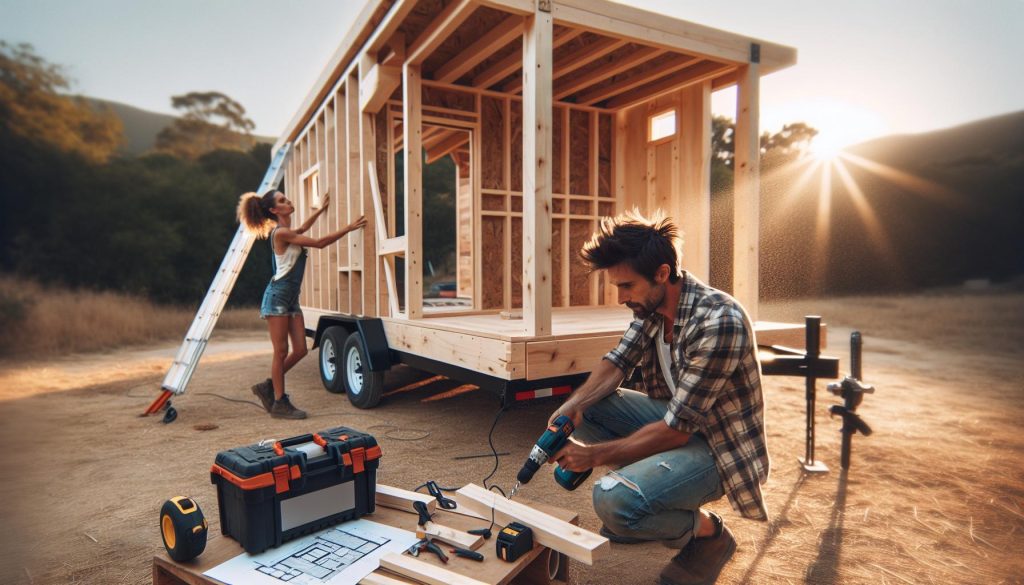
In a world where space comes at a premium and sustainability is increasingly vital, building a tiny home on a trailer offers an enticing solution to both lifestyle and environmental challenges. This ultimate DIY guide empowers you to transform minimalist dreams into reality, showcasing step-by-step instructions tailored to novice and seasoned builders alike. Imagine the freedom of packing your entire life into a mobile sanctuary that reflects your unique style and values, all while promoting a simpler, more sustainable way of living. With careful planning and the right resources, your journey to creating a cozy, functional space will not only reduce your environmental footprint but also provide a deeper sense of community and connection. Ready to explore the endless possibilities? Let’s dive into the rewarding world of tiny home construction and discover how you can craft your ideal living space on wheels.
How to Choose the Right Trailer for Your Tiny Home
Choosing the right trailer for your tiny home is a pivotal step in your building journey that can significantly impact the structure’s stability, mobility, and overall functionality. A well-selected trailer serves as the foundation for your tiny home, supporting everything from the weight of walls and furniture to the diverse systems you’ll integrate, such as plumbing and electricity. As you navigate various options, consider your unique needs, the design you envision, and the legal requirements for tiny homes in your area.
When evaluating trailers, pay attention to the following criteria:
- Weight Capacity: Ensure the trailer can support the total estimated weight of your completed tiny home. Remember to account for materials, furniture, and personal items.
- Axles: More axles typically mean better weight distribution. A dual-axle trailer can provide more stability and make for safer towing.
- Length and Width: These dimensions should align with your design specifications while complying with local road regulations. Most tiny homes on wheels range from 20 to 30 feet.
- Frame Material: Look for a trailer with a durable steel frame that can withstand the rigors of travel and the unique stresses associated with a tiny home structure.
- Type of Trailer: Consider whether a flatbed, gooseneck, or specialized tiny house trailer suits your build. Each type offers different benefits based on your design and usage.
Being deliberate in your selection not only enhances the durability and safety of your home but also simplifies future maintenance and upgrades. Many builders recommend purchasing trailers specifically designed for tiny homes, like those offered by Iron Eagle, which are engineered with features to accommodate the specific challenges of tiny home construction [[3](https://www.ironeagletinyhousetrailers-mobile.com/)]. Once you’ve found the perfect trailer, ensure that it meets local zoning and permit requirements to avoid any legal hurdles down the line. By investing time in this foundational step, you set yourself up for success, creating a tiny home that is not only energy-efficient and cozy but also a true reflection of your lifestyle and values.
Essential Tools and Materials for DIY Tiny Homes
Creating a tiny home on a trailer can be both an exhilarating and daunting project. Ensuring you have the right tools and materials not only enhances the efficiency of your build but also significantly improves the end result. When it comes to crafting your compact dwelling, having a strong toolkit is paramount. The choice of materials can dictate the durability, aesthetic, and functionality of your tiny abode.
To start, gather a solid set of essential tools that will help you manage the different stages of construction. Here’s a list of basic tools you’ll likely need:
- Circular Saw: Perfect for cutting sheets of plywood and framing materials with ease.
- Drill/Driver: A must-have for screwing in fasteners and drilling holes. Opt for a cordless model for flexibility.
- Level: Ensures your walls are straight and frames are plumb, which is crucial for structural integrity.
- Measuring Tape: Accurate measurements are the foundation of a successful build, so invest in a reliable tape.
- Hammer and Nails: Traditional tools that remain indispensable for framing and assembly.
- Screwdriver Set: A variety of screwdrivers will accommodate different types of screws you may encounter.
- Safety Gear: Don’t overlook gloves, goggles, and ear protection to keep safe while you work.
Additionally, the choice of most suitable materials for your tiny home should reflect your design preferences and sustainability goals. Consider the following categories as you select supplies:
Structural Materials
- Framing Lumber: 2×4 and 2×6 lumber are standard for walls and roofs.
- Plywood or OSB: Ideal for sheathing walls and creating floors.
Insulation
- Foam Board or Spray Foam: Excellent for thermal insulation, keeping your tiny home cozy.
- Fiberglass Batts: Cost-effective and available in various R-values.
Finishing Materials
- Drywall: For the interior; lightweight and easy to install.
- Exterior Siding: Options like wood, metal, or vinyl to enhance aesthetics and weather protection.
As you move forward, keep in mind that selecting high-quality tools and materials is an investment into the longevity and livability of your tiny home. The balance between cost and durability can shape not only your building experience but also your lifestyle within your new compact space. Crafting a tiny home offers immense freedom, and with the right preparations, you can create a comfortable and functional space that reflects your personal style.
Step-by-Step Guide to Designing Your Tiny Home

Designing a tiny home on a trailer requires careful planning and creativity to maximize every square foot of space. The key to a successful design lies in understanding your needs and preferences, and then translating them into a practical layout. Start by considering your lifestyle-how many people will live in the space, what activities do you regularly partake in, and what essential amenities must be included? For instance, if you enjoy cooking, a well-designed kitchen becomes central; if you work remotely, consider setting aside space for a compact office.
Begin drafting your design by creating a list of required spaces and their functions. Think about including separate zones for sleeping, cooking, dining, and relaxing. Consider open floor plans that can make small areas feel larger and more inviting. Using flexible furniture, like a fold-down table or a murphy bed, can offer functionality without compromising comfort. Additionally, think vertically-adding shelves or lofted spaces can optimize storage and provide room for additional sleeping areas.
- Sketch Your Layout: Use graph paper or design software to create a scale model of your tiny home. Experiment with different arrangements until you find a layout that flows well.
- Consider Natural Light: Plan window placements to enhance natural lighting, which can make spaces appear more open and inviting.
- Incorporate Outdoor Spaces: Design porches, decks, or even gardens that extend your living area outside, promoting a connection with nature.
Once you have a basic layout, think about the style and materials that resonate with you. Choose colors and finishes that enhance the warmth and aesthetics of your tiny home. Natural materials such as wood and stone can add both beauty and durability to your design. Incorporating sustainable practices like reclaimed wood and energy-efficient appliances will not only reduce your environmental impact but also save on future costs.
Overall, the design of your tiny home should be a reflection of your personality, lifestyle, and values. By focusing on functionality and aesthetics, you can create a space that is not only practical but also deeply enjoyable to live in. As you move forward with your build, remember that this process is an opportunity to innovate and express your unique vision.
Building the Frame: Techniques for Stability and Style
Building a solid frame is the foundation of any successful tiny home, offering both stability during transport and style once you settle in. It’s essential to use high-quality materials that can withstand the weight of the structure and the stresses of traveling. Many builders opt for steel or heavy-duty wood framing to ensure durability. A double-axle trailer is often recommended, as it provides better weight distribution and stability while towing. Knowing the gross vehicle weight rating (GVWR) of your trailer will help you avoid overloading, which can lead to structural issues down the line.
When constructing the frame, the first step is to create a strong base. Use treated lumber or metal beams rated for this purpose, ensuring they are appropriately sized for the weight of your home. This is crucial for both safety and longevity. You should also take the time to level the trailer before you begin building to ensure that your tiny home won’t have any unwanted stress points.
Adding Stability
Once the base is secure, reinforcing corners with additional bracing can prevent racking-an issue where the structure distorts under weight. Incorporating cross-bracing or diagonal supports can further enhance frame stability. For added strength, consider welding the frame if you are using steel, as this can create a more rigid and sturdy structure, reducing the chances of swaying as you travel.
Designing for Style
As you frame your tiny home, it’s also an opportunity to express your creativity. Think about aesthetic details that will make your home stand out. For example, adding architectural elements like exposed beams or custom window frames can create a unique look that reflects your style without compromising structural integrity. Additionally, integrating built-in storage solutions within the frame can maximize your space efficiently.
The frame is not just about functionality but also serves as the backbone of your design vision. A well-built frame combines the right materials and techniques with an understanding of style and support. This holistic approach ensures that your tiny home is not only a safe haven during transit but also a beautiful and comfortable dwelling once you reach your destination. With careful planning and execution, your tiny home can truly reflect who you are while providing a stable living space for years to come.
Insulation Options: Keeping Your Tiny Home Cozy

The right insulation is crucial in maintaining a comfortable temperature in your tiny home, whether you’re battling the summer heat or braving winter chills. Proper insulation not only keeps your living space cozy but can also significantly reduce energy costs by minimizing the need for heating and cooling systems. Understanding the various insulation options available and how they suit your tiny home’s specific requirements can make a world of difference in its energy efficiency and comfort level.
When considering insulation, you have several materials to choose from, each with unique benefits. Here are some of the most popular options:
Common Insulation Materials
- Spray Foam Insulation: This high-performance option offers excellent air sealing and insulating properties. It expands upon application, filling gaps and cracks to eliminate air leaks. It typically has a high R-value, meaning it offers superior thermal resistance.
- Fiberglass Batts: Cost-effective and widely available, fiberglass batts are easy to install. They come in pre-cut sizes that fit standard wall cavities, making them ideal for DIY builders. However, they must be carefully installed to avoid air gaps.
- Rigid Foam Board: These panels provide great thermal resistance and can be used for walls, roofs, and floors. They are especially useful in areas where space is limited, as they can add insulation without significantly increasing wall thickness.
- Spray-On Cellulose: An eco-friendly insulation option made from recycled paper products, cellulose can be blown into walls and attics, conforming to irregular spaces. It’s known for its soundproofing abilities and resistance to pests.
- Mineral Wool (Rock Wool): This type is highly fire-resistant and offers excellent soundproofing characteristics. It’s a great choice for high-fire-risk areas and can be used in walls and ceilings.
Choosing the Right Option
To determine which insulation is best for your tiny home, consider the local climate, budget, and the specific areas you need to insulate. For instance, if you live in a colder climate, opting for a high-R-value material like spray foam may be beneficial in keeping your energy costs low. Conversely, if you aim for a cost-sensitive project with a moderate climate, fiberglass batts might suffice.
Also, take into account installation ease and whether you will be handling installation yourself. Certain materials, like spray foam, may require professional installation due to their complexity, while batts and rigid foam boards are often more DIY-friendly.
Investing in high-quality insulation will not only ensure your tiny home remains cozy throughout the year but can also enhance its overall efficiency, making living in a small space more enjoyable and sustainable. With the right insulation strategy, your tiny home will be a comfortable haven that reflects your values related to energy efficiency and environmental responsibility.
Electrical Systems Explained: Power Setup Basics

Setting up the electrical system in your tiny home is one of the most critical steps in ensuring your space is functional and comfortable. A well-planned electrical system not only provides power for your everyday needs but also enhances the safety and efficiency of your home. Understanding the basics of how to power your tiny home will empower you to make informed decisions as you embark on this exciting journey.
Begin by considering your power source options. Tiny homes can draw power from standard electrical hookups, solar panels, or a combination of both. If you’re parked on a site with access to traditional electricity, connecting to that supply can be straightforward. However, if you prefer a more independent lifestyle or plan to be off-grid, investing in solar technology can be invaluable. A solar power system typically includes solar panels, a charge controller, batteries for storing energy, and an inverter to convert DC power from batteries to AC power for your appliances.
When designing your electrical layout, it’s essential to account for the specific needs of your appliances and devices. Calculate the load each appliance will require, and ensure your electrical panel can handle the total load without overloading. A common approach is to use a combination of 120V and 12V systems; 120V for household appliances and 12V for lighting and electronics. Keep in mind that while 12V systems are generally safer and more efficient for smaller power draws, they may not support higher-wattage appliances.
Key Components to Include:
- Breaker Panel: This is the central hub that distributes your electrical circuits; ensure it has enough capacity for your needs.
- Wiring: Choose appropriate wire gauge based on the circuit load; typically, 12-gauge wire is used for most circuits.
- Outlets and Switches: Plan their locations carefully based on functionality, keeping in mind that the National Electrical Code requires a certain number of outlets in living spaces.
- Lighting: Consider LED fixtures for efficient energy usage; they not only last longer but also consume significantly less power.
Lastly, consider professional consultation or assistance if you’re unfamiliar with electrical work. Optimization and safety are paramount when dealing with electrical installations, so enlisting a licensed electrician can help prevent costly mistakes and ensure compliance with local codes. As you finalize your tiny home’s electrical setup, embrace the opportunity to create a sustainable, efficient, and personalized living space that truly reflects your lifestyle and values.
Plumbing Your Tiny Home: Water Systems Demystified
Dividing your plumbing needs into manageable components is crucial to establishing a functional water system in your tiny home. A well-designed plumbing system ensures access to fresh water for cooking, cleaning, and bathing, while also providing efficient ways to dispose of wastewater. Before you dive into installations, it’s beneficial to understand the key elements that will form the backbone of your plumbing setup.
Start with understanding the types of water systems you can incorporate: a pressurized system typically fed by a water tank, or a gravity-fed system that utilizes height to create water flow. Each system has its pros and cons, largely influenced by the layout of your tiny home and your lifestyle preferences. A pressurized system is more versatile and provides consistent water flow, which is ideal if you have fixtures like sinks and showers. In contrast, a gravity-fed system may be simpler to install and requires less maintenance, which suits off-grid living conditions where you’re utilizing rainwater harvesting.
When planning your plumbing layout, consider the locations of all water-using appliances and fixtures: kitchen sinks, bathroom sinks, showers, and toilets. A compact design that minimizes the distance between these can help reduce the complexity of your plumbing. Assembling your plumbing components will typically involve PVC pipes for the waste system, PEX or copper for the freshwater system, and a variety of fittings to connect them all.
Essential Plumbing Components
- Water Heater: Essential for providing hot water, choose between tankless systems for space-saving or traditional units based on your needs.
- Pipes and Fittings: Ensure you select the right material (PEX is a common choice for its flexibility and ease of installation) and secure reliable connections.
- Sewage and Grey Water Tanks: Plan for both fresh water and drainage systems to handle waste responsibly; consider options like composting toilets for eco-friendliness.
- Water Filtration System: If you’re relying on rainwater or well water, a filtration system is crucial for ensuring safe drinking water.
Installing your plumbing is a segment where careful planning pays off. Take the time to sketch a layout drawing where you explain how each component connects and flows into the next. Be sure to adhere to local building codes and regulations, which can significantly impact your project’s viability and longevity.
Lastly, if you’re unfamiliar with plumbing practices or local codes, consulting with a professional can be a worthwhile investment. They’ll ensure that your plumbing system is not only functional but also adheres to safety standards. With a meticulously planned and executed plumbing system, your tiny home will be equipped to vividly support your sustainable lifestyle, focusing on comfort and practicality.
Interior Finishing Touches: Aesthetic and Functionality
Creating the finishing touches in a tiny home is not only about aesthetics; it’s about making the most of a compact space. Incorporating thoughtful design elements can significantly enhance both the functionality and beauty of your home, allowing every square foot to serve a purpose while reflecting your personal style. One way to achieve this balance is by choosing versatile furniture that can double as storage solutions. For instance, an ottoman can provide seating as well as hidden storage for blankets or other items, helping you minimize clutter.
Natural light plays a crucial role in making tiny spaces feel larger and more inviting. Strategically placing mirrors can amplify this effect, creating the illusion of more space while adding aesthetic appeal. Additionally, using light color palettes for walls and furnishings can further enhance brightness and openness. Don’t shy away from adding pops of color through decor-these can be easily changed out as your tastes evolve, keeping your home feeling fresh without major renovations.
Another key aspect is incorporating sustainable materials and practices. Consider using reclaimed wood for shelving or countertops, which not only adds character but also aligns with eco-friendly living. Plants can also play a dual role in improving air quality and adding vibrancy to your space. Vertical gardens or hanging plants allow you to enjoy greenery without sacrificing precious floor space.
Finally, consider the importance of layout and flow. Open concepts often work well in tiny homes, but sometimes, defined spaces can enhance functionality. Consider how you move through your space daily and whether you need distinct areas for cooking, working, and relaxation. A well-planned layout makes it easier to utilize every part of your home effectively, ensuring that it feels welcoming and cohesive. By blending these elements, you can create a tiny home that is not only stylish but also perfectly tailored to your lifestyle.
Sustainable Living in a Tiny Home: Eco-Friendly Tips
Living in a tiny home opens up a world of eco-friendly possibilities that can significantly reduce your environmental footprint. By embracing sustainable practices, you can create a cozy, efficient space that harmonizes with nature. Consider implementing the following strategies to enhance the eco-friendliness of your tiny dwelling while optimizing its functionality.
Choose Sustainable Materials
When constructing or renovating your tiny home, the materials you select can make a significant impact on your home’s overall sustainability. Opt for reclaimed or recycled materials, such as:
- Reclaimed Wood: Perfect for flooring, countertops, and furniture, reclaimed wood adds character and reduces the demand for new lumber.
- Low-VOC Paints: These paints minimize harmful chemical emissions, creating a healthier indoor environment.
- Natural Insulation: Consider materials like sheep’s wool, straw bales, or recycled denim for effective insulation that doesn’t compromise air quality.
Using sustainable materials not only benefits the environment but also enhances the overall aesthetics and longevity of your tiny home.
Energy-Efficient Systems
Integrating energy-efficient systems can dramatically reduce energy consumption. Here are several ways to maximize efficiency:
- Solar Panels: Harnessing solar energy can provide much of your power needs while minimizing reliance on fossil fuels.
- Energy-Efficient Appliances: Select appliances with high energy ratings, such as refrigerators and water heaters, to lower electricity use.
- LED Lighting: These lights use less electricity and last longer than traditional bulbs, saving both energy and replacement costs.
Making these changes not only lowers your utility bills but also reduces the environmental impact associated with energy production.
Water Conservation Techniques
In a tiny home, water conservation is paramount given its limited resources. Implementing systems that promote water efficiency can lead to substantial savings. Consider these options:
- Rainwater Harvesting: Collecting rainwater for non-potable uses, such as irrigation, can lessen your reliance on municipal water.
- Low-Flow Fixtures: Installing low-flow showerheads and faucets helps significantly reduce water usage without sacrificing comfort.
- Greywater Systems: Reusing water from sinks and showers for landscaping can contribute to sustainable living.
By incorporating these water-saving technologies, you can ensure that your tiny home is not only sustainable but also equipped to handle daily living without wasting precious resources.
Remember, building or living in a tiny home is not just about downsizing; it’s an opportunity to live intentionally and sustainably. By making mindful choices in materials, energy consumption, and water usage, you can create a home that aligns with your eco-friendly values while enjoying the benefits of a small, functional space.
Legal Considerations: Zoning and Permits for Tiny Homes
Navigating the legal landscape of tiny home ownership can often feel overwhelming, but understanding zoning laws and permitting requirements is crucial for a successful build and long-term enjoyment of your mobile dwelling. Many areas have specific regulations that govern where tiny homes can be placed, and knowing these regulations beforehand can save you time, money, and potential legal hassles.
Local zoning laws vary widely across regions and can impact many aspects of your tiny home journey-from whether you can park your tiny home on a private lot to what utilities you can connect. For example, some counties allow tiny homes only in designated mobile home parks, while others may permit them on private residential properties if certain conditions are met. Therefore, it’s paramount to contact your local zoning office to clarify where and how you can legally locate your tiny home.
Obtaining the right permits is equally important. Typically, you’ll need to secure several permits, including building permits, plumbing and electrical permits, and possibly more depending on the features of your tiny home. Each permit supports the compliance of your tiny home with health and safety codes, ensuring your home is safe and habitable. For instance, if you’re planning to install electrical systems, you’ll need an electrical permit and an inspection to ensure everything meets local safety standards.
Moreover, communities often have additional regulations regarding the aesthetic aspects of tiny homes. Some might have guidelines on the size, colors, and types of building materials used, especially in areas with homeowners’ associations. Familiarizing yourself with these requirements can help you design a home that blends well within your surroundings while complying with local standards.
In conclusion, proactive research into local zoning laws and permit requirements is essential for building a tiny home. Keep in mind that this process may seem tedious at first, but obtaining the necessary legal approvals ensures that your tiny home is a joyous and stress-free living solution for years to come.
Financing Your Tiny Home: Options and Tips
Financing a tiny home can be a straightforward process if you understand the various options available. Many people are surprised to learn that financing a tiny home isn’t as difficult as it may seem, especially given the growing popularity of tiny living. The key is to explore all available financial avenues and choose the best fit for your situation. Whether you plan to build your tiny home from scratch, purchase a pre-built model, or convert a trailer, there are several financing options to consider.
Types of Financing Options
- Personal Loans: Personal loans can be a flexible financing option for those looking to fund their tiny home. They can be used for various expenses associated with construction or purchasing a tiny home. However, interest rates may vary based on your credit score.
- RV Loans: If your tiny home is on wheels and falls under RV classification, you may be eligible for RV loans, which often have lower interest rates compared to traditional loans. Make sure to research lenders that specialize in this type of financing.
- Construction Loans: For those building from scratch, construction loans are tailored for home builds. These loans usually require detailed building plans and may convert to a mortgage once the construction is complete. Having licensed contractors’ proposals can help in securing these loans.
- Credit Unions and Community Banks: Local financial institutions may offer advantageous rates and terms for tiny home buyers. They can be more flexible and willing to work with you compared to larger banks.
- Specialty Lenders: Some companies specialize in financing tiny homes and can provide tailored loan products designed specifically for this type of home. Research options like LightStream and Rocket Mortgage, which are known for competitive terms and low rates for tiny home financing [[1]](https://www.reddit.com/r/TinyHouses/comments/182y0az/how_to_fund_a_tiny_home/) [[2]](https://www.lightstream.com/tiny-houses) [[3]](https://www.rocketmortgage.com/learn/tiny-home-financing).
Tips for Securing Financing
To increase your chances of obtaining financing, consider these practical tips:
- Maintain a Good Credit Score: Lenders typically favor borrowers with strong credit histories. Before applying, check your credit score and address any discrepancies.
- Gather Documentation: Having all necessary documentation ready, such as income verification, building plans, and a detailed budget, can speed up the application process.
- Know Your Budget: Establish a clear budget that outlines all costs involved in building or buying your tiny home. This will help you determine how much you need to borrow and assist in negotiations with lenders.
- Seek Pre-Approval: Before shopping for your tiny home, consider getting pre-approved for a loan. This provides a clearer picture of your budget and strengthens your position with sellers.
Financing a tiny home opens up various possibilities for living more sustainably and financially responsibly. By exploring these options and following best practices, you gain the confidence to embark on your journey toward enjoying tiny living. In addition to suitable financial routes, being well-informed on related insurance considerations and local laws will enhance your experience as you transition to tiny home living.
Maintenance and Repairs for Longevity in Tiny Homes
Living in a tiny home can offer a simpler, more fulfilling lifestyle, but it also requires a commitment to regular maintenance and repairs to ensure longevity. Tiny homes, especially those built on trailers, experience unique challenges due to their mobility and compact design. Being proactive about upkeep can prevent small issues from evolving into costly repairs, ultimately preserving your investment and enhancing your living experience.
To maintain your tiny home effectively, a systematic approach is vital. Start with a seasonal checklist to keep track of tasks. Here are some critical areas to focus on:
1. Exterior Maintenance
- Roof and Gutters: Regularly inspect your roof for any signs of damage, such as missing shingles or leaks. Clean out gutters to prevent water buildup, which can lead to wood rot and structural issues.
- Siding: Depending on the material (wood, vinyl, or metal), check for peeling paint, rust, or any damage. Cleaning the exterior with a gentle pressure wash can help maintain its appearance.
2. Plumbing and Electrical Systems
- Plumbing: Inspect pipes regularly for leaks, especially in colder months when freezing can occur. Consider using insulated wraps for pipes to prevent freezing and cracking.
- Electrical Systems: Routinely check for exposed wires and ensure that all outlets are functioning properly. If your tiny home is off-grid, monitor your battery system to make sure it’s performing optimally.
3. Interior Upkeep
- Ventilation and Insulation: Proper ventilation is key to preventing mold and moisture buildup. Ensure vents are clear and consider using a dehumidifier if necessary. Inspect insulation for damage or compression that could affect energy efficiency.
- Appliance Care: Regularly clean and maintain appliances per manufacturer instructions, and consider using energy-efficient models to save on energy costs.
4. General Repairs and Upgrades
- Repair any minor damages as soon as they are identified. This could include filling in small gaps or cracks in walls, repainting chipped areas, or tightening loose fixtures.
- Consider upgrades that enhance sustainability or energy efficiency, like installing solar panels or rainwater collection systems.
Incorporating these practices into your routine will not only help keep your tiny home in excellent condition but also enhance your quality of life. The satisfaction of living in a well-maintained, efficient space aligns perfectly with the tiny living philosophy, allowing you to focus on what truly matters-enjoying your home and the lifestyle it brings. With each maintenance task, you reaffirm your commitment to a sustainable and fulfilling way of living.
Frequently asked questions
Q: What are the best practices for insulation in a tiny home on a trailer?
A: The best practices for insulation in a tiny home on a trailer include using high R-value materials, like spray foam or rigid foam boards. Ensure a continuous barrier to avoid thermal bridging and consider adding insulation to both the walls and the floor for maximum efficiency. Refer to the section on “Insulation Options: Keeping Your Tiny Home Cozy” for more details.
Q: How do I choose the right trailer for my tiny home?
A: Choosing the right trailer involves considering weight capacity, trailer dimensions, and material durability. Look for a trailer with sufficient space to accommodate your home design while ensuring it meets highway regulations. This will set a solid foundation for your build, ensuring both stability and legality.
Q: What legal considerations should I keep in mind when building a tiny home on wheels?
A: Legal considerations include zoning regulations, building codes, and any restrictions specific to mobile tiny homes in your desired location. It’s essential to research local ordinances and obtain necessary permits before beginning your build. Check the “Legal Considerations: Zoning and Permits for Tiny Homes” section for more insights.
Q: What common mistakes should I avoid when building a tiny home on a trailer?
A: Common mistakes include underestimating weight limits, neglecting proper ventilation, and overlooking legal requirements. Ensure you balance aesthetics with functionality and plan your design meticulously. Consistent adherence to building codes will prevent future issues.
Q: How can I effectively set up utilities in my tiny trailer home?
A: To set up utilities effectively, prioritize access to water, power, and sewage systems. Consider incorporating solar panels or a generator for electricity and consult professional plumbers for water systems to ensure compliance with local codes. The “Plumbing Your Tiny Home: Water Systems Demystified” section can provide more guidance.
Q: What are eco-friendly practices I can implement in my tiny house build?
A: Implementing eco-friendly practices includes using recycled materials, installing energy-efficient appliances, and using non-toxic finishes. Additionally, consider rainwater harvesting systems and composting toilets to reduce your environmental impact, as discussed in the “Sustainable Living in a Tiny Home: Eco-Friendly Tips” section.
Q: How do I finance my tiny home on a trailer?
A: Financing can be achieved through personal loans, RV loans, or even crowdfunding. Research your options thoroughly and prepare a solid budget. Learning about different financing methods will help you select the best fit according to your needs, as explored in the “Financing Your Tiny Home: Options and Tips” section.
Q: What maintenance tasks should I prioritize for my tiny home on a trailer?
A: Prioritize regular checks on the roof, plumbing, and electrical systems, and maintain the trailer’s wheels and brakes. Additionally, addressing moisture control and cleaning your exterior will prolong your tiny home’s lifespan. For more details on maintenance practices, refer to the “Maintenance and Repairs for Longevity in Tiny Homes” section.
Final Thoughts
Congratulations on embarking on your journey to build your own tiny home on a trailer! You’ve gained practical insights that will guide you from design to execution, ensuring a personalized and sustainable living space. Remember, the key steps include careful planning, adhering to local regulations, and continuous learning about utility setup and safety practices. Don’t wait-start bringing your tiny home vision to life today!
To deepen your knowledge, explore related articles on financing options for tiny homes and how to maintain your mobile home for longevity. For more practical tips and resources, consider signing up for our newsletter, where we share expert advice and exclusive insights about tiny home living and ownership. Join our community by commenting below with your thoughts and questions; your input could help fellow builders on their journey! Embrace the joys of tiny living and take your next step toward a fulfilling lifestyle in your new home.