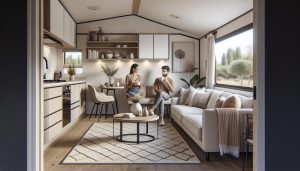
When considering the unique aspects of modular homes, one intriguing question often arises: can you add a basement to a modular home? While modular construction offers numerous benefits, such as faster build times and customization, the idea of incorporating a basement can bring significant advantages in terms of additional living space, storage, and property value.
Many homeowners seek expert solutions to address this concern, driven by the desire for more functional living areas and enhanced property investments. Understanding the practicalities of modifying a modular home to include a basement is essential for both current residents and prospective buyers. This guide aims to explore the possibilities, challenges, and expert insights on this topic, empowering you to make informed decisions that elevate your modular home experience. Let’s delve deeper and uncover the expert solutions available for adding a basement to your modular home!
Can You Add a Basement to a Modular Home? Understanding the Basics
Adding a basement to a modular home can be an intriguing possibility for homeowners looking to enhance their living space and increase property value. However, the feasibility of this addition hinges on several factors that require careful consideration. Modular homes, typically constructed in sections at a factory and then assembled on-site, often come with specific structural limitations and advantages that impact the possibility of a basement. Understanding these fundamental aspects can help you determine whether a basement is a viable option for your modular home.
One of the key points to keep in mind is the foundation type of your modular home. Many modular homes are built on crawl spaces or piers, which may not easily accommodate a basement. If your home’s design includes a full foundation, you might have a better chance of adding a basement. Additionally, the local building codes and soil conditions play a significant role. Every region has distinct regulations that govern basement construction, especially in areas prone to flooding or with high water tables. Engaging with a local contractor or architect experienced in modular homes is often necessary to assess the soil and foundation’s capability for additional weight and moisture considerations.
Moreover, incorporating a basement can provide numerous benefits, such as increased storage space, potential for a separate living area, or just a cozy retreat. If you decide to proceed, ensure that the design not only meets your needs but is also structurally sound. A well-planned basement can transform your modular living experience, offering both functionality and additional value to your home.
Exploring Modular Home Structure and Design
Adding a basement to a modular home requires a deep understanding of modular construction techniques and design principles. Modular homes are built in sections, or modules, in a factory setting, allowing for increased quality control and reduced construction time. Each module’s design incorporates specific engineering standards to ensure structural integrity and compliance with building codes. When contemplating a basement addition, it is crucial to recognize that the original design and construction characteristics of your home will dictate the feasibility and approach of such a project.
One essential aspect of modular home structure is the foundation type, which varies widely among models. Many modular homes rest on crawl spaces or piers, designed to elevate the structure and provide protection against moisture. In some cases where a traditional full foundation exists, adding a basement may be more feasible. Understanding your home’s foundation is vital, as it must be capable of supporting the additional weight of a basement and its contents. An examination of your home’s architectural plans and consultation with a structural engineer can provide invaluable insights into what modifications may be possible.
Moreover, the materials used in modular construction often include lightweight and durable options that can influence basement design. For instance, using insulated concrete forms (ICFs) can create energy-efficient, structural walls that can support a basement environment. These forms provide excellent insulation and are resilient against moisture, which is a critical factor in basement development. As you explore designs and layouts, keeping modular home construction characteristics in mind will guide you towards solutions that align with both aesthetic preferences and functional needs.
When you start planning for a basement, consider not only the structural elements but also the overall design and space utilization. The versatility of modular homes allows for creative flexibility; basements can serve various purposes, from additional living space to a dedicated home office or gym. By maximizing the utility of this often-overlooked area, you can seamlessly integrate it into your family’s lifestyle, enhancing your living experience.
Benefits of Adding a Basement to Your Modular Home
Adding a basement to your modular home opens up a world of possibilities, transforming often underutilized space into functional areas that enhance your living experience. One of the primary benefits of a basement is the significant increase in usable square footage. This extra room can serve multiple purposes-from a cozy family room or a guest suite to storage space or a dedicated home gym. Having this additional area not only meets your current needs but also increases the long-term value of your property.
Beyond increasing space, basement areas provide excellent opportunities for energy efficiency and improved home comfort. By utilizing energy-efficient materials such as insulated concrete forms (ICFs) for the walls, homeowners can retain heat in colder months while keeping the basement cool in the summer. This temperature regulation can lead to lower utility bills, offering both economic and environmental benefits. Enhanced insulation also contributes to soundproofing, providing a quiet retreat away from the busier areas of your home.
Moreover, a well-designed basement can significantly improve the overall aesthetic of your modular home. By thoughtfully planning the basement space, you can seamlessly integrate it with the rest of your home’s style and decor. For instance, an open concept design that connects the basement to the main living area via a staircase allows for accessibility and flow, creating an inviting environment for gatherings or simply relaxing alone. Customization opportunities are abundant-consider adding natural light through larger windows or utilizing design elements that echo your home’s existing architecture.
Additionally, a basement can act as a safety buffer during extreme weather events, providing a secure space to retreat during storms. With considerations for proper moisture management and waterproofing, you can ensure that this space remains dry and functional year-round. The resiliency of modular construction combined with strategic basement design thus allows homeowners to make the most of their homes while experiencing peace of mind.
Key Considerations Before Adding a Basement
Adding a basement to a modular home can significantly enhance both functionality and value, but several critical factors warrant careful consideration before embarking on such a project. First and foremost, it’s essential to evaluate the existing structure of your home. Modular homes have unique construction methods, and the feasibility of adding a basement largely hinges on the original design and foundation. Assess whether your current foundation can support the additional weight and structural changes that a basement will introduce.
Another important factor to consider is the local environment and soil conditions. The type of soil can affect drainage and the stability of a basement. Conducting a soil test can provide valuable insights into whether your property is suitable for a basement addition. Furthermore, understanding the water table in your area is crucial; a high water table might lead to flooding, requiring specialized waterproofing techniques that can increase your project’s overall cost and complexity.
Additionally, you must be aware of zoning laws and building codes specific to your locality. Before moving forward, consult with local government agencies to learn about necessary permits and regulations for basement construction. Understanding these requirements will help you avoid costly delays and legal issues down the line.
Lastly, financial considerations play a significant role in planning for a basement. Not only should you budget for construction costs, but also for potential long-term expenses such as insurance and upkeep. It’s wise to consult with a contractor who specializes in modular homes to develop an accurate cost estimate for your project, ensuring you have a comprehensive financial plan in place. Taking these key considerations into account will help ensure a smooth and successful basement addition to your modular home.
Permits and Regulations for Basement Construction
Adding a basement to a modular home not only adds valuable living space but also requires careful navigation through the maze of permits and regulations. Each locality has specific codes and standards that must be adhered to, making it crucial for homeowners to do their due diligence before starting any construction. Familiarizing yourself with these regulations can save you from potential legal hassles and financial setbacks down the road.
First and foremost, it’s essential to check with your local building authority to understand the zoning laws that apply to your property. Zoning regulations will dictate the type of modifications you can make, including any limitations on the height or footprint of your home. Additionally, specific permits are required before any construction can commence. To obtain these permits, you often need to submit detailed plans and specifications for your proposed basement, outlining how it will integrate with your existing modular home.
Another noteworthy aspect involves understanding drainage regulations and flood zone requirements. Areas prone to flooding may necessitate additional measures, such as elevating your basement or implementing advanced waterproofing techniques. These factors not only impact the aesthetic and practical design of your basement but can also influence overall construction costs.
Lastly, it is beneficial to consult with an architect or contractor who specializes in modular homes. Their expertise can ensure compliance with all local building codes and help streamline the permit application process. Many contractors have established relationships with local officials, which can expedite approvals and provide valuable insights based on their previous experiences. By being proactive in understanding and adhering to these regulations, you can facilitate a smooth construction process, ultimately leading to a successful basement addition that enhances your modular home’s value and functionality.
Choosing the Right Basement Type for Modular Homes
When considering the addition of a basement to a modular home, choosing the right basement type is critical to maximizing functionality and enhancing your living space. The type of basement not only impacts the structural integrity of your home but also influences how you can utilize this new area. There are several types of basements to consider, each with its unique advantages and challenges.
One popular option is the full basement, which provides ample space and can accommodate various functions, from storage to recreational areas or additional living space. A full basement typically extends beneath the entire footprint of the house and can be designed with ample headroom, which is essential for comfort and usability. However, constructing a full basement may involve significant excavation and foundational work, which can increase construction costs and complexity.
Another consideration is the partial basement, which is often less expensive and requires less excavation. This type of basement is commonly used for utility spaces and offers opportunities for storage while maximizing the remaining yard space above. It’s ideal for homeowners looking to save on costs but still wishing to create a functional basement area.
Types of Basements for Modular Homes
- Walkout Basements: These basements are designed with an exterior door that can lead directly outside. This style is especially functional if your lot has a slope, allowing for easy access to the backyard, making it great for entertainment or recreational activities.
- Finished Basements: If you want to maximize your living space, consider finishing your basement. A finished basement can serve as an extra bedroom, home office, or playroom, offering a versatile area suited to your family’s needs.
- Unfinished Basements: If budget constraints are a concern, an unfinished basement allows for future expansion. This could mean delaying some of the finishing efforts until finances allow or waiting for your family’s needs to evolve.
- Slab-On-Grade: In cases where ground conditions make traditional basements impractical, a slab-on-grade foundation provides a solid base directly on the ground without the need for a traditional basement.
Key Considerations
When determining the best basement type for your modular home, consider factors such as local soil conditions, flood risks, and potential zoning regulations. Conducting a thorough site analysis can help identify the most suitable option for your property. Additionally, involve professionals who specialize in modular construction, as they can provide valuable insights into the structural requirements and potential pitfalls of each basement type.
Ultimately, selecting the right basement can add both value and utility to your modular home, creating a versatile space that enhances your lifestyle. Whether you opt for a full basement designed for entertainment or a simple utility space, careful planning and consideration of your specific needs will serve you well in achieving your vision.
Essential Steps for Planning Your Basement Addition
Planning a basement addition to a modular home can transform your living space and add significant value to your property. The process requires careful consideration and strategic planning to ensure a successful outcome. Start by evaluating your needs and the potential functionality of the basement. Think about how you intend to use the space-whether as additional living area, storage, a recreational room, or a utility space-and allow this vision to guide your decisions.
First, conduct a thorough site assessment. This includes understanding the topography and soil conditions of your lot. Local soil types can heavily influence the construction process, particularly when it comes to excavation and drainage. For instance, sandy soils may drain well but lack stability, while clay soils can pose significant challenges with water retention. It’s advisable to hire a local geotechnical engineer to analyze these factors, as they can provide valuable insights into the best foundation type for your basement.
Next, engage with professionals experienced in modular construction. They can help determine the feasible design options and structural implications of adding a basement beneath your modular home. Consider an architect or a contractor specializing in modular homes, as they can provide guidance on integration with your existing structure. This collaboration will also assist in navigating local building codes and zoning regulations, which may dictate certain parameters for your basement addition.
Planning your budget should be a priority. Identify potential costs associated with excavation, foundation work, waterproofing, and internal finishes. It’s essential to account for unforeseen expenses that may arise during the construction process. Research financing options, including personal loans and home equity lines of credit, to support your project. Take into consideration the potential increase in property value that could result from adding this functional space, ensuring that the investment aligns with your long-term goals.
Finally, create a timeline for your project that includes milestones for design, permits, construction phases, and final inspections. Clear communication with your contractor and an organized approach will help mitigate any delays, ensuring that your dream of a basement addition becomes a reality. With proper planning and the right team, your basement addition can not only enhance your living experience but also solidify your investment in your modular home.
Financing Options for Your Basement Project
When considering a basement addition to your modular home, understanding the financing options available can be pivotal to ensuring the success of your project. Investing in a basement not only enhances your living space but also adds considerable value to your property, making it a worthwhile financial commitment. However, the upfront costs can vary significantly depending on the scope of your project, from excavation and foundation work to finishing details.
- Home Equity Line of Credit (HELOC): If you have equity in your home, a HELOC can be an excellent option. It allows you to borrow against your home’s value, usually at lower interest rates compared to personal loans. This can provide flexibility in accessing funds as needed throughout the construction process.
- Personal Loans: For those without substantial home equity, personal loans can provide the necessary financing. They typically have a fixed interest rate and can be sourced from banks or credit unions. However, interest rates may be higher than those of secured loans, so it’s essential to shop around for the best terms.
- Renovation Loans: Some lenders offer specific renovation loans designed for home improvements. Programs like the FHA 203(k) loan or Fannie Mae HomeStyle loan can be ideal as they finance both the purchase and renovation of a home, enabling you to roll your basement addition costs into your mortgage.
- Construction Loans: If your addition constitutes a more extensive structural change, a construction loan might be suitable. These loans typically cover short-term financing until you secure a mortgage for your completed home, helping you manage costs during the construction phase.
Before committing to any form of financing, it’s crucial to assess your overall budget meticulously. Be sure to include potential unexpected costs that may arise during construction. Engage with a financial advisor familiar with home construction projects to help you navigate your options and identify the most beneficial course of action for your unique financial situation.
Ensuring proper documentation and presenting a clear plan to potential lenders can also improve your chances of securing financing. Compile a detailed estimate of the project, including materials and labor costs, to provide lenders with insights into the expected financial requirements. By taking these steps and exploring the available financing options, you can confidently move forward with your basement addition and enhance both your living experience and your property’s value.
Preparing Your Modular Home for a Basement
Before diving into the construction of a basement for your modular home, it’s essential to prepare your home to ensure a smooth and successful project. The unique structure and foundation of modular homes necessitate careful planning to integrate a basement effectively. Understanding the characteristics of your existing home, local soil and climate conditions, and the configuration of your site will significantly influence the feasibility and design of your basement.
Start by assessing the current foundation of your modular home. Most modular homes are built on a pier and beam foundation, which may require modifications to accommodate a basement. Consult with a structural engineer experienced in modular construction to evaluate whether your home can support a basement and what type of foundation design will be suitable. It’s critical to ensure that the existing structure can handle the additional load without compromising safety and stability.
Next, consider the location of your home in relation to groundwater and drainage. A basement must be built below the frost line to prevent heaving, especially in colder climates. Conduct a thorough analysis of the soil and drainage patterns on your property. If groundwater levels are high, it may be necessary to incorporate waterproofing measures or a sump pump into your design plans. Additionally, it’s advisable to create proper drainage systems around your property to prevent water accumulation around the basement foundation.
Once you have the structure and site conditions assessed, prepare your home by organizing irreplaceable items and clearing out furniture or belongings from areas that will be affected during construction. This preparation not only minimizes disruption to your living space but also protects your belongings from potential damage due to debris or construction activities. Finally, keep an open line of communication with your contractor throughout the preparation stages. Address any questions or concerns swiftly to ensure that everyone involved understands the goals of the basement addition, leading to a more cohesive building process. By undertaking these preparatory steps, you can confidently move toward successfully adding that much-desired basement to your modular home.
Common Challenges When Adding a Basement
Adding a basement to a modular home can significantly enhance your living space, but it does come with a unique set of challenges that homeowners must navigate. One major concern is the existing foundation type; modular homes often rest on pier and beam foundations, which may not be designed to support additional weight or structural changes required for a basement. Structural assessments are crucial-consulting a qualified engineer who specializes in modular homes can help identify necessary modifications to ensure safety and stability.
Another common obstacle relates to site conditions. Groundwater levels, soil composition, and local climate play significant roles in the feasibility of a basement. Homes in areas prone to flooding or high groundwater may face impermeable soil challenges, necessitating advanced waterproofing strategies. Understanding local drainage patterns is vital for preventing potential water issues, so thorough research and possibly even soil testing should not be overlooked.
Cost estimates can also present hurdles. The initial budget may expand due to unexpected complications, such as the need for extensive drainage solutions or extensive changes to the existing structure. Homeowners should be prepared for these possibilities by including a contingency fund in their overall project budget to accommodate potential surprises during construction.
Finally, navigating local regulations and permits can be daunting. Each municipality has different codes and rules regarding basement construction, particularly if it alters the original structure of the home. Engaging with local officials early in the planning process can help clarify what is required and streamline the permitting process, reducing delays that can lead to frustration and increased costs.
By anticipating these challenges and seeking professional guidance, homeowners can successfully add a basement to their modular home, leading to enhanced space, value, and comfort.
Innovative Ideas for Basement Usage in Modular Homes
Transforming a basement into a functional and inviting space can greatly enhance the appeal and utility of a modular home. With careful planning, homeowners can turn their newly added basement into a variety of innovative spaces tailored to their lifestyles and needs.
Cozy Entertainment Zones
One popular option for basement usage is creating a cozy entertainment zone. This can be achieved by outfitting the area with plush seating, a large screen for movies, and perhaps even a small bar or kitchenette. Such a space not only serves as a great spot for family movie nights but can also double as a party area for gatherings with friends. Incorporating soundproofing materials can enhance the experience by keeping noise contained and ensuring privacy.
Home Offices and Studios
With the rise of remote work, many homeowners are repurposing their basements into home offices or creative studios. This type of setup allows for a dedicated workspace free from distractions often present in the main living area. Natural light can be maximized through window installation or the use of reflective finishes, while good lighting and ergonomics can design a comfortable and productive environment.
Additional Living Quarters
For those looking to accommodate guests or growing families, converting a basement into an additional living suite can be an excellent option. By adding a bathroom and kitchenette, this space can serve as an in-law suite or rental unit, increasing the home’s overall value. A well-designed living space with a separate entrance can provide privacy while allowing for versatility.
Recreation Rooms
A basement can also be tailored into a recreation room, equipped with games like billiards, a ping pong table, or even a home gym. This dedicated space for leisure and fitness not only promotes a healthy lifestyle but can also become a hub for family fun. Incorporating elements such as wall-mounted storage for games or exercise equipment keeps the area organized and maximizes available space.
In conclusion, the possibilities for a modular home basement are vast and varied. By considering personal interests and lifestyle needs, homeowners can create a multi-functional space that not only complements their home but also enhances their quality of life.
Expert Recommendations for Hiring Contractors
When adding a basement to a modular home, selecting the right contractor is crucial to ensuring a successful project. This specialized endeavor not only requires technical expertise but also an understanding of the unique dynamics involved with modular construction. Begin by prioritizing contractors with a proven track record in basement additions specifically for modular homes. Their familiarity with the building’s structure can lead to better outcomes and adherence to local codes.
Start your search by soliciting recommendations from fellow homeowners or local modular home associations, such as the Modular Home Builders Association. These sources often provide insights into reliable contractors and also offer access to resources that could help validate their claims. Always check for appropriate licensing, insurance coverage, and professional affiliations. Many states also require contractors to have specific certifications, so be sure to verify these as well.
Once you compile a list of potential candidates, schedule interviews and ask detailed questions about their experience with modular homes. Inquire about previous projects, the challenges they faced, and how they resolved any issues. This not only helps you gauge their expertise but also grants you insight into their working style. It’s beneficial to request estimates from multiple contractors to compare costs and services, ensuring transparency in pricing.
Key Questions to Ask Contractors:
- What is your experience with modular home basements?
- Can you provide references or examples of past work?
- What is your timeline for completing the project?
- How do you handle unforeseen issues during construction?
- What warranties do you offer for your work?
Finally, ensure that the contracted parties are well-versed in local building permits and regulations regarding basement construction. This ensures compliance with safety standards and facilitates a smoother approval process. Having a clear contract that outlines the scope of work, timeline, payment schedules, and contingencies is invaluable to keeping the project on track and within budget. By placing due diligence in hiring, homeowners can mitigate risks and enhance the quality of their modular home additions.
Frequently Asked Questions
Q: Can I add a basement to my existing modular home?
A: Yes, adding a basement to an existing modular home is possible, but it requires careful planning and expertise. Ensure you consult with a structural engineer to assess your home’s design and foundation specifications before proceeding with the project.
Q: What types of basements can be added to modular homes?
A: Modular homes can accommodate various types of basements, including full basements, crawl spaces, and walk-out basements. The best option depends on your land, budget, and local building codes. Consult experts to choose the most suitable basement type.
Q: How does adding a basement affect my modular home’s value?
A: Adding a basement can enhance the overall value of your modular home by increasing living space and improving functionality. This improvement can also appeal to potential buyers, making your home more marketable in the future.
Q: Are there specific permits needed for adding a basement to a modular home?
A: Yes, most municipalities require building permits for basement additions. Check your local regulations to ensure compliance with zoning laws and safety codes before beginning construction. Refer to the “Permits and Regulations for Basement Construction” section for detailed guidance.
Q: How much does it typically cost to add a basement to a modular home?
A: The cost of adding a basement to a modular home varies widely based on factors like location, size, and design complexity. On average, expect to spend between $20,000 to $50,000. It’s best to get multiple quotes from contractors to establish a budget.
Q: What are the common challenges when adding a basement to a modular home?
A: Common challenges include soil stability, existing utility lines, and the adaptability of your modular home’s design. Address these issues early by working with professional contractors to ensure a seamless integration of the basement.
Q: Should I hire a contractor for adding a basement to my modular home?
A: Yes, hiring an experienced contractor is advisable for adding a basement. They can navigate the technical aspects of the build, ensure compliance with local codes, and help mitigate risks during construction. Consider seeking recommendations as outlined in the “Expert Recommendations for Hiring Contractors” section.
Q: How can I maximize the space in my modular home’s basement?
A: To maximize basement space, consider open-concept layouts and multifunctional areas. Use smart storage solutions and design features like egress windows for natural light, which can also enhance the basement’s livability. Explore innovative ideas for basement usage for inspiration.
Future Outlook
Adding a basement to your modular home can significantly enhance your living space and increase property value, but it requires careful planning and execution. If you’re considering this renovation, remember that understanding the foundation requirements and local building codes is crucial. Don’t wait – take the first step toward your dream home today!
For further insights, check out our guides on financing your home renovations and the essentials of modular home maintenance. Have questions or experiences to share? We invite you to leave a comment below; your insights could help others in the community. Explore more about modular home living and uncover the potential of personalized spaces that suit your lifestyle. Your journey to a more functional and spacious home starts now!