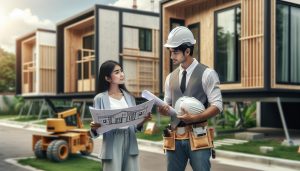
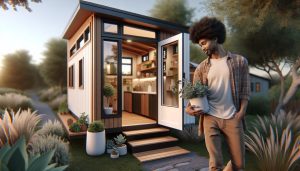
With rising housing prices, many families and individuals are seeking luxurious living options that remain budget-friendly. Modular homes provide an enticing solution, offering modern designs, energy efficiency, and customization-all at a price point under $500K. This article explores a variety of modular home options that combine upscale aesthetics with affordability, making luxury more accessible than ever. Whether you’re a first-time buyer or looking to invest, understanding these options is crucial in navigating the current housing market. Dive in to discover how you can achieve your dream home without breaking the bank!
What Modular Home Styles Are Available Under $500K?
With the rise in popularity of modular homes, many buyers are pleasantly surprised to find that they can afford stylish, modern living spaces without breaking the bank. Under the $500K threshold, a wide variety of modular home styles are available, offering something for everyone, whether you prefer sleek contemporary designs or cozy rustic aesthetics.
One popular choice is the modern modular home, characterized by open floor plans, large windows that allow natural light to flood in, and sleek finishes like metal and wood. These homes often feature energy-efficient appliances and innovative layouts, making them ideal for those looking for a minimalistic yet functional living space.
On the other end of the spectrum, rustic modular homes evoke a sense of warmth and comfort, often incorporating natural materials such as stone and reclaimed wood. These homes can blend seamlessly with wooded or rural settings, creating a welcoming retreat. Furthermore, modular homes can also be customized to incorporate features such as wrap-around porches, vaulted ceilings, and spacious kitchens, allowing buyers to personalize their living experience.
The farmhouse style has also gained significant traction in recent years, blending traditional elements like gabled roofs and shiplap siding with modern conveniences. These homes often come with spacious layouts, allowing for comfortable family living and entertaining.
Whether your taste leans more toward modern minimalism or classic charm, the modular home market under $500K is rich with options, ensuring that you don’t just find a house but a home that matches your lifestyle and aesthetics.
Exploring Design Options: Modern, Rustic, and More
Under $500K, modular homes emerge as a compelling solution for buyers seeking style and value. With a diverse range of design options, there’s something to suit everyone’s taste, from cutting-edge modernity to charming rusticity. The modular design process allows buyers to customize their homes significantly, ensuring each home reflects personal style while maintaining budgetary considerations.
Modern modular homes are celebrated for their innovation and clean lines. They typically feature open layouts that maximize space and functionality-think of vast living areas adorned with abundant natural light pouring in through large windows. High-end materials like glass, metal, and sustainable wood are common, enhancing the aesthetic appeal while also promoting energy efficiency. Key characteristics often include:
- Open floor plans: Ideal for socializing and family gatherings.
- Green features: Energy-efficient appliances and solar-ready options are frequently available.
- Minimalist design: Sleek finishes and contemporary aesthetics create a sophisticated living environment.
In contrast, rustic modular homes offer a warmth and character that appeal to those seeking a cozier living atmosphere. Elements like reclaimed wood, stone facades, and farmhouse-style porches create a nostalgic feel reminiscent of countryside living. These designs not only evoke comfort but also encourage a strong connection with nature and the surrounding environment. Key components often found in rustic modular homes include:
- Natural materials: Use of stone, wood, and other organic elements blends the home into its landscape.
- Functional layouts: Gathering spaces such as open kitchens and family rooms are prioritized.
- Personal touch: Customizable features like wrap-around porches can enhance outdoor living experiences.
Among the increasingly popular styles, the farmhouse aesthetic stands out. It harmoniously merges traditional architectural features with modern conveniences, featuring distinct gabled roofs and practical living spaces. This style not only caters to aesthetic preferences but also supports spacious family-friendly environments, facilitating effortless entertaining.
Whether you are drawn to sleek modern designs or the heartwarming charm of rustic style, the modular home market under $500K is brimming with choices that fulfill both design aspirations and practical needs. Embracing modular living allows you to invest in a home that complements your lifestyle, creating a space that feels like your own sanctuary without compromising on luxury.
Financing Your Modular Home: Smart Strategies for Buyers
Finding the right financing strategy for your modular home can transform your dreams of homeownership into reality. As modular homes continue to gain traction due to their affordability and customizability, understanding how to finance your purchase effectively is key. Many financial institutions offer specialized loans tailored for modular home buyers, making it essential to explore various options.
Explore Loan Options
Among the most common financing methods for modular homes are conventional loans, FHA loans, and VA loans. Conventional loans, which often have competitive interest rates, are suitable for those with favorable credit histories. On the other hand, FHA loans cater to first-time homebuyers or individuals with less-than-perfect credit, allowing lower down payments. VA loans provide an excellent choice for veterans, offering benefits like no down payment and no private mortgage insurance. It’s crucial to shop around and compare interest rates, terms, and fees to choose the best mortgage that suits your financial situation.
Consider the Cost of Land
When financing a modular home, it’s essential to consider whether you are purchasing the land or placing the home on an existing property. If buying land, the total loan will include both the home and the land. Some buyers opt for a land/home package, which is specifically designed for modular homes and can simplify the financing process. A common approach is to use a construction loan for the building process, which can later convert to a permanent mortgage once the home is complete.
Budget for Additional Costs
Beyond the purchase price of the modular home, anticipate additional costs in your budget. These may include site preparation, utility connections, permits, and insurance. A contingency fund, typically 10-15% of your total budget, ensures you’re prepared for unexpected expenses that may arise during the buying or building process. By factoring these costs into your financing plan, you’ll secure a comprehensive view of your total investment.
Seek Professional Guidance
Engaging with a real estate agent experienced in modular homes can be invaluable. They can guide you through the complexities of financing and offer insights into available incentives or programs that can ease the financial burden. Additionally, consider consulting with a financial advisor to help assess your financial readiness, define your budget accurately, and finalize a financial strategy tailored to your unique needs.
Utilizing these smart strategies will empower you to navigate the modular home financing landscape with confidence, ensuring you find a solution that aligns with your lifestyle and financial goals.
Insurance Considerations for Modular Homes: What You Need to Know
Navigating the insurance landscape for modular homes can feel daunting, but understanding the key aspects can significantly ease the process. Modular homes, while recognized as legitimate and sturdy housing options, often come with distinct insurance considerations that differ from traditional site-built homes. It’s essential to secure the right type of coverage to protect your investment, especially given the specific requirements and potential risks associated with modular construction.
A fundamental insurance option for modular home owners is homeowners insurance, which typically covers the structure, personal belongings, liability, and additional living expenses if you need to temporarily relocate. However, unlike traditional homes, modular homes may fall under unique underwriting criteria due to their construction process. This means it’s vital to identify insurers who have experience with modular homes to ensure that your policy adequately addresses aspects like factory defects and site setup issues. Always inquire about specific coverages provided for modular homes, as some standard policies might not fully apply.
Another critical consideration is flood insurance, particularly for modular homes located in flood-prone areas. Standard homeowners insurance usually does not cover flood damage, so securing a separate flood policy through the National Flood Insurance Program (NFIP) can provide essential protection. Furthermore, if your modular home is installed in a region prone to severe weather, consider comprehensive coverage that includes wind and hail damage, as these can be common threats for homes in such zones. Review the policy details to confirm that the coverage aligns with the unique needs of your modular home.
Lastly, many owners overlook the importance of adding liability coverage to their policy. This is especially crucial if you plan to host guests or engage in activities that might pose risks. It can safeguard against potential claims if someone is injured on your property. It’s advisable to regularly review and adjust your coverage as your home changes or your financial situation evolves, ensuring that your modular home remains protected against unforeseen events. Consulting with insurance professionals who specialize in modular homes can offer tailored advice and help craft a policy that meets all your needs.
Navigating Legal Requirements for Modular Homes
In the evolving landscape of housing, modular homes are becoming increasingly popular for their affordability and flexibility. However, navigating the legal requirements associated with these homes is crucial to ensure a smooth ownership experience. The legal framework surrounding modular homes varies significantly by region, making it essential for prospective buyers to understand local regulations, zoning laws, and building codes. Each municipality often has its own set of rules that dictate where modular homes can be installed, how they must be anchored, and the necessary permits required for setup.
Compliance with local building codes is a fundamental step that cannot be overlooked. These codes are designed to ensure safety and durability, and they often extend to specifics like foundation type, anchoring systems, and utility connections. For instance, many areas require that modular homes be placed on permanent foundations, which can necessitate different permitting and inspection processes than those applied to manufactured or temporary homes. Buyers should inquire about the specific compliance requirements that pertain to utility hookups, including water, electricity, and waste disposal, as neglecting this could lead to costly delays or modifications down the line.
Another key consideration involves obtaining the right permits prior to installation. This could encompass zoning permits, transport permits if the home is being moved, and installation permits that authorize the construction work involved. The process can vary; some areas may have streamlined procedures while others are more elaborate and may include additional steps like environmental assessments or public hearings. It’s beneficial to work closely with a licensed contractor familiar with local regulations to ensure compliance and facilitate a smoother installation process.
Lastly, understanding property taxes associated with modular homes is vital for financial planning. While some regions may classify modular homes similarly to traditional homes for tax purposes, others could have different tax implications or incentives for affordable housing. Always consult with local tax assessors to clarify any specific regulations. Keeping abreast of these legal aspects not only protects your investment but also empowers you as a homeowner, enabling you to enjoy the benefits of modular living with peace of mind.
Enhancing Value: Upgrades That Make a Difference
Investing in upgrades for a modular home can substantially enhance its aesthetic appeal and value, providing an opportunity to create a comfortable living space while ensuring a good return on investment. Considering how homebuyers increasingly look for modern amenities and stylish features, focusing on key upgrades can make a modular home not just a shelter, but a cherished sanctuary.
One of the most impactful areas for improvement is the kitchen. Upgrading to contemporary fixtures such as quartz countertops and stainless steel appliances can elevate the overall look of the space. Installing an open-concept layout by removing non-load-bearing walls can create an inviting atmosphere, making the home feel larger and more airy. Additionally, adding a kitchen island can provide extra storage and serving options, transforming the heart of the home into a multifunctional area.
In the living areas, consider enhancements like custom built-ins for books or electronics, which not only offer practical storage but add a sophisticated touch. A fresh coat of paint in neutral tones can refresh the look of the interior and make it appealing to a wider range of potential buyers. Upgrading flooring to hardwood or high-quality laminate not only increases durability but can significantly enhance aesthetics.
Exterior Upgrades
The exterior of a modular home is just as crucial as the interior. Investing in high-quality siding or fresh exterior paint can dramatically improve curb appeal. Landscaping plays a key role as well; adding trees, shrubs, and a well-maintained lawn creates an inviting environment. Incorporating outdoor living spaces, such as decks or patios, also allows for personal enjoyment and creates an additional selling point for future buyers.
Energy Efficiency and Technology
Energy-efficient upgrades are becoming increasingly important. Installing high-performance windows and enhancing insulation not only lowers utility costs but also attracts eco-conscious buyers. Smart home technologies-like programmable thermostats, smart lighting, and security systems-can also add to the appeal of a modular home, presenting the modern conveniences that today’s buyers desire.
Investing in these strategic upgrades can transform a modular home under $500K from a simple dwelling into an attractive, feature-rich residence that meets market demands and enhances overall value. By focusing on both aesthetic and functional improvements, homeowners can create a space that feels luxurious yet remains within reach.
Sustainable Living: Eco-Friendly Modular Home Choices
Incorporating sustainable practices into modular home design not only benefits the environment but also enhances the value of your home and can save you money in the long run. With the rise in eco-conscious living, many modular home manufacturers now offer options that prioritize sustainability, making it easier for buyers to choose green solutions without breaking the bank. Here are some eco-friendly choices to consider for your modular home under $500K.
One of the key aspects of sustainable living in modular homes is the inclusion of energy-efficient features. Investing in high-performance insulation, energy-efficient windows, and doors helps minimize heat loss in winter and heat gain in summer, translating to significant savings on utility bills. Many manufacturers also offer solar panel installations as part of their packages, making it feasible to harness renewable energy right from the start.
Water Conservation
Integrating water-saving fixtures throughout the home is another excellent method to promote sustainable living. Consider installing low-flow toilets, faucets, and showerheads to decrease water usage without sacrificing performance. In addition, utilizing drought-resistant landscaping can reduce the need for irrigation and upkeep, making your home even more environmentally friendly.
Smart Home Technology
Incorporating smart home technologies can enhance energy efficiency and reduce your ecological footprint. Smart thermostats allow for better climate control, optimizing heating and cooling while saving energy. Similarly, smart lighting systems can adjust to your habits and ensure that energy isn’t wasted when rooms are unoccupied. These features not only add convenience but also attract environmentally conscious buyers should you choose to sell in the future.
By selecting these eco-friendly options, homeowners can create a modular living space that is not only stylish and comfortable but also responsible and efficient. Making sustainable choices in your modular home is a rewarding investment both for yourself and the environment, proving that luxury and responsibility can indeed coexist.
Essential Maintenance Tips for Long-Term Ownership
Maintaining a modular home is crucial for ensuring its longevity and maximizing your investment, especially when navigating the exciting landscape of options under $500K. Unlike traditional homes, modular homes require specific care tailored to their construction methods and materials. Regular maintenance not only preserves your home’s aesthetic appeal but also enhances its energy efficiency and structural integrity over time.
One of the first areas to pay attention to is the exterior siding. Inspect it regularly for signs of damage or wear, especially after severe weather events. To keep it looking fresh, wash your home’s exterior annually with a mild detergent and water to remove dirt and mildew. Additionally, ensure that all caulking and seals around windows and doors are intact; replacing worn or damaged seals will help prevent water intrusion and reduce heating and cooling costs.
Roof and Gutters
The roof is another critical component that requires diligent monitoring. Check for missing or damaged shingles and ensure that gutters and downspouts are clear from debris. Clogged gutters can lead to overflow and water damage, which is particularly concerning for modular homes that often have specific moisture management systems. Clean your gutters at least twice a year, or more frequently during heavy foliage seasons.
Heating and Cooling Systems
Regularly servicing your HVAC system not only extends its lifespan but also ensures optimal efficiency. Change air filters every 1-3 months, depending on usage, and have your system inspected by a professional at least once a year. This preventative maintenance can help identify potential issues before they become costly repairs. For homes equipped with smart thermostats or energy-efficient units, familiarize yourself with their optimization features to maximize energy savings.
Foundation and Leveling
Lastly, pay attention to your home’s foundation and leveling. Modular homes can settle over time, which may lead to misalignment and gaps. Check for indicators like doors that stick or uneven windows. If you notice issues, consult with a professional about the possibility of re-leveling your home. Proper anchoring and leveling are paramount in areas susceptible to extreme weather to maintain the structural integrity of your modular home.
By incorporating these essential maintenance tips into your routine, you’ll safeguard your modular home for years to come, ensuring that it remains a comfortable and stylish place to live without compromising on luxury or sustainability.
Budgeting for Utilities: Costs to Consider
When planning for a modular home under $500K, understanding utility costs is essential for effective budgeting. Modular homes are often more energy-efficient than traditional buildings, but potential homeowners should still anticipate various utility expenses that can significantly impact monthly budgets. Here are some key considerations to ensure you’re financially prepared.
Energy Costs
Electricity is typically the largest utility expense for homeowners. Modular homes, especially those designed with energy-efficient appliances and insulation, may help reduce these costs. On average, expect to pay anywhere from $100 to $200 per month for energy expenses, depending on local rates and personal usage habits. Consider incorporating renewable energy sources, such as solar panels, which can further decrease electricity costs over time.
Water and Sewer Expenses
Water and sewer costs can vary widely by location. On average, a household can expect to spend about $50 to $100 monthly for water and sewer services. To save on these costs, consider implementing water-saving fixtures and appliances, which can cut down on consumption while maintaining comfort and convenience.
Heating and Cooling
Heating and cooling expenses are also significant, particularly in regions with extreme weather conditions. The costs can fluctuate based on the climate, the type of HVAC system, and personal preferences for comfort levels. Modular homes equipped with high-efficiency heating and cooling systems can result in monthly costs ranging between $75 and $150. Regular HVAC maintenance is crucial for optimal performance and longevity, contributing to consistent utility savings.
Trash and Recycling Services
Don’t overlook trash and recycling fees, which typically range from $20 to $50 monthly. It’s worth checking with your local waste management provider to understand their pricing structure, as some municipalities may offer reduced rates for residents who enroll in certain recycling programs.
Putting It All Together
To summarize your utility budgeting effectively, consider creating a simple table that outlines expected monthly costs:
| Utility Type | Estimated Monthly Cost |
|---|---|
| Electricity | $100 – $200 |
| Water and Sewer | $50 – $100 |
| Heating and Cooling | $75 – $150 |
| Trash and Recycling | $20 – $50 |
By planning for these utility costs, you can ensure a more accurate assessment of overall ownership expenses. Modular homes can offer a variety of luxuries and conveniences, especially when you approach budgeting with thorough consideration of ongoing utility costs to maintain a comfortable and sustainable living environment.
Preparing for Extreme Weather: Safety Measures for Modular Homes
Preparing for extreme weather is a vital consideration for any homeowner, especially for those residing in modular homes, which can sometimes be more vulnerable to natural forces. Understanding how to fortify your living space is not only crucial for your safety but can also protect your investment over time. From hurricanes and tornadoes to heavy snowfall and flooding, there are numerous strategies you can employ to ensure your modular home is resilient against these events.
One of the first steps in preparing your modular home for extreme weather is proper anchoring. Modular homes should be securely anchored to their foundations to withstand high winds. This process often involves using steel straps or cables to connect the home to its foundation, known as tie-downs. Homeowners should verify that their home meets local requirements for wind resistance and consider consulting with a professional for installation to adhere to best practices. Insurance providers may offer incentives for those who invest in stronger anchoring systems.
Preparation and Maintenance
Regular maintenance plays a crucial role in safeguarding your home against the elements. Conduct seasonal inspections to check for weak spots in the roof, siding, and windows. Ensure that gutters are clear of debris to prevent water intrusion. Additionally, it’s wise to invest in impact-resistant windows and doors, which can withstand flying debris in severe storms, providing added protection for your family and belongings.
Consider also investing in weatherproofing materials for your modular home. This includes caulking and sealing any gaps that may allow wind or water to enter. Furthermore, adding insulation can help maintain a stable indoor temperature during extreme weather events, protecting your home’s structural integrity and enhancing overall energy efficiency.
Emergency Preparedness
Finally, having an emergency plan is essential. Assemble a disaster supply kit that includes food, water, first aid supplies, important documents, and additional necessities for your family and pets. Establish a communication strategy with family members and neighbors to ensure everyone is informed during inclement weather. This plan not only provides peace of mind but also enhances your family’s safety.
By taking these proactive measures, modular homeowners can effectively prepare for extreme weather, ensuring their homes remain safe and secure. With thoughtful investments in anchoring, maintenance, and emergency preparedness, your modular home can provide a reliable sanctuary, proving that luxury is indeed attainable within a budget-friendly approach under $500K.
Buyer Experiences: Real Stories from Modular Home Owners
Often, potential buyers of modular homes worry about quality, aesthetics, or whether these homes can match traditional house values. However, countless modular homeowners can attest that choosing a modular home can lead to satisfaction, affordability, and even a touch of luxury-all under $500K. Their experiences highlight the versatility and personalization opportunities that modular homes offer, answering common concerns with tangible stories.
One homeowner, Sarah, purchased her 1,800 square foot modern modular home in a vibrant community outside of Chicago. The design options were vast, allowing her to choose features like a spacious open floor plan, large windows for natural light, and energy-efficient appliances-all within her budget. Sarah expressed that, “The customization process was exciting-how often can you say your home is built just for you?” She emphasized how the flexibility in layout, aesthetic elements, and eco-friendly materials made her modular home not just a roof over her head but a true reflection of her lifestyle.
Another couple, James and Linda, sought a sustainable lifestyle without the hefty price tag typically associated with eco-friendly homes. They ended up selecting a chic, rustic-style modular cabin that blended seamlessly into their wooded lot. “We never thought we could afford a green home that also looked stunning,” they shared. Their choice included solar-ready features and high-quality insulation, which not only reduced their utility bills but also aligned with their environmental values. Their experience underscores that modular homes can indeed be luxurious and ecologically sound.
In terms of financing, the stories of buyers like Alice and Mark illustrate the accessibility of modular homes. They utilized specialized lending programs for modular homes, which provided favorable interest rates and manageable down payments. “Navigating financing felt daunting at first, but we found options tailored for modular buying,” noted Alice. With the right financial tools, they secured a beautifully designed, two-story modular home equipped with smart home technology, further enhancing their living quality. Their journey motivates others to explore financing avenues confidently.
Ultimately, the stories from these homeowners reveal that modular living is not just a viable alternative but a smart choice laden with opportunities. Prospective buyers should contemplate their needs, desires, and budget, knowing there are countless paths to owning a beautiful, personalized space that meets their criteria for quality and comfort-all wrapped up in an affordable package.
Understanding the Resale Market for Modular Homes
can be a significant concern for both current owners and prospective buyers. It’s essential to recognize that modular homes, once stigmatized as less valuable than traditional built homes, have gained considerable acceptance in the real estate market. This shift means that many modular homes can appreciate just like their site-built counterparts, making them a smart and lucrative investment for those seeking luxury within a budget of $500K.
One critical factor influencing the resale value of modular homes is their location. Homes situated in desirable neighborhoods or areas experiencing growth tend to retain or increase their value over time. Buyers should look for developments that align with market trends and amenities that appeal to potential future owners, such as good schools, parks, and access to public transportation. Customizations and upgrades, such as energy-efficient appliances or high-quality finishes, can also make a modular home more attractive and increase its resale value.
A well-maintained home is always a hot commodity. Owners can enhance their modular home’s resale potential by keeping up with regular maintenance and addressing any issues proactively. Consider regular inspections of the roof, plumbing, and electrical systems, completing necessary repairs, and even making aesthetic improvements like landscaping or updated interiors. These practices not only improve the quality of life for current residents but also appeal to future buyers, ensuring that the home remains competitive in the market.
When considering the resale market, it’s important to examine comparable sales in your area. Understanding what similar modular homes have sold for can provide valuable insights into setting a realistic price point. Working with a real estate professional who understands the modular home’s nuances can help navigate this process effectively. An expert can provide market data, advice on staging the home for showings, and strategies for marketing it to potential buyers, ensuring that the selling process is as smooth and profitable as possible.
In summary, the resale market for modular homes demonstrates that these houses are not only a viable living option but also a worthwhile investment. With prudent planning and ongoing care, homeowners can enjoy both the comfort of their modular residence and the financial benefits as their home continues to appreciate in value.
FAQ
Q: What are the most affordable modular home options under $500K?
A: Affordable modular homes under $500K include single-section models, compact two-story designs, and customizable three-bedroom layouts. Many builders, such as Clayton Homes, offer diverse options that blend quality and affordability, making luxury achievable for a wider audience. Explore your choices through manufacturers’ websites for pricing and floor plans.
Q: How do I choose the right modular home design for my budget?
A: Choosing the right modular home design for your budget begins with identifying your needs in terms of size, style, and features. Explore various layouts and consult with manufacturers to find customizable options that fit within your $500K budget. Consider upgrades that enhance value without exceeding your financial limits.
Q: Are there luxury features available in modular homes under $500K?
A: Yes, many modular homes under $500K include luxury features such as gourmet kitchens, spa-like bathrooms, and open floor plans. Investigate high-quality finishes and energy-efficient appliances that enhance comfort without breaking the bank. These features can elevate your living experience while staying within budget.
Q: What financing options are available for purchasing a modular home?
A: Financing options for modular homes generally include traditional mortgages, FHA loans, and specialized manufactured home loans. Many lenders offer competitive rates for homes under $500K. Consult with financial experts to find the best solution tailored to your financial situation, ensuring affordable monthly payments.
Q: Can I customize my modular home within the budget constraints?
A: Yes, many manufacturers offer modular homes that can be customized within the budget constraints. From choosing layouts to selecting finishes, customization can enhance your home’s appeal without significantly increasing costs. Investigate options while consulting your builder to stay on budget during the design process.
Q: What are some common misconceptions about modular homes?
A: Common misconceptions include the belief that modular homes are of lower quality than traditional homes or cannot be customized. In reality, manufacturers provide high-quality builds and extensive customization options while ensuring compliance with local building codes. Education on modular home options is key for potential buyers.
Q: How do I find reputable manufacturers for modular homes under $500K?
A: To find reputable manufacturers, research online reviews, explore industry ratings, and visit platforms like ModularHomes.com or Clayton Homes for listings. Additionally, attending home shows or model home expos can help you connect with trusted builders. Always compare offerings and ask for references before making a decision.
Q: What maintenance should I plan for with a modular home?
A: Regular maintenance for modular homes includes checking siding and roofing for leaks, inspecting plumbing and electrical systems, and maintaining HVAC units. Seasonal tasks like gutter cleaning and ensuring adequate insulation are crucial. Refer to the article’s section on essential maintenance tips for detailed guidance on long-term care.
The Conclusion
Are you ready to explore the exciting world of modular homes under $500K? Affordable luxury is within your reach, and the options we’ve discussed make it easier than ever to find a stylish, modern home that fits your budget. Don’t let this opportunity pass you by-take the next step toward your dream home today!
To dive deeper into your options, be sure to check out our guides on financing your modular home and tips for selecting the right builder. If you have any questions or need assistance, our team is here to help-consider signing up for our newsletter for the latest insights and tips on modular living.
Remember, investing in a modular home not only offers a unique lifestyle but also a smart financial decision. Join the growing community of modular homeowners who are enjoying quality living while making a wise investment. Explore more, comment below, or share your thoughts-your journey to luxury living starts now!