When considering a modular home, size can significantly impact your lifestyle and investment potential. Did you know that modular homes typically range from around 1,216 to 1,520 square feet? Understanding the various sizes available is crucial for aligning your space needs with your budget. Whether you’re a first-time buyer looking for a cozy retreat or a growing family in search of more room, knowing the right dimensions can make all the difference. This complete size guide will explore the diverse range of modular home dimensions, helping you discover the perfect fit for your unique situation. Dive in to uncover how the right size can enhance your living experience and ensure that your investment serves you well for years to come.
What Types of Modular Homes Are Available?
When exploring the landscape of modular homes, it becomes clear that a diverse range of options is available to cater to different preferences and lifestyles. Modular homes are not just a single type; they can be tailored to fit a variety of architectural styles, sizes, and layouts. With advancements in construction technology, today’s modular homes are built with quality materials, offering both aesthetic appeal and energy efficiency.
- Single-Section Homes: Often referred to as single-wides, these units typically range from 14 to 18 feet wide and can be 66 to 80 feet long. They are an excellent choice for individuals or small families looking for affordability and ease of transport.
- Double-Section Homes: Also known as double-wides, these homes are constructed with two sections that are joined onsite. They provide extra space, often exceeding 1,000 square feet, making them suitable for larger families.
- Triple-Section Homes: These larger units offer expansive living areas and can span over 2,000 square feet. They provide the most living space, accommodating multiple bedrooms and bathrooms, making them ideal for big families or those who desire more space.
- Custom Modular Homes: Homebuyers can choose from a range of customizable options including layout, number of bedrooms, and features such as porches or lofts. These homes are designed to meet the specific needs of the homeowners.
The appeal of modular homes extends beyond just size; they can also reflect the owner’s personal style. Many manufacturers offer a variety of exterior finishes and interior layouts, allowing for flexibility to create a residence that feels uniquely yours. Whether you prefer a cozy cabin look or a modern aesthetic, modular homes can adapt to meet those preferences.
As modular homes continue to gain popularity, they often combine affordability with sustainability. Many manufacturers are now focusing on energy-efficient designs that incorporate sustainable materials and smart home technology, meeting the growing demand for environmentally-friendly living options. Exploring the options available can empower potential homeowners to find a modular home that fits their lifestyle, budget, and design preferences while making a wise investment in their future.
Standard Dimensions of Modular Homes
When considering the dimensions of modular homes, potential homeowners will find a variety of sizes and layouts available, each tailored to specific lifestyles and needs. Understanding these standard dimensions can significantly impact your buying decision, ensuring that the chosen home fits not only your family size but also your lifestyle preferences and plot dimensions.
Typically, modular homes fall into several standard categories based on their configuration. Single-section homes, commonly known as single-wides, range from 14 to 18 feet in width and can extend up to 66 to 80 feet in length. These homes are ideal for individuals or smaller families seeking affordability and easy transportation. On the other hand, double-section homes, which feature two sections joined together on-site, offer more spacious living environments, often exceeding 1,000 square feet and accommodating larger families more comfortably.
For those requiring more space, triple-section homes present an expansive option, generally spanning over 2,000 square feet. They can accommodate multiple bedrooms and bathrooms, making them suitable for big families or anyone desiring a spacious living area. Moreover, it is also worth mentioning that many manufacturers allow for custom modular homes, which can be tailored in terms of size, layout, and design elements, providing a unique solution to meet individual homeowner needs.
Understanding the range of standard dimensions in modular homes enables you to match the home to your preferences, from compact single-wides suitable for minimalists to large triple-section homes designed for comfort and versatility. By evaluating your space requirements and considering possible future expansions, you can make an informed choice that supports your lifestyle and long-term satisfaction with your living environment.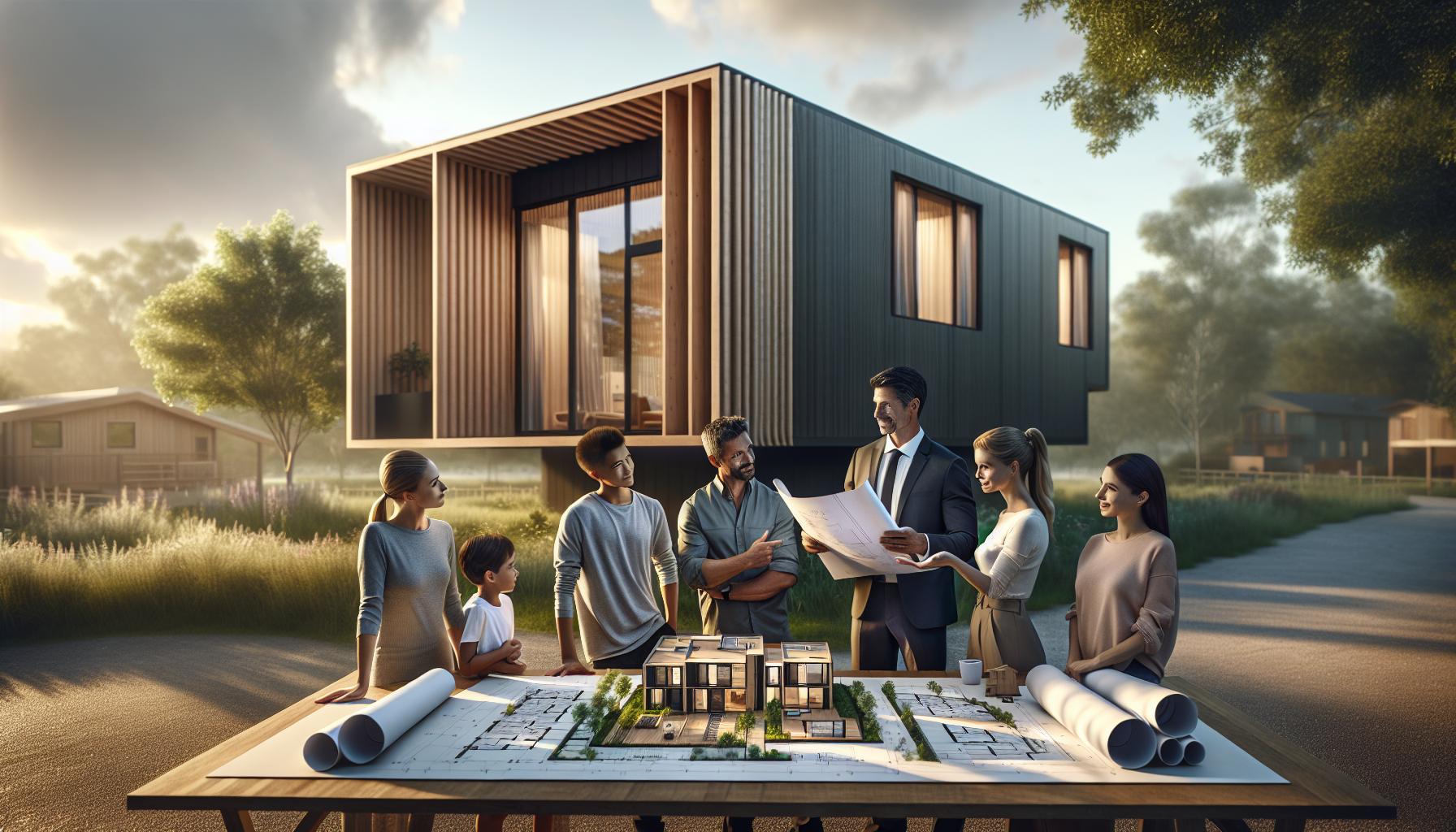
Customizable Size Options for Your Modular Home
Exploring the world of modular homes unveils a myriad of customizable options that cater to diverse lifestyles and preferences. Homebuyers can design modular houses that not only meet their space requirements but also reflect their personal tastes and functional needs. From layout alterations to the inclusion of custom features, the flexibility of modular homes allows for a unique living experience tailored specifically for each homeowner.
One of the primary advantages of opting for a modular home is the ability to choose your desired dimensions and configurations. Homeowners can select from various standard sizes, but many manufacturers offer the option to expand or contract these layouts to fit specific needs. For instance, you may start with a standard single-section layout, but with customization, you can create an open-concept living area that flows into a spacious kitchen and dining space, ideal for family gatherings. Customization can also extend to the addition of extra bedrooms or bathrooms, enhancing functionality without compromising aesthetic appeal.
Design choices go beyond just size and layout. Surfaces, finishes, and even building materials can be tailored to suit individual tastes. Depending on your lifestyle and location, you might prioritize low-maintenance exteriors, energy-efficient windows, or sustainable materials. For example, if you’re environmentally conscious, opting for solar panel readiness or energy-efficient insulation can significantly reduce your home’s carbon footprint while maintaining comfort.
Moreover, the modular home design process often includes the option for future expansions. This means that if growing families or changing needs arise, additional modules can be effortlessly integrated into your existing home. This adaptability is a crucial benefit, allowing homeowners to evolve their living spaces without the need for complete reconstruction or relocation.
By embracing these customizable size options and thoughtfully considering your specific needs, you can create a modular home that not only fits your life’s current demands but also supports your long-term aspirations and lifestyle changes. As the market for modular homes continues to grow, the possibilities for creating your dream home are virtually limitless, making it an increasingly attractive option for savvy homeowners.
Understanding Modular Home Floor Plans
Understanding the layout and design of modular homes is essential for anyone considering this innovative housing option. Modular home floor plans are uniquely structured to maximize space and functionality, often leading to more efficient use of square footage compared to traditional homes. One of the key aspects that many find appealing is the variety of styles available, from single-section homes to expansive multi-section designs, allowing homeowners to choose layouts that best suit their personal needs and lifestyles.
Modular homes typically feature several standard layouts, which can be customized significantly. For instance:
- Open Concept Living: Many modular designs consolidate living spaces, blending the kitchen, dining, and living areas for a modern, inviting atmosphere.
- Flexible Room Options: Buyers often have the choice to add extra bedrooms, bathrooms, or even multifunctional rooms that can serve as home offices or play areas.
- Outdoor Living Spaces: With many floor plans, homeowners can enjoy patio access or deck options that connect indoor and outdoor living.
When reviewing potential floor plans, consider factors like traffic flow, natural light, and adaptability for everyday living. For instance, a well-placed kitchen island can serve as both a workspace and a dining area, optimizing the utility of the space. Additionally, some manufacturers offer fully customizable designs allowing you to modify not just the size, but also interior finishes and exterior materials to reflect your personal style and preferences.
Many modular home builders provide online tools to help visualize different layouts, making it easier for prospective buyers to see how a particular floor plan would function in daily life. Understanding these layouts is crucial, as it can lead to a more satisfying living experience tailored to your family’s needs. Whether you prioritize spaciousness for entertaining, cozy nooks for privacy, or a seamless flow between rooms, the diverse array of modular home floor plans ensures there is something that fits every lifestyle demand.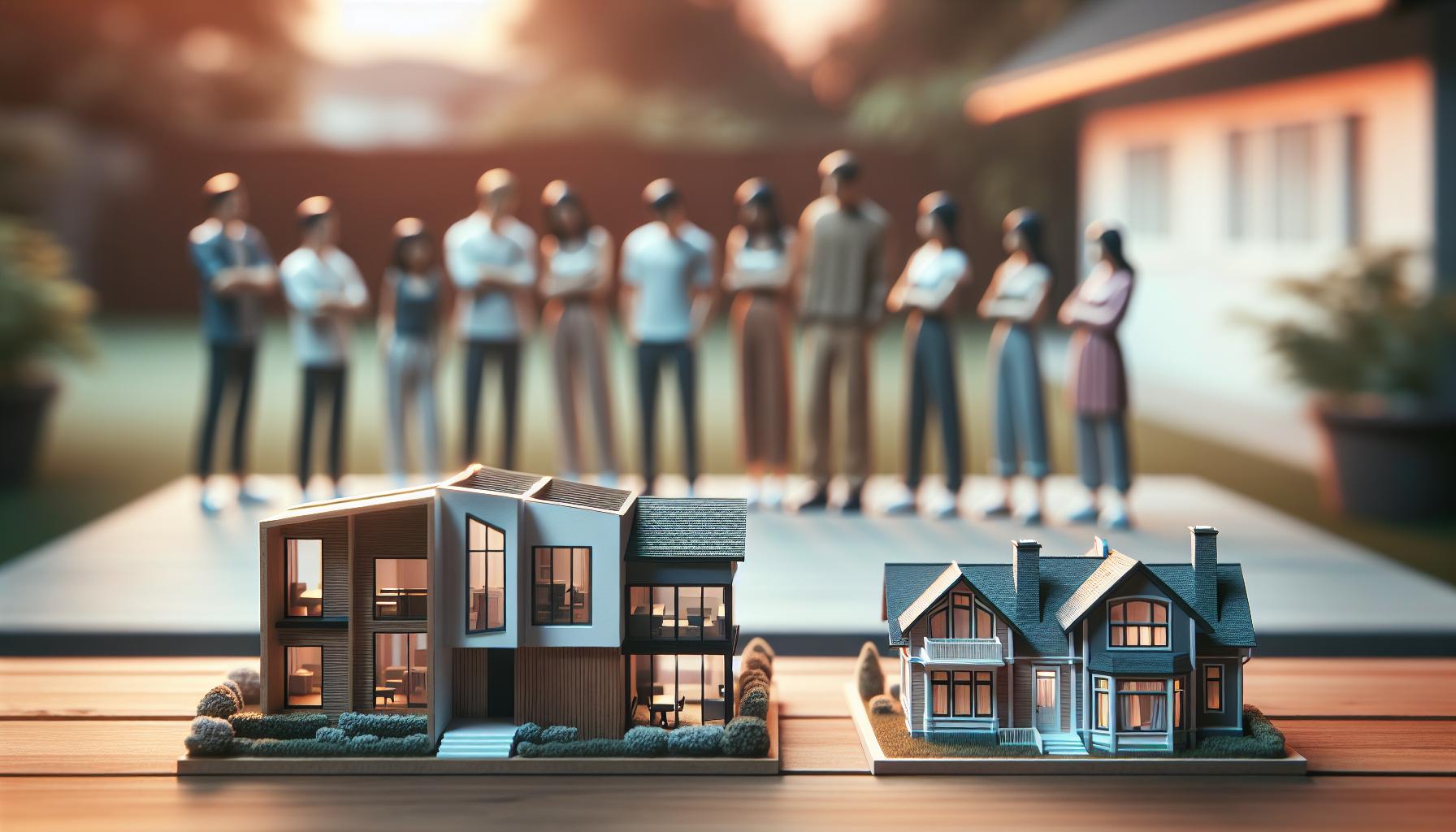
Comparing Modular Home Sizes to Traditional Homes
When comparing modular homes to traditional homes, the differences in size, design, and functionality can be eye-opening. Modular homes typically range from 1,216 to over 2,500 square feet, providing flexibility that meets various lifestyle needs and budgets. In contrast, traditional homes often begin at around 1,500 square feet, allowing for larger family structures but potentially at a higher cost. The efficient design of modular homes allows for more compact layouts that maximize usable space without sacrificing comfort.
The modular home design often includes an open floor concept, enhancing the perception of space and making them feel larger than their actual square footage. Traditional homes may emphasize distinct rooms, which can lead to a more segmented experience. For example, a 1,500 square foot modular home can incorporate multifunctional spaces such as combined living and dining areas, maximizing the area for gatherings and daily activities.
Furthermore, modular homes can be more customizable regarding layout and room size. Many manufacturers today focus on creating flexible designs that adapt to the homeowner’s specific needs. Homebuyers are empowered to make choices about the number of bedrooms, bathrooms, and even the footprint of their home, unlike in many traditional homes where layouts are already predetermined. This level of customization is especially appealing for first-time homeowners or those looking to downsize without compromising on style or function.
In terms of costs and affordability, modular homes often come with lower construction and maintenance expenses than their traditional counterparts. According to industry standards, building a modular home can result in savings of up to 30% compared to traditional homes, translating into a smaller overall investment for buyers. This aspect makes modular housing an increasingly attractive option, offering all the benefits of a conventional home while promoting financial prudence.
When deciding on the right option, consider both the lifestyle you wish to lead and your budgetary constraints. Modular homes are increasingly recognized not just as alternative housing but as a legitimate and often advantageous choice for many families. Whether seeking a compact dwelling or a spacious family home, prospective buyers can find modular structures that reflect their needs without dividing them from the traditional home experience.
How to Choose the Right Size for Your Needs
When deciding on the ideal size for a modular home, it’s crucial to consider several factors that directly impact your lifestyle, budget, and future plans. Understanding your unique needs will help you make a well-informed decision that suits both your present circumstances and your long-term goals.
Begin by evaluating your family size and dynamics. If you’re a growing family or often host guests, consider a modular home with additional bedrooms and flexible living spaces that can accommodate everyone. On the other hand, if you’re a single individual or a couple, opting for a smaller, more efficient design can offer comfort and reduce maintenance costs. It’s also beneficial to reflect on potential life changes, such as remote working, which might necessitate a dedicated office space in your future layout.
Another significant consideration is how you intend to use the available space. Modular homes often boast open floor plans, which can be more adaptable than traditional layouts. For example, a 1,500 square foot modular home can include multifunctional areas, such as a combined living and dining room, promoting a more interactive environment. This flexibility allows you to maximize the use of square footage, creating a welcoming atmosphere even in smaller units.
Budget plays an essential role in determining the right size. Modular homes are typically more affordable than traditional homes, but it’s vital to set a clear budget that includes not only the base price of the home but also installation, utilities, and ongoing maintenance. Consider the long-term costs, including property taxes and insurance, which can vary depending on the home size and location.
Finally, don’t overlook local zoning regulations and community standards, as these may dictate home size, design, and how much land you require. Engaging with a local realtor or modular home specialist can help you navigate these regulations effectively and ensure that your chosen home aligns with local guidelines.
In summary, opt for a size that accommodates your family needs, supports your lifestyle aspirations, stays within your financial plans, and complies with local zoning laws. By carefully balancing these elements, you can find a modular home that enhances your living experience and serves you well for years to come.
Size Regulations and Zoning Restrictions
Navigating the landscape of for modular homes can be a complex process, but understanding these guidelines is vital for homeowners and prospective buyers. Local zoning laws dictate everything from the overall dimensions of a modular home to the minimum space requirements and the types of homes that can be placed in specific districts. For instance, many areas have defined residential zones, often labeled R3 or R4, which may limit the size and type of modular homes eligible for construction. These regulations ensure compatibility with the surrounding community and address concerns regarding density, aesthetics, and infrastructure availability.
Consideration of local building codes is equally important, as they may have specific requirements for square footage and design. For example, a municipality might require that any manufactured home has a minimum living area, such as 1,000 square feet, outside of additional structures like garages or porches. Other factors include setbacks, which define how far a home must be from property lines to ensure adequate spacing between structures and preserve the character of the neighborhood. Engaging with local planning departments early in your home-buying journey can provide clear insights into these rules, allowing you to make informed choices.
Additionally, zoning restrictions often vary significantly between urban and rural settings. In urban areas, density regulations may restrict the size of the home to encourage efficient use of space, while rural communities might permit larger modular homes with fewer limitations. For instance, some rural zones might even allow the temporary placement of mobile homes during construction or renovation, which can offer a flexible living situation.
It’s crucial for buyers and current homeowners to conduct thorough research or consult with experts to ensure compliance with these regulations. Making adjustments upfront or selecting a modular home that meets local zoning codes can save time, reduce stress, and protect your investment in the long run. By taking zoning laws and regulations into account, modular home buyers can confidently choose a design that fits their lifestyle while adhering to community standards.
Costs Associated with Different Modular Home Sizes
The financial considerations surrounding modular homes can vary significantly based on size, but understanding these costs can empower potential homeowners to make informed decisions. For instance, while smaller models may seem more budget-friendly, they often come with their own set of considerations related to land, installation, and customization options, which can impact the overall investment.
When assessing , it’s important to think beyond the base price of the home itself. Here’s a breakdown of factors that can affect expenses:
- Base Price Per Square Foot: Modular homes typically range from approximately $80 to $160 per square foot, depending on the materials, design, and finish chosen. Smaller homes usually follow the lower end of this scale, while larger, more customizable options can climb higher.
- Installation Costs: Installation can add an extra $5 to $35 per square foot, influenced by the home’s size and complexity, as well as local labor rates. Larger homes may incur higher overall installation costs due to increased logistical requirements.
- Land Costs: Purchasing land suitable for a modular home is a critical factor. In urban settings, land can be expensive and may dictate the size of the home you can afford. Conversely, rural areas often offer more affordable land options with fewer restrictions on size, allowing for larger modular homes.
- Utilities and Site Preparation: Depending on the lot’s condition, additional costs may be incurred to connect utilities or to prepare the site. Larger homes will naturally require more extensive utility setups.
- Customization and Upgrades: Customizing the design and finishes of larger homes can escalate costs quickly. Buyers should consider whether the trade-offs are worth the investment in space versus features.
Understanding these financial variables is crucial. For example, a mid-size modular home priced in the range of $120,000 to $250,000 may initially appear more manageable than a larger one; however, installation costs and the necessity of land can shift that perception significantly. It’s always advisable to calculate a comprehensive budget that includes all associated fees, which could lead to more smartly allocated resources and a satisfying purchasing experience.
Overall, prospective modular home buyers should view the purchase as a long-term investment, considering not only the initial price tag but also ongoing expenses and overall satisfaction with their living situation. Engaging with experts and planning budgetarily for these varied costs can lead to informed, confident choices in the modular housing market.
Maximizing Space in Smaller Modular Homes
In the world of modular homes, smaller models often present the unique challenge of limited space. However, this constraint can inspire innovative solutions that maximize utility without sacrificing comfort or style. With thoughtful planning and smart design choices, residents can create inviting spaces that feel expansive, functional, and tailored to their lifestyle needs.
One key strategy is to prioritize multi-functional furniture that serves dual purposes, like fold-out couch beds or ottomans with built-in storage. This approach not only conserves floor space but also ensures that each piece adds value to the home’s functionality. Additionally, utilizing vertical space can make a significant difference. Installing shelves, hooks, and cabinets that reach up to the ceiling not only provides essential storage but also draws the eye upward, creating an illusion of higher ceilings.
Lighting plays a crucial role in space perception; using lighter color palettes and strategically placed mirrors can enhance the sense of openness and airiness within smaller rooms. Natural light is particularly valuable; maximizing windows or adding skylights can brighten interiors and create a more inviting atmosphere. Employing open floor plans can also contribute to a more spacious feel-by using zoning techniques with rugs and furniture arrangements, you can define areas without the need for physical barriers.
Ultimately, the key to lies in the clever integration of style and functionality. By embracing innovative design solutions and prioritizing a decluttered environment, homeowners can transform modest square footage into a cozy and efficient living space. This adaptability not only enhances daily living but also reflects a modern approach to homeownership, capturing the essence of living well, no matter the size of the dwelling.
Future Trends in Modular Home Sizes
As the housing market continues to evolve, modular homes are gaining traction as a versatile and efficient option for many buyers. Recent trends indicate a movement toward increasingly larger modular homes, with an emphasis on creating more livable spaces without significantly increasing the footprint. This shift is driven not only by buyer desires for greater comfort and functionality but also by advancements in manufacturing processes that allow for larger modules to be constructed more feasibly.
One of the most exciting trends is the growing popularity of two-story modular homes, which provide ample space while maintaining the aesthetic appeal of traditional houses. These models often include innovative designs that integrate open floor plans, maximizing livable space and enhancing the overall flow of the home. Buyers are increasingly looking for homes that offer distinct zones for different activities-such as work, relaxation, and entertaining-without the feeling of being cramped. This has led to a rise in customizable layouts that allow homeowners to tailor their modular home to meet specific needs and lifestyles.
Moreover, sustainable building practices are becoming a priority for many potential buyers. Modular homes constructed with eco-friendly materials and energy-efficient systems not only minimize environmental impact but also lead to long-term savings on utilities. Features like solar panels, high-efficiency appliances, and improved insulation are being integrated into modular designs, meeting the demands of the modern eco-conscious homeowner. This trend reflects a broader societal shift toward sustainability, encouraging manufacturers to innovate in how they build and deliver homes.
Looking ahead, the future of modular homes will likely see a continued diversification in size and design options, making them suitable for a wider range of demographics. As technology advances, expect to see even more flexibility in modular home configurations, enabling a seamless blend of functionality, style, and sustainability. Whether for young families, retirees, or anyone in between, the modular home market is poised to meet the evolving preferences of homeowners seeking quality living spaces in a compact format.
Case Studies: Modular Home Size Success Stories
Modular homes are increasingly demonstrating their capacity for versatility through successful real-life applications that highlight their various size options. One prime example is a family of four that opted for a 1,500-square-foot two-story modular home in a suburban area. This design not only provided ample space for family activities but also included distinct zones for private bedrooms and shared living areas. By incorporating elements like vaulted ceilings and open floor plans, the family effectively maximized their usable space, creating a home that feels both spacious and welcoming. This case underscores modular homes’ ability to deliver functionality while maintaining aesthetic appeal.
Another compelling success story comes from a couple looking to downsize after their children moved out. They chose a compact 800-square-foot modular home featuring a modern design that includes high ceilings and strategically placed windows to enhance natural light. The efficient layout allowed them to include a cozy living room, a functional kitchen, and a master bedroom, all without sacrificing comfort. By focusing on multi-purpose furniture and smart storage solutions, they transformed the smaller space into a delightful and practical living environment, proving that size is not the only factor in a home’s livability.
Beyond individual stories, the growth of modular home communities offers additional insights into size adaptability. In one community designed for active retirees, homes range from 900 square feet to 1,600 square feet. These homes are tailored to cater to varying lifestyles, from hobbyists wanting a larger workshop area to minimalist dwellers seeking simpler living spaces. Each unit reflects the owners’ personal design preferences while adhering to zoning regulations, showcasing modular homes’ unique ability to meet diverse needs within a cohesive community framework.
As more people recognize the benefits of modular construction, success stories abound, illustrating how buyers can achieve both comfort and efficiency through thoughtful home design. By emphasizing customizable layouts and innovative designs, these examples inspire prospective homeowners to explore their options in modular living. With high-quality manufacturing and sustainable practices at the forefront, modular homes are shaping the future of housing in both quality and size.
Tips for Downsizing to a Modular Home
Downsizing to a modular home can be an empowering transition, offering a more manageable lifestyle without sacrificing comfort. As living spaces become more efficient, it’s essential to approach this change with a thoughtful plan. By strategically narrowing your focus and being intentional about what you bring into your new home, you can create a functional and aesthetically pleasing environment.
To start, assess your current belongings. Creating a comprehensive inventory allows you to determine what is essential versus what can be donated or discarded. Consider adopting a “one in, one out” rule: for every new item you plan to bring into your modular home, remove a similar existing item. This helps keep clutter at bay and ensures that only items that truly add value to your life are retained.
When selecting a modular home, keep in mind the unique design capabilities that allow you to maximize space. Modular homes often feature open floor plans and built-in storage solutions, making it possible to create a cozy atmosphere even in smaller areas. Focus on pieces that serve multiple purposes; for example, a sofa bed can accommodate guests and save space, while a dining table with built-in storage can keep dining essentials organized and accessible without overwhelming the area.
Additionally, think about your lifestyle and how it will fit into a smaller home. If you’re accustomed to needing a dedicated workspace or hobby area, look for modular designs that offer flexible spaces. Some models come with multifunctional rooms that can be used as an office, guest room, or exercise area, catering to your evolving needs. Remember, downsizing doesn’t mean limiting your life; instead, it’s about selecting a space that enhances your experience while reducing the upkeep and expense associated with larger homes.
Lastly, familiarize yourself with layout options and consult with manufacturers about customizing a modular home to reflect your style and functional requirements. By blending smart design with intentional living, you can transform your downsizing journey into an opportunity for a fresh start in a space that feels just right for you.
Q&A
Q: What are the standard sizes for modular homes?
A: Modular homes typically come in various standard sizes, with widths ranging from 10 to 32 feet and lengths that can exceed 80 feet. Common configurations include single-section, double-section, and triple-section homes, allowing for flexible designs to fit different needs.
Q: How do modular home sizes compare to traditional homes?
A: Modular homes often offer similar square footage to traditional homes, typically ranging from 600 to over 2,500 square feet. However, they can maximize space more efficiently due to customizable floor plans, making them competitive in terms of living area.
Q: Can I customize the size of my modular home?
A: Yes, many manufacturers offer customizable size options for modular homes. You can choose the length, width, and layout based on your preferences, allowing you to design a space that meets your specific requirements and lifestyle.
Q: What factors influence the size selection of a modular home?
A: When selecting a size for a modular home, consider factors such as your budget, family size, and land availability. Assessing future needs and local zoning regulations is also crucial in determining the most suitable size for your project.
Q: Are there size regulations for modular homes?
A: Yes, modular homes must comply with local zoning and building codes, which determine allowable dimensions and placements. It’s important to check these regulations in your area to ensure your chosen size meets legal requirements.
Q: What is the average square footage of a modular home?
A: The average square footage of a modular home ranges from 1,000 to 1,400 square feet. This size makes them suitable for a variety of family types while providing ample space for living and entertainment.
Q: How does the size of a modular home affect its cost?
A: Generally, larger modular homes cost more due to increased materials and labor. However, the price per square foot may decrease with larger sizes, offering additional value for space, making it essential to balance size with budget considerations.
Q: What options are available for maximizing space in smaller modular homes?
A: To maximize space in smaller modular homes, consider open floor plans, multifunctional furniture, and smart storage solutions. Utilizing vertical space through shelving can also enhance functionality without expanding the home’s footprint.
For comprehensive insights, visit the sections on “Understanding Modular Home Floor Plans” and “Maximizing Space in Smaller Modular Homes” in the full article. Feel free to explore further on how to choose the right size for your individual needs!
Key Takeaways
As you explore the different sizes available for modular homes, remember that flexibility is one of their greatest advantages, allowing you to find a unit that aligns perfectly with your lifestyle and needs. If you’re still pondering which modular home is right for you, don’t hesitate to dive into our resources on financing options and maintenance tips that can further guide your journey.
Ready to take the next step? Sign up for our newsletter for exclusive updates and insights on modular home living. And while you’re here, check out our articles on Creative Marketing Techniques and SEO Strategies for Home Builders to enhance your understanding of the market. Your dream modular home is within reach-let’s make that vision a reality together!